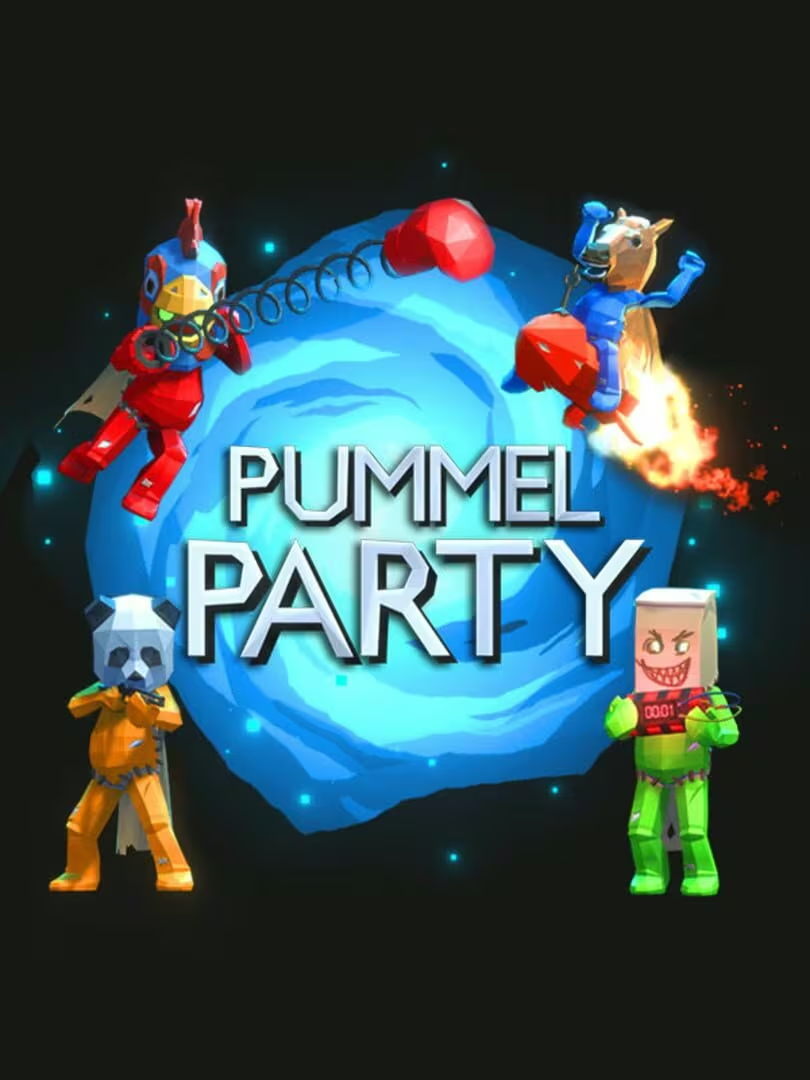
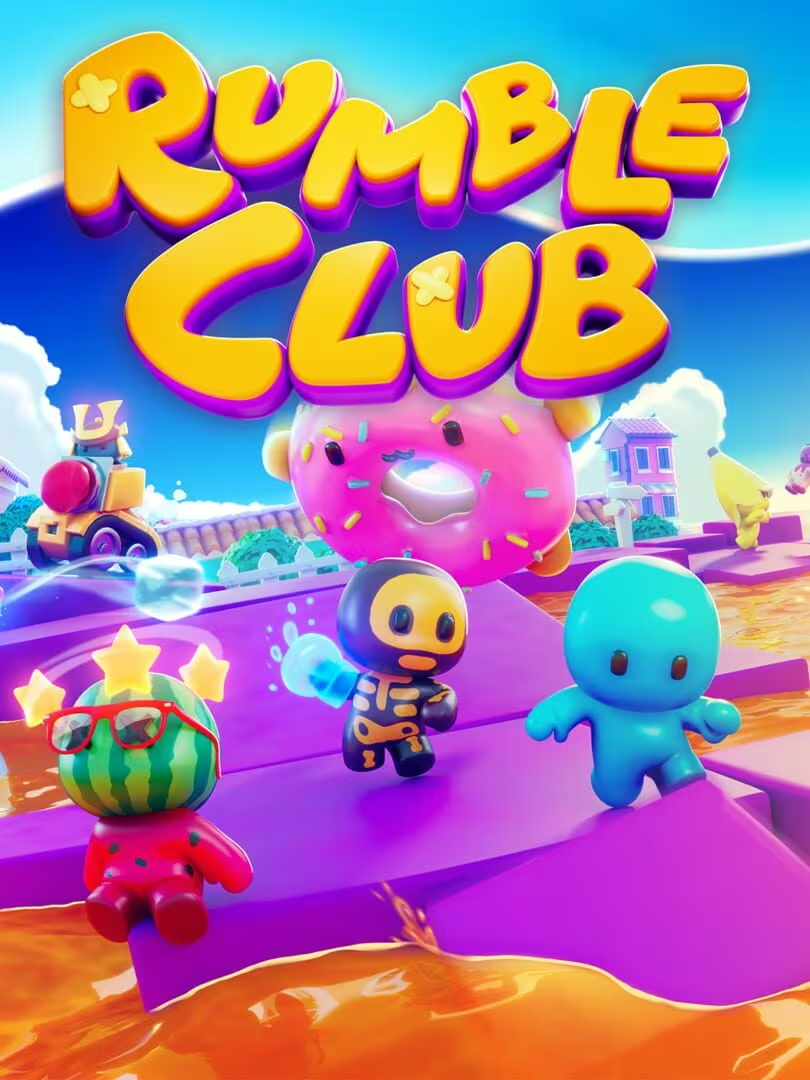
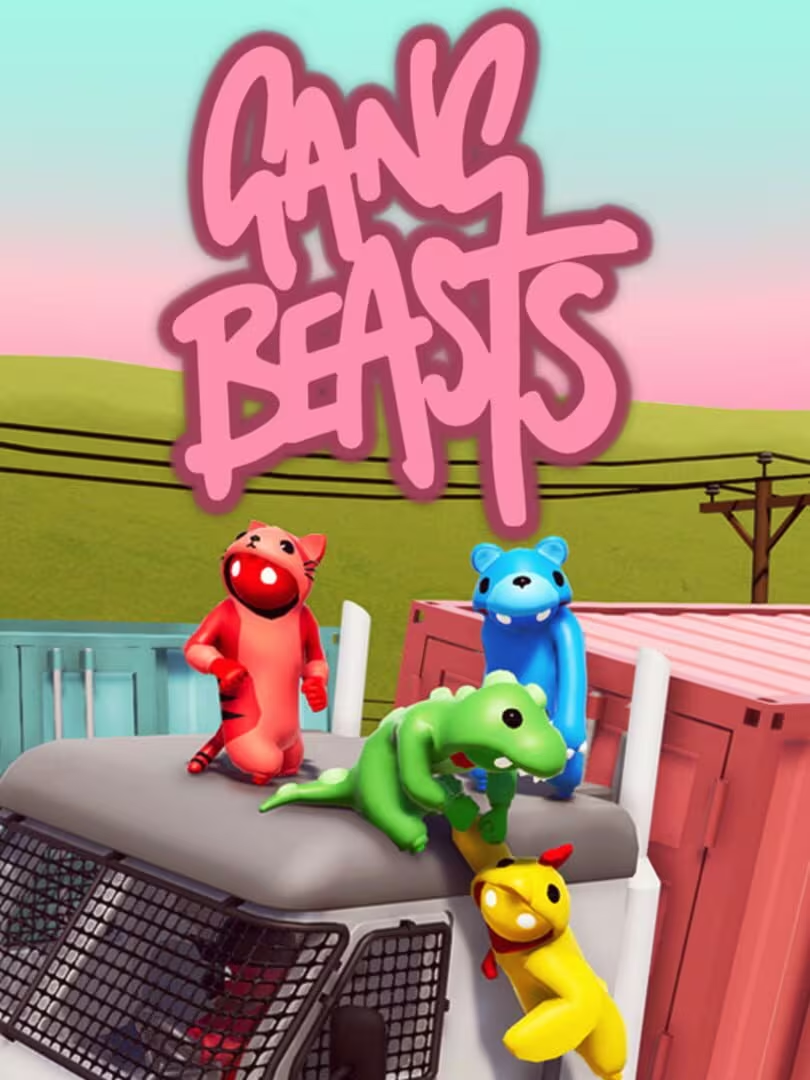
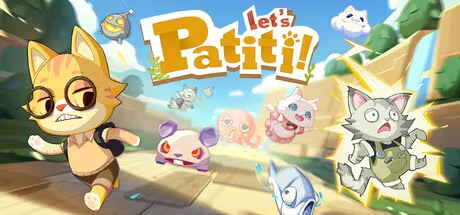
LEGO® Party! Thumbnail

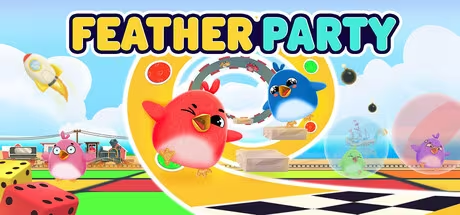
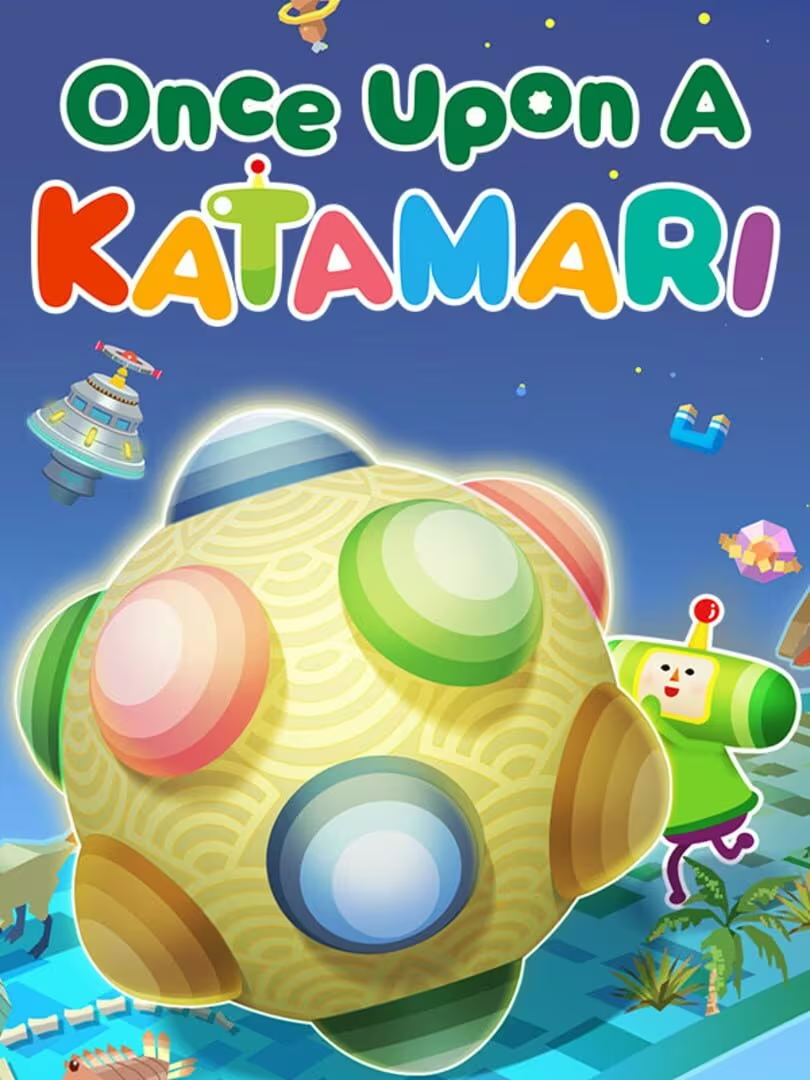
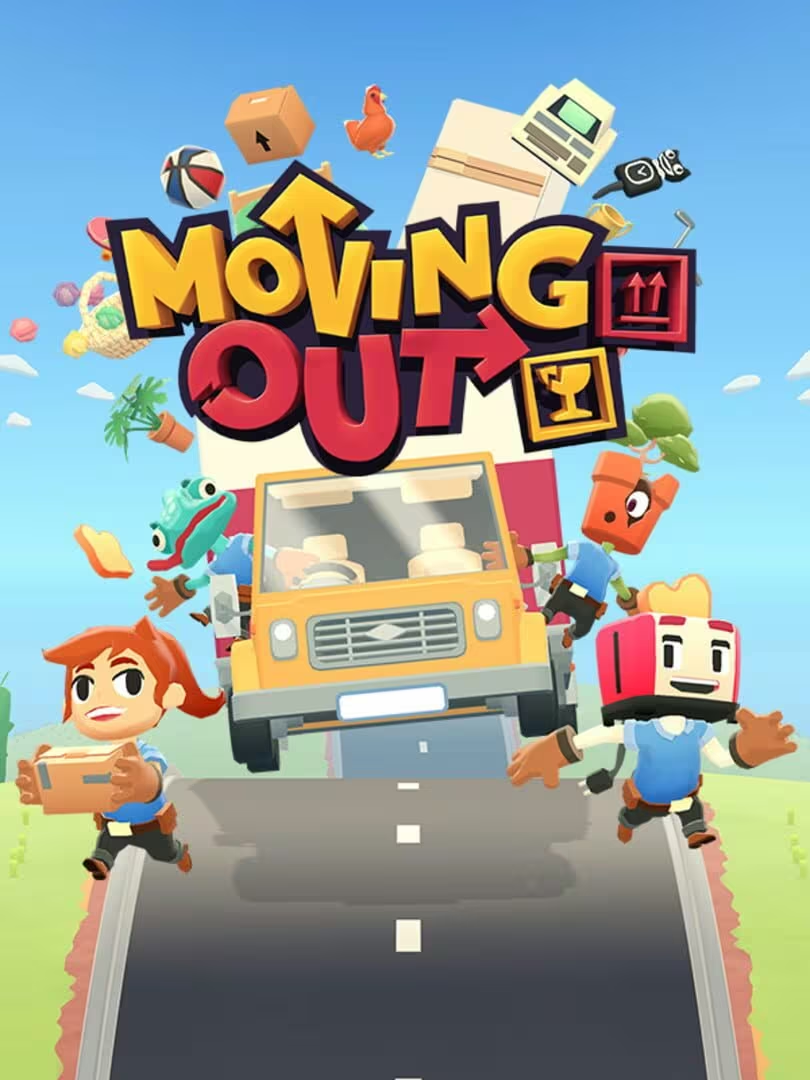
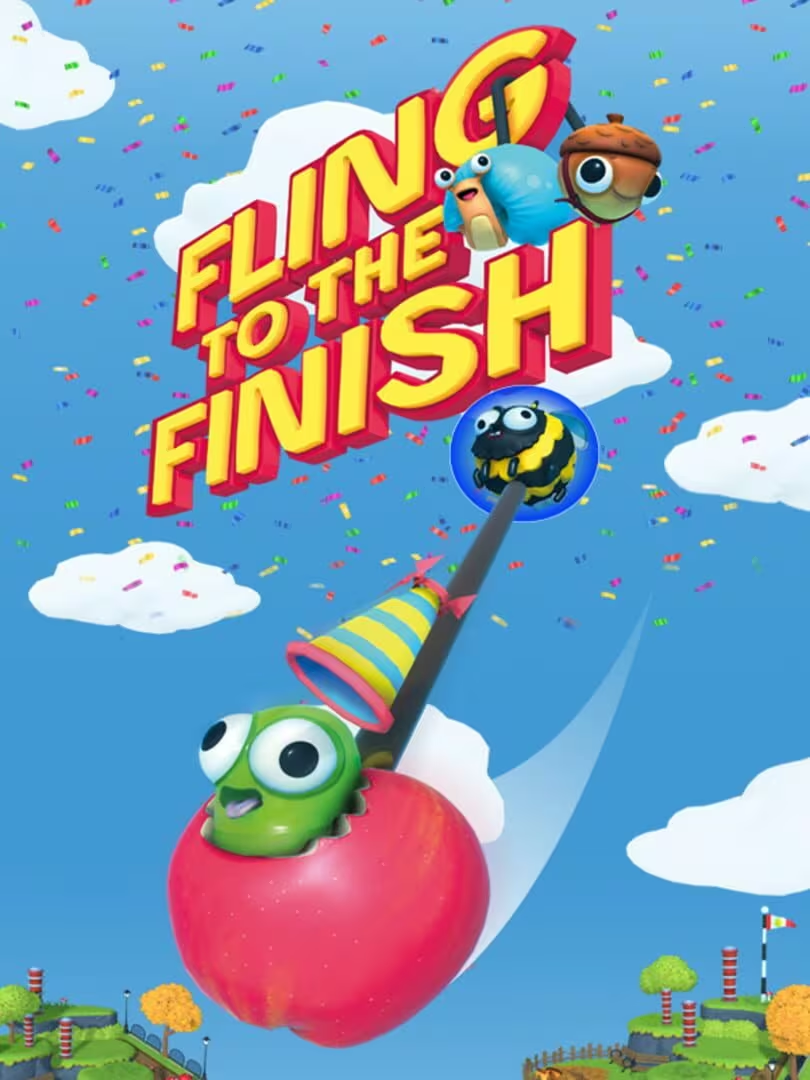
LEGO® Party! similar games & best alternatives

LEGO® Party!

PC (Microsoft Windows) • 2025

Related articles

Quick resume

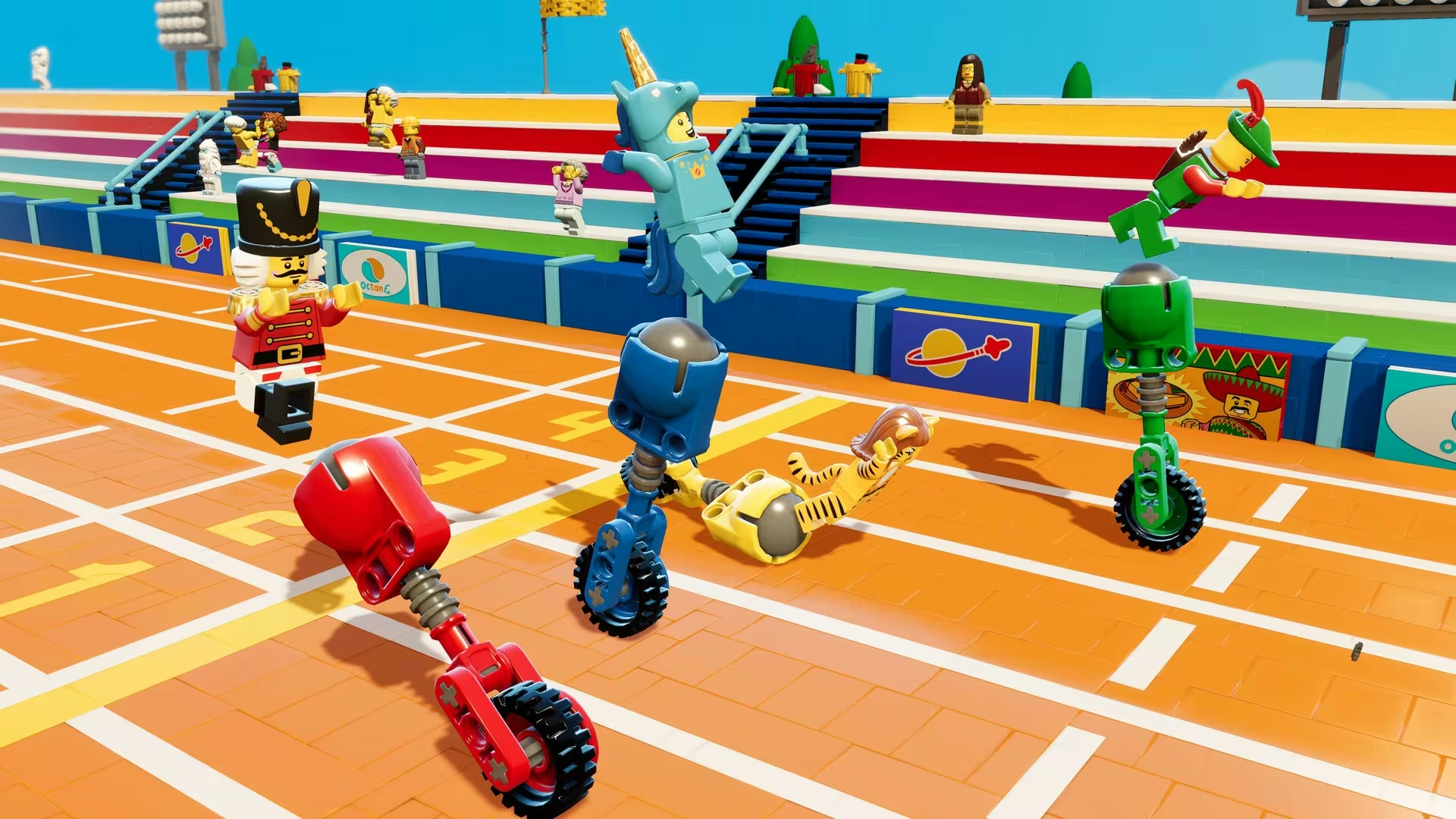
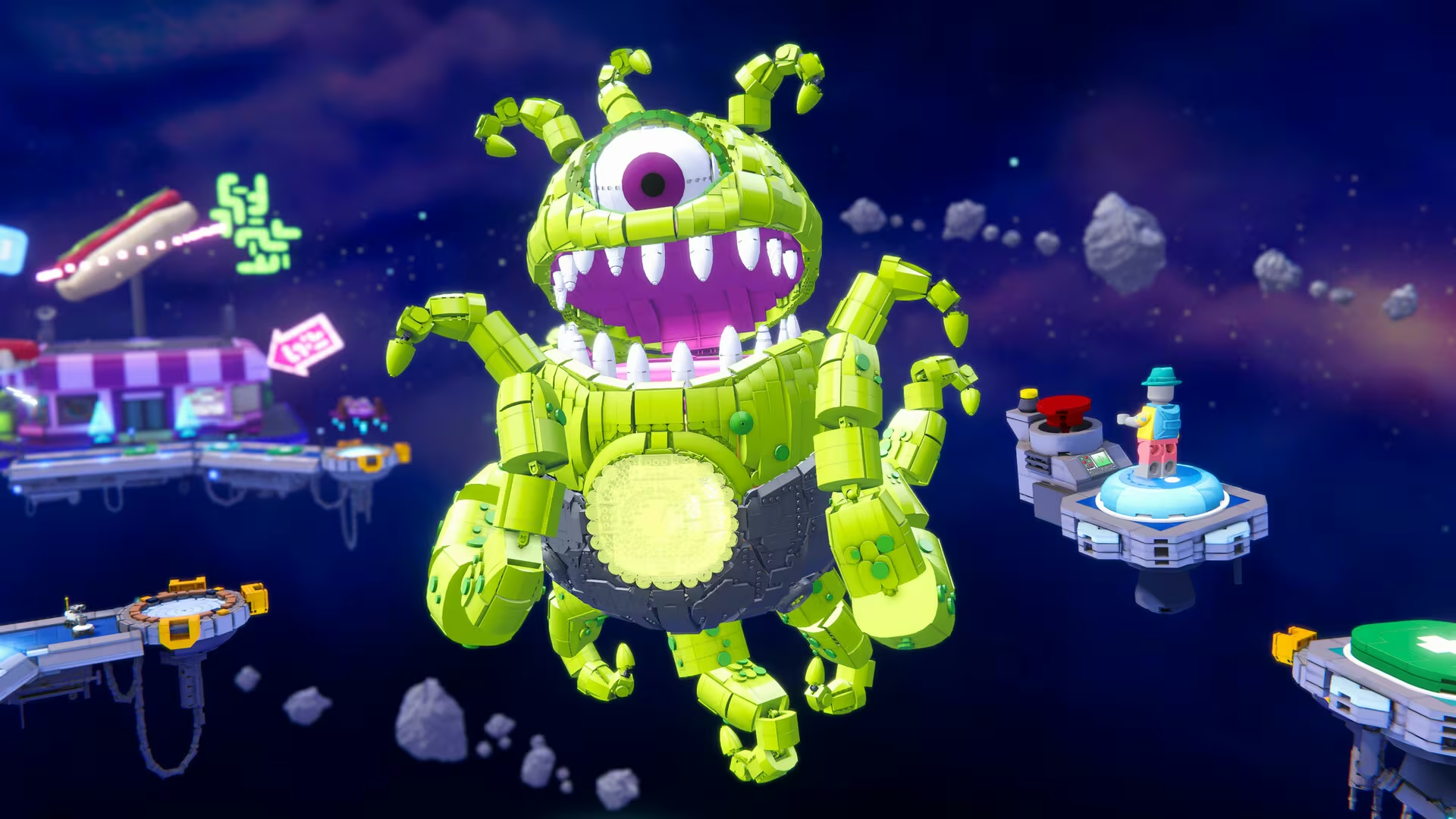
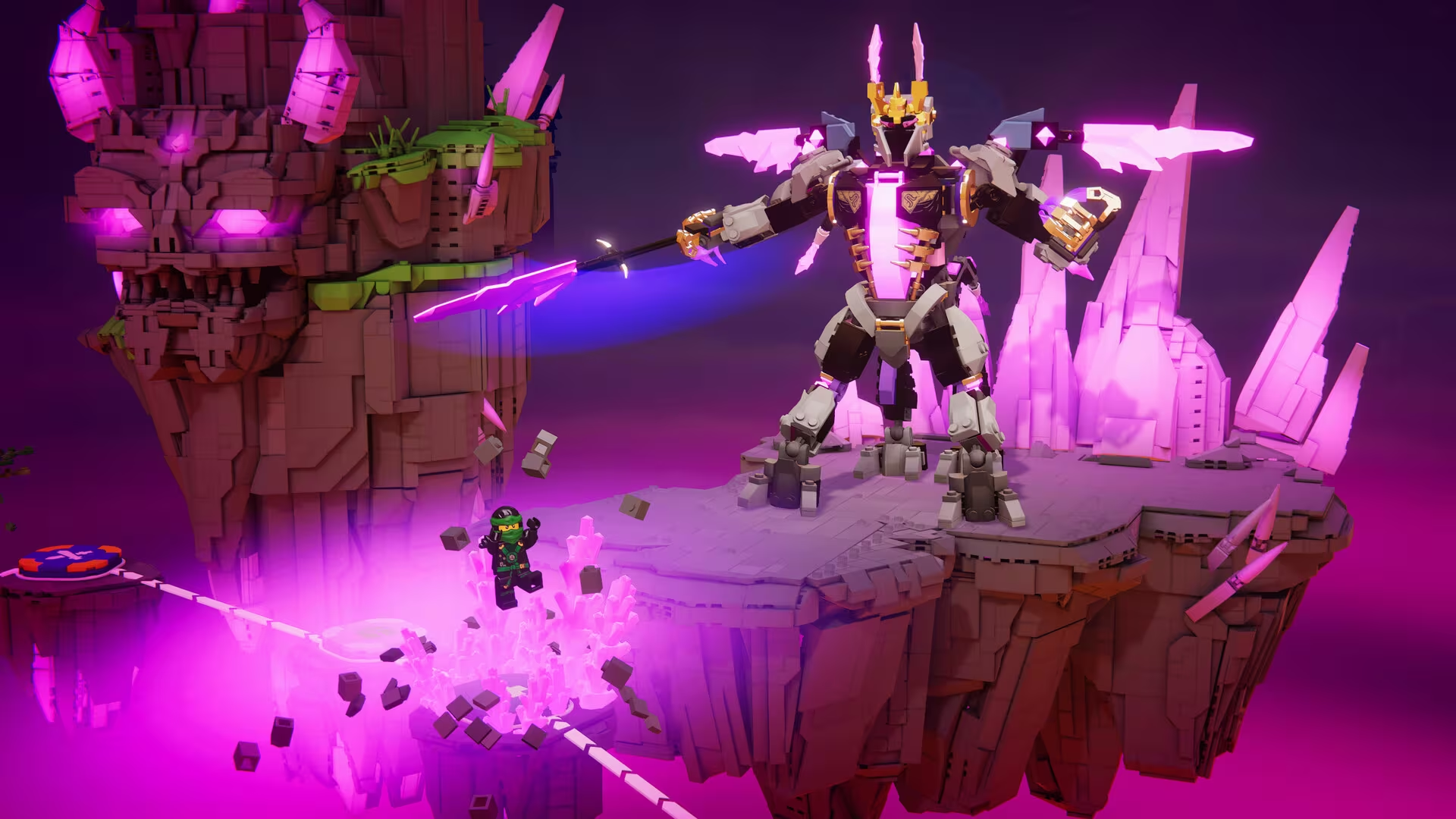
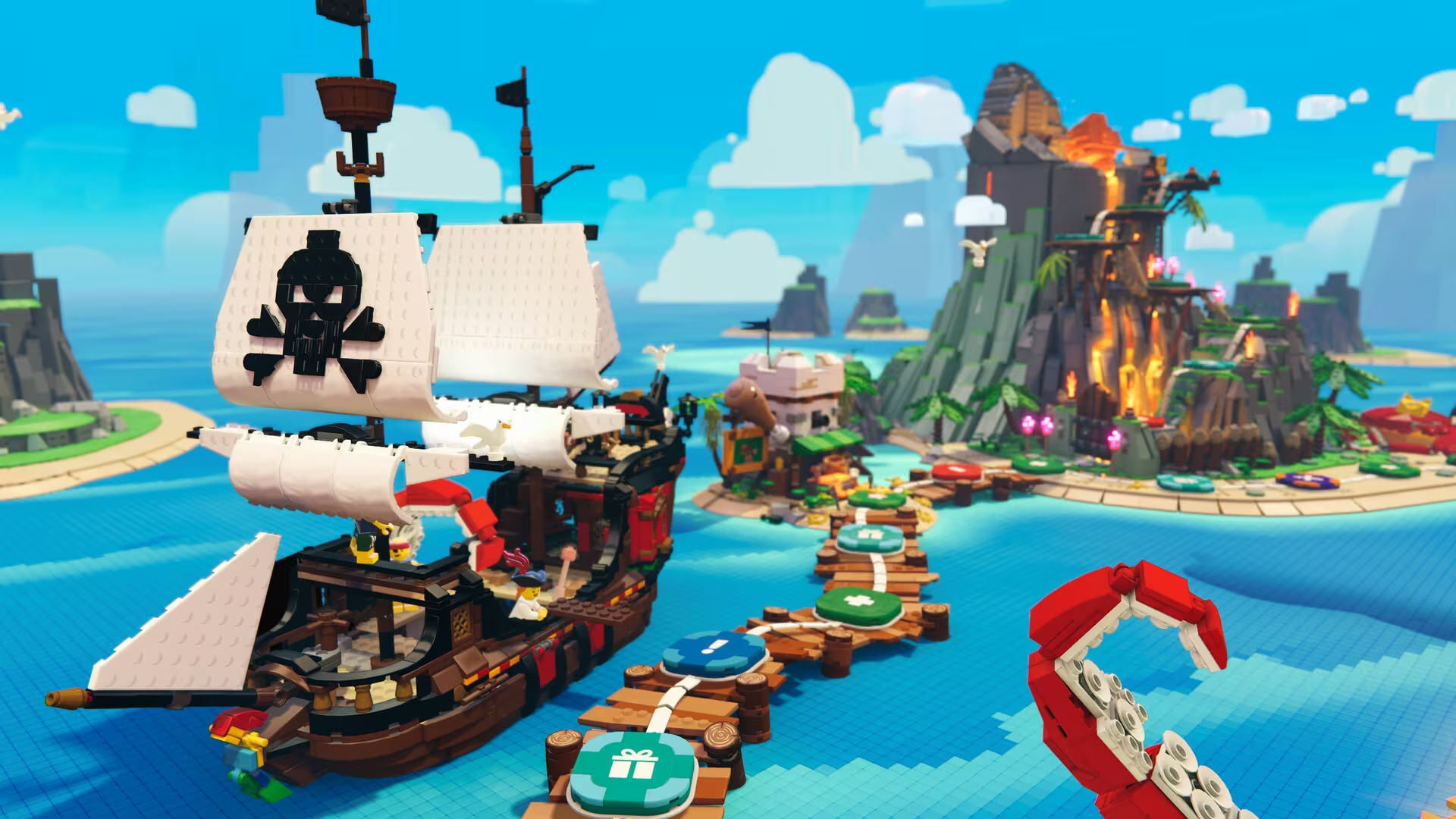
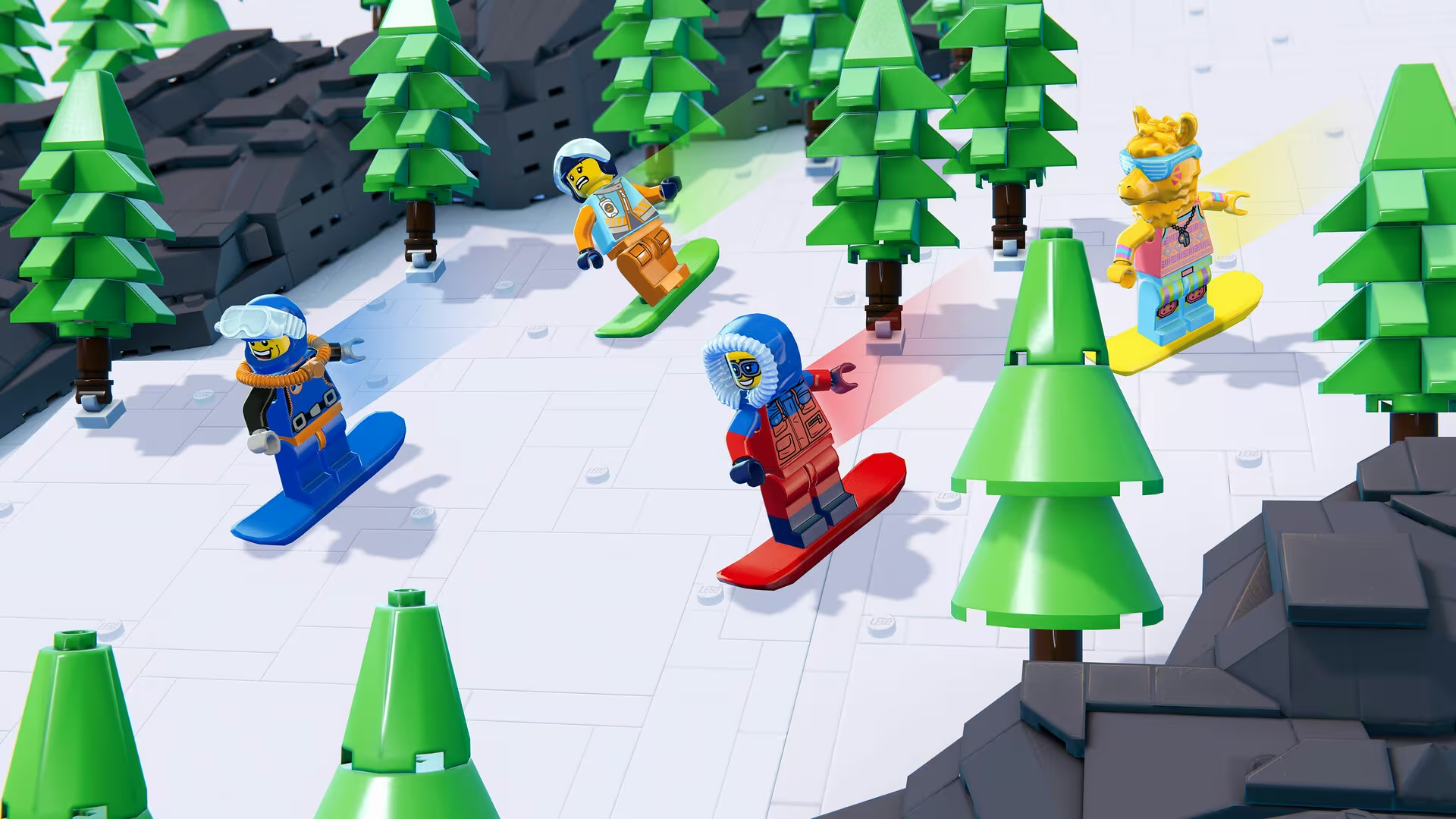
LEGO® Party! is a 4-player party game that's built different! Compete against your friends in wacky Challenge Zones and 60 hilarious minigames from across your favorite LEGO sets like Pirates, Space, NINJAGO® and more. Play your way! Join your friends no matter their platform locally or online!

Global score

87/100

Genres

Action, Casual

Similar games

    Pros

    • Fun and varied mini-games
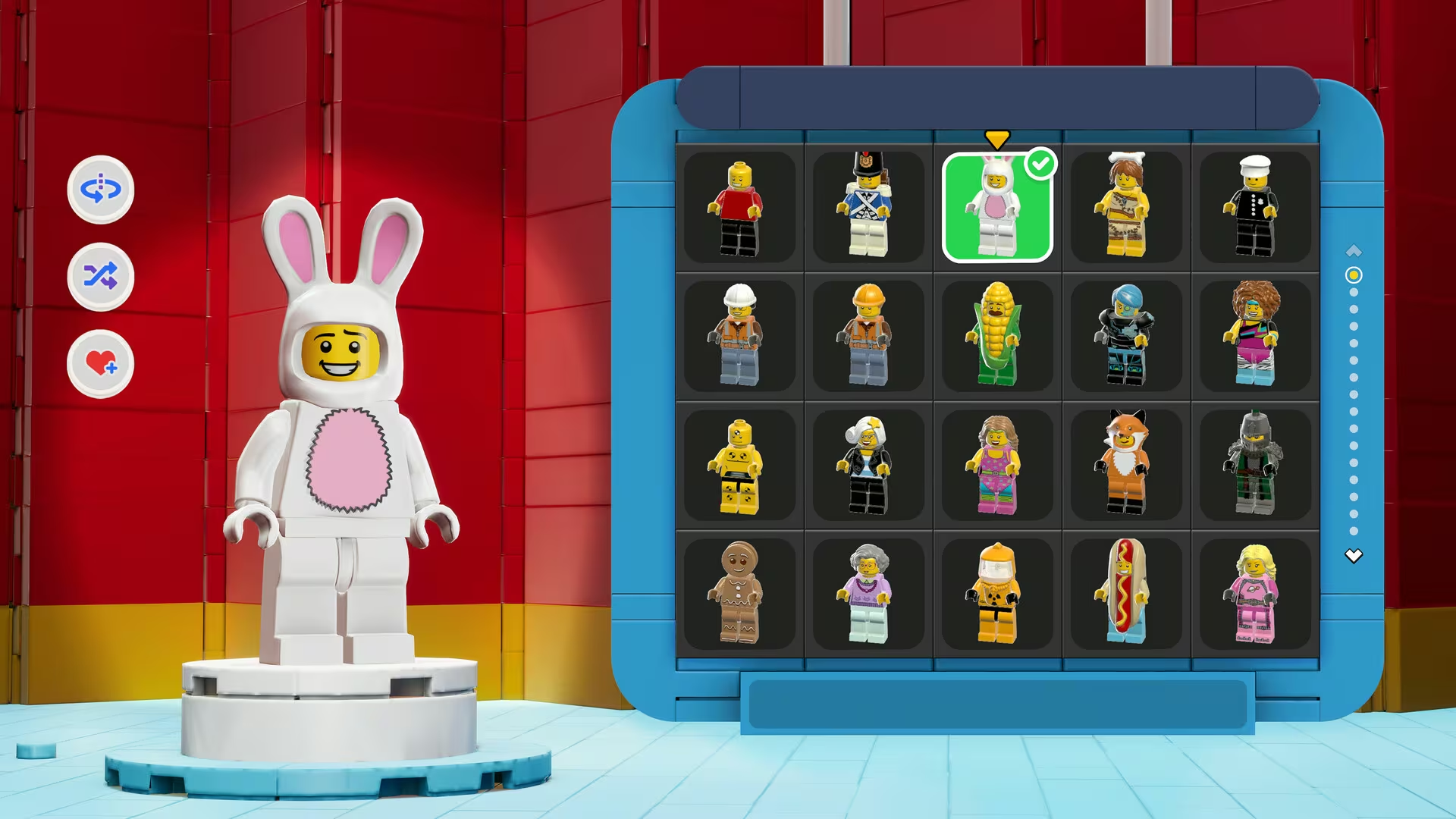
    • Extensive character customization
    • Cross-platform multiplayer and remote play
    • Strategic and dynamic board gameplay
    • No microtransactions, fair pricing

    Cons

    • Limited number of boards
    • Lack of online matchmaking
    • Some repetitive commentary
    • No bonus rewards at game end
    • Ai bots can be weak or erratic

    Analysis

    Broadly representative of its motivational profile, with a few distinct shifts. Motivations that often define this kind of title include Competition, Fellowship, Domination, Status. It leans lower than usual among comparable games on Violence, Cooperation, Survival.

    How to use the graph
    Similar games map

    Each dot is a game. They are arranged from the same motivation profile as in the “Motivations” section below. Closer dots usually mean more similar reasons to play (exploration, competition, relaxation, etc.)—not that one game is “better” than another.

    • Larger dot with a light outline: the game you are viewing.
    • Colour: groups of games with comparable motivation patterns (statistical clusters).
    • Hover a dot to see the game name; click to open its page.
    • Scroll or double-click the chart to zoom out and see more games.

    Why don’t the axes read like a score? This view uses t-SNE: it only keeps who is close to whom. The scales are not “good to bad” or hours played—they separate groups on the map. Read distance between dots, not the axis numbers.

    Motivations

    • Autonomy
      4

      "Players have freedom to customize characters extensively and choose mini-games via voting, plus strategic decisions on board expansions and item usage."

    • Competence
      3

      "Mini-games require skill and practice; players receive feedback and can improve, though some randomness remains in board game elements."

    • Competition
      4

      "Strong focus on competing against others in mini-games and board play with clear winners and losers."

    • Continuation
      4

      "Players express desire to keep playing, with progression systems and unlocks encouraging habitual play."

    • Cooperation
      -3

      "Primarily competitive free-for-all gameplay with limited team or cooperative modes."

    • Creativity
      4

      "Extensive character customization and board building mechanics allow creative expression and modification."

    • Domination
      2

      "Players can exert control by stealing bricks and items, but interactions are balanced and respectful."

    • Escapism
      3

      "Players use the game as fun distraction and social entertainment, escaping real life stresses."

    • Expectation
      -4

      "Players engage voluntarily out of personal desire and enjoyment rather than obligation."

    • Experimenting
      3

      "Players try different mini-games, board strategies, and character customizations, exploring game mechanics."

    • Exploration
      2

      "Board expansions and dynamic paths encourage some discovery, though maps are limited in number."

    • Expression
      5

      "Highly detailed avatar customization supports strong self-expression."

    • Fantasy
      4

      "Imaginative LEGO-themed worlds and humorous commentary create a playful fantasy experience."

    • Fellowship
      4

      "Strong social component with multiplayer, crossplay, and community engagement."

    • Growth
      3

      "Progression systems and skill-based mini-games promote learning and improvement."

    • Health
      -4

      "Typical sedentary gaming experience with no physical activity elements."

    • Idle
      -3

      "Requires focused attention during rounds and mini-games; not designed for passive or background play."

    • Intimacy
      3

      "Encourages social interaction and bonding through shared play and communication."

    • Leadership
      1

      "Limited leadership roles; players mostly act independently or competitively without formal group management."

    • Progression
      4

      "Players accumulate experience, unlock cosmetics, and collect golden bricks as rewards."

    • Relaxation
      2

      "Generally lighthearted and fun, though some tension arises from competition and unpredictability."

    • Sensation
      4

      "Bright visuals, lively animations, and humorous audio provide strong sensory stimulation."

    • Status
      2

      "Recognition through winning and leaderboard-like outcomes, though social status is informal."

    • Story
      -3

      "Minimal narrative; gameplay focuses on board and mini-game mechanics without overarching plot."

    • Strategy
      3

      "Players plan moves, manage resources, and choose mini-games strategically."

    • Thrill
      3

      "Excitement from unpredictability, competition, and risk in mini-games and board events."

    • Value
      3

      "Players perceive good value for price due to quality, content, and cross-platform play."

    • Violence
      -4

      "Focus on playful competition and building rather than combat or destruction."

    • Survival
      -2

      "Low risk gameplay; no survival or failure avoidance mechanics."

    Last update: 29/04/2026