Rumble Club Thumbnail

Rumble Club similar games & best alternatives
Rumble Club

PC (Microsoft Windows), iOS, Mac, Android • 2024

Related articles

Quick resume

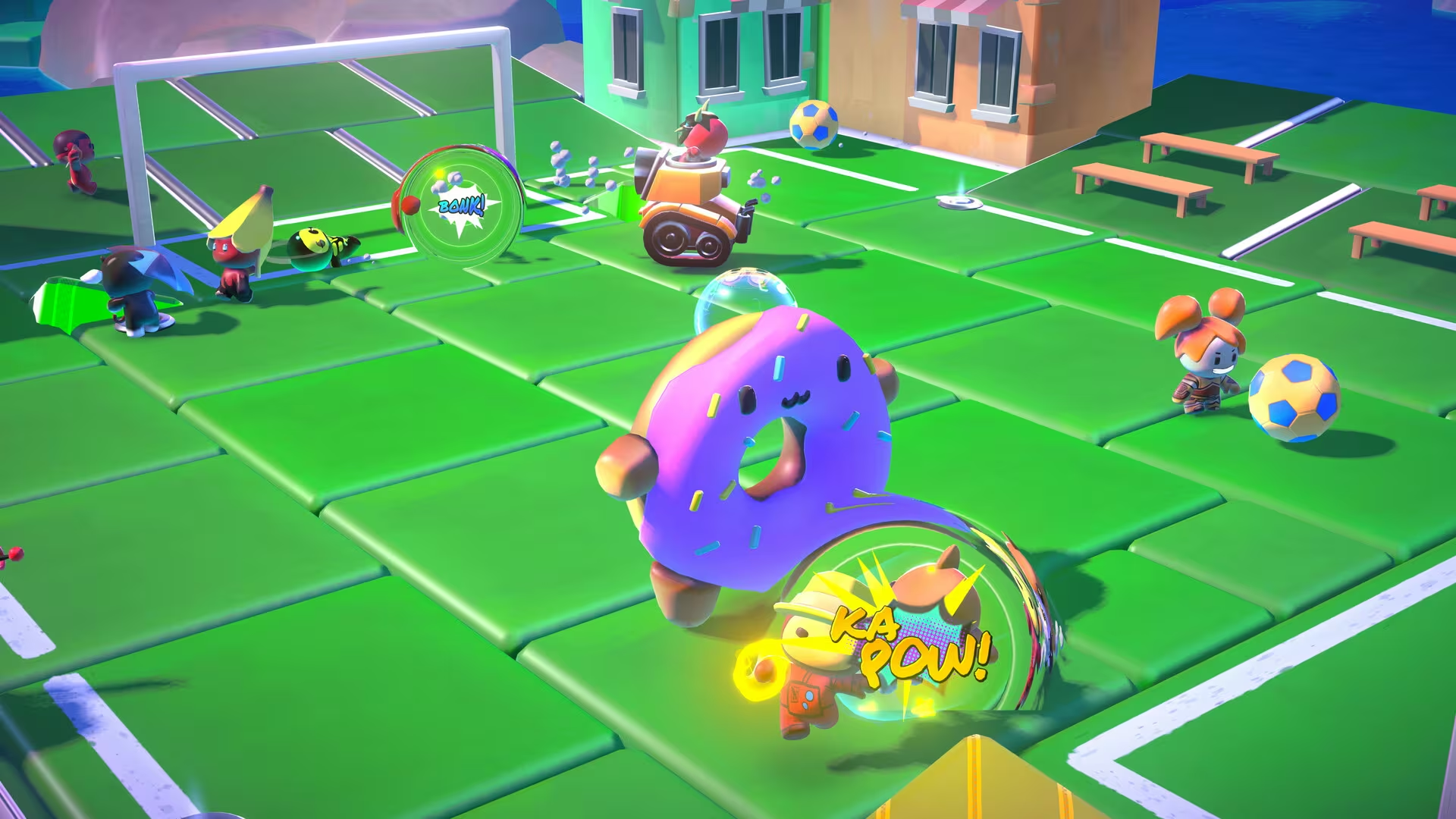
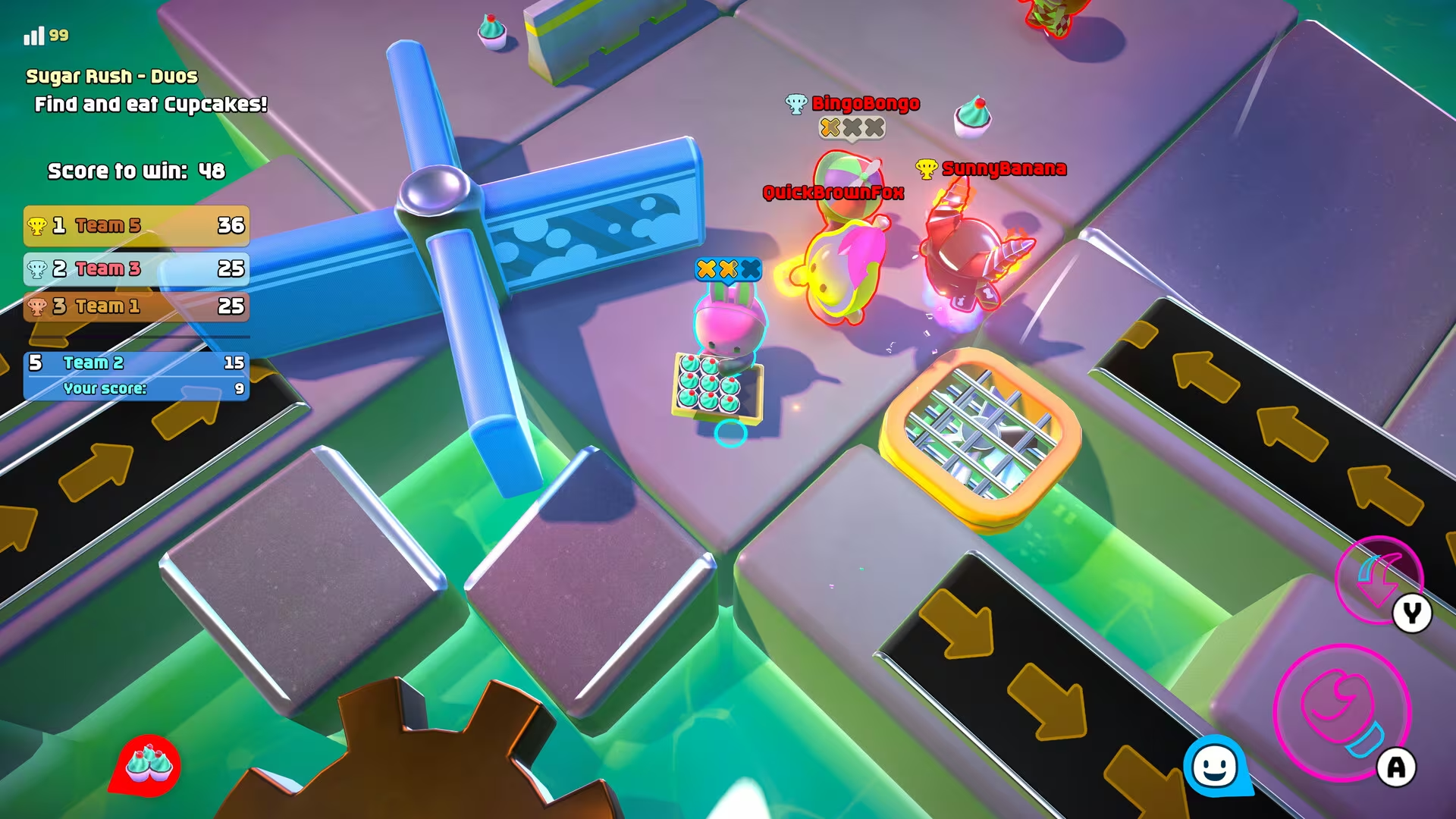
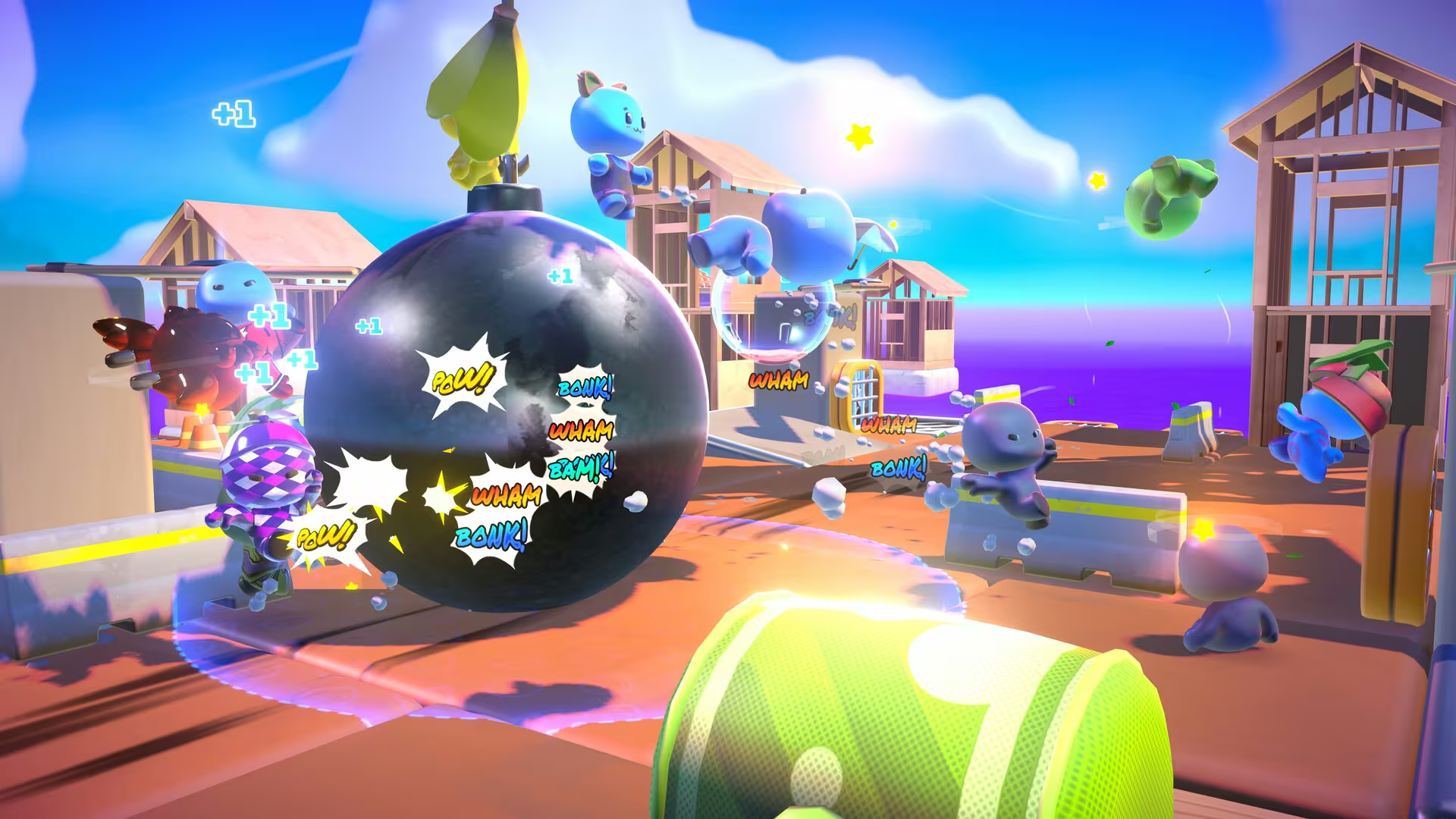
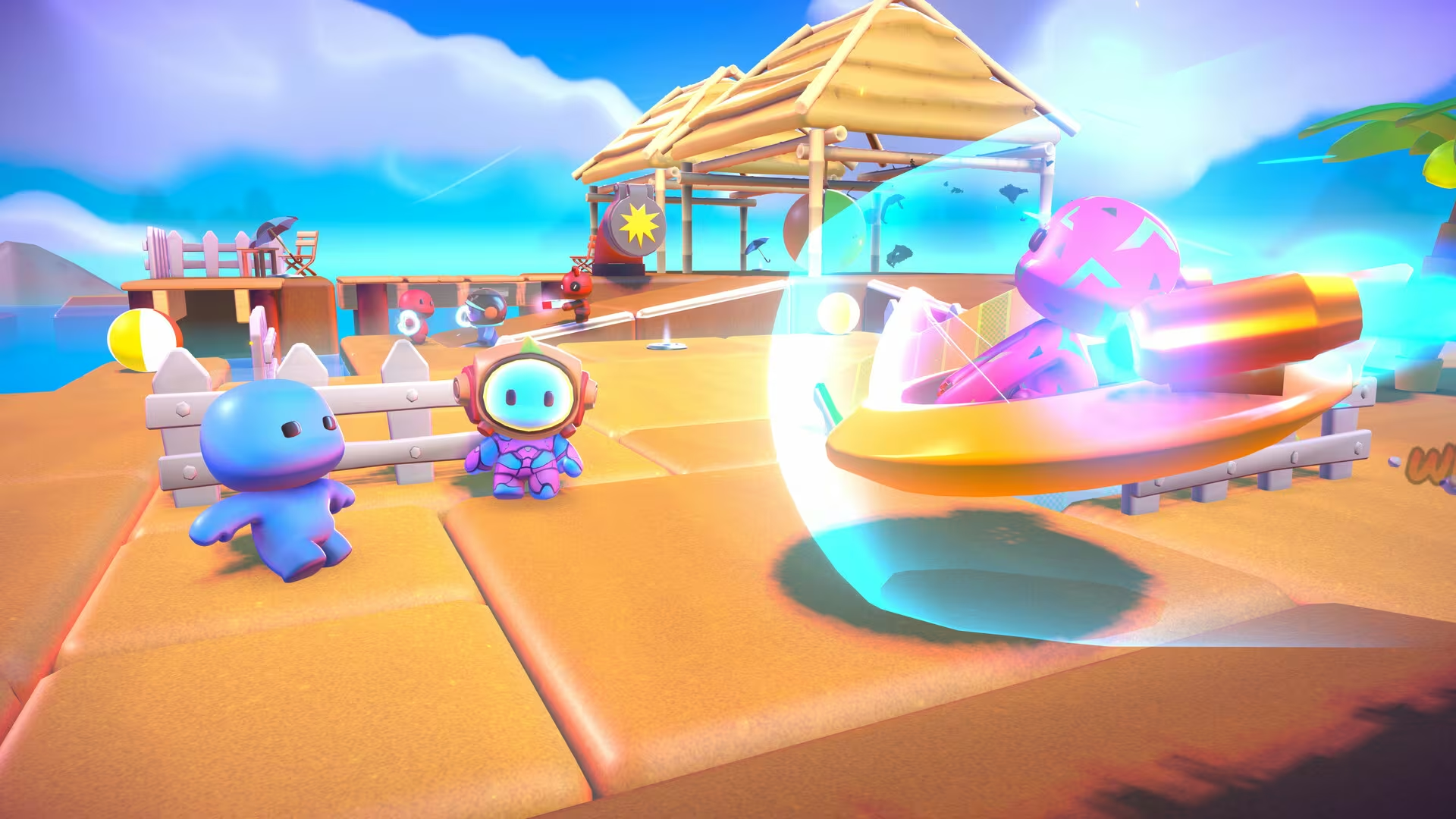
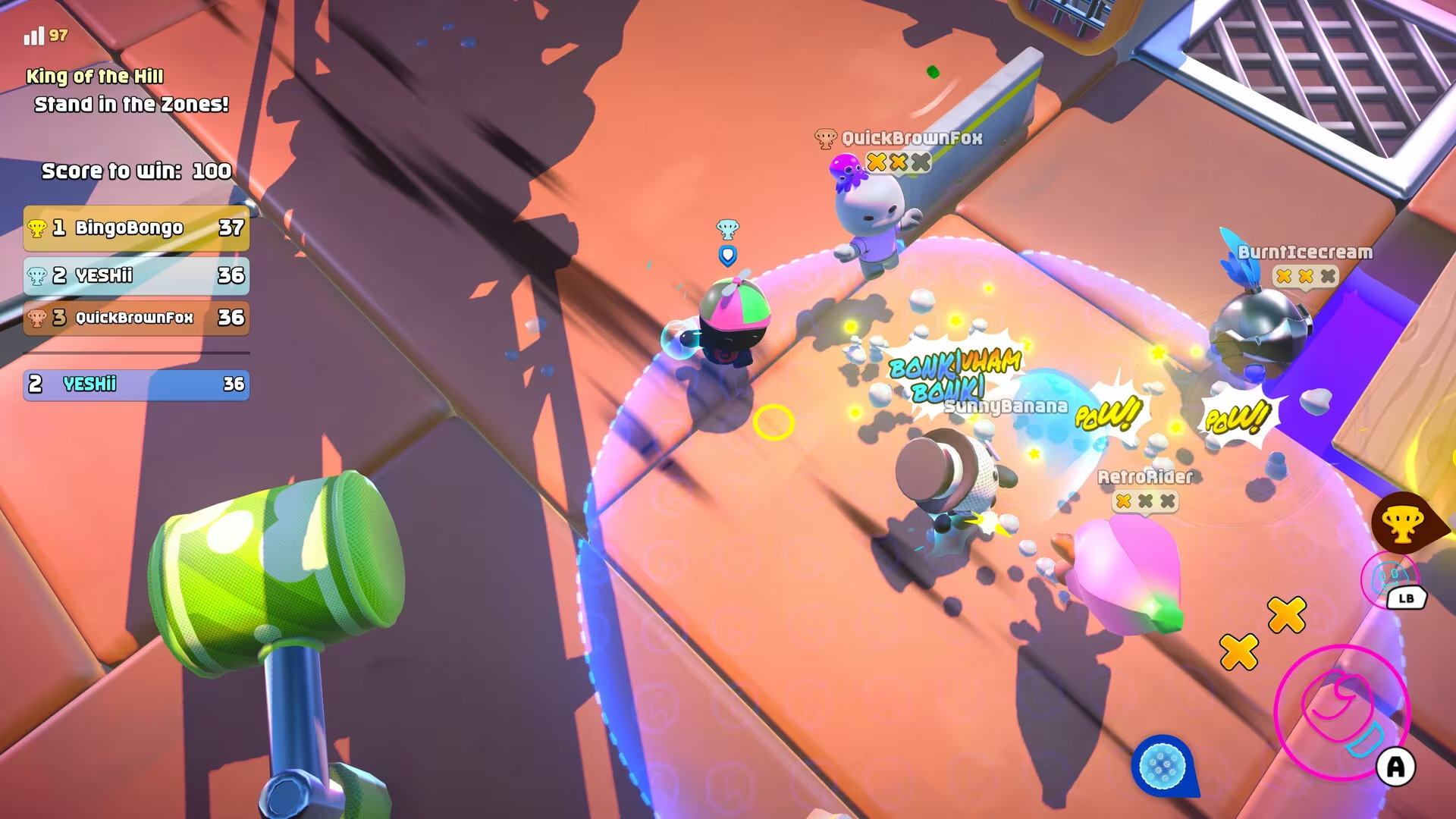
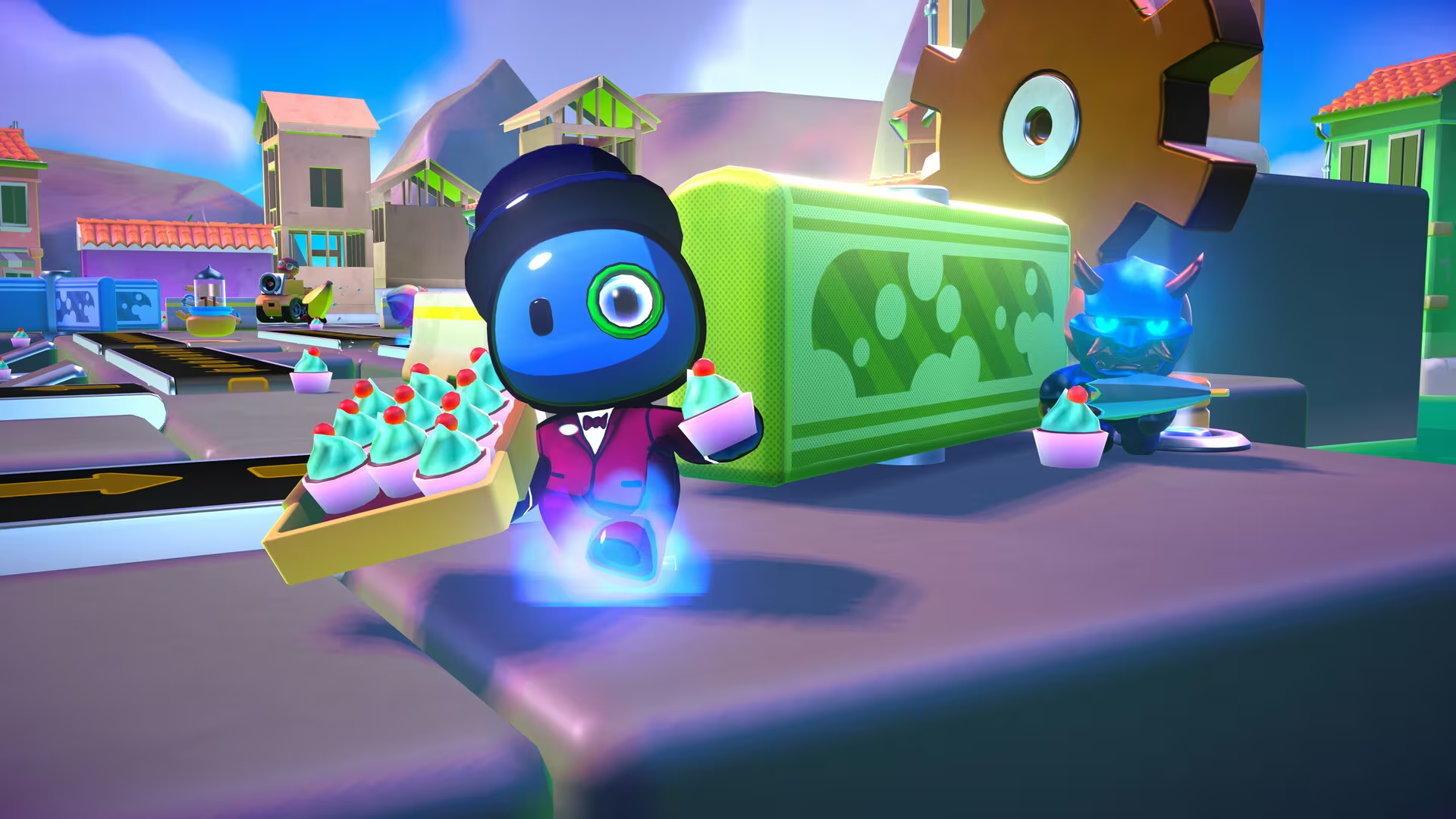
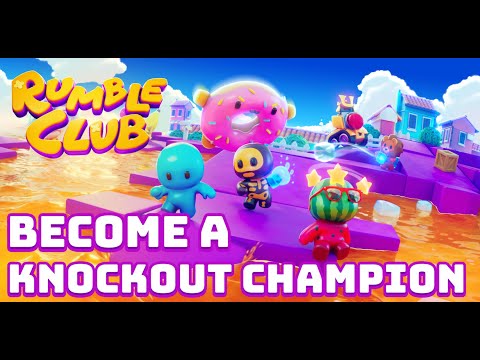
Punch your friends for free! Battle solo or squad up in clumsy chaos across an ever-changing slate of game modes with up to 20 players.

Global score

80/100

Genres

Action, Casual, Arcade, Indie, Fighting

Similar games

    Pros

    • Fun and addictive party gameplay
    • Free to play with accessible mechanics
    • Quick matches with instant re-queue
    • Variety of game modes and maps
    • Active developer support and community

    Cons

    • Pay-to-win elements in gadget upgrades
    • Limited gameplay depth and variety
    • Bugs and occasional connection issues
    • Some game modes less enjoyable or rng dependent
    • Ui and controls feel mobile-centric on pc

    Analysis

    Less representative of its motivational profile, with noticeable differences. Motivations that often define this kind of title include Competition, Fellowship, Domination, Status. It leans lower than usual among comparable games on Value, Story, Exploration.

    How to use the graph
    Similar games map

    Each dot is a game. They are arranged from the same motivation profile as in the “Motivations” section below. Closer dots usually mean more similar reasons to play (exploration, competition, relaxation, etc.)—not that one game is “better” than another.

    • Larger dot with a light outline: the game you are viewing.
    • Colour: groups of games with comparable motivation patterns (statistical clusters).
    • Hover a dot to see the game name; click to open its page.
    • Scroll or double-click the chart to zoom out and see more games.

    Why don’t the axes read like a score? This view uses t-SNE: it only keeps who is close to whom. The scales are not “good to bad” or hours played—they separate groups on the map. Read distance between dots, not the axis numbers.

    Motivations

    • Autonomy
      3

      "Players have freedom to choose characters, use different punches and gadgets, and engage in various game modes, though some modes are forced randomly."

    • Competence
      3

      "Game rewards skillful timing and positioning in fights; players can improve through practice, but overall mechanics are simple."

    • Competition
      4

      "Strong focus on PvP competition with ranked leaderboards, last-man-standing modes, and direct player confrontations."

    • Continuation
      2

      "Players report addictive, quick matches and instant re-queueing, encouraging habitual play, though some find content limited over time."

    • Cooperation
      2

      "Includes team modes (duos, trios, squads) and some cooperative elements like reviving teammates, but many play solo or free-for-all."

    • Creativity
      1

      "Customization options exist for characters and cosmetics, but gameplay is mostly fixed with limited creative expression."

    • Domination
      2

      "Players can assert dominance by knocking out others and climbing leaderboards; some trash talk and competitive banter noted."

    • Escapism
      4

      "Game offers chaotic, humorous, and lighthearted distraction from real life, often played for stress relief and fun."

    • Expectation
      -4

      "Players engage voluntarily for fun and social reasons, with no reports of obligation or pressure to play."

    • Experimenting
      2

      "Players try different gadgets, strategies, and game modes, though core mechanics remain simple and repetitive."

    • Exploration
      -2

      "Maps are varied but limited; players mostly navigate familiar arenas with little emphasis on discovery."

    • Expression
      3

      "Character customization and skins allow for self-expression, though mostly cosmetic without gameplay impact."

    • Fantasy
      3

      "Game features whimsical characters, exaggerated combat, and absurd power-ups, creating a playful fictional setting."

    • Fellowship
      3

      "Community engagement and playing with friends is common; social interaction and group play encouraged."

    • Growth
      2

      "Players can level up, improve gadgets, and develop skills, though progression is somewhat limited and criticized as pay-to-win."

    • Health
      -5

      "Typical sedentary gaming experience with no physical activity elements."

    • Idle
      -3

      "Requires active attention and quick reflexes; matches are short but demand focus."

    • Intimacy
      1

      "Some social interaction and friendships form, but mostly casual connections rather than deep relationships."

    • Leadership
      1

      "Some team modes encourage coordination, but no strong leadership or management roles emphasized."

    • Progression
      2

      "Players accumulate items, skins, and gadget upgrades, though progression is limited and monetized."

    • Relaxation
      2

      "Game provides fun and flow in short bursts, but some tension from competition and RNG elements exists."

    • Sensation
      3

      "Colorful visuals, humorous sound effects, and chaotic gameplay provide sensory stimulation and excitement."

    • Status
      3

      "Leaderboards and cosmetic rewards offer social recognition and visibility among peers."

    • Story
      -5

      "No narrative or plot; gameplay is context-free and focused on multiplayer action."

    • Strategy
      2

      "Some tactical depth in timing punches, using gadgets, and positioning, but overall simple mechanics."

    • Thrill
      3

      "Fast-paced matches with risk of elimination create suspense and excitement."

    • Value
      -2

      "Free to play with some positive feedback on value, but many criticize pay-to-win elements and monetization."

    • Violence
      4

      "Core gameplay revolves around punching, knocking out, and throwing opponents, emphasizing combat and destruction."

    • Survival
      3

      "Players strive to avoid elimination and stay alive as last punchie standing in battle royale modes."

    Last update: 29/04/2026