PC Building Simulator Thumbnail

PC Building Simulator similar games & best alternatives
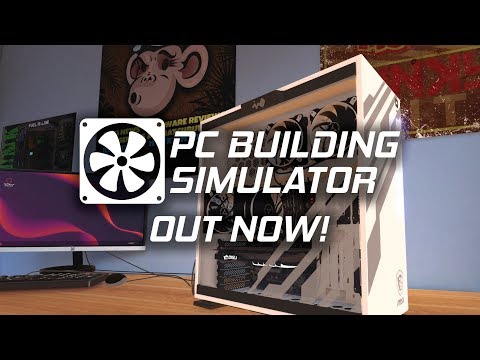
PC Building Simulator

Xbox One, PlayStation 4, Nintendo Switch, PC (Microsoft Windows) • 2019

Related articles

Quick resume

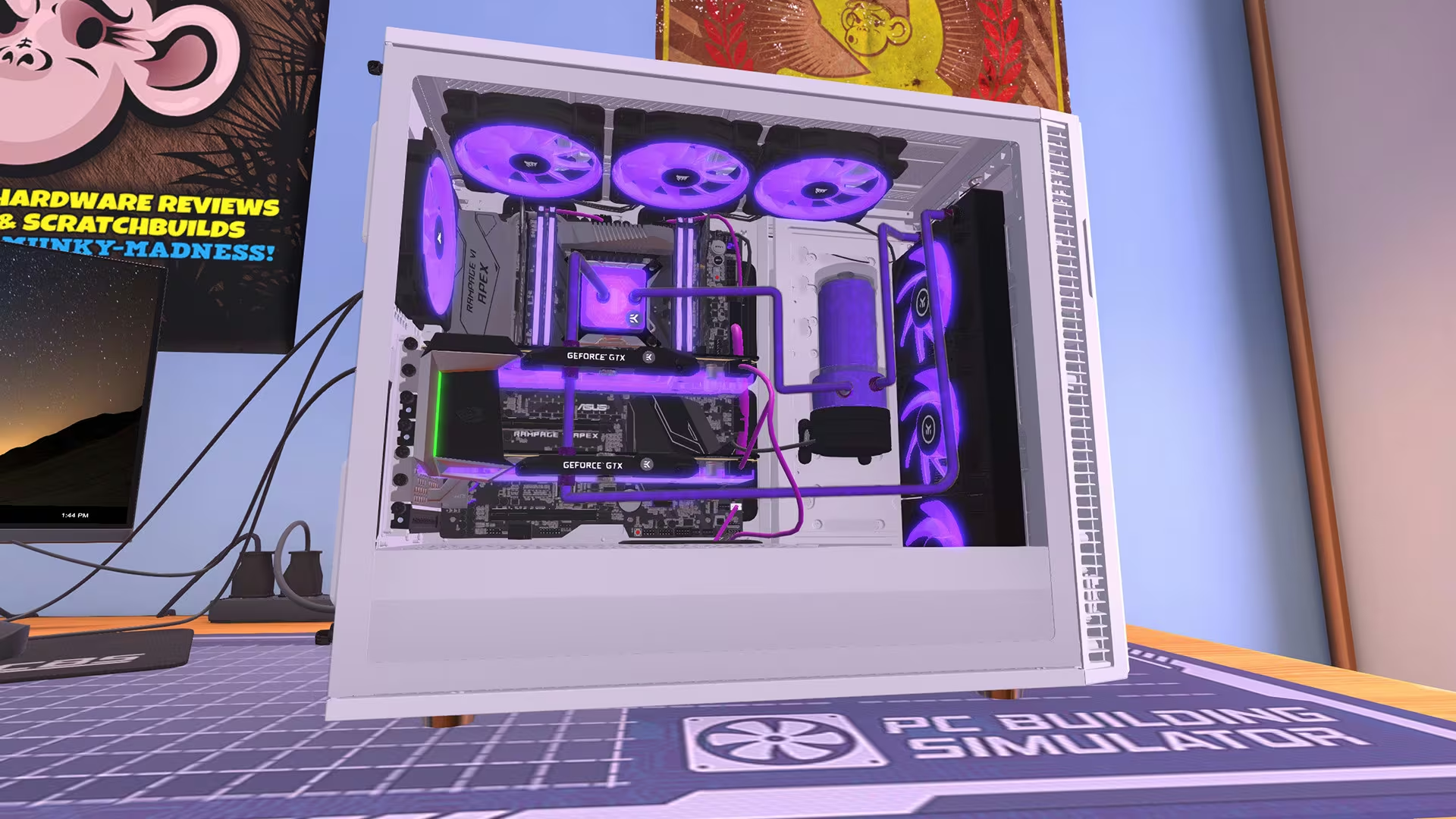
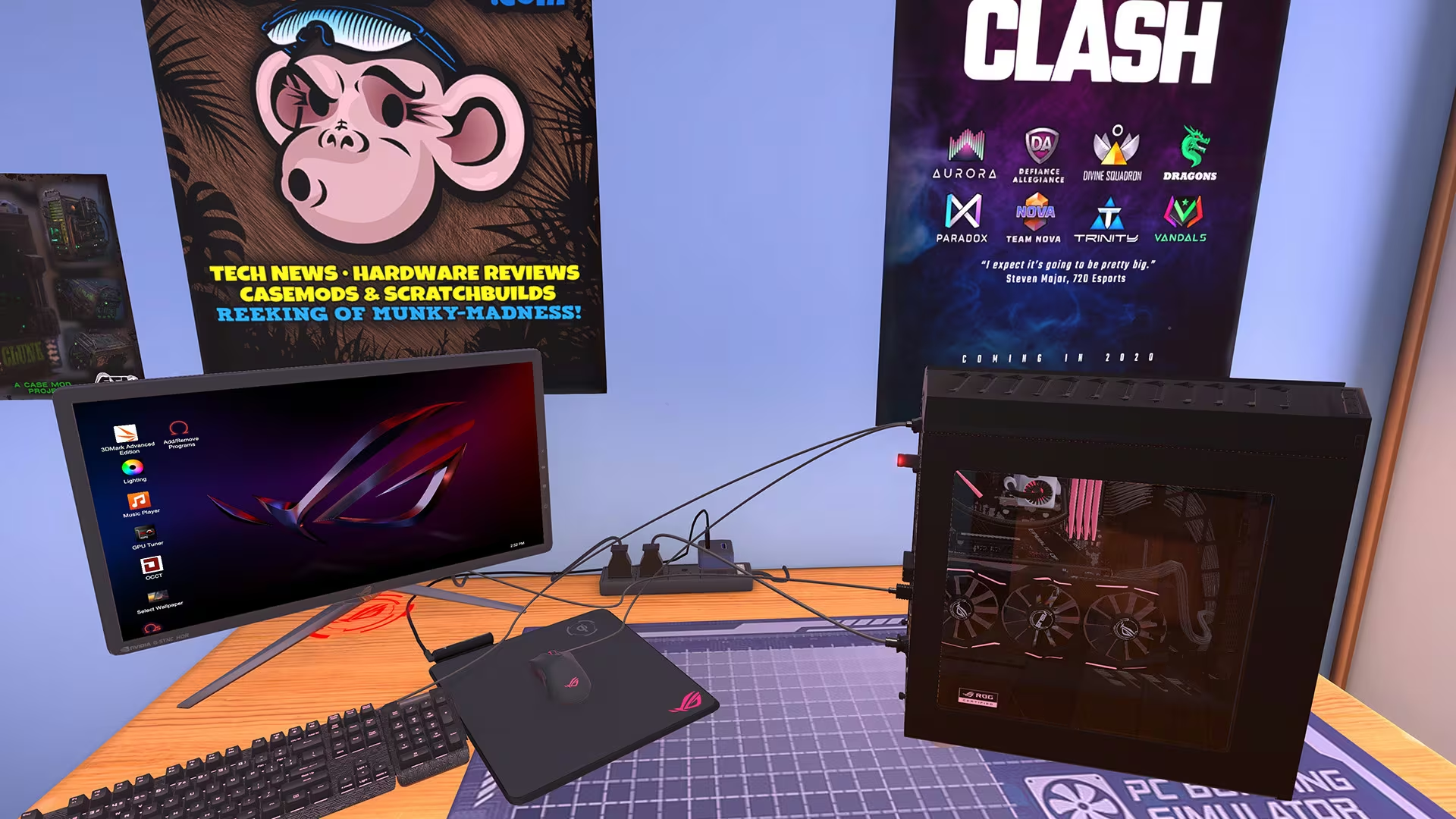
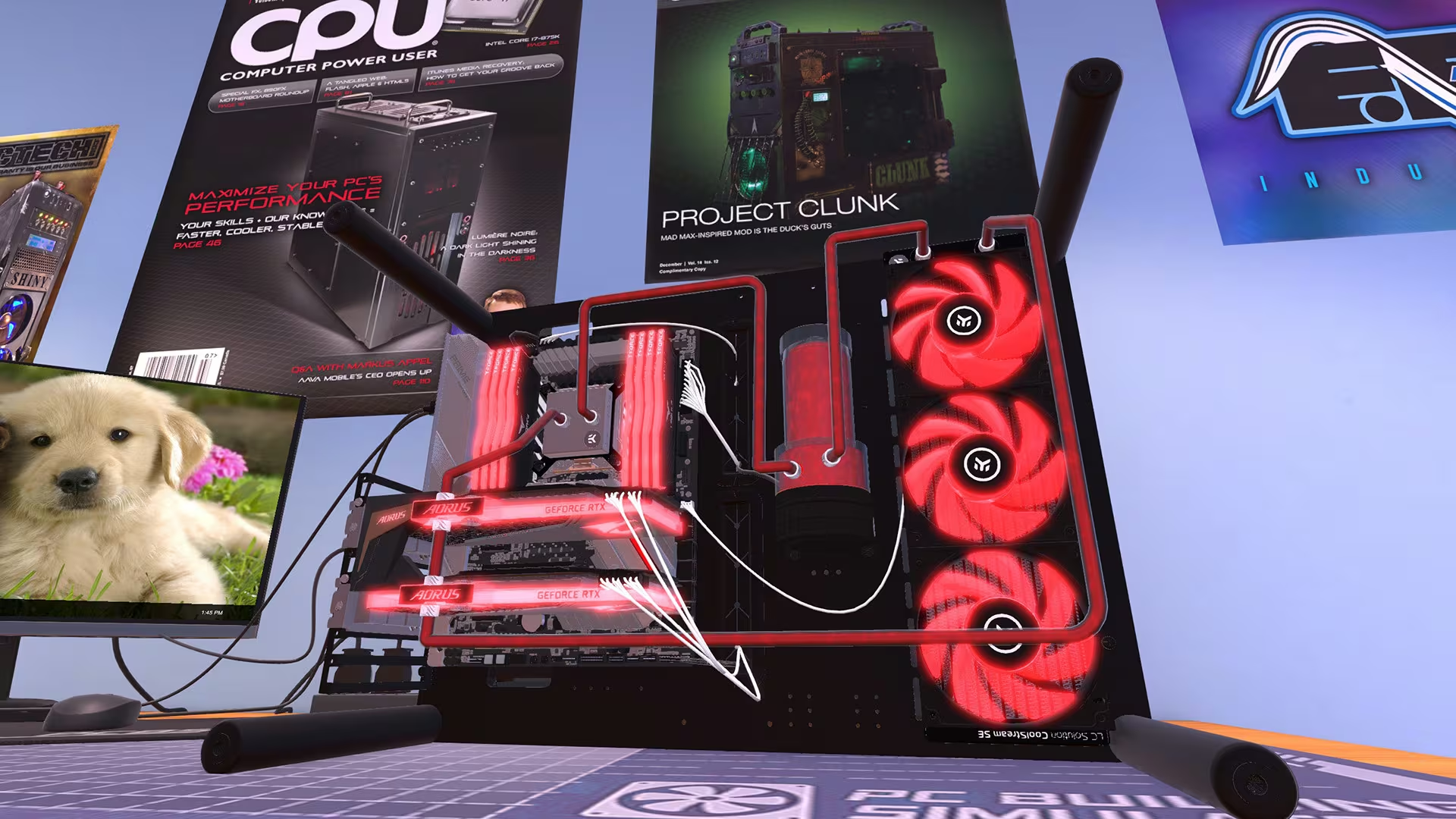
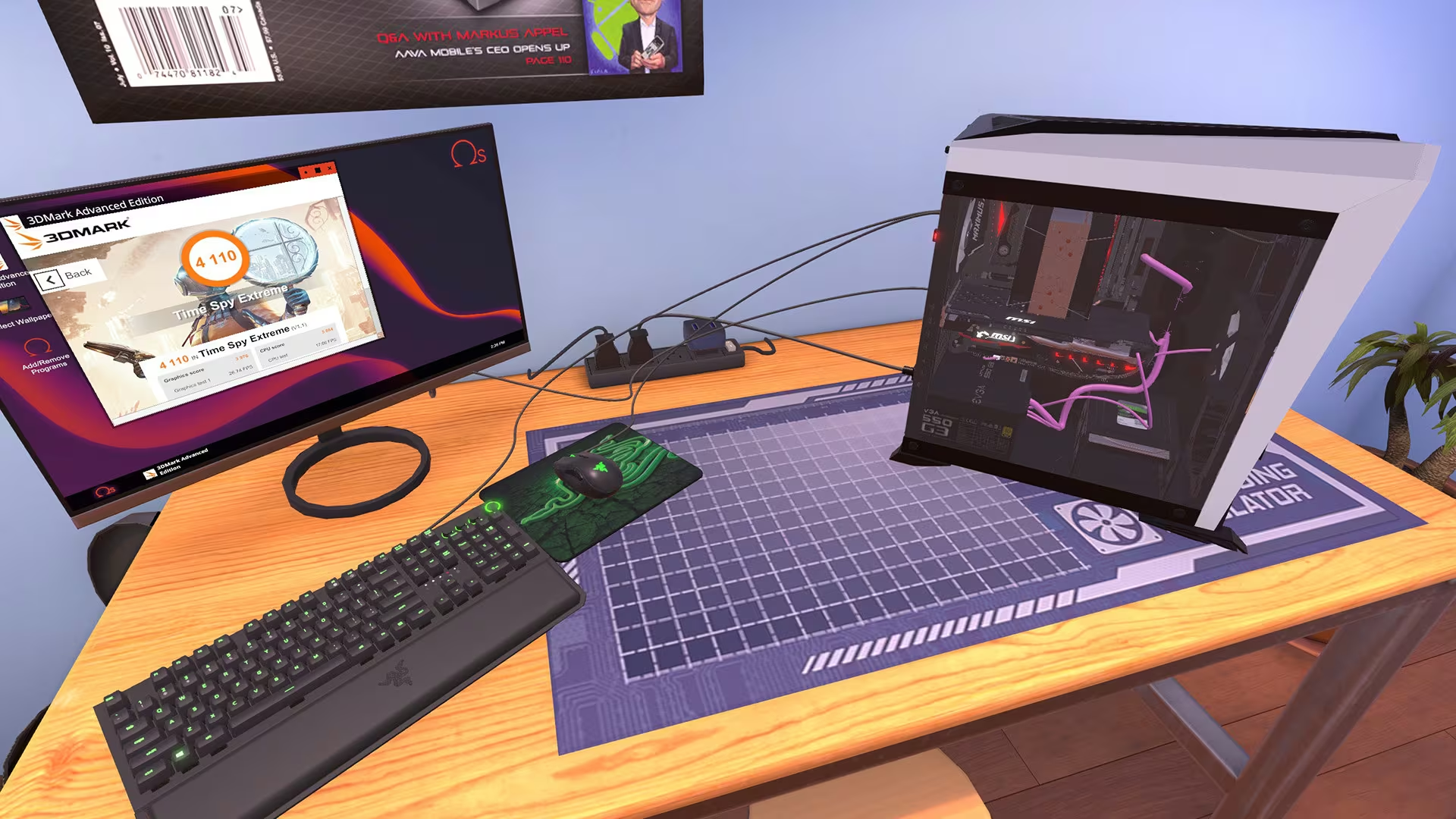
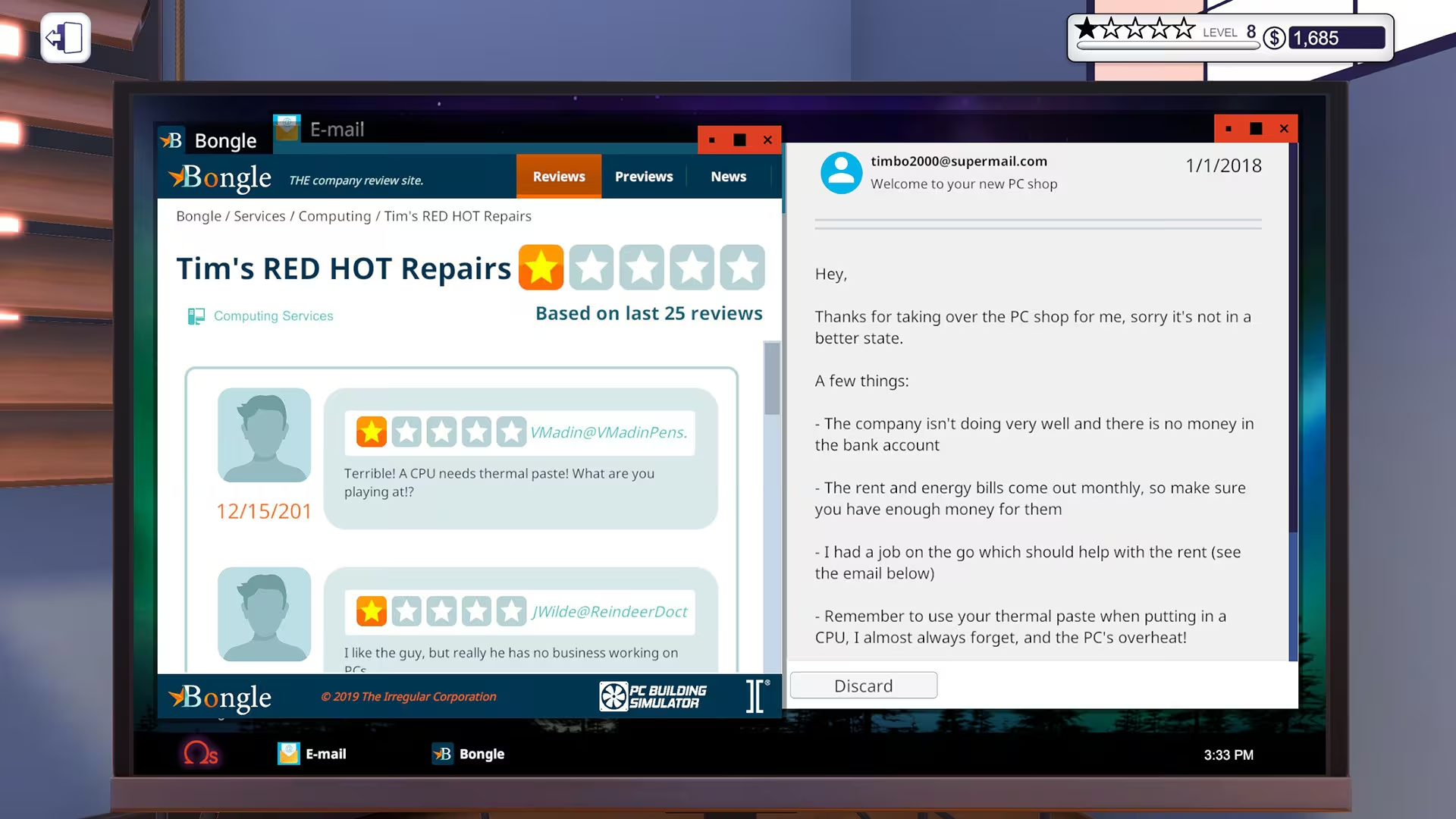
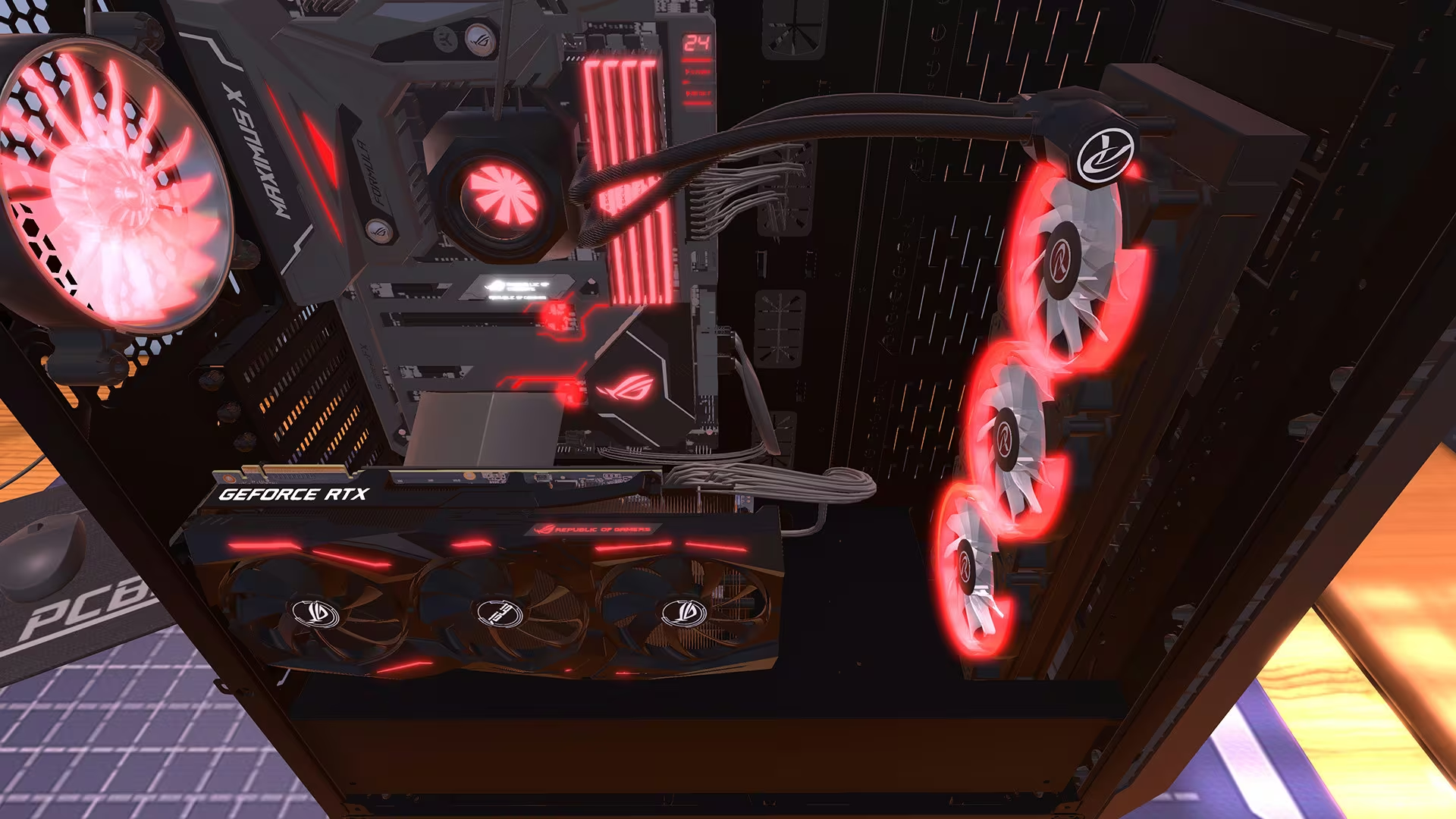
Build and grow your very own computer repair enterprise as you learn to diagnose, fix and build PCs. With real-world licensed components and comprehensive hardware and software simulation, you can plan and bring your ultimate PC to life.

Global score

94/100

Genres

Indie, Simulator, Strategy

Pros

  • Realistic and educational pc building simulation
  • Wide variety of real-world components
  • Engaging career and free build modes
  • Good balance of challenge and relaxation
  • Strong community and mod support

Cons

  • Some outdated parts and lack of newest hardware
  • Repetitive tasks and grind in career mode
  • Limited multiplayer or social features
  • Simplified mechanics compared to real life
  • Minor bugs and ui inconveniences

Motivations

  • Autonomy
    4

    "Players have freedom to choose parts, build PCs their way, and manage their own repair shop with many decisions."

  • Competence
    4

    "Game involves skill in diagnosing issues, assembling PCs, and managing business tasks with feedback on performance."

  • Competition
    -3

    "Focus is on personal progress and learning rather than competing against others; no ranked modes or leaderboards."

  • Continuation
    3

    "Many users report long play sessions and habitual engagement with career and free build modes."

  • Cooperation
    -4

    "Primarily single-player experience focused on individual tasks; no significant multiplayer or teamwork features."

  • Creativity
    5

    "Strong emphasis on creative PC building, customization, and experimentation with parts and configurations."

  • Domination
    -5

    "No evidence of exerting control or superiority over others; interactions are customer-service oriented."

  • Escapism
    3

    "Players use the game as a relaxing distraction and stress relief, escaping real-life costs and risks."

  • Expectation
    -4

    "Engagement is driven by intrinsic interest and personal desire to learn or enjoy PC building."

  • Experimenting
    4

    "Players try new builds, test different parts, and explore game mechanics like overclocking and water cooling."

  • Exploration
    -2

    "Game environments are familiar workshop settings; exploration is limited but players discover new parts and features."

  • Expression
    4

    "Players express themselves through custom PC designs and component choices."

  • Fantasy
    -3

    "Game simulates realistic PC building and repair scenarios with real-world components."

  • Fellowship
    -3

    "Minimal social connection; mostly solo play with limited community interaction."

  • Growth
    4

    "Strong learning component; players develop knowledge and skills in PC building and troubleshooting."

  • Health
    -5

    "Sedentary gameplay with no physical activity or health-related features."

  • Idle
    -3

    "Requires focused attention on tasks; not designed for passive or background play."

  • Intimacy
    -5

    "No close relationships or emotional sharing; interactions are transactional and task-focused."

  • Leadership
    3

    "Players manage their own business and make decisions guiding their repair shop's growth."

  • Progression
    4

    "Players accumulate parts, upgrades, and expand their business over time."

  • Relaxation
    3

    "Many users find the game calming and satisfying, balancing challenge and flow."

  • Sensation
    2

    "Visual and auditory feedback is decent but not highly stimulating; focus is on technical detail."

  • Status
    -4

    "Achievements and ratings exist but social recognition is limited; focus is on personal accomplishment."

  • Story
    -3

    "Minimal narrative; gameplay centers on tasks and simulation rather than story immersion."

  • Strategy
    3

    "Requires planning and problem solving for builds, troubleshooting, and business management."

  • Thrill
    -2

    "Low suspense or risk; gameplay is controlled and predictable."

  • Value
    3

    "Players perceive good value in learning and entertainment relative to cost."

  • Violence
    -5

    "No combat or destruction; focus is on constructive building and repair."

  • Survival
    -4

    "Stable environment with minimal threat; challenges are technical rather than survival-based."

Similar games

    Where to buy

    Last update: 06/03/2026