Quarantine Zone: The Last Check Thumbnail

Quarantine Zone: The Last Check similar games & best alternatives
Quarantine Zone: The Last Check

PC (Microsoft Windows) • 2026

Related articles

Quick resume

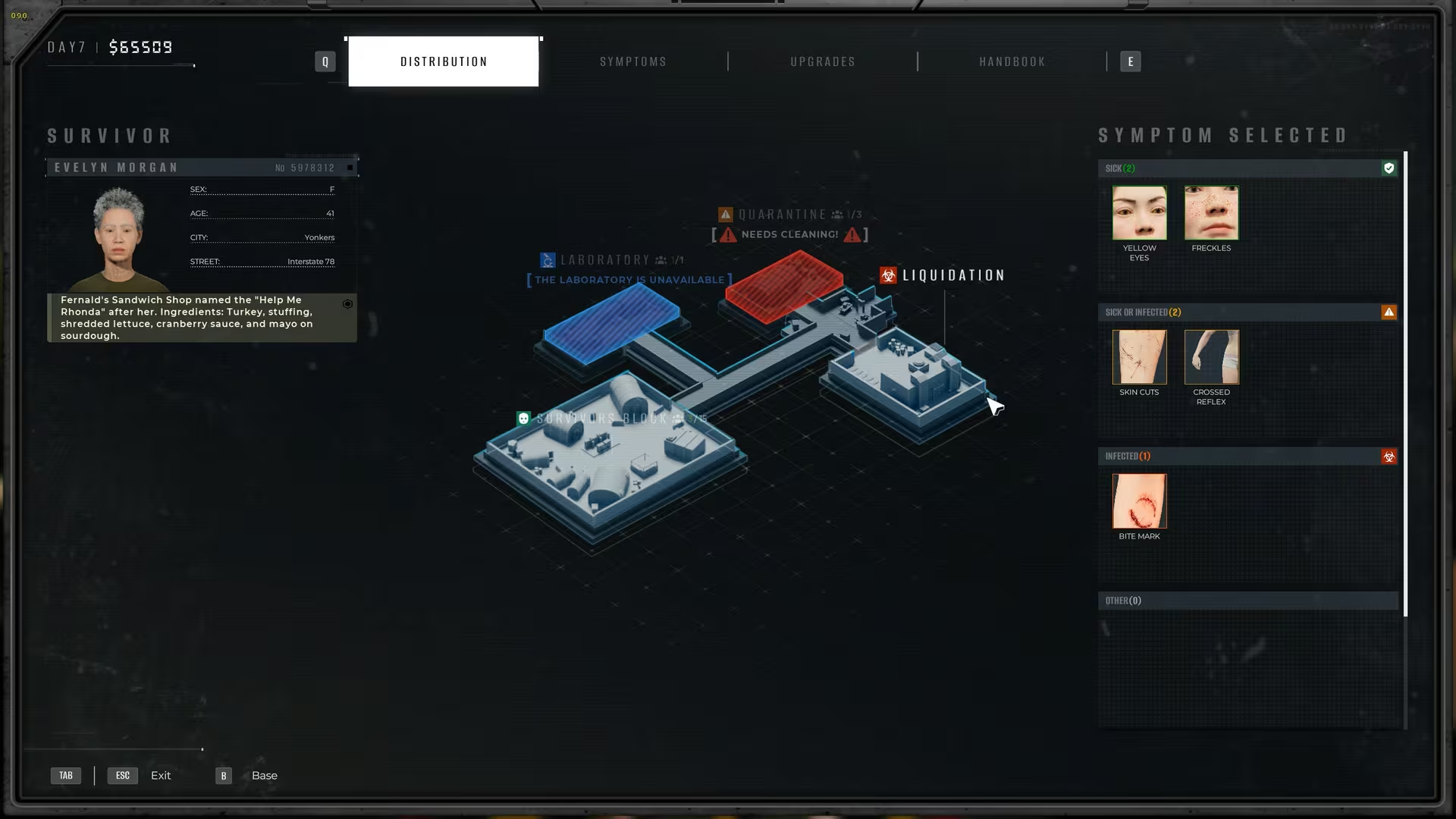
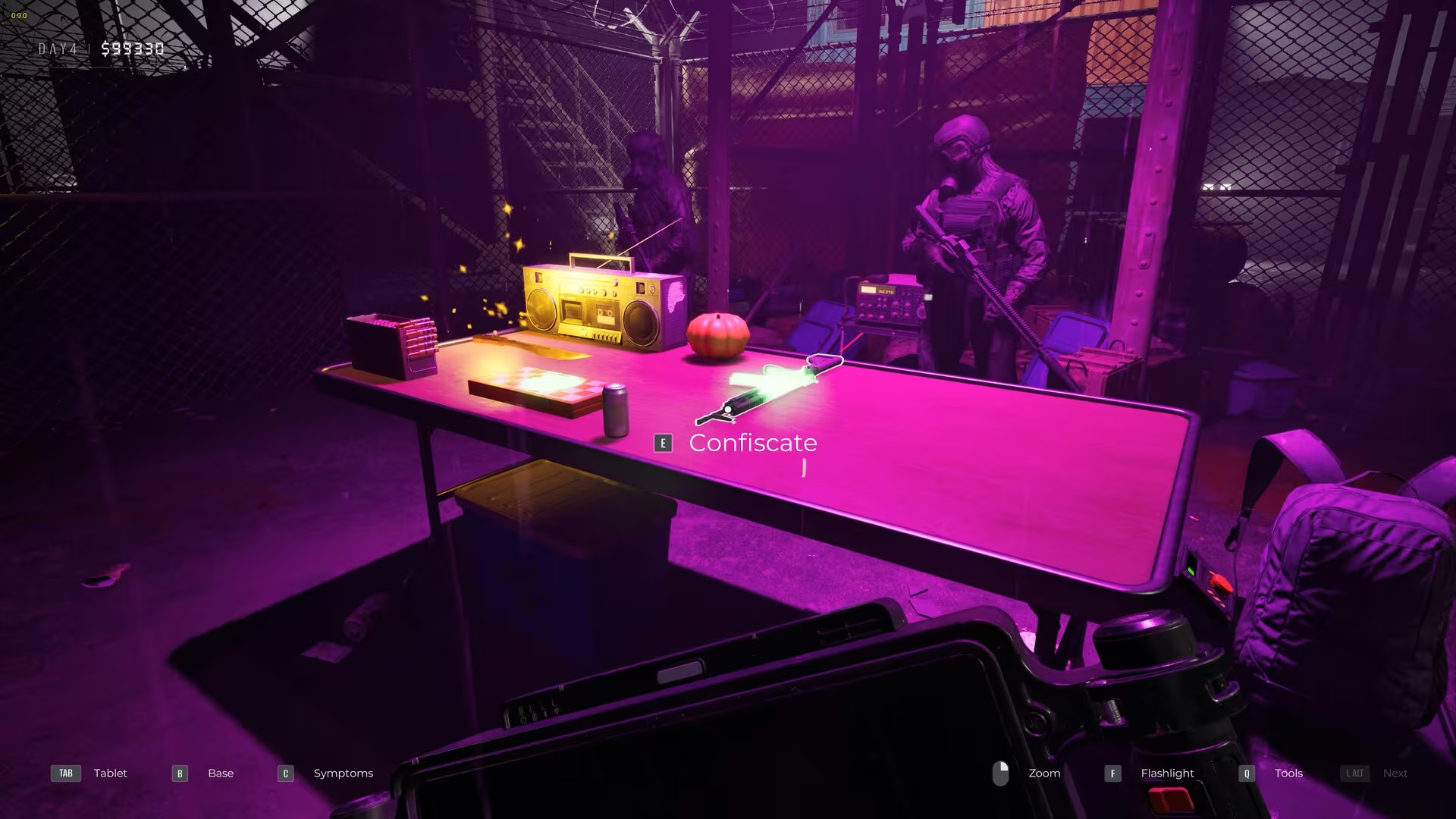
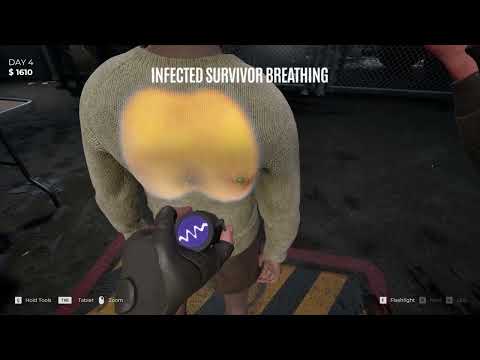
Command the checkpoint in a collapsing city. Screen survivors, manage scarce resources, and hold back the undead. Every choice matters and one mistake could unleash the plague beyond your walls.

Global score

82/100

Genres

Indie, Simulator, Strategy

Similar games

    Pros

    • Engaging and addictive gameplay loop
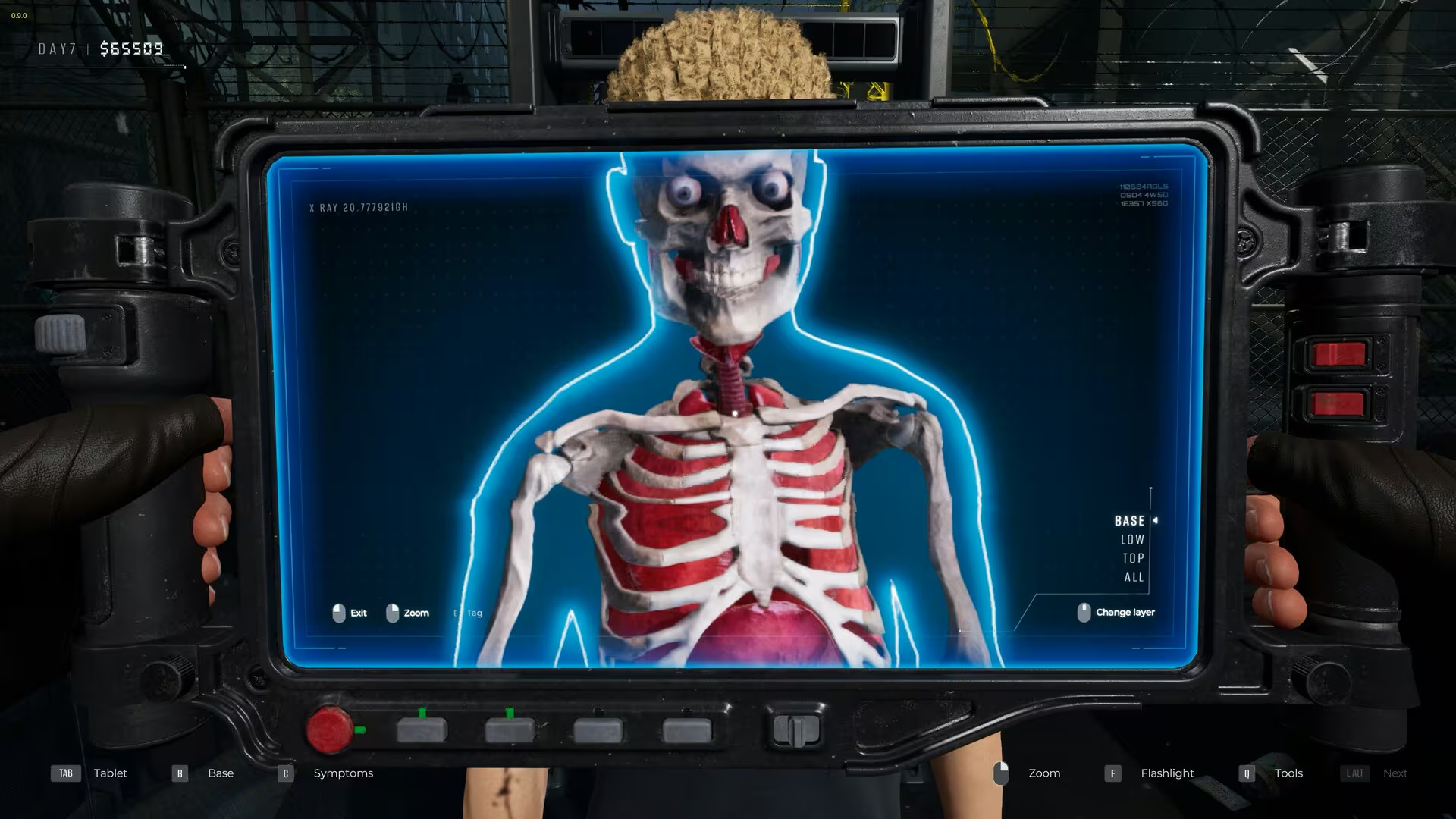
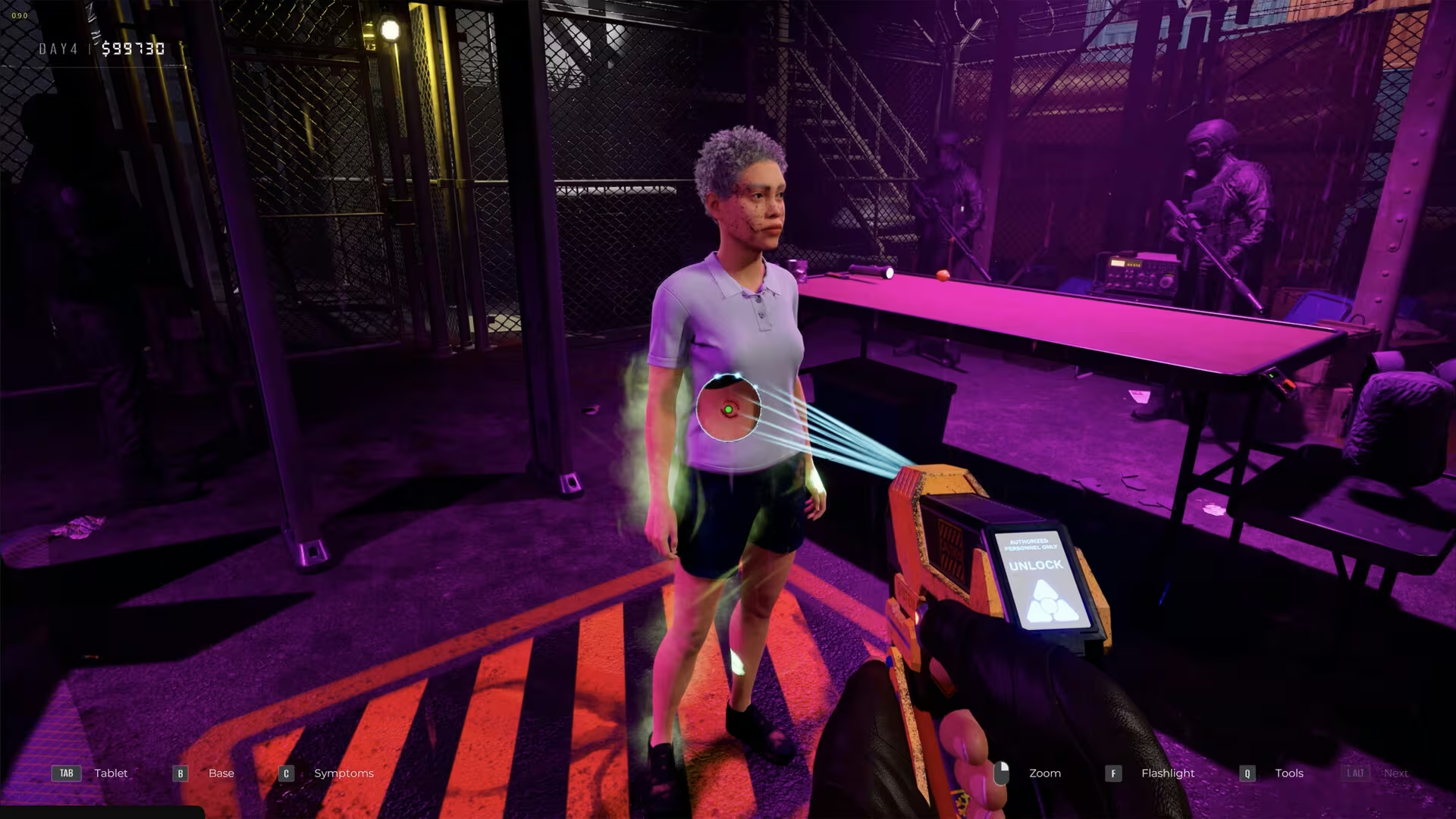
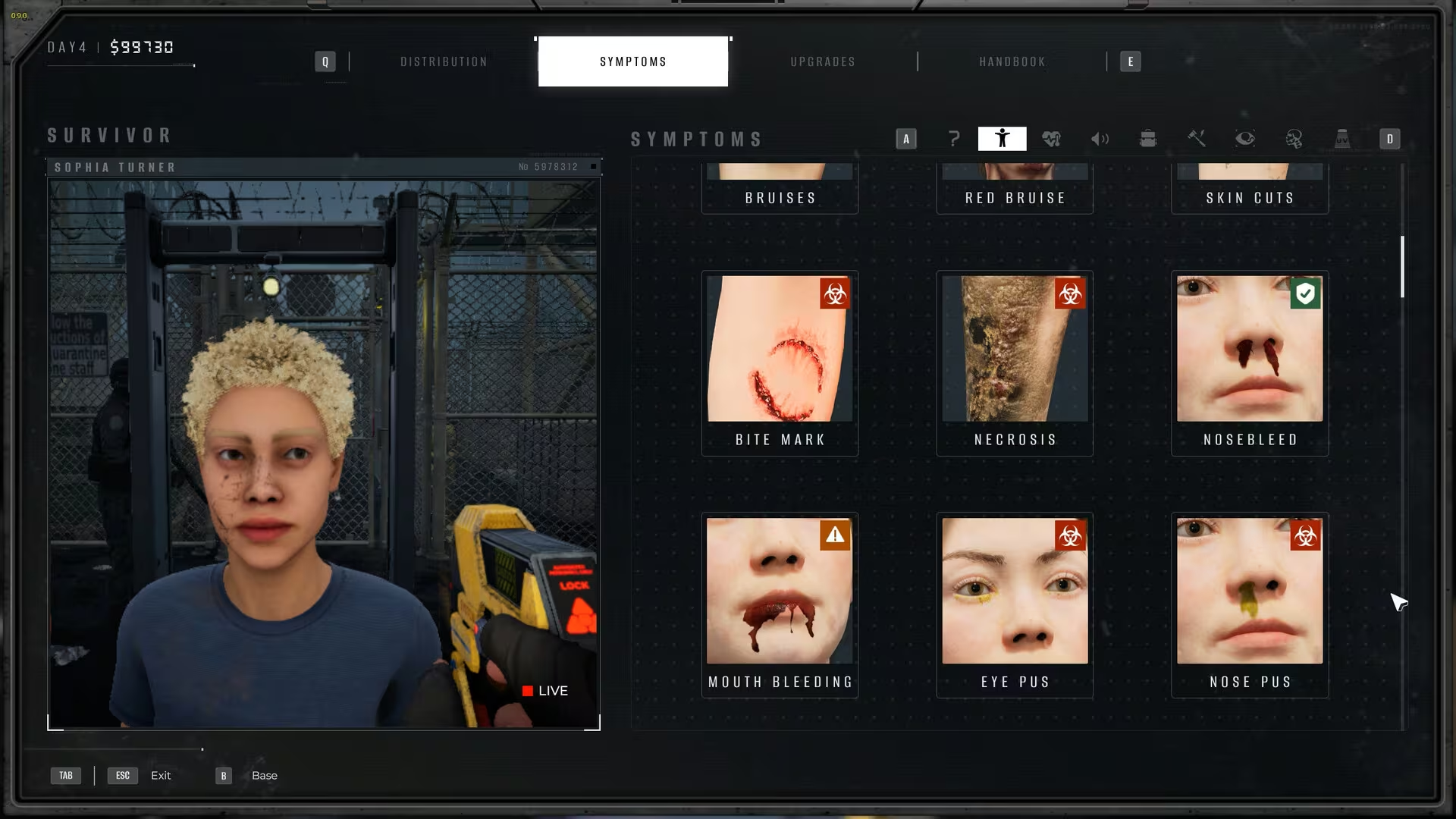
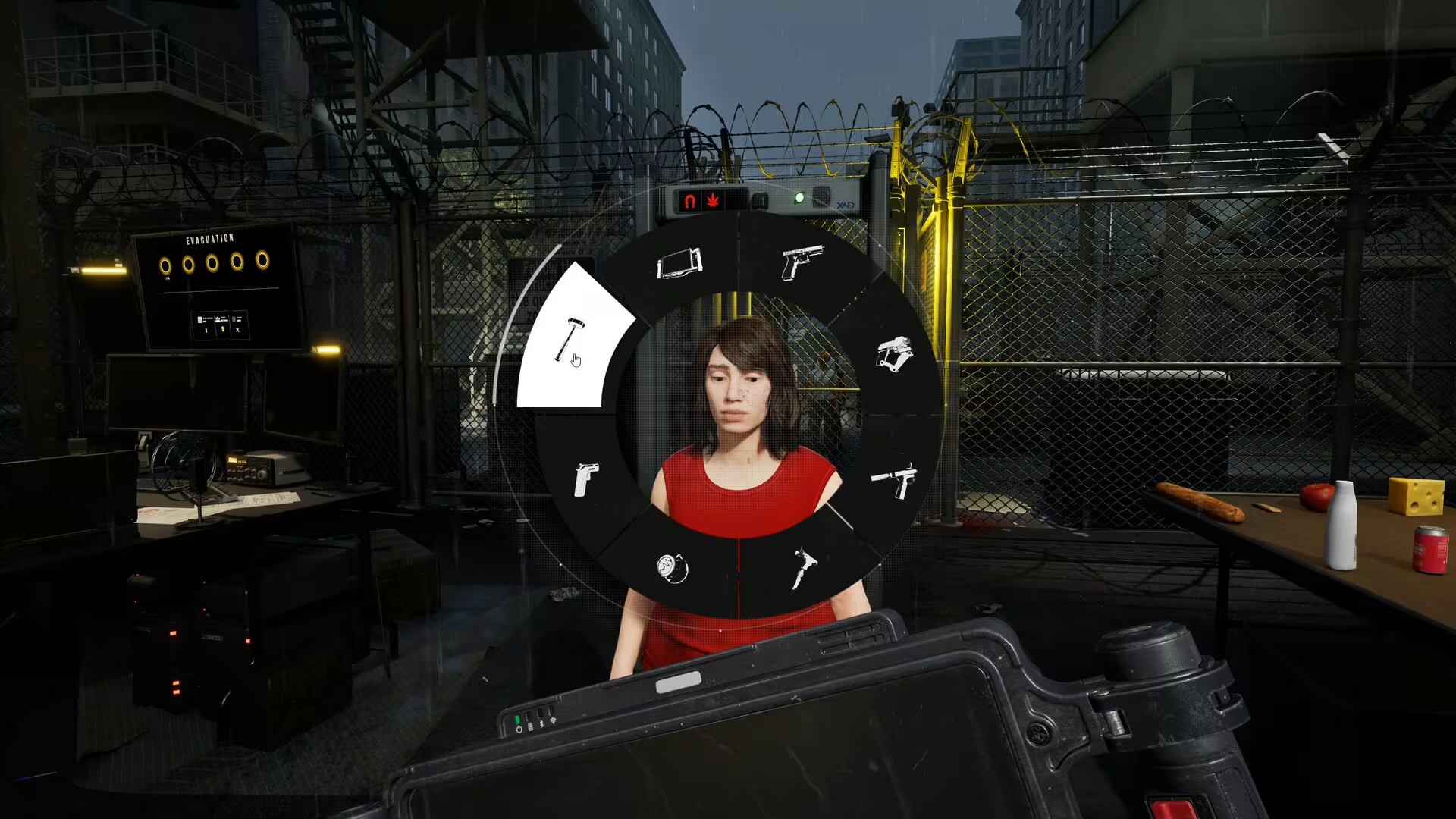
    • Unique papers please style zombie inspection concept
    • Active developer support and frequent patches
    • Good value for price
    • Interesting base management and research mechanics

    Cons

    • Presence of bugs and glitches
    • Some repetitive and shallow gameplay elements
    • Limited exploration and interaction in the game world
    • Short campaign length
    • Some ui and control frustrations

    Analysis

    Broadly representative of its motivational profile, with a few distinct shifts. Motivations that often define this kind of title include Leadership, Survival, Violence, Strategy. It leans lower than usual among comparable games on Expression, Exploration, Status.

    How to use the graph
    Similar games map

    Each dot is a game. They are arranged from the same motivation profile as in the “Motivations” section below. Closer dots usually mean more similar reasons to play (exploration, competition, relaxation, etc.)—not that one game is “better” than another.

    • Larger dot with a light outline: the game you are viewing.
    • Colour: groups of games with comparable motivation patterns (statistical clusters).
    • Hover a dot to see the game name; click to open its page.
    • Scroll or double-click the chart to zoom out and see more games.

    Why don’t the axes read like a score? This view uses t-SNE: it only keeps who is close to whom. The scales are not “good to bad” or hours played—they separate groups on the map. Read distance between dots, not the axis numbers.

    Motivations

    • Autonomy
      3

      "Players have control over inspection decisions, quarantine, liquidation, and base upgrades, though gameplay follows a structured routine."

    • Competence
      3

      "Game requires skillful inspection, symptom identification, and base management, but some tasks become repetitive and trial-and-error based."

    • Competition
      -4

      "Focus is on individual play and personal progress; no evidence of competitive or ranked multiplayer modes."

    • Continuation
      3

      "Players report addictive gameplay loops and long play sessions, though some find it repetitive after campaign completion."

    • Cooperation
      -4

      "Gameplay is primarily single-player with no cooperative multiplayer elements mentioned."

    • Creativity
      2

      "Some base building and upgrading, symptom research, and decision-making offer creative engagement, but limited customization."

    • Domination
      -4

      "Interactions are balanced and procedural with no evidence of exerting control or superiority over other players."

    • Escapism
      4

      "Players use the game as a distraction and immersive experience in a zombie apocalypse setting."

    • Expectation
      -4

      "Players engage voluntarily out of interest and enjoyment rather than obligation or external pressure."

    • Experimenting
      3

      "Players experiment with tools, symptoms, and inspection strategies to improve performance and discover new mechanics."

    • Exploration
      -2

      "The map is large but mostly decorative with limited interactive areas; exploration is minimal and repetitive."

    • Expression
      -3

      "Limited character or environment customization; players mostly use predefined assets and upgrade systems."

    • Fantasy
      3

      "Set in a fictional zombie apocalypse with imaginative elements and narrative context."

    • Fellowship
      -4

      "No social or community features; gameplay is solitary and focused on individual tasks."

    • Growth
      3

      "Players learn to identify symptoms, manage resources, and improve inspection skills over time."

    • Health
      -5

      "Game is sedentary with no physical activity or health-related gameplay."

    • Idle
      -3

      "Requires focused attention and continuous engagement during inspection and management tasks."

    • Intimacy
      -4

      "Interactions are surface-level with NPCs; no evidence of forming close relationships or emotional sharing."

    • Leadership
      2

      "Players manage base operations and make decisions affecting survivors, implying some leadership role."

    • Progression
      4

      "Players accumulate upgrades, research new symptoms, and expand their base to progress through the game."

    • Relaxation
      2

      "Gameplay balances challenge and flow, though some players find certain mechanics frustrating or tense."

    • Sensation
      2

      "Visual and auditory elements provide stimulation, but not highly intense or thrilling sensory experiences."

    • Status
      -5

      "No social recognition or status systems; achievements and progress are personal and private."

    • Story
      2

      "Campaign provides narrative context and some story elements, though story depth is limited."

    • Strategy
      3

      "Players engage in problem solving, resource management, and tactical decision-making."

    • Thrill
      2

      "Some suspense from zombie attacks and inspection pressure, but overall controlled and predictable."

    • Value
      3

      "Players feel the game offers good value for price and playtime, especially given ongoing updates."

    • Violence
      3

      "Includes combat elements such as liquidation of infected and shooting zombies during defense phases."

    • Survival
      4

      "Core gameplay revolves around avoiding infection spread, managing resources, and protecting the base."

    Last update: 29/04/2026