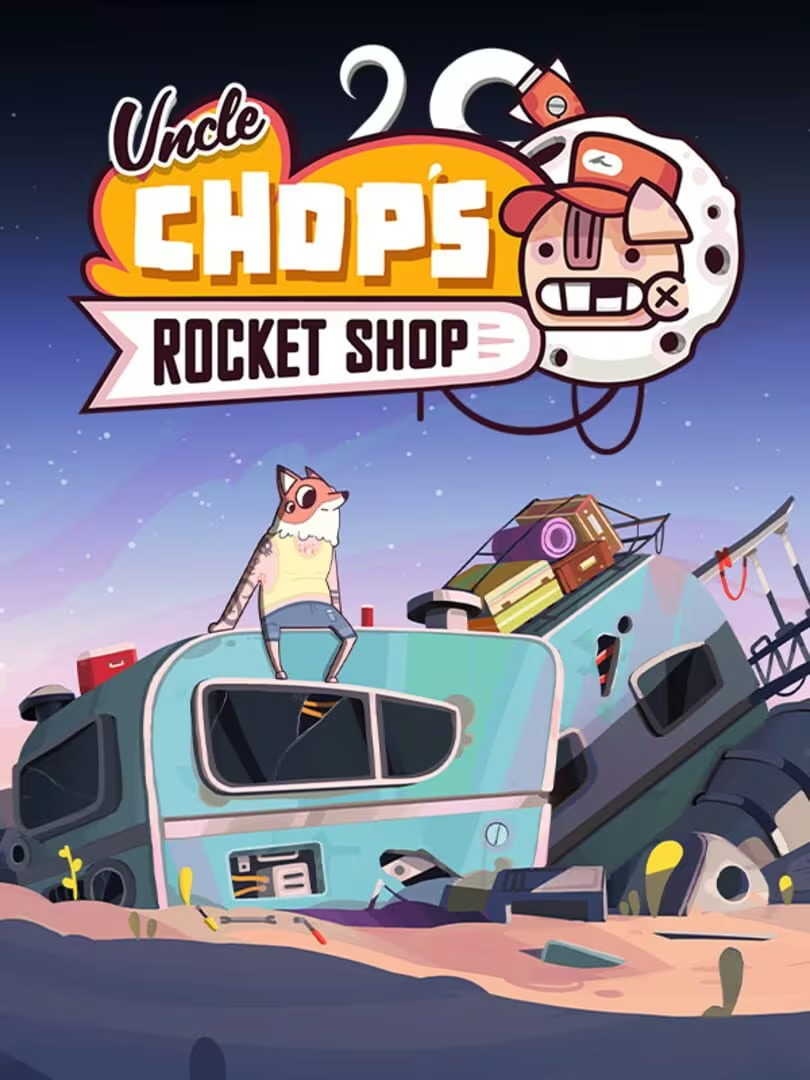
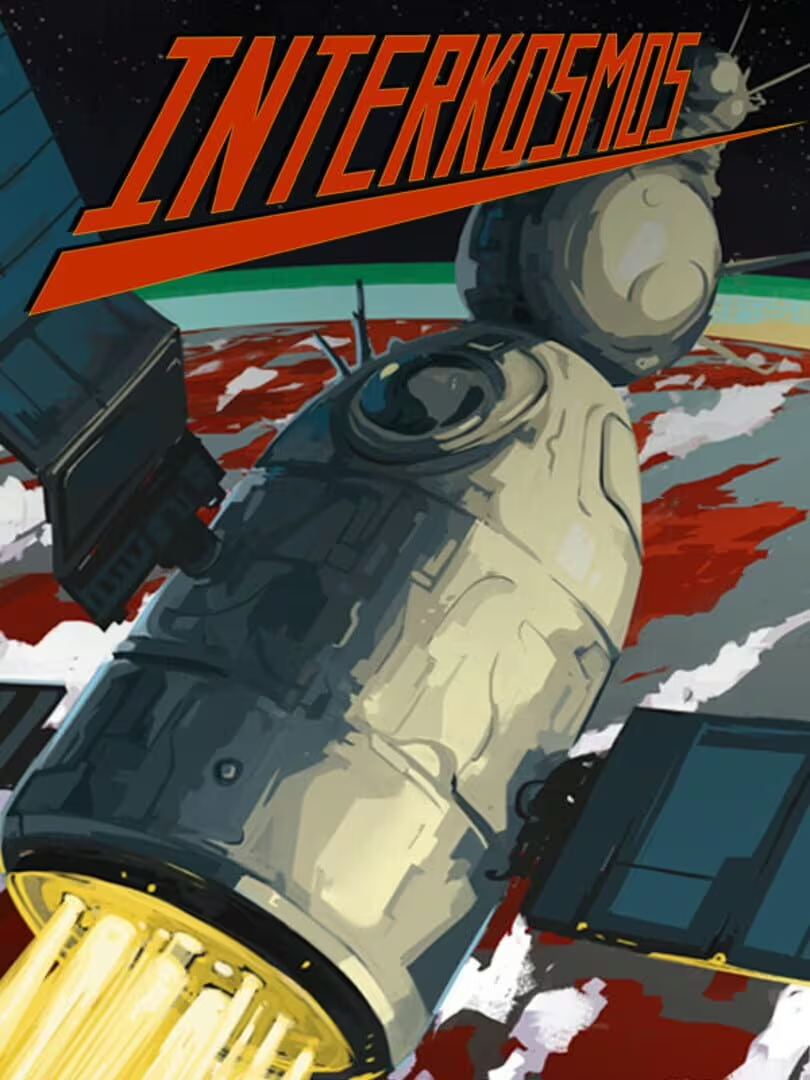
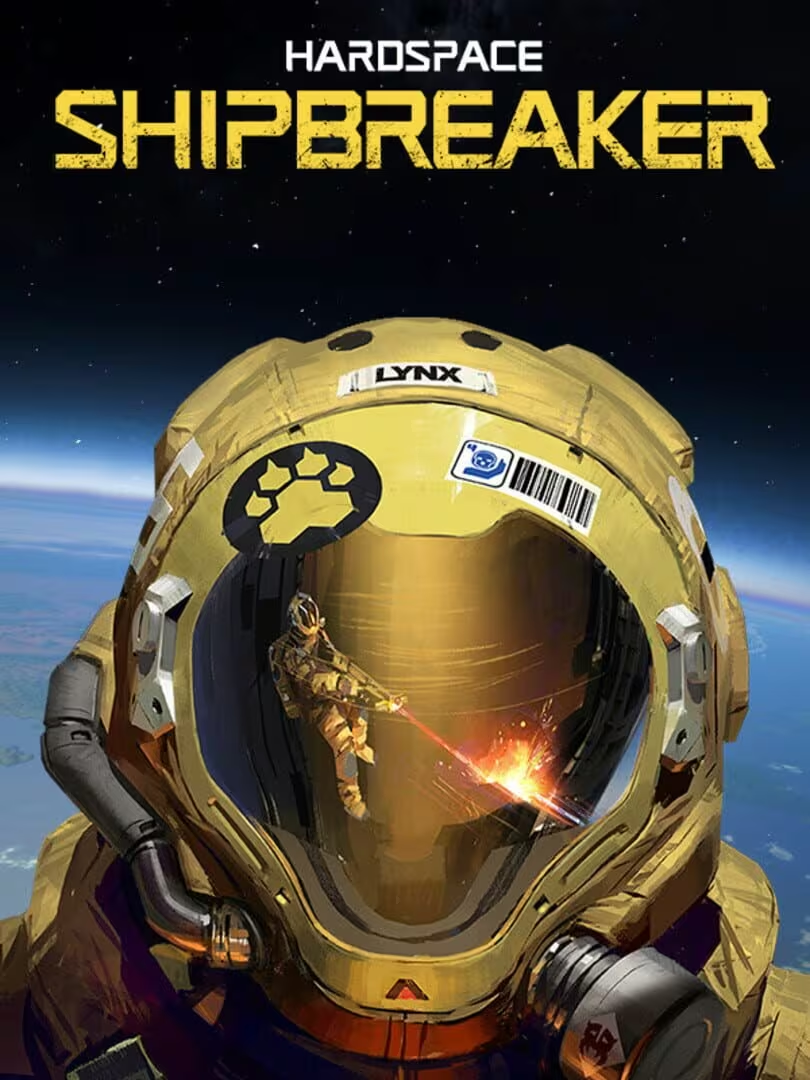
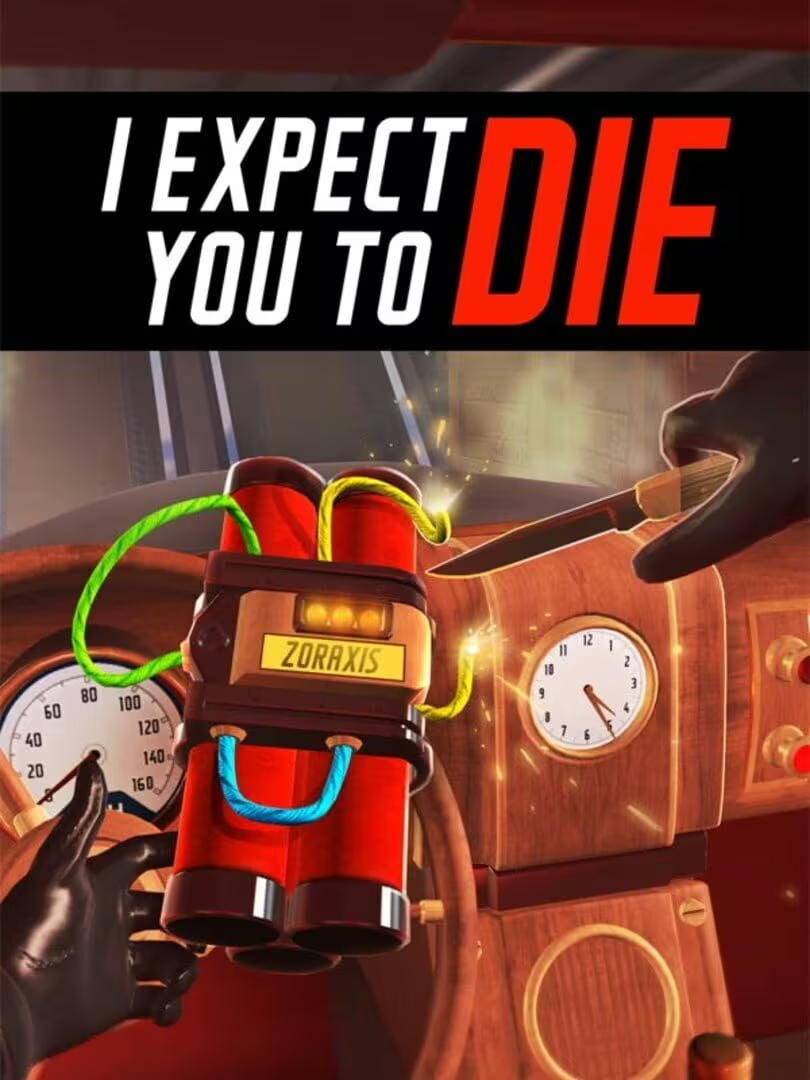
Tin Can Thumbnail

Tin Can similar games & best alternatives
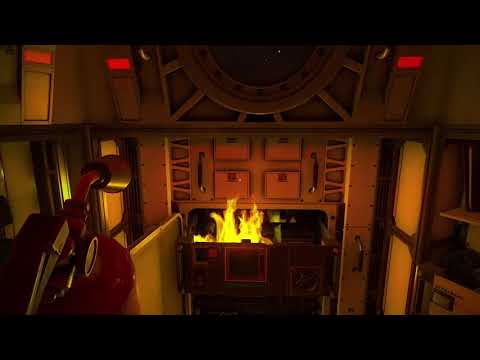
Tin Can

PC (Microsoft Windows), Xbox One, PlayStation 4, Xbox Series X|S, PlayStation 5 • 2022

Related articles

Quick resume

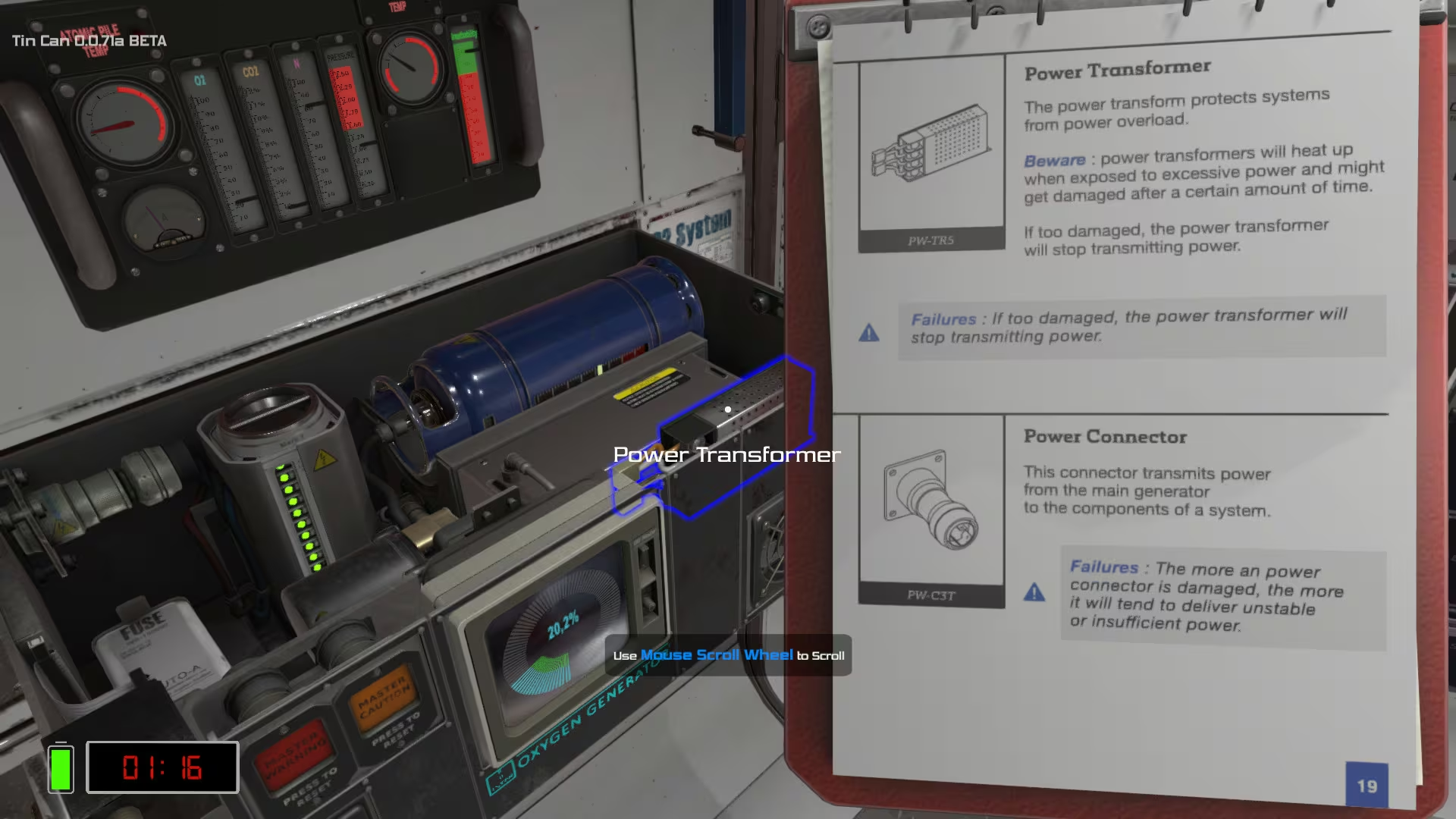
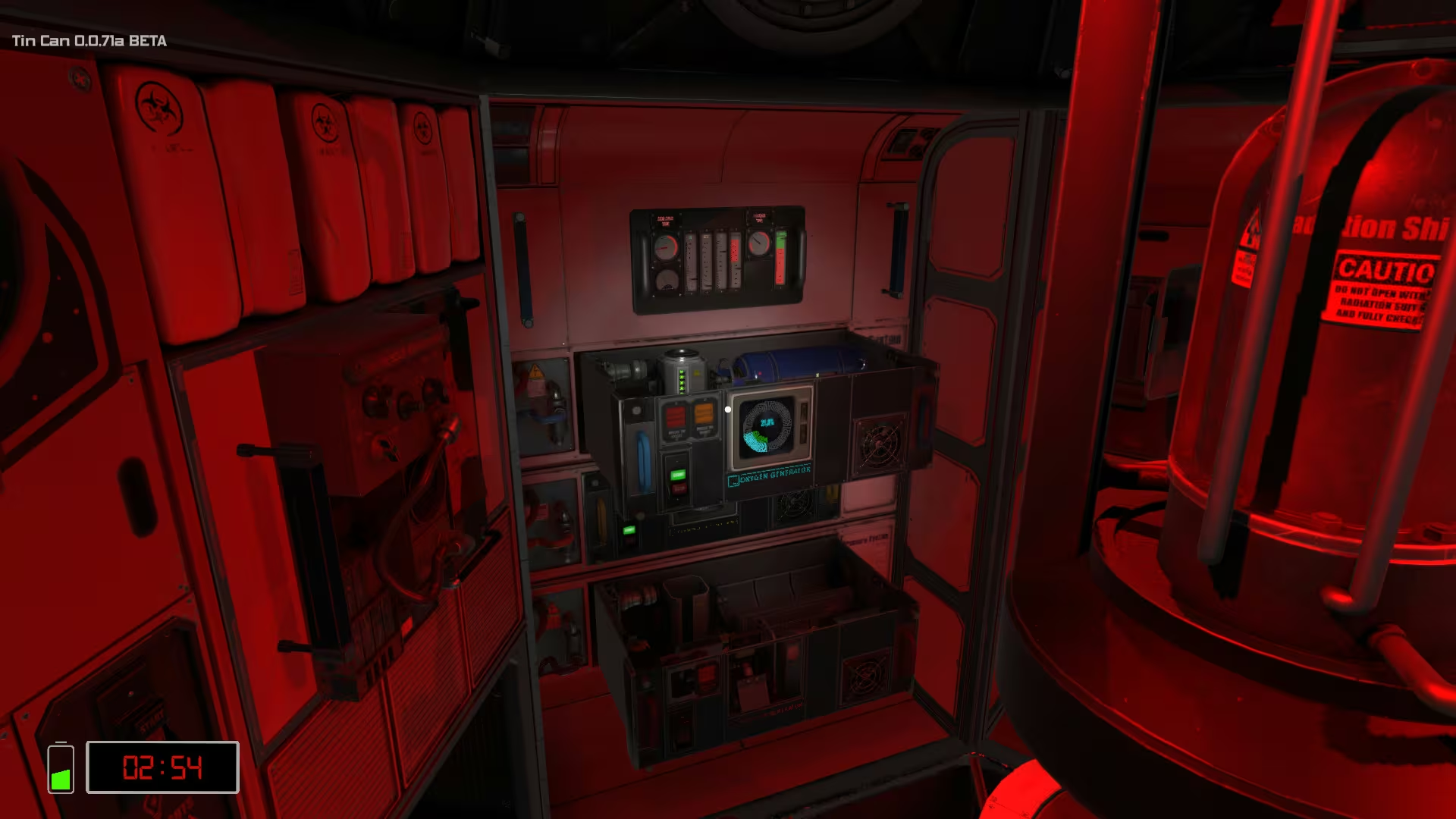
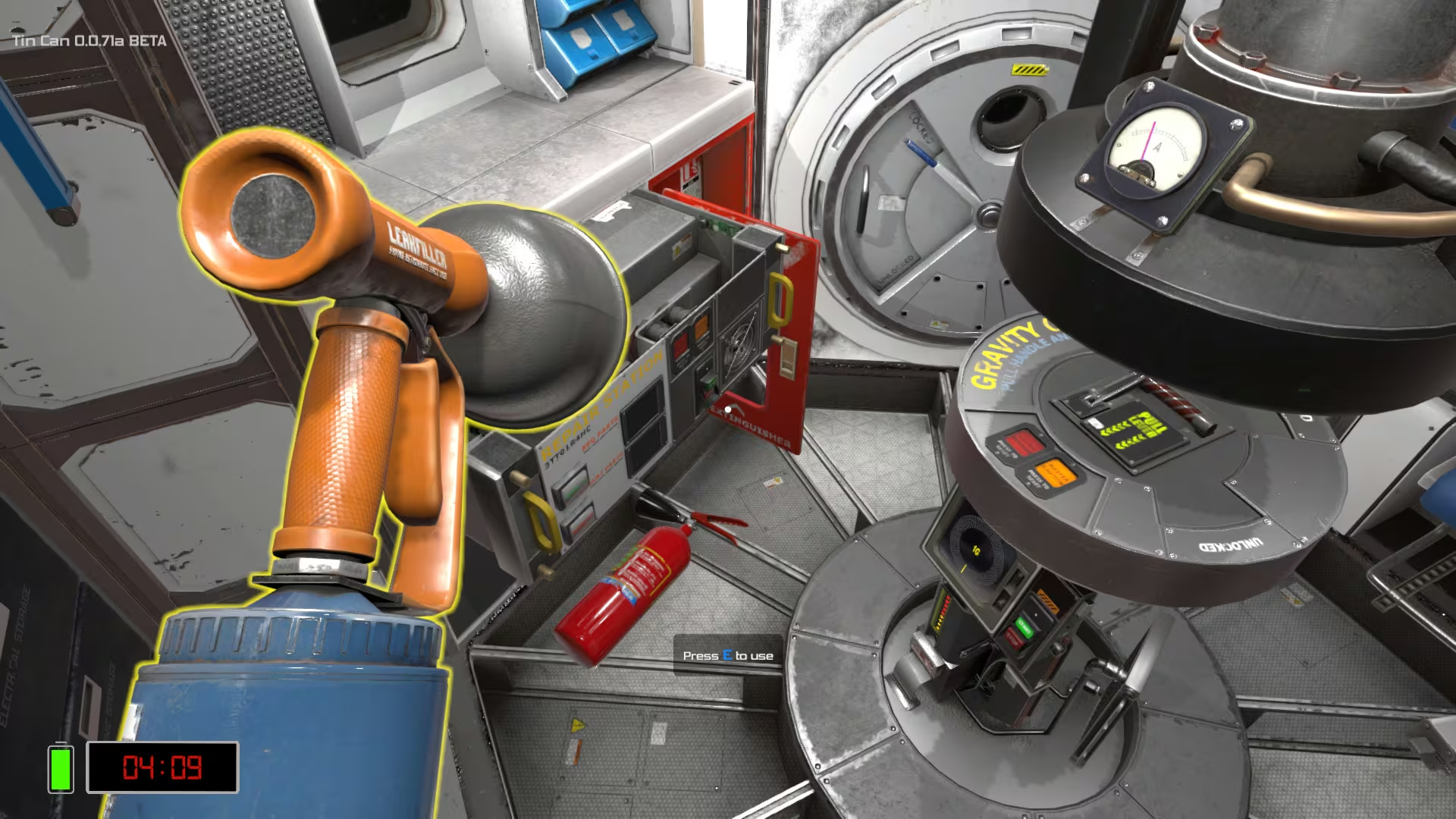
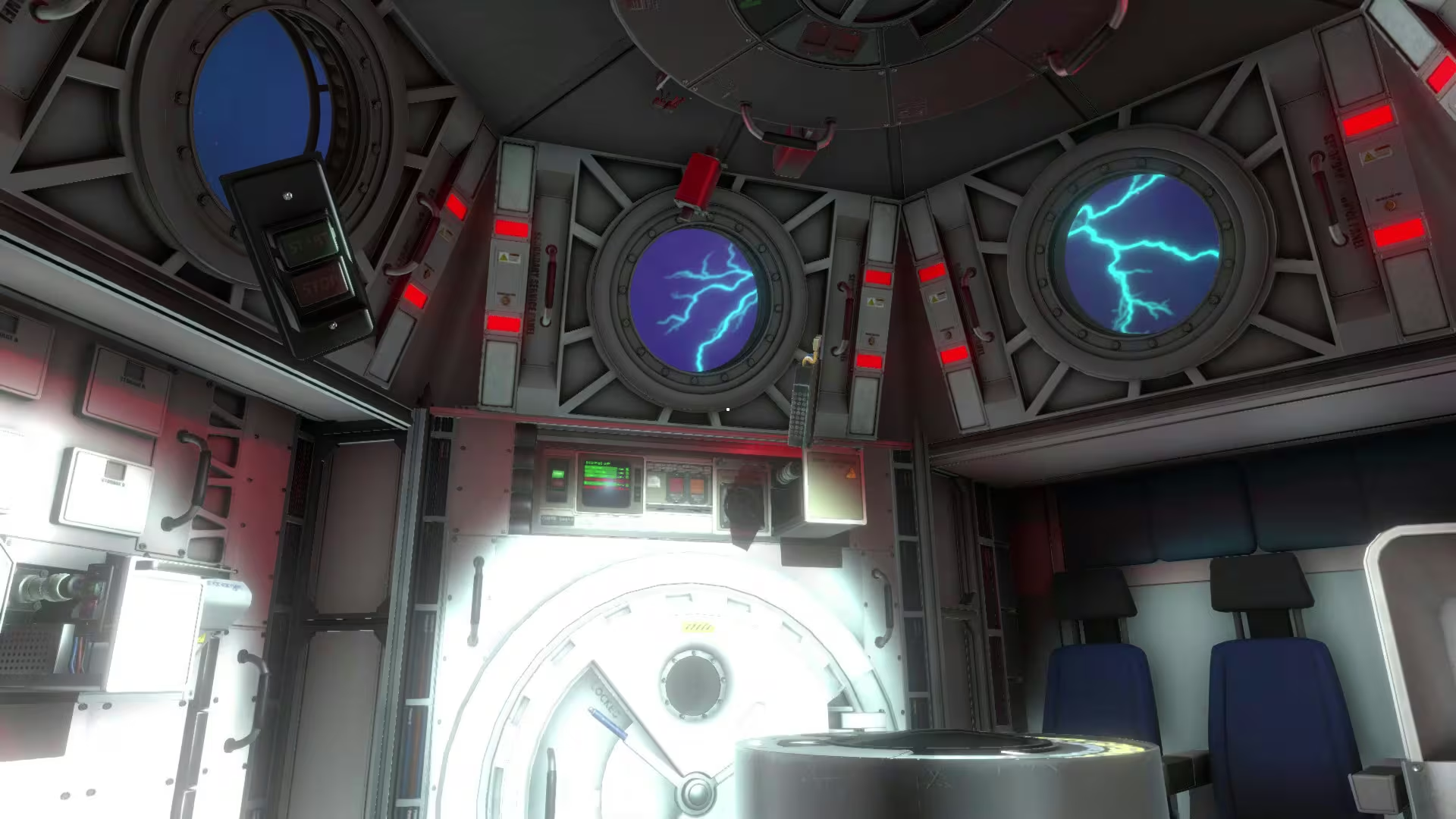
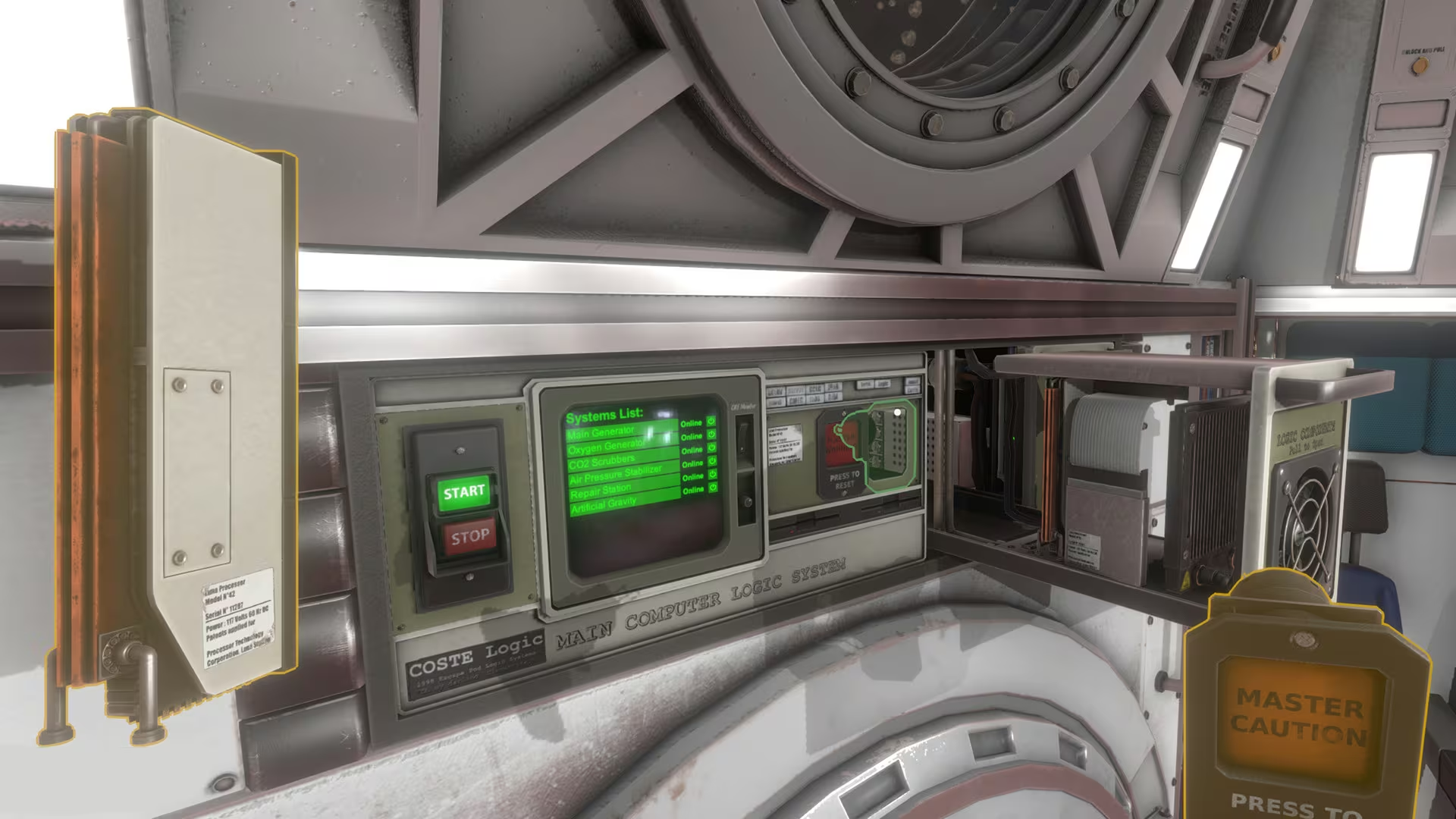
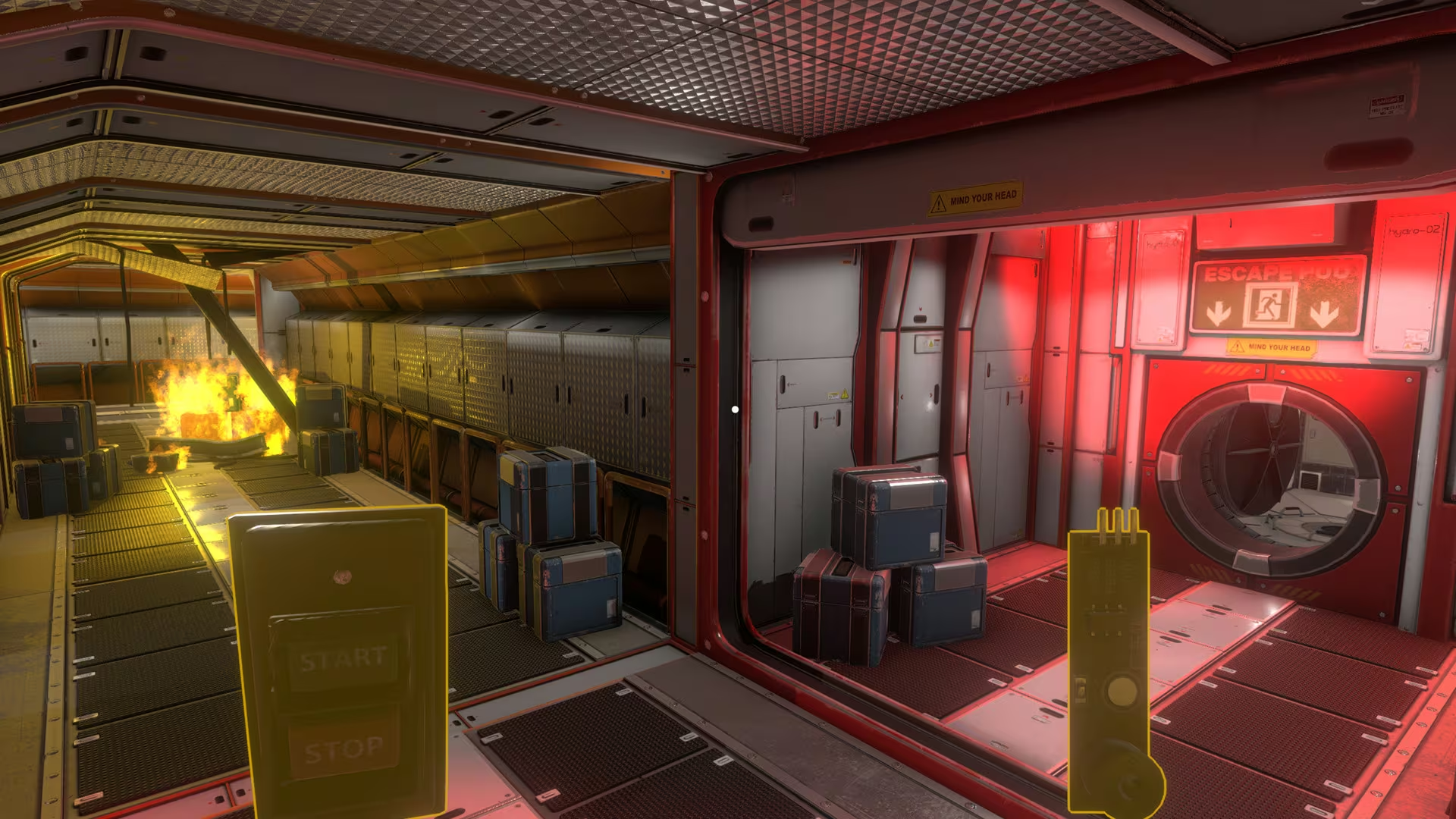
You've barely managed to escape your exploding spaceship. Now in an old escape pod, you hurtle through space at the mercy of the cosmos. With no knowledge of the pod’s complex systems, your life depends on a technical manual and your own wits. How long can you survive?

Global score

85/100

Genres

Indie, Simulator, Strategy

Similar games

    Pros

    • Unique and immersive survival concept
    • High skill and learning curve
    • Active and responsive developers
    • Engaging tension and thrill
    • Good replayability with ranked and sandbox modes

    Cons

    • Steep learning curve and initial difficulty
    • Limited content and short playtime currently
    • Removed multiplayer disappointed some players
    • Some ui and control clunkiness reported
    • Randomness can feel unfair at times

    Analysis

    Less representative of its motivational profile, with noticeable differences. Motivations that often define this kind of title include Relaxation, Survival, Violence, Fellowship. Here, the score leans higher than usual among comparable games on Competition. It leans lower than usual among comparable games on Violence, Exploration.

    How to use the graph
    Similar games map

    Each dot is a game. They are arranged from the same motivation profile as in the “Motivations” section below. Closer dots usually mean more similar reasons to play (exploration, competition, relaxation, etc.)—not that one game is “better” than another.

    • Larger dot with a light outline: the game you are viewing.
    • Colour: groups of games with comparable motivation patterns (statistical clusters).
    • Hover a dot to see the game name; click to open its page.
    • Scroll or double-click the chart to zoom out and see more games.

    Why don’t the axes read like a score? This view uses t-SNE: it only keeps who is close to whom. The scales are not “good to bad” or hours played—they separate groups on the map. Read distance between dots, not the axis numbers.

    Motivations

    • Autonomy
      4

      "Players have control over prioritizing repairs, choosing parts to cannibalize, and managing systems under pressure."

    • Competence
      5

      "High skill and learning curve; players improve by mastering complex system troubleshooting and fast decision-making."

    • Competition
      3

      "Includes ranked mode and leaderboards encouraging comparison with others."

    • Continuation
      4

      "Players report habitual play, repeated attempts, and desire to improve survival times."

    • Cooperation
      -4

      "Primarily a solo experience; multiplayer was planned but removed; focus on individual survival."

    • Creativity
      2

      "Players experiment with different repair strategies and part management, but within fixed systems."

    • Domination
      -5

      "No evidence of exerting control over others; interactions are individual and cooperative elements absent."

    • Escapism
      4

      "Players use the game as a tense, immersive distraction from reality, enjoying the survival challenge."

    • Expectation
      -4

      "Players engage voluntarily out of interest; some frustration with removed multiplayer but mostly intrinsic motivation."

    • Experimenting
      4

      "Encourages trying new approaches to system management and problem solving under pressure."

    • Exploration
      -3

      "Limited spatial exploration; focus is on managing known systems within the escape pod."

    • Expression
      -4

      "No character or environment customization; gameplay centers on fixed pod systems."

    • Fantasy
      2

      "Fictional sci-fi setting with some imaginative elements like artificial gravity and space hazards."

    • Fellowship
      -4

      "Minimal social connection; community exists but gameplay is solo focused."

    • Growth
      5

      "Strong learning curve with skill acquisition and knowledge accumulation emphasized."

    • Health
      -5

      "Sedentary gameplay with no physical activity involved."

    • Idle
      -4

      "Requires constant attention and multitasking; no background or idle play."

    • Intimacy
      -5

      "No evidence of close social relationships or emotional sharing in gameplay."

    • Leadership
      -5

      "No leadership or group management roles; purely individual gameplay."

    • Progression
      3

      "Progression through unlocking parts and surviving longer, but limited content currently."

    • Relaxation
      -4

      "Gameplay is tense, stressful, and induces panic rather than relaxation."

    • Sensation
      3

      "Engaging audio-visual cues and immersive effects create emotional excitement."

    • Status
      2

      "Leaderboards provide some recognition but social status is limited."

    • Story
      1

      "Minimal narrative; some lore and context but mostly context-free survival gameplay."

    • Strategy
      4

      "Requires planning, prioritization, and problem solving under pressure."

    • Thrill
      5

      "High suspense and tension from constant system failures and risk of death."

    • Value
      3

      "Generally considered worth the price especially given developer support and updates."

    • Violence
      -5

      "No combat or destruction; focus on repair and maintenance."

    • Survival
      5

      "Core gameplay is about avoiding failure and managing limited resources to stay alive."

    Where to buy

    Last update: 29/04/2026