Star Chef 2: Cooking Game Thumbnail

Star Chef 2: Cooking Game similar games & best alternatives

Star Chef 2: Cooking Game

PC (Microsoft Windows) • 2021

Related articles

Quick resume

Kitchen Simulation | Learn Cuisines | Cook Delicious Food | Become A Chef

Global score

70/100

Genres

Casual, Indie, Simulator, Free To Play

Pros

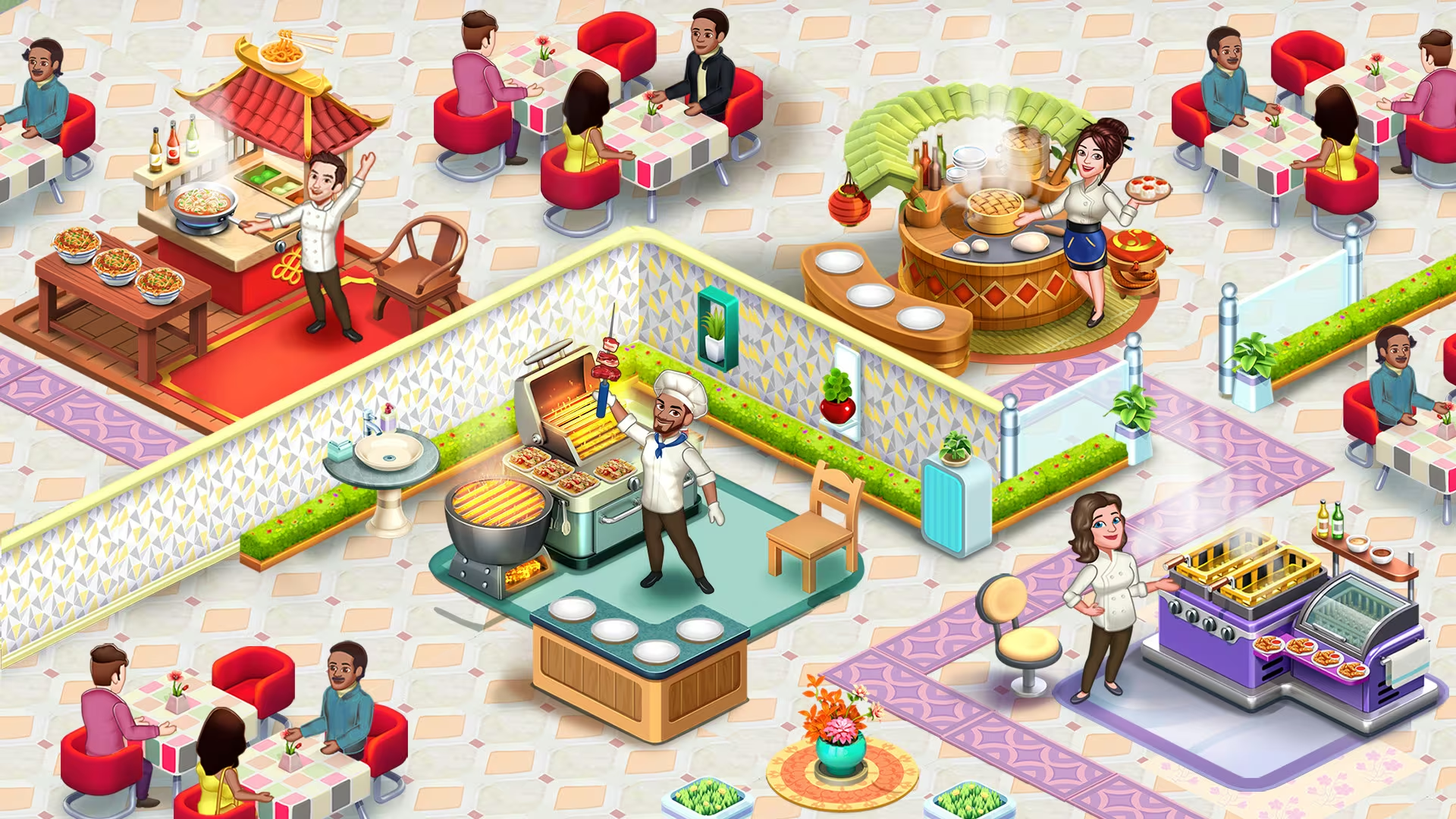
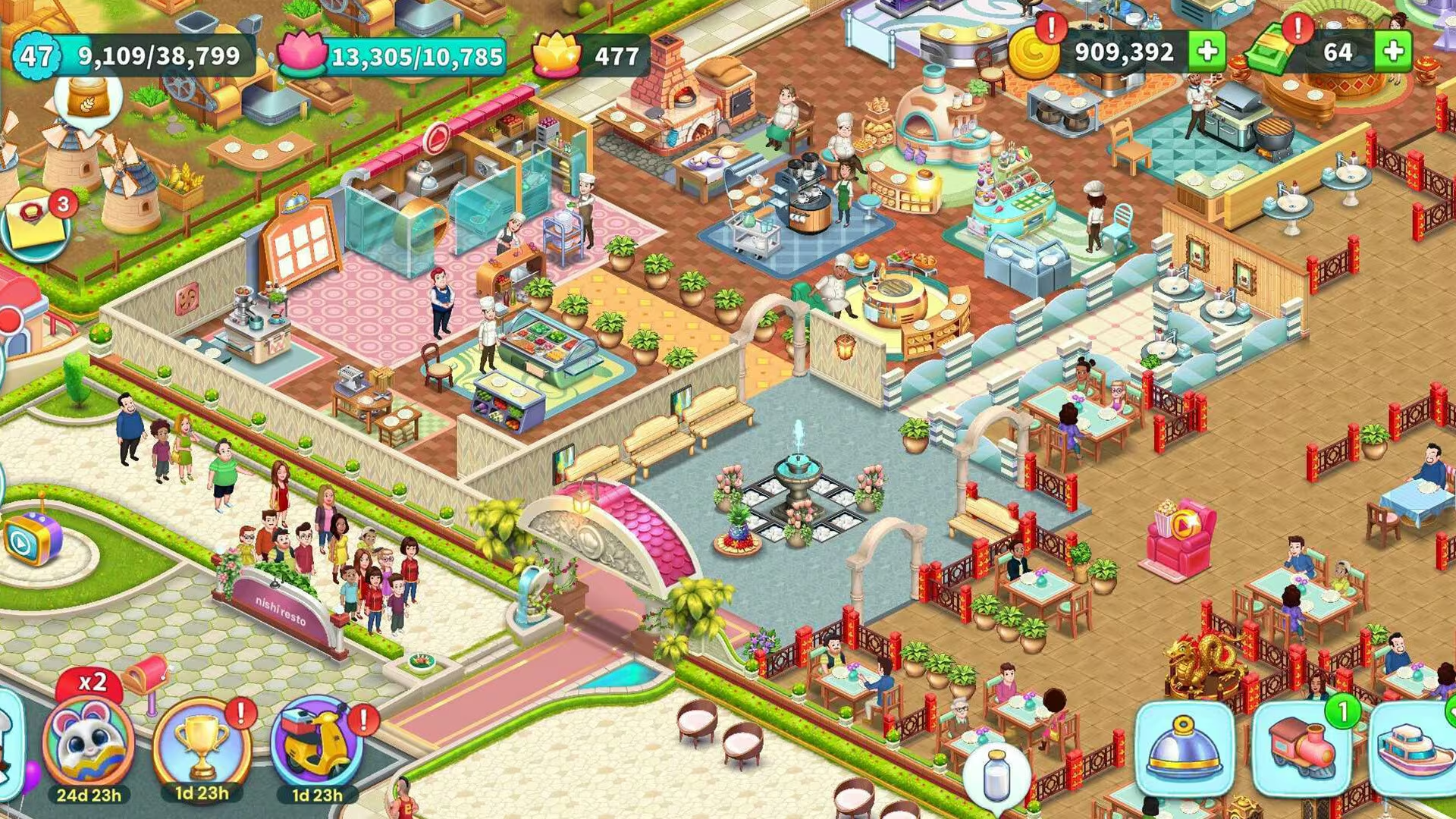
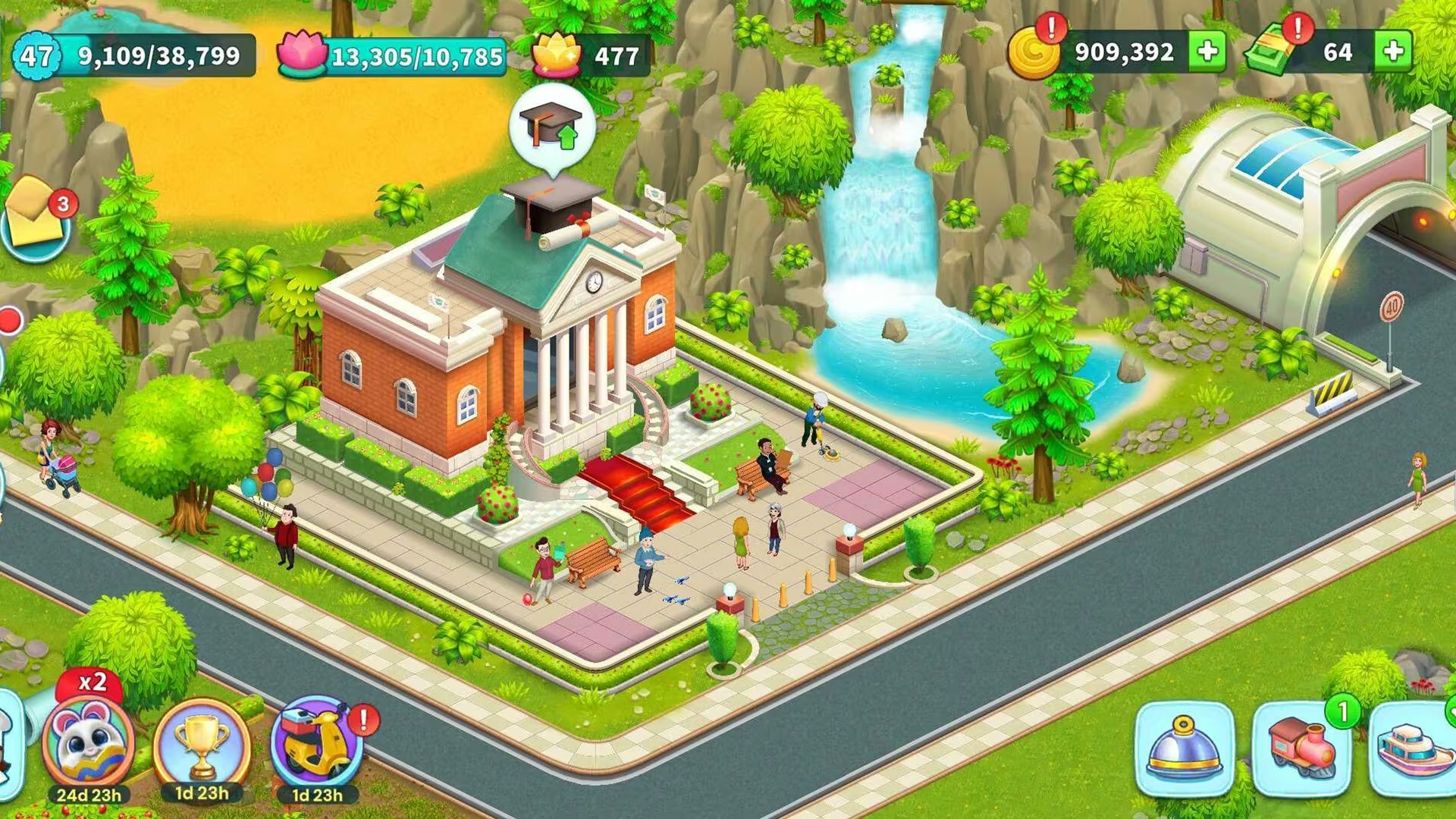
  • Wholesome visuals and ambience
  • Restaurant customization and decoration
  • Team cooperation and multiplayer competitions
  • Cross-platform progression (mobile and steam)
  • Relaxing and casual gameplay

Cons

  • Heavy reliance on in-app purchases and pay-to-win elements
  • Slow and grindy progression, especially late game
  • Frequent pop-ups and ads disrupt gameplay
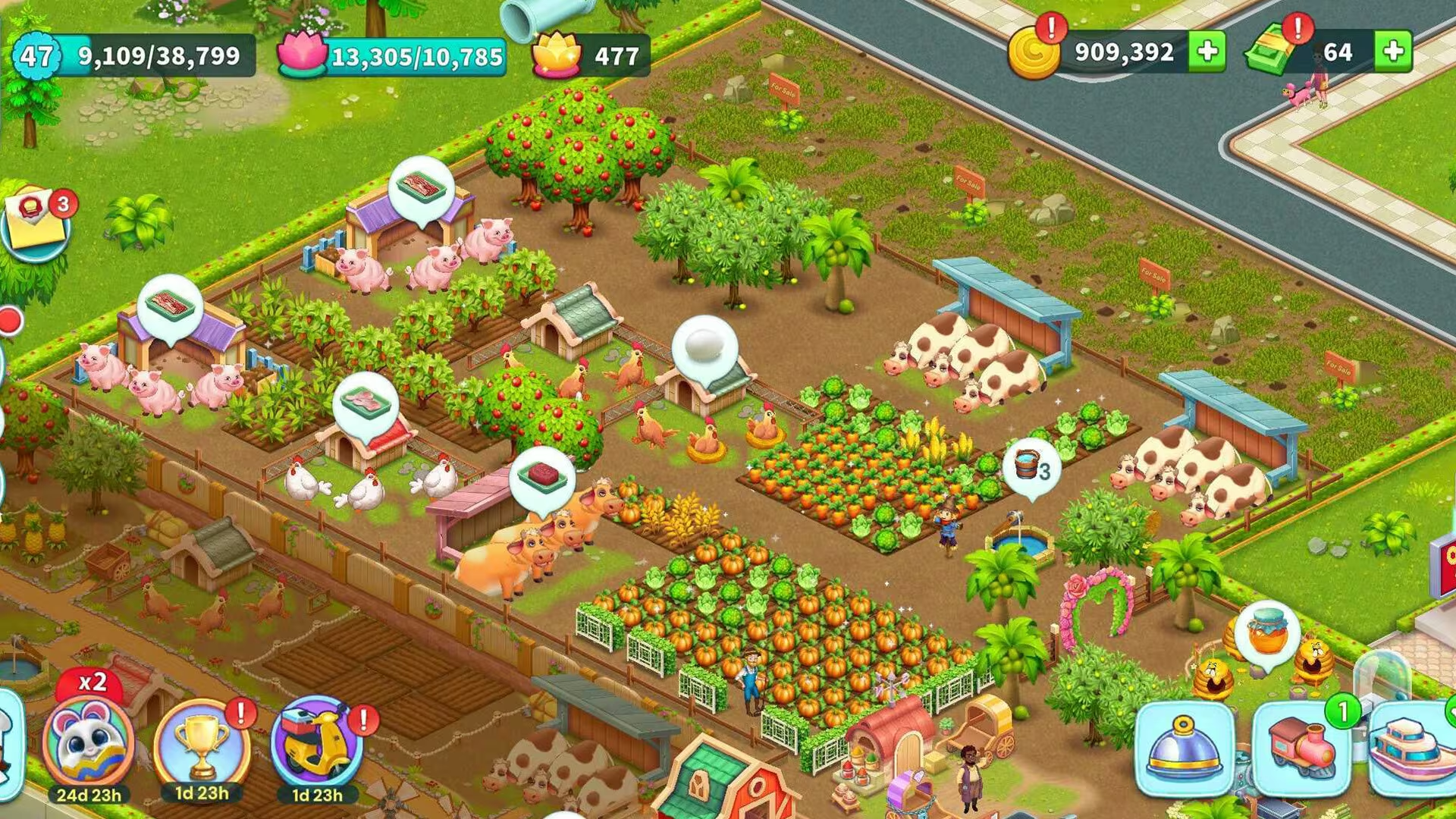
  • Recent updates added farming mechanics disliked by many
  • Bugs, glitches, and poor sound settings

Motivations

  • Autonomy
    3

    "Players can customize their restaurant and choose when to play, but progression is gated by timers and some forced events."

  • Competence
    1

    "Some skill involved in mini games and time management, but overall gameplay becomes repetitive and grindy with slow progression."

  • Competition
    2

    "Includes multiplayer competitions and ranked PvP modes, but many players note pay-to-win elements limit fair competition."

  • Continuation
    1

    "Players engage in habitual play with long sessions, but many also report frustration and quitting due to slow progression and updates."

  • Cooperation
    3

    "Team play and chat features encourage cooperation, with team achievements and collaborative events."

  • Creativity
    3

    "Allows restaurant customization and decoration, enabling player expression and creativity."

  • Domination
    -2

    "Some competitive elements exist but interactions emphasize shared team play and mutual support rather than dominance."

  • Escapism
    4

    "Players use the game for relaxation, stress relief, and distraction from real life."

  • Expectation
    -3

    "Most players engage voluntarily for fun and relaxation, though some feel pressured by events and microtransaction prompts."

  • Experimenting
    1

    "Some exploration of game mechanics and strategies, but gameplay largely involves established routines and repetitive tasks."

  • Exploration
    1

    "Limited discovery through unlocking new recipes and restaurant expansions, but mostly familiar environments."

  • Expression
    3

    "Customization of restaurant aesthetics and decorations supports player self-expression."

  • Fantasy
    -1

    "Game simulates realistic cooking and restaurant management rather than imaginative or fantastical scenarios."

  • Fellowship
    3

    "Strong community and team interactions foster a sense of belonging and shared goals."

  • Growth
    2

    "Players develop skills in time management and strategy, though progression is slow and sometimes frustrating."

  • Health
    -5

    "Game is sedentary with no physical activity involved."

  • Idle
    4

    "Designed for intermittent play with waiting periods and idle mechanics to progress over time."

  • Intimacy
    1

    "Social interactions exist mainly through team chat and cooperation, but limited evidence of close personal relationships."

  • Leadership
    2

    "Some players lead teams and manage group activities, though many participate as regular members."

  • Progression
    4

    "Strong focus on accumulating items, upgrades, and expanding the restaurant, though progression is slow and often monetized."

  • Relaxation
    3

    "Many players find the game calming and enjoyable for casual play despite some frustration with grind."

  • Sensation
    2

    "Pleasant visuals and music provide sensory enjoyment, though some report sound issues and repetitive audio."

  • Status
    2

    "Leaderboards and ranked modes offer social recognition, but pay-to-win aspects diminish status fairness."

  • Story
    -3

    "Minimal narrative or plot; gameplay focuses on tasks and management rather than story immersion."

  • Strategy
    2

    "Requires planning and resource management, but complexity is moderate and constrained by game design."

  • Thrill
    -2

    "Low risk and suspense; gameplay is predictable and focused on steady progress rather than excitement."

  • Value
    -3

    "Many players feel progression is slow without spending money, leading to poor perceived value for time invested."

  • Violence
    -5

    "No combat or destructive elements; gameplay centers on constructive cooking and management."

  • Survival
    -4

    "No threats or failure states; stable environment focused on growth and management."

Similar games

    Last update: 06/03/2026