Party Club Thumbnail

Party Club similar games & best alternatives

Party Club

PC (Microsoft Windows), Nintendo Switch, Mac • 2025

Related articles

Quick resume

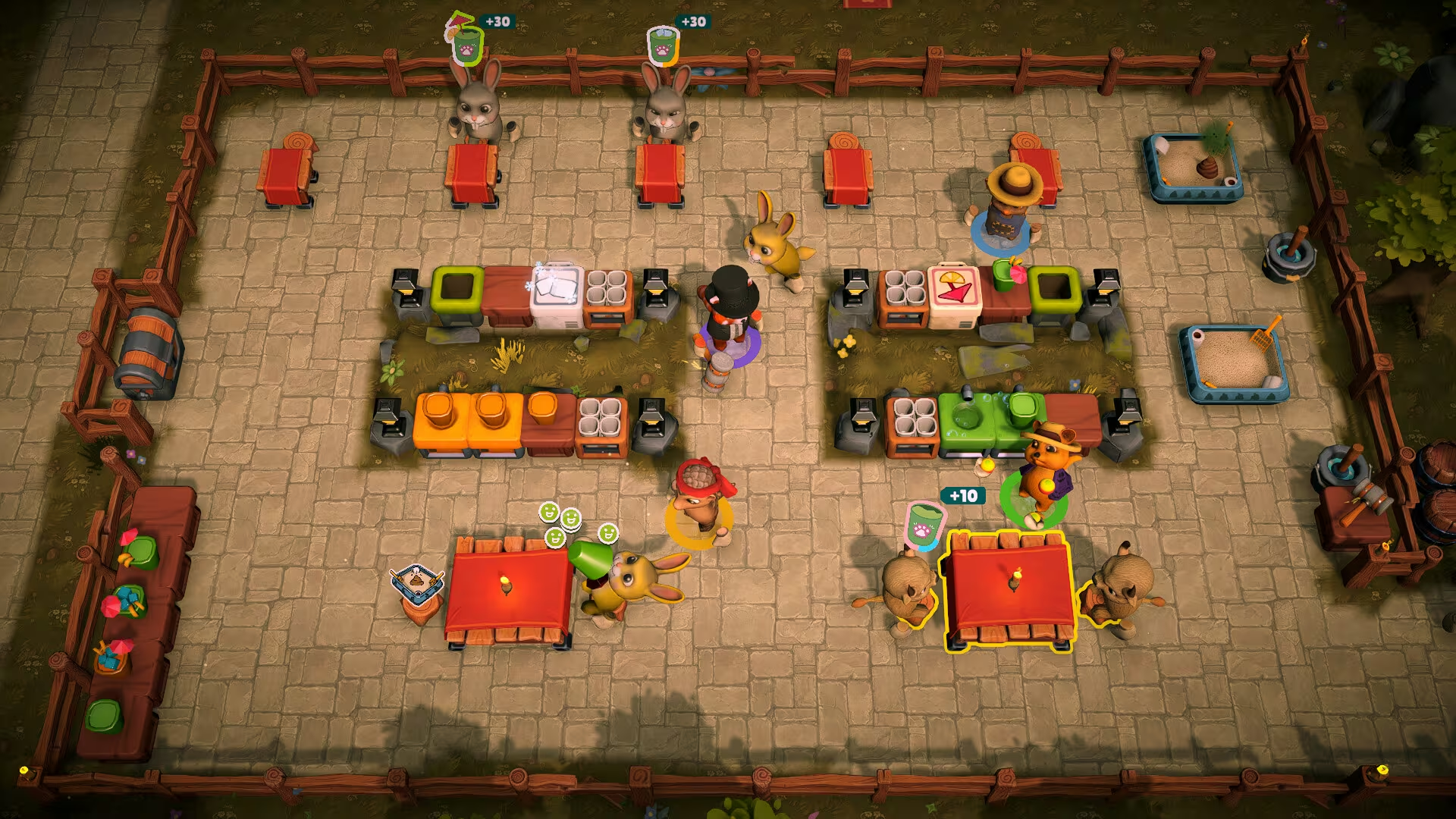
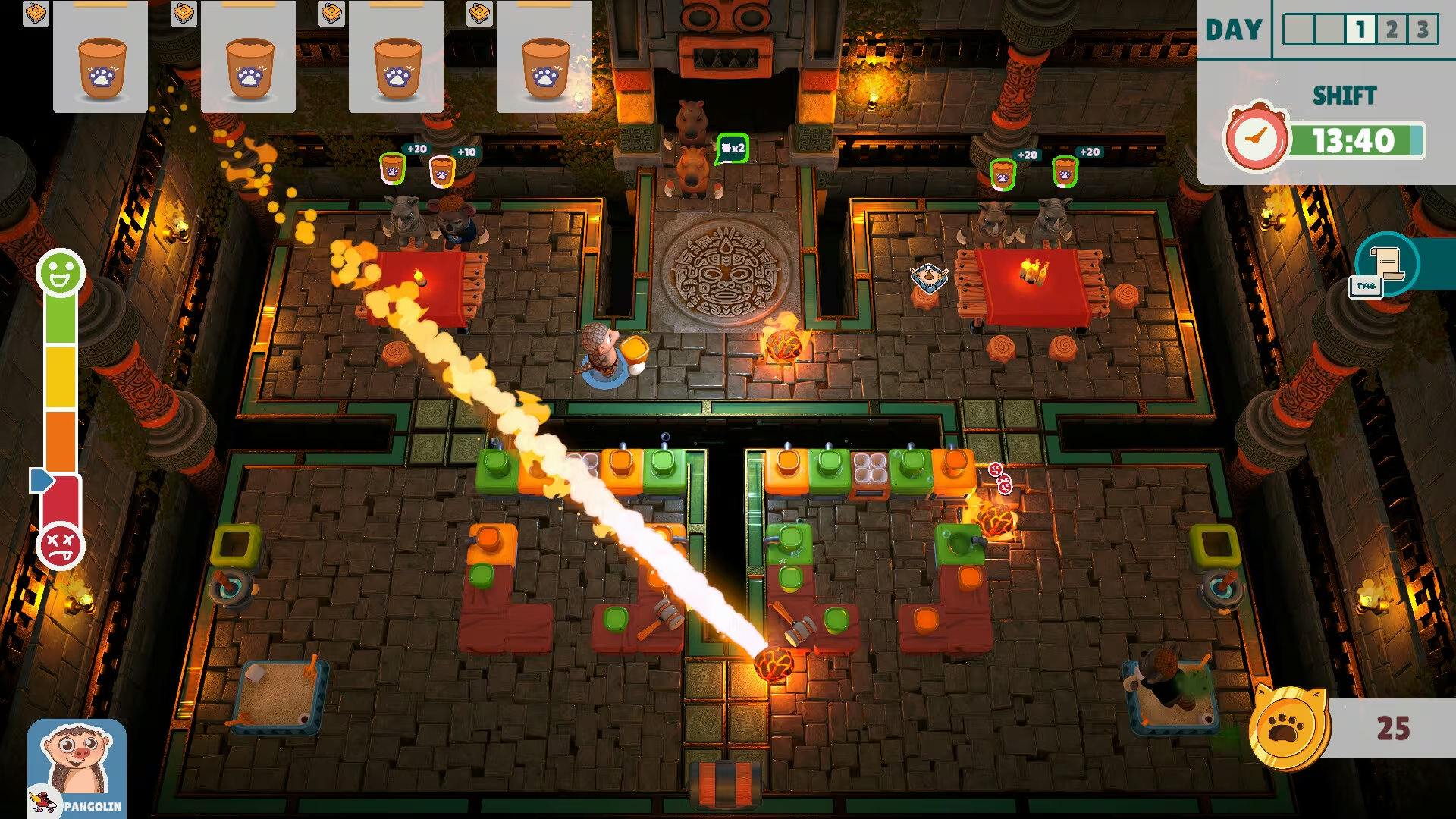
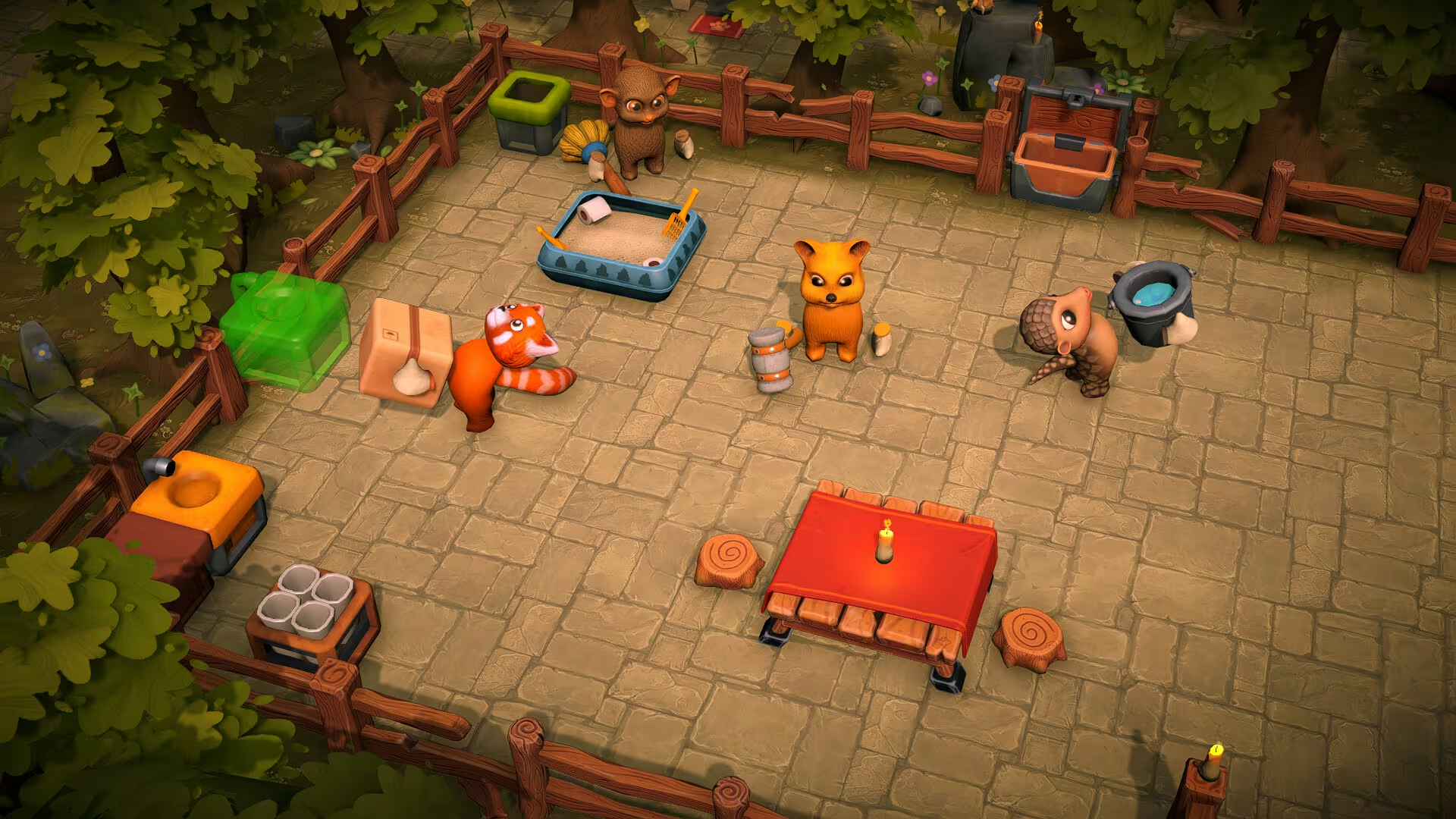
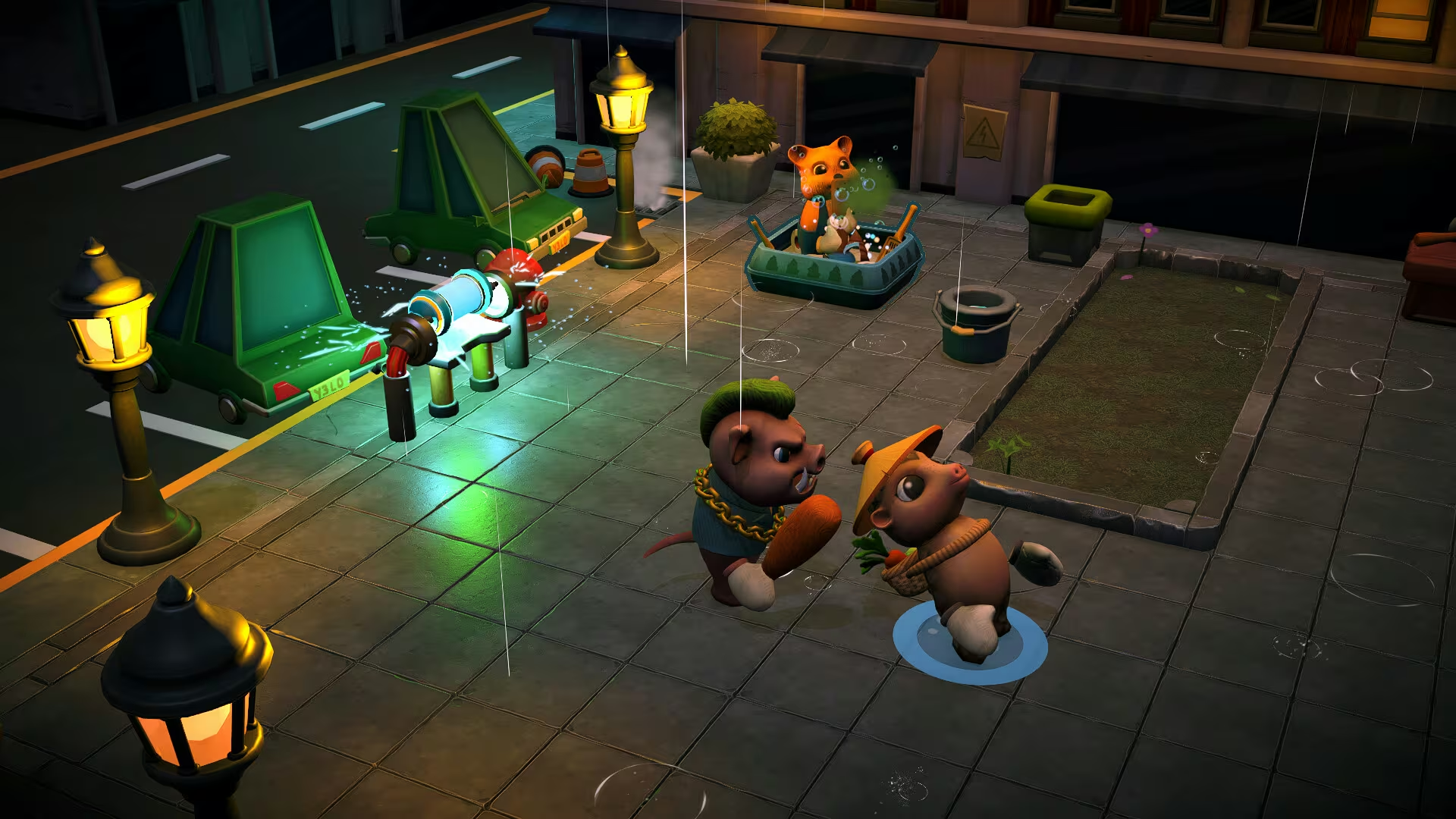
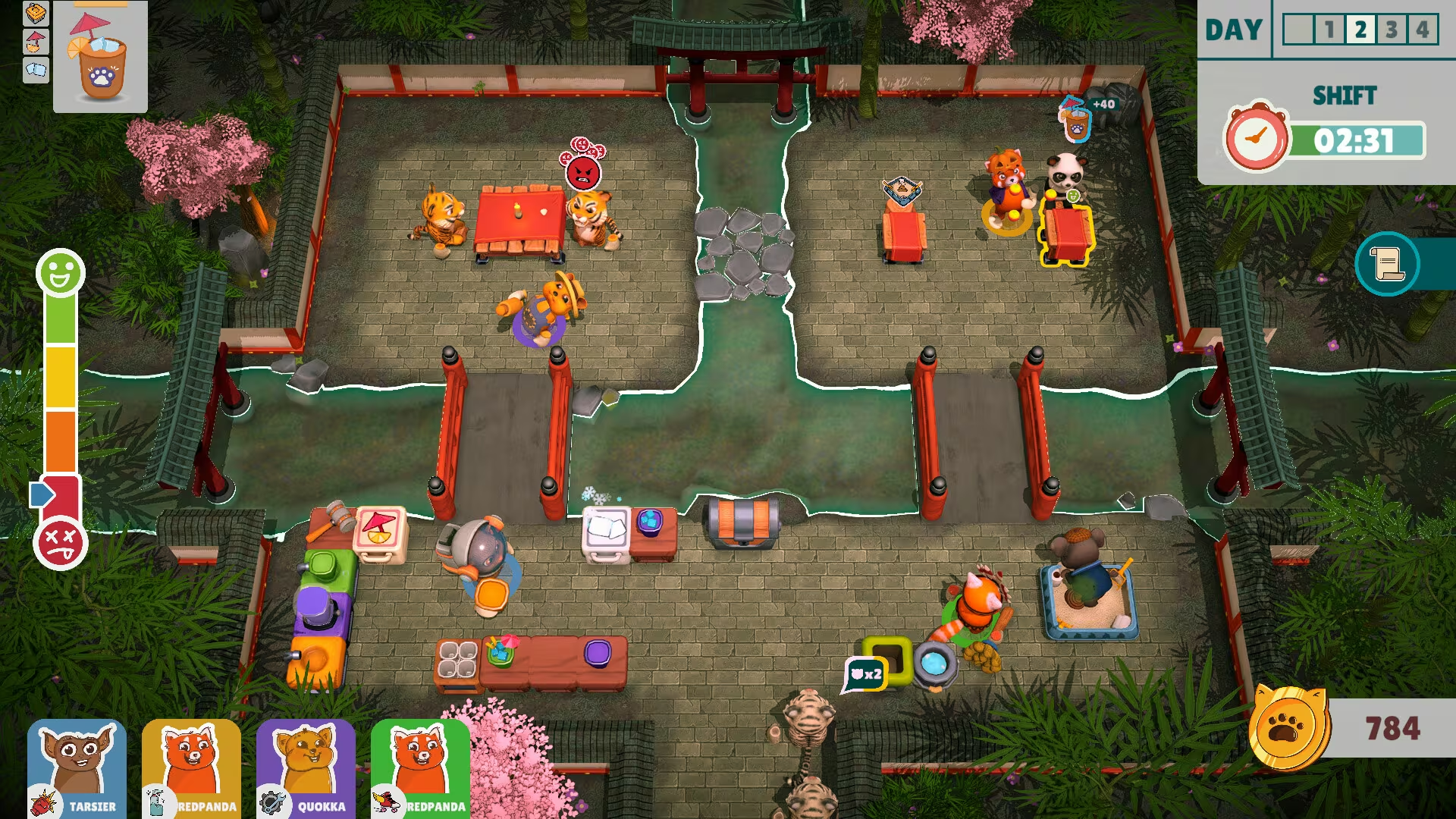
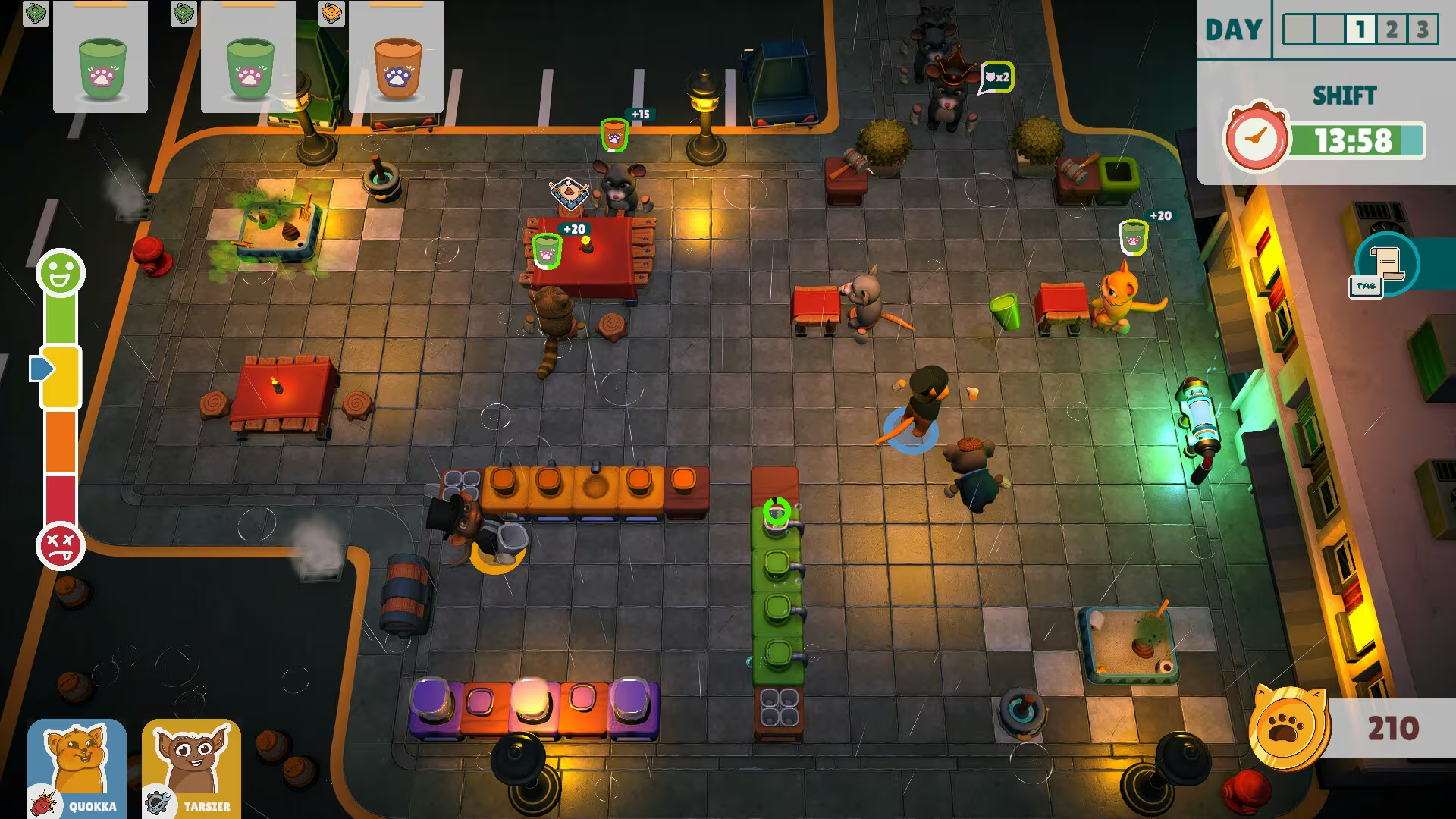
Seat customers, serve drinks, and manage chaos with up to 4 players! Keep the peace by considering customer types while seating them. Survive disasters, handle quirky customers, and design the perfect venue to keep the party going!

Global score

72/100

Genres

Action, Casual, Indie, Simulator, Strategy, Free To Play

Similar games

    Pros

    • Fun and chaotic multiplayer gameplay
    • Engaging cooperative mechanics
    • Cute and vibrant art style
    • Customizable venue and characters
    • Active developer support and updates

    Cons

    • Clunky and imprecise controls
    • Technical bugs and optimization issues
    • Steep difficulty curve especially solo
    • Limited single-player experience
    • Lack of restart option and ui polish

    Analysis

    Broadly representative of its motivational profile, with a few distinct shifts. Motivations that often define this kind of title include Competition, Fellowship, Domination, Status. Here, the score leans higher than usual among comparable games on Intimacy. It leans lower than usual among comparable games on Status, Story.

    How to use the graph
    Similar games map

    Each dot is a game. They are arranged from the same motivation profile as in the “Motivations” section below. Closer dots usually mean more similar reasons to play (exploration, competition, relaxation, etc.)—not that one game is “better” than another.

    • Larger dot with a light outline: the game you are viewing.
    • Colour: groups of games with comparable motivation patterns (statistical clusters).
    • Hover a dot to see the game name; click to open its page.
    • Scroll or double-click the chart to zoom out and see more games.

    Why don’t the axes read like a score? This view uses t-SNE: it only keeps who is close to whom. The scales are not “good to bad” or hours played—they separate groups on the map. Read distance between dots, not the axis numbers.

    Motivations

    • Autonomy
      4

      "Players can design their own venue layout and choose how to manage tasks, allowing freedom in strategy and actions."

    • Competence
      3

      "The game offers a challenging and fast-paced environment requiring skillful multitasking and quick reactions, though some controls are reported as clunky."

    • Competition
      2

      "There is some friendly competition among friends during co-op play, but no strong emphasis on ranked or leaderboard competition."

    • Continuation
      3

      "Players report addictive gameplay with repeated sessions, especially with friends, though some find solo play less engaging."

    • Cooperation
      5

      "The game strongly emphasizes cooperative multiplayer where players work together to manage the club and handle chaos."

    • Creativity
      4

      "Players can customize venue layouts and character appearances, expressing creativity in game setup and style."

    • Domination
      2

      "Players can disrupt or attack friends and customers, but interactions are mostly playful rather than authoritative or controlling."

    • Escapism
      4

      "The chaotic, humorous gameplay provides a strong escape from real-life stress and promotes laughter and fun."

    • Expectation
      -3

      "Players engage voluntarily for fun and social interaction rather than obligation or pressure."

    • Experimenting
      3

      "The game encourages trying different layouts, strategies, and interactions with unpredictable events."

    • Exploration
      2

      "There is some discovery in new levels and customer types, but environments are mostly familiar party club settings."

    • Expression
      4

      "Character customization and venue decoration allow players to express personal style."

    • Fantasy
      4

      "The game features anthropomorphic animals and exaggerated chaotic scenarios, emphasizing imaginative fiction."

    • Fellowship
      5

      "Strong sense of community and shared experience in multiplayer sessions with friends."

    • Growth
      3

      "Players develop skills in multitasking, strategy, and coordination, improving over time."

    • Health
      -5

      "The game is sedentary with no physical activity or health-related mechanics."

    • Idle
      -4

      "Requires constant attention and active engagement due to fast-paced and chaotic gameplay."

    • Intimacy
      3

      "Players form social bonds and share emotional moments during cooperative play."

    • Leadership
      2

      "Some players take on managerial roles coordinating tasks, but leadership is informal and shared."

    • Progression
      3

      "Players accumulate upgrades, unlock cosmetics, and improve venue over time."

    • Relaxation
      -2

      "Gameplay is often hectic and stressful rather than relaxing, though it is fun and cathartic."

    • Sensation
      3

      "Vibrant visuals, sound effects, and chaotic action provide stimulating sensory experience."

    • Status
      -2

      "Little emphasis on social recognition or ranking; focus is on fun with friends."

    • Story
      -4

      "No narrative or plot; gameplay is context-free and focused on party management chaos."

    • Strategy
      3

      "Requires planning seating arrangements, managing customer types, and adapting to events."

    • Thrill
      3

      "Players experience suspense and excitement from unpredictable chaos and time pressure."

    • Value
      2

      "Generally perceived as good value especially when free or on sale; some feel full price is high."

    • Violence
      3

      "Players enjoy playful combat like hitting customers or friends, adding to chaotic fun."

    • Survival
      2

      "Players must manage threats like fights and messes to keep the club running, but no high-risk survival mechanics."

    Last update: 29/04/2026