Tales of Rein Ravine Thumbnail

Tales of Rein Ravine similar games & best alternatives
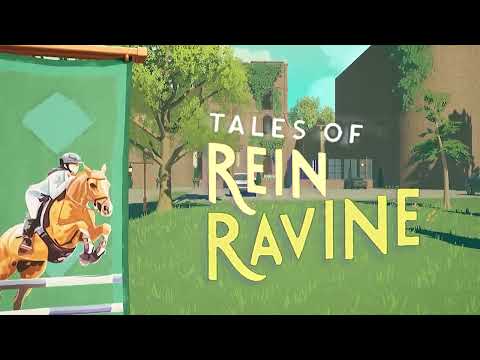
Tales of Rein Ravine

PC (Microsoft Windows) • 2024

Related articles

Quick resume

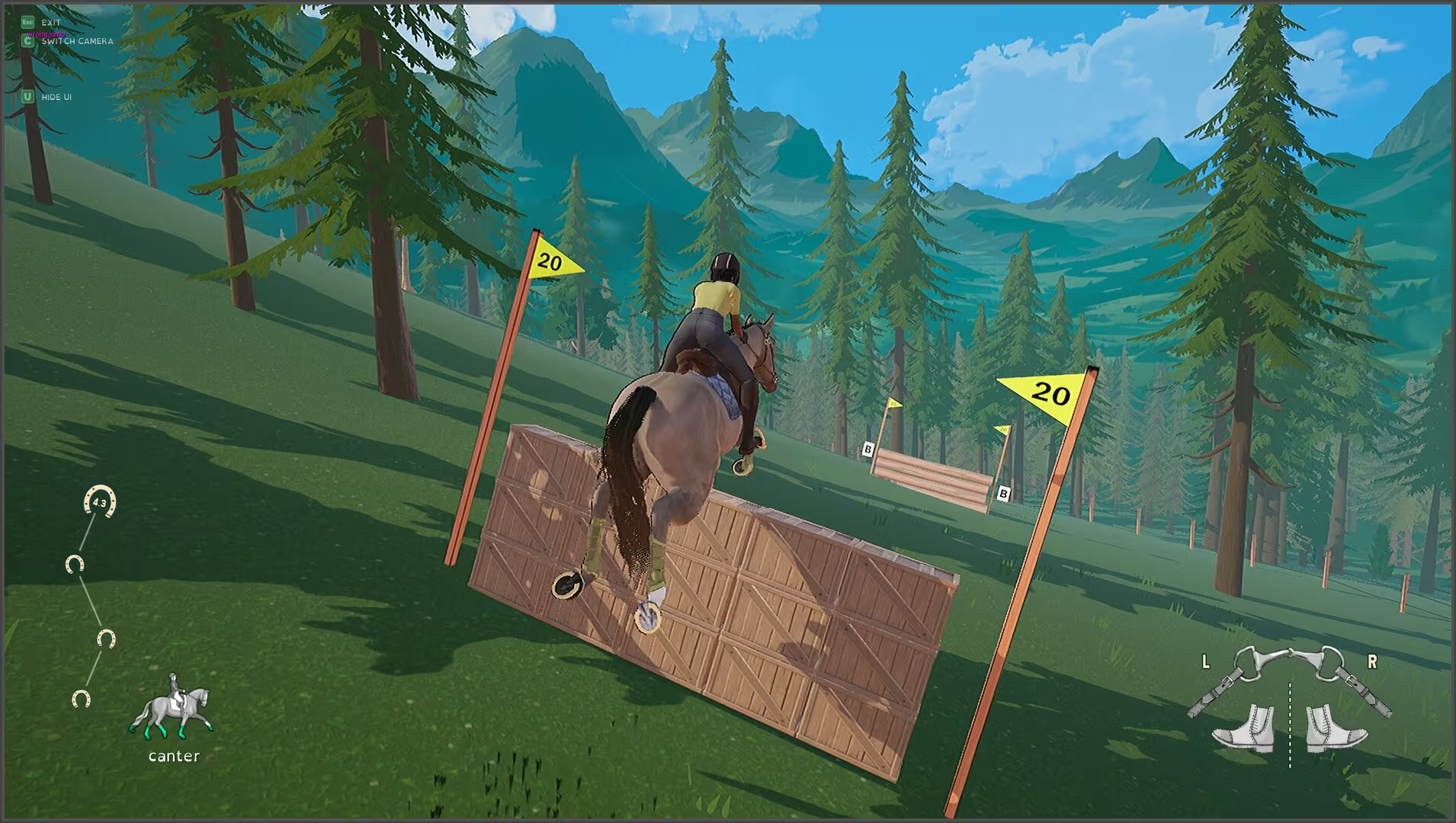
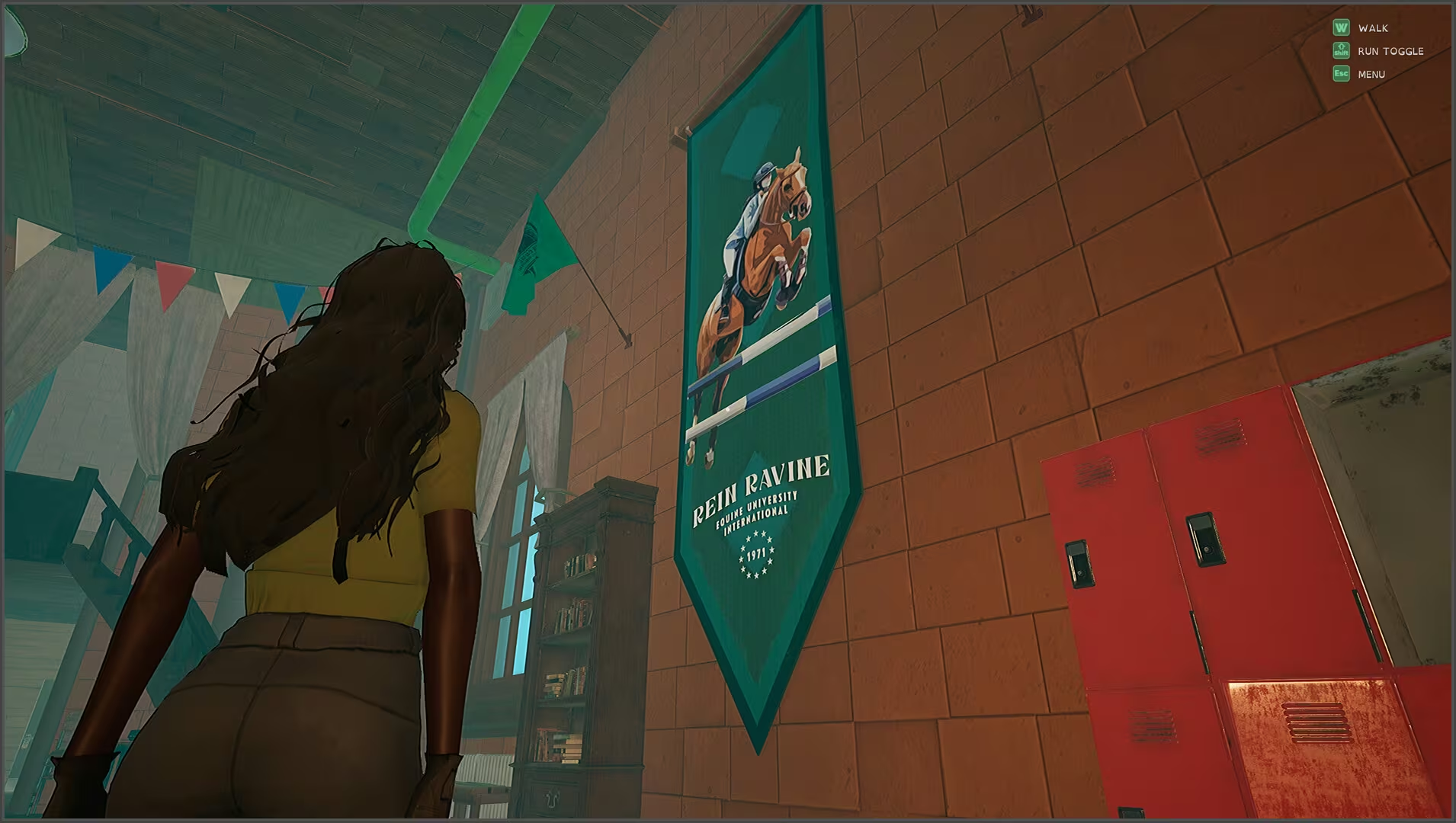
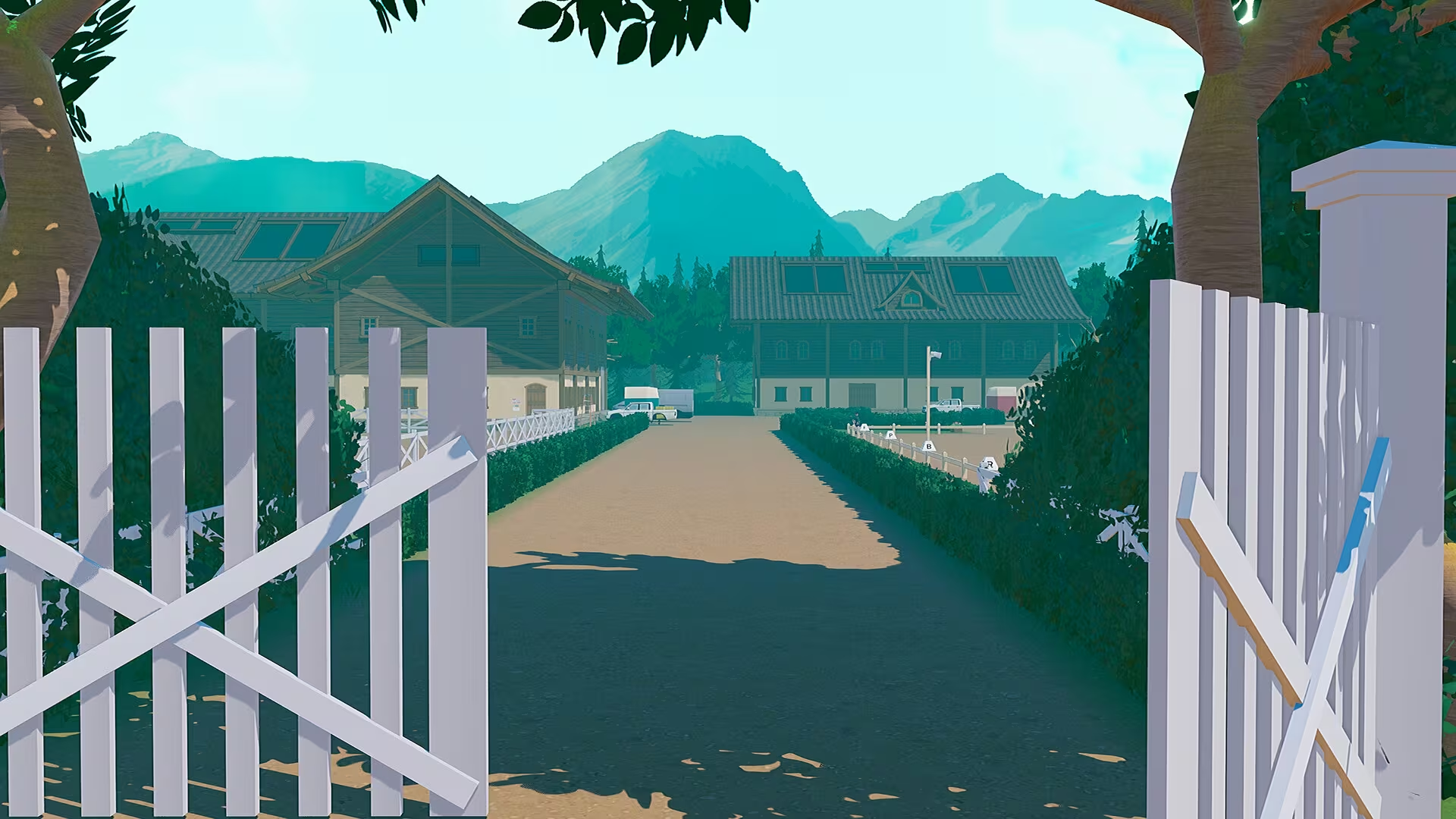
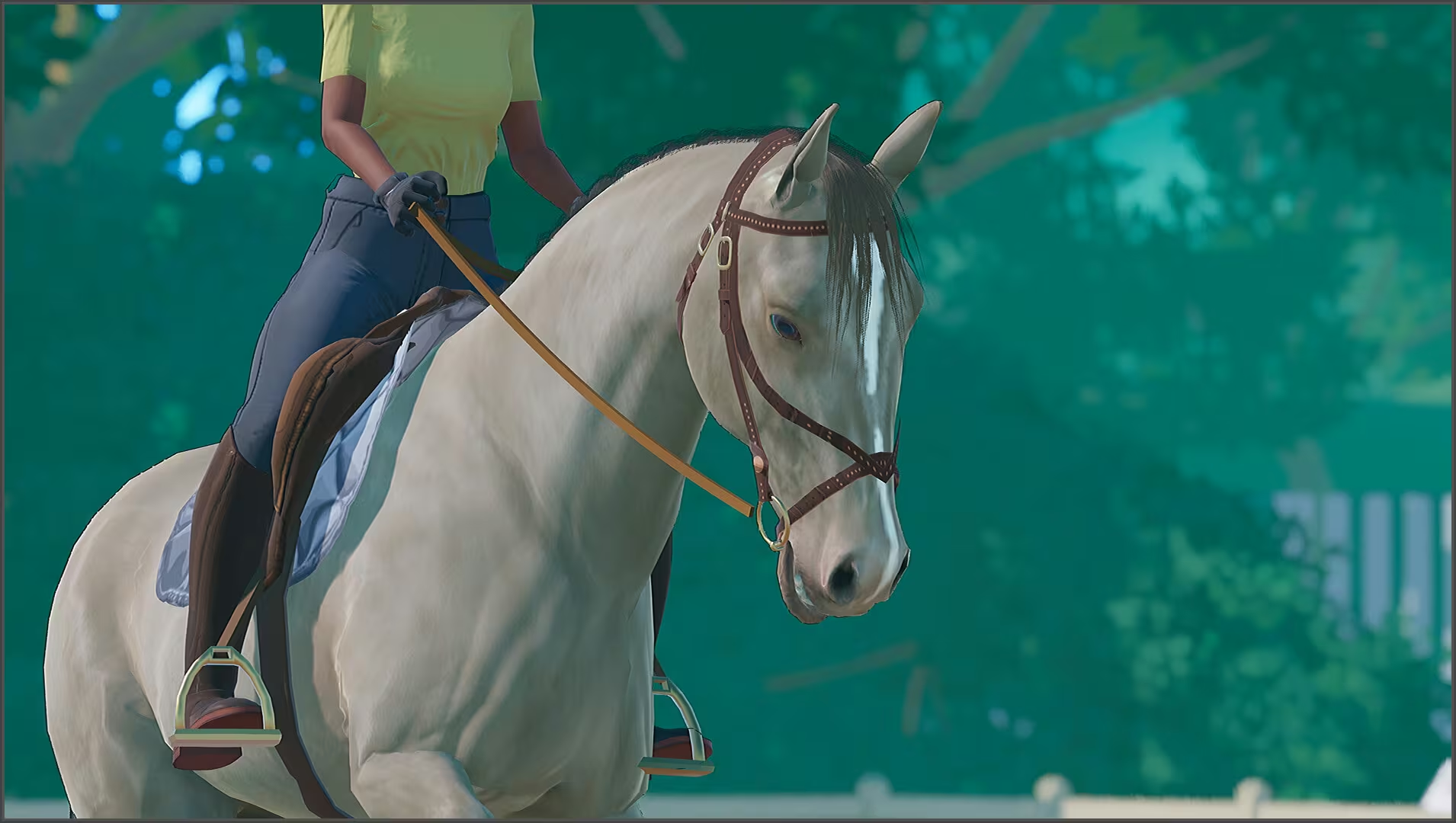
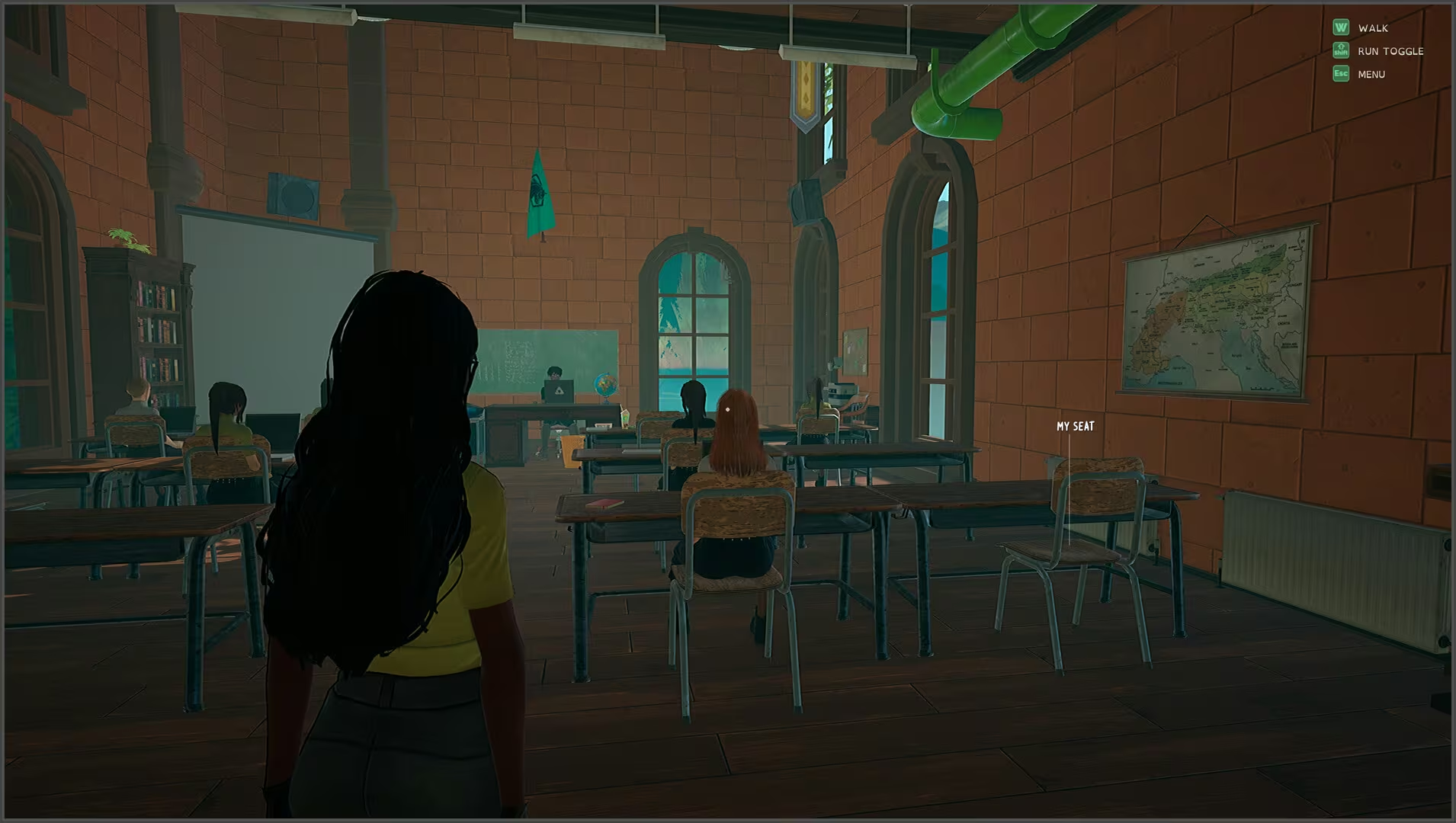
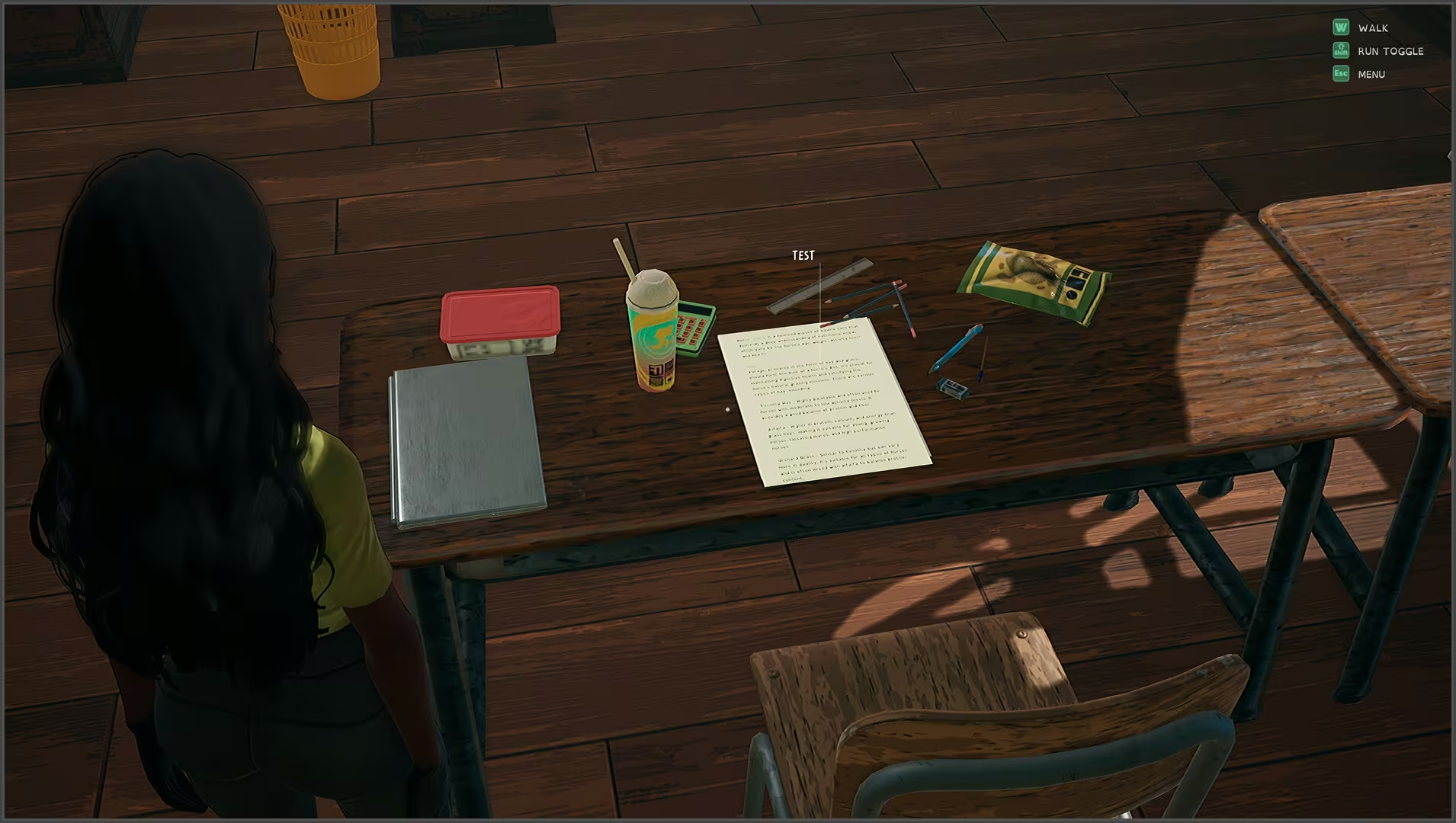
Tales of Rein Ravine is an indie horse game that aims to challenge its players with unique real-life inspired riding, as well as tell an intriguing equestrian story to a young adult audience.

Global score

74/100

Genres

Adventure, Indie, Sport, Free To Play, Early Access

Similar games

    Pros

    • Realistic and detailed horse riding mechanics
    • Engaging and educational riding lessons
    • Beautiful graphics and immersive atmosphere
    • Free to play with quality content
    • Strong potential for future development

    Cons

    • Limited content and activities in early access
    • Lack of clear guidance or tutorial causing confusion
    • No multiplayer or social features
    • Some animations and controls need refinement
    • Slow update frequency and developer inactivity concerns

    Analysis

    Less representative of its motivational profile, with noticeable differences. Motivations that often define this kind of title include Fantasy, Violence, Story, Thrill. Here, the score leans higher than usual among comparable games on Story. It leans lower than usual among comparable games on Creativity, Expression.

    How to use the graph
    Similar games map

    Each dot is a game. They are arranged from the same motivation profile as in the “Motivations” section below. Closer dots usually mean more similar reasons to play (exploration, competition, relaxation, etc.)—not that one game is “better” than another.

    • Larger dot with a light outline: the game you are viewing.
    • Colour: groups of games with comparable motivation patterns (statistical clusters).
    • Hover a dot to see the game name; click to open its page.
    • Scroll or double-click the chart to zoom out and see more games.

    Why don’t the axes read like a score? This view uses t-SNE: it only keeps who is close to whom. The scales are not “good to bad” or hours played—they separate groups on the map. Read distance between dots, not the axis numbers.

    Motivations

    • Autonomy
      4

      "Players have freedom to explore and control detailed riding mechanics with minimal handholding, though some find lack of guidance confusing."

    • Competence
      5

      "The game emphasizes mastering complex riding controls and lessons, rewarding skill development and technical challenge."

    • Competition
      -3

      "Focus is on personal skill and progression through lessons rather than competing against others; no mention of leaderboards or ranked modes."

    • Continuation
      2

      "Players express desire to keep playing and follow development, though some note limited content and slow updates reduce engagement."

    • Cooperation
      -4

      "Gameplay is primarily single-player with no cooperative or multiplayer elements mentioned."

    • Creativity
      -2

      "Limited customization options currently; players cannot create or extensively modify characters or horses, but some desire for future customization."

    • Domination
      -5

      "No evidence of exerting control or superiority over others; interactions are individual and respectful."

    • Escapism
      3

      "Players use the game as a relaxing, immersive escape with realistic horse riding mechanics and atmosphere."

    • Expectation
      -4

      "Players engage voluntarily out of personal interest and enjoyment rather than obligation or external pressure."

    • Experimenting
      3

      "Players explore complex riding mechanics and experiment with different horses and controls, though content is limited."

    • Exploration
      1

      "Some exploration of environments is possible but limited; players desire more areas and clearer objectives."

    • Expression
      -3

      "Currently limited character and horse customization; players mostly use default appearances."

    • Fantasy
      -4

      "Game focuses on realistic horse riding experience with plausible scenarios and detailed mechanics."

    • Fellowship
      -4

      "Minimal social interaction or community features; primarily solo play."

    • Growth
      5

      "Strong emphasis on learning riding skills, improving through lessons, and personal development."

    • Health
      -5

      "No physical activity or health-related gameplay; sedentary computer game."

    • Idle
      -3

      "Requires focused attention to master controls and complete lessons; not suited for casual background play."

    • Intimacy
      -4

      "No evidence of forming close relationships or emotional social interactions within the game."

    • Leadership
      -5

      "No leadership or group management roles; gameplay is individual and self-directed."

    • Progression
      3

      "Players progress through riding lessons and unlock horses to rent; limited item accumulation or upgrades currently."

    • Relaxation
      3

      "Game provides a relaxing and immersive experience, though some find lessons lengthy and occasionally frustrating."

    • Sensation
      2

      "Visuals and audio provide pleasant sensory stimulation; some repetitive music noted but overall enjoyable atmosphere."

    • Status
      -5

      "No social recognition or status systems; achievements are personal and not publicly evaluated."

    • Story
      2

      "Some narrative elements and character interactions exist, but story is minimal and mostly context for lessons."

    • Strategy
      3

      "Riding mechanics require planning, timing, and problem solving to master complex movements and courses."

    • Thrill
      -2

      "Game is low risk and calm; lacks suspense or high-stakes challenges."

    • Value
      5

      "Free to play with high perceived value for realistic mechanics and quality content despite early access status."

    • Violence
      -5

      "No combat or destructive elements; gameplay centers on constructive horse riding and care."

    • Survival
      -5

      "No survival or threat avoidance mechanics; stable and safe environment."

    Last update: 29/04/2026