Tom Clancy’s Splinter Cell Blacklist similar games & best alternatives
Should you play it?
The United States has a military presence in two-thirds of countries around the world, and some of them have had enough. A group of terrorists calling themselves The Engineers initiate a terror ultimatum called the Blacklist - a deadly countdown of escalating attacks on U.S. interests.
What works
- Multiple playstyles and approaches
- Engaging stealth and tactical gameplay
- Co-op and multiplayer modes
- Customization and progression system
- Cinematic story and presentation
Things to keep in mind
- Technical issues and crashes reported
- Multiplayer population low and servers shut down
- Some linear mission design
- Voice actor change for main character
- Some ai and gameplay quirks
What to play next
Similar games, hidden gems, and fresh directions from this game.
Top picks
Games that feel the closest overall


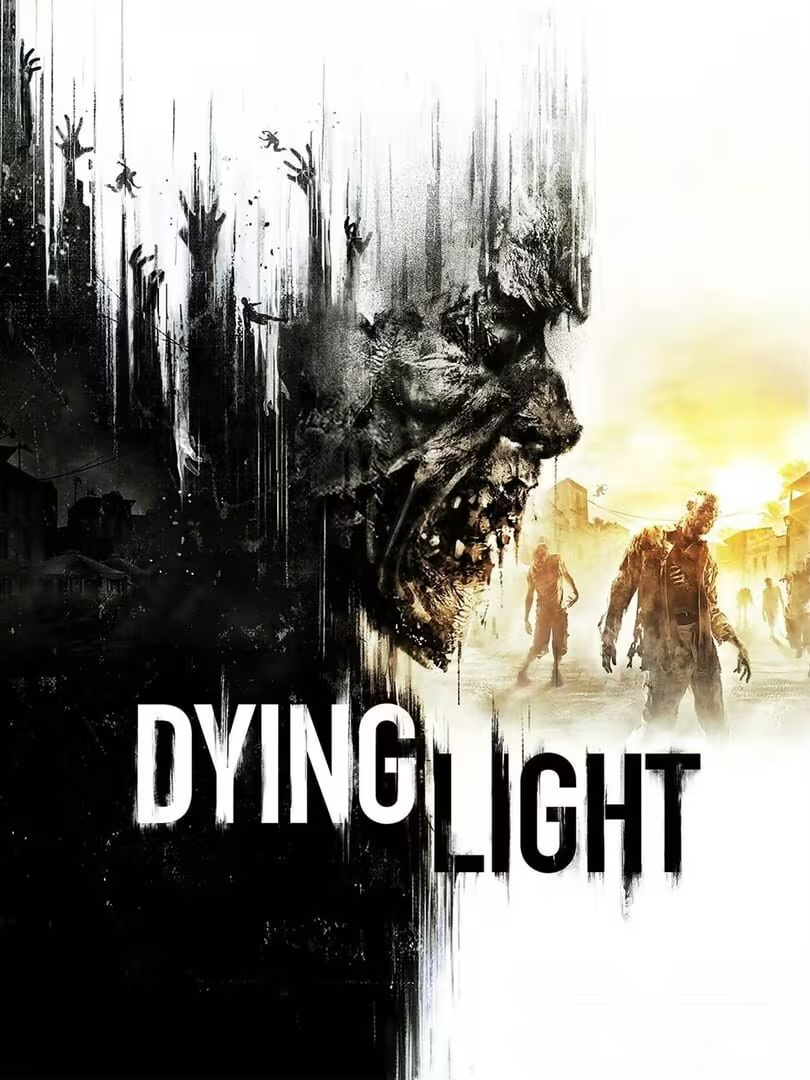

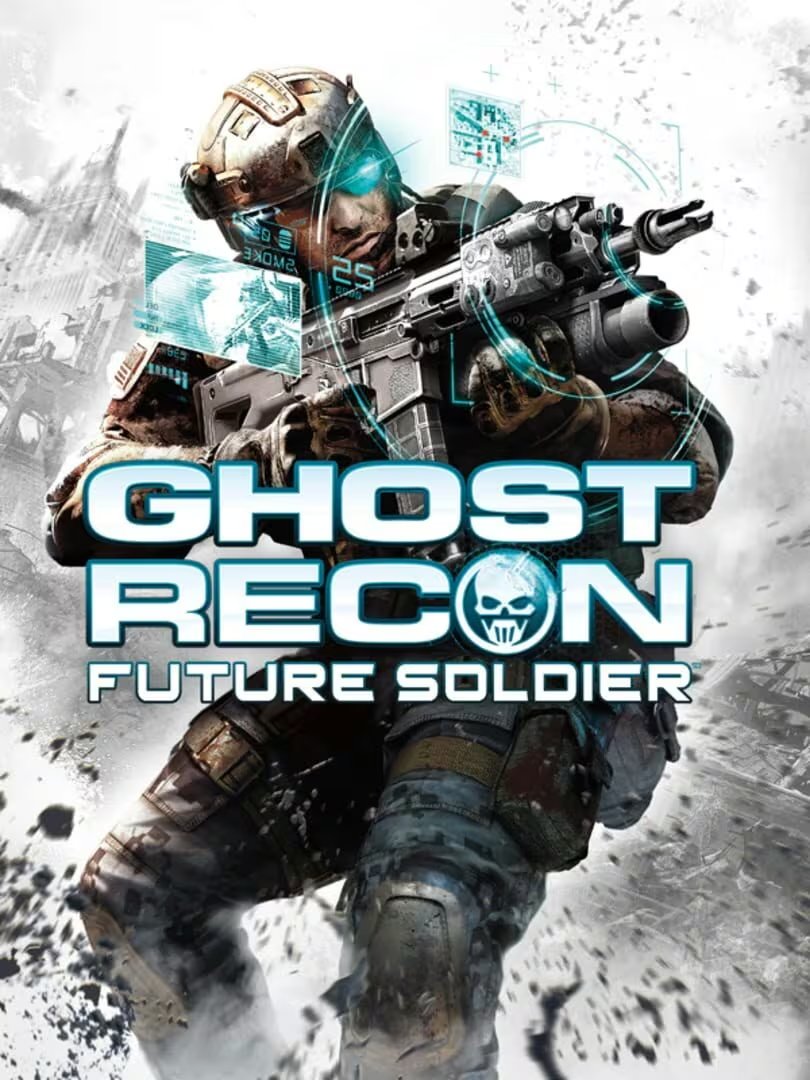

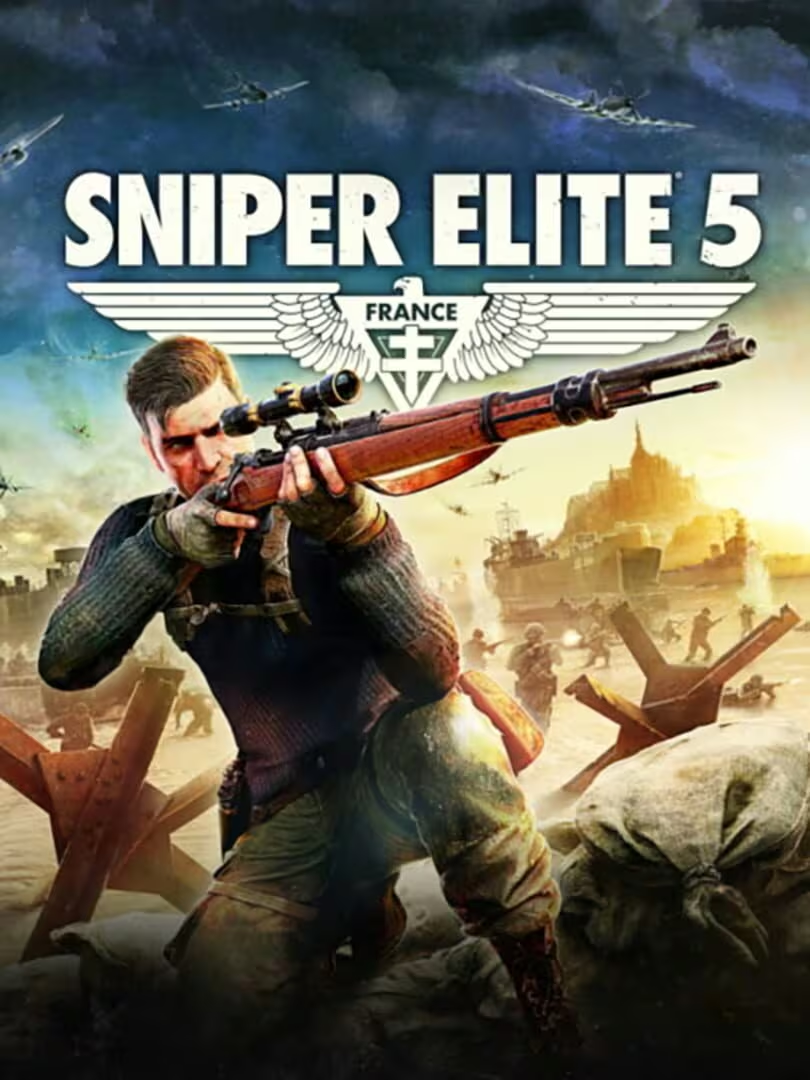


Hidden Gems
Less popular games with surprisingly high similarity


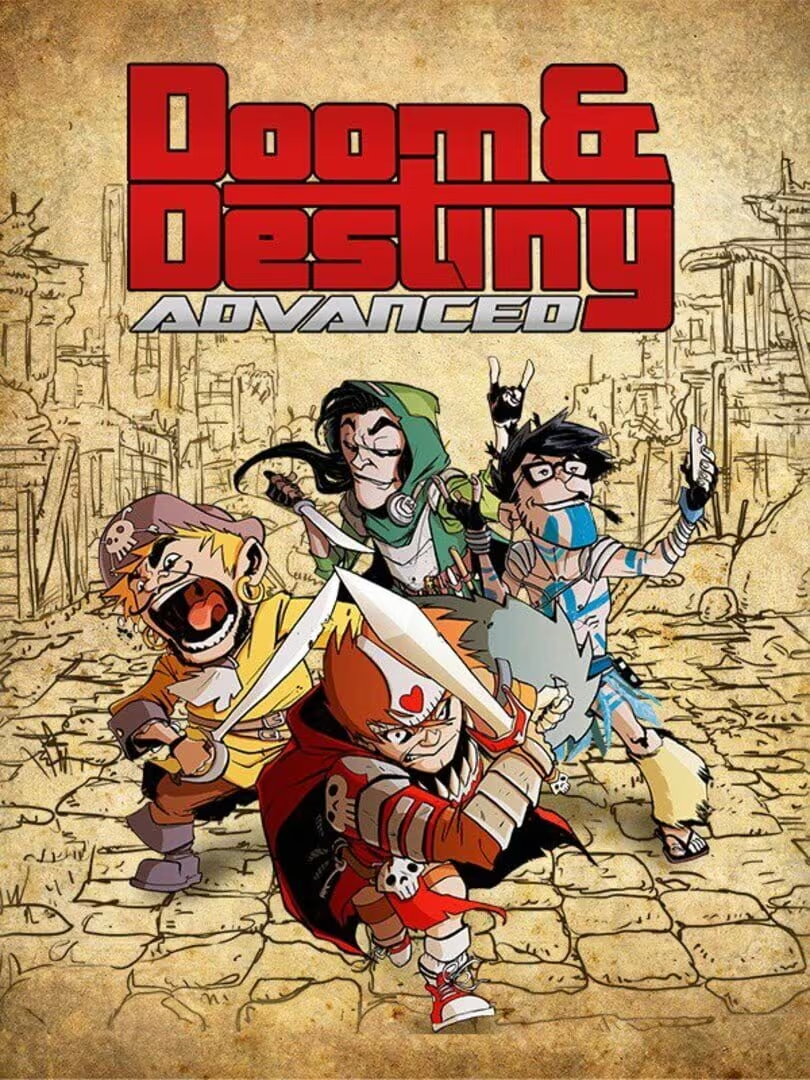
If you liked…
Recommendations by what you enjoyed most
Similarity map
Explore nearby similar games and see why they’re close.
Tom Clancy’s Splinter Cell Blacklist: A very typical example of its motivational profile. Motivations that often define this kind of title include Competition, Fellowship, Status, Cooperation. Here, the score leans higher than usual among comparable games on Story. It leans lower than usual among comparable games on Intimacy, Domination.
Why this game works
A motivational profile of the game, with the closest similar game for each player motivation.
-
Autonomy
Game with the same Autonomy vibe
4"Players have freedom to choose playstyle, skill builds, and approach missions with multiple options including stealth or combat."
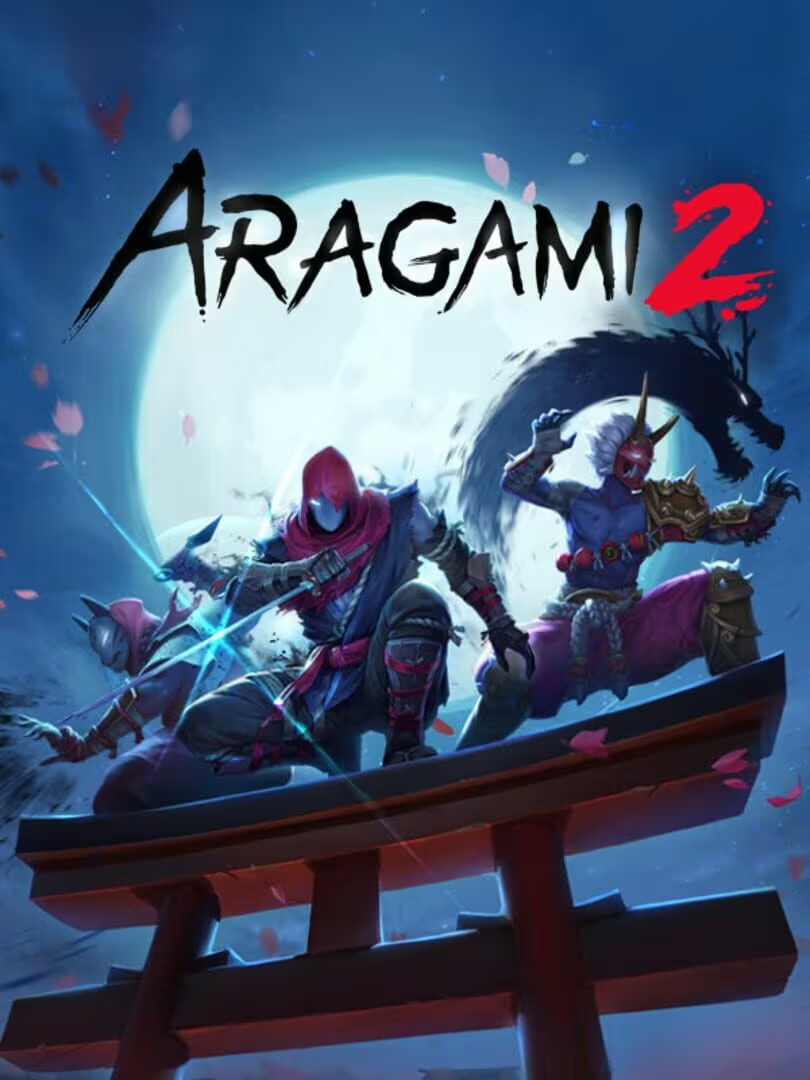 Aragami 2
"Players can freely choose playstyle (Ghost, Panther, Assault) and approach missions in multiple ways, including stealth, combat, or mixed styles."
-
Competence
Game with the same Competence vibe
3"Game requires skillful stealth, resource management, and precise shooting, especially on higher difficulties, providing meaningful challenges."
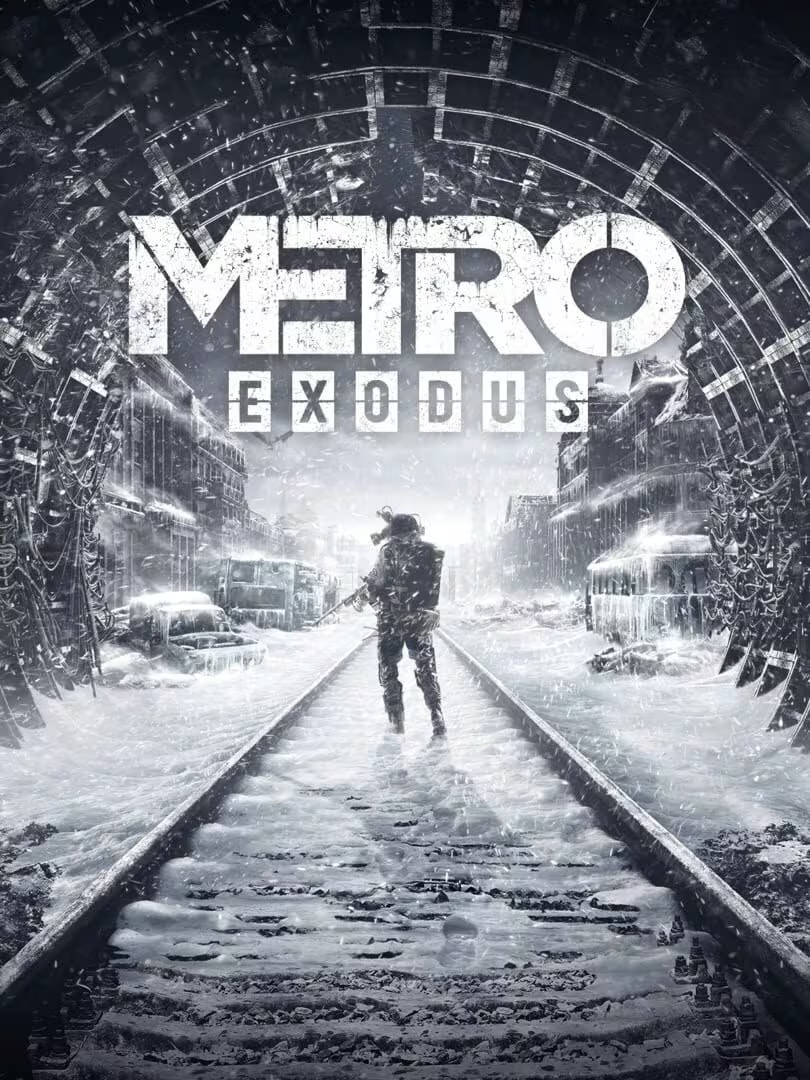 Metro Exodus
"Game offers significant skill challenge especially on higher difficulties with stealth mechanics, tactical planning, and precise execution."
-
Competition
Game with the same Competition vibe
2"Includes multiplayer modes and leaderboards, but many players focus on single-player or cooperative play."
 Hex of Steel
"Includes multiplayer modes such as Spies vs Mercs with leaderboards and ranked play, but multiplayer population is low and some players focus on single player."
-
Continuation
Game with the same Continuation vibe
2"Players engage in long campaign sessions with some replayability, though mission variety is limited and some find replay value moderate."
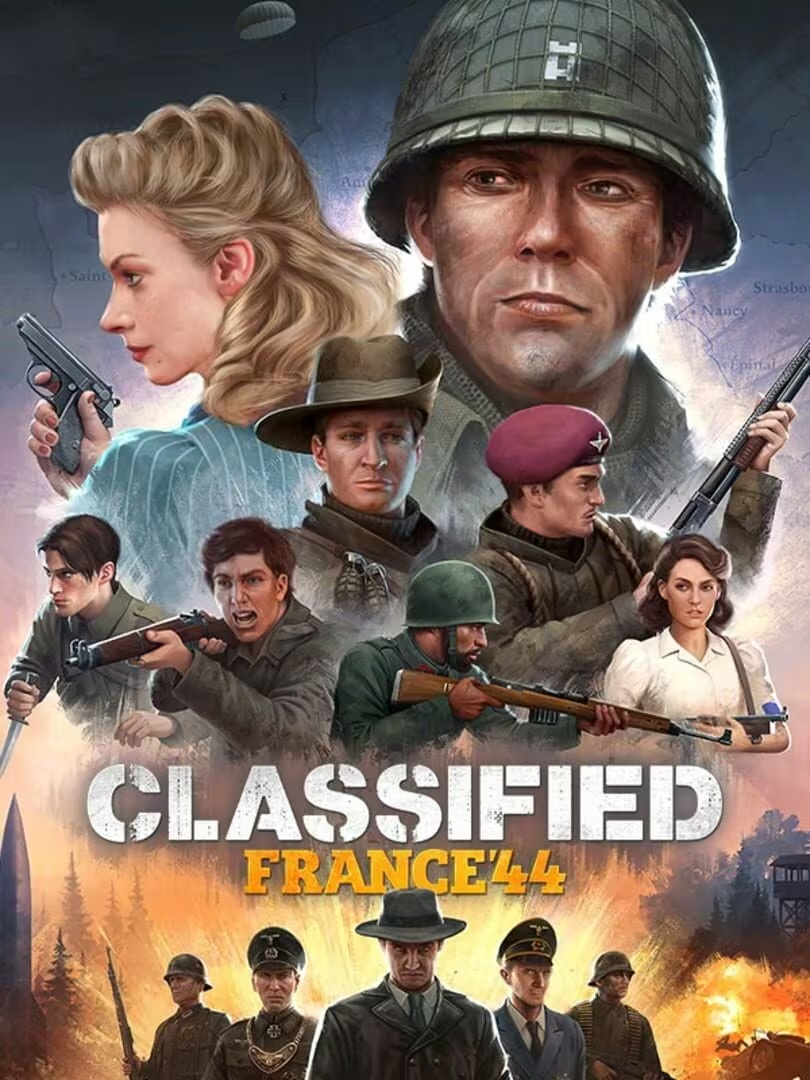 Classified: France '44
"High replay value with multiple styles, side missions, co-op and multiplayer modes encourage habitual play, though some players move on after campaign."
-
Cooperation
Game with the same Cooperation vibe
3"Co-op and multiplayer modes encourage teamwork; campaigns and skirmishes can be played cooperatively."
 Call to Arms
"Co-op missions and multiplayer modes emphasize teamwork and coordination; co-op missions require collaboration for success."
-
Creativity
Game with the same Creativity vibe
3"Players can customize skills and weapons, craft items, and choose different playstyles, encouraging creative problem solving."
 The Evil Within 2
"Players customize weapons, gadgets, and suits; multiple paths and approaches encourage creative problem solving and playstyle."
-
Domination
Game with the same Domination vibe
-2"Multiplayer emphasizes teamwork and shared goals rather than exerting control or superiority; some reports of toxic players but overall balanced interactions."
 Sol Survivor
"Multiplayer encourages balanced team play and cooperation rather than domination; some reports of toxic players but overall balanced interactions."
-
Escapism
Game with the same Escapism vibe
4"Players use the game as an immersive escape with intense stealth and action gameplay."
 Intravenous 2
"Players use the game as immersive escape with engaging stealth action, cinematic story, and tactical gameplay."
-
Expectation
Game with the same Expectation vibe
-3"Players engage voluntarily out of intrinsic interest and enjoyment; no evidence of obligation or external pressure."
 Project 5: Sightseer
"Players engage out of intrinsic interest and enjoyment; no evidence of obligation or pressure to play."
-
Experimenting
Game with the same Experimenting vibe
4"Game encourages exploration of mechanics, shortcuts, and different routes, fostering experimentation."
 BETON BRUTAL
"Game encourages trying different playstyles, gadgets, and approaches to missions, fostering experimentation."
-
Exploration
Game with the same Exploration vibe
2"Levels offer multiple paths and optional objectives, encouraging discovery of optimal routes and secrets."
 I Am Your Beast
"Levels offer multiple paths and hidden routes, encouraging some exploration within mostly linear mission structure."
-
Expression
Game with the same Expression vibe
3"Customization of characters, weapons, and gear supports self-expression and personalization."
 Contractors Showdown : ExfilZone
"Customization of character suits, weapons, and gadgets allows player self-expression and personalization."
-
Fantasy
Game with the same Fantasy vibe
3"Engages players in a fictional military espionage narrative with cinematic storytelling and stylized characters."
 METAL GEAR SOLID V: GROUND ZEROES
"Players engage in a fictional espionage narrative with high-tech gadgets and cinematic storytelling."
-
Fellowship
Game with the same Fellowship vibe
2"Community and multiplayer modes foster social connection, though many players also enjoy solo play."
 Tennis Elbow 2013
"Community and multiplayer modes provide social connection, though many players focus on solo play."
-
Growth
Game with the same Growth vibe
3"Players develop stealth skills, learn level layouts, and improve strategies over time."
 Thief II: The Metal Age
"Players develop skills in stealth and combat, learn level layouts, and improve through upgrades and practice."
-
Health
Game with the same Health vibe
-4"Game is sedentary, requiring focused screen time; no physical activity or health-related features."
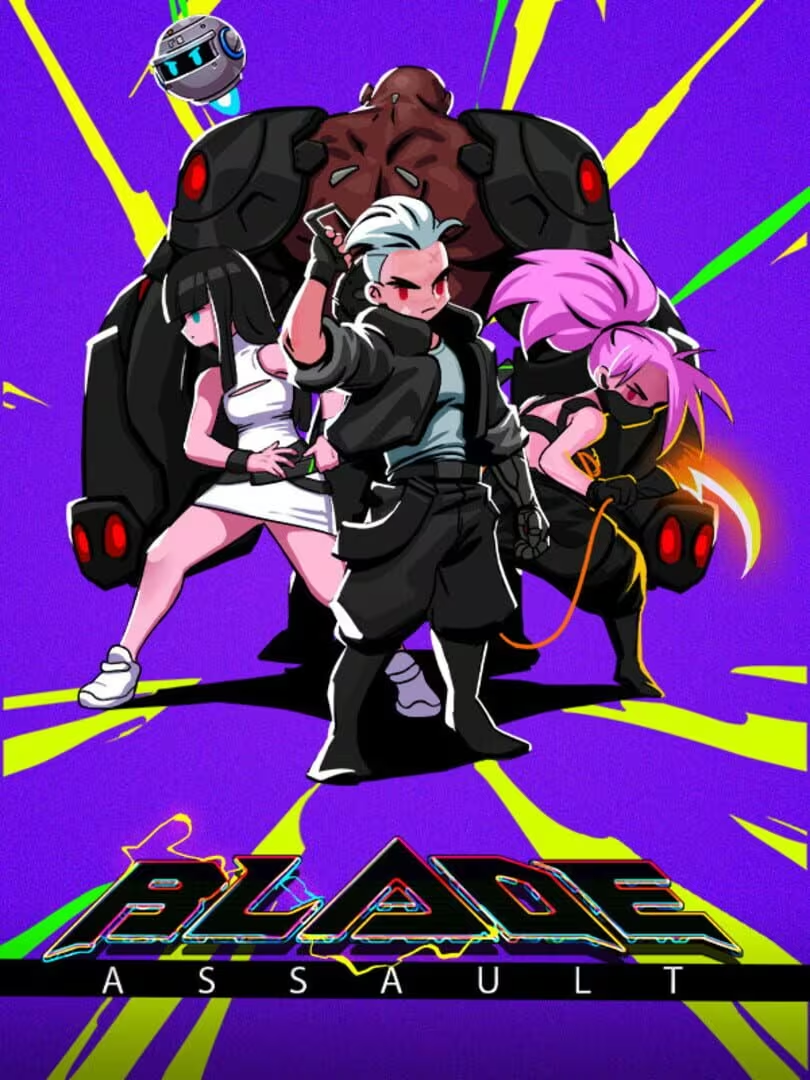 Blade Assault
"Game is sedentary, requiring long sessions of sitting and screen focus; no physical activity involved."
-
Idle
Game with the same Idle vibe
-3"Requires focused attention during missions; not designed for casual or background play."
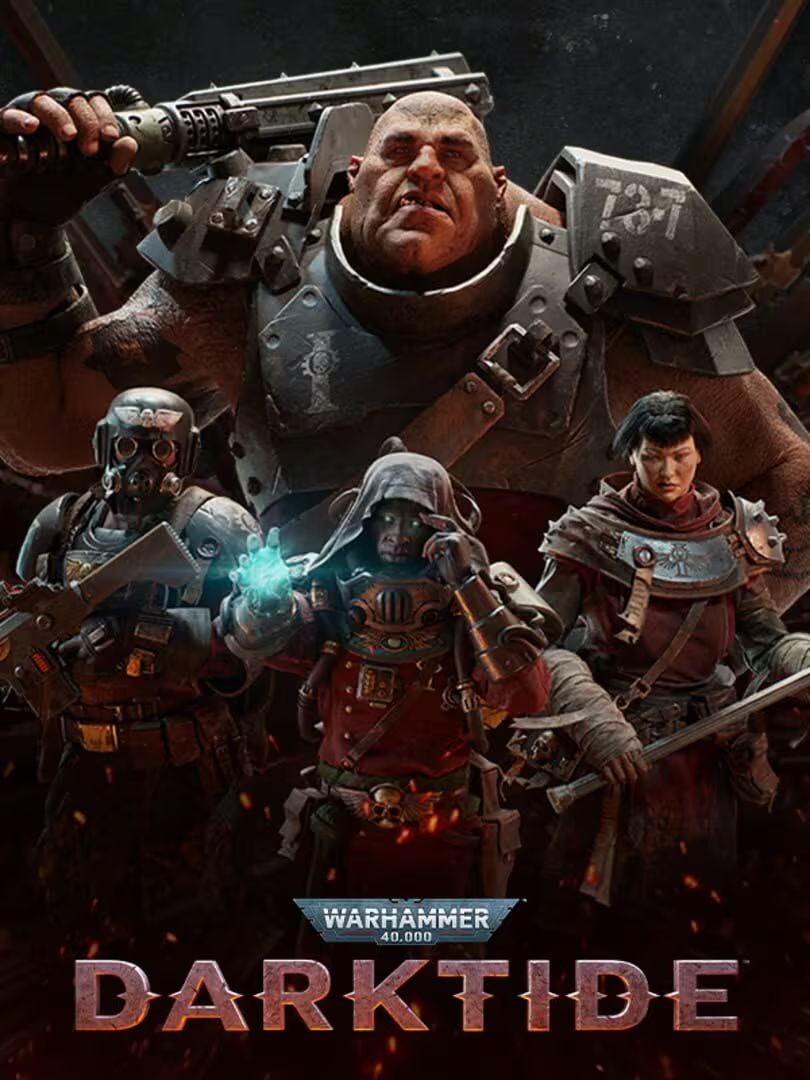 Warhammer 40,000: Darktide
"Requires sustained attention and focus during missions; not designed for casual or background play."
-
Intimacy
Game with the same Intimacy vibe
-3"Social interactions are mostly surface-level multiplayer; no evidence of close emotional relationships."
 MX vs ATV All Out
"Social interactions are mostly surface-level in multiplayer; no evidence of close emotional relationships."
-
Leadership
Game with the same Leadership vibe
2"Players can lead or coordinate in co-op teams, though no formal leadership roles or mechanics described."
 Incursion Red River
"Players can lead teams in co-op missions and multiplayer, though leadership is shared and situational."
-
Progression
Game with the same Progression vibe
4"Strong progression system with currency, weapon unlocks, upgrades, and mission advancement."
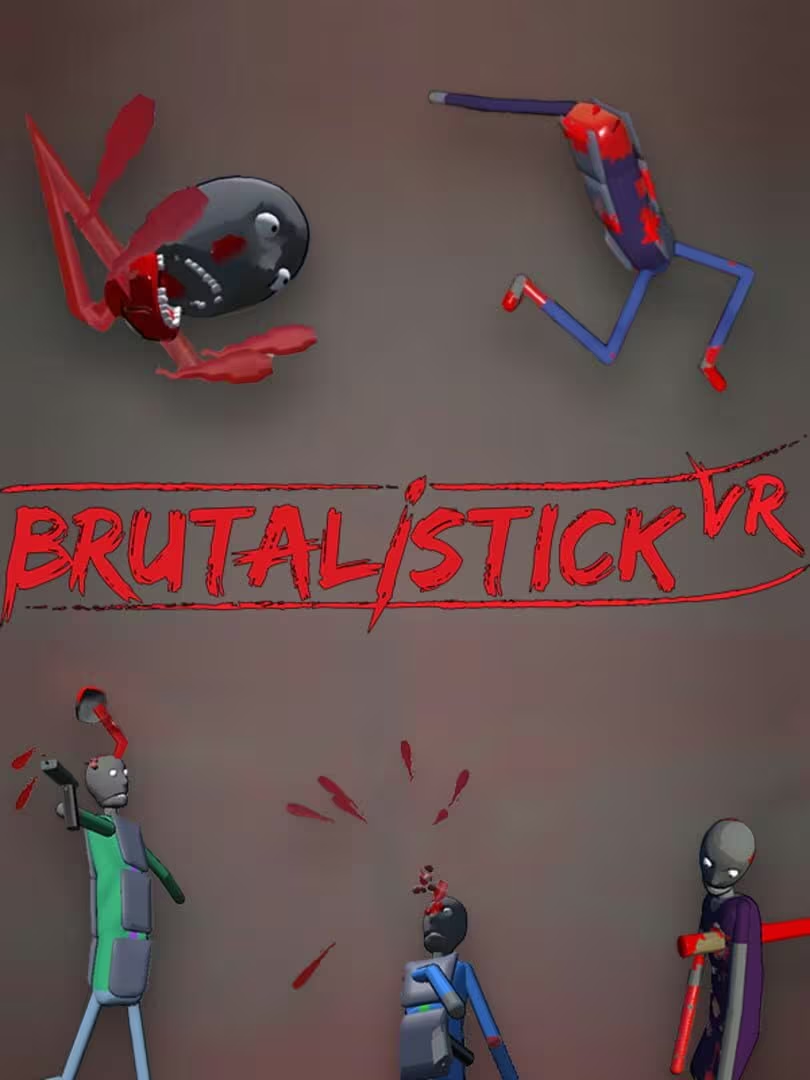 BRUTALISTICK VR
"Strong progression system with currency, upgrades for weapons, gadgets, and the Paladin aircraft."
-
Relaxation
Game with the same Relaxation vibe
2"Gameplay balances challenge and flow, though some missions can be frustrating or difficult."
 Gearbits
"Game balances challenge and flow, but some missions can be tense and require focus; overall engaging but not overly stressful."
-
Sensation
Game with the same Sensation vibe
3"Visuals, sound, and animations provide stimulating sensory experiences and excitement."
 WWE 2K22
"Visuals, sound design, and cinematic elements provide sensory stimulation and excitement."
-
Status
Game with the same Status vibe
1"Ranked multiplayer and leaderboards provide some social recognition, though player base is small."
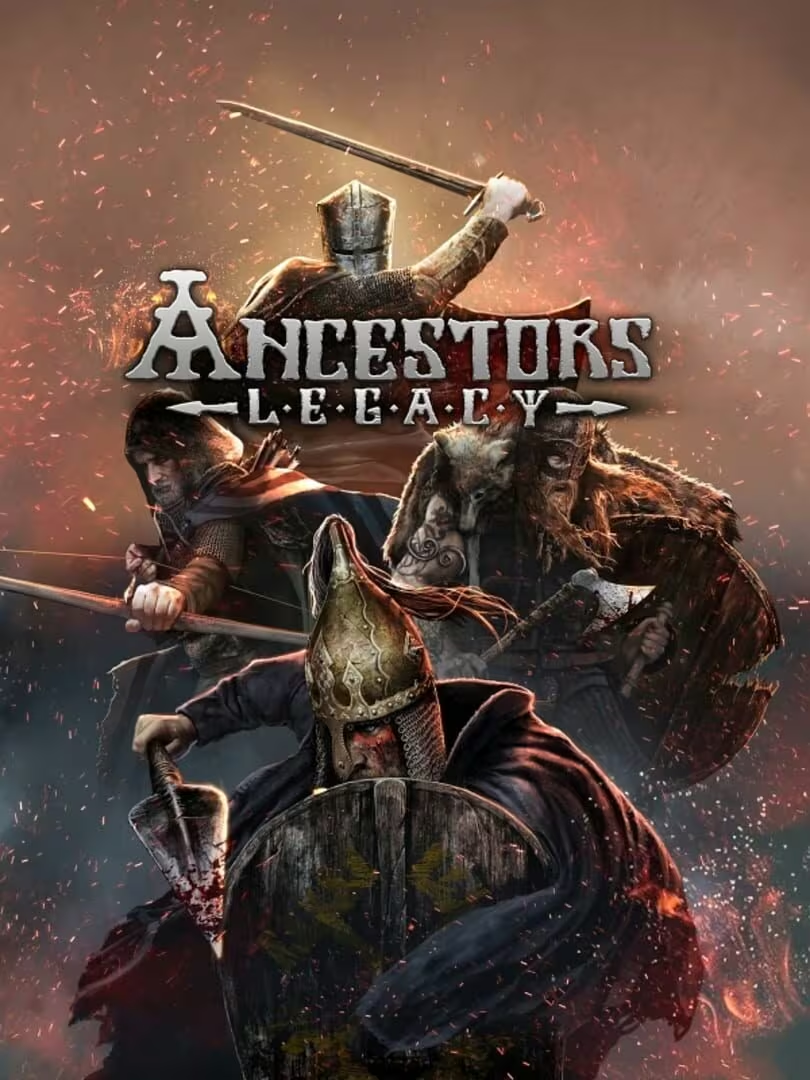 Ancestors Legacy
"Multiplayer and co-op offer some social recognition and ranking, but limited by low player base."
-
Story
Game with the same Story vibe
3"Engaging espionage narrative with characters and plot, though some find it clichéd or less compelling than gameplay."
 Tom Clancy's Splinter Cell®
"Engaging espionage narrative with character interactions and cinematic cutscenes."
-
Strategy
Game with the same Strategy vibe
4"Requires tactical planning, stealth, and problem solving to succeed in missions."
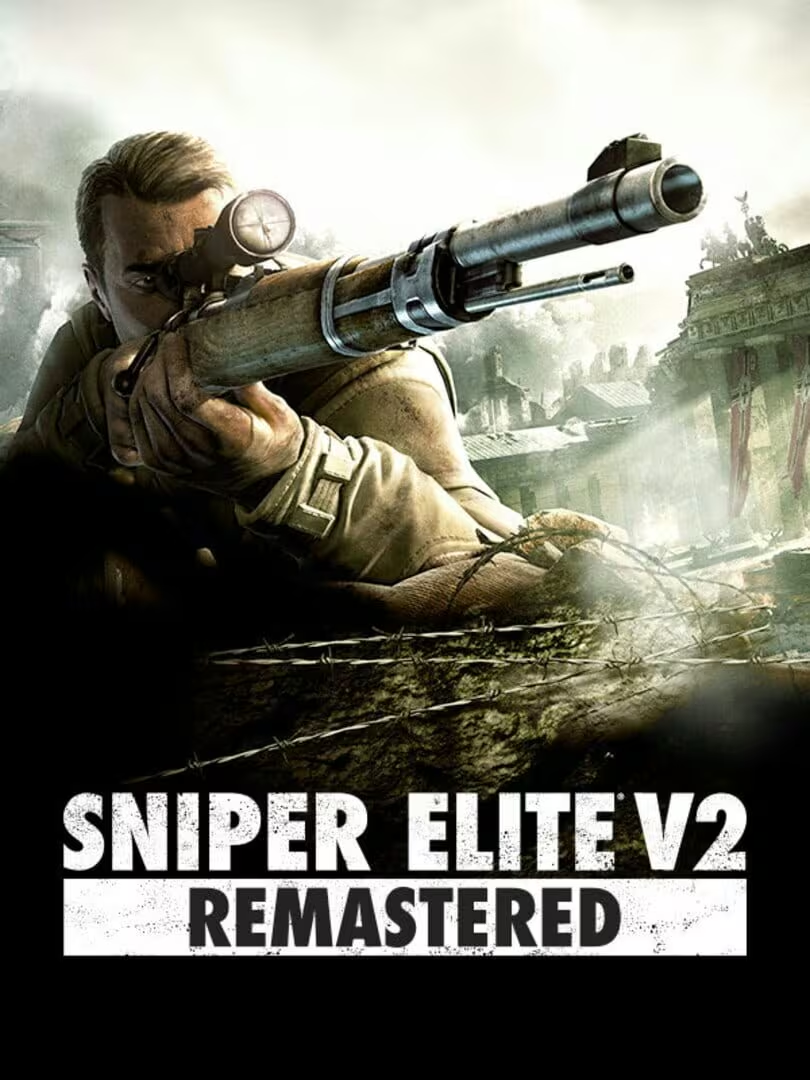 Sniper Elite V2 Remastered
"Requires planning, tactical thinking, stealth strategy, and problem solving to complete missions effectively."
-
Thrill
Game with the same Thrill vibe
3"Combat encounters and stealth sequences provide suspense and excitement, especially on higher difficulties."
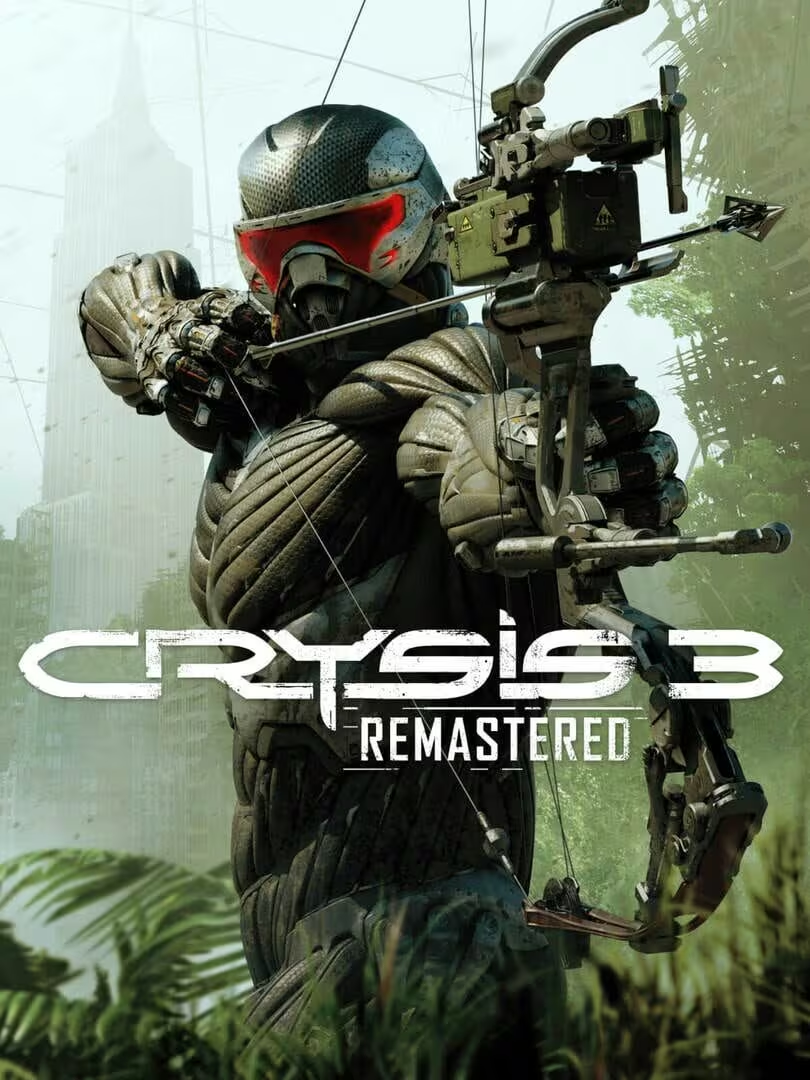 Crysis 3 Remastered
"Stealth and combat encounters create suspense and excitement, especially on higher difficulties."
-
Value
Game with the same Value vibe
3"Good content amount and replay value; some complaints about grind and pacing but generally positive return."
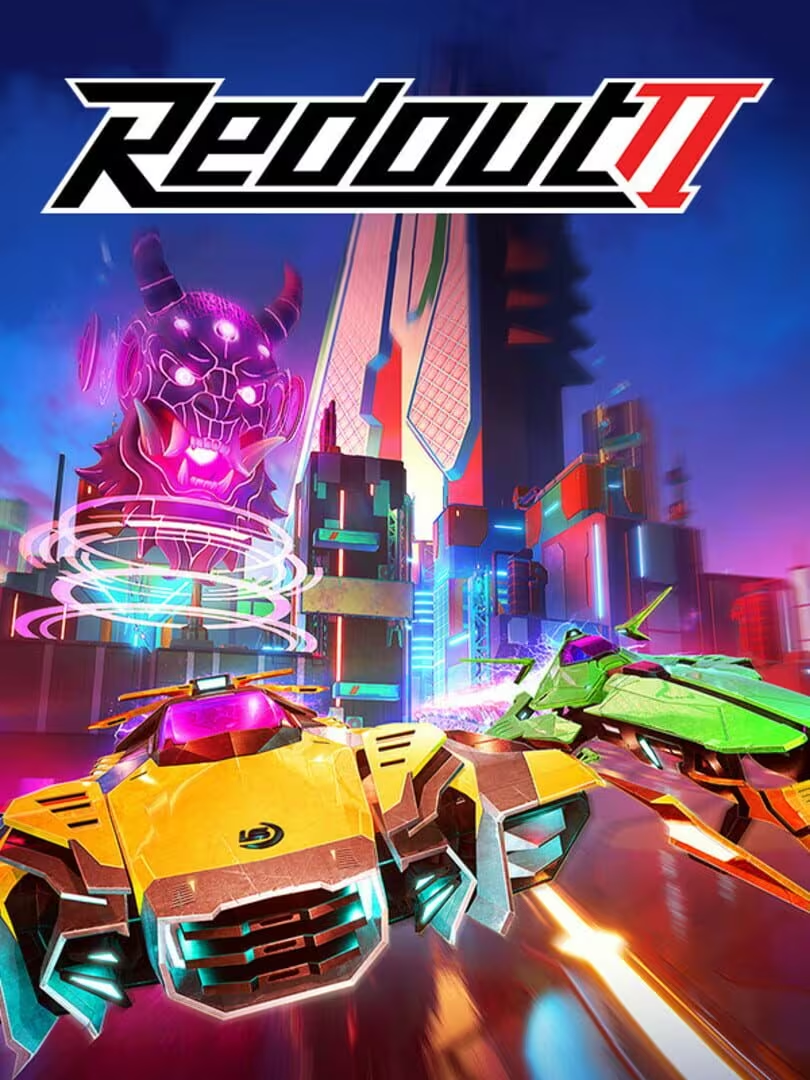 Redout 2
"Good content value with campaign, side missions, co-op, and multiplayer; some technical issues but overall positive return."
-
Violence
Game with the same Violence vibe
3"Gameplay involves stealthy elimination of enemies with some combat and environmental kills."
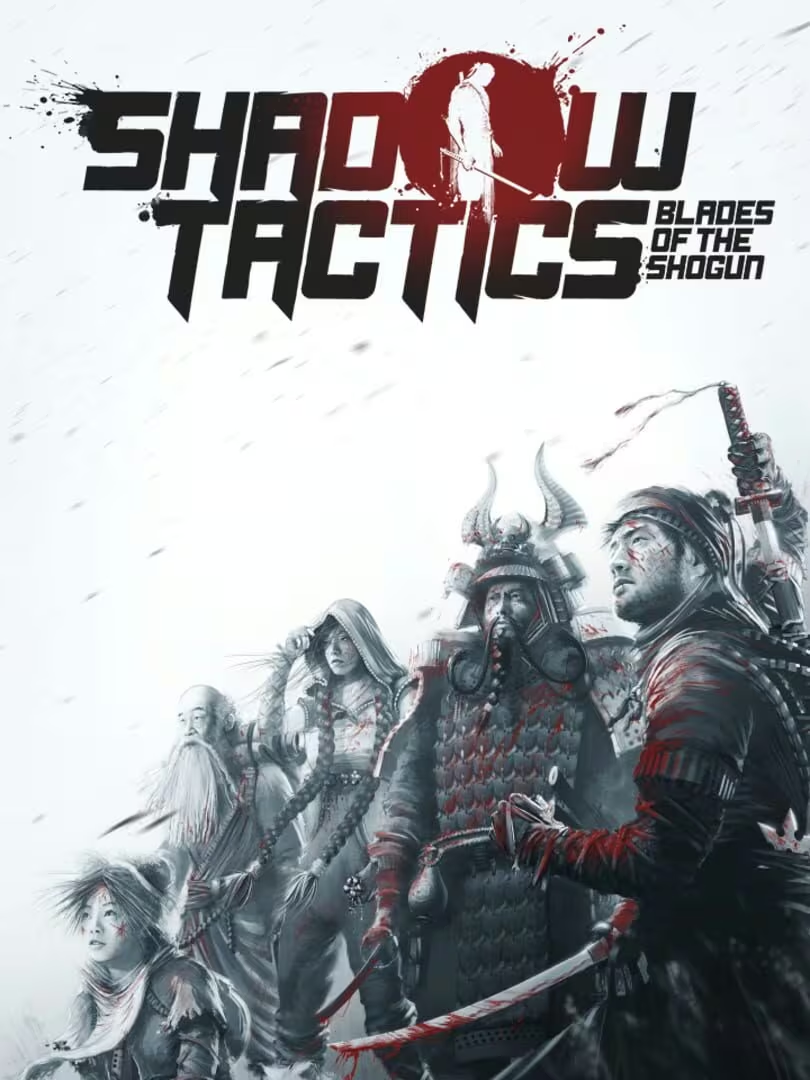 Shadow Tactics: Blades of the Shogun
"Game involves combat, takedowns, and lethal/non-lethal elimination of enemies."
-
Survival
Game with the same Survival vibe
3"Players must avoid detection, manage resources, and survive enemy encounters."
Sniper Elite V2 Remastered
"Players must avoid detection, manage resources, and survive enemy encounters."
Last update: 01/06/2026