Dying Light Thumbnail

Dying Light similar games & best alternatives

Dying Light

PC (Microsoft Windows), Mac, Xbox One, PlayStation 4, Linux • 2016

Related articles

Quick resume

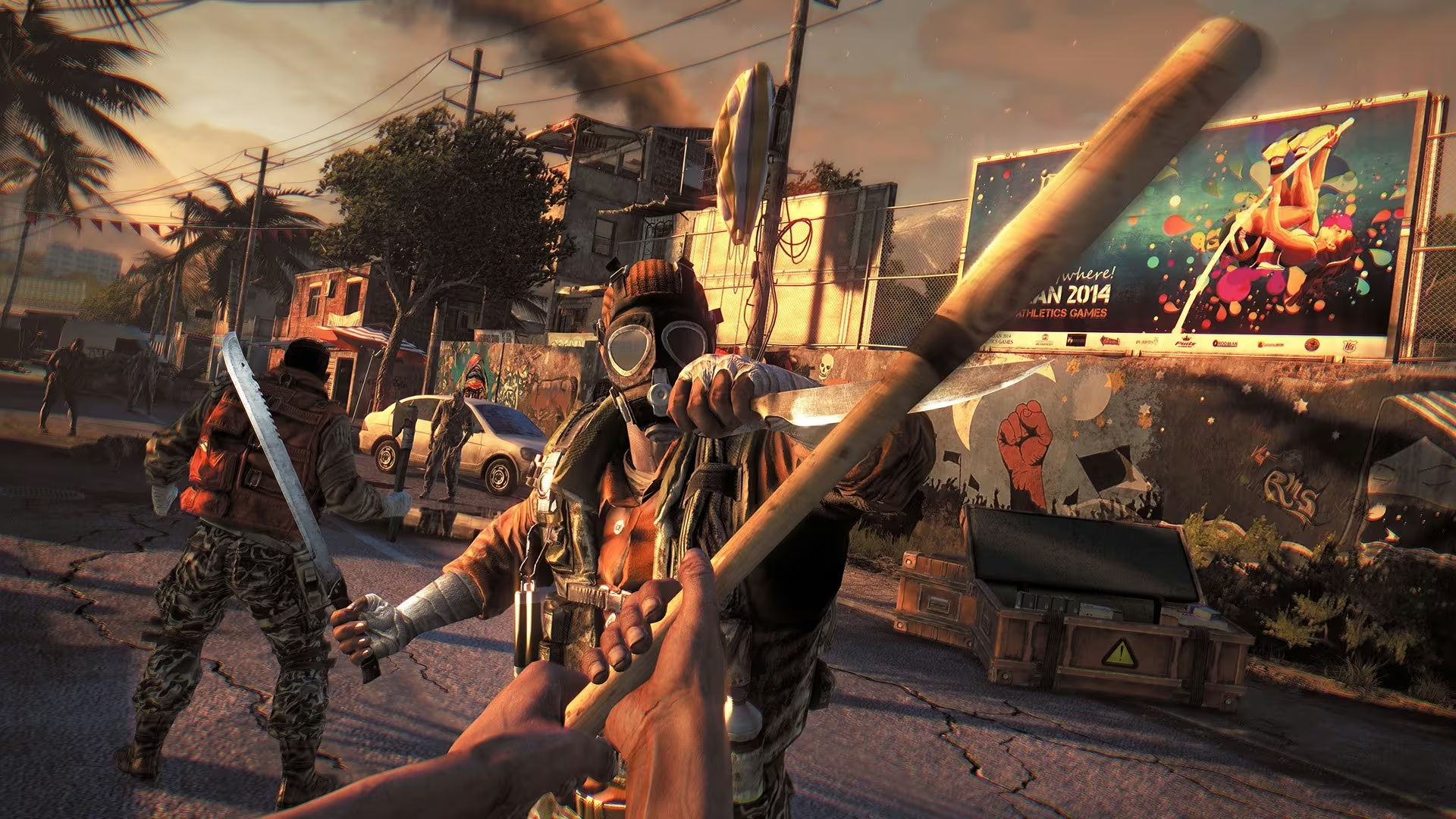
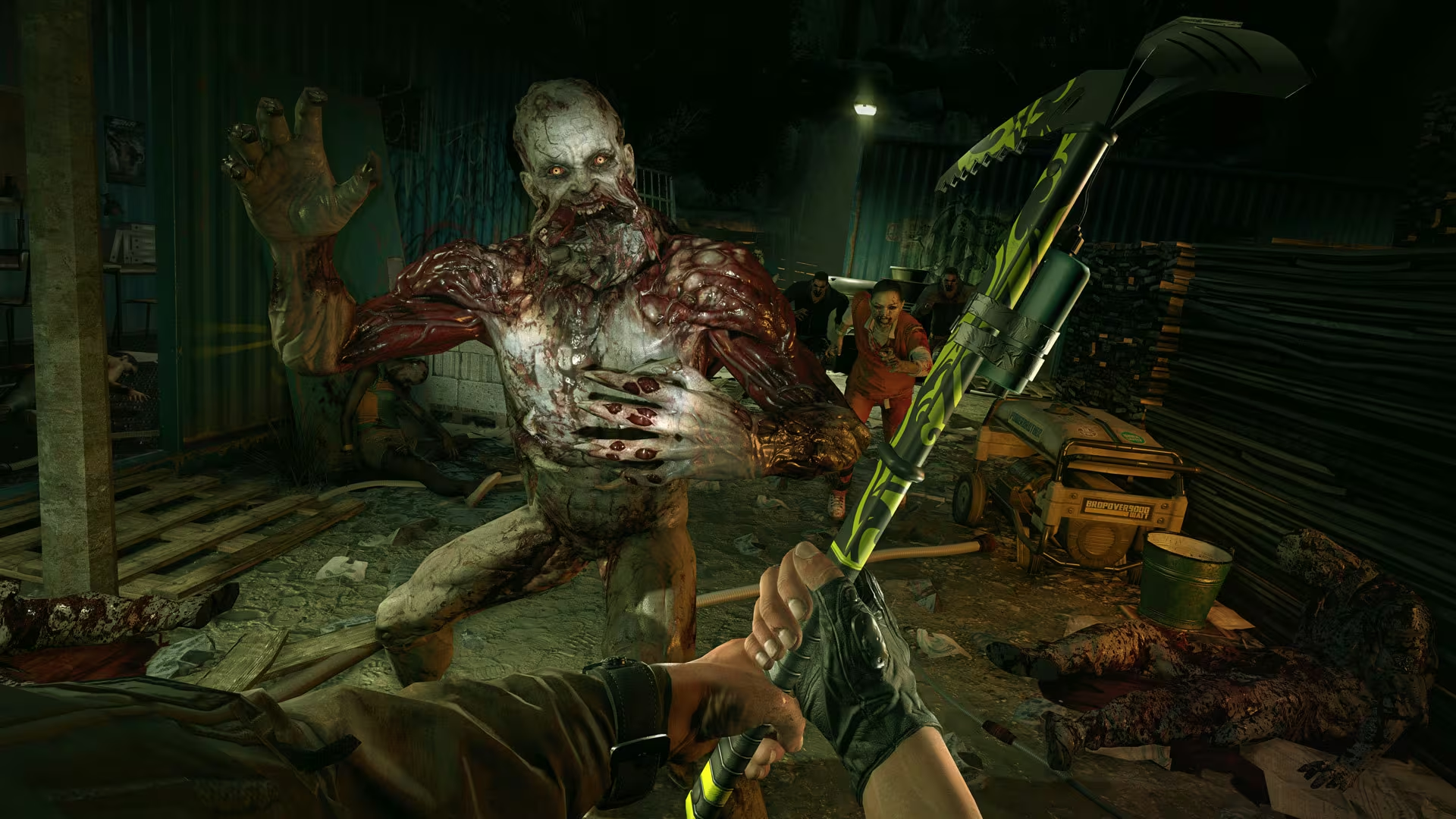
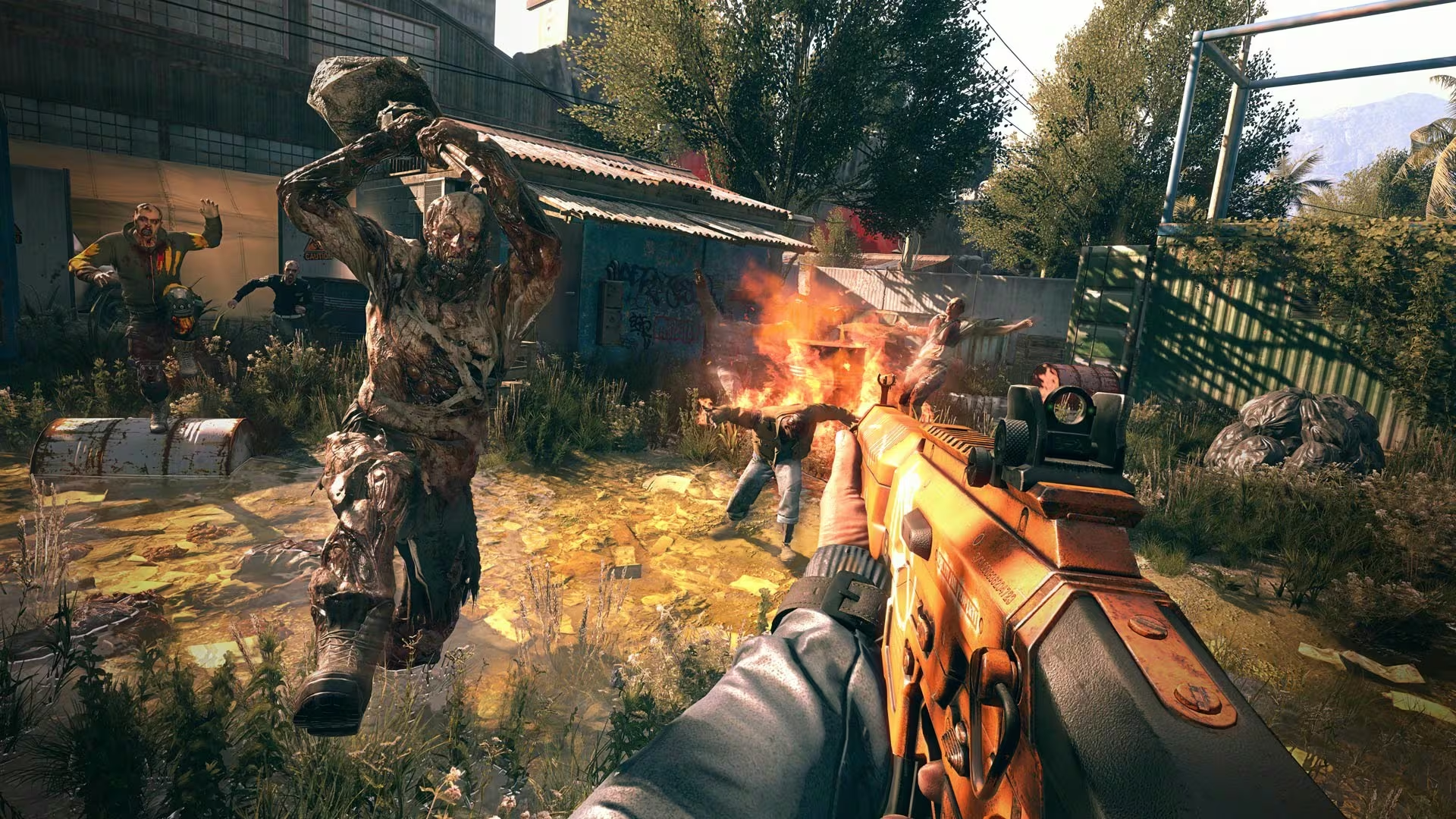
First-person action survival game set in a post-apocalyptic open world overrun by flesh-hungry zombies. Roam a city devastated by a mysterious virus epidemic. Scavenge for supplies, craft weapons, and face hordes of the infected.

Global score

95/100

Genres

Action, Role-playing (RPG), Adventure, Shooter

Similar games

    Pros

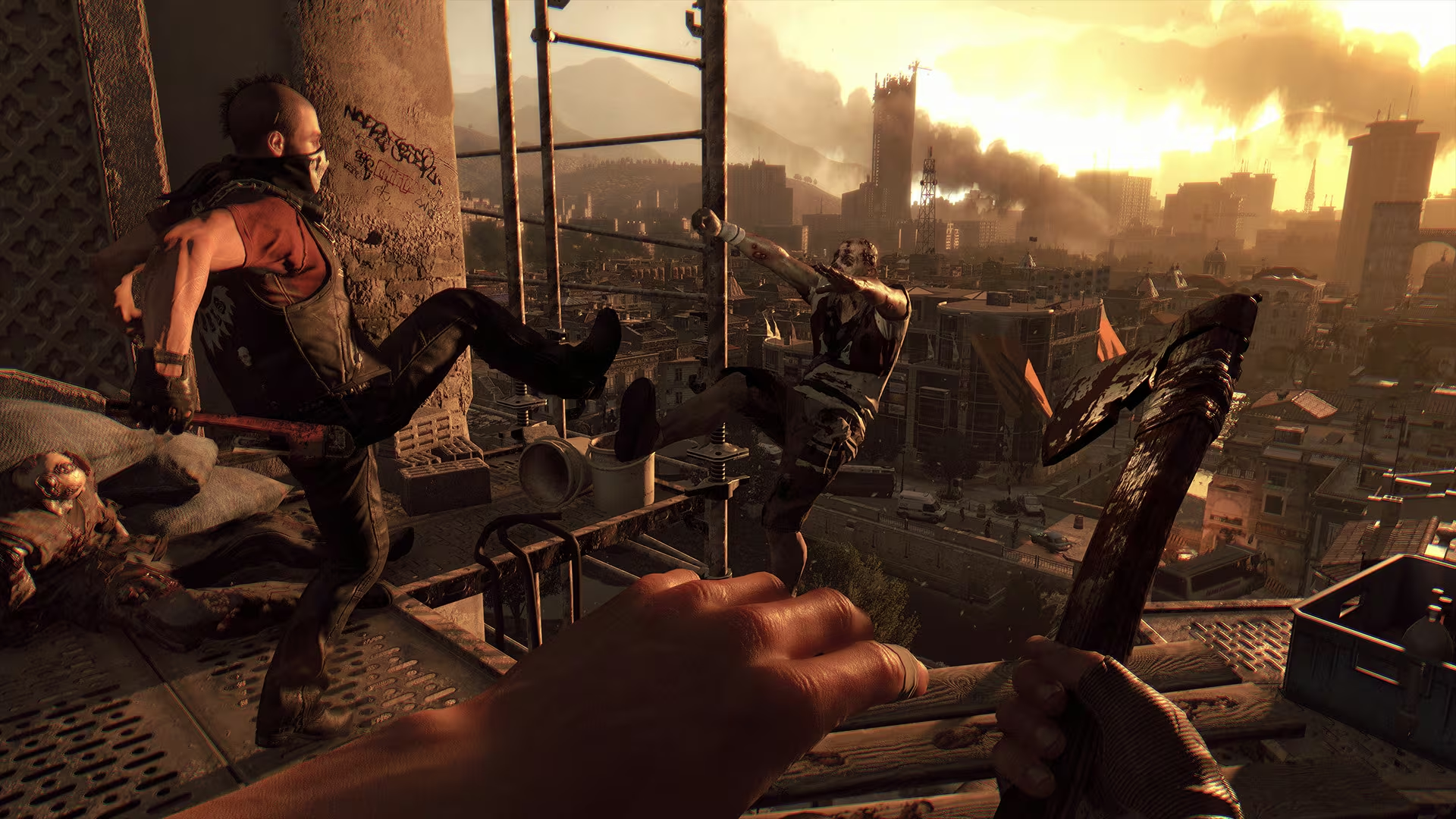
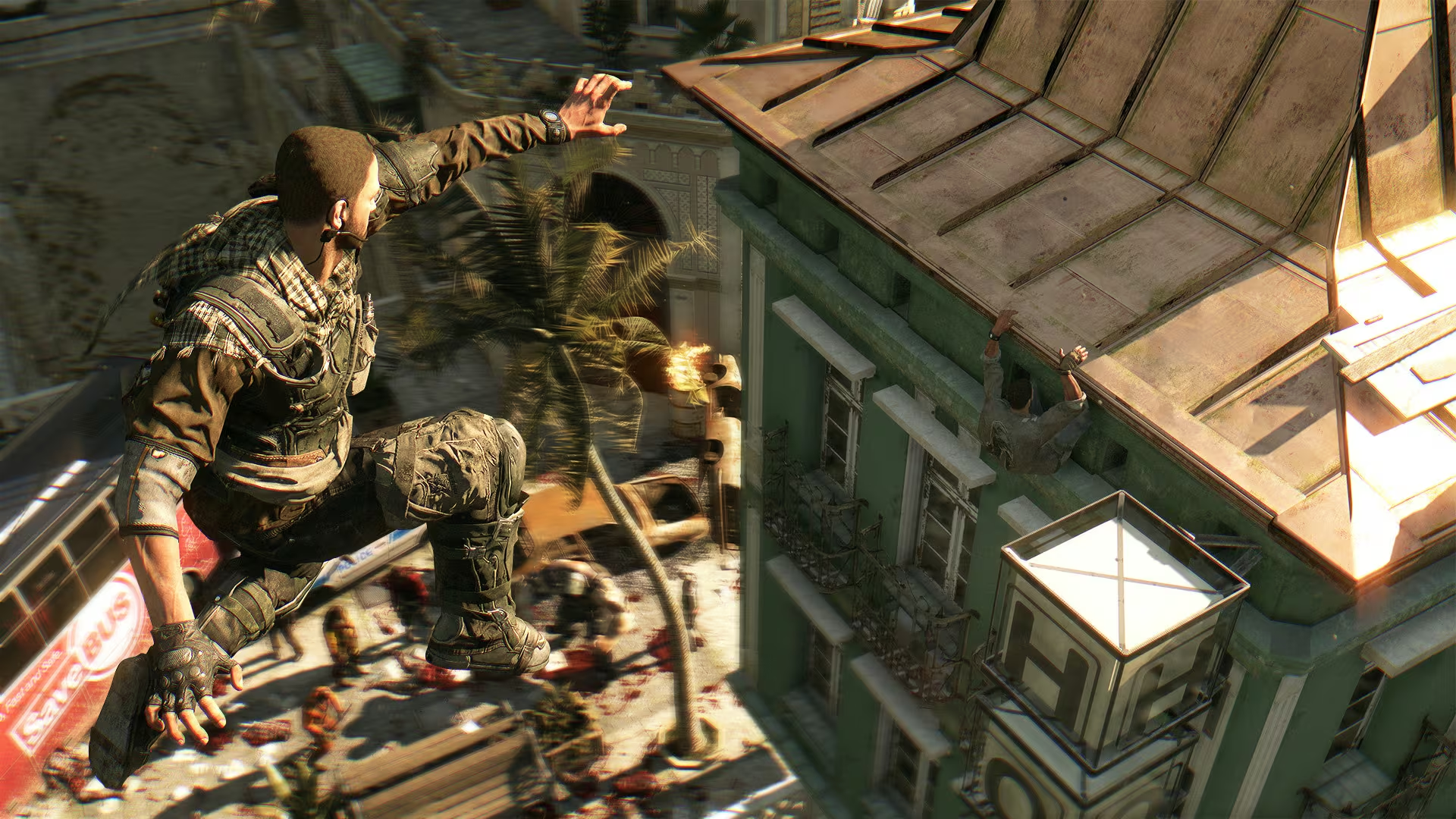
    • Fluid and fun parkour system
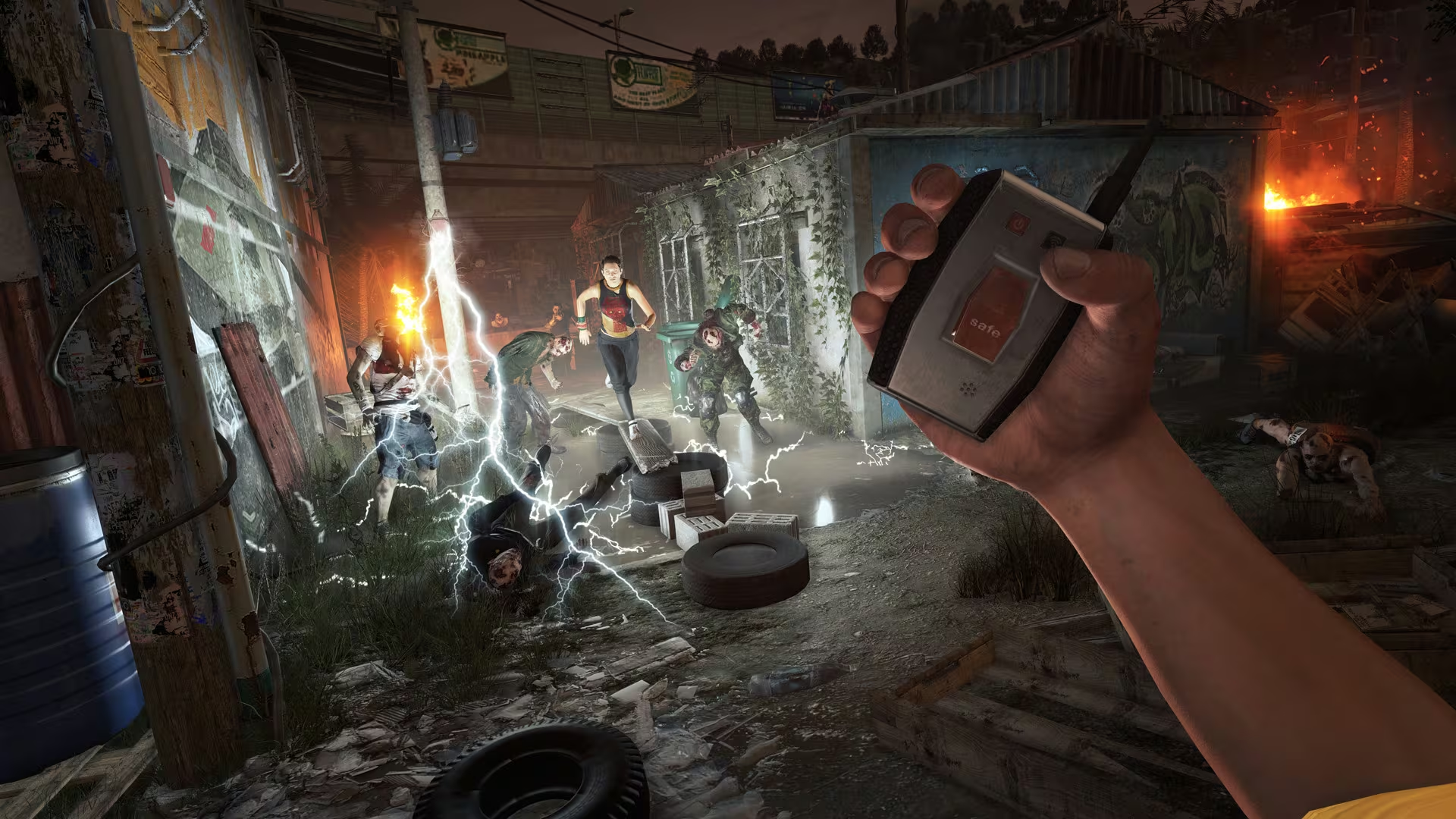
    • Intense day/night cycle with thrilling night gameplay
    • Strong co-op multiplayer experience
    • Extensive open world with exploration and side quests
    • Free dlc content and ongoing developer support

    Cons

    • Storyline considered somewhat typical and shallow
    • Weapon durability and balance issues
    • Some ai and quest scripting flaws
    • Multiplayer pvp can be unbalanced or buggy
    • Graphics not cutting-edge but still good

    Analysis

    A very typical example of its motivational profile. Motivations that often define this kind of title include Cooperation, Fellowship, Intimacy, Leadership. Here, the score leans higher than usual among comparable games on Competition, Violence. It leans lower than usual among comparable games on Intimacy.

    How to use the graph
    Similar games map

    Each dot is a game. They are arranged from the same motivation profile as in the “Motivations” section below. Closer dots usually mean more similar reasons to play (exploration, competition, relaxation, etc.)—not that one game is “better” than another.

    • Larger dot with a light outline: the game you are viewing.
    • Colour: groups of games with comparable motivation patterns (statistical clusters).
    • Hover a dot to see the game name; click to open its page.
    • Scroll or double-click the chart to zoom out and see more games.

    Why don’t the axes read like a score? This view uses t-SNE: it only keeps who is close to whom. The scales are not “good to bad” or hours played—they separate groups on the map. Read distance between dots, not the axis numbers.

    Motivations

    • Autonomy
      4

      "Players have high freedom to explore the open world, choose routes via parkour, and decide how to approach combat and quests."

    • Competence
      4

      "The game offers skill-based parkour and combat mechanics with progression and challenges, especially at night."

    • Competition
      2

      "Includes PvP modes and leaderboards, but main gameplay is largely cooperative or solo without heavy competitive pressure."

    • Continuation
      4

      "Many players report long playtimes, habitual engagement, and repeated returns to the game and its DLCs."

    • Cooperation
      4

      "Strong emphasis on co-op play with up to 4 players, enhancing survival and exploration experiences."

    • Creativity
      3

      "Players can craft and customize weapons and gear, and creatively use environment and parkour for combat and exploration."

    • Domination
      -2

      "Interactions emphasize mutual survival and cooperation; PvP is present but not focused on dominance or trash talk."

    • Escapism
      4

      "Players use the game to immerse in a tense, atmospheric zombie apocalypse world, escaping real-life stress."

    • Expectation
      -4

      "Players engage voluntarily out of interest and enjoyment; no evidence of obligation or pressure."

    • Experimenting
      4

      "Encourages trying new parkour routes, weapon builds, and strategies, especially with dynamic day/night cycles."

    • Exploration
      5

      "Open world with many secrets, side quests, and dynamic events encourages extensive discovery."

    • Expression
      3

      "Customization of weapons and some character elements allow player expression."

    • Fantasy
      3

      "Set in a fictional city with zombie apocalypse and enhanced parkour abilities, blending realistic and fictional elements."

    • Fellowship
      4

      "Strong community and social play with friends in co-op mode fosters a sense of belonging."

    • Growth
      4

      "Skill trees and progression systems promote learning and character development."

    • Health
      -4

      "Primarily sedentary gameplay with no physical activity or health rehab elements."

    • Idle
      -3

      "Requires focused attention and continuous engagement, especially during tense night phases."

    • Intimacy
      -3

      "Social interactions are mostly functional and cooperative; limited evidence of close emotional bonding."

    • Leadership
      1

      "Some players may lead groups in co-op, but overall gameplay encourages shared participation."

    • Progression
      5

      "Strong emphasis on acquiring weapons, upgrades, and leveling up character skills."

    • Relaxation
      2

      "Offers moments of flow and excitement, but also sustained tension especially at night."

    • Sensation
      3

      "Engaging visuals, sound design, and intense combat provide sensory stimulation and emotional excitement."

    • Status
      1

      "Some recognition through achievements and multiplayer, but mostly individual-focused gameplay."

    • Story
      2

      "Narrative is present and engaging for many players, though considered somewhat typical and secondary to gameplay."

    • Strategy
      3

      "Players must plan routes, combat tactics, and resource management especially for night survival."

    • Thrill
      4

      "Nighttime gameplay and encounters with powerful enemies create suspense and adrenaline."

    • Value
      4

      "Players report high value for money with extensive content, free DLCs, and long playtime."

    • Violence
      5

      "Enjoyment of combat, gore, dismemberment, and destruction is a core part of the experience."

    • Survival
      4

      "Strong survival elements with resource management, threat avoidance, and strategic defense."

    Last update: 29/04/2026