Yohane the Parhelion - NUMAZU in the MIRAGE - Thumbnail

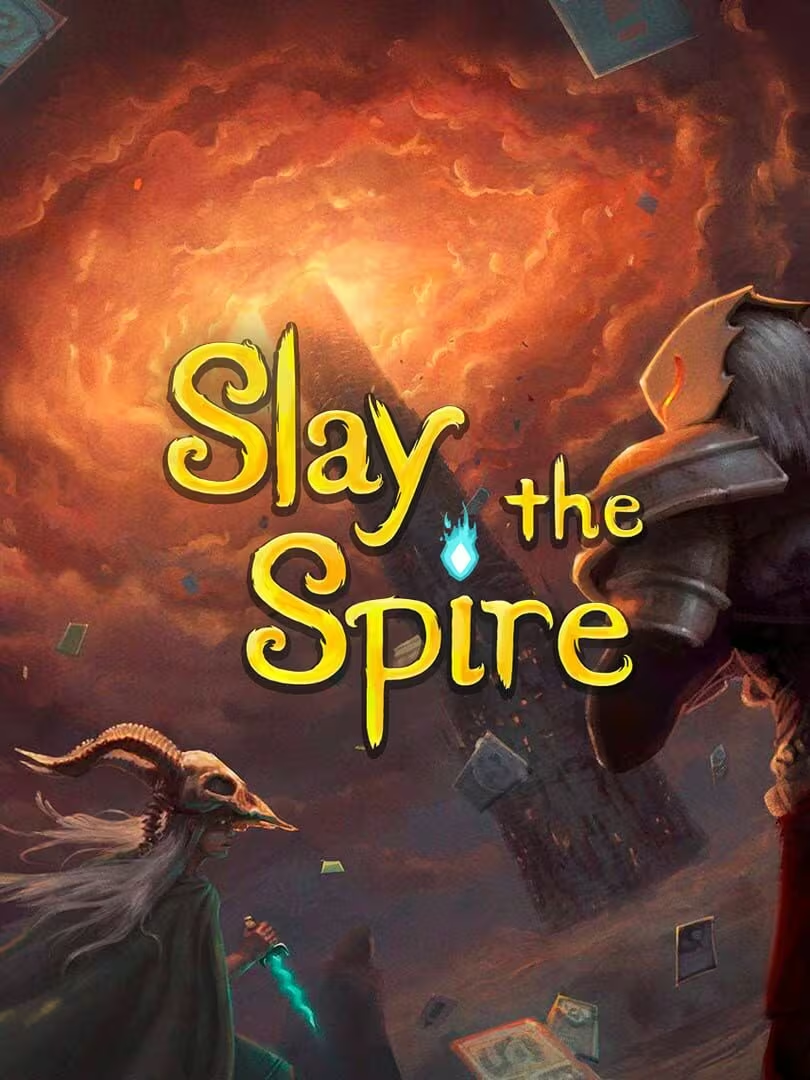
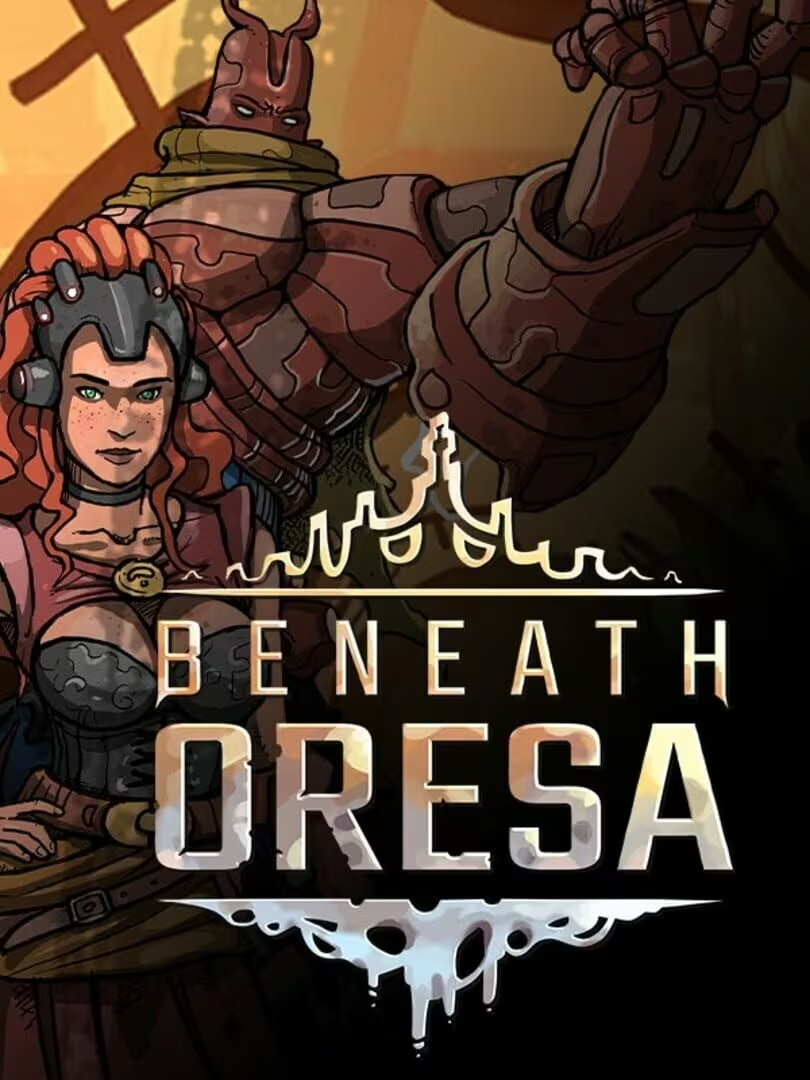
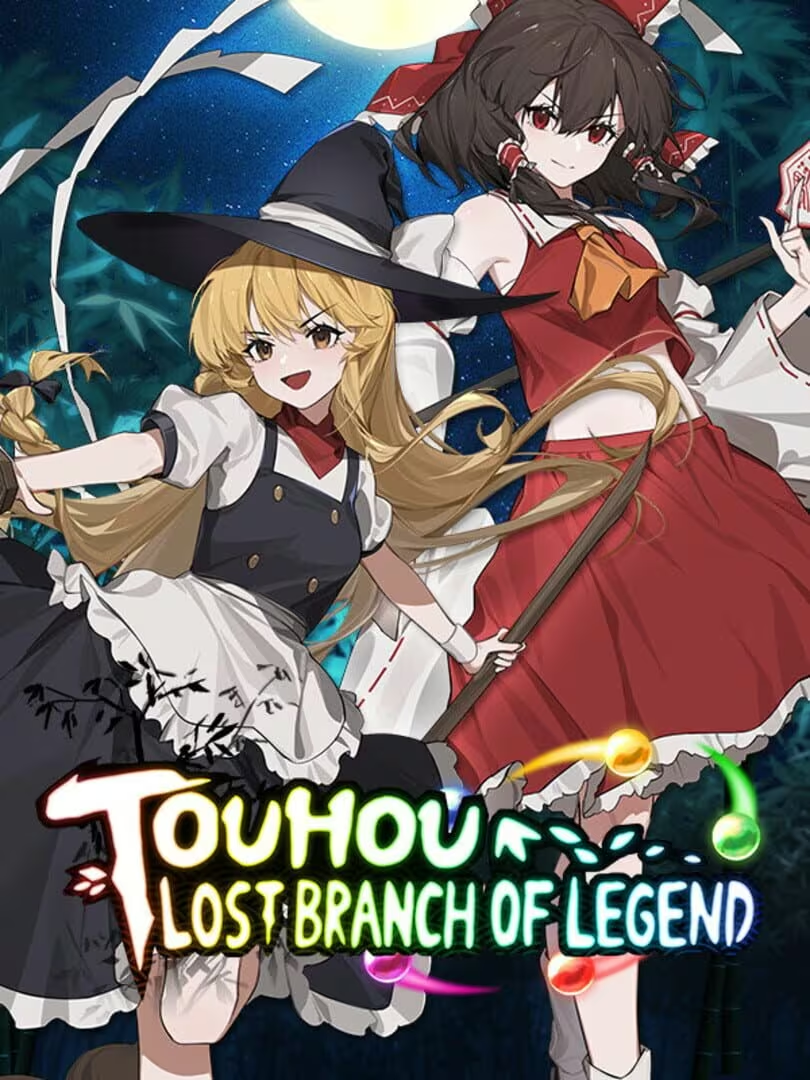
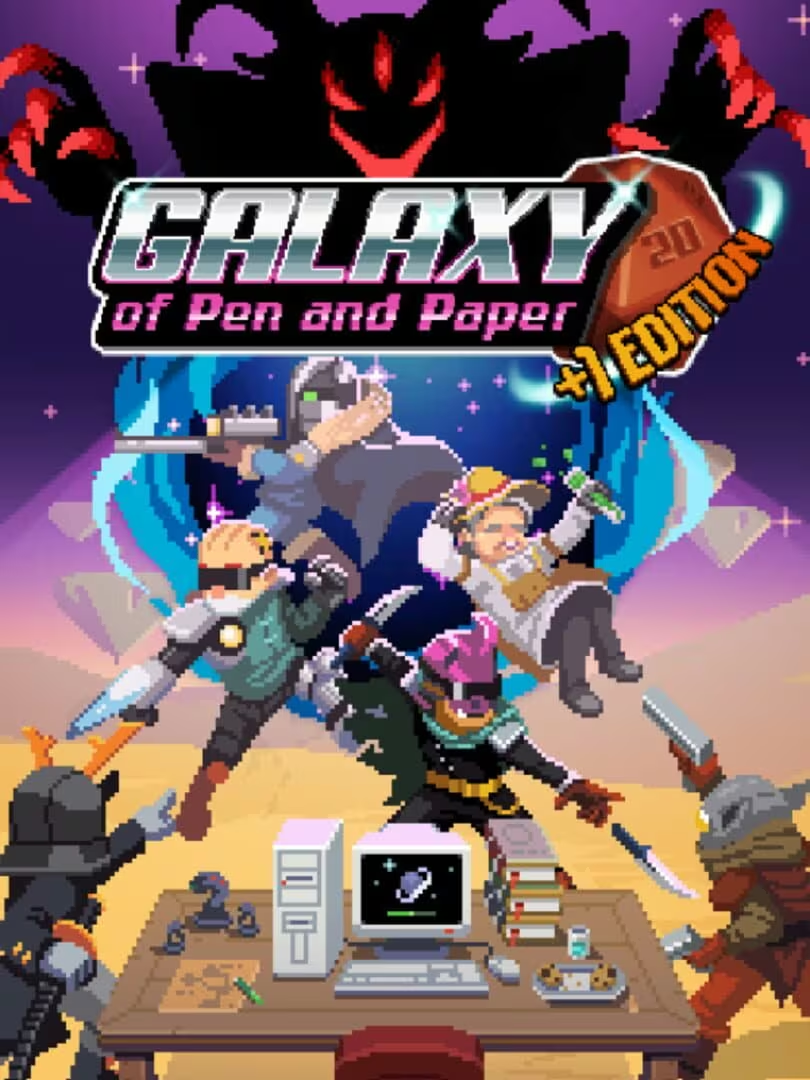
Yohane the Parhelion - NUMAZU in the MIRAGE - similar games & best alternatives
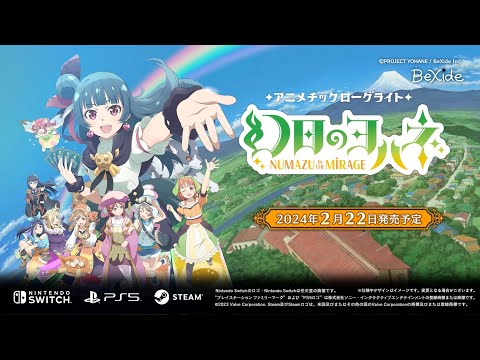
Yohane the Parhelion - NUMAZU in the MIRAGE -

PC (Microsoft Windows), iOS, PlayStation 4, Android, Nintendo Switch, PlayStation 5 • 2024

Related articles

Quick resume

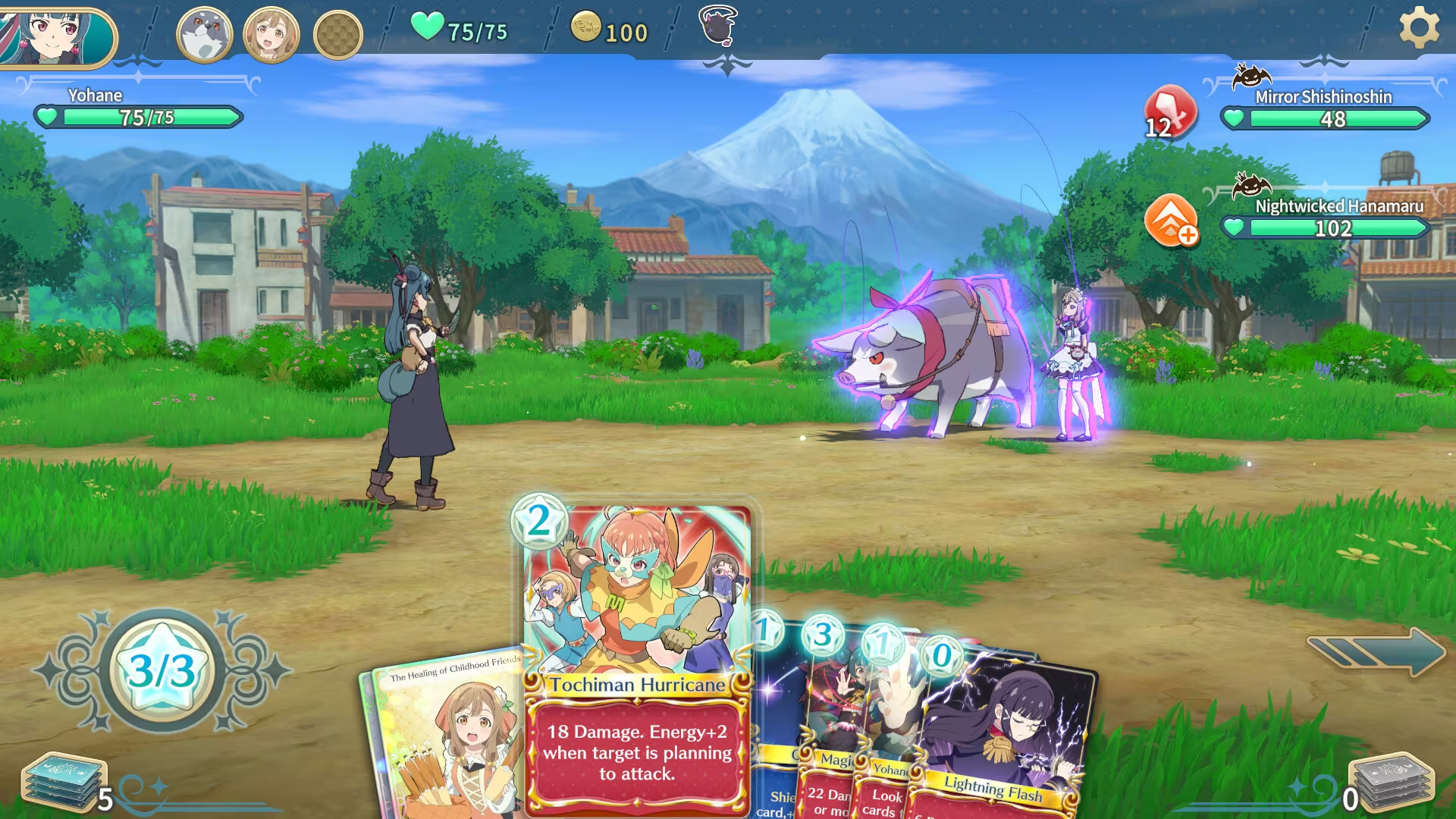
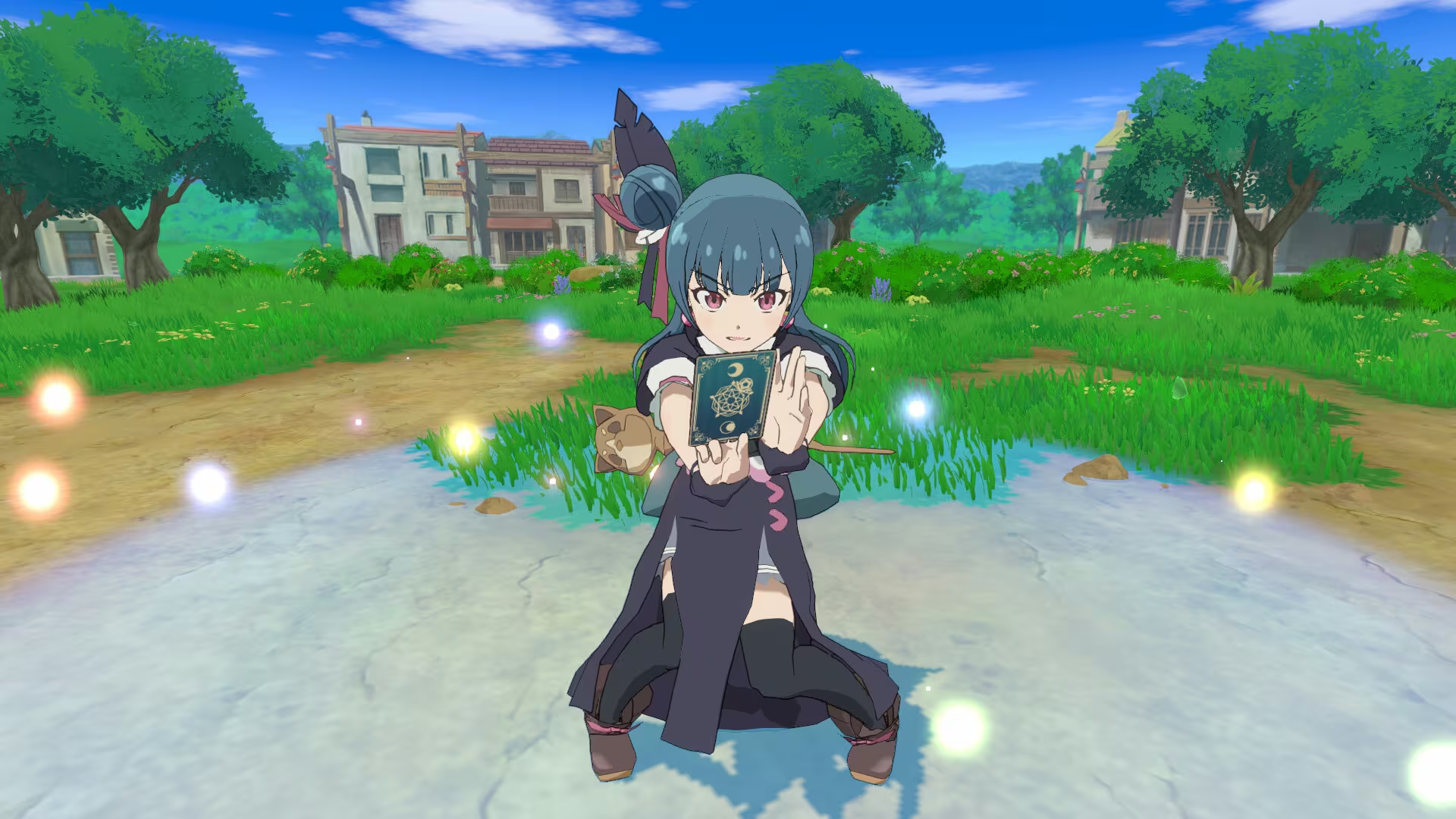
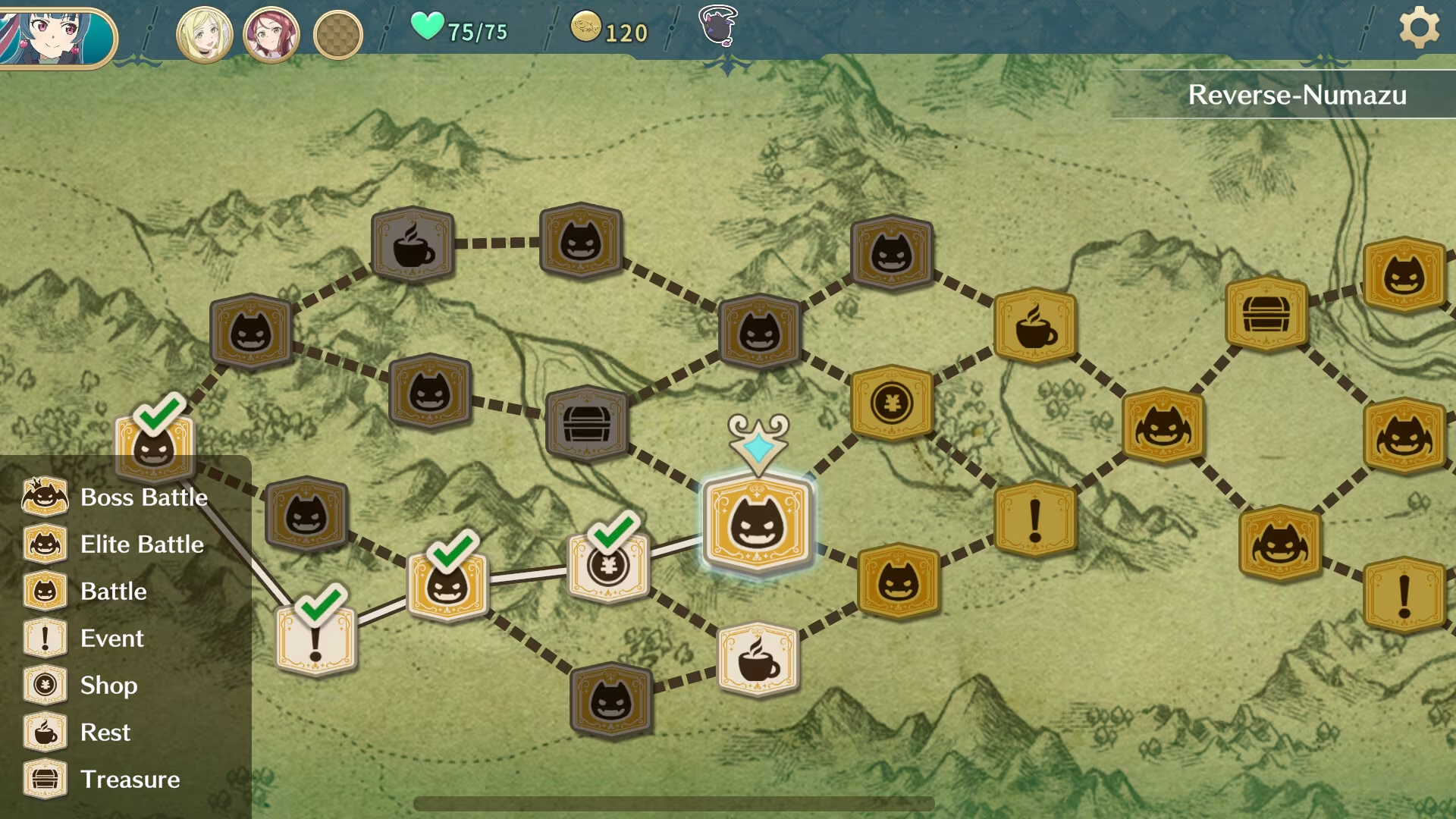
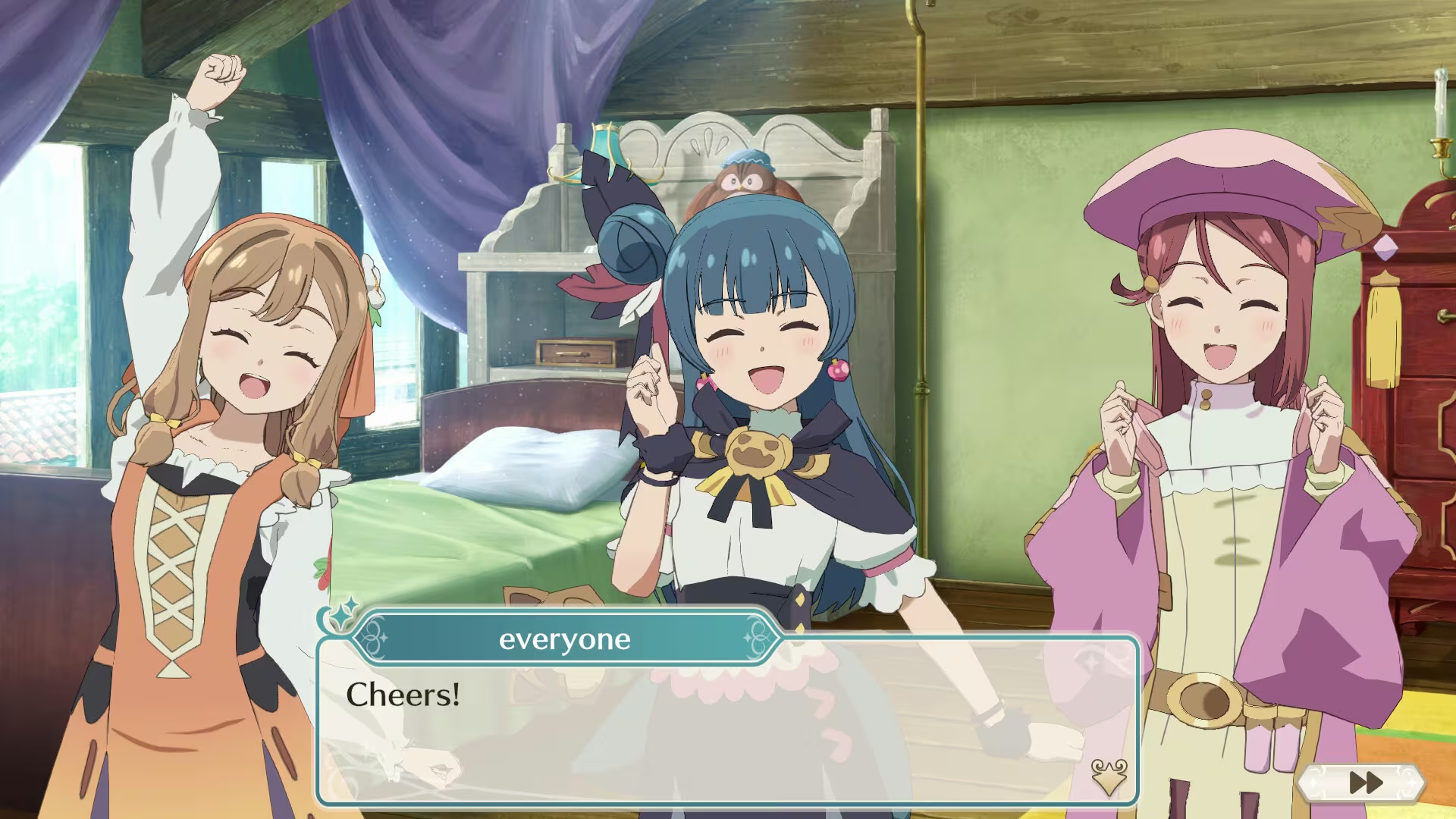
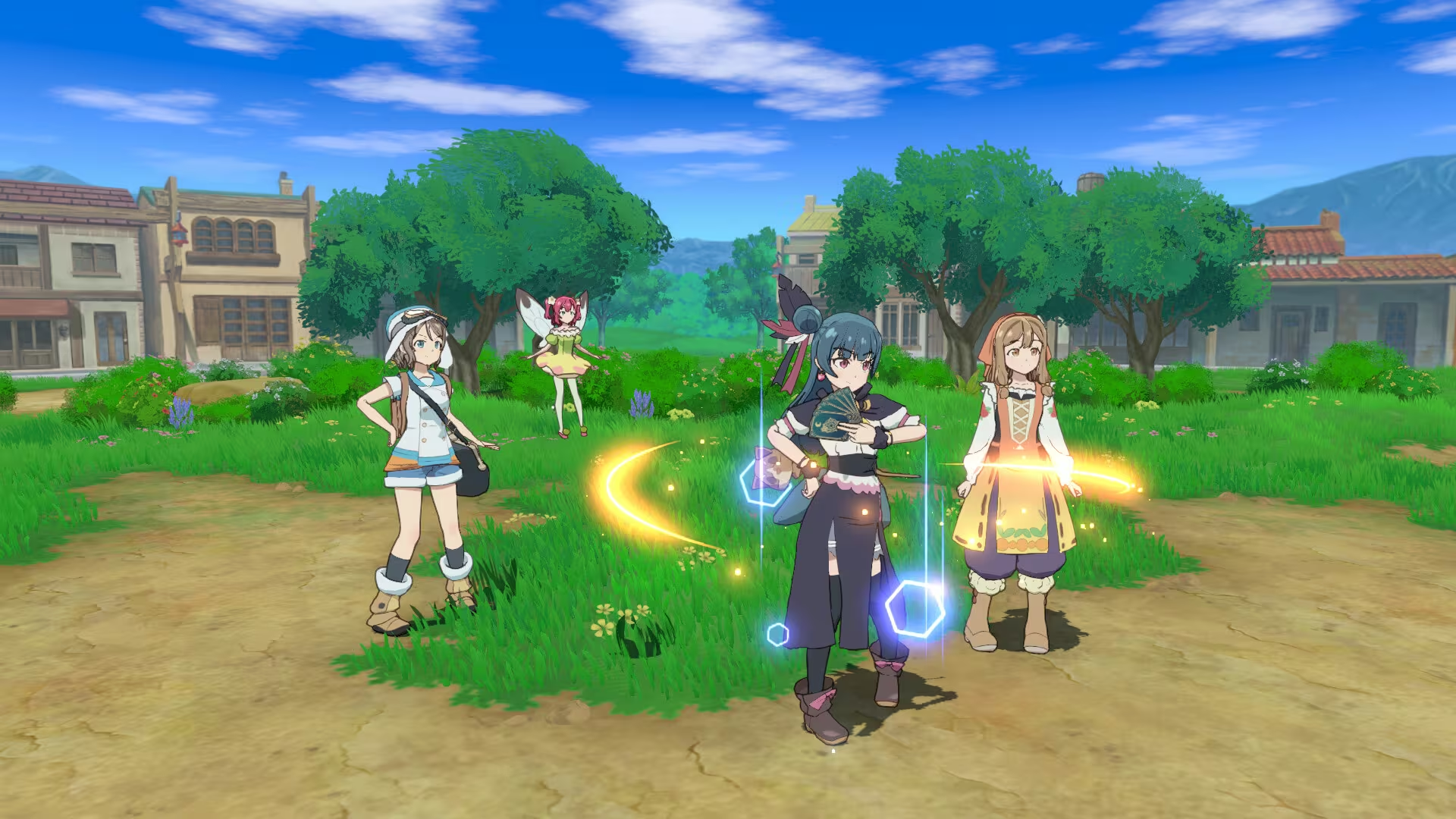
Yohane the Parhelion is an official spin-off of "Love Live! Sunshine". 『Yohane the Parhelion - NUMAZU in the MIRAGE -』 is a deckbuilding roguelite set in that world! A mysterious mirror world that changes each time it's entered. After countless choices, Yohane chooses...

Global score

91/100

Genres

Role-playing (RPG), Adventure, Strategy, Card & Board Game

Similar games

    Pros

    • Cute anime art and character models
    • Fun and accessible deckbuilding gameplay
    • Relaxing and lighthearted story
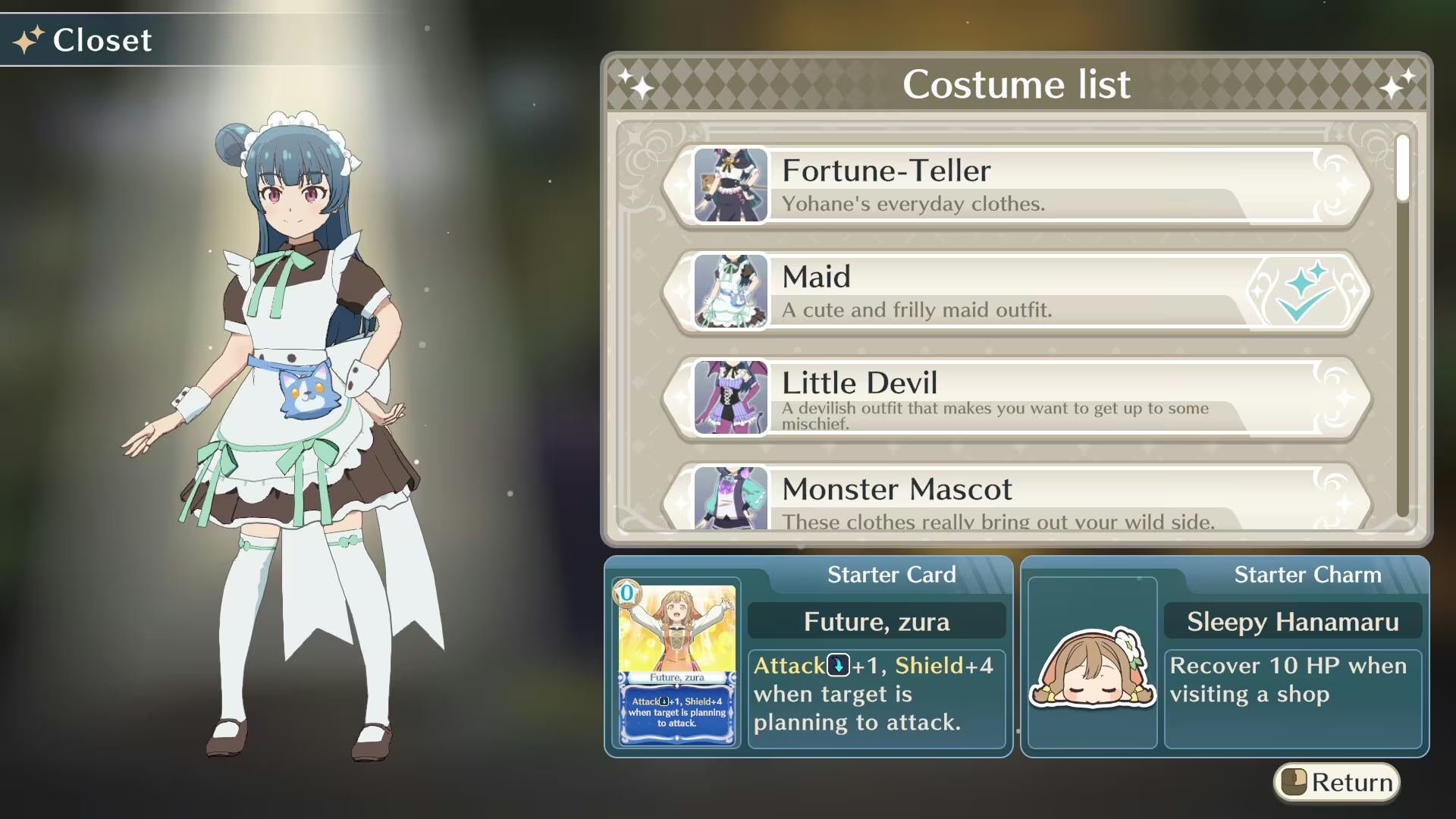
    • Good replayability with different outfits and decks
    • Runs well on low-end pcs and steam deck

    Cons

    • Limited enemy and card variety
    • Gameplay can become repetitive after extended play
    • Lack of difficulty options beyond normal
    • Dlc prices considered excessively high
    • Some translation and ui issues

    Analysis

    Less representative of its motivational profile, with noticeable differences. Motivations that often define this kind of title include Expression, Fellowship, Cooperation, Competition. Here, the score leans higher than usual among comparable games on Expression. It leans lower than usual among comparable games on Value, Exploration.

    How to use the graph
    Similar games map

    Each dot is a game. They are arranged from the same motivation profile as in the “Motivations” section below. Closer dots usually mean more similar reasons to play (exploration, competition, relaxation, etc.)—not that one game is “better” than another.

    • Larger dot with a light outline: the game you are viewing.
    • Colour: groups of games with comparable motivation patterns (statistical clusters).
    • Hover a dot to see the game name; click to open its page.
    • Scroll or double-click the chart to zoom out and see more games.

    Why don’t the axes read like a score? This view uses t-SNE: it only keeps who is close to whom. The scales are not “good to bad” or hours played—they separate groups on the map. Read distance between dots, not the axis numbers.

    Motivations

    • Autonomy
      3

      "Players can choose different outfits that affect starting cards and charms, and freely build decks within the roguelike runs."

    • Competence
      3

      "Game offers skill-based deckbuilding and strategic play, though it is generally easier than similar games like Slay the Spire."

    • Competition
      -3

      "Focus is on solo play and personal progression without ranked or leaderboard competition."

    • Continuation
      3

      "Players report replayability up to 50 hours with multiple runs and challenges, though some find it repetitive after extended play."

    • Cooperation
      -4

      "Single-player experience with no multiplayer or cooperative gameplay."

    • Creativity
      2

      "Players can customize decks and choose outfits affecting gameplay, but within predefined card pools and structures."

    • Domination
      -5

      "No evidence of exerting control or superiority over others; purely single-player experience."

    • Escapism
      4

      "Players use the game as a relaxing, cute, and stress-relieving experience with charming characters and story."

    • Expectation
      -4

      "Players engage voluntarily out of interest and fandom, not due to obligation or external pressure."

    • Experimenting
      3

      "Players try different deck builds, outfits, and summon combinations to explore gameplay variety."

    • Exploration
      -2

      "Game has limited enemy and environment variety with repeated encounters; exploration is minimal."

    • Expression
      3

      "Outfit customization allows some avatar personalization and visual expression."

    • Fantasy
      5

      "Strong fantasy theme with anime characters, magical card battles, and fictional story."

    • Fellowship
      -4

      "Minimal social connection; no multiplayer or community features reported."

    • Growth
      3

      "Players develop skill in deckbuilding and strategy, and unlock new cards and charms over time."

    • Health
      -5

      "Typical sedentary gameplay with no physical activity or health-related features."

    • Idle
      -3

      "Requires focused attention during turns and deck management; not a background or idle game."

    • Intimacy
      -4

      "No evidence of close social relationships or emotional sharing; single-player focus."

    • Leadership
      -5

      "No leadership or group management roles; purely individual play."

    • Progression
      4

      "Players accumulate cards, charms, and upgrades through runs and in-game currency."

    • Relaxation
      4

      "Described as a relaxing, chill game with cute art and lighthearted story."

    • Sensation
      3

      "Enjoyable visual and auditory presentation with anime-style art and music."

    • Status
      -4

      "No social recognition or ranking systems; achievements are personal."

    • Story
      2

      "Has a light story with characters and lore, but not deeply immersive or complex."

    • Strategy
      4

      "Requires mental challenge in deckbuilding, resource management, and tactical combat."

    • Thrill
      1

      "Some tension from RNG and combat decisions, but overall easy and low risk."

    • Value
      -2

      "Mixed opinions on value; base game considered fair on sale, DLC prices criticized as too high."

    • Violence
      2

      "Combat involves attacking enemies with cards and summons, but presented in a cute, non-graphic style."

    • Survival
      2

      "Players manage health and resources to avoid defeat, but game is generally easier than similar roguelikes."

    Last update: 29/04/2026