Yu-Gi-Oh! EARLY DAYS COLLECTION similar games & best alternatives
Yu-Gi-Oh! EARLY DAYS COLLECTION
2025
Related articles
Quick resume
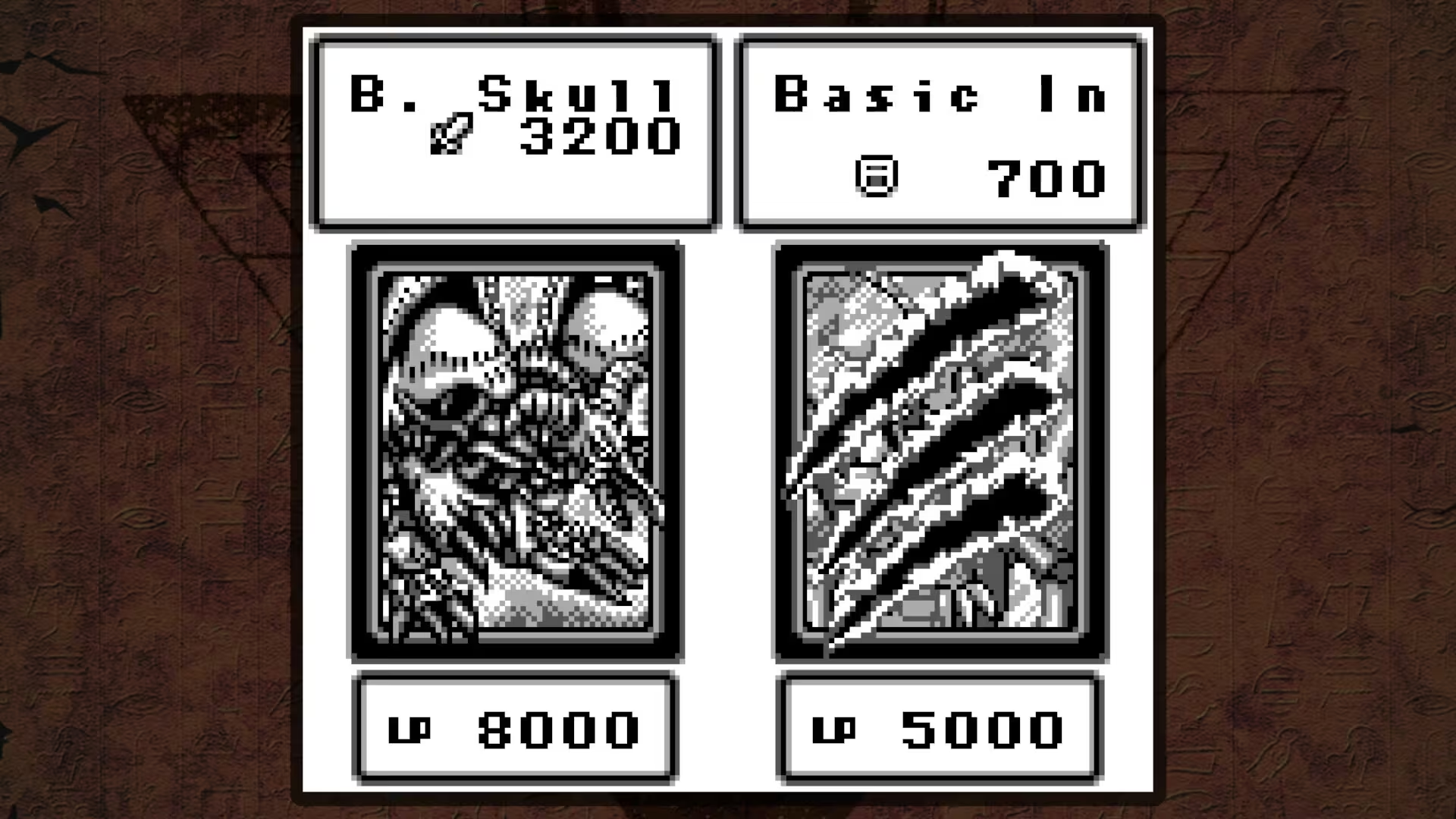
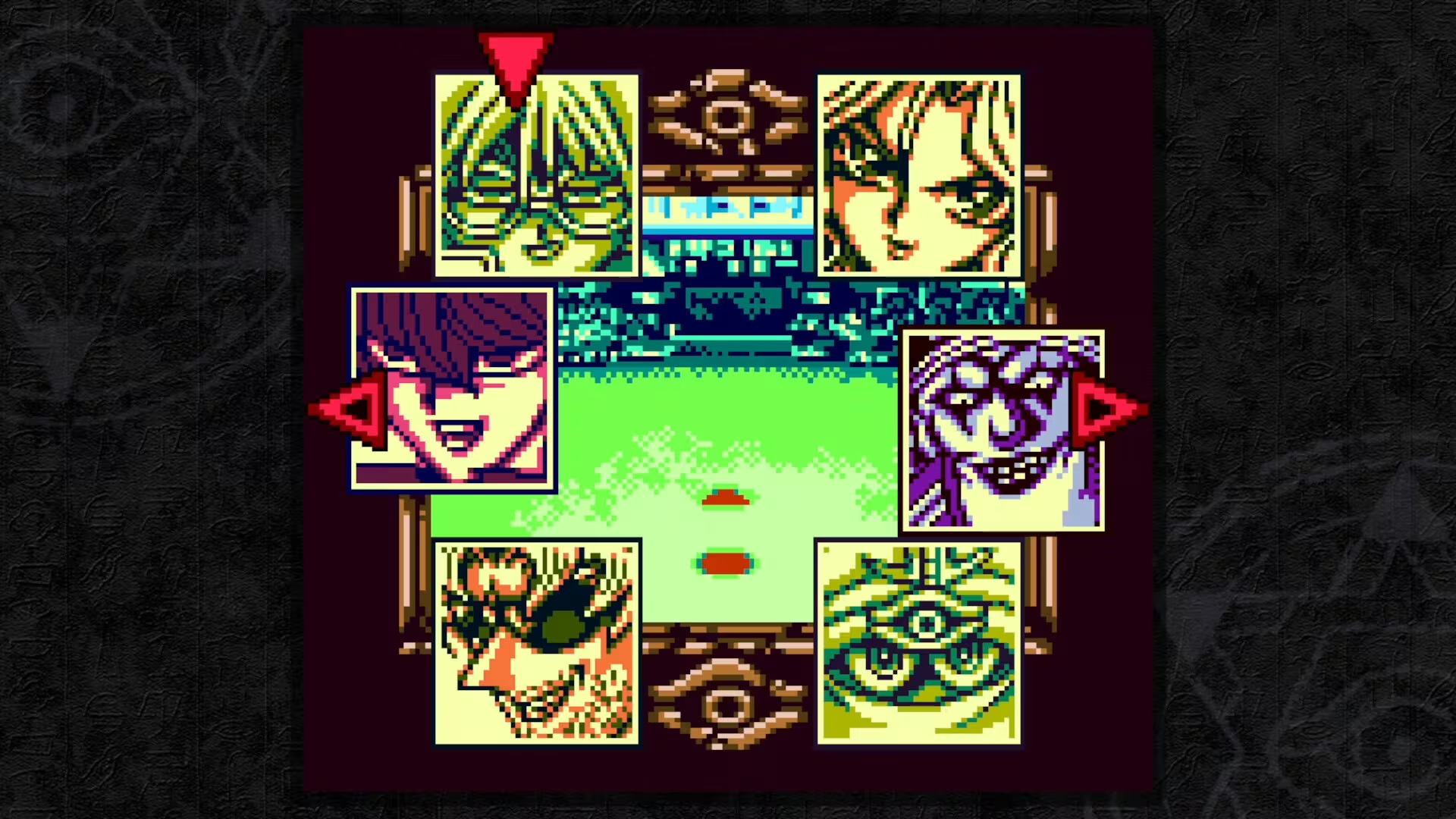
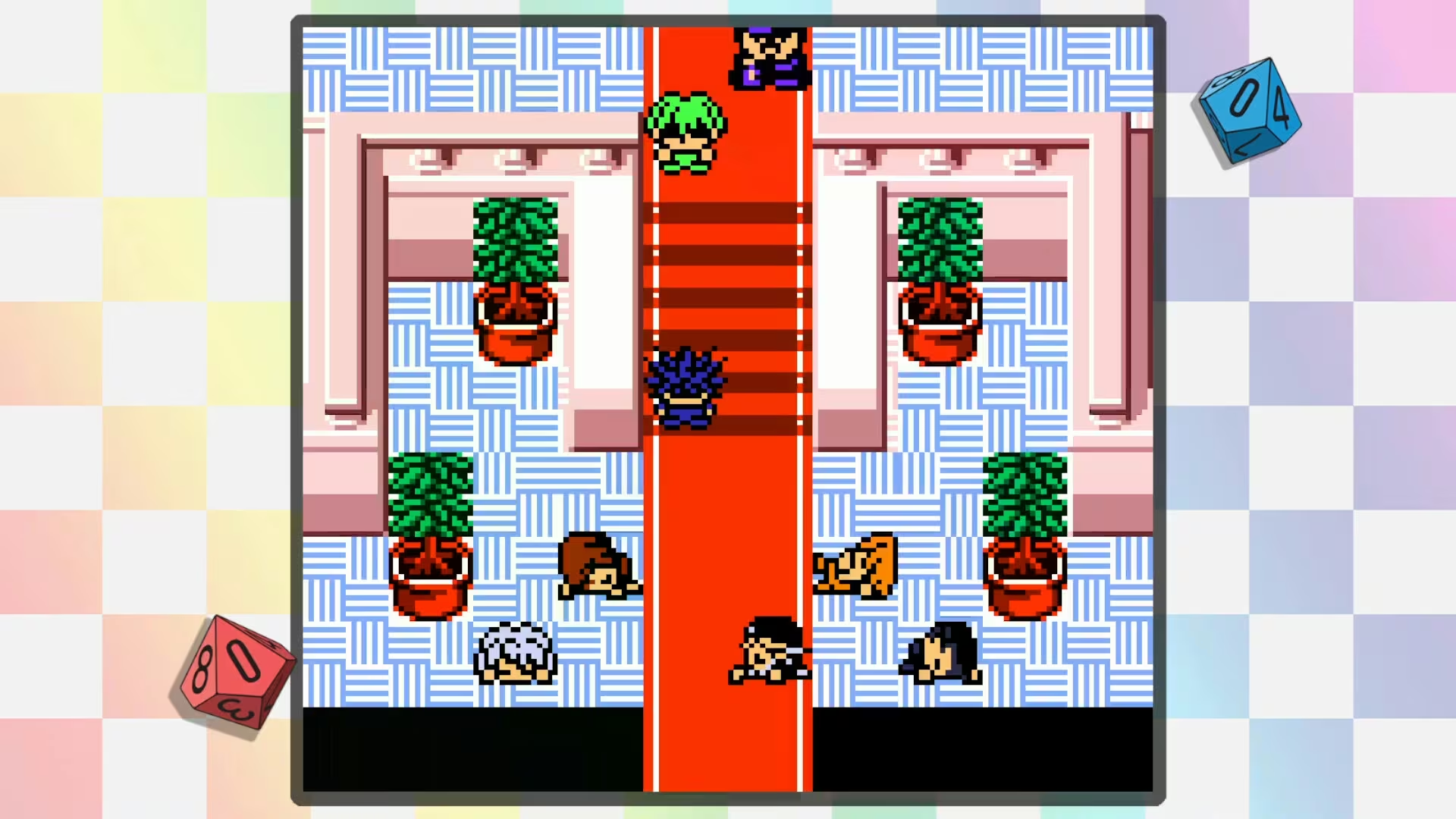
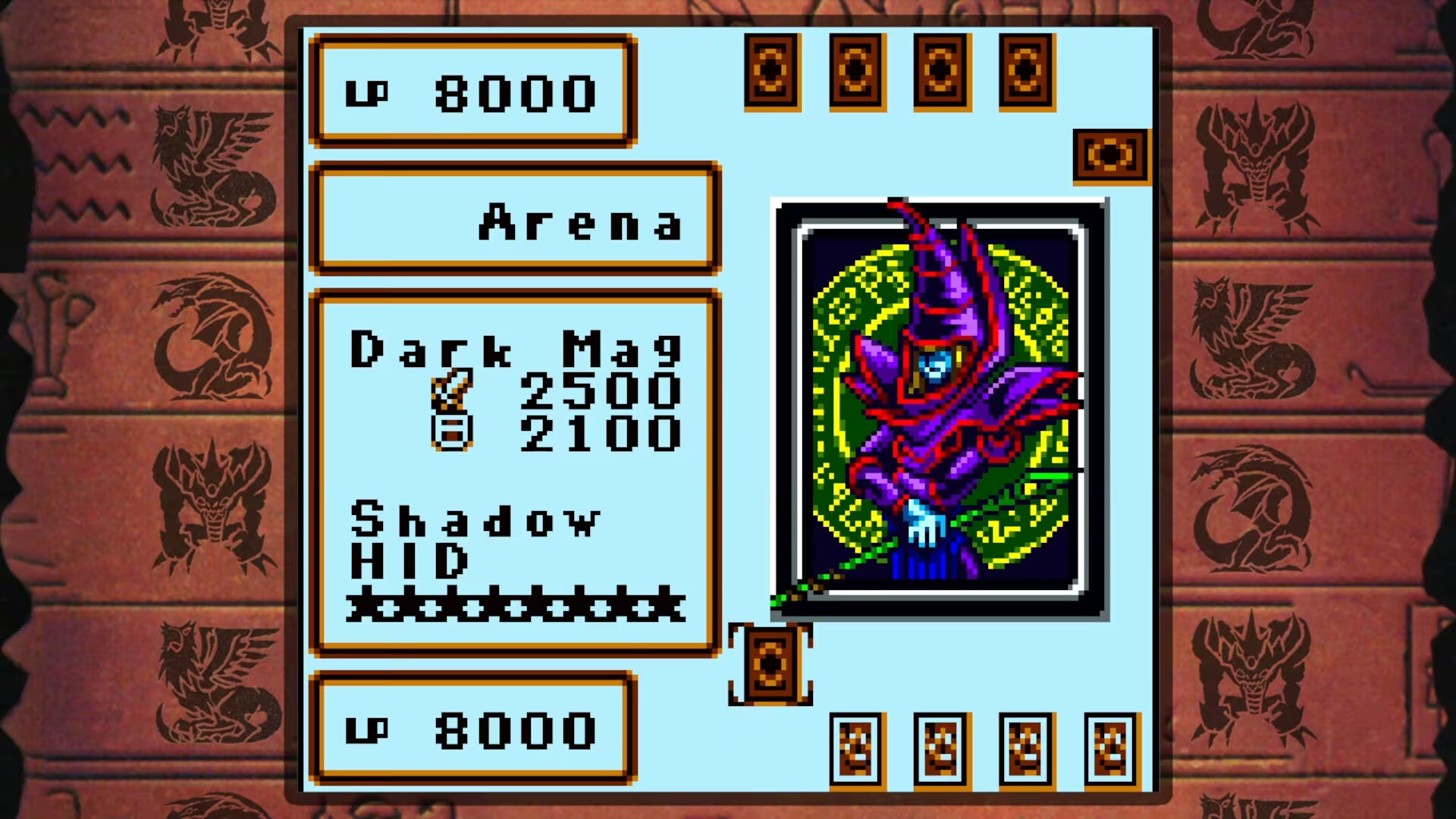
Yu-Gi-Oh! EARLY DAYS COLLECTION is packed with classic Yu-Gi-Oh! games from the very early days of Dueling — bursting with retro RPGs and strategic card games with beloved anime characters!
Global score
77/100
Genres
Role-playing (RPG), Simulator, Strategy, Card & Board Game
Similar games
Pros
- Nostalgic collection of early yu-gi-oh! games
- Includes previously japan-exclusive titles with translations
- Quality of life features like rewind and cheats to bypass grind
- Online multiplayer available for some games
- Runs well on modern hardware including steam deck
Cons
- High price point relative to content
- Limited multiplayer support and no cooperative play
- Some games are grindy and slow paced
- Lack of fast-forward feature in many titles
- Untranslated japanese-only game included
Analysis
Less representative of its motivational profile, with noticeable differences. Motivations that often define this kind of title include Survival, Violence, Fellowship, Expression. Here, the score leans higher than usual among comparable games on Competition, Survival. It leans lower than usual among comparable games on Value.
How to use the graph
Similar games map
Each dot is a game. They are arranged from the same motivation profile as in the “Motivations” section below. Closer dots usually mean more similar reasons to play (exploration, competition, relaxation, etc.)—not that one game is “better” than another.
- Larger dot with a light outline: the game you are viewing.
- Colour: groups of games with comparable motivation patterns (statistical clusters).
- Hover a dot to see the game name; click to open its page.
- Scroll or double-click the chart to zoom out and see more games.
Why don’t the axes read like a score? This view uses t-SNE: it only keeps who is close to whom. The scales are not “good to bad” or hours played—they separate groups on the map. Read distance between dots, not the axis numbers.
Motivations
-
Autonomy3
"Players can choose from multiple games and use cheats to bypass grind, allowing some control over gameplay experience."
-
Competence2
"Games involve skillful deck building and dueling, but many are grindy and repetitive, limiting variation in challenge."
-
Competition1
"Some online multiplayer available but limited to few titles; mostly single-player experience without strong social competition."
-
Continuation3
"Nostalgia and grind encourage long play sessions; some players report extended hours invested."
-
Cooperation-4
"Focus is on solo play against AI; limited multiplayer and no cooperative gameplay reported."
-
Creativity2
"Deck building and card customization allow creative strategies, though within predefined card sets."
-
Domination-3
"Interactions are mostly balanced AI duels or online matches; no evidence of dominating others or toxic behavior."
-
Escapism4
"Strong nostalgia and retro gameplay provide distraction and stress relief for many players."
-
Expectation-4
"Players engage voluntarily for nostalgia or interest; no obligation or external pressure noted."
-
Experimenting3
"Players explore different decks, game mechanics, and rule variations across multiple titles."
-
Exploration2
"Some RPG elements and map exploration in certain titles; mostly known environments revisited."
-
Expression1
"Limited avatar or environment customization; expression mainly through deck building."
-
Fantasy4
"Games based on imaginative card battles and anime-inspired fantasy themes."
-
Fellowship-3
"Minimal social connection; multiplayer limited and online community small."
-
Growth3
"Players learn card interactions, strategies, and game rules; some games require knowledge acquisition."
-
Health-5
"Sedentary gameplay with no physical activity involved."
-
Idle-3
"Requires focused attention; slow pacing but no indication of casual or background play."
-
Intimacy-4
"No evidence of close social relationships; interactions are mostly brief or competitive."
-
Leadership-4
"No leadership or group management roles; players act independently."
-
Progression4
"Strong emphasis on collecting cards, unlocking content, and leveling up decks."
-
Relaxation2
"Some players find nostalgic enjoyment and flow, though grind and slow pacing can cause frustration."
-
Sensation1
"Simple pixel art and music provide moderate sensory stimulation; not highly intense."
-
Status-3
"Limited social recognition or ranking; achievements mostly single-player focused."
-
Story2
"Some games have narrative elements and campaigns; others are more context-free dueling."
-
Strategy4
"Deck building and dueling require logical thinking and planning; some games have complex mechanics."
-
Thrill1
"Some tension from dueling and RNG, but overall controlled and predictable gameplay."
-
Value-1
"Mixed opinions on price; many feel it is high for what is offered, recommending waiting for sales."
-
Violence-5
"Gameplay focuses on card battles without graphic violence or destruction."
-
Survival1
"Some resource management and avoiding defeat in duels, but low-risk environments overall."
Last update: 29/04/2026