Cities: Skylines Thumbnail

Cities: Skylines similar games & best alternatives
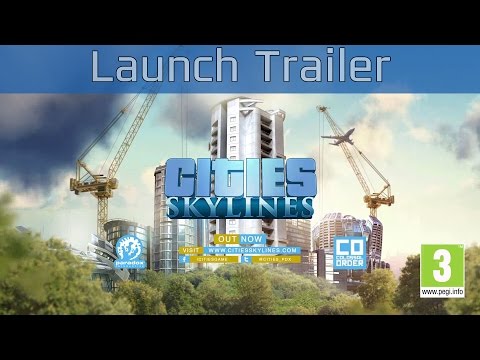
Cities: Skylines

PC (Microsoft Windows), Mac, Linux • 2015

Related articles

Quick resume

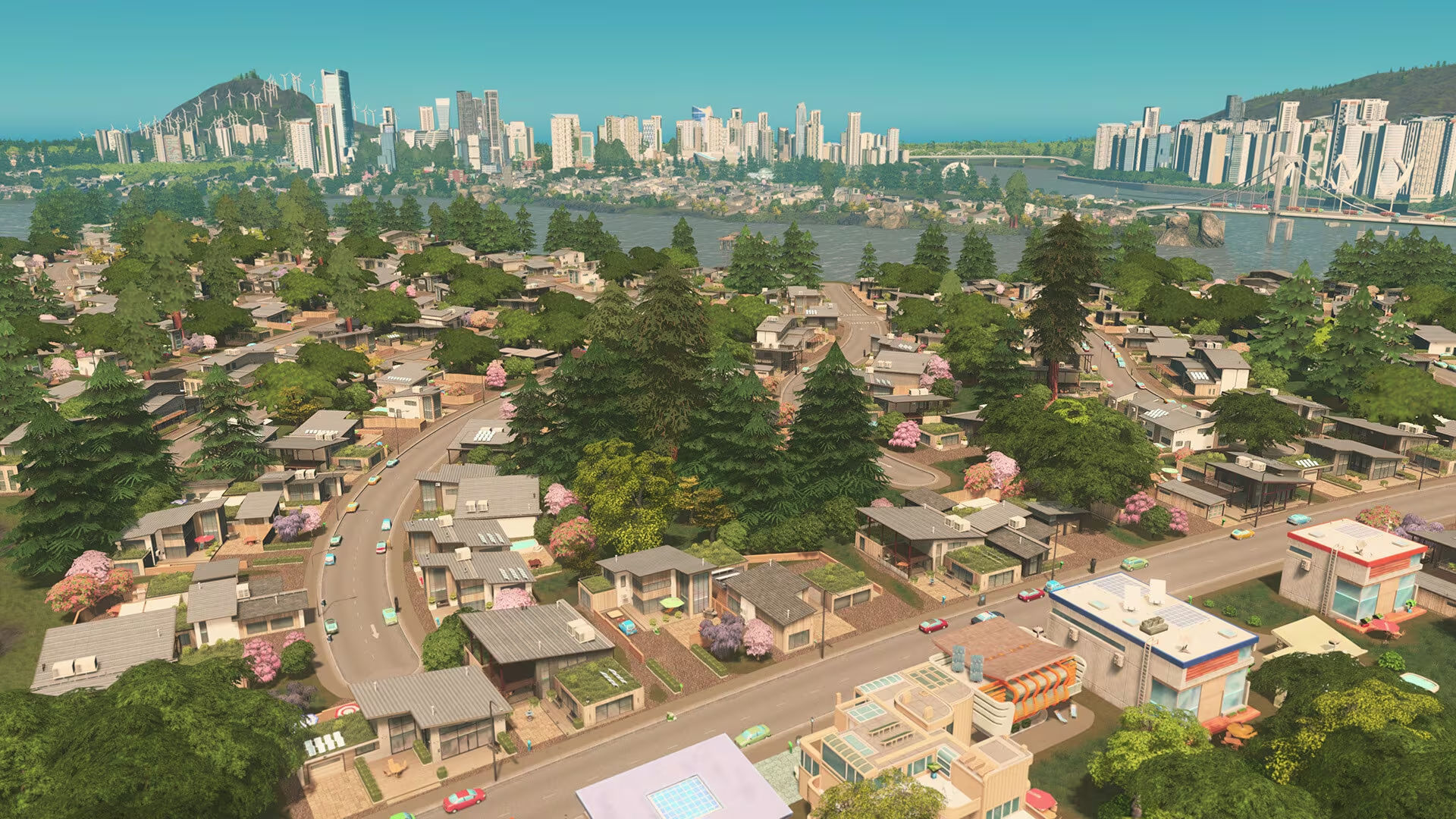
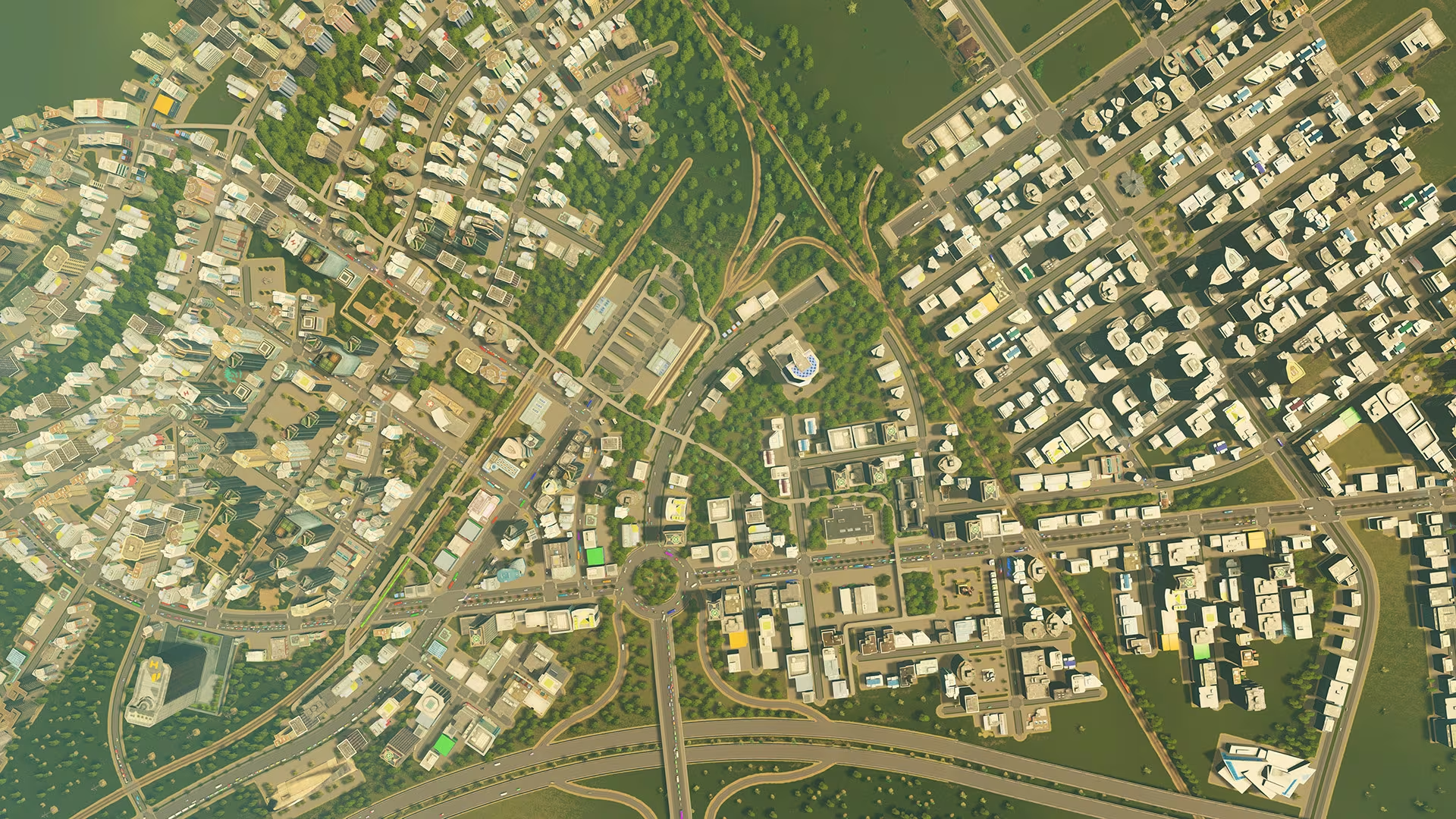
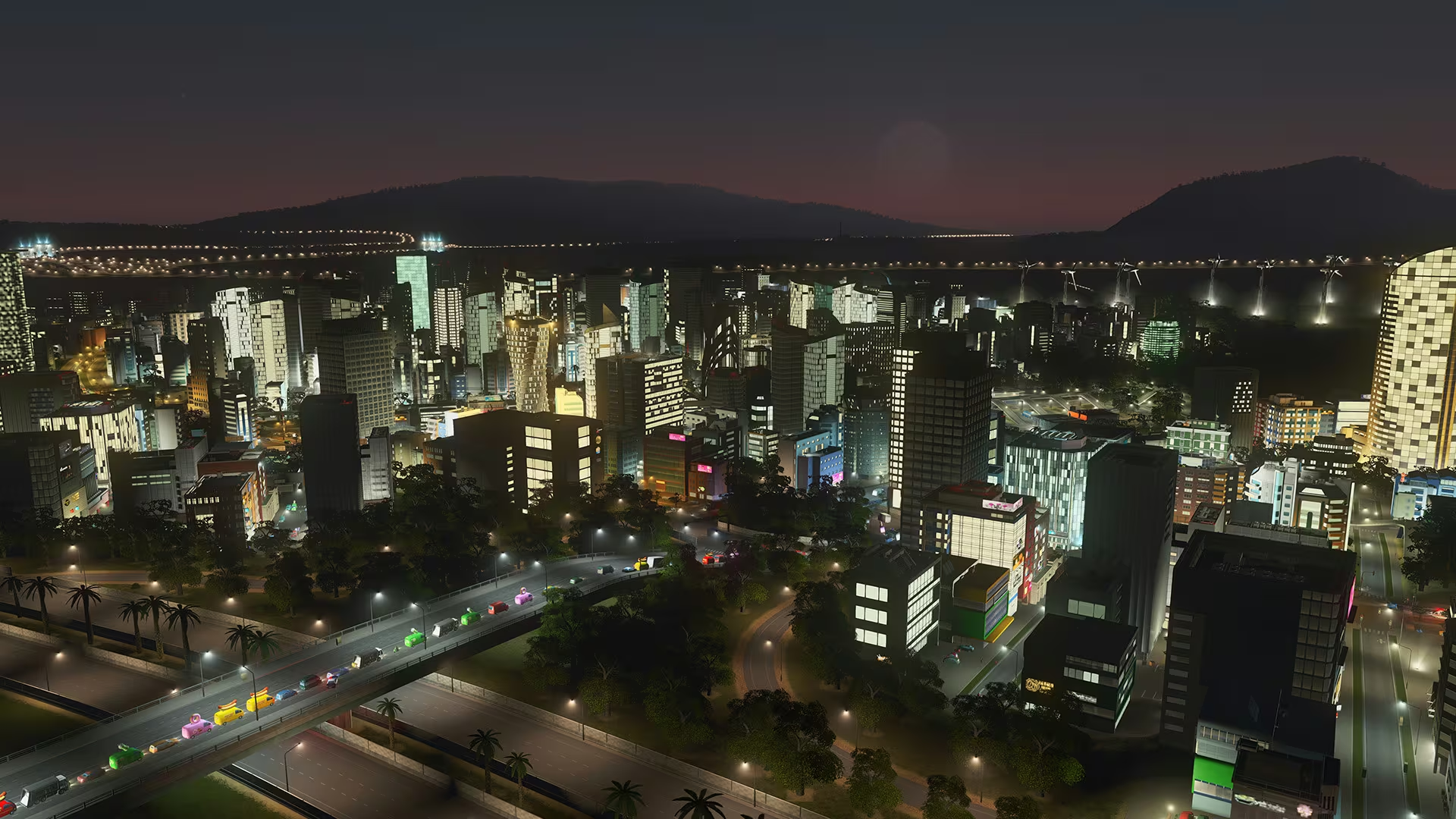
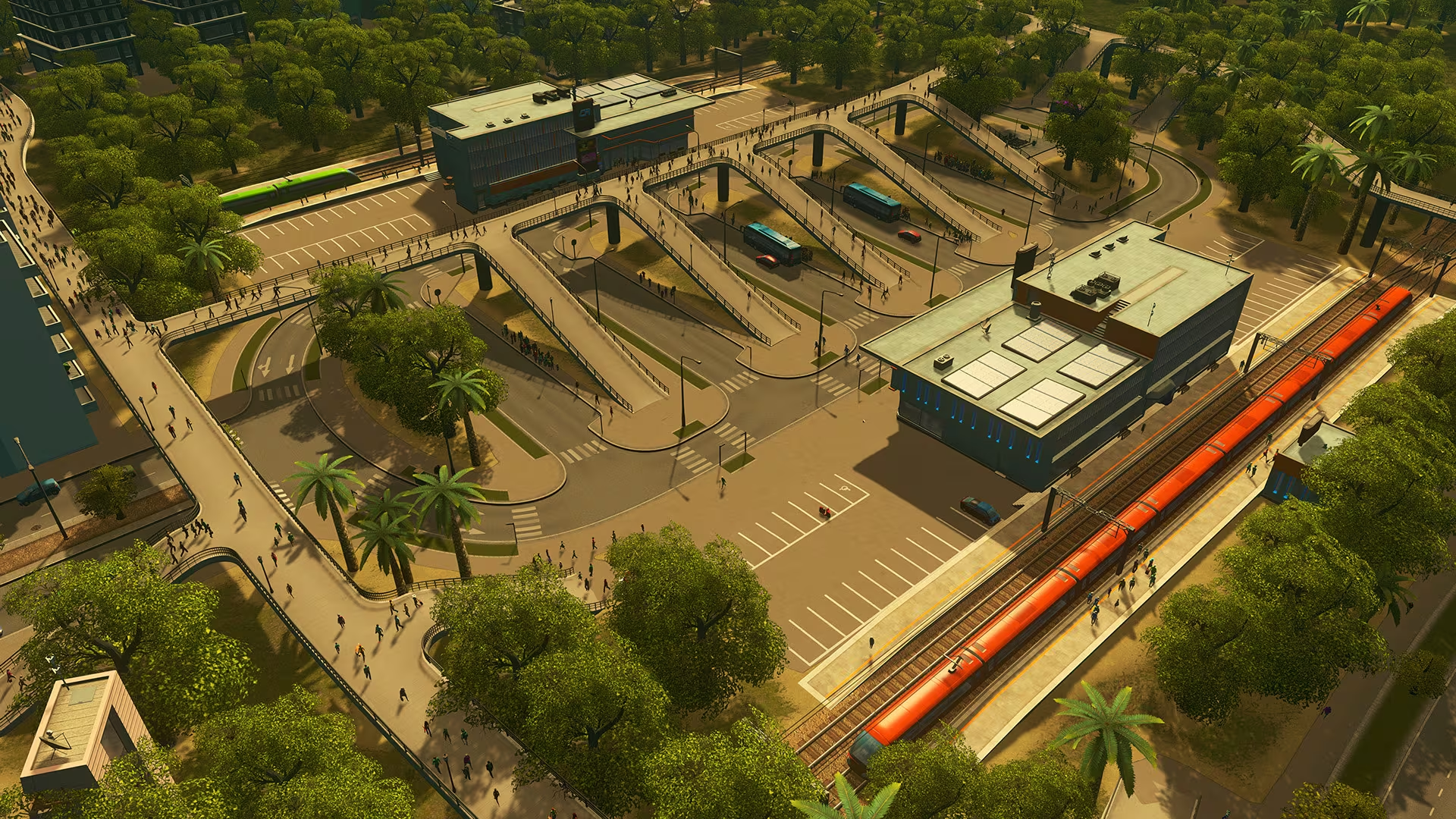
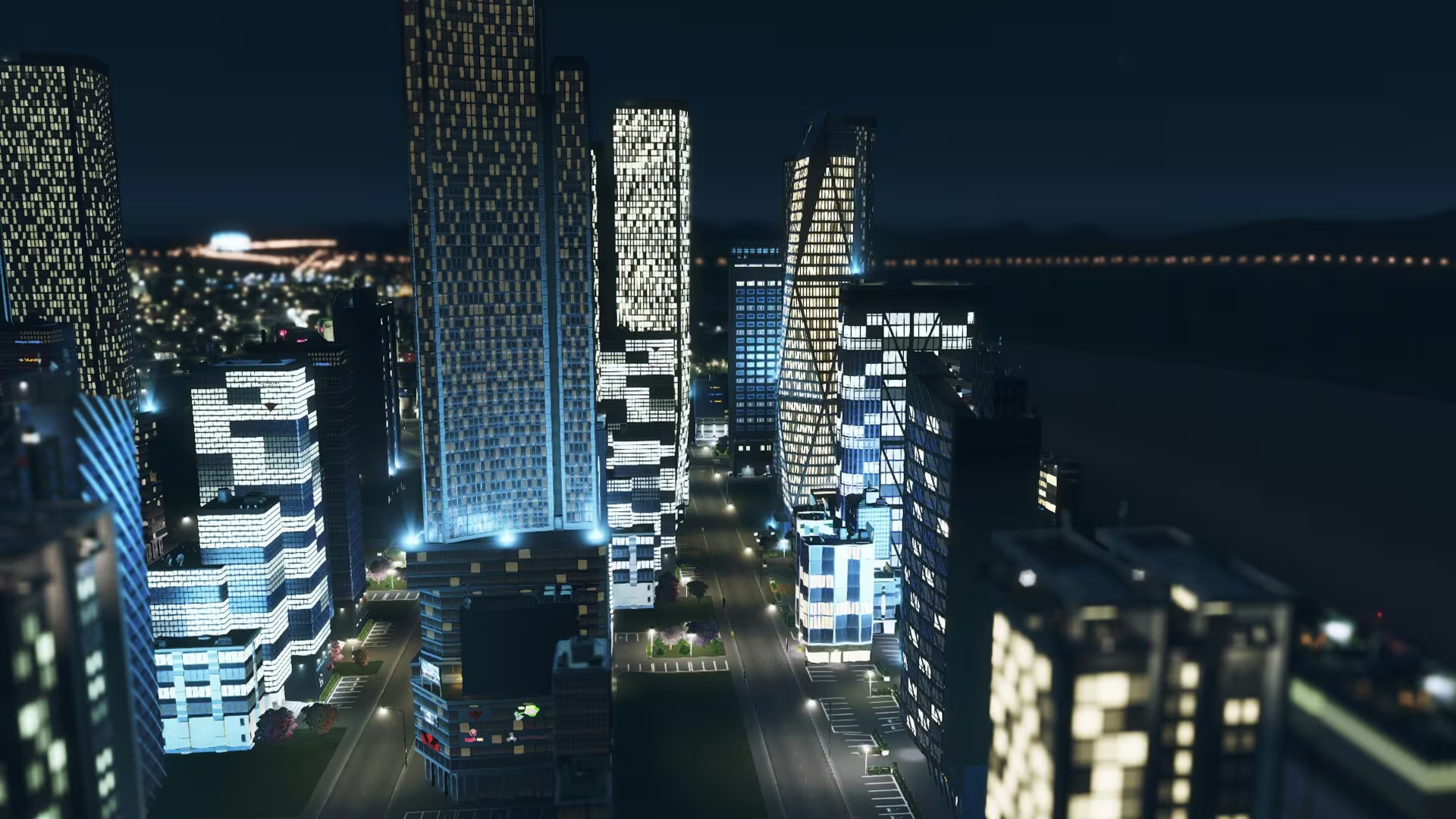
Cities: Skylines is a modern take on the classic city simulation. The game introduces new game play elements to realize the thrill and hardships of creating and maintaining a real city whilst expanding on some well-established tropes of the city building experience.

Global score

93/100

Genres

Simulator, Strategy

Similar games

    Pros

    • Extensive mod support and customization
    • Large, expandable maps
    • Deep and realistic city simulation
    • Addictive and long-lasting gameplay
    • Active developer and community engagement

    Cons

    • Expensive dlcs
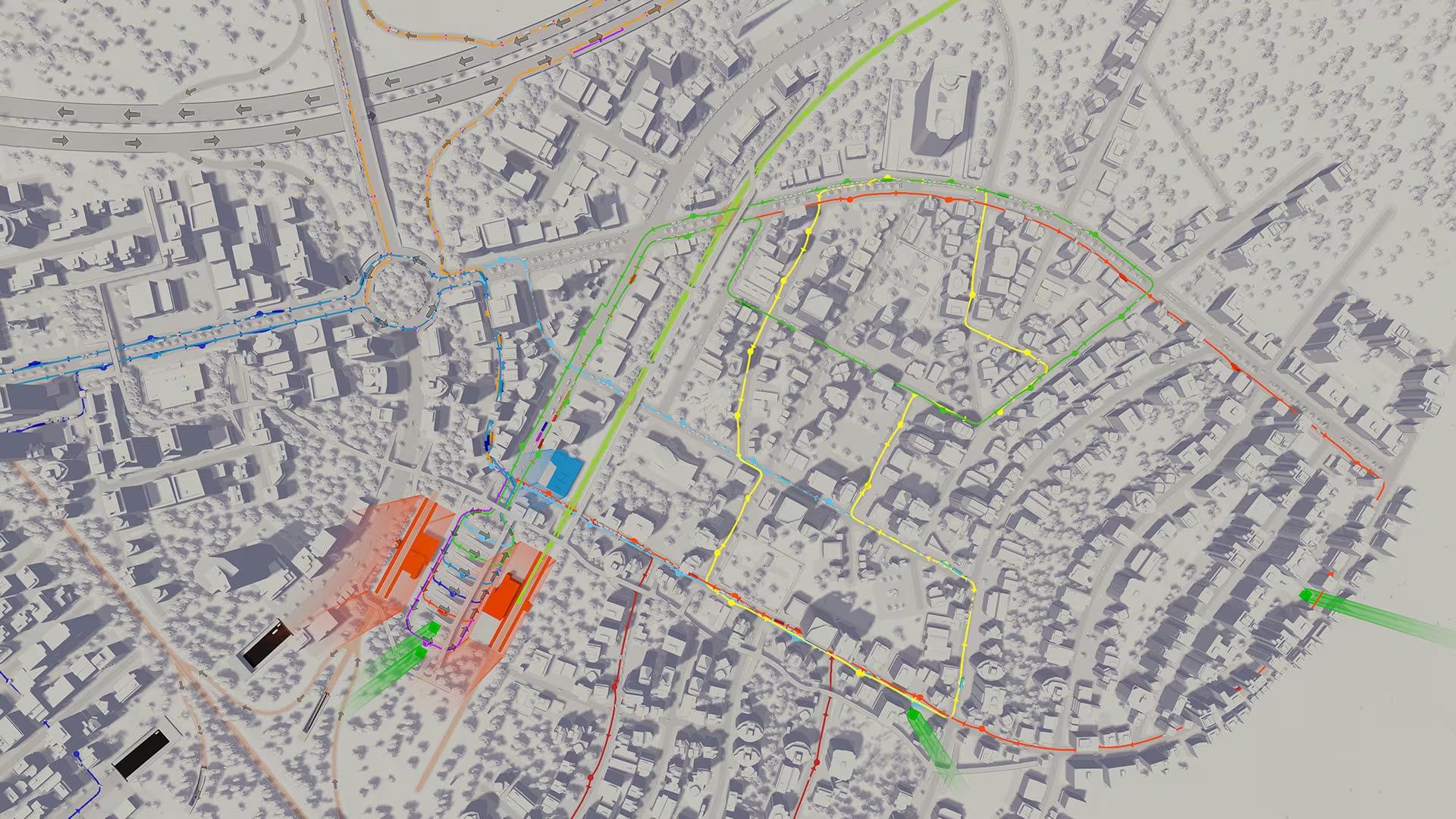
    • Traffic management can be frustrating
    • Performance issues with large cities and many mods
    • Lack of multiplayer or cooperative modes
    • No narrative or story mode

    Analysis

    Broadly representative of its motivational profile, with a few distinct shifts. Motivations that often define this kind of title include Fantasy, Violence, Story, Thrill. Here, the score leans higher than usual among comparable games on Leadership, Survival, Expression.

    How to use the graph
    Similar games map

    Each dot is a game. They are arranged from the same motivation profile as in the “Motivations” section below. Closer dots usually mean more similar reasons to play (exploration, competition, relaxation, etc.)—not that one game is “better” than another.

    • Larger dot with a light outline: the game you are viewing.
    • Colour: groups of games with comparable motivation patterns (statistical clusters).
    • Hover a dot to see the game name; click to open its page.
    • Scroll or double-click the chart to zoom out and see more games.

    Why don’t the axes read like a score? This view uses t-SNE: it only keeps who is close to whom. The scales are not “good to bad” or hours played—they separate groups on the map. Read distance between dots, not the axis numbers.

    Motivations

    • Autonomy
      5

      "Players have full control over city planning, road design, zoning, policies, and mod customization, enabling high personal freedom and decision-making."

    • Competence
      4

      "The game offers complex challenges like traffic management, budget balancing, and infrastructure planning that require skill and learning."

    • Competition
      -3

      "Focus is on personal city building and management without direct player-vs-player competition or leaderboards."

    • Continuation
      5

      "Highly addictive with long play sessions and players often spending many hours continuously building and optimizing their cities."

    • Cooperation
      -4

      "Primarily a single-player experience focused on individual city management with minimal multiplayer or cooperative elements."

    • Creativity
      5

      "Extensive creative freedom in designing cities, roads, districts, and using mods to customize assets and gameplay."

    • Domination
      -5

      "No elements of exerting control or superiority over other players; interactions are individual and non-competitive."

    • Escapism
      4

      "Players use the game to immerse themselves in city building and management, often as a relaxing escape from real life."

    • Expectation
      -4

      "Players engage voluntarily out of personal interest and enjoyment rather than obligation or external pressure."

    • Experimenting
      5

      "Strong emphasis on experimenting with layouts, mods, policies, and city designs to optimize and personalize gameplay."

    • Exploration
      3

      "Players explore large maps and unlock new tiles, discovering new areas to develop and customize."

    • Expression
      5

      "High level of self-expression through city aesthetics, custom assets, and mod-driven personalization."

    • Fantasy
      -2

      "Game simulates realistic city management scenarios, focusing on plausible urban planning rather than imaginative fiction."

    • Fellowship
      -3

      "Community exists around mods and sharing creations, but gameplay itself is solitary without social gameplay."

    • Growth
      4

      "Players learn and improve city planning skills, traffic management, and economic balancing over time."

    • Health
      Insufficient data
    • Idle
      -4

      "Requires continuous attention and active management of city systems rather than passive or background play."

    • Intimacy
      -5

      "No close personal relationships or emotional social interactions; focus is on city management."

    • Leadership
      4

      "Players act as city mayor, leading and managing all aspects of the city’s development and policies."

    • Progression
      4

      "Progression through unlocking new buildings, districts, policies, and map expansions as city grows."

    • Relaxation
      3

      "Many players find the game relaxing and enjoyable, though managing traffic and budgets can create tension."

    • Sensation
      2

      "Visual and auditory feedback is pleasant but not intense; focus is on strategic and creative engagement."

    • Status
      -3

      "Achievements and community recognition exist but social status is not a core gameplay element."

    • Story
      -4

      "No narrative or plot; gameplay is context-free city building and management."

    • Strategy
      5

      "Strong strategic and problem-solving elements in managing traffic, budgets, zoning, and city services."

    • Thrill
      -2

      "Gameplay is generally controlled and predictable; lacks suspense or risk-driven thrills."

    • Value
      3

      "Players perceive good value for time invested, especially with mod support and DLC content."

    • Violence
      -5

      "No combat or destruction focus; gameplay centers on constructive city building and management."

    • Survival
      2

      "Some elements of managing threats like disasters and resource shortages, but generally stable conditions."

    Last update: 29/04/2026