MEMORIAPOLIS Thumbnail

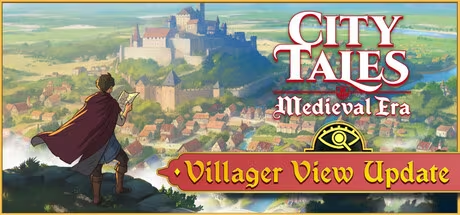
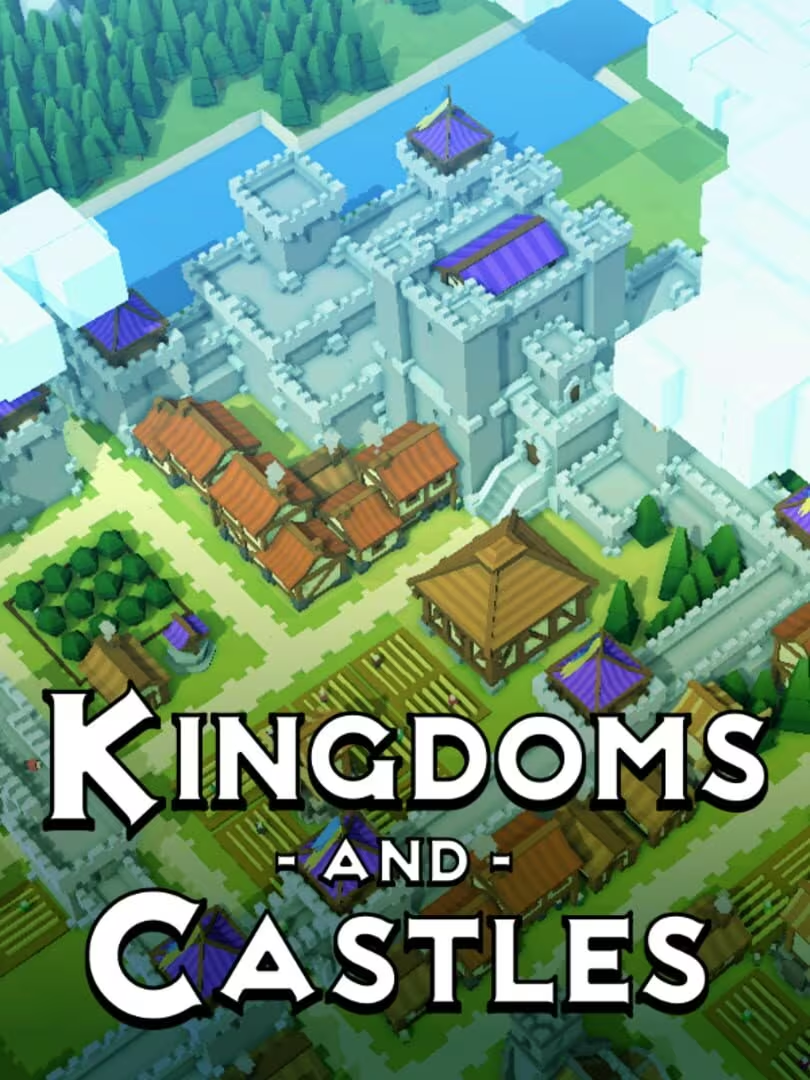
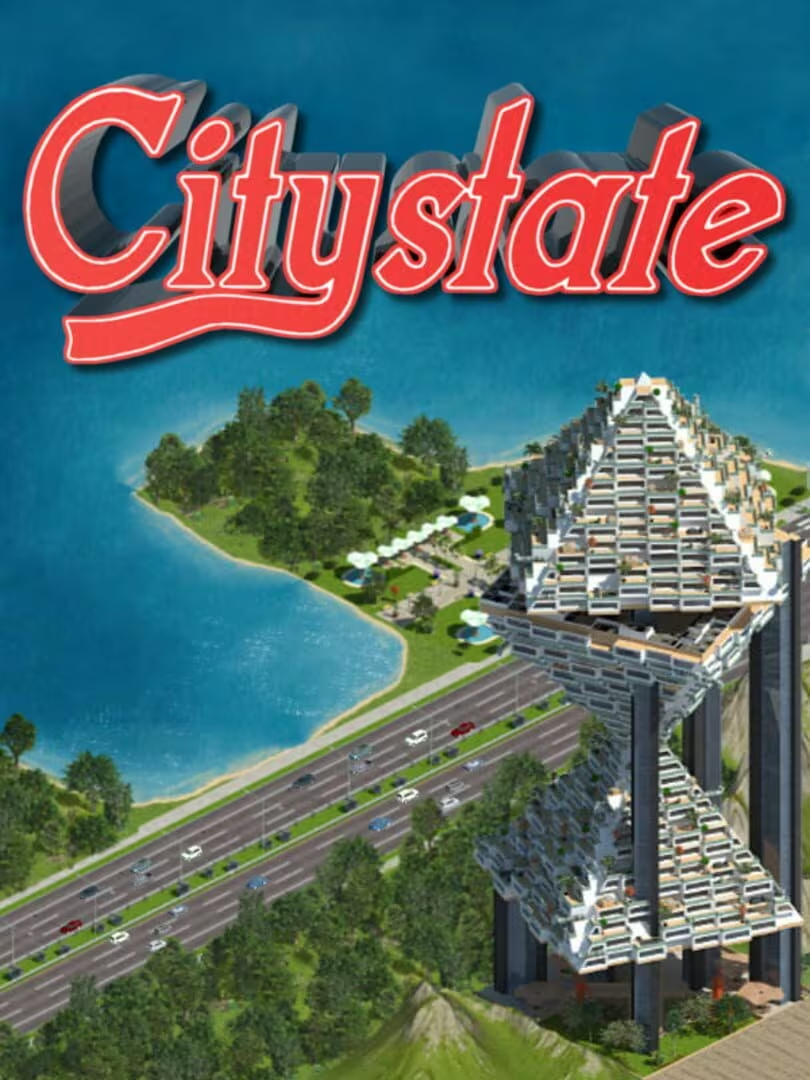
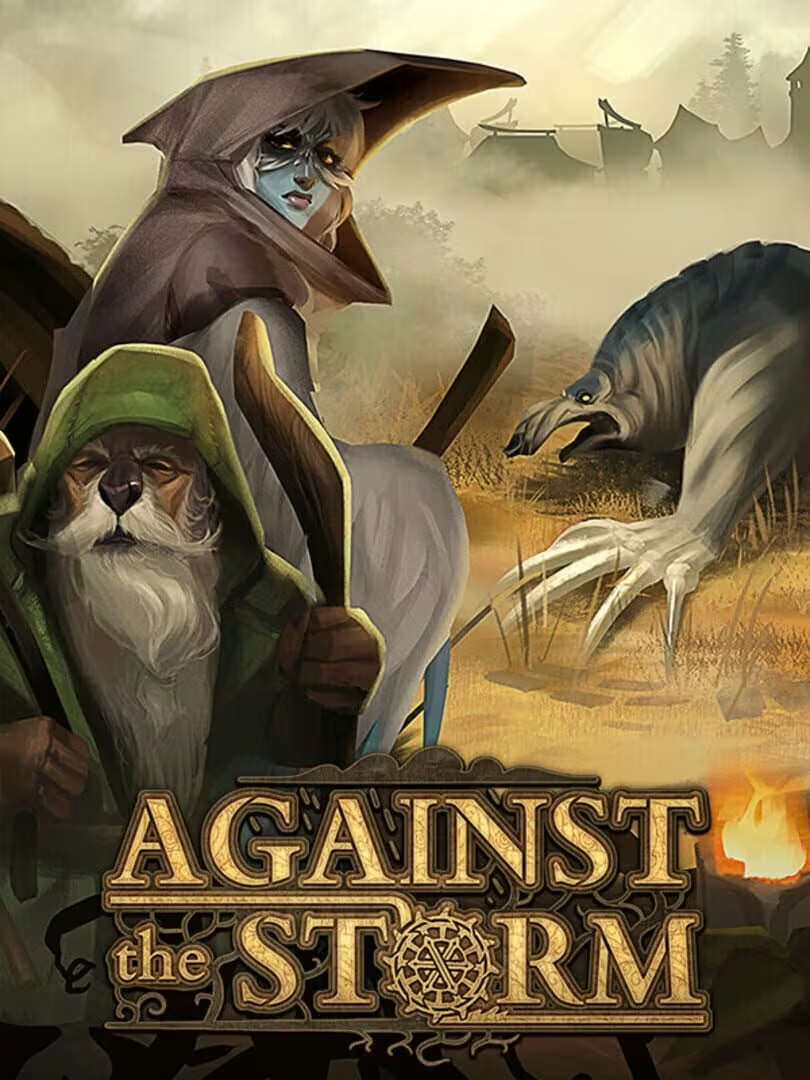
MEMORIAPOLIS similar games & best alternatives
MEMORIAPOLIS

PC (Microsoft Windows) • 2025

Related articles

Quick resume

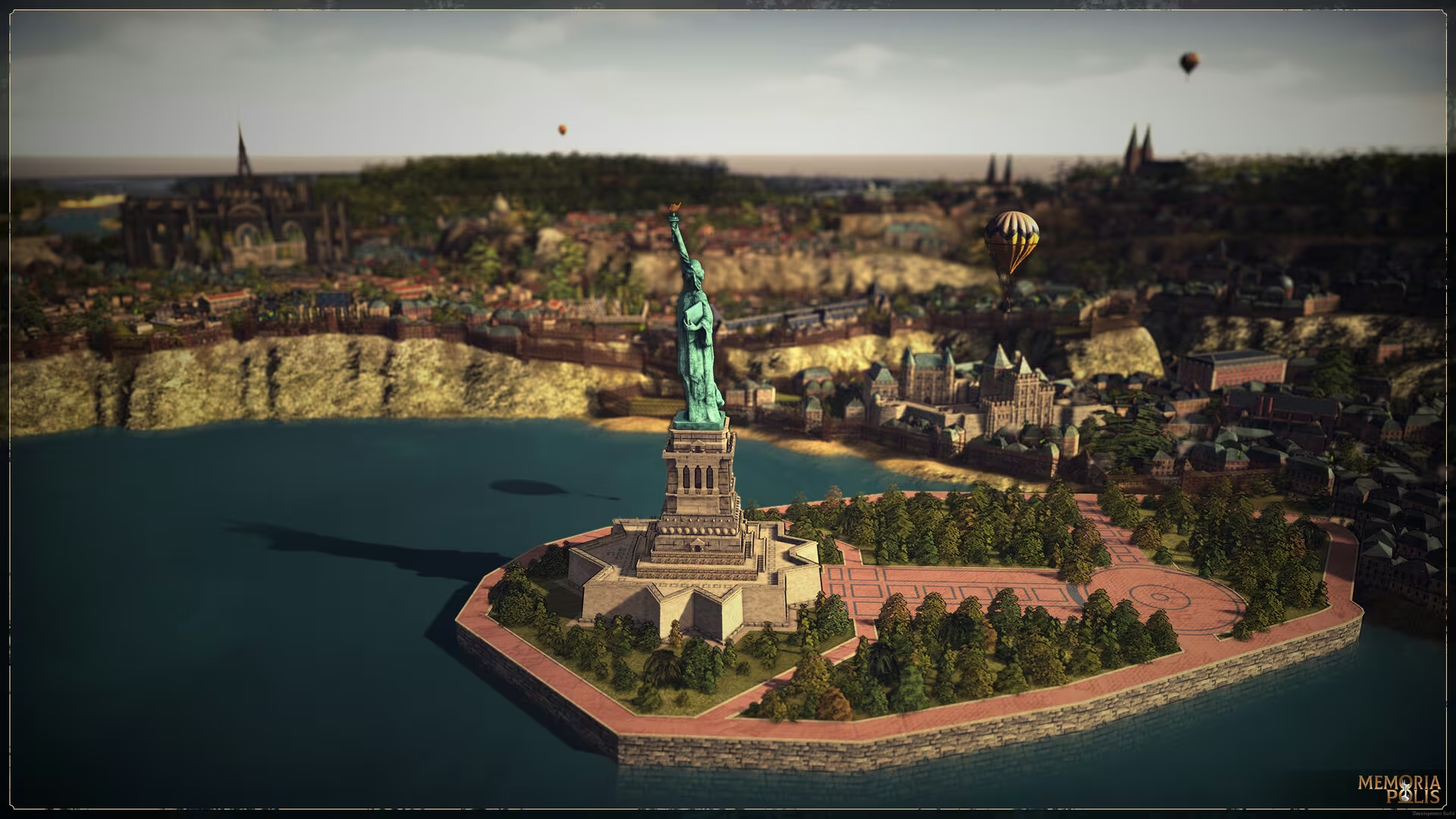
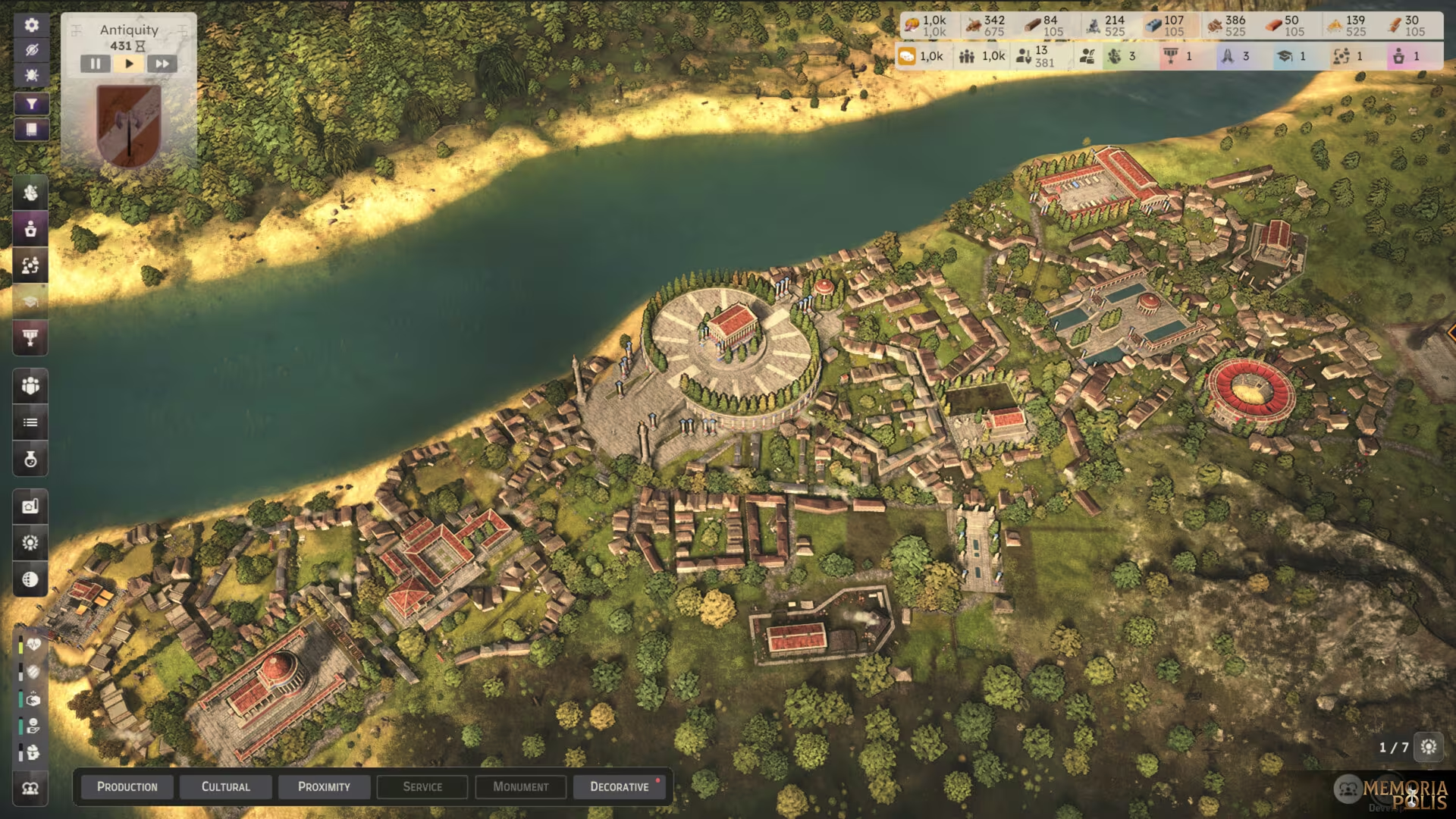
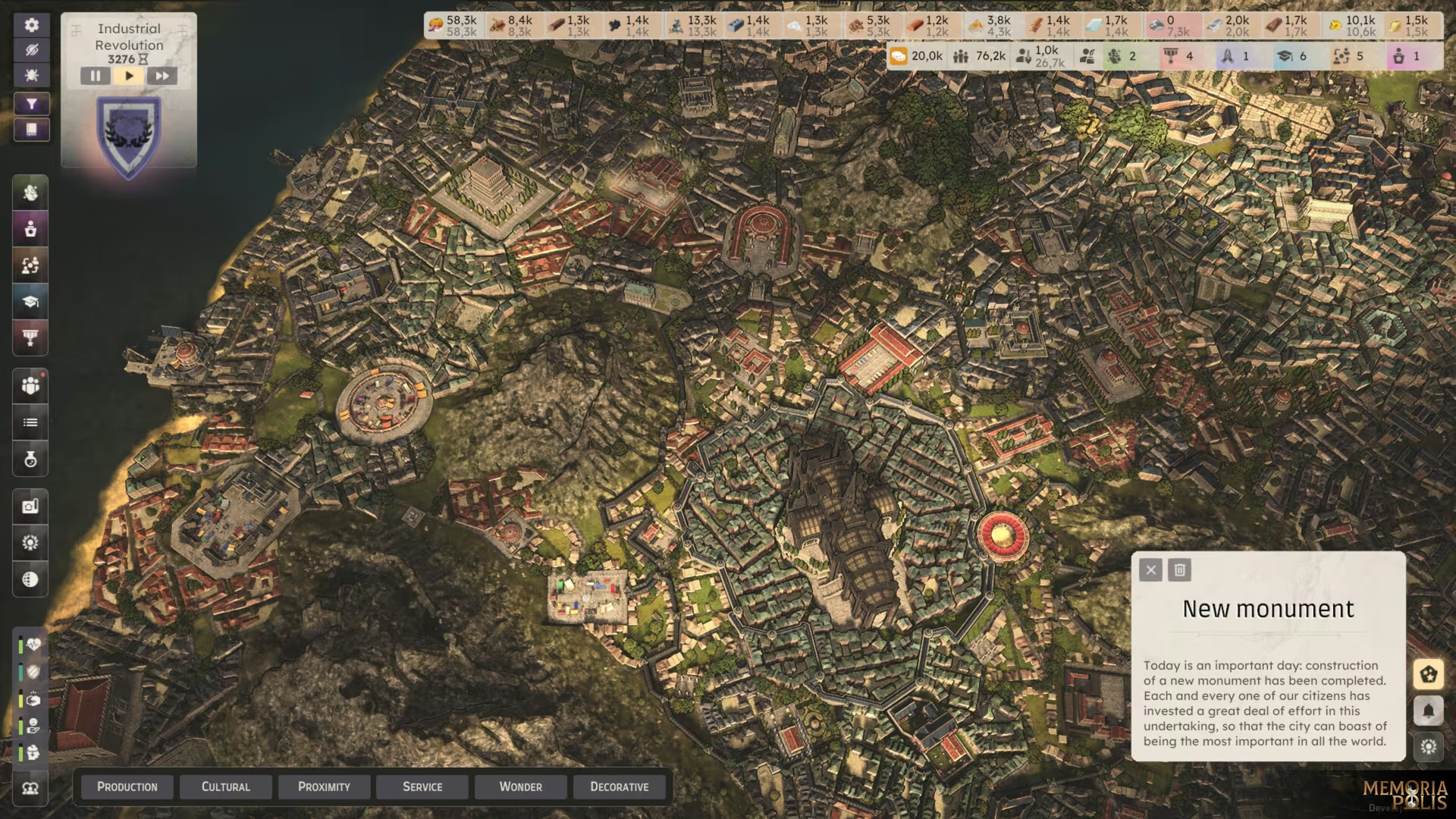
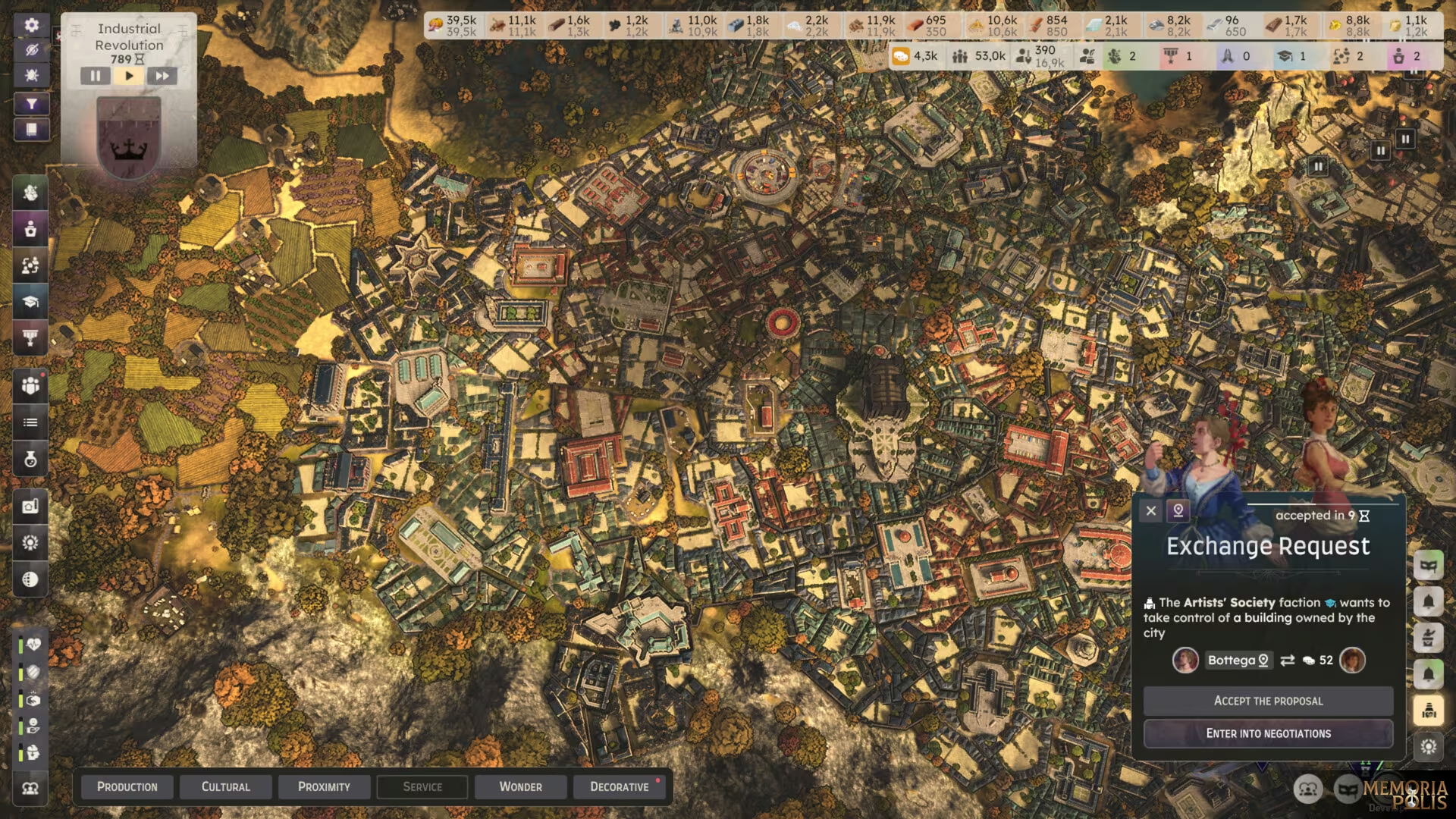
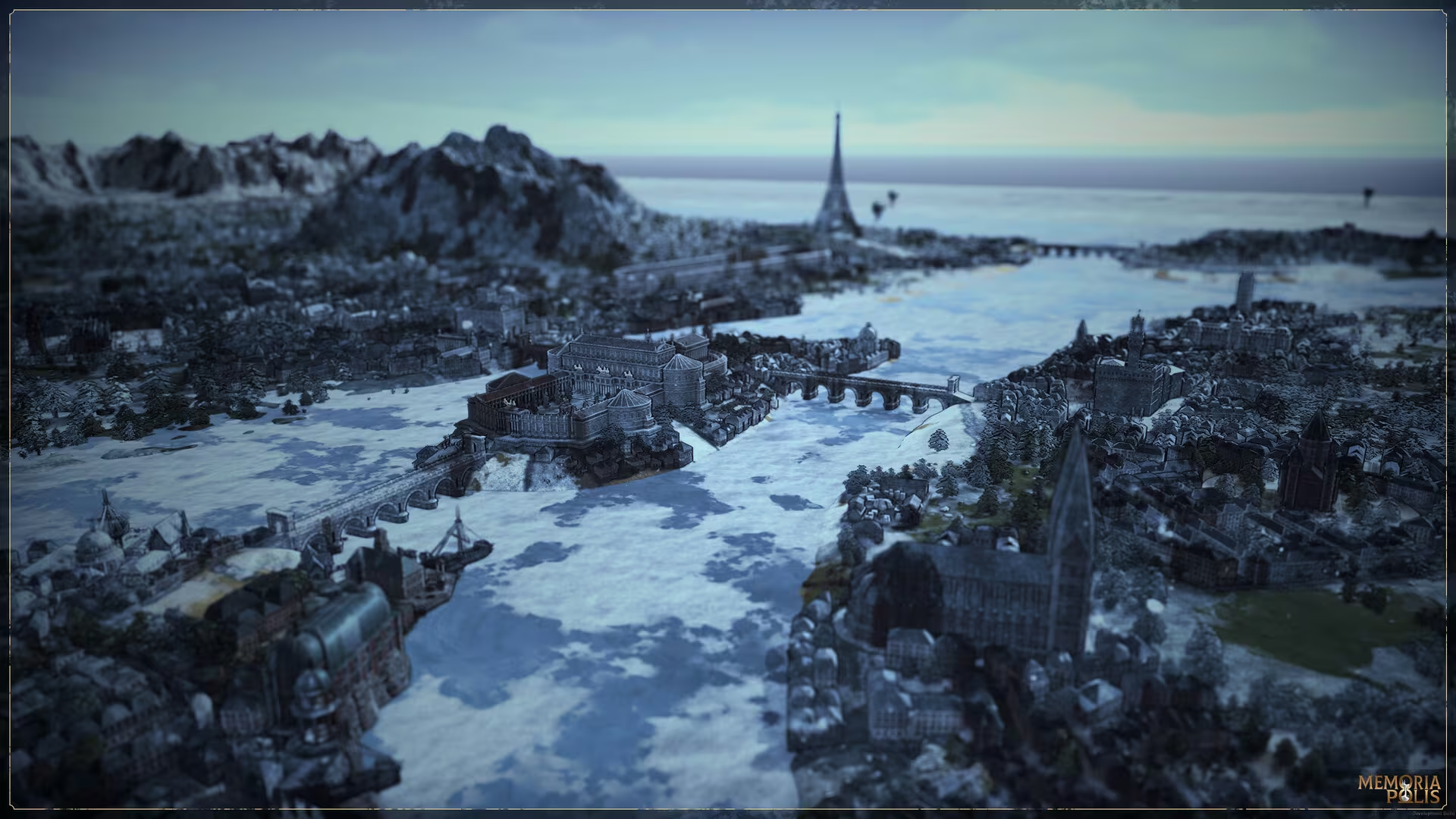
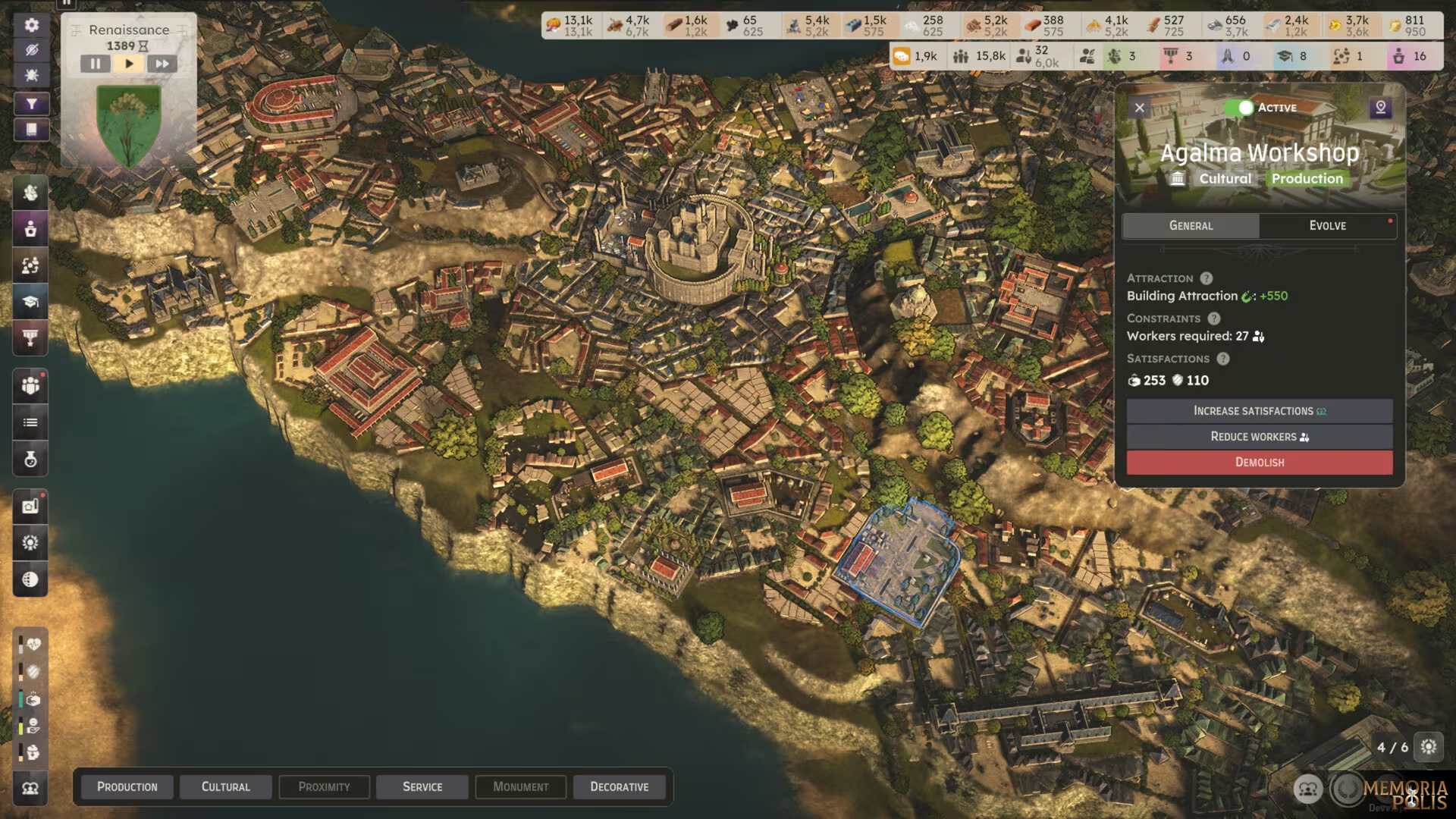
In Memoriapolis, you're not just building a city, you're shaping a living, evolving civilization. Travel through five major eras, from Antiquity to the Industrial Revolution. Leave your mark on history by navigating the power struggles between rival factions.

Global score

76/100

Genres

Indie, Simulator, Strategy

Similar games

    Pros

    • Unique organic city growth system
    • Historical era progression
    • Deep faction and cultural mechanics
    • Relaxing and immersive gameplay
    • Polished visuals and music

    Cons

    • Limited map variety
    • Early access content incomplete
    • Lack of road and district control
    • Some ui and information clarity issues
    • Performance dips in later ages

    Analysis

    A very typical example of its motivational profile. Motivations that often define this kind of title include Fantasy, Violence, Story, Thrill. Here, the score leans higher than usual among comparable games on Leadership, Story, Survival.

    How to use the graph
    Similar games map

    Each dot is a game. They are arranged from the same motivation profile as in the “Motivations” section below. Closer dots usually mean more similar reasons to play (exploration, competition, relaxation, etc.)—not that one game is “better” than another.

    • Larger dot with a light outline: the game you are viewing.
    • Colour: groups of games with comparable motivation patterns (statistical clusters).
    • Hover a dot to see the game name; click to open its page.
    • Scroll or double-click the chart to zoom out and see more games.

    Why don’t the axes read like a score? This view uses t-SNE: it only keeps who is close to whom. The scales are not “good to bad” or hours played—they separate groups on the map. Read distance between dots, not the axis numbers.

    Motivations

    • Autonomy
      4

      "Players direct city growth by placing key buildings but city expands organically with limited direct control over roads or districts."

    • Competence
      3

      "Game involves managing complex resource chains, factions, and city planning with meaningful decisions and skill development."

    • Competition
      -3

      "Focus is on personal city development and progression through ages rather than direct competition or leaderboards."

    • Continuation
      4

      "Players report addictive gameplay with repeated playthroughs and desire to explore different strategies and ages."

    • Cooperation
      -4

      "Gameplay centers on individual city management with limited multiplayer or cooperative elements."

    • Creativity
      3

      "Players creatively influence city layout and cultural development through building placement and faction management."

    • Domination
      -4

      "Interactions with factions are political and diplomatic rather than exerting dominance or power over others."

    • Escapism
      4

      "Relaxing, immersive historical city building provides a pleasant escape and stress relief for players."

    • Expectation
      -4

      "Players engage voluntarily out of interest and enjoyment rather than obligation or external pressure."

    • Experimenting
      3

      "Players try different building strategies, faction management, and city layouts to optimize growth."

    • Exploration
      2

      "Limited map variety but players explore different eras, building types, and faction dynamics."

    • Expression
      2

      "Some customization through city design and cultural identity but limited direct avatar or cosmetic expression."

    • Fantasy
      -3

      "Grounded in historical eras and realistic city development rather than imaginative or mythical fiction."

    • Fellowship
      -4

      "Minimal social interaction; focus is on solo city building and management."

    • Growth
      4

      "Players learn complex systems, improve strategies, and develop skills over multiple playthroughs."

    • Health
      -5

      "Sedentary gameplay with no physical activity or health-related mechanics."

    • Idle
      -3

      "Requires active management and attention; not designed for passive or background play."

    • Intimacy
      -5

      "No evidence of close social relationships or emotional sharing in gameplay."

    • Leadership
      2

      "Players lead their city and manage factions but no multiplayer leadership roles."

    • Progression
      5

      "Strong emphasis on progressing through ages, unlocking buildings, and upgrading city infrastructure."

    • Relaxation
      3

      "Generally relaxing and chill gameplay with some moments of challenge and tension."

    • Sensation
      2

      "Pleasant visuals and music provide sensory enjoyment but not intense stimulation."

    • Status
      -4

      "No social status or recognition systems; achievements are personal and internal."

    • Story
      2

      "Narrative events and historical context add some story immersion but gameplay is largely open-ended."

    • Strategy
      4

      "Requires planning, resource management, and tactical decisions to optimize city growth and faction relations."

    • Thrill
      -2

      "Low risk and suspense; gameplay is more about steady management than excitement or danger."

    • Value
      3

      "Players find good value in gameplay depth and replayability despite early access limitations."

    • Violence
      -5

      "No combat or destructive gameplay; focus on constructive city building and management."

    • Survival
      1

      "Some resource and faction management challenges but no high-risk survival mechanics."

    Last update: 29/04/2026