InfraSpace Thumbnail

InfraSpace similar games & best alternatives
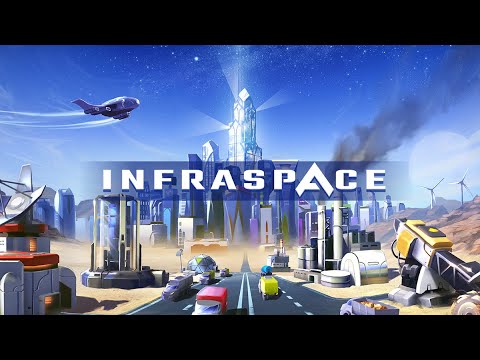
InfraSpace

PC (Microsoft Windows) • 2023

Related articles

Quick resume

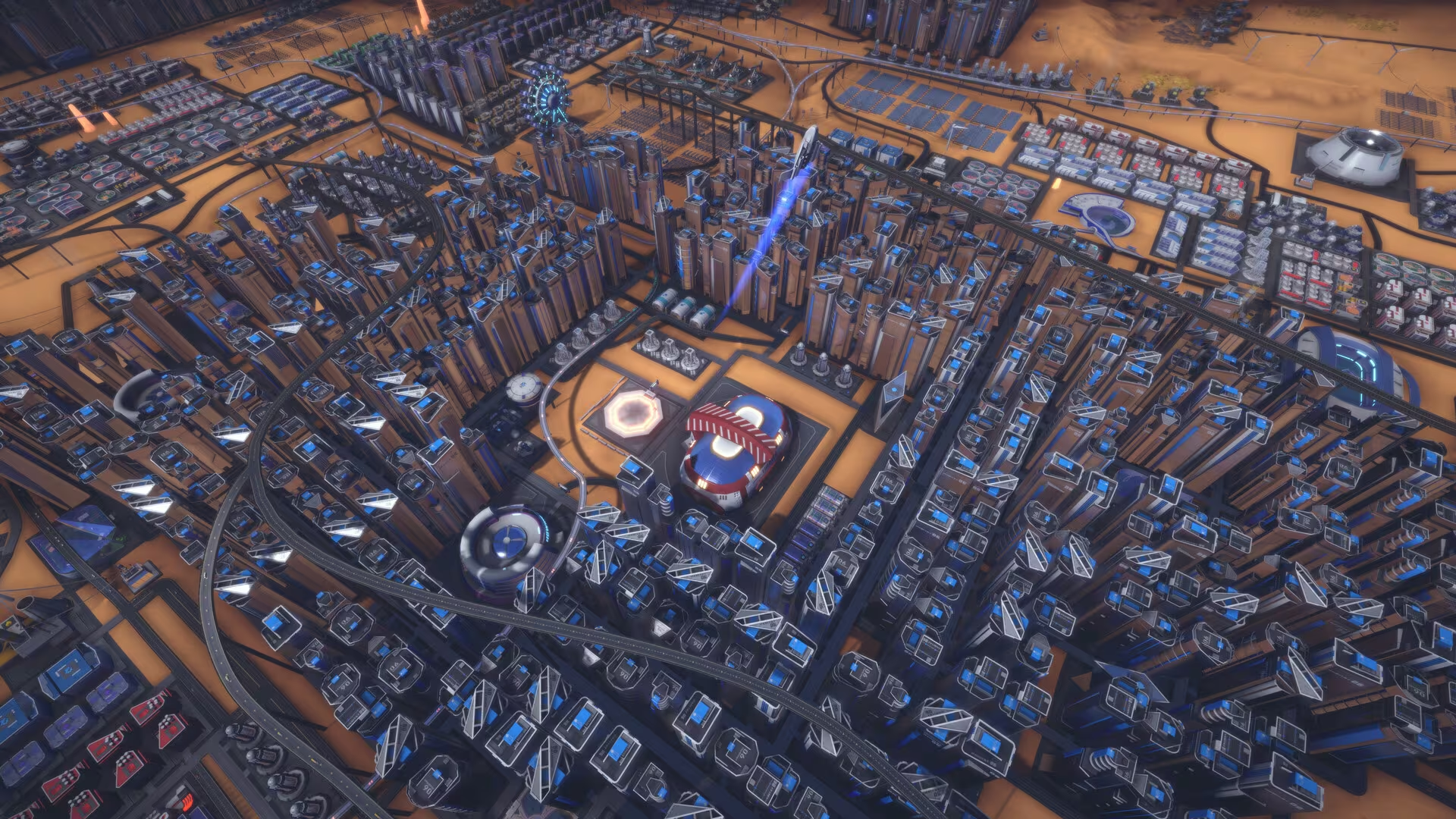
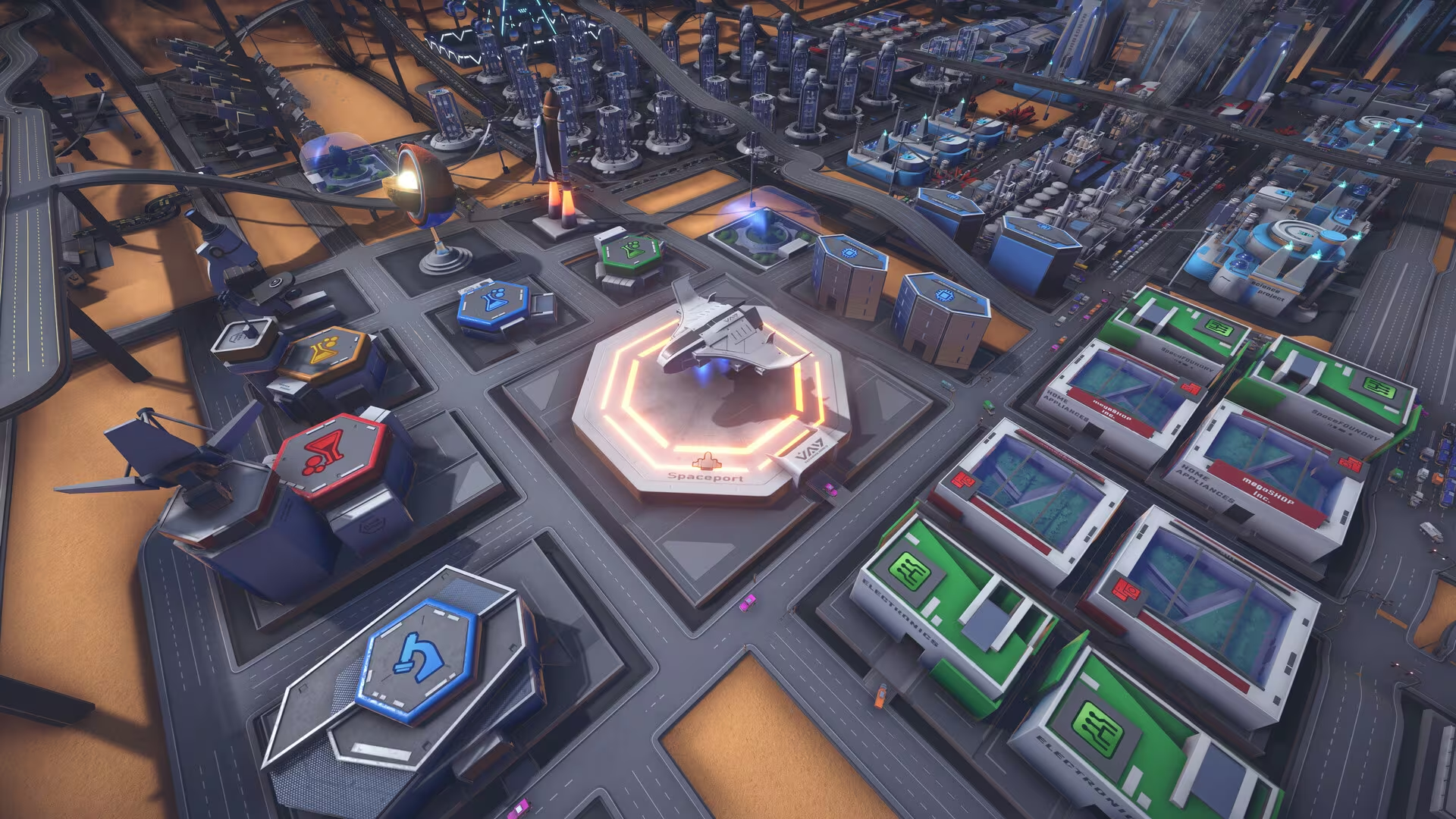
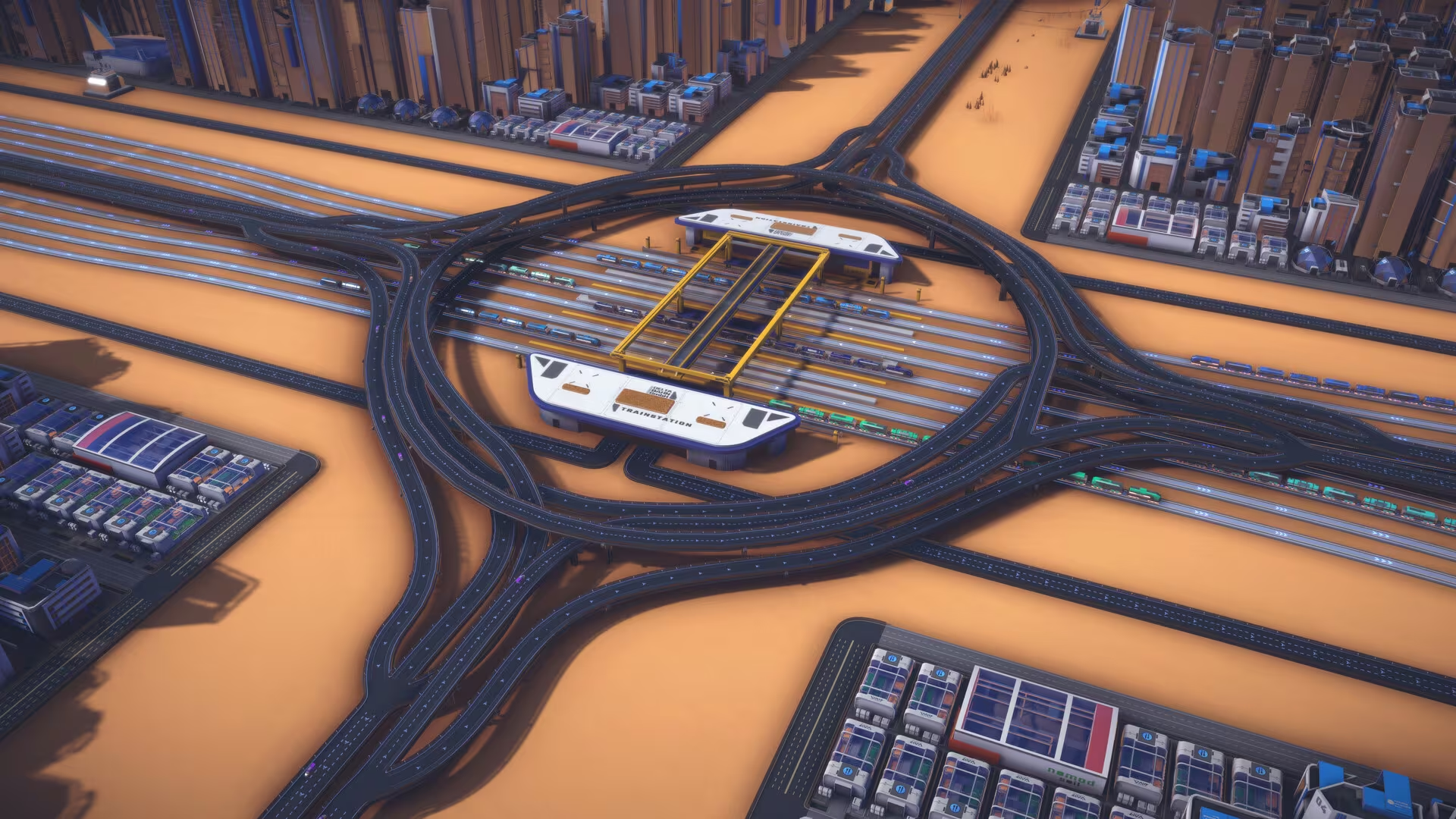
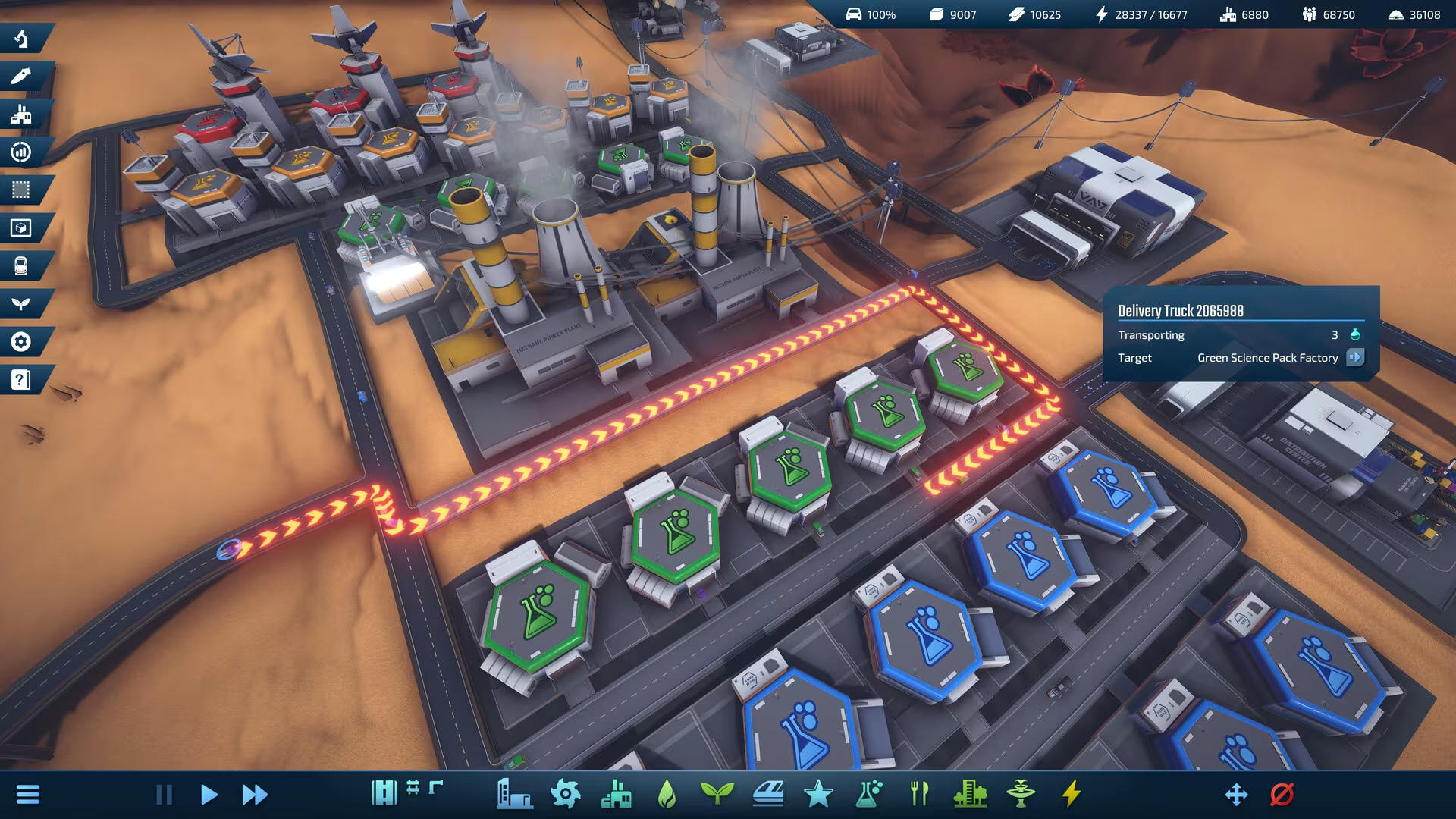
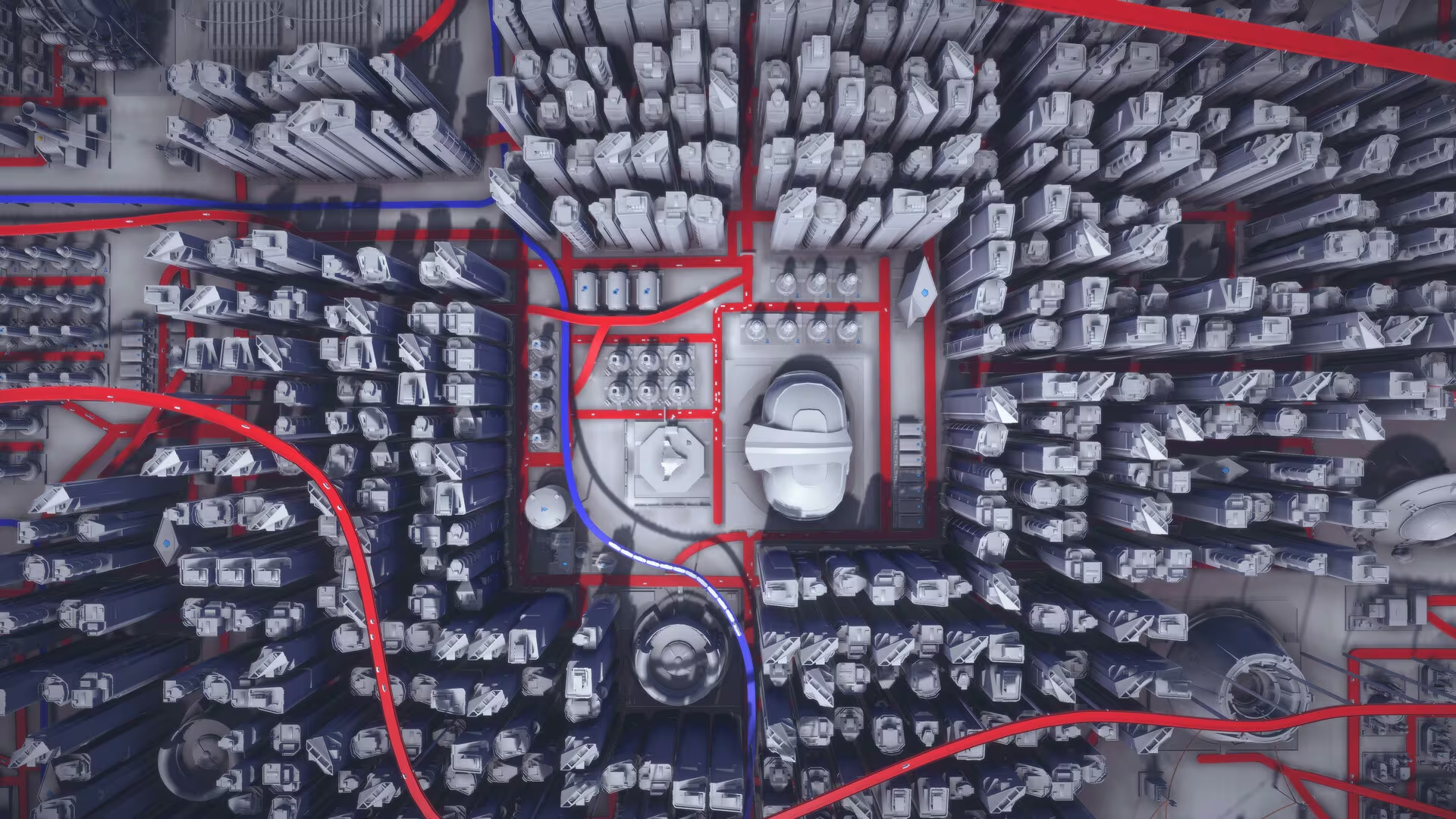
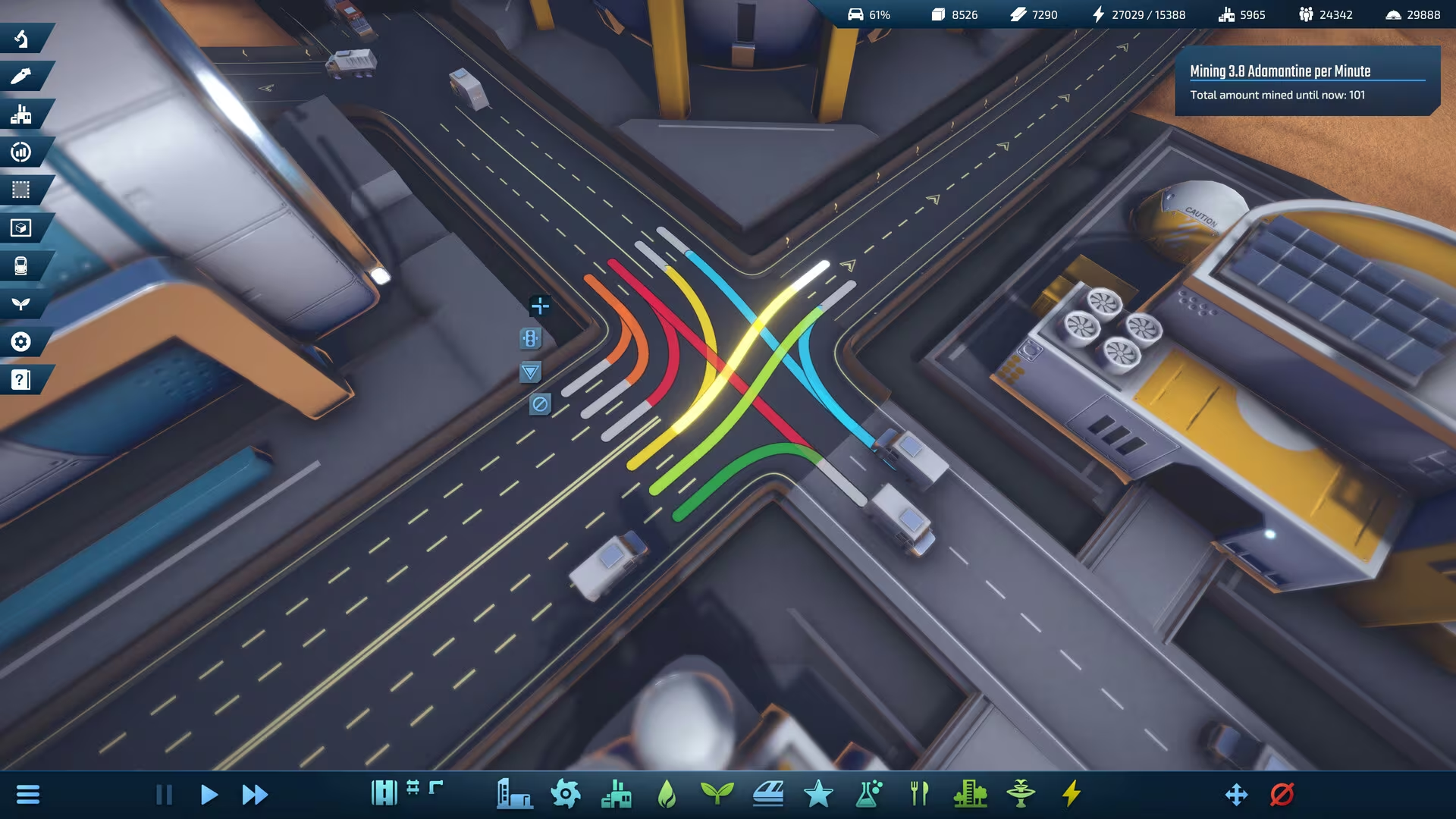
Create an extrasolar efficiency utopia from scratch! In this sci-fi city builder you need to start mining operations, plan production, and lay down transportation routes to ensure a smooth supply chain.

Global score

80/100

Genres

Indie, Simulator, Strategy

Similar games

    Pros

    • Engaging logistics and traffic management
    • Creative city and road design freedom
    • Relaxing and satisfying gameplay
    • Active developer support and updates
    • Good blend of city building and factory mechanics

    Cons

    • Traffic ai and road building can be frustrating
    • Late-game can become repetitive or tedious
    • Limited tutorial and unclear tooltips
    • Performance issues at large city sizes
    • Lack of multiplayer or social features

    Analysis

    A very typical example of its motivational profile. Motivations that often define this kind of title include Fantasy, Violence, Story, Thrill. Here, the score leans higher than usual among comparable games on Story, Survival. It leans lower than usual among comparable games on Exploration.

    How to use the graph
    Similar games map

    Each dot is a game. They are arranged from the same motivation profile as in the “Motivations” section below. Closer dots usually mean more similar reasons to play (exploration, competition, relaxation, etc.)—not that one game is “better” than another.

    • Larger dot with a light outline: the game you are viewing.
    • Colour: groups of games with comparable motivation patterns (statistical clusters).
    • Hover a dot to see the game name; click to open its page.
    • Scroll or double-click the chart to zoom out and see more games.

    Why don’t the axes read like a score? This view uses t-SNE: it only keeps who is close to whom. The scales are not “good to bad” or hours played—they separate groups on the map. Read distance between dots, not the axis numbers.

    Motivations

    • Autonomy
      4

      "Players have freedom to design and modify their city layout, move buildings, and control traffic flow without strict routines."

    • Competence
      3

      "Game involves managing complex logistics, traffic, and resource chains with skill and problem solving, though some mechanics are simplified."

    • Competition
      -4

      "Focus is on personal city building and logistics management without competitive or ranked modes."

    • Continuation
      3

      "Many players report long play sessions and addiction, though some mention late-game tedium or traffic frustration."

    • Cooperation
      -5

      "Single-player experience focused on individual city and resource management, no multiplayer or teamwork."

    • Creativity
      4

      "Players can freely design road layouts, building placements, and optimize traffic and production chains creatively."

    • Domination
      -5

      "No elements of exerting control over others; gameplay is solitary and non-confrontational."

    • Escapism
      4

      "Players use the game as a relaxing and immersive city-building experience to escape real life stress."

    • Expectation
      -4

      "Players engage voluntarily out of interest and enjoyment, with no obligation or external pressure."

    • Experimenting
      3

      "Players explore different layouts, traffic solutions, and production optimizations, though some mechanics are fixed."

    • Exploration
      -3

      "Game maps are large but mostly familiar; focus is on optimizing known systems rather than discovering new areas."

    • Expression
      3

      "Players express themselves through city design and road network aesthetics, though customization is functional rather than cosmetic."

    • Fantasy
      1

      "Set in a sci-fi colony on another planet, but gameplay is grounded in realistic city-building and logistics."

    • Fellowship
      -5

      "No social or community features; players engage individually."

    • Growth
      3

      "Players learn and improve logistics and city management skills over time, though some find late game repetitive."

    • Health
      -5

      "Sedentary gameplay with no physical activity elements."

    • Idle
      -3

      "Requires active attention to traffic and resource management; some waiting periods but generally engaging."

    • Intimacy
      -5

      "No social or emotional relationship building."

    • Leadership
      -5

      "No leadership or group management roles; purely single-player."

    • Progression
      4

      "Players unlock new buildings, technologies, and upgrades through research and city growth."

    • Relaxation
      3

      "Many players find the game relaxing and satisfying, though traffic issues can cause frustration."

    • Sensation
      2

      "Visuals and sounds are pleasant but understated; some players find music repetitive."

    • Status
      -5

      "No social recognition or status systems."

    • Story
      2

      "There is a loose narrative about repairing a spaceship and terraforming, but gameplay is mostly context-free city building."

    • Strategy
      4

      "Requires planning and problem solving for traffic flow, resource distribution, and city layout."

    • Thrill
      -2

      "Gameplay is low risk and calm; some tension from traffic jams but no high suspense or danger."

    • Value
      3

      "Players feel the game offers good entertainment value, especially with ongoing updates and active dev support."

    • Violence
      -5

      "No combat or destructive gameplay; focus on building and logistics."

    • Survival
      1

      "Some resource management and population needs create mild survival challenges, but no direct threats or failure states."

    Last update: 29/04/2026