Creeper World 3: Arc Eternal Thumbnail

Creeper World 3: Arc Eternal similar games & best alternatives
Creeper World 3: Arc Eternal

PC (Microsoft Windows), Mac • 2014

Related articles

Quick resume

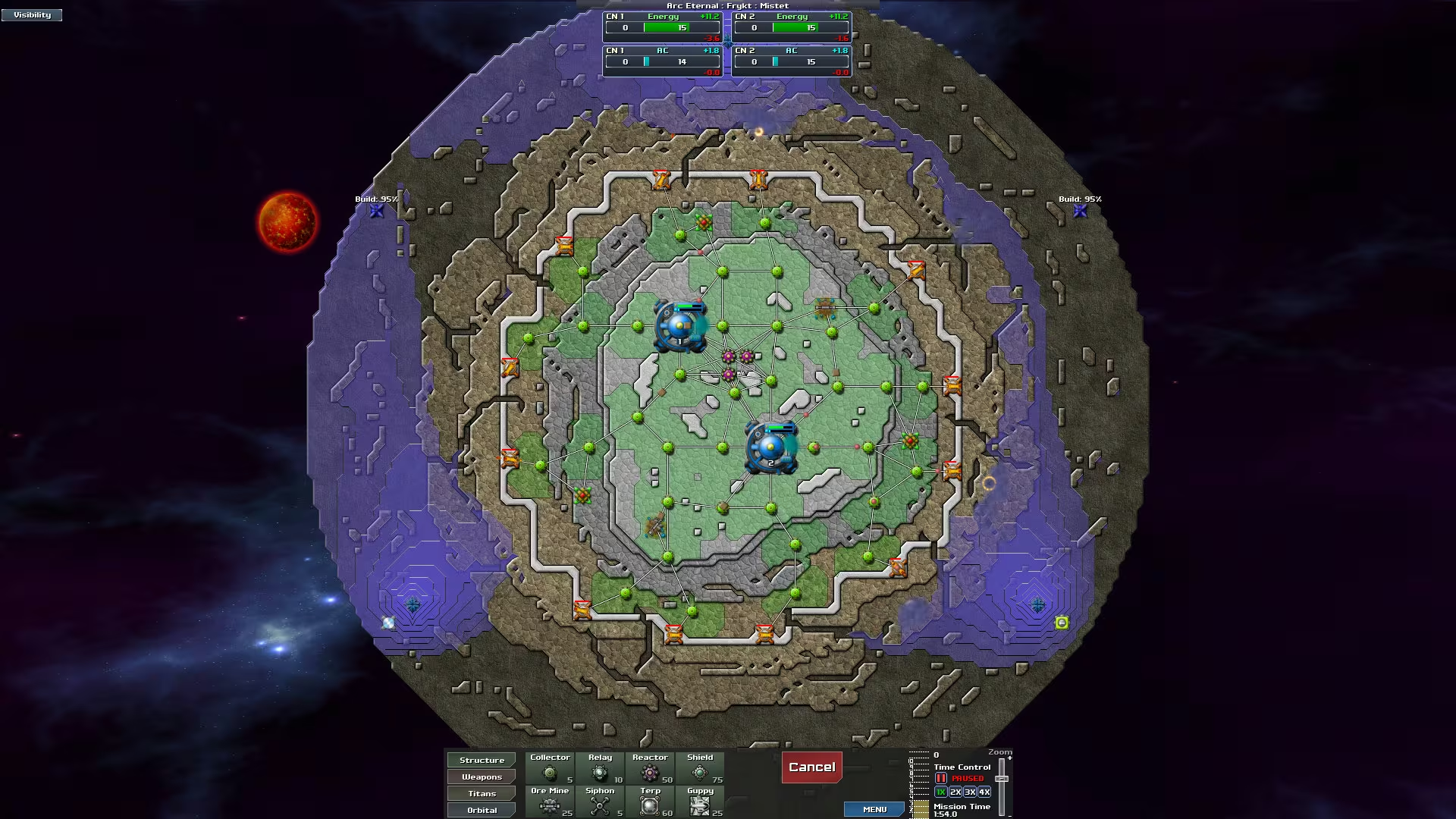
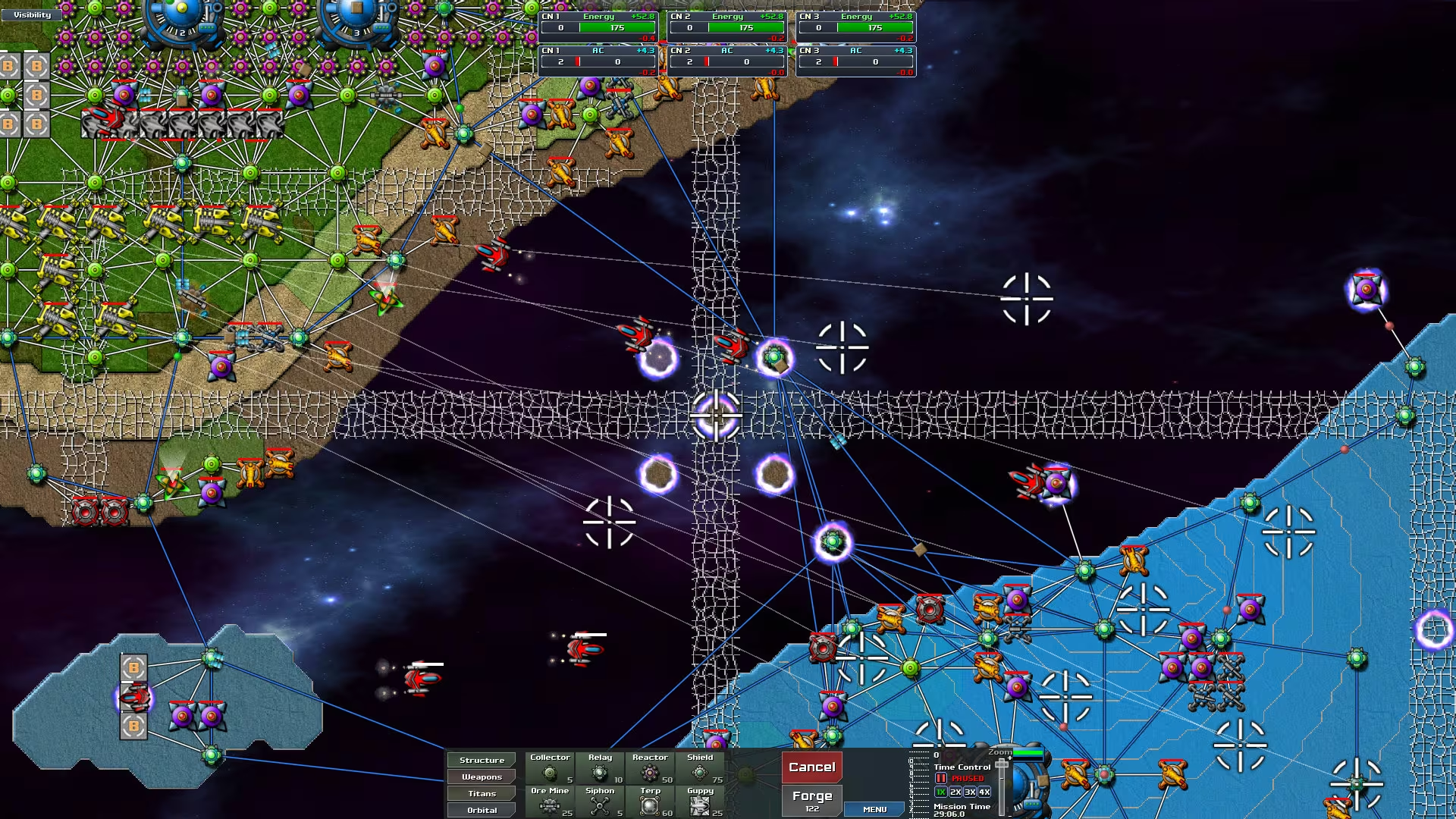
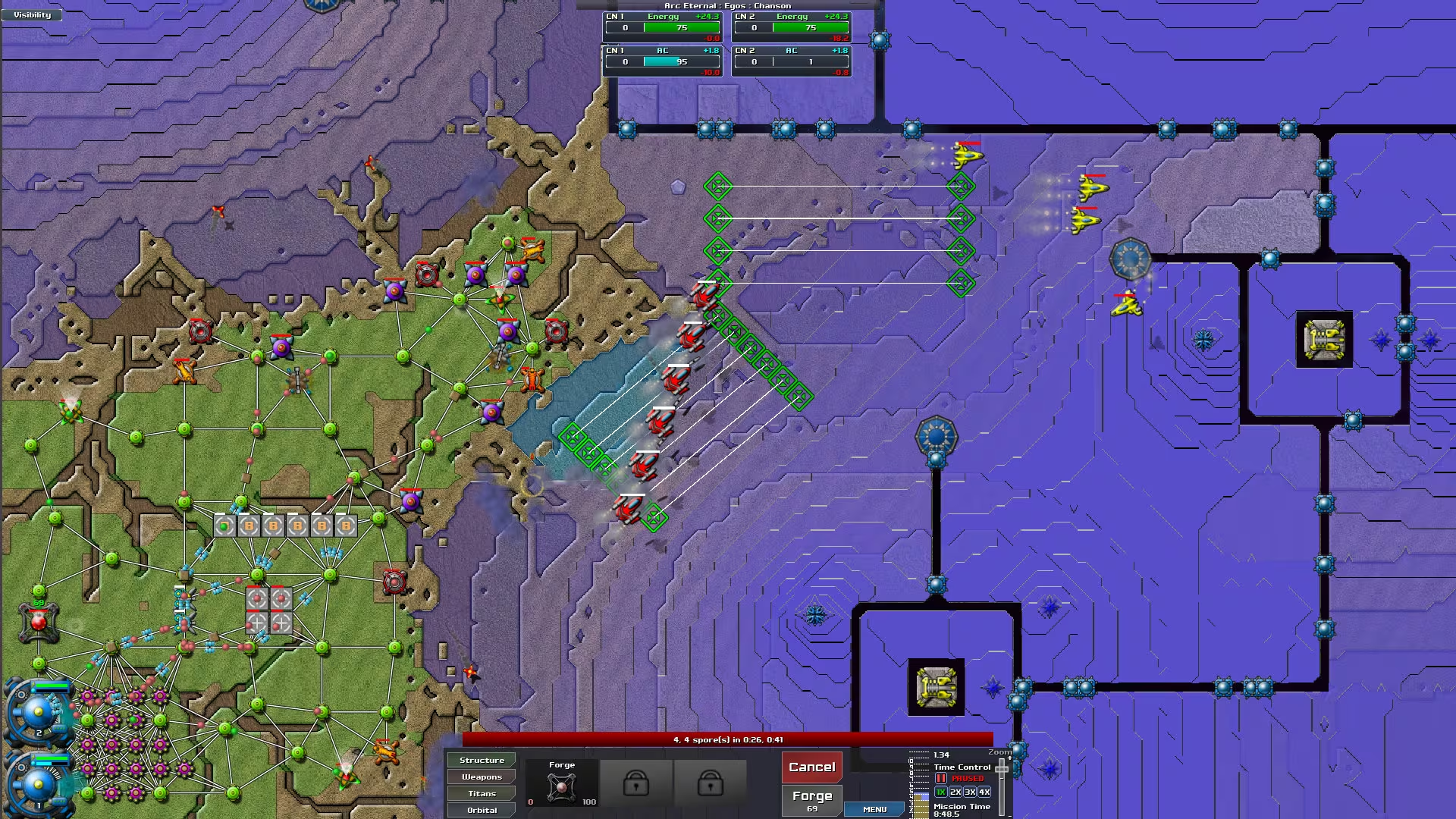
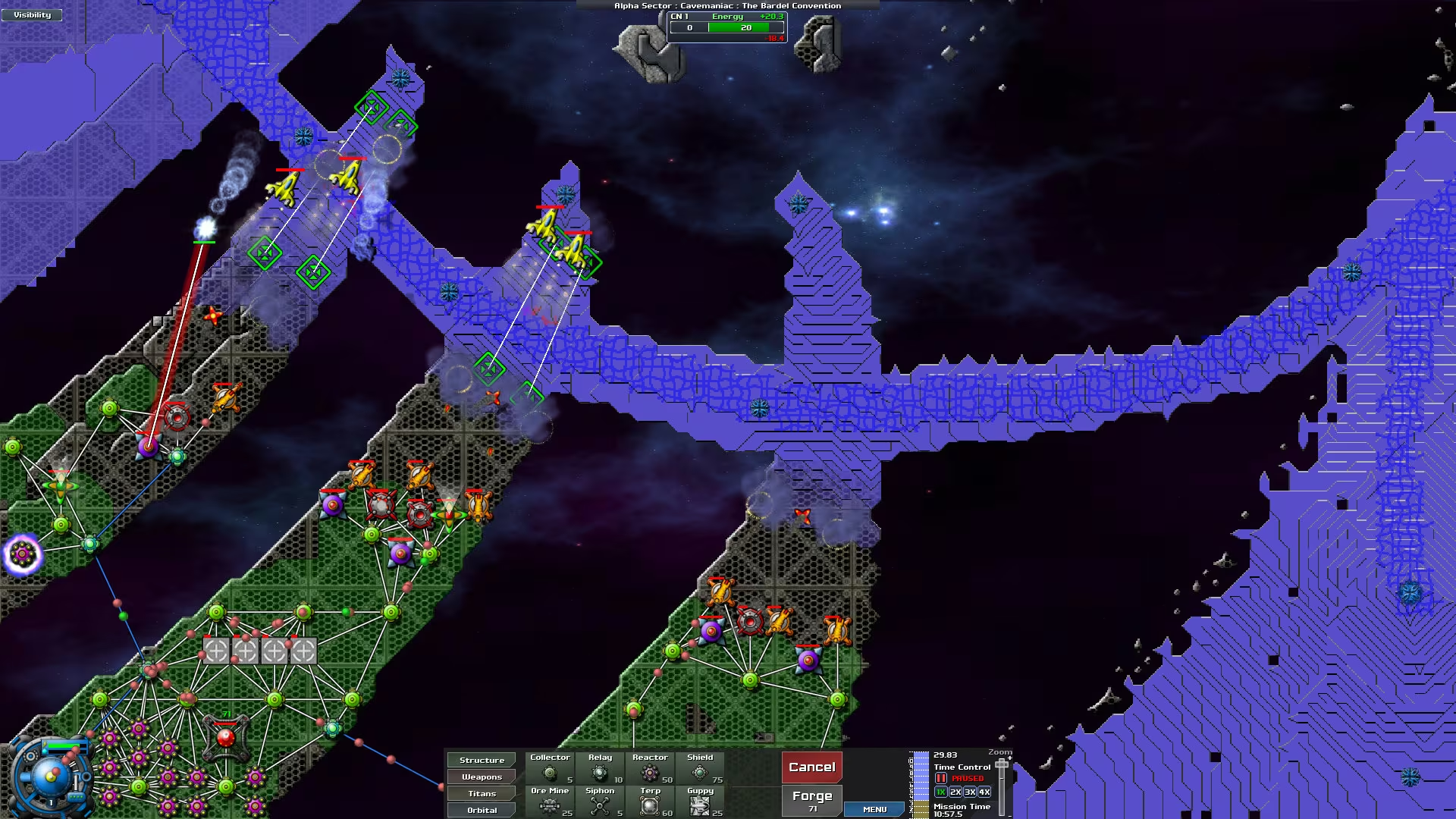
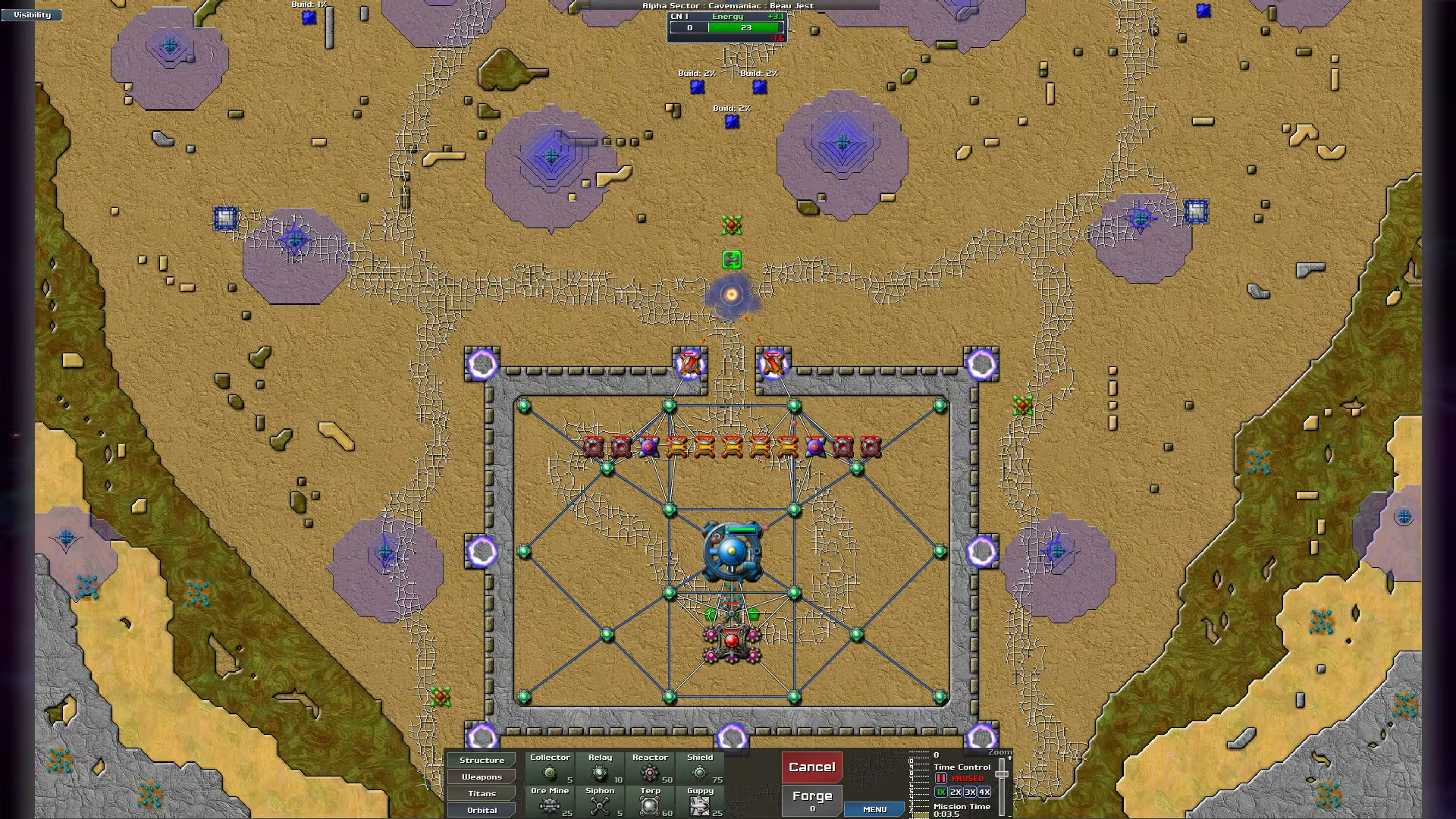
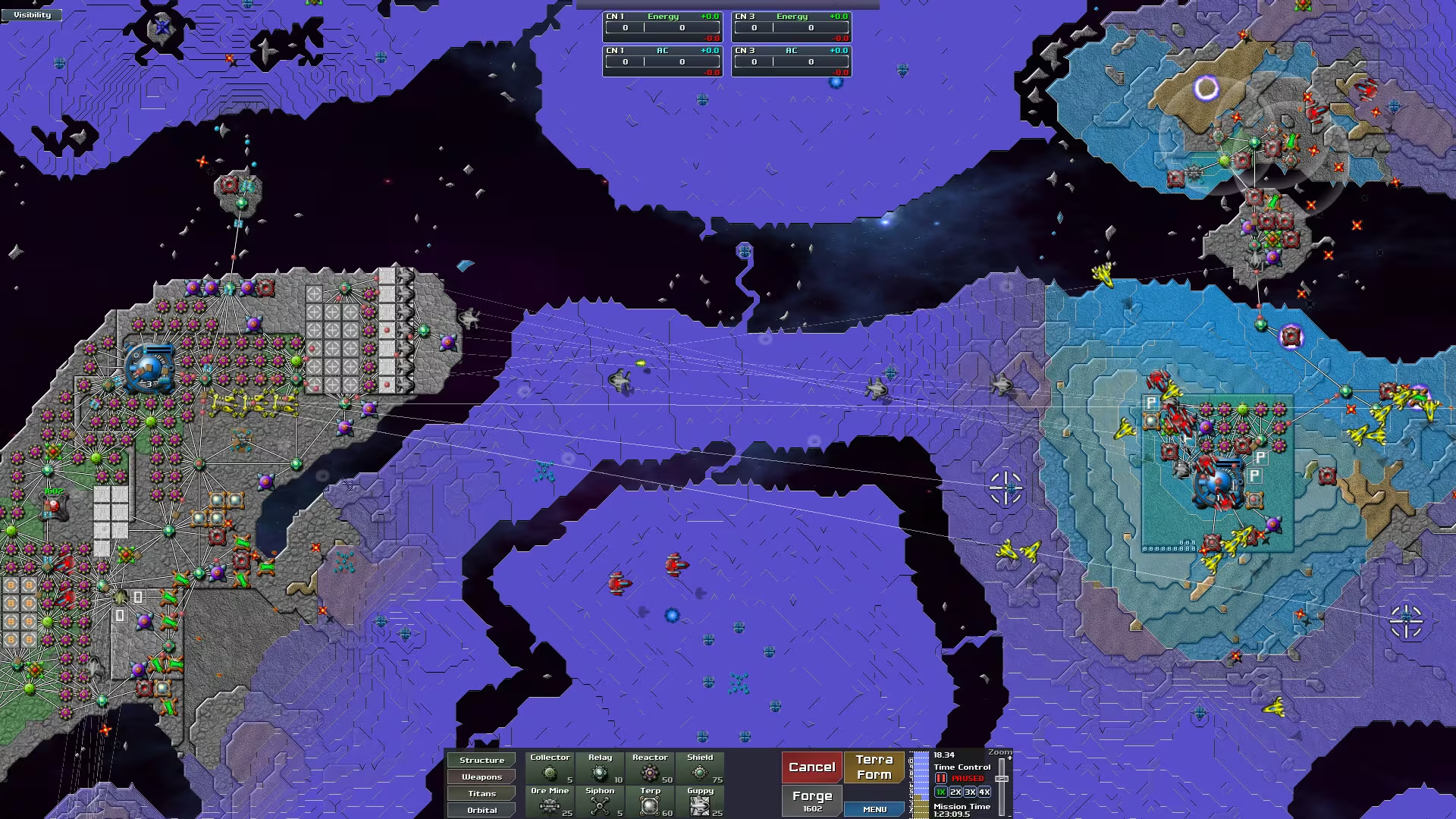
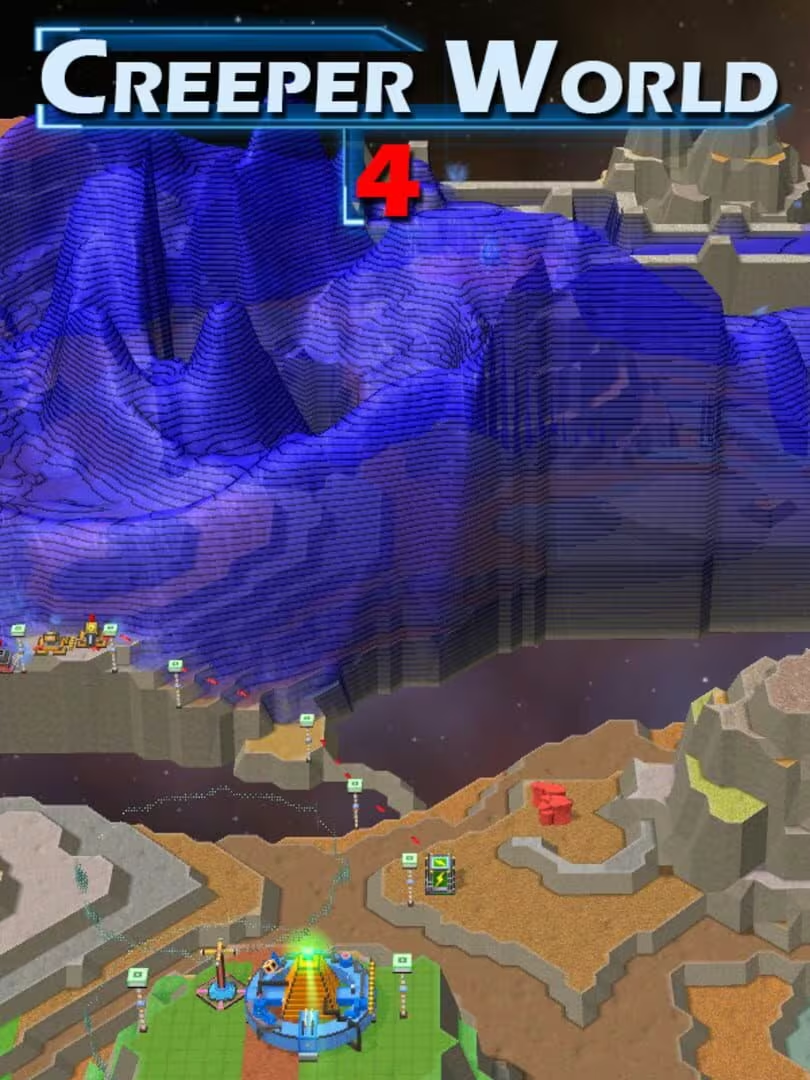
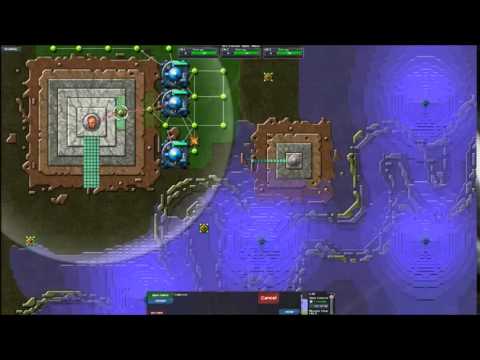
Creeper World 3 is what happens when cellular automata takes over a strategy simulation. Instead of discrete units that attack your base, a fluid-like substance spreads over the terraformable terrain. Your base, your weapons, your strategy... you must adapt them all.

Global score

96/100

Genres

Indie, Simulator, Strategy, Real Time Strategy (RTS), Puzzle

Similar games

    Pros

    • Unique and addictive gameplay
    • Extensive replayability with thousands of maps
    • Strategic depth and resource management
    • Engaging sci-fi story
    • Active community and map editor

    Cons

    • Graphics are simple and may deter some
    • No official difficulty settings
    • Long level durations may not suit all players
    • Lack of multiplayer cooperation
    • Some repetitive music and sound

    Analysis

    A very typical example of its motivational profile. Motivations that often define this kind of title include Competition, Status, Story, Expression. Here, the score leans higher than usual among comparable games on Story, Survival. It leans lower than usual among comparable games on Fellowship.

    How to use the graph
    Similar games map

    Each dot is a game. They are arranged from the same motivation profile as in the “Motivations” section below. Closer dots usually mean more similar reasons to play (exploration, competition, relaxation, etc.)—not that one game is “better” than another.

    • Larger dot with a light outline: the game you are viewing.
    • Colour: groups of games with comparable motivation patterns (statistical clusters).
    • Hover a dot to see the game name; click to open its page.
    • Scroll or double-click the chart to zoom out and see more games.

    Why don’t the axes read like a score? This view uses t-SNE: it only keeps who is close to whom. The scales are not “good to bad” or hours played—they separate groups on the map. Read distance between dots, not the axis numbers.

    Motivations

    • Autonomy
      4

      "Players have freedom to build and expand their base, choose strategies, and place units anywhere on the map."

    • Competence
      4

      "Game requires strategic planning, resource management, and skillful execution with increasing difficulty and complex mechanics."

    • Competition
      2

      "Leaderboards and speedrunning times encourage comparison, but gameplay is mostly single-player and self-paced."

    • Continuation
      5

      "Highly addictive with very long campaign, thousands of user maps, and endless replayability leading to habitual play."

    • Cooperation
      -4

      "Primarily single-player focused with limited or no cooperative multiplayer elements."

    • Creativity
      4

      "Players can create custom maps, modify terrain, and experiment with different strategies and unit placements."

    • Domination
      -3

      "Interactions are balanced and cooperative in nature; no evidence of power imposition or trash talk."

    • Escapism
      4

      "Provides immersive distraction through strategic gameplay and sci-fi story, allowing escape from real life."

    • Expectation
      -4

      "Players engage voluntarily out of intrinsic interest and enjoyment rather than obligation."

    • Experimenting
      4

      "Encourages trying new strategies, experimenting with terrain manipulation and unit placement."

    • Exploration
      3

      "Players explore new maps and user-created content with varied terrain and challenges."

    • Expression
      2

      "Some customization possible such as creeper color and map creation, but limited character or avatar personalization."

    • Fantasy
      3

      "Set in a sci-fi universe with imaginative enemy and story elements far from realistic scenarios."

    • Fellowship
      -3

      "Mostly solo play with minimal social interaction; community exists mainly through map sharing."

    • Growth
      4

      "Players learn and improve skills over time, mastering complex mechanics and strategies."

    • Health
      -4

      "Sedentary gameplay with long sessions and no physical activity involved."

    • Idle
      -4

      "Requires continuous attention and strategic thinking; not suitable for casual or background play."

    • Intimacy
      -4

      "No evidence of close social relationships or emotional sharing; interactions are minimal and surface-level."

    • Leadership
      Insufficient data
    • Progression
      4

      "Players accumulate resources, unlock units and upgrades, and progress through maps and challenges."

    • Relaxation
      3

      "Offers flow and catharsis through strategic planning and satisfying gameplay, though some tension exists."

    • Sensation
      2

      "Visual and auditory feedback is simple but satisfying; not highly stimulating but engaging."

    • Status
      1

      "Leaderboards provide some recognition, but social status is not a strong motivator."

    • Story
      3

      "Contains a sci-fi narrative with plot and characters that enhance immersion."

    • Strategy
      5

      "Core gameplay revolves around mental challenge, resource management, and tactical problem solving."

    • Thrill
      2

      "Some suspense and tension from managing resources and enemy pressure, but mostly controlled gameplay."

    • Value
      5

      "Extensive content and replayability provide excellent return on investment."

    • Violence
      1

      "Combat involves destroying enemy fluid and structures, but not gratuitous violence."

    • Survival
      4

      "Players must manage resources and defenses to survive against continuous enemy pressure."

    Last update: 29/04/2026