Creeper World 2: Anniversary Edition Thumbnail

Creeper World 2: Anniversary Edition similar games & best alternatives

Creeper World 2: Anniversary Edition

PC (Microsoft Windows) • 2016

Related articles

Quick resume

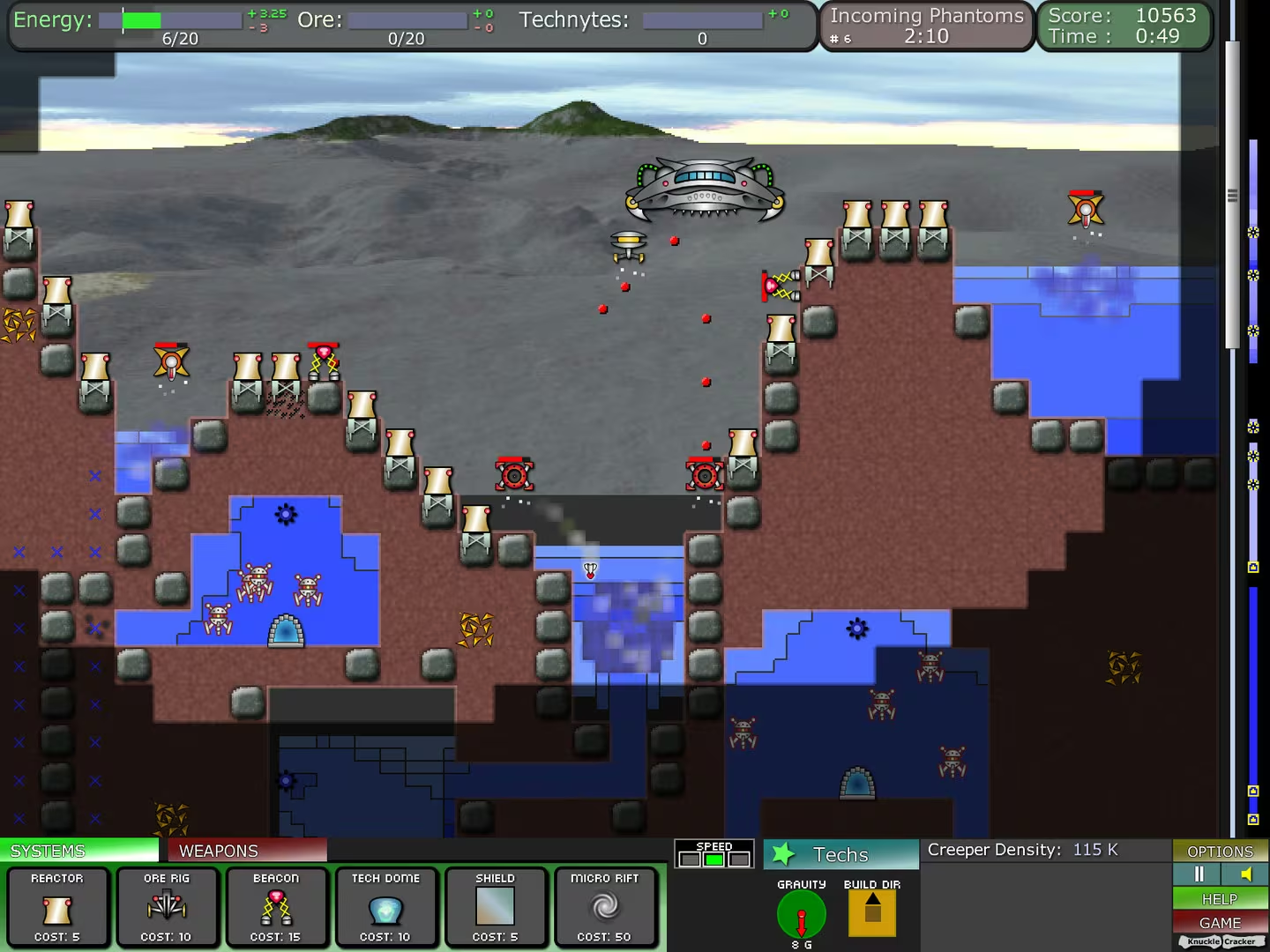
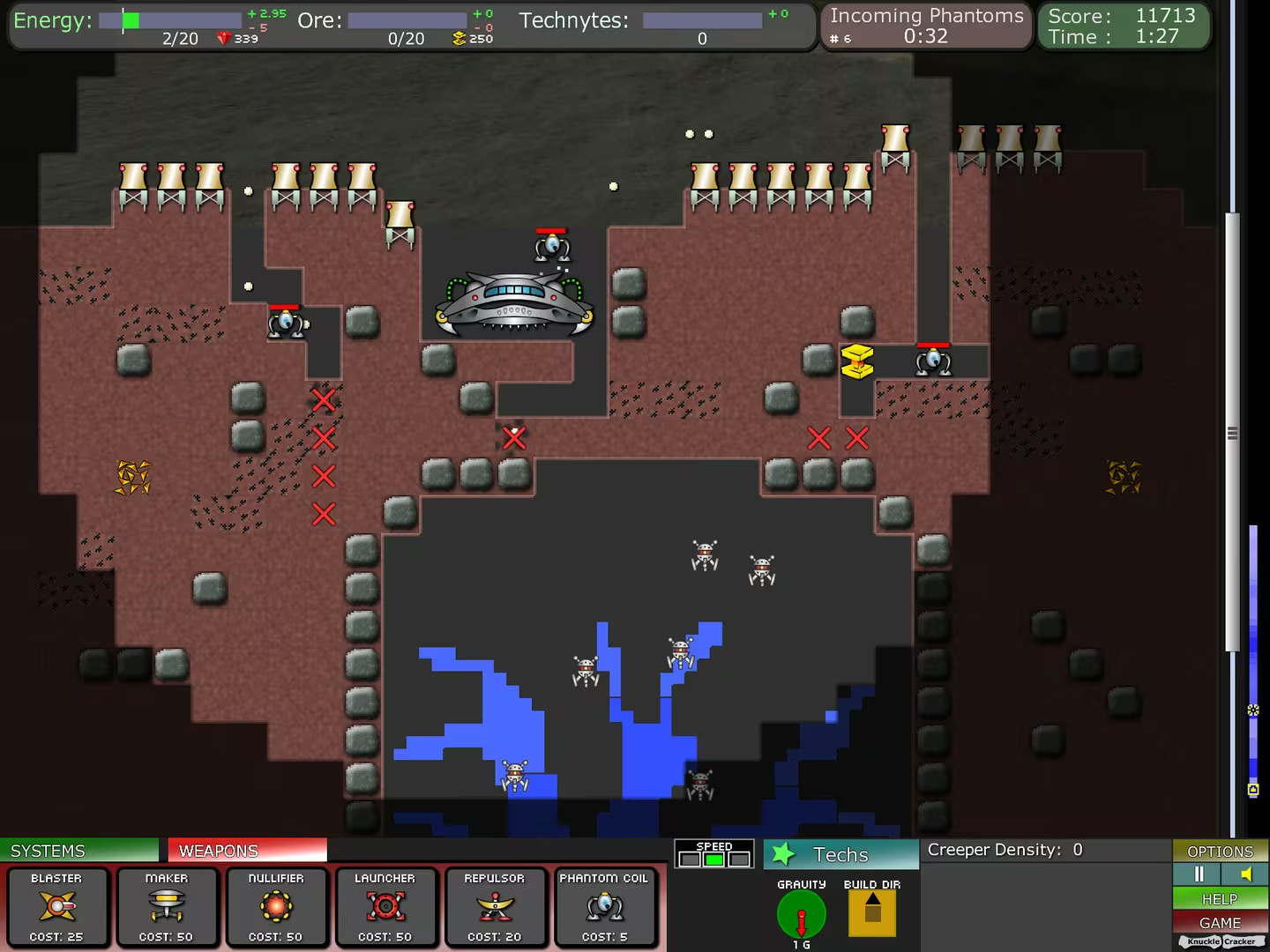
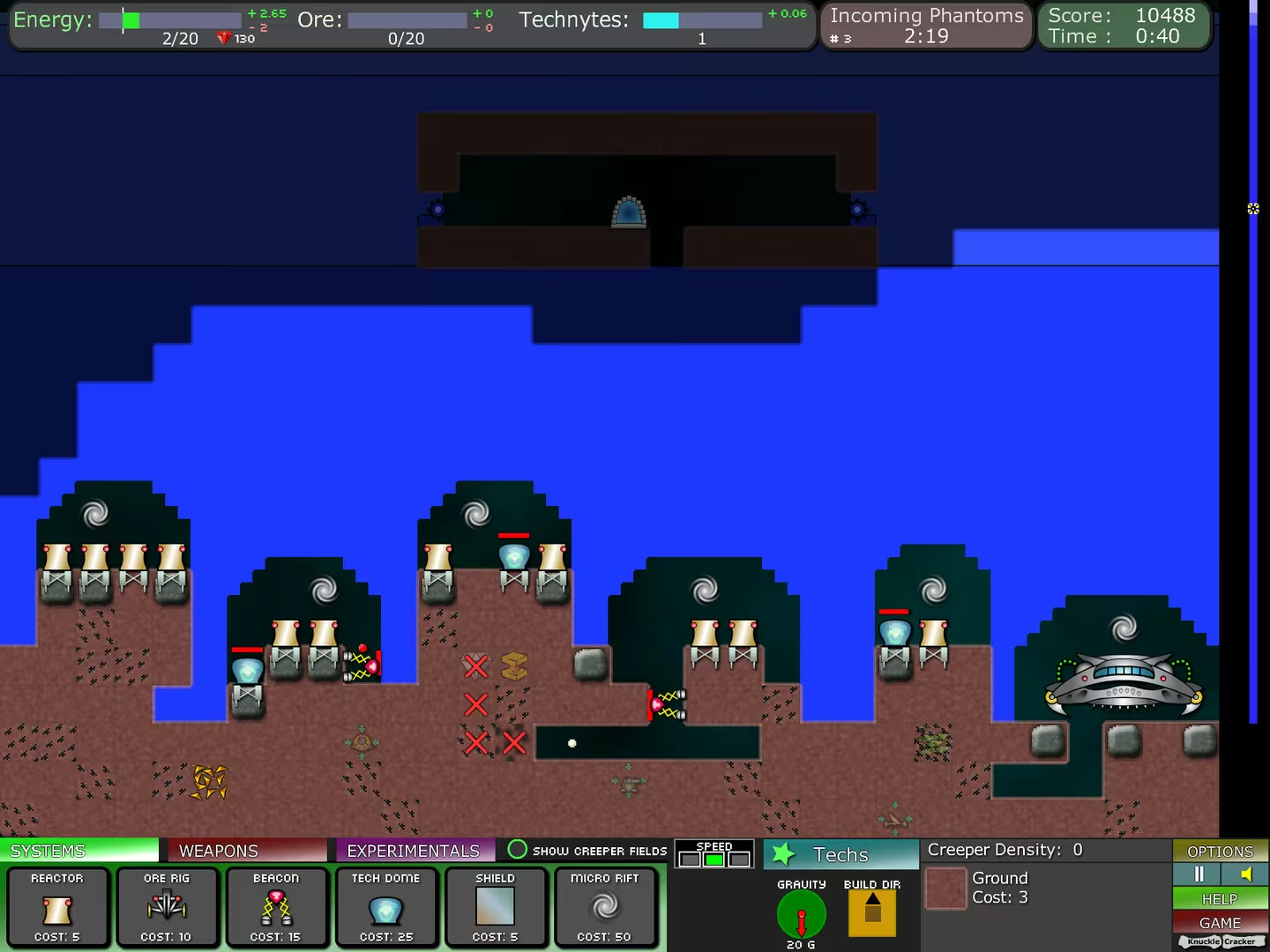
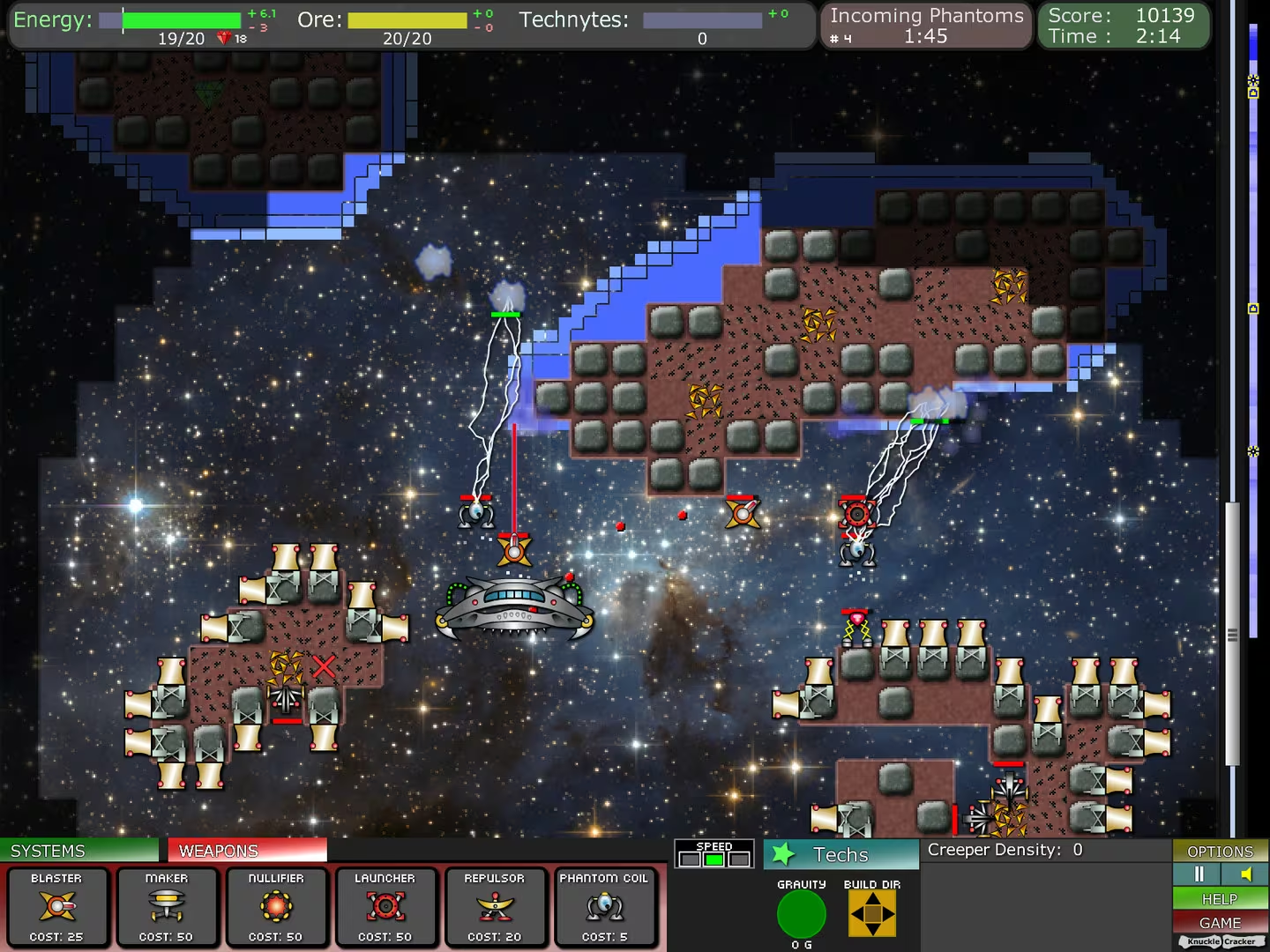
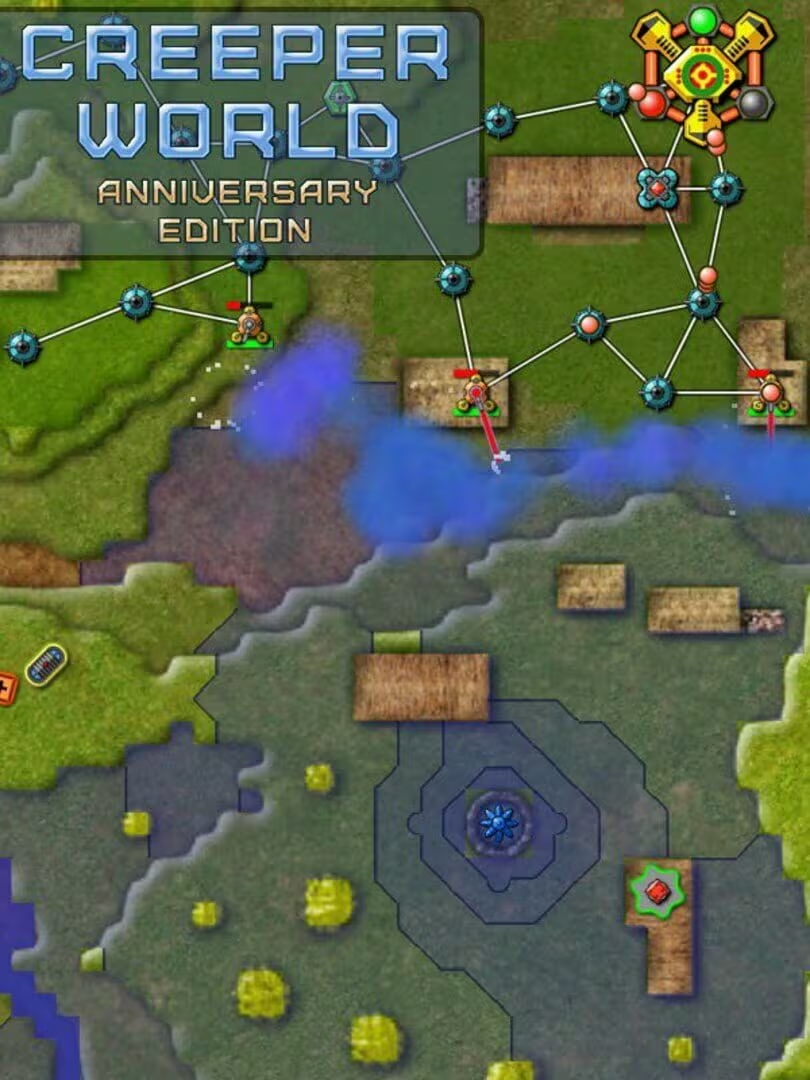
Deceptively simple... amazingly deep. Creeper World 2 thrusts you into the 14th millennium fighting and enemy that flows and oozes through the terrain. Employ advanced weapons,gravity manipulating repulsors, wormhole like rifts, and your own wit against this never yielding enemy.

Global score

90/100

Genres

Indie, Simulator, Strategy

Similar games

    Pros

    • Unique side-view gameplay twist
    • Deep strategic and tactical challenge
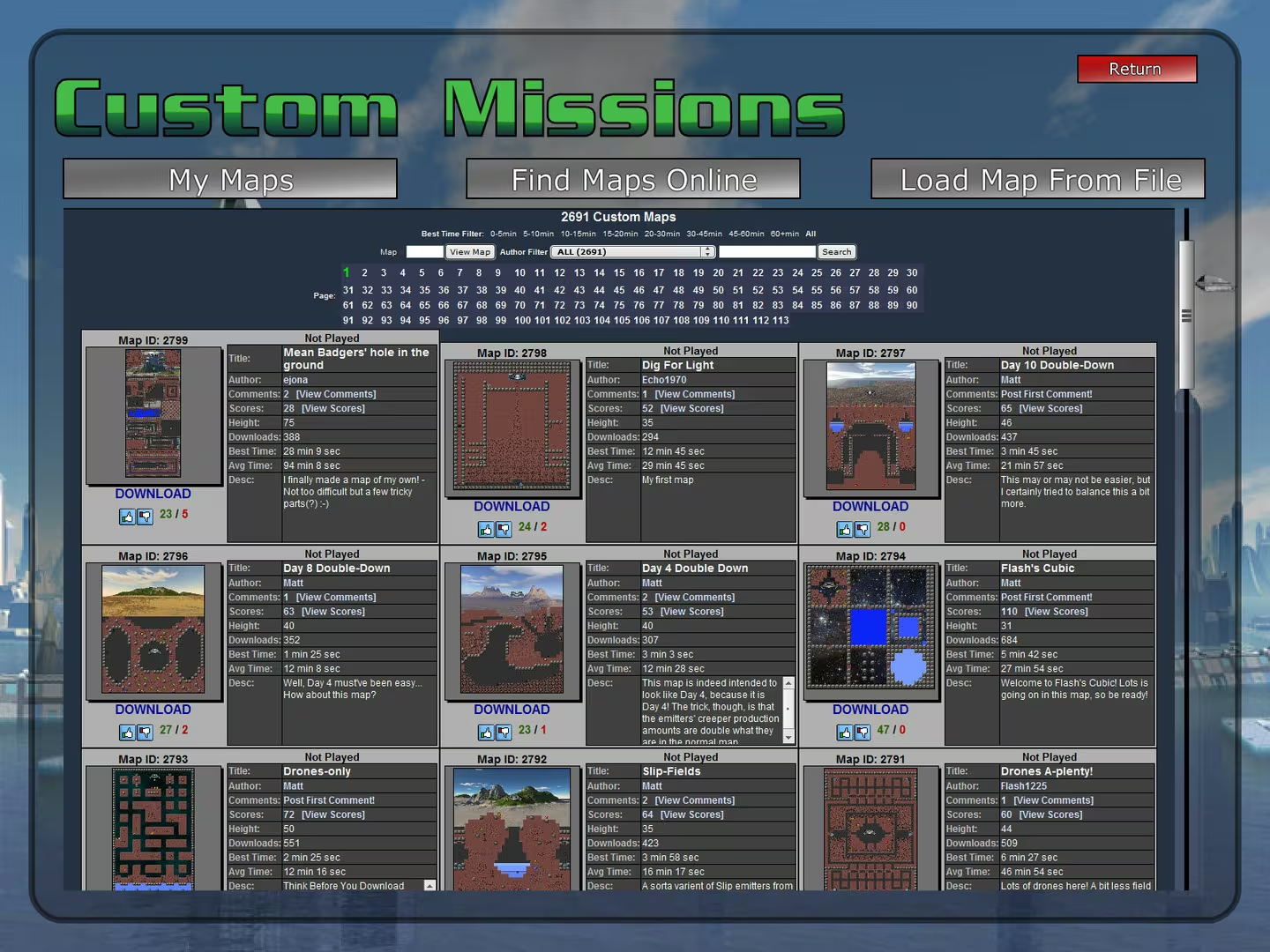
    • Extensive custom and random maps
    • Engaging story and lore
    • Excellent value for price

    Cons

    • Steep difficulty spikes late in campaign
    • Some ui and interface clunkiness
    • Limited multiplayer or social features
    • Graphics considered dated by some
    • Certain missions require trial and error

    Analysis

    Less representative of its motivational profile, with noticeable differences. Motivations that often define this kind of title include Fellowship, Cooperation, Leadership, Violence. Here, the score leans higher than usual among comparable games on Survival, Strategy. It leans lower than usual among comparable games on Expression.

    How to use the graph
    Similar games map

    Each dot is a game. They are arranged from the same motivation profile as in the “Motivations” section below. Closer dots usually mean more similar reasons to play (exploration, competition, relaxation, etc.)—not that one game is “better” than another.

    • Larger dot with a light outline: the game you are viewing.
    • Colour: groups of games with comparable motivation patterns (statistical clusters).
    • Hover a dot to see the game name; click to open its page.
    • Scroll or double-click the chart to zoom out and see more games.

    Why don’t the axes read like a score? This view uses t-SNE: it only keeps who is close to whom. The scales are not “good to bad” or hours played—they separate groups on the map. Read distance between dots, not the axis numbers.

    Motivations

    • Autonomy
      4

      "Players have freedom to build, dig terrain, and choose strategies; some levels funnel players into specific approaches but overall high player control."

    • Competence
      4

      "Challenging gameplay with skillful resource and unit management; difficulty spikes require mastery and strategic thinking."

    • Competition
      -3

      "Focus is on single-player campaign and custom maps; no multiplayer or ranked modes mentioned."

    • Continuation
      4

      "Many players report habitual play, replaying levels, and engaging with custom and random maps for extended play."

    • Cooperation
      -5

      "Entirely single-player experience with no cooperative gameplay elements."

    • Creativity
      3

      "Players can create custom maps and experiment with different strategies and terrain modifications."

    • Domination
      -5

      "No evidence of exerting control over others; gameplay is solo and non-competitive."

    • Escapism
      3

      "Players use the game as a relaxing and engaging distraction, escaping into strategic challenges."

    • Expectation
      -4

      "Players engage voluntarily out of interest and enjoyment, no obligation or external pressure noted."

    • Experimenting
      4

      "Game encourages trying new tactics, exploring mechanics like gravity and terrain destruction, and using new units."

    • Exploration
      2

      "Players explore new maps, including randomly generated and user-created levels, though within defined environments."

    • Expression
      -3

      "Limited customization beyond map creation; no character or avatar personalization described."

    • Fantasy
      3

      "Fictional sci-fi setting with imaginative elements like alien fluid enemies and futuristic technology."

    • Fellowship
      -4

      "Minimal social interaction; focus is on solo play and individual achievements."

    • Growth
      4

      "Players develop strategic skills and learn complex mechanics through challenging levels and experimentation."

    • Health
      -4

      "Sedentary gameplay typical of RTS games; no physical activity or health-related features."

    • Idle
      -3

      "Requires focused attention and active management; not suitable for passive or background play."

    • Intimacy
      -5

      "No social or emotional relationship building; purely individual gameplay."

    • Leadership
      -5

      "No leadership or group management roles; player controls only their own units."

    • Progression
      4

      "Players accumulate resources, unlock units and upgrades, and progress through increasingly difficult missions."

    • Relaxation
      2

      "Some players find the game relaxing and satisfying, though difficulty spikes create tension at times."

    • Sensation
      2

      "Soundtrack and visual effects provide enjoyable sensory stimulation but not intense excitement."

    • Status
      -4

      "No social recognition or ranking systems; achievements are personal and not publicly ranked."

    • Story
      3

      "Narrative with characters and lore present, though some players skip story; story enhances immersion."

    • Strategy
      5

      "Core gameplay is strategic resource management, tactical positioning, and problem solving under pressure."

    • Thrill
      3

      "Difficulty spikes and timed missions create suspense and tension, providing thrilling moments."

    • Value
      4

      "Highly praised for value, with many hours of gameplay, custom content, and replayability for a low price."

    • Violence
      2

      "Combat involves destroying enemy fluid and emitters with weapons; violence is abstract and strategic."

    • Survival
      4

      "Players must manage resources and defend bases to survive waves of enemy fluid and timed threats."

    Last update: 29/04/2026