CURE - A Hospital Simulator Thumbnail

CURE - A Hospital Simulator similar games & best alternatives
CURE - A Hospital Simulator

PC (Microsoft Windows) • 2025

Related articles

Quick resume

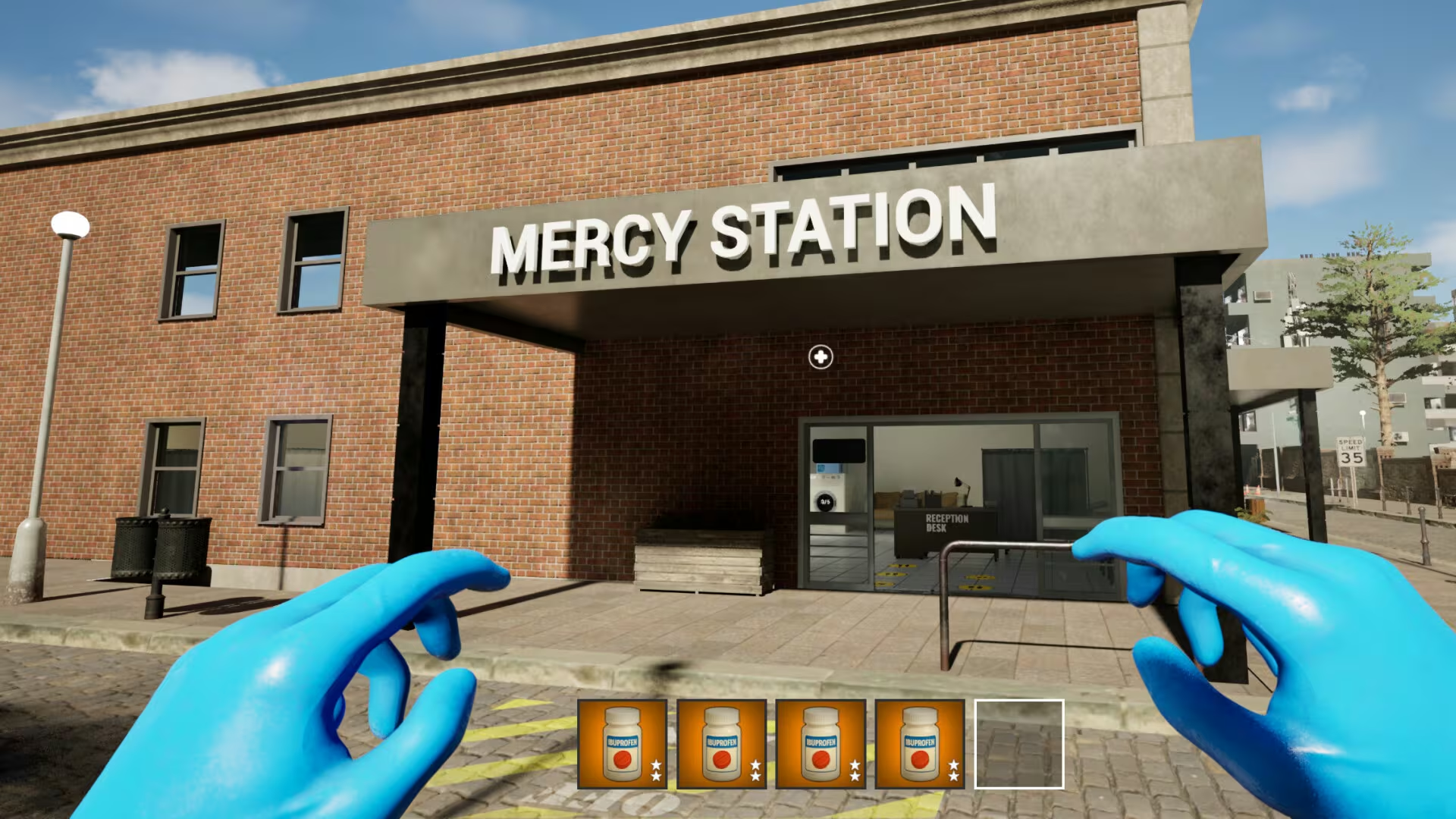
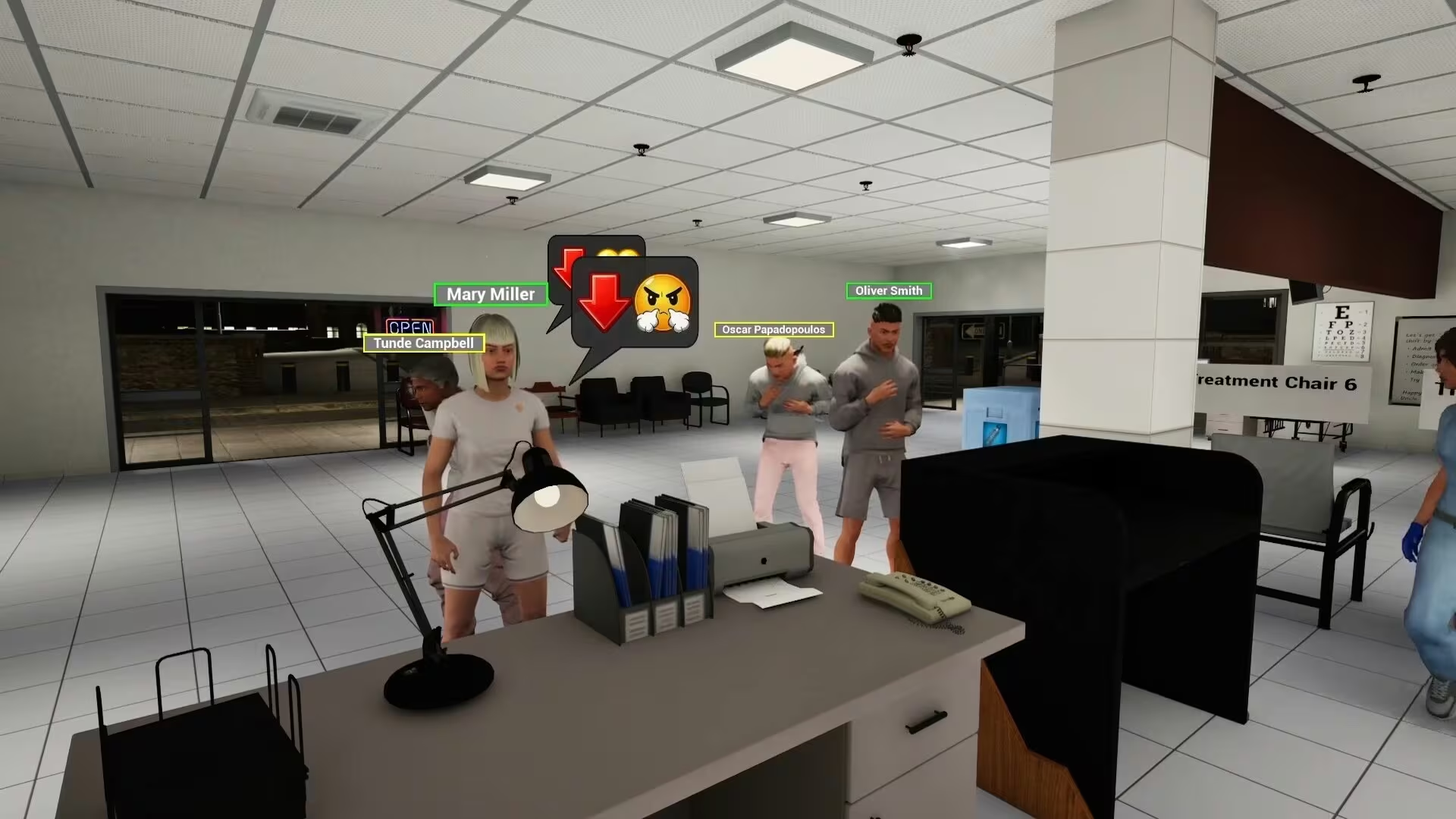
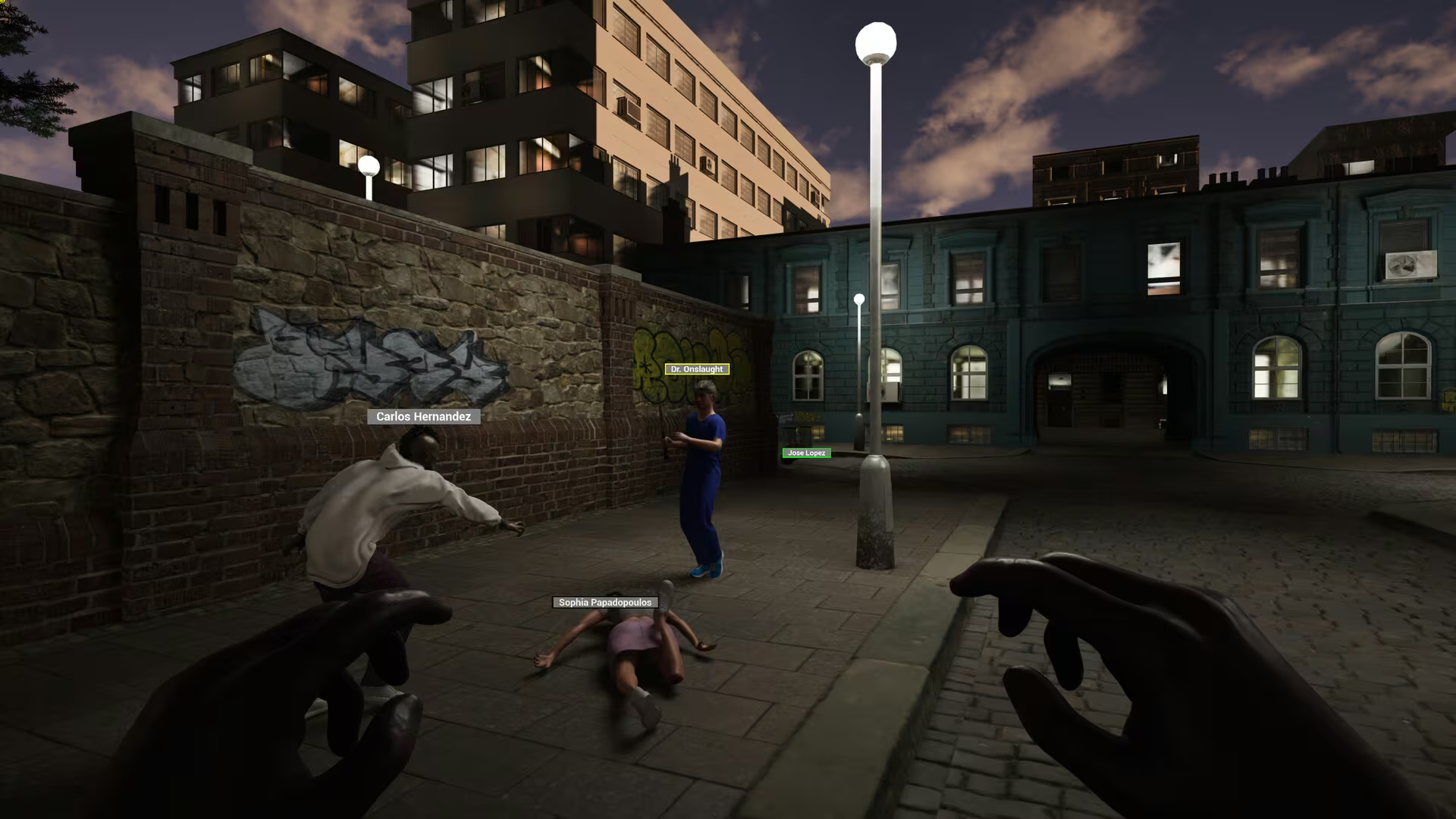
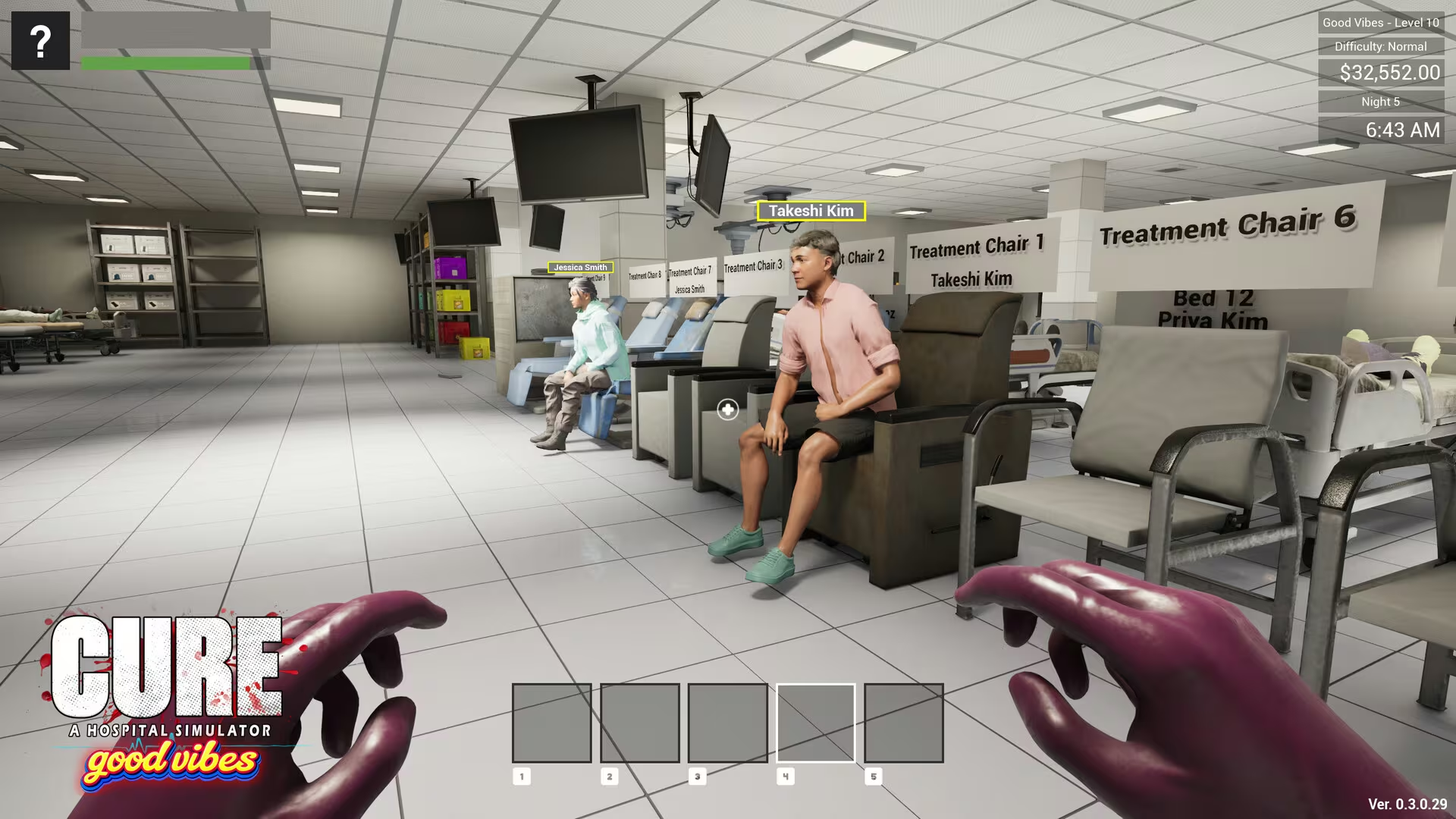
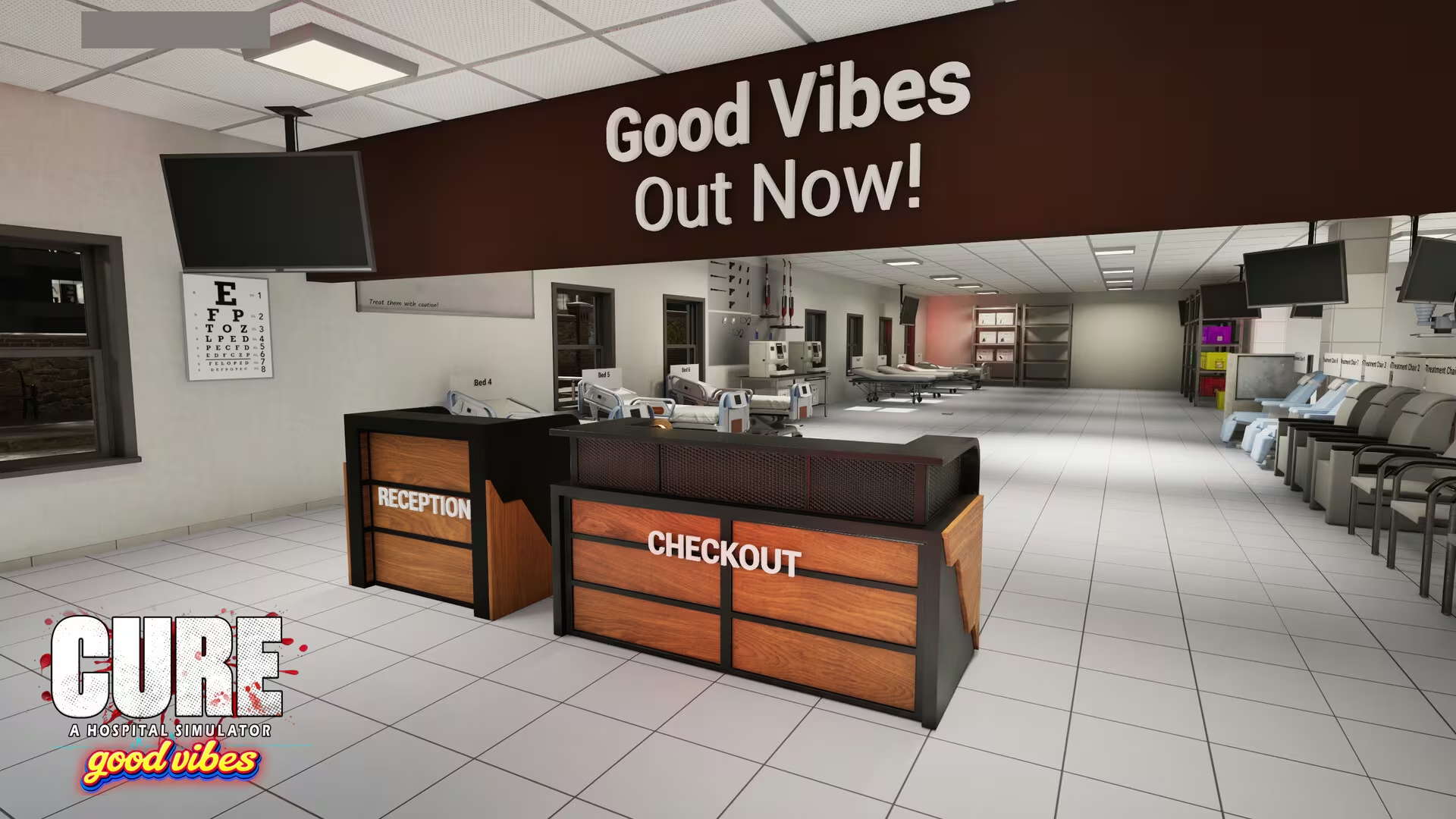
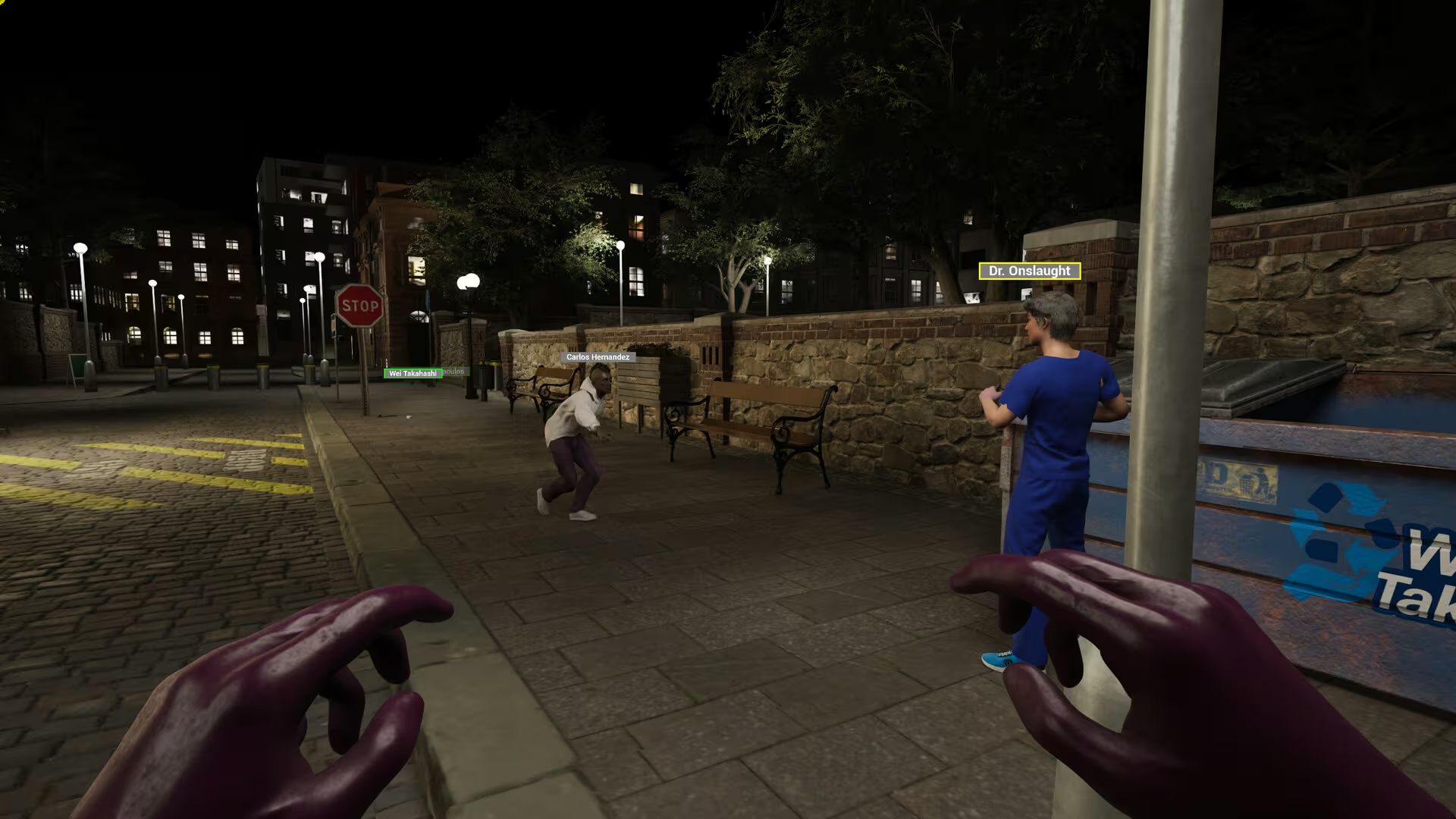
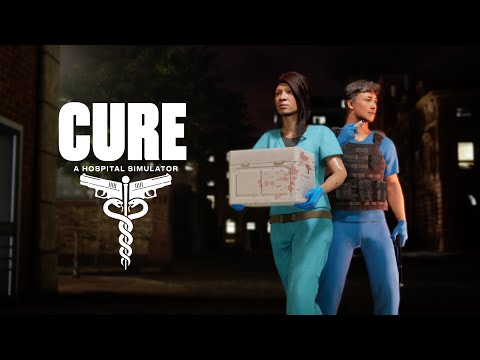
Manage an ER during the apocalypse, solo or with friends online: diagnose patients, design and grow your hospital, and defend against the undead while treating the living. Integrate with Twitch chat for even more fun!

Global score

90/100

Genres

Simulator, Early Access, Action, Strategy, Indie

Similar games

    Pros

    • Addictive and compelling gameplay loop
    • Strong multiplayer cooperation and community
    • Active and responsive developers
    • Unique blend of hospital sim and zombie chaos
    • Good value for price and time

    Cons

    • Bugs and glitches in early access
    • Limited npc automation for solo play
    • Some repetitive elements and grind
    • Hospital customization options limited
    • Inventory and control interface needs refinement

    Analysis

    A very typical example of its motivational profile. Motivations that often define this kind of title include Cooperation, Fellowship, Intimacy, Leadership. Here, the score leans higher than usual among comparable games on Leadership. It leans lower than usual among comparable games on Exploration, Competition.

    How to use the graph
    Similar games map

    Each dot is a game. They are arranged from the same motivation profile as in the “Motivations” section below. Closer dots usually mean more similar reasons to play (exploration, competition, relaxation, etc.)—not that one game is “better” than another.

    • Larger dot with a light outline: the game you are viewing.
    • Colour: groups of games with comparable motivation patterns (statistical clusters).
    • Hover a dot to see the game name; click to open its page.
    • Scroll or double-click the chart to zoom out and see more games.

    Why don’t the axes read like a score? This view uses t-SNE: it only keeps who is close to whom. The scales are not “good to bad” or hours played—they separate groups on the map. Read distance between dots, not the axis numbers.

    Motivations

    • Autonomy
      4

      "Players have control over hospital layout, treatment choices, and gameplay style; some routine tasks but largely self-directed."

    • Competence
      3

      "Players engage in skillful diagnosis, treatment, and management with increasing challenge and feedback."

    • Competition
      -3

      "Focus is on cooperative and personal progress rather than competitive ranking or leaderboards."

    • Continuation
      4

      "Many players report addictive gameplay loops and long play sessions, especially with friends."

    • Cooperation
      4

      "Strong emphasis on multiplayer teamwork and coordination; cooperation enhances experience."

    • Creativity
      2

      "Players can customize hospital layout and upgrade items, but limited decorative options currently."

    • Domination
      -4

      "Interactions emphasize shared teamwork and mutual respect; some disruptive players noted but not core."

    • Escapism
      4

      "Players use the game as a fun distraction and stress relief with chaotic and humorous scenarios."

    • Expectation
      -4

      "Players engage voluntarily out of intrinsic interest and enjoyment rather than obligation."

    • Experimenting
      3

      "Players try different layouts, strategies, and approaches to diagnosis and treatment."

    • Exploration
      1

      "Some discovery in managing hospital expansion and new tools, but limited open-world exploration."

    • Expression
      1

      "Limited character customization; some hospital design freedom but few cosmetic options."

    • Fantasy
      3

      "Imaginative fiction with zombies and exaggerated medical scenarios blended with realistic elements."

    • Fellowship
      4

      "Strong community and social play focus, especially in multiplayer and streaming integration."

    • Growth
      3

      "Players learn medical concepts, improve management skills, and develop strategies over time."

    • Health
      -5

      "Primarily sedentary gameplay with no physical activity or health-related exercise."

    • Idle
      -4

      "Requires constant attention and active management; not suited for passive or background play."

    • Intimacy
      2

      "Some social interaction and camaraderie in multiplayer, but limited close emotional relationships."

    • Leadership
      3

      "Players often coordinate roles and guide team efforts in multiplayer hospital management."

    • Progression
      4

      "Clear progression through hospital upgrades, better equipment, and expanding gameplay complexity."

    • Relaxation
      1

      "Mix of relaxing management and moments of tension from zombie outbreaks and time pressure."

    • Sensation
      2

      "Moderate sensory stimulation with engaging visuals and chaotic gameplay moments."

    • Status
      -3

      "Focus on personal and cooperative achievement rather than social recognition or popularity."

    • Story
      1

      "Some narrative elements and lore, but gameplay is mostly activity-focused without deep story."

    • Strategy
      4

      "Requires planning, problem solving, and strategic decision-making in resource and patient management."

    • Thrill
      3

      "Enjoyment from suspenseful zombie attacks and chaotic emergency situations."

    • Value
      4

      "Players perceive good value for money and time invested, especially given active development."

    • Violence
      2

      "Includes combat against zombies, but balanced with constructive hospital management."

    • Survival
      3

      "Gameplay involves managing threats, avoiding failure, and strategic defense against outbreaks."

    Last update: 29/04/2026