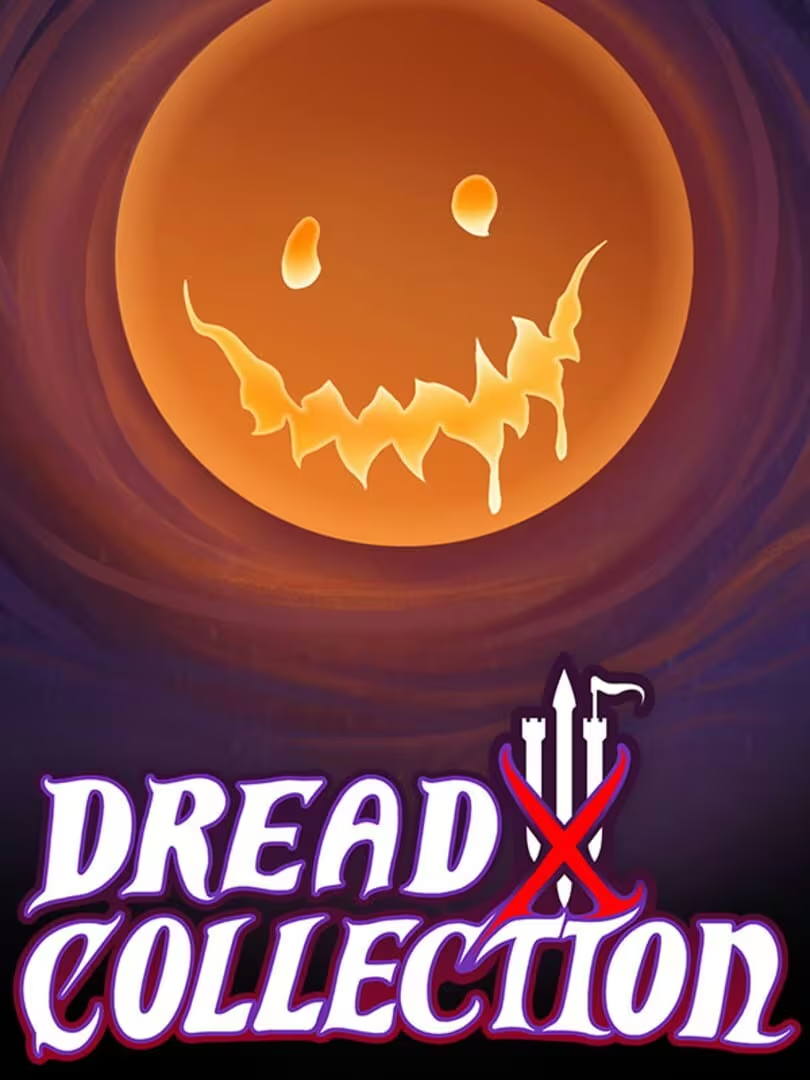
Dread X Collection Thumbnail

Dread X Collection similar games & best alternatives

Dread X Collection

PC (Microsoft Windows) • 2020

Related articles

Quick resume

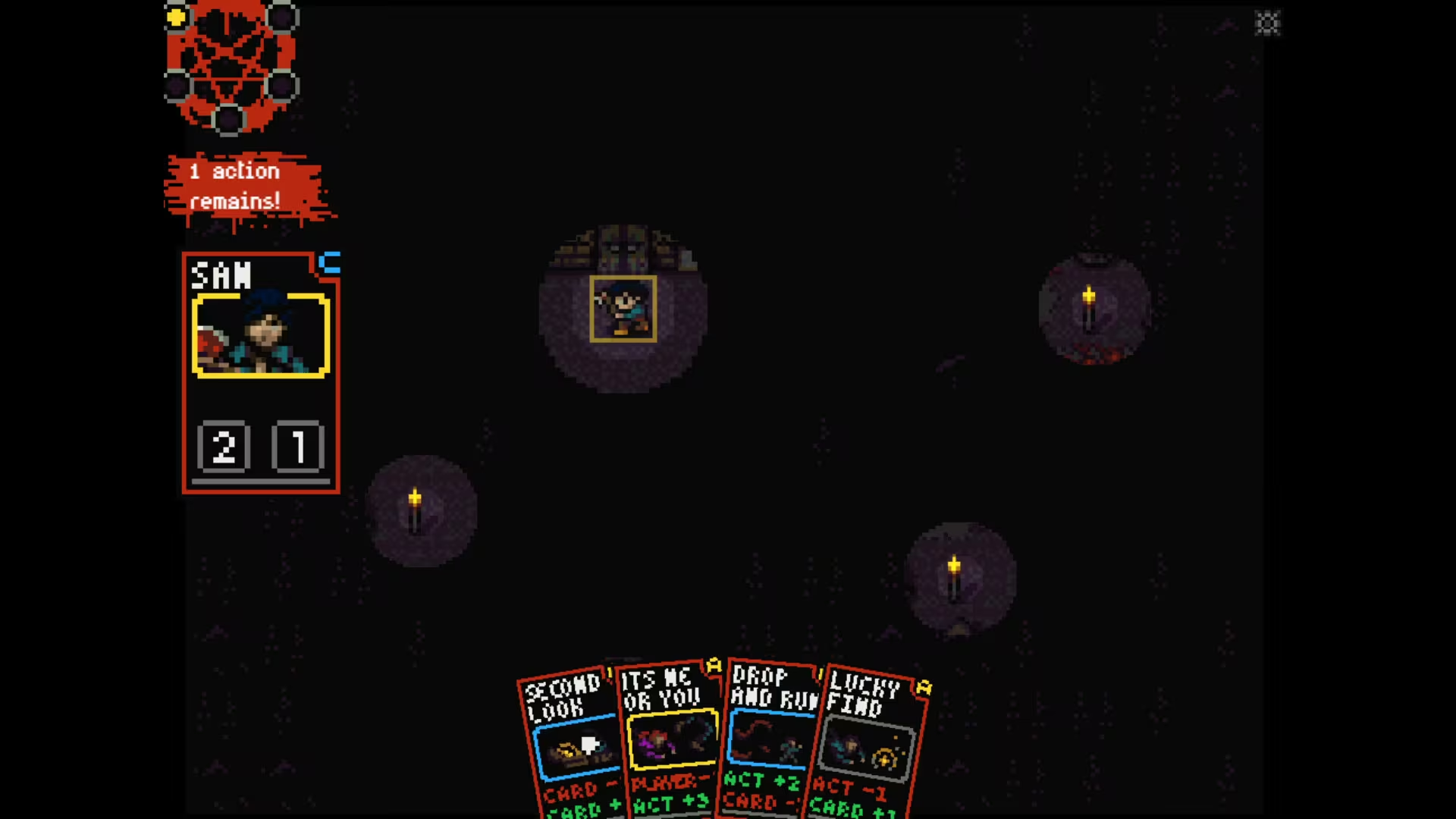
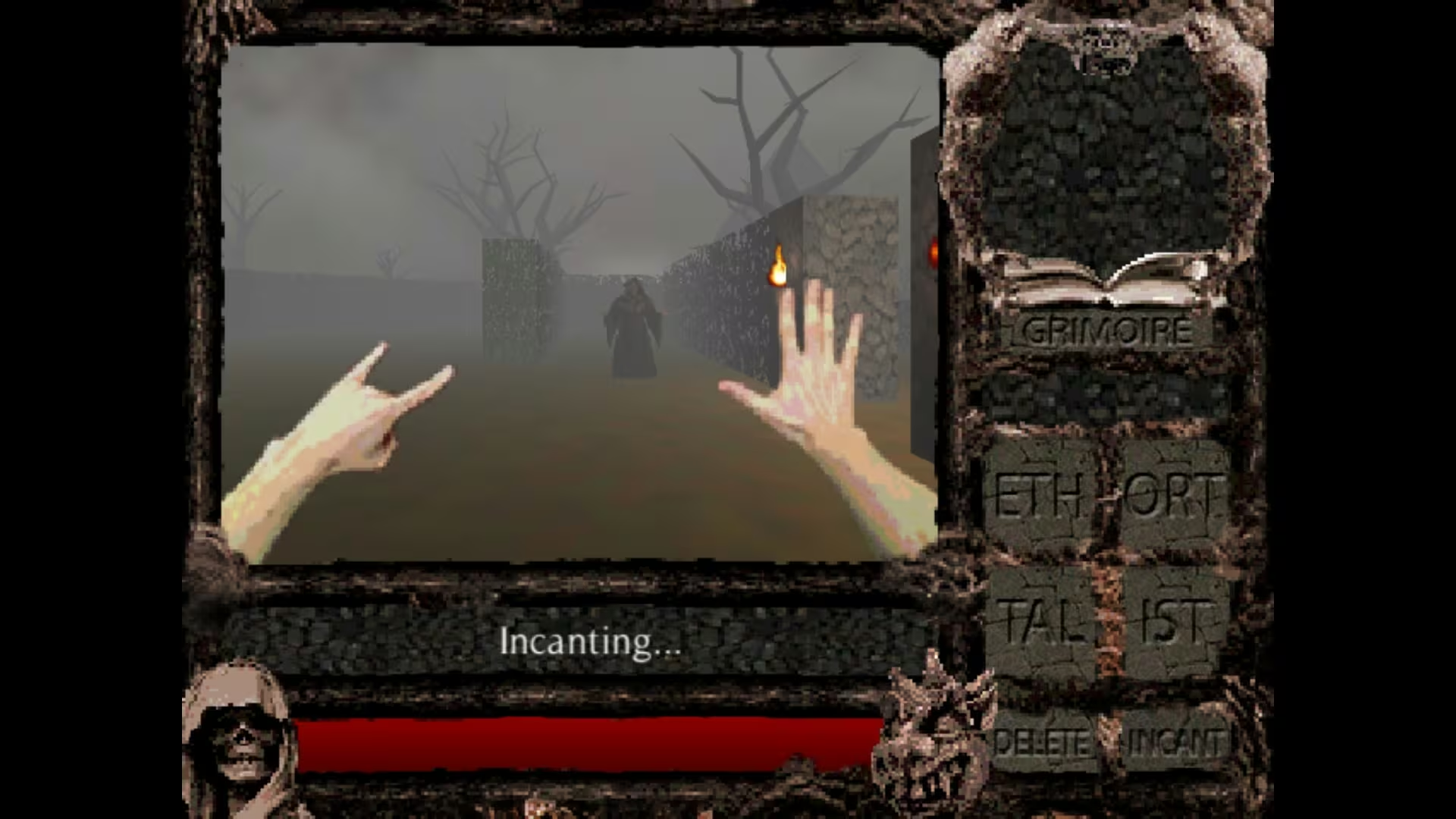
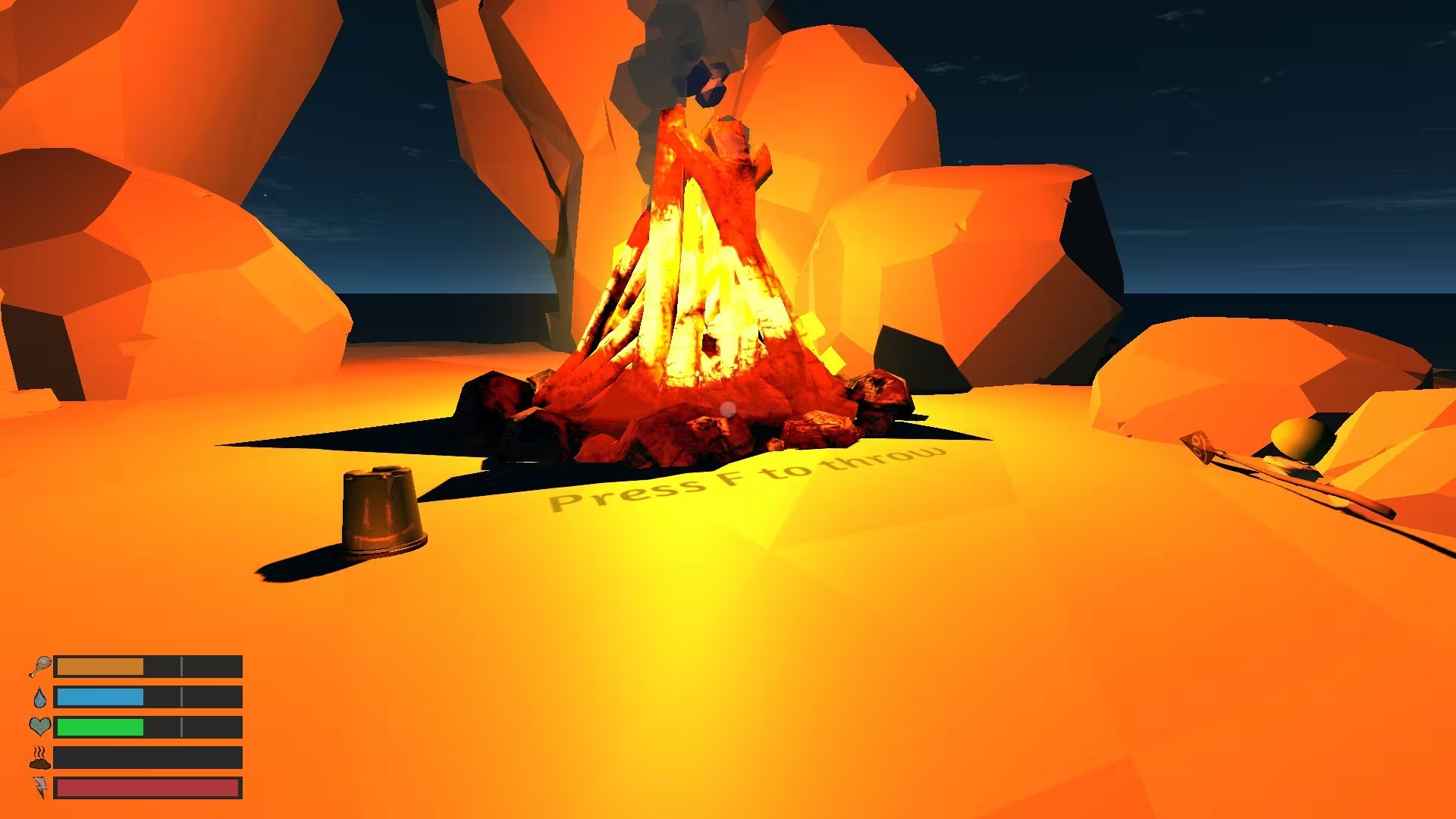
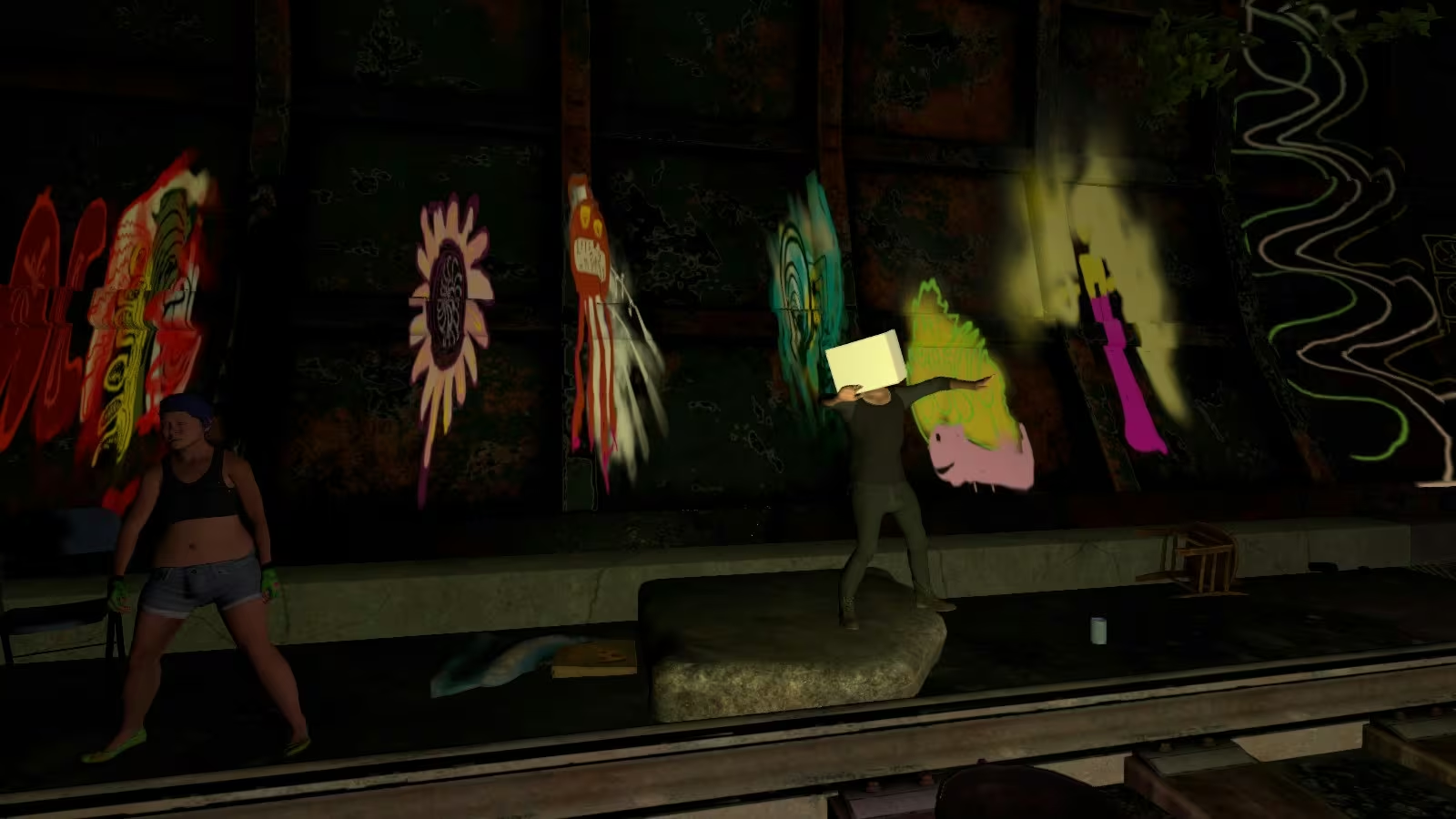
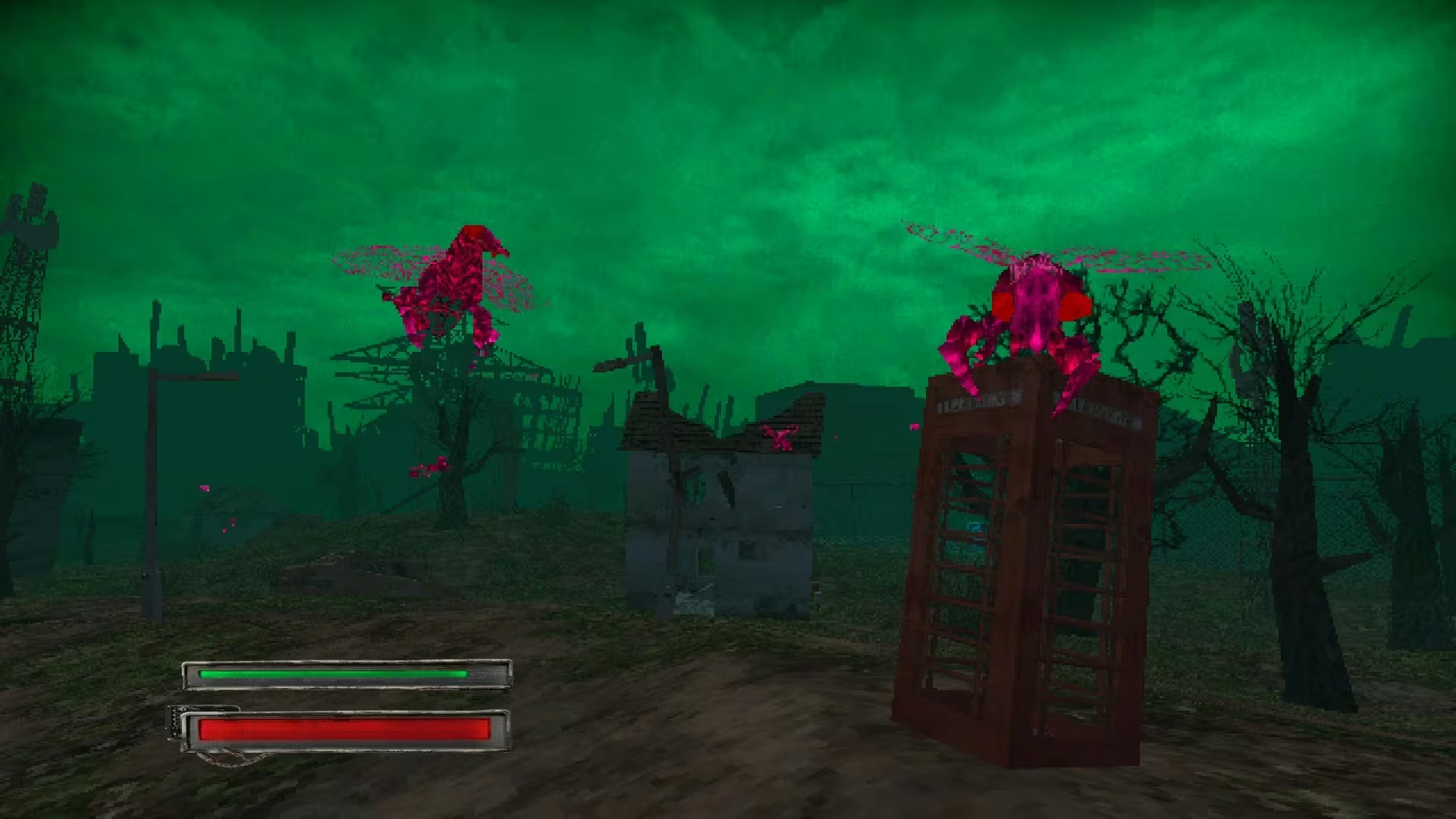
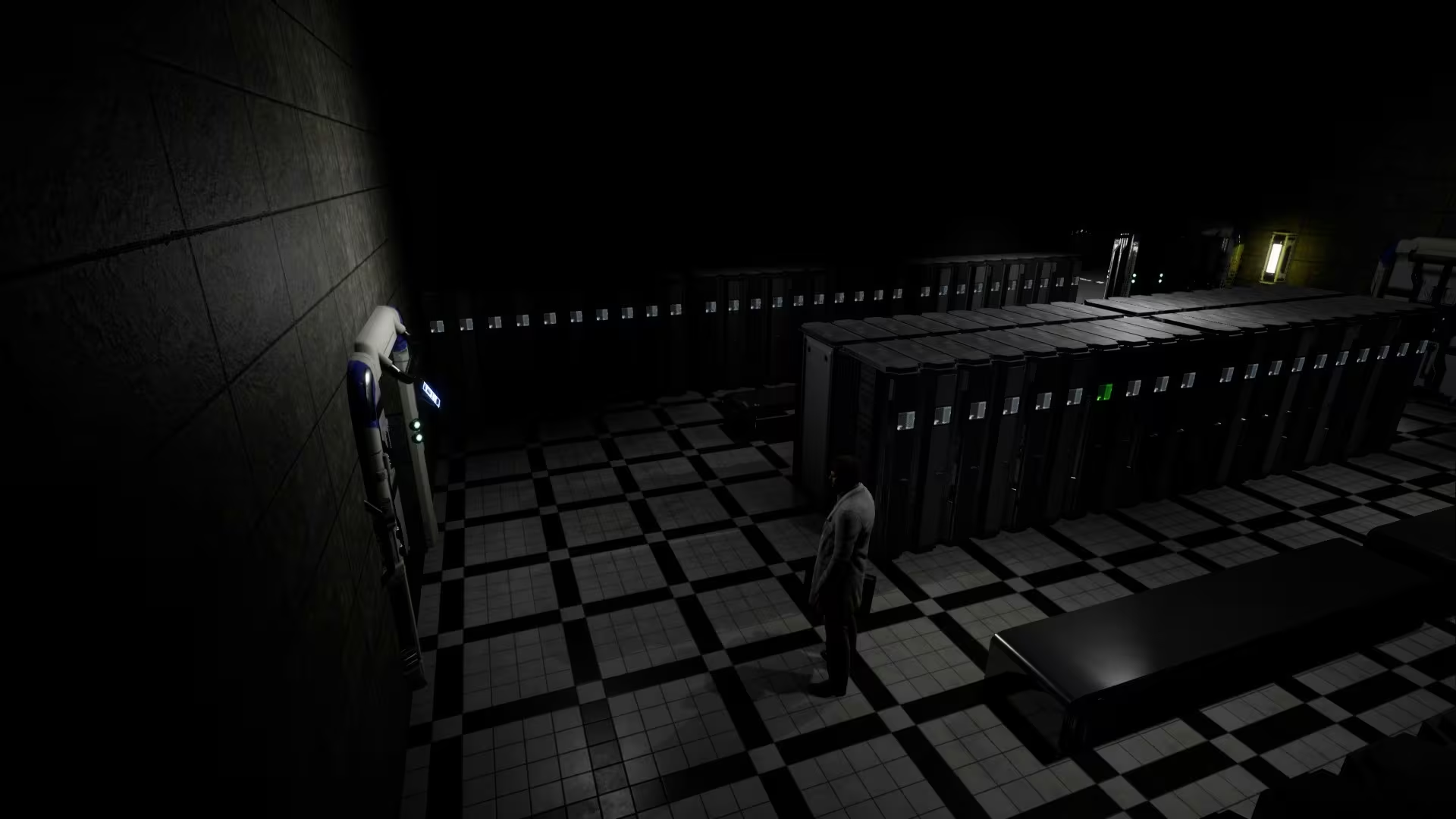
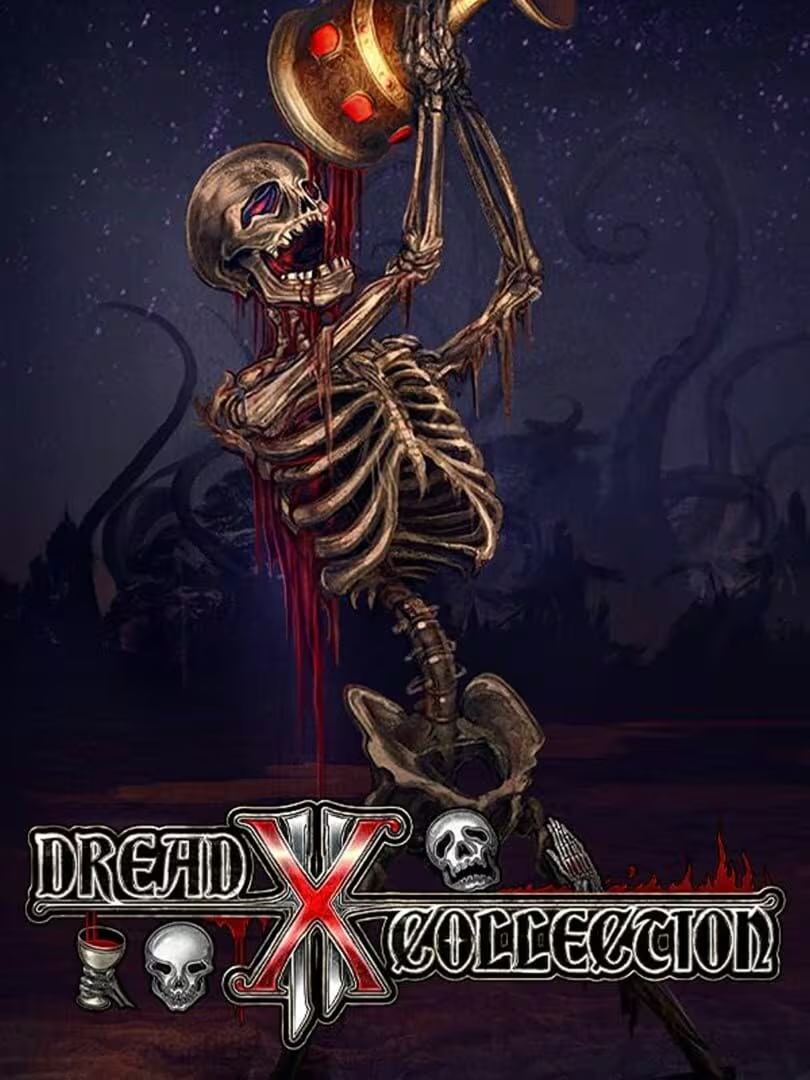
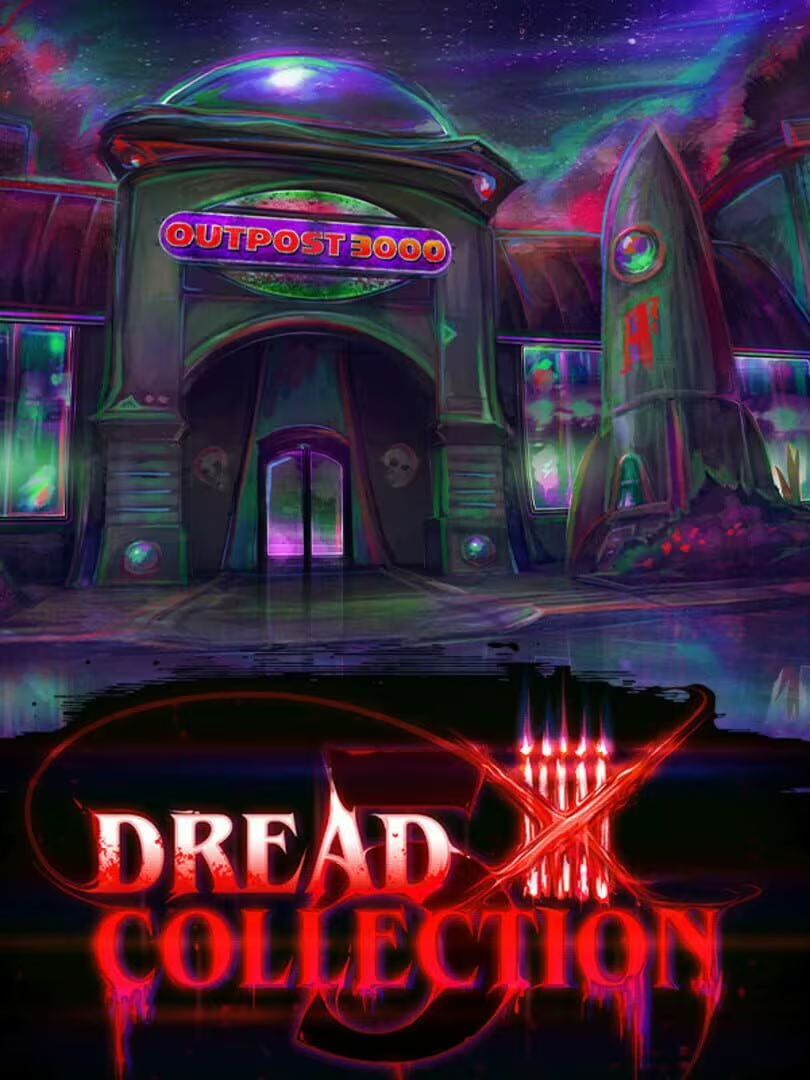
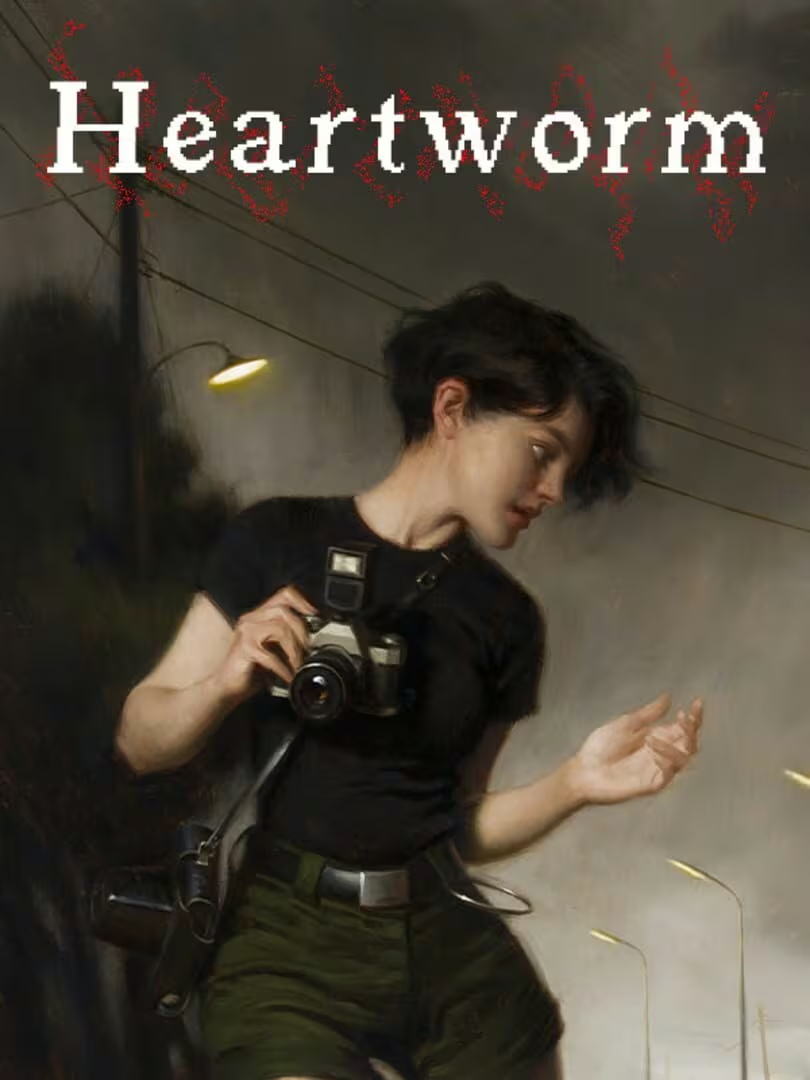
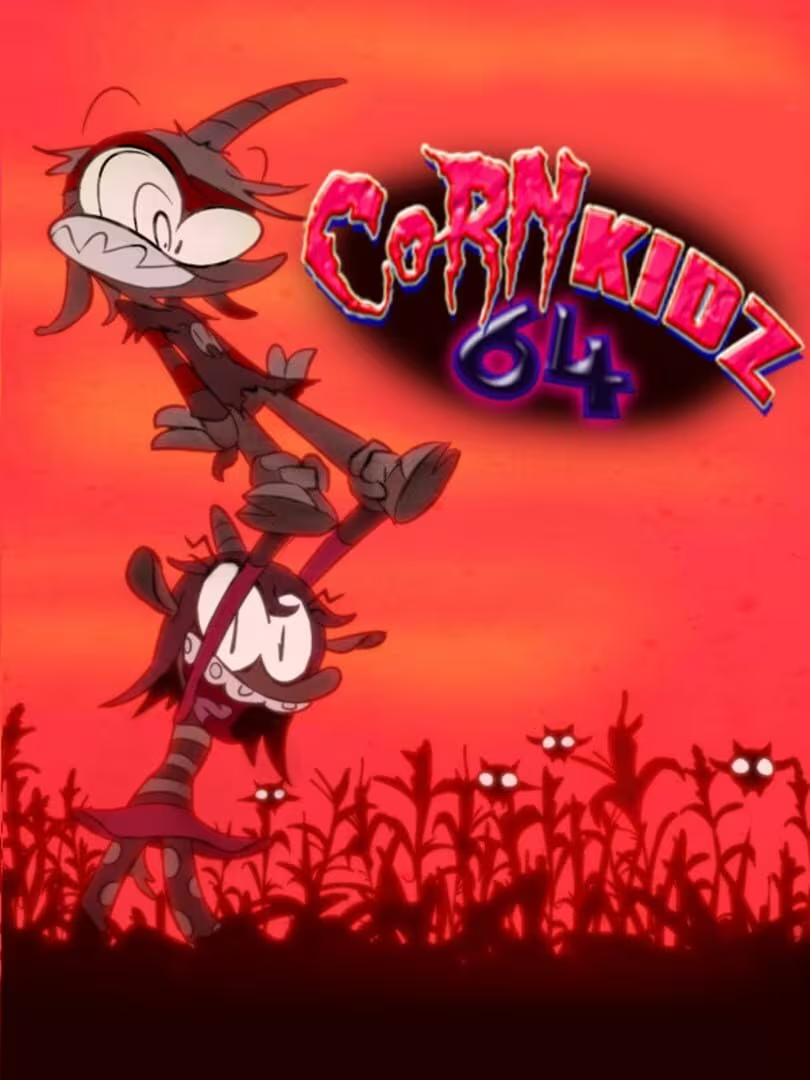
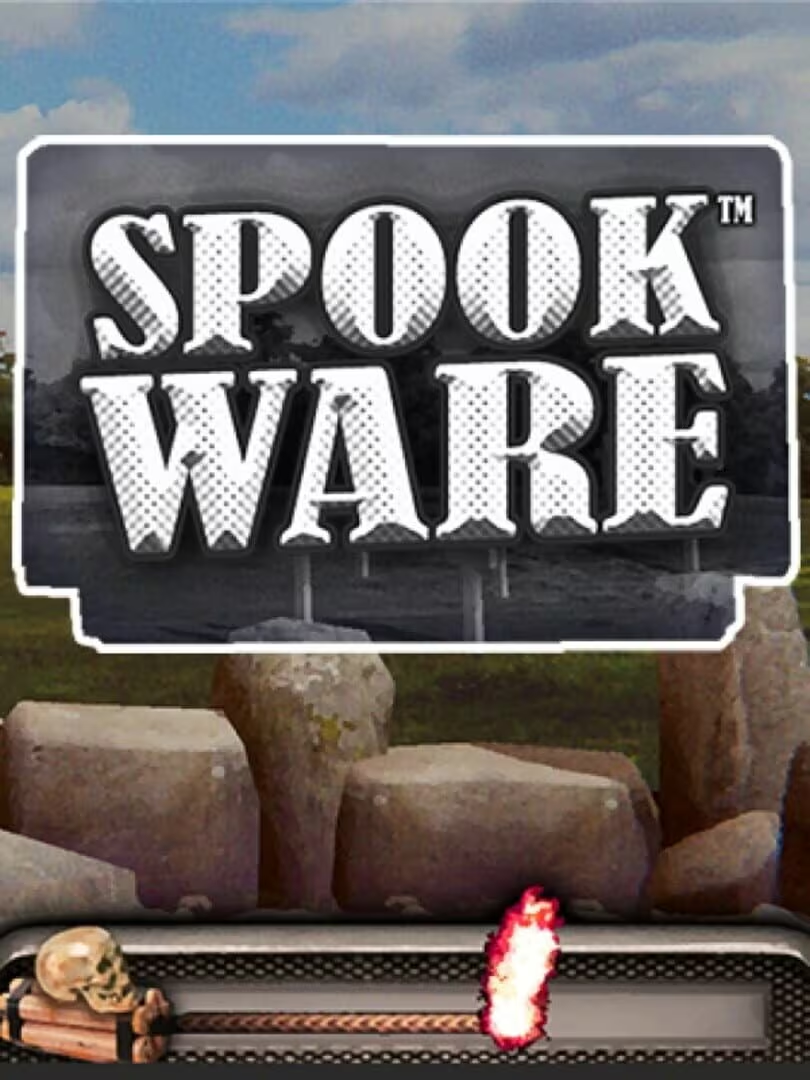
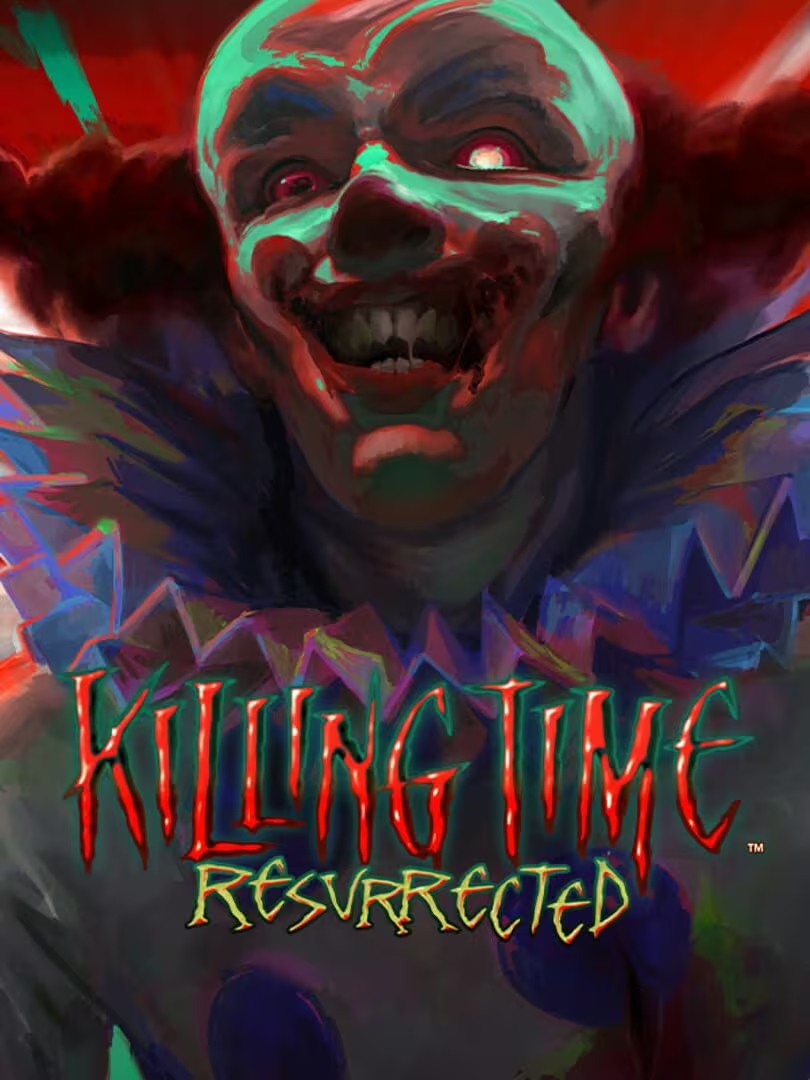
10 Tales of Terror from 10 Twisted Minds. Made in only 7 Sleepless Nights. The Dread X Collection is a series of small games created by some of the most talented indie devs around, all with the same mission: create the P.T. for the horror project of their dreams.

Global score

80/100

Genres

Action, Adventure, Indie, Turn-based strategy (TBS), Platform, Shooter, Arcade, Puzzle, Card & Board Game

Similar games

    Pros

    • Diverse and creative indie horror games
    • Varied gameplay styles and narratives
    • Affordable price for multiple games
    • Some standout titles with strong atmosphere
    • Short, experimental prototypes

    Cons

    • Inconsistent quality across games
    • Some games buggy or unpolished
    • Few games feel incomplete or too short
    • Lack of multiplayer or social features
    • Some frustrating gameplay mechanics

    Analysis

    A very typical example of its motivational profile. Motivations that often define this kind of title include Expression, Fellowship, Cooperation, Competition. Here, the score leans higher than usual among comparable games on Creativity, Experimenting, Value.

    How to use the graph
    Similar games map

    Each dot is a game. They are arranged from the same motivation profile as in the “Motivations” section below. Closer dots usually mean more similar reasons to play (exploration, competition, relaxation, etc.)—not that one game is “better” than another.

    • Larger dot with a light outline: the game you are viewing.
    • Colour: groups of games with comparable motivation patterns (statistical clusters).
    • Hover a dot to see the game name; click to open its page.
    • Scroll or double-click the chart to zoom out and see more games.

    Why don’t the axes read like a score? This view uses t-SNE: it only keeps who is close to whom. The scales are not “good to bad” or hours played—they separate groups on the map. Read distance between dots, not the axis numbers.

    Motivations

    • Autonomy
      3

      "Players have freedom to explore different short horror games with varied mechanics and styles, though some games have linear or fixed paths."

    • Competence
      2

      "Games vary in skill demand; some require puzzle solving, platforming, or survival strategy, while others are simple walking simulators."

    • Competition
      -4

      "Focus is on individual experience and personal progress without competitive or ranked modes."

    • Continuation
      1

      "Players tend to play through the collection in one or few sessions; some games encourage replay for secrets or endings."

    • Cooperation
      -5

      "All games are single-player experiences with no cooperative or multiplayer elements."

    • Creativity
      4

      "Highly creative anthology with diverse game concepts, art styles, and mechanics across the ten indie horror games."

    • Domination
      -5

      "No evidence of exerting control or superiority over others; games are solo experiences."

    • Escapism
      4

      "Players use the games to experience horror and imaginative worlds, escaping real life through varied narratives and atmospheres."

    • Expectation
      -4

      "Players engage voluntarily out of interest in indie horror and experimental games, not out of obligation."

    • Experimenting
      4

      "The collection encourages trying new game concepts, mechanics, and horror styles in short prototypes."

    • Exploration
      3

      "Several games involve exploring environments, uncovering secrets, and piecing together stories."

    • Expression
      -3

      "Limited customization or self-expression; games mostly use preset characters and aesthetics."

    • Fantasy
      4

      "Games feature imaginative horror fiction, supernatural elements, and surreal or sci-fi settings."

    • Fellowship
      -5

      "No social or community features; all games are designed for solo play."

    • Growth
      2

      "Some games involve learning mechanics, spells, or strategies, though limited by short playtime."

    • Health
      -5

      "No physical activity or health-related gameplay elements."

    • Idle
      -3

      "Most games require focused attention; some walking simulators allow slower paced play."

    • Intimacy
      -5

      "No close social interactions or relationship building; solo experiences only."

    • Leadership
      -5

      "No leadership or group management roles; all games are single-player."

    • Progression
      2

      "Some games feature item collection, unlocking abilities, or completing objectives to progress."

    • Relaxation
      0

      "Mixed experiences: some games create tension and suspense, others are more relaxed walking sims."

    • Sensation
      3

      "Games provide sensory stimulation through varied art styles, sound design, and atmospheric horror."

    • Status
      -5

      "No social recognition or status systems present."

    • Story
      3

      "Many games have narrative elements, lore, and plot twists that engage players in story immersion."

    • Strategy
      2

      "Some games require puzzle solving, resource management, or tactical decision making."

    • Thrill
      3

      "Several games build suspense and tension, delivering jump scares or psychological horror."

    • Value
      4

      "Players perceive good value for money given the number of games and creative content."

    • Violence
      1

      "Some games include combat or shooting elements, but violence is not the main focus."

    • Survival
      2

      "A few games involve survival mechanics such as resource management and avoiding death."

    Last update: 29/04/2026