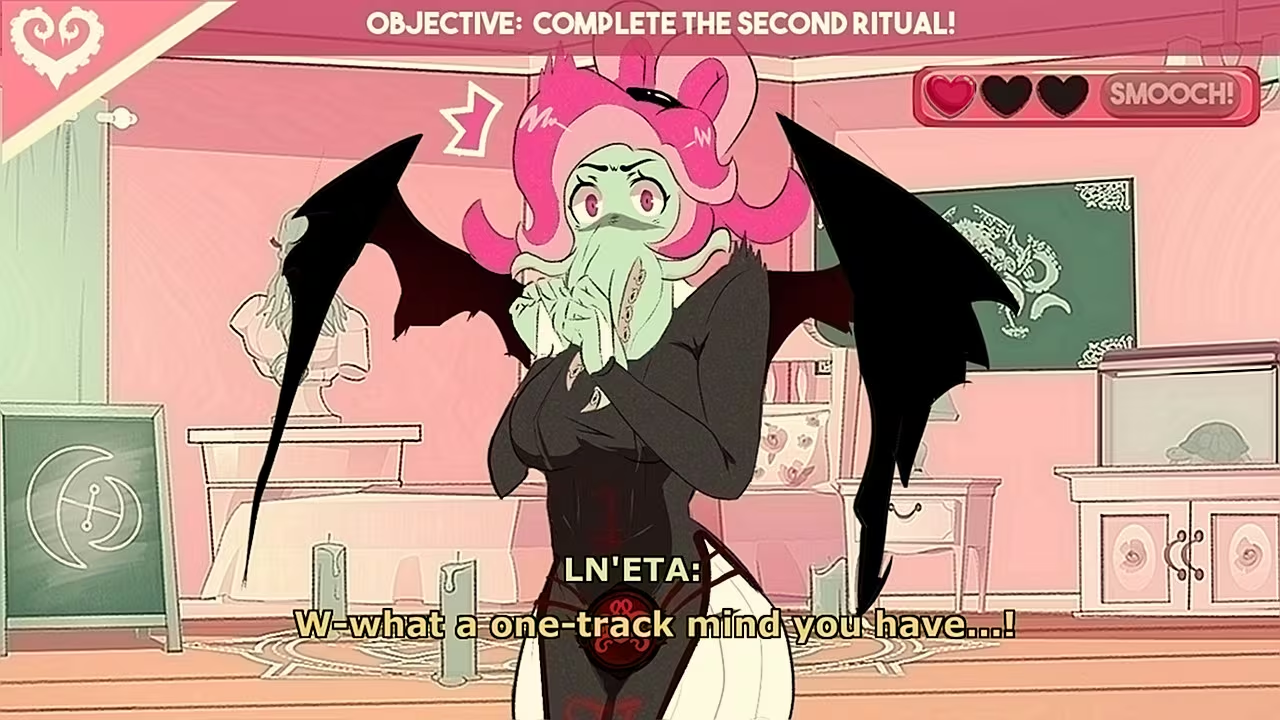
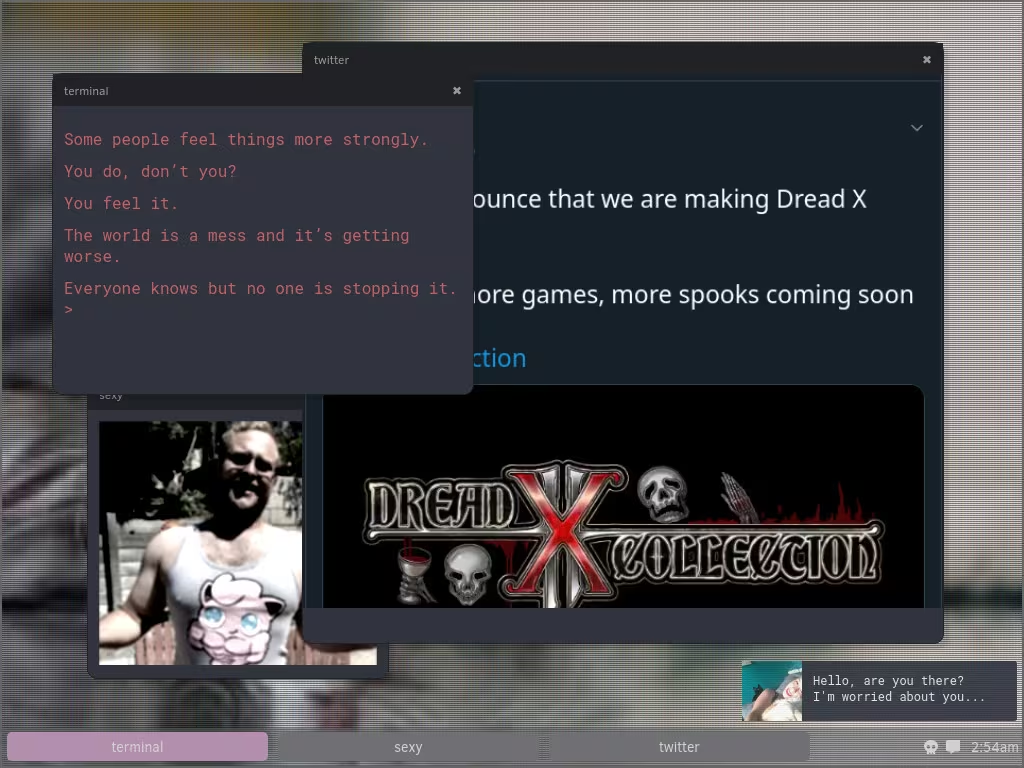
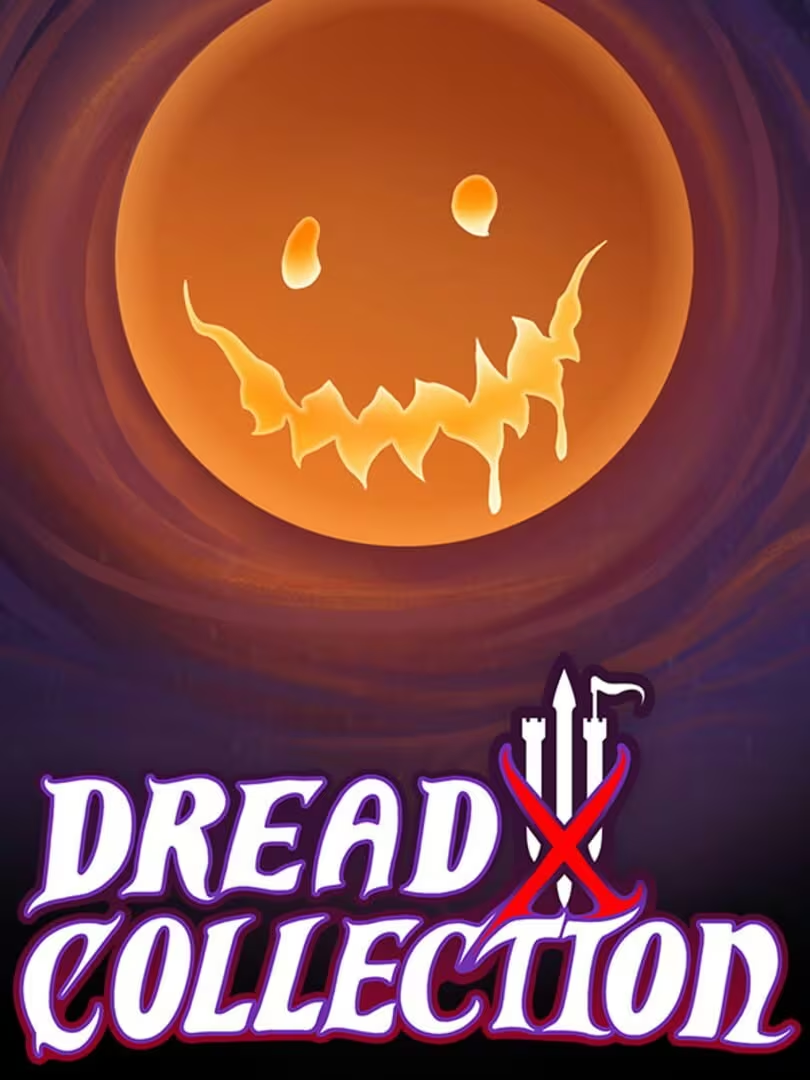
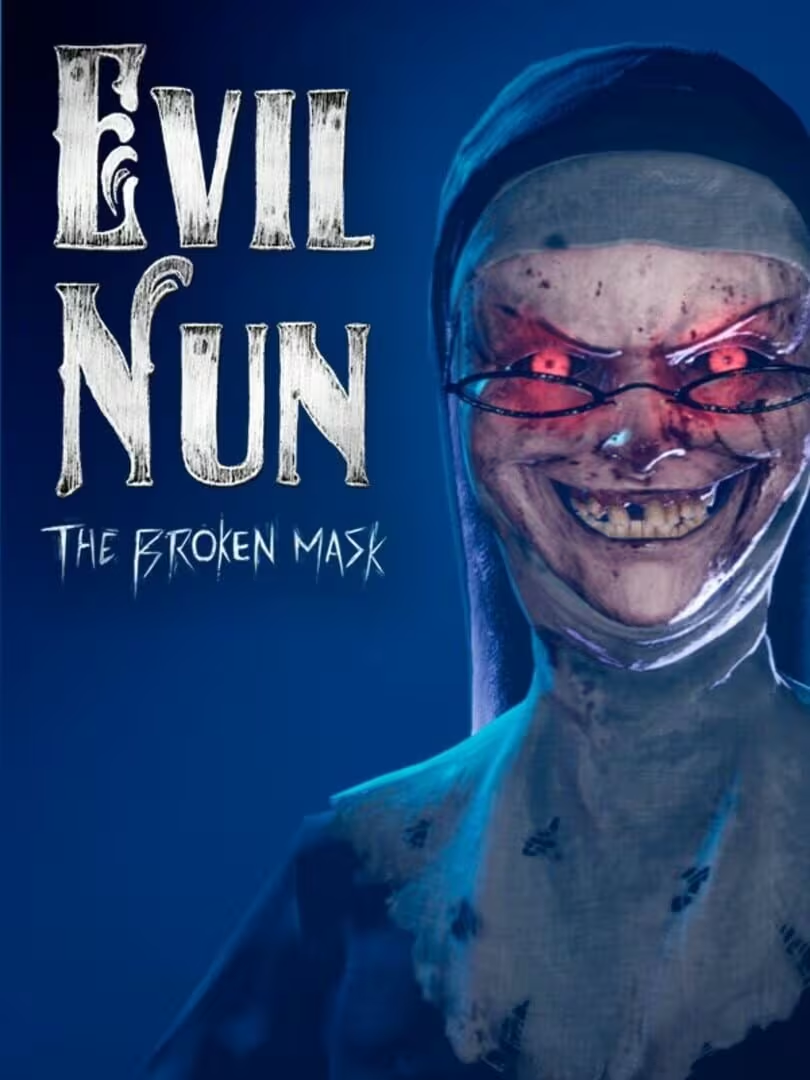
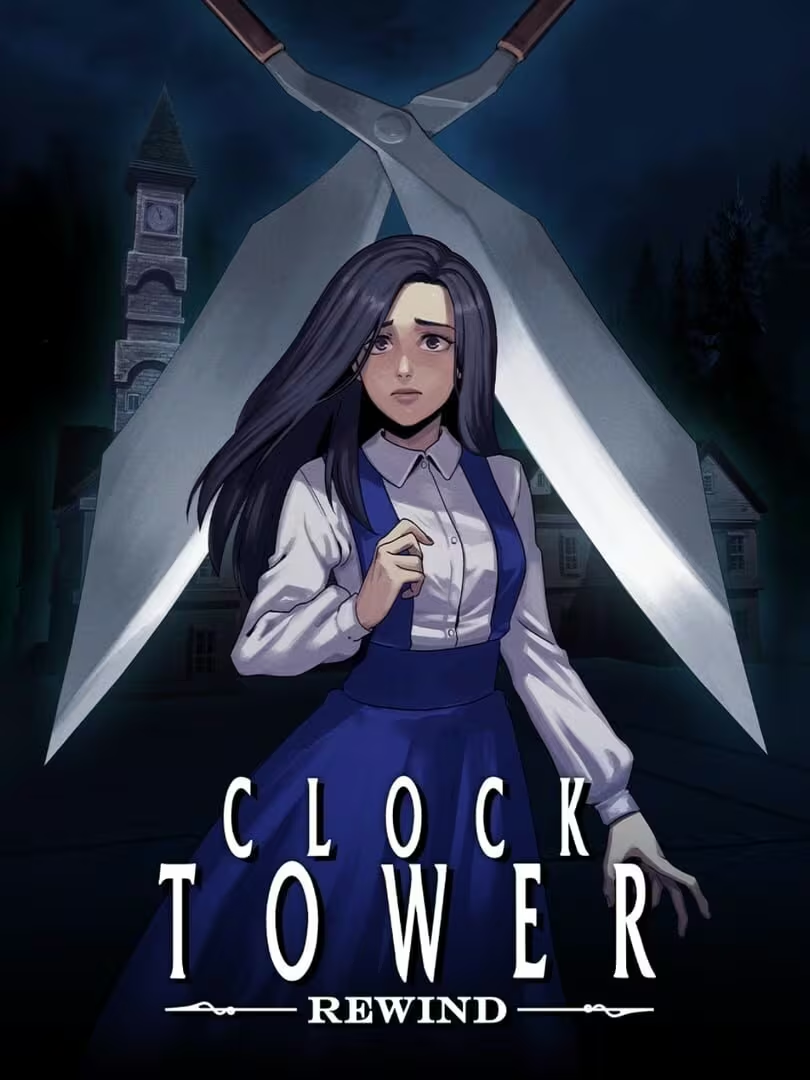
Dread X Collection 2 Thumbnail

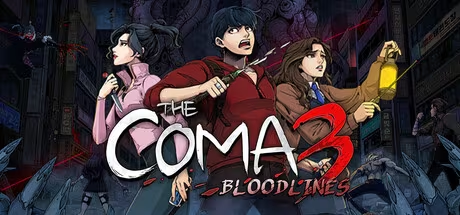
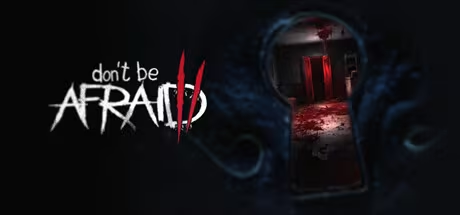
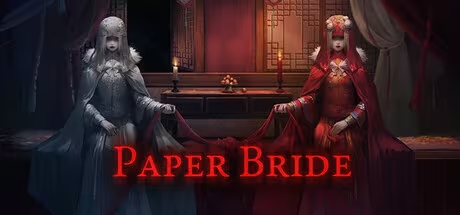
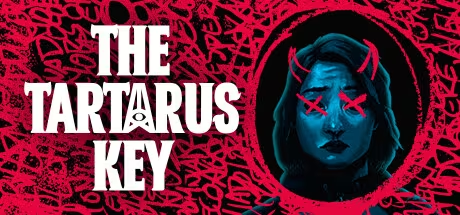
Dread X Collection 2 similar games & best alternatives
Dread X Collection 2

PC (Microsoft Windows) • 2020

Related articles

Quick resume

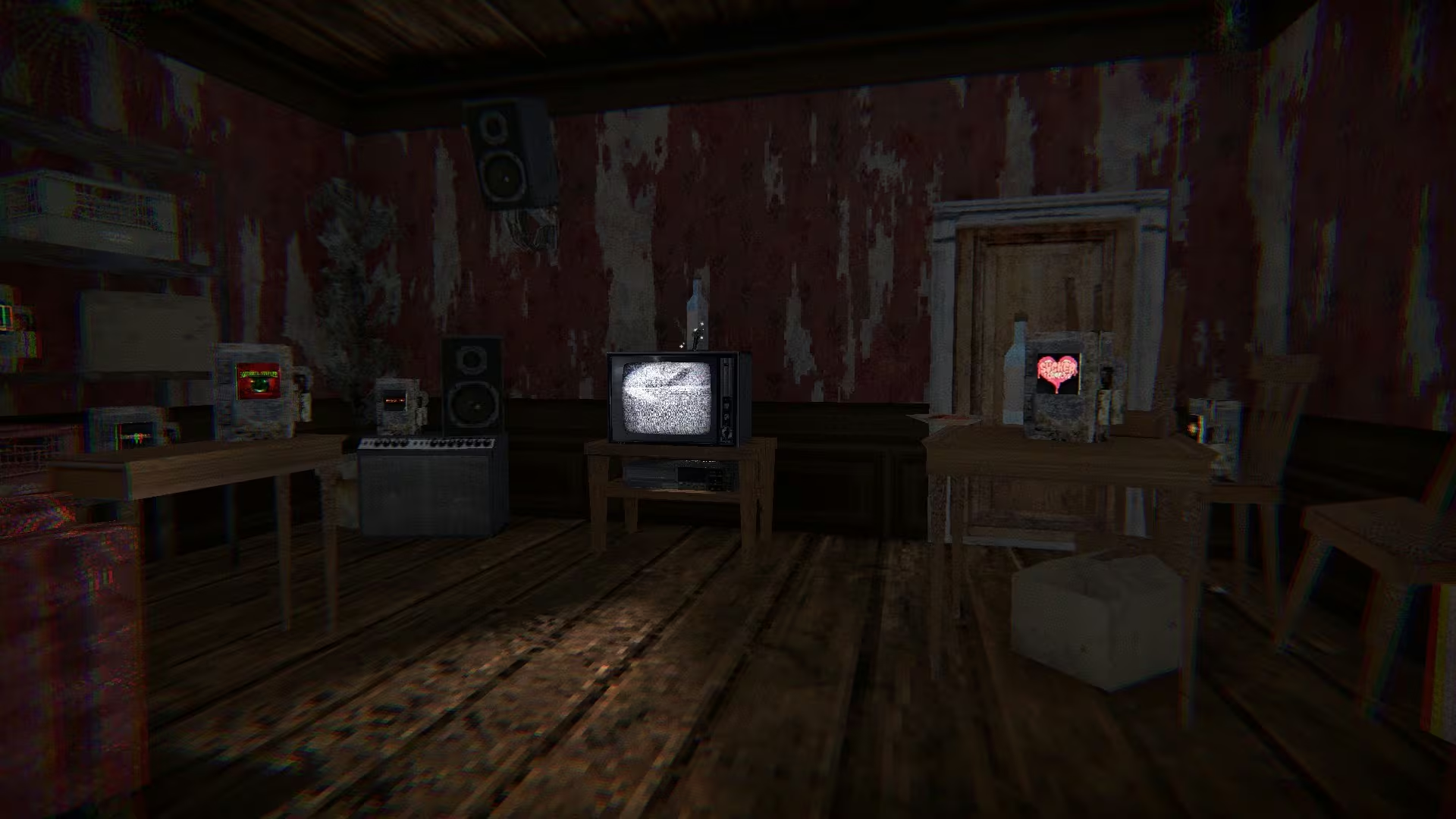
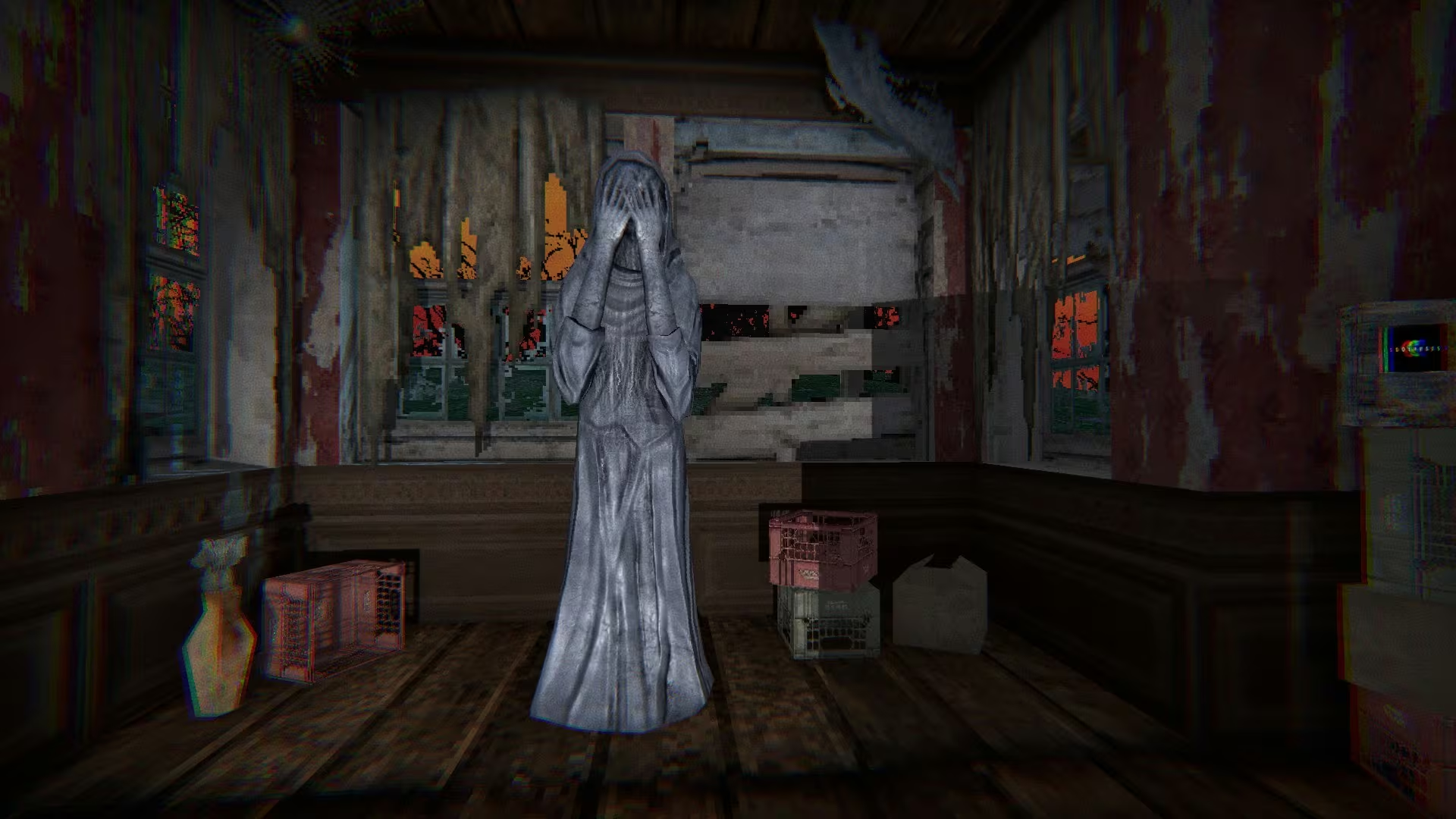
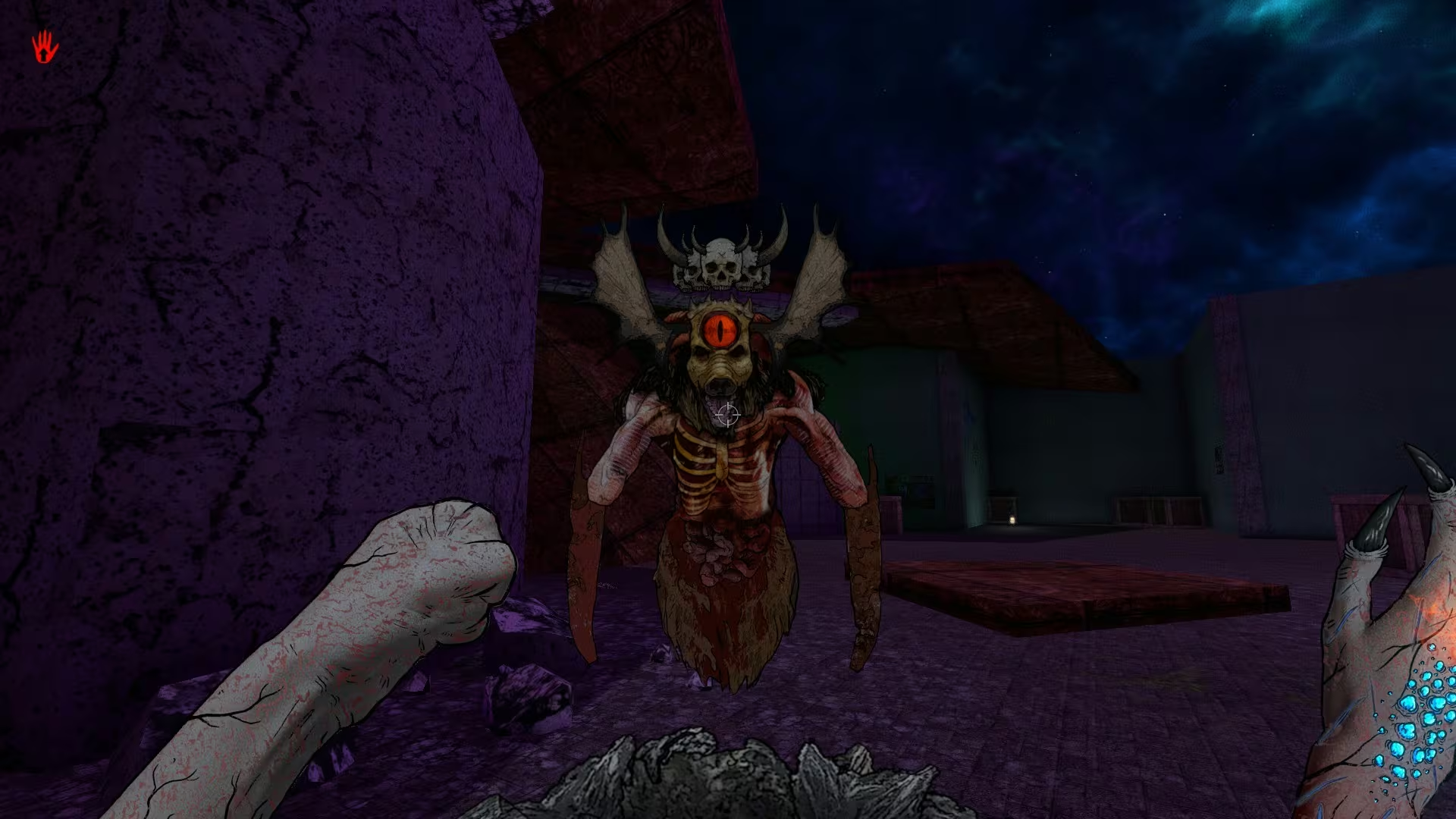
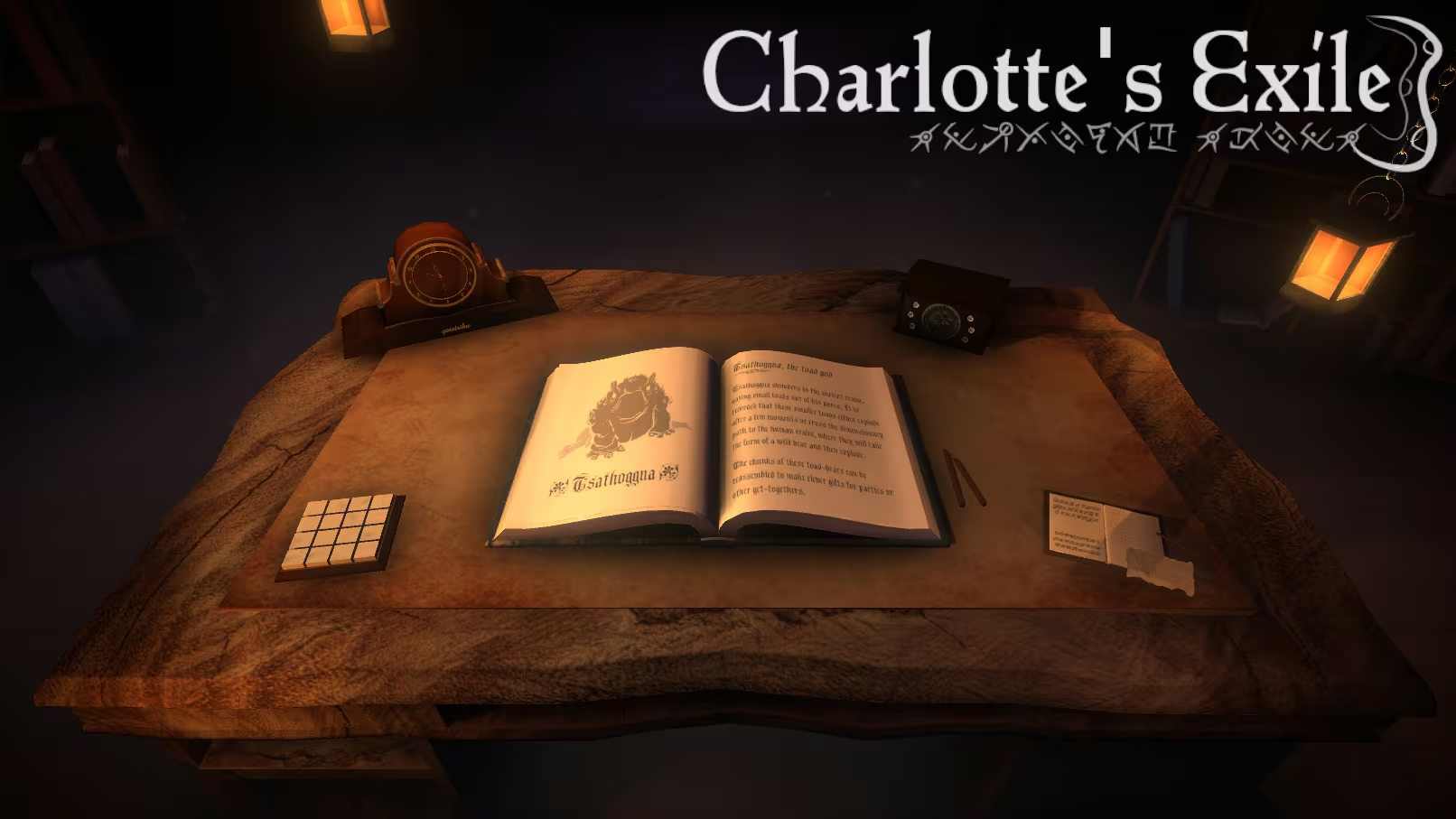
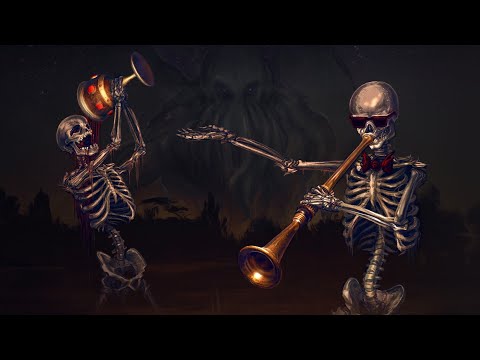
Explore 12 horror games made in 10 days connected by a meta narrative experience you didn't expect. Step into a world of darkness and discover the secrets you didn't know were right beneath the surface. Find the tapes and unlock the mystery inside the Dread X Collection 2.

Global score

94/100

Genres

Action, Adventure, Indie, Point-and-click, Platform, Visual Novel, Shooter, Puzzle

Similar games

    Pros

    • Creative and diverse horror experiences
    • Engaging puzzle hub world
    • Good value for price
    • Strong lovecraftian themes
    • Varied gameplay styles

    Cons

    • Some games frustrating or buggy
    • Uneven quality across titles
    • Limited social or cooperative features
    • Some games overly long or tedious
    • Lack of customization or expression

    Analysis

    Broadly representative of its motivational profile, with a few distinct shifts. Motivations that often define this kind of title include Relaxation, Survival, Violence, Fellowship. Here, the score leans higher than usual among comparable games on Creativity. It leans lower than usual among comparable games on Expression, Survival.

    How to use the graph
    Similar games map

    Each dot is a game. They are arranged from the same motivation profile as in the “Motivations” section below. Closer dots usually mean more similar reasons to play (exploration, competition, relaxation, etc.)—not that one game is “better” than another.

    • Larger dot with a light outline: the game you are viewing.
    • Colour: groups of games with comparable motivation patterns (statistical clusters).
    • Hover a dot to see the game name; click to open its page.
    • Scroll or double-click the chart to zoom out and see more games.

    Why don’t the axes read like a score? This view uses t-SNE: it only keeps who is close to whom. The scales are not “good to bad” or hours played—they separate groups on the map. Read distance between dots, not the axis numbers.

    Motivations

    • Autonomy
      4

      "Players can choose which mini-game to play and solve puzzles in the hub world to unlock games, allowing personal freedom in progression."

    • Competence
      3

      "Games vary in challenge, with some requiring puzzle solving and skillful play, while others are simpler or more narrative focused."

    • Competition
      -4

      "Focus is on personal experience and exploration; no evidence of competitive or ranked modes."

    • Continuation
      2

      "Players engage in multiple short games with some replay value and interest in completing all titles, but some games are abandoned due to frustration."

    • Cooperation
      -5

      "All games are single-player experiences with no cooperative elements mentioned."

    • Creativity
      5

      "Highly creative collection with diverse gameplay styles, unique horror concepts, and a meta puzzle hub world."

    • Domination
      -5

      "No evidence of exerting control or superiority over others; interactions are individual."

    • Escapism
      4

      "Strong escapism through immersive horror experiences, atmospheric storytelling, and varied game worlds."

    • Expectation
      -4

      "Players engage voluntarily for entertainment and curiosity, with no pressure or obligation indicated."

    • Experimenting
      4

      "Players try many different short games with varied mechanics and themes, encouraging exploration of new ideas."

    • Exploration
      3

      "Hub world and several games encourage exploration of environments, puzzles, and lore."

    • Expression
      -3

      "Limited customization or avatar personalization; focus is on gameplay and narrative rather than self-expression."

    • Fantasy
      4

      "Strong Lovecraftian and cosmic horror themes with imaginative fiction and surreal elements."

    • Fellowship
      -5

      "No social or community features; experiences are solitary."

    • Growth
      3

      "Some games involve puzzle solving and skill development; others are simpler but still offer learning opportunities."

    • Health
      -4

      "Primarily sedentary gameplay with no physical activity or health-related features."

    • Idle
      -3

      "Games generally require focused attention and active engagement rather than passive or background play."

    • Intimacy
      -5

      "No evidence of forming close relationships or emotional sharing within the games."

    • Leadership
      -5

      "No leadership or group management roles; all games are single-player."

    • Progression
      3

      "Some games feature upgrades, multiple endings, and puzzle completion as forms of progression."

    • Relaxation
      -1

      "Mixed experiences; some games are tense and anxiety-inducing, others more relaxed but overall leaning towards suspense."

    • Sensation
      3

      "Games provide sensory stimulation through atmospheric visuals, sound design, and jump scares."

    • Status
      -5

      "No social recognition or leaderboards; achievements are personal."

    • Story
      4

      "Strong narrative elements in many games and the hub world, with overarching Lovecraftian themes."

    • Strategy
      2

      "Some puzzle solving and tactical gameplay elements present, but many games are straightforward."

    • Thrill
      3

      "Jump scares, tension, and horror elements provide suspense and thrill."

    • Value
      4

      "Players report good value for price with many hours of gameplay and variety."

    • Violence
      2

      "Some games involve combat and shooting, but violence is often stylized and balanced with puzzle or exploration."

    • Survival
      1

      "Some games involve avoiding threats and managing resources, but many are low risk exploration or puzzle games."

    Last update: 29/04/2026