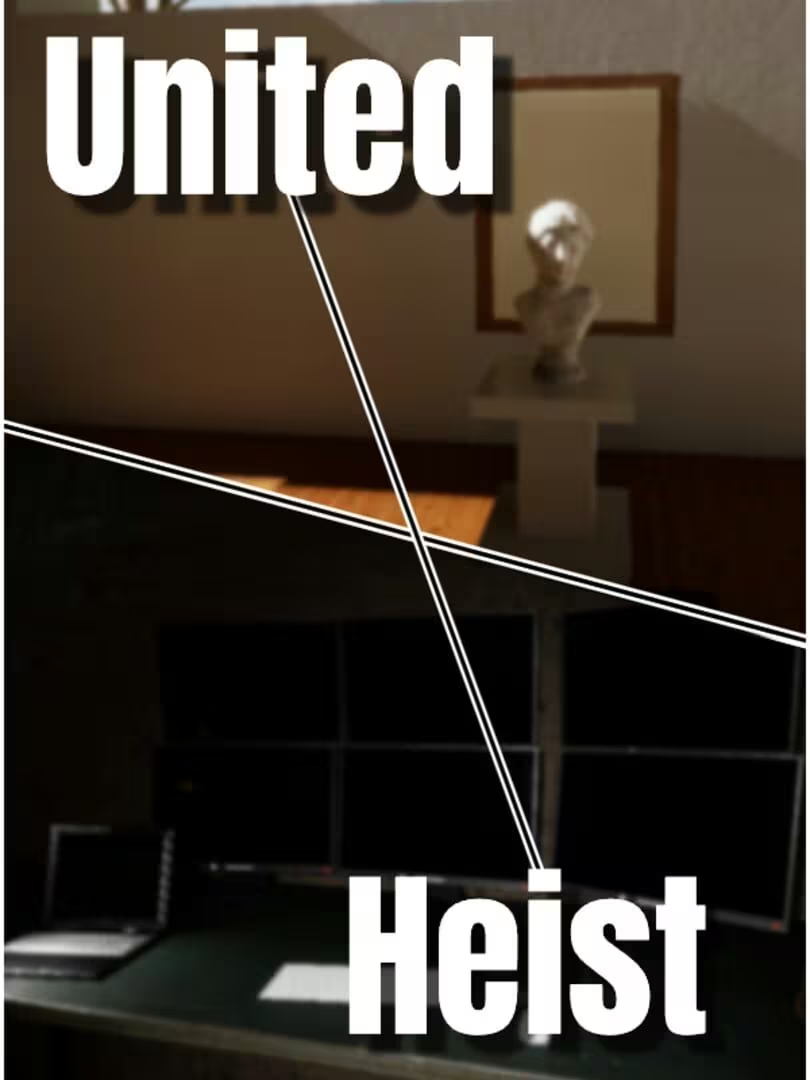
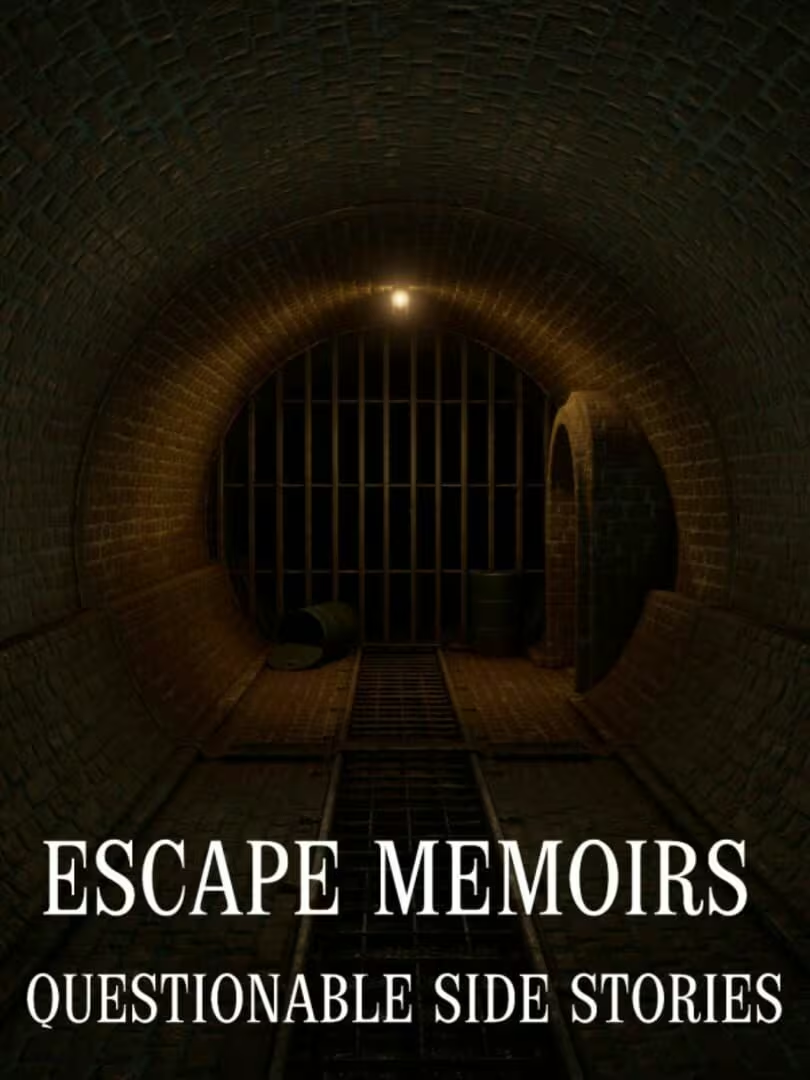
Escape Memoirs: Mansion Heist Thumbnail

Escape Memoirs: Mansion Heist similar games & best alternatives

Escape Memoirs: Mansion Heist

PC (Microsoft Windows) • 2022

Related articles

Quick resume

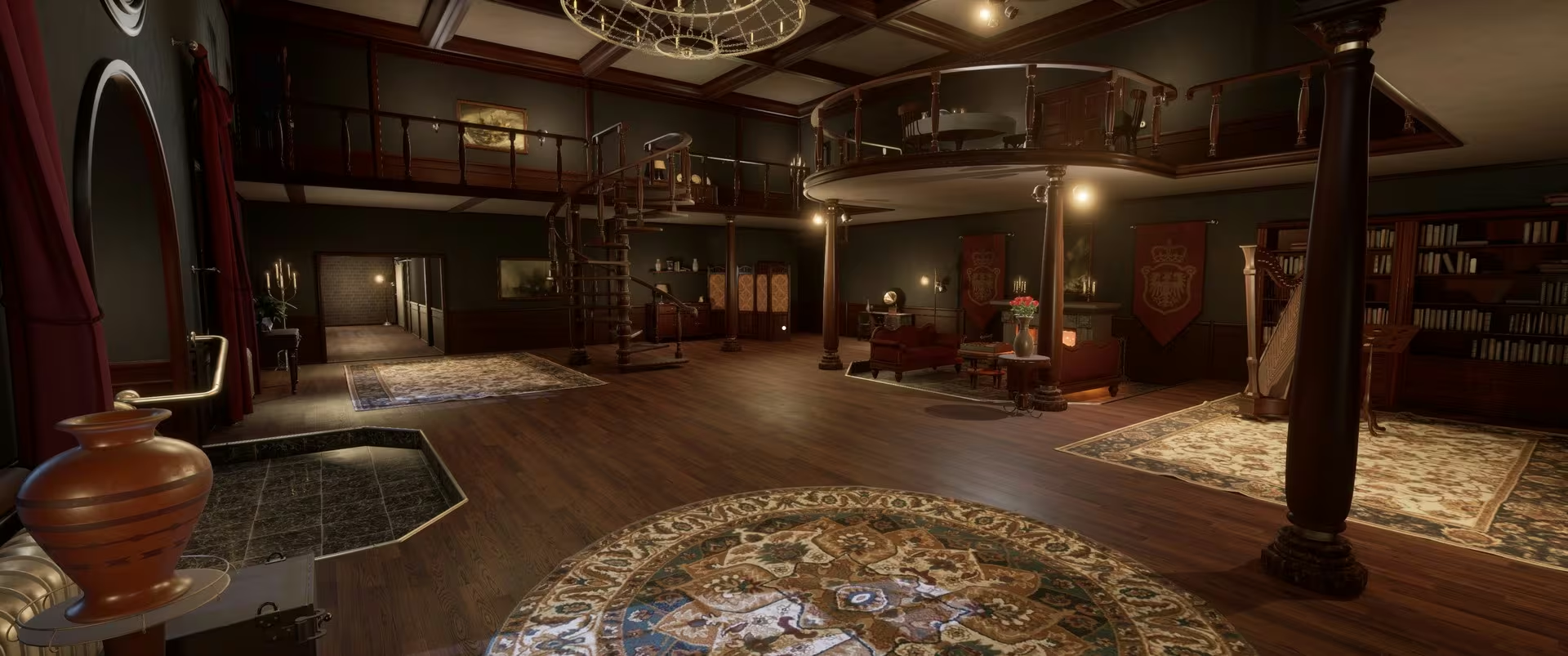
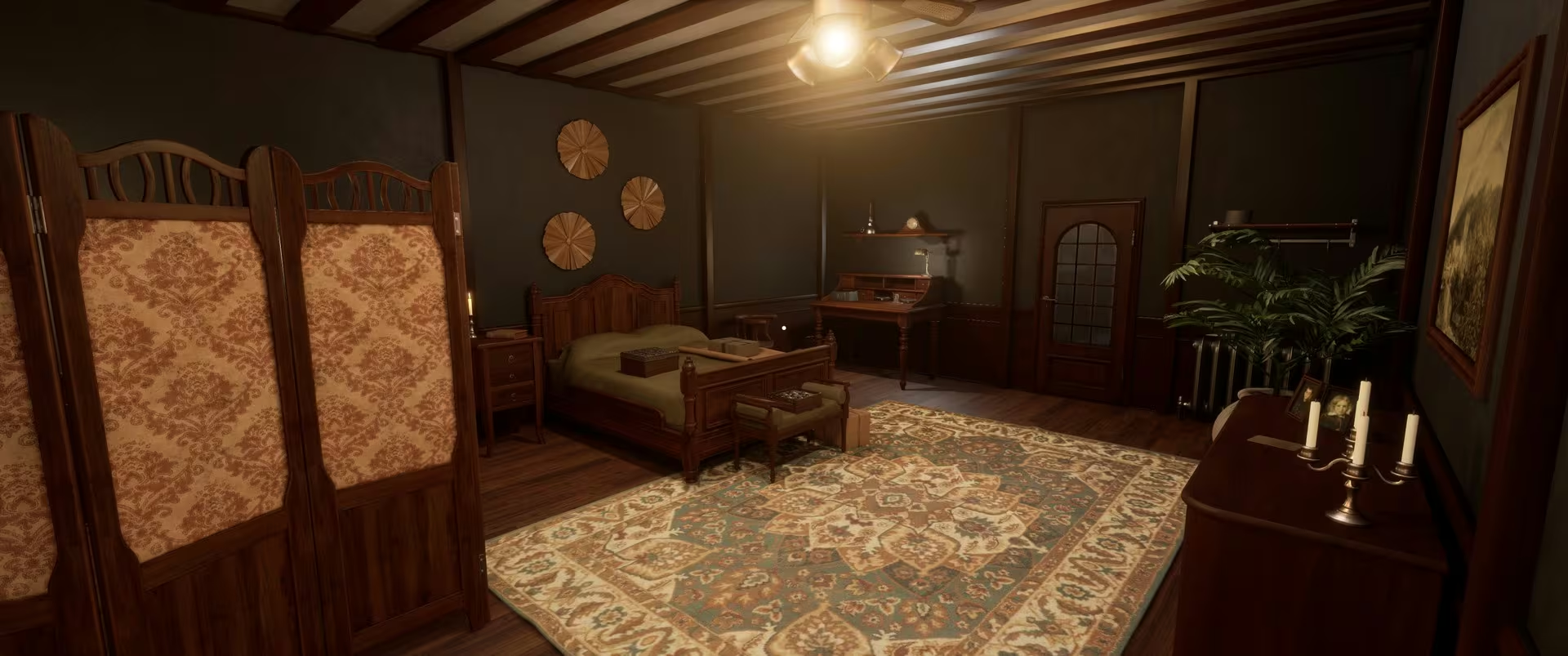
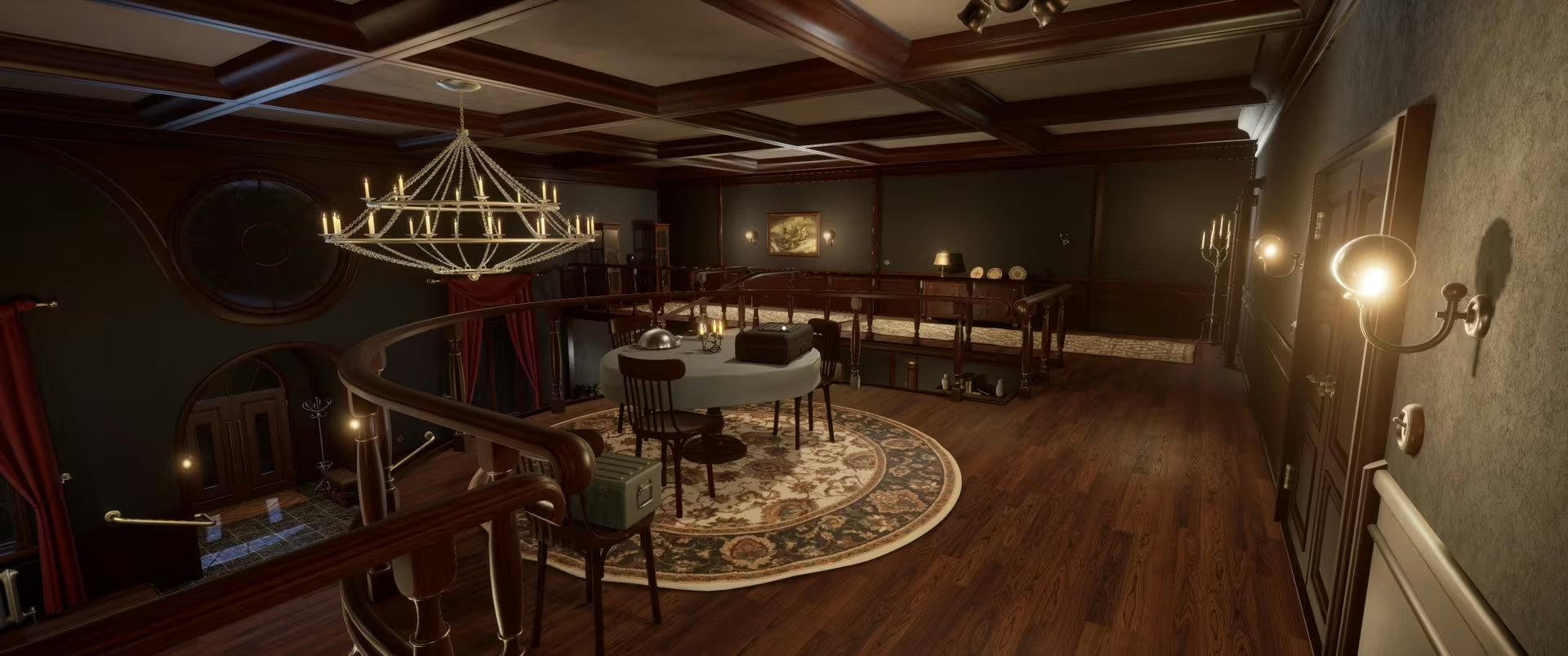
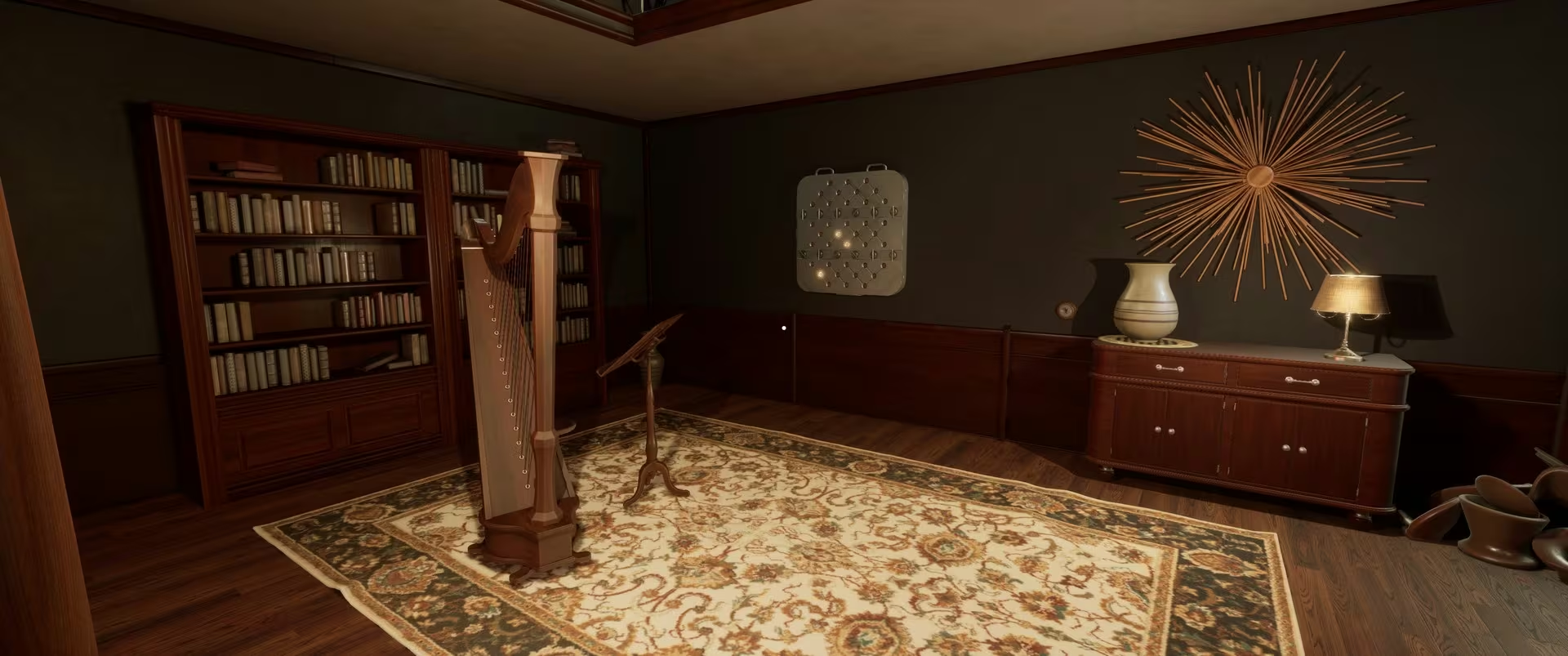
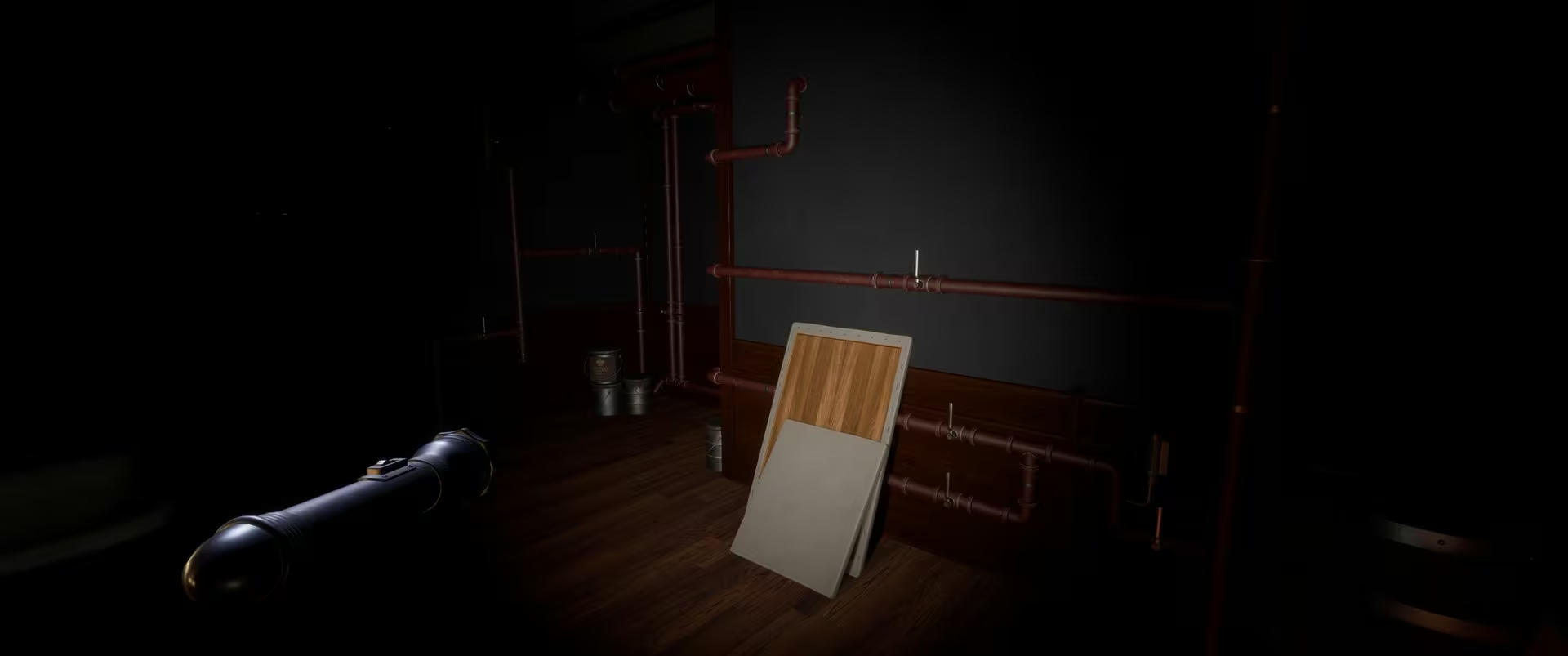
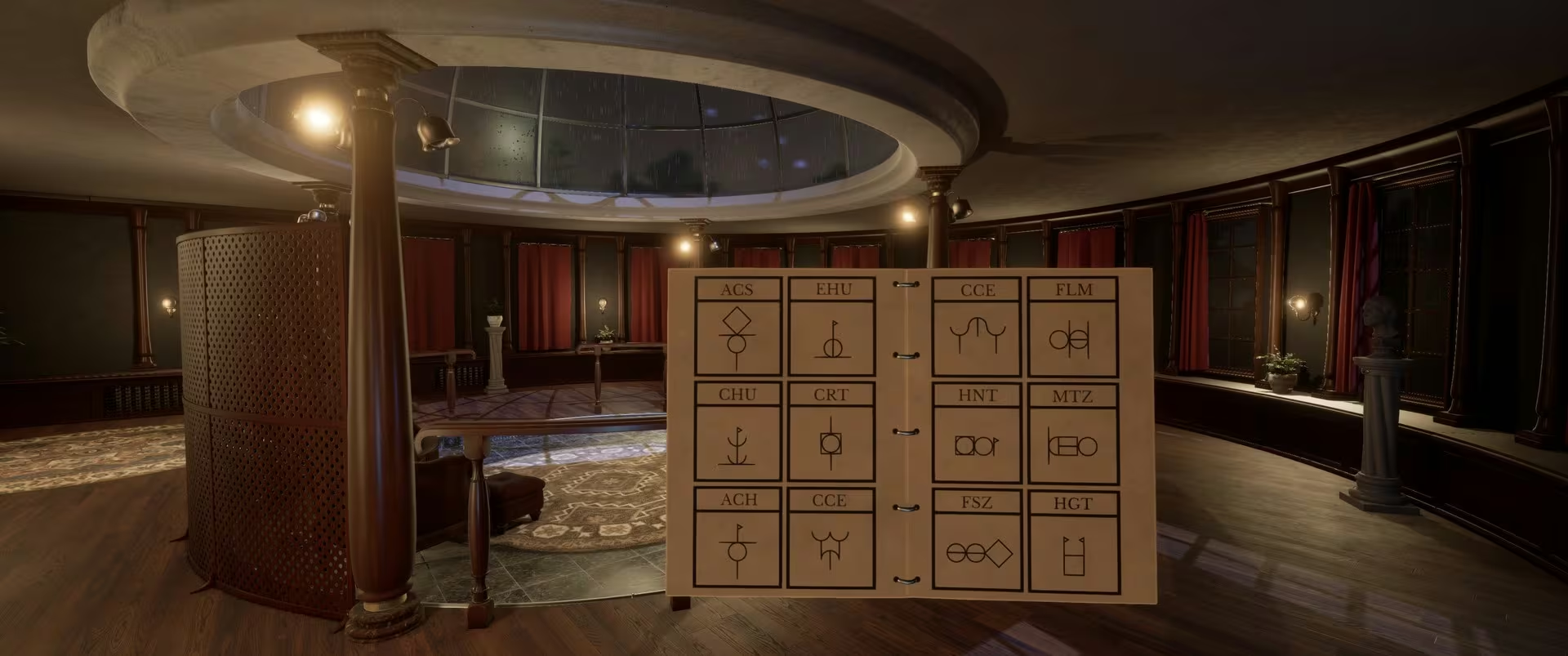
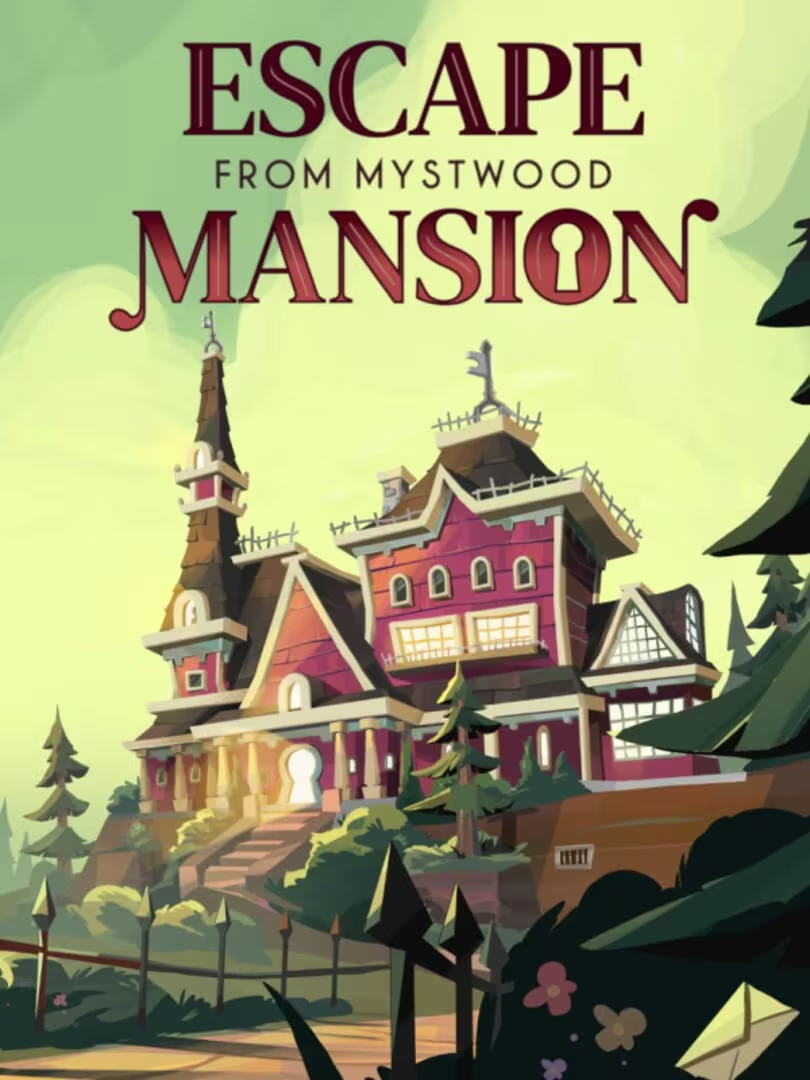
"Escape Memoirs: Mansion Heist" is a co-operative atmospheric reverse escape-room puzzle game. You are a master thief who has been hired to rob a mysterious mansion, filled with various puzzles. Do you think you have what it takes to conquer the challenges that await you in the mansion.

Global score

86/100

Genres

Adventure, Casual, Indie

Similar games

    Pros

    • Challenging and logical puzzles
    • Co-op multiplayer support
    • Immersive mansion environment
    • Good value for price
    • Atmospheric audio and visuals

    Cons

    • Linear puzzle progression limits simultaneous co-op engagement
    • Lack of inventory system
    • Some puzzles feel tedious or require trial and error
    • Controls can be clunky
    • Collectibles are very hard to find

    Analysis

    Less representative of its motivational profile, with noticeable differences. Motivations that often define this kind of title include Intimacy, Survival, Violence, Competition. Here, the score leans higher than usual among comparable games on Cooperation, Fellowship. It leans lower than usual among comparable games on Expression.

    How to use the graph
    Similar games map

    Each dot is a game. They are arranged from the same motivation profile as in the “Motivations” section below. Closer dots usually mean more similar reasons to play (exploration, competition, relaxation, etc.)—not that one game is “better” than another.

    • Larger dot with a light outline: the game you are viewing.
    • Colour: groups of games with comparable motivation patterns (statistical clusters).
    • Hover a dot to see the game name; click to open its page.
    • Scroll or double-click the chart to zoom out and see more games.

    Why don’t the axes read like a score? This view uses t-SNE: it only keeps who is close to whom. The scales are not “good to bad” or hours played—they separate groups on the map. Read distance between dots, not the axis numbers.

    Motivations

    • Autonomy
      3

      "Players can explore the mansion freely and choose which puzzles to tackle next, though puzzle progression is mostly linear."

    • Competence
      4

      "Puzzles are challenging and require logical thinking and problem solving, providing a strong sense of mastery when solved."

    • Competition
      -4

      "Focus is on cooperative or solo puzzle solving without leaderboards or direct player competition."

    • Continuation
      3

      "Players often spend multiple hours in a session and express desire to play more games from the developer."

    • Cooperation
      3

      "Supports co-op play where players can work together, though puzzles are mostly single-solution and linear, limiting simultaneous engagement."

    • Creativity
      2

      "Players engage in solving unique and varied puzzles, but no creation or modification of game elements."

    • Domination
      -5

      "Interactions are collaborative or individual with no evidence of exerting control or superiority over others."

    • Escapism
      4

      "Players use the game as a mental challenge and distraction, enjoying immersive puzzle-solving and atmospheric exploration."

    • Expectation
      -4

      "Players engage voluntarily out of interest and enjoyment, with no pressure or obligation."

    • Experimenting
      2

      "Some players experiment with puzzle solutions and exploration, though many puzzles require following logical steps."

    • Exploration
      3

      "Players explore a large mansion environment to discover puzzles and hidden collectibles."

    • Expression
      -5

      "No customization or self-expression features reported."

    • Fantasy
      1

      "The game has a light fictional premise (burglar in a mansion) but mostly realistic puzzle scenarios."

    • Fellowship
      3

      "Players enjoy shared experiences and community around the game, especially in co-op play."

    • Growth
      4

      "Players develop problem-solving skills and logical reasoning through challenging puzzles."

    • Health
      -5

      "Sedentary gameplay with no physical activity involved."

    • Idle
      -3

      "Requires focused attention and continuous engagement to solve puzzles."

    • Intimacy
      2

      "Some social interaction and bonding reported in co-op play, though limited emotional sharing."

    • Leadership
      -3

      "No leadership roles; players collaborate or support each other equally."

    • Progression
      4

      "Progression through solving puzzles and collecting items advances the game."

    • Relaxation
      1

      "Some players find the game relaxing and immersive, others find puzzles mentally taxing."

    • Sensation
      2

      "Enjoyable atmospheric audio and visuals enhance sensory experience."

    • Status
      -5

      "No social status or recognition systems present."

    • Story
      1

      "Minimal story present, mostly a backdrop to puzzle solving."

    • Strategy
      3

      "Requires logical reasoning, planning, and problem solving to complete puzzles."

    • Thrill
      0

      "No significant thrill or suspense elements reported."

    • Value
      4

      "Players feel the game offers good value for its price, especially on sale."

    • Violence
      -5

      "No violence; focus is on puzzle solving and exploration."

    • Survival
      -5

      "No survival or threat avoidance mechanics."

    Last update: 29/04/2026