






The Escaper Thumbnail

The Escaper similar games & best alternatives

The Escaper

PC (Microsoft Windows) • 2020

Related articles

Quick resume

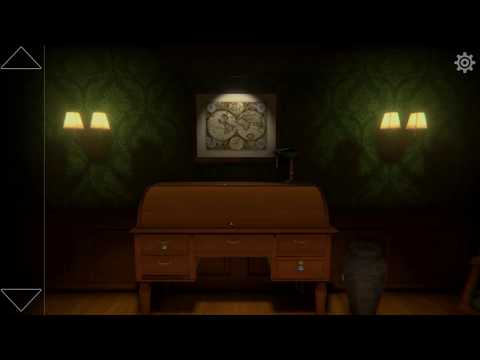
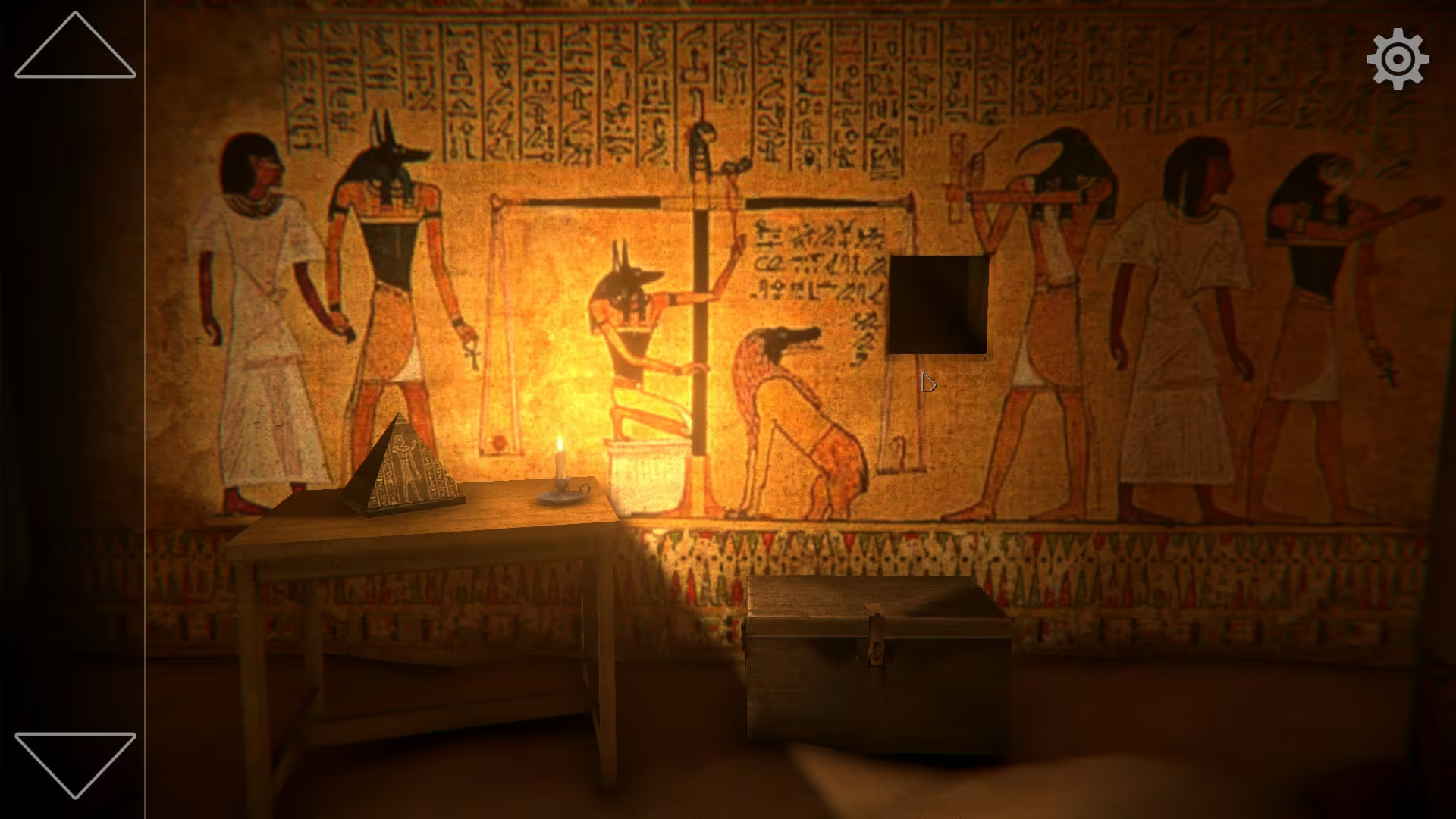
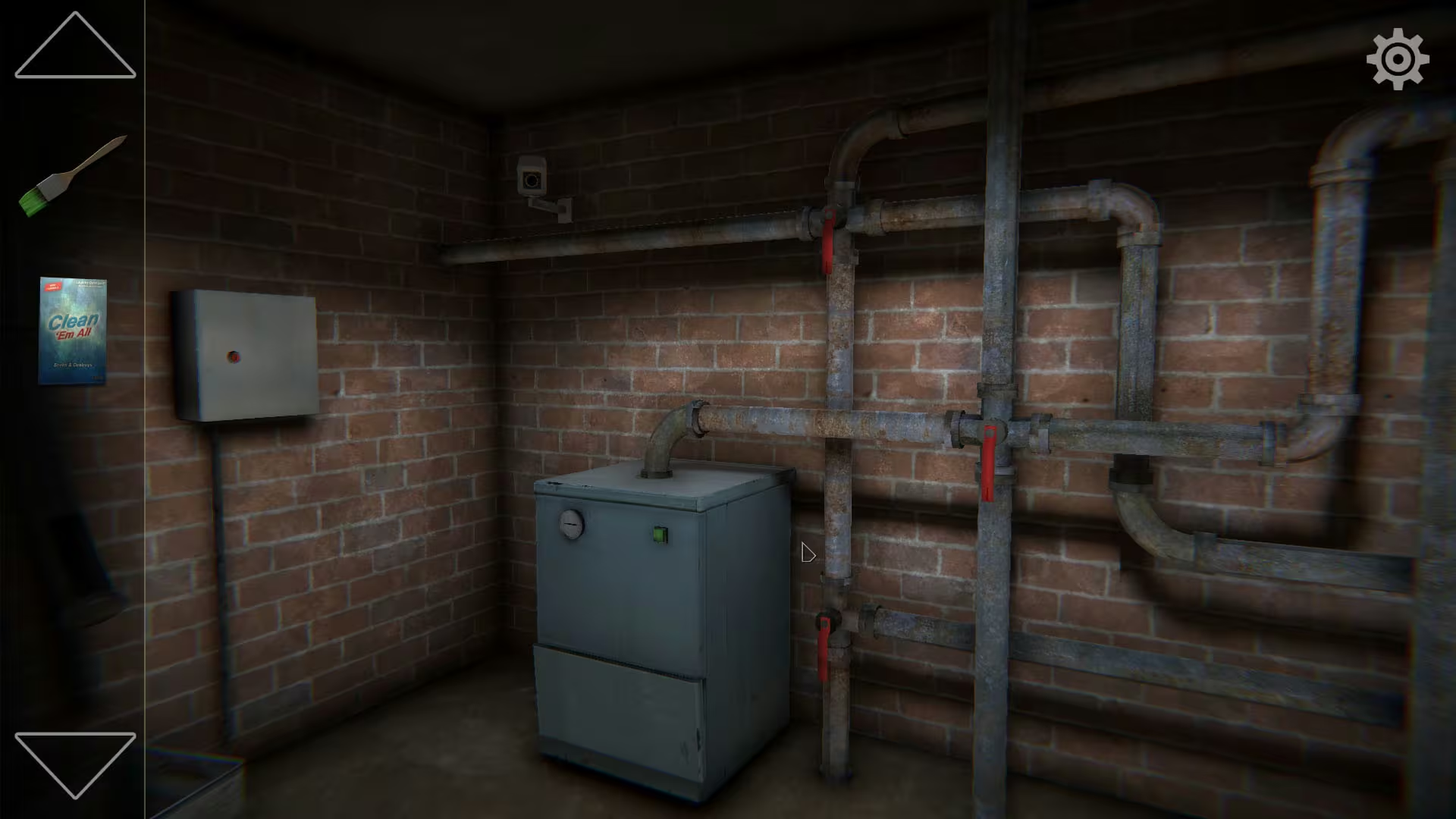
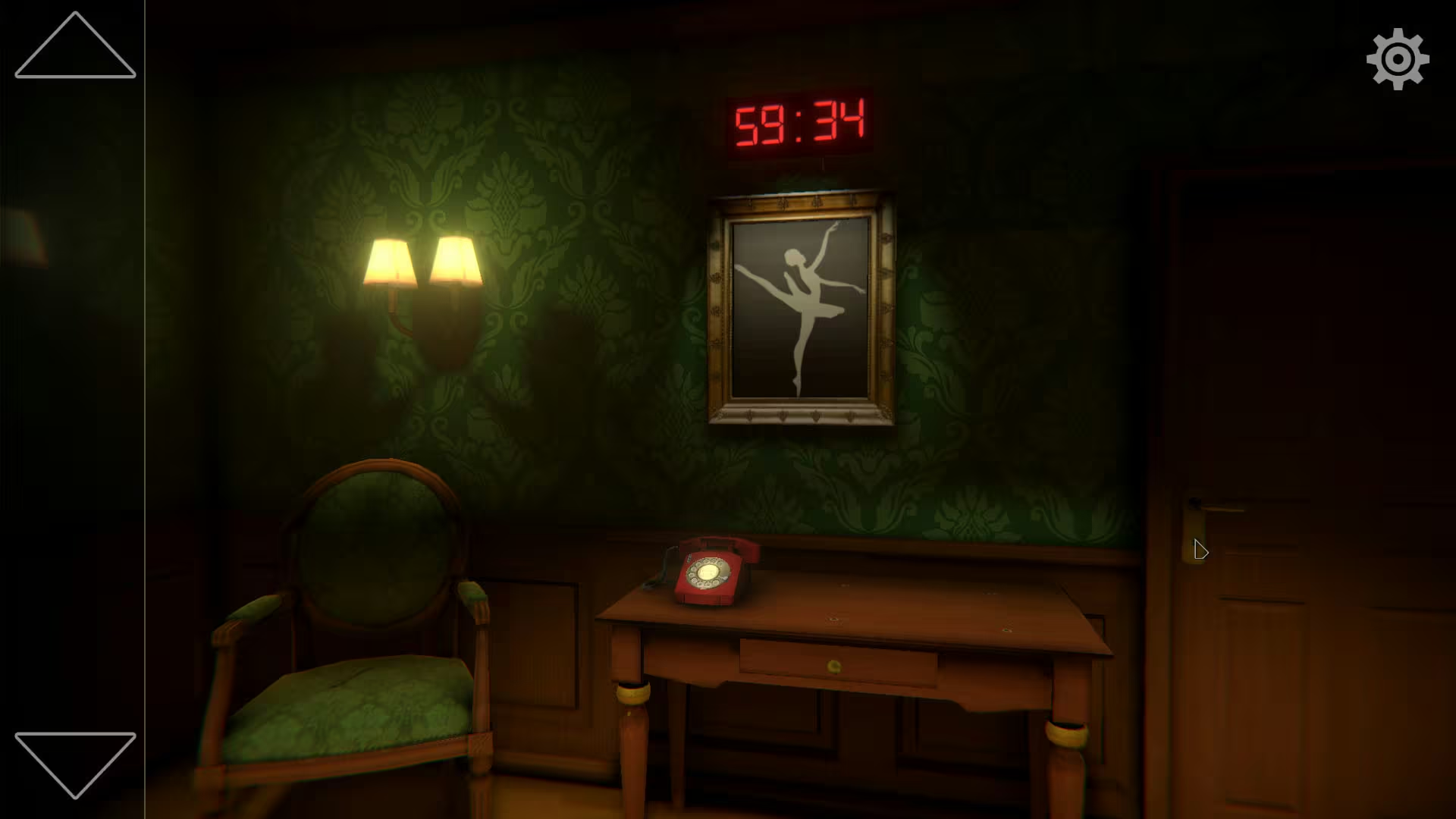
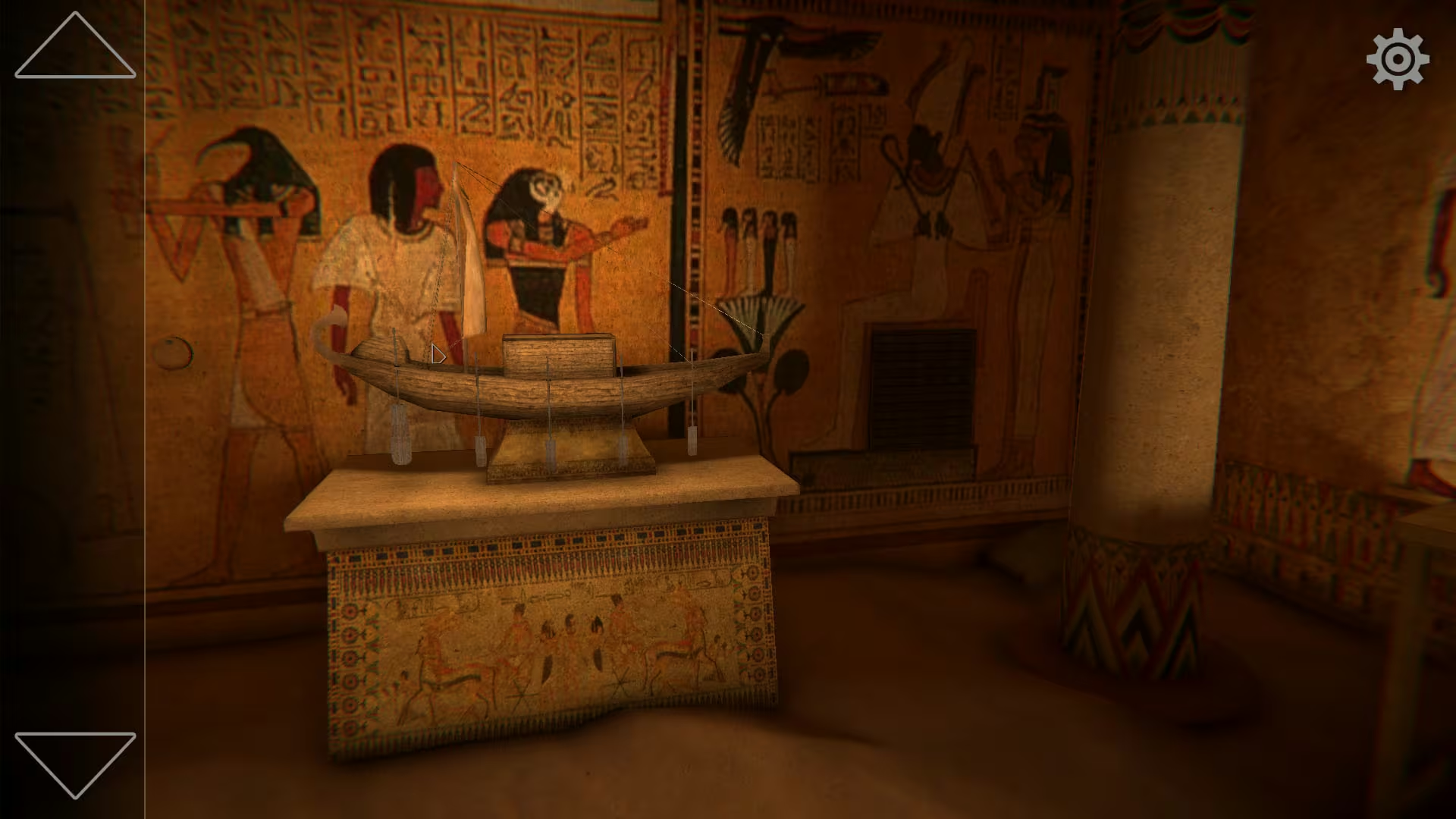
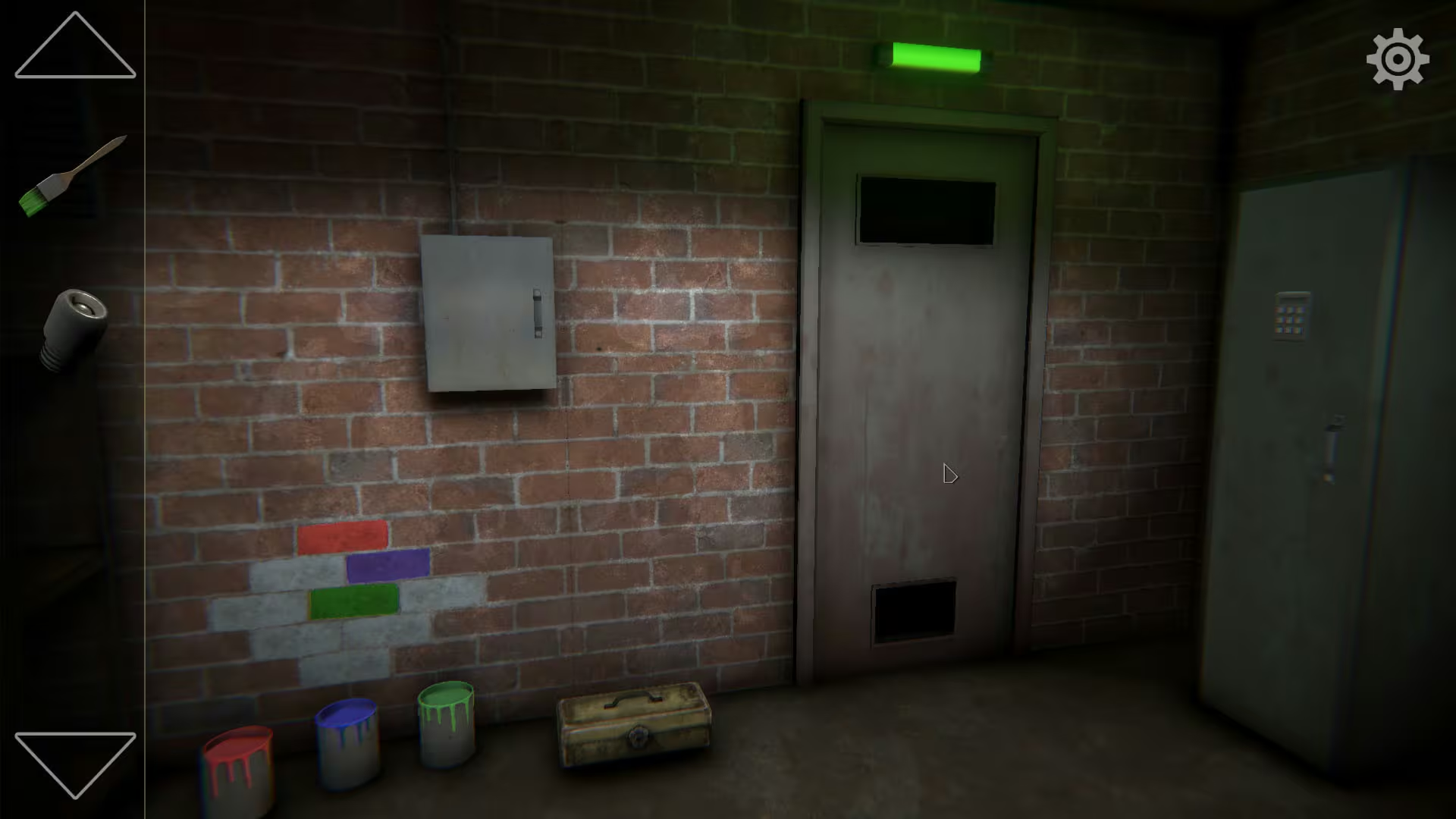
3D escape room game with realtime graphics and physics-based puzzles.

Global score

94/100

Genres

Adventure

Similar games

    Pros

    • Engaging and logical puzzles
    • Good value for price
    • Intuitive controls and interface
    • Varied and unique rooms
    • Suitable for casual and puzzle fans

    Cons

    • Short gameplay with only four rooms
    • Lack of save within rooms
    • Some puzzles frustrating or obscure
    • Minimal narrative or story
    • Xylophone puzzle problematic for some players

    Analysis

    Less representative of its motivational profile, with noticeable differences. Motivations that often define this kind of title include Fantasy, Violence, Story, Thrill. Here, the score leans higher than usual among comparable games on Cooperation, Intimacy. It leans lower than usual among comparable games on Continuation.

    How to use the graph
    Similar games map

    Each dot is a game. They are arranged from the same motivation profile as in the “Motivations” section below. Closer dots usually mean more similar reasons to play (exploration, competition, relaxation, etc.)—not that one game is “better” than another.

    • Larger dot with a light outline: the game you are viewing.
    • Colour: groups of games with comparable motivation patterns (statistical clusters).
    • Hover a dot to see the game name; click to open its page.
    • Scroll or double-click the chart to zoom out and see more games.

    Why don’t the axes read like a score? This view uses t-SNE: it only keeps who is close to whom. The scales are not “good to bad” or hours played—they separate groups on the map. Read distance between dots, not the axis numbers.

    Motivations

    • Autonomy
      4

      "Players have freedom to explore rooms, interact with puzzles at their own pace, and choose to play with or without timers."

    • Competence
      3

      "Puzzles provide a moderate challenge with logical solutions, requiring skill and thought to solve, though not extremely difficult."

    • Competition
      -4

      "Focus is on individual puzzle solving without competitive elements or leaderboards; achievements are time-based but self-directed."

    • Continuation
      -3

      "Short game with only four rooms; some players found limited replay value beyond achievement hunting."

    • Cooperation
      2

      "Some players enjoyed playing together via streaming or with family, but game is primarily designed for solo play."

    • Creativity
      3

      "Varied and unique puzzles in each room encourage creative problem solving and thinking outside the box."

    • Domination
      -5

      "No evidence of exerting control or superiority over others; interactions are individual and cooperative."

    • Escapism
      4

      "Players use the game as a mental escape and stress relief through immersive puzzle solving."

    • Expectation
      -4

      "Players engage voluntarily out of interest and enjoyment, not due to obligation or pressure."

    • Experimenting
      3

      "Puzzles encourage exploration of mechanics and trying different approaches to find solutions."

    • Exploration
      3

      "Players explore detailed 3D environments and discover clues and items to progress."

    • Expression
      -4

      "No character or environment customization; players interact with preset puzzles and rooms."

    • Fantasy
      -3

      "Game simulates realistic escape room scenarios without narrative or fictional elements."

    • Fellowship
      1

      "Some social interaction occurs via shared play or streaming, but primarily a solo experience."

    • Growth
      3

      "Players develop problem-solving skills and learn puzzle mechanics through gameplay."

    • Health
      -5

      "Sedentary gameplay with no physical activity or health-related features."

    • Idle
      -4

      "Requires focused attention and continuous engagement to solve puzzles; not a background or idle game."

    • Intimacy
      1

      "Some players share experience with close others, but limited emotional or social bonding described."

    • Leadership
      -5

      "No leadership or management roles; players act independently or collaboratively without hierarchy."

    • Progression
      2

      "Progression through rooms and puzzle completion, but no item collection or upgrades beyond puzzle solving."

    • Relaxation
      2

      "Balanced challenge provides satisfying flow and relaxation, though some puzzles cause frustration."

    • Sensation
      1

      "Visuals and audio are decent but not highly stimulating; focus is on cognitive challenge rather than sensory excitement."

    • Status
      -5

      "No social recognition or status systems; achievements are personal and not publicly ranked."

    • Story
      -4

      "Minimal to no narrative; game focuses on isolated puzzle rooms without overarching plot."

    • Strategy
      3

      "Puzzles require logical thinking, planning, and problem solving rather than rote actions."

    • Thrill
      1

      "Some moments of excitement from solving puzzles, but no high suspense or risk elements."

    • Value
      4

      "Players perceive good value for money given price and gameplay length."

    • Violence
      -5

      "No violent content; gameplay centers on constructive puzzle solving."

    • Survival
      -5

      "No survival or threat avoidance mechanics; stable, low-risk environment."

    Last update: 29/04/2026