Grow: Song of the Evertree Thumbnail

Grow: Song of the Evertree similar games & best alternatives
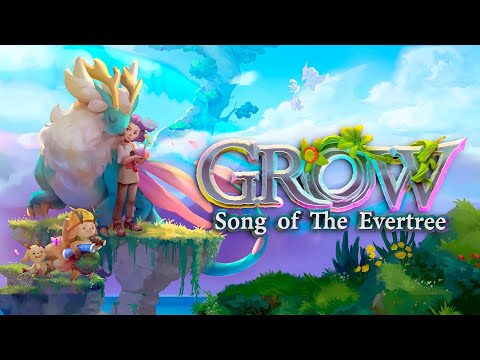
Grow: Song of the Evertree

PC (Microsoft Windows), Xbox One, Nintendo Switch, PlayStation 4 • 2021

Related articles

Quick resume

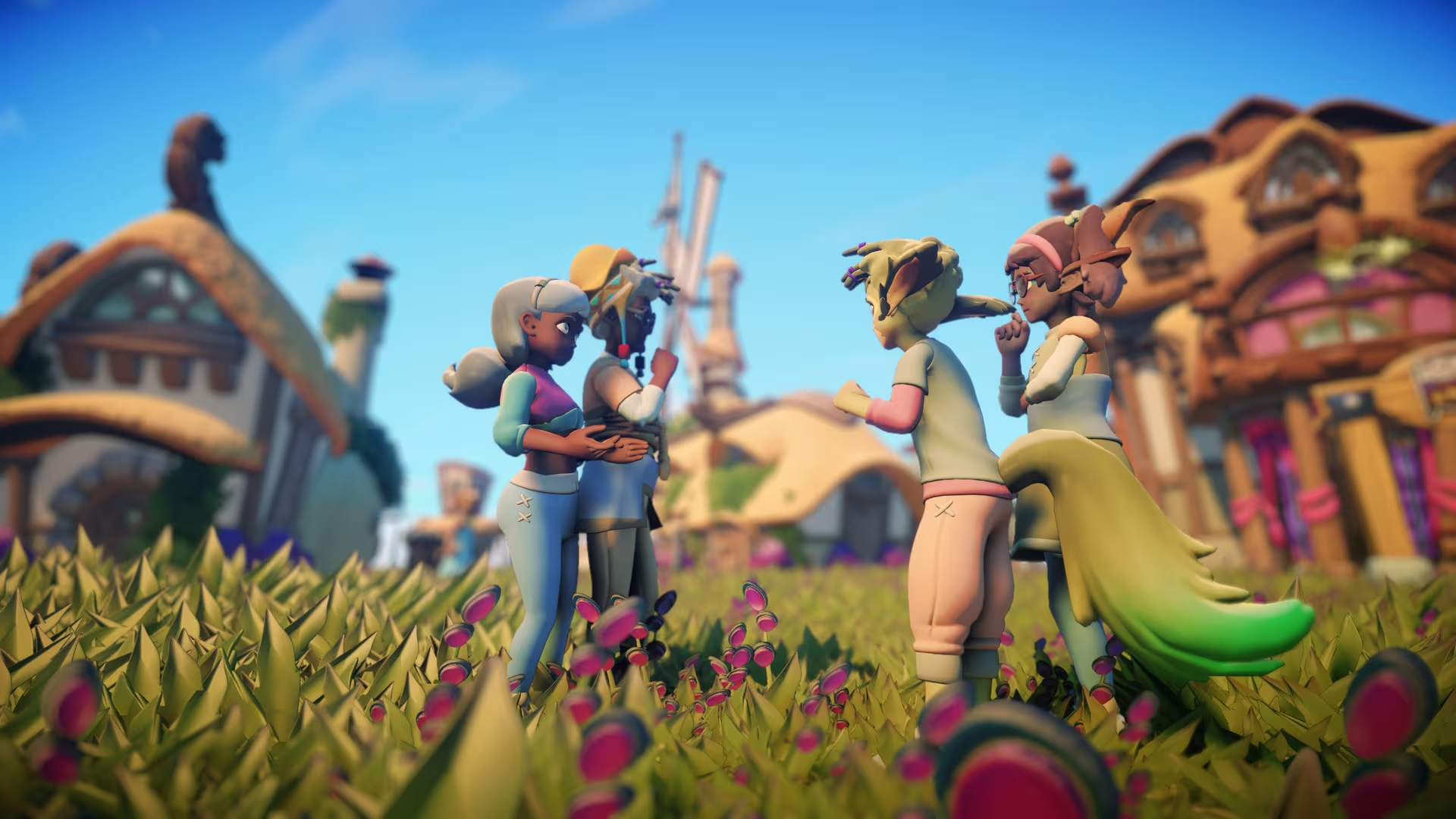
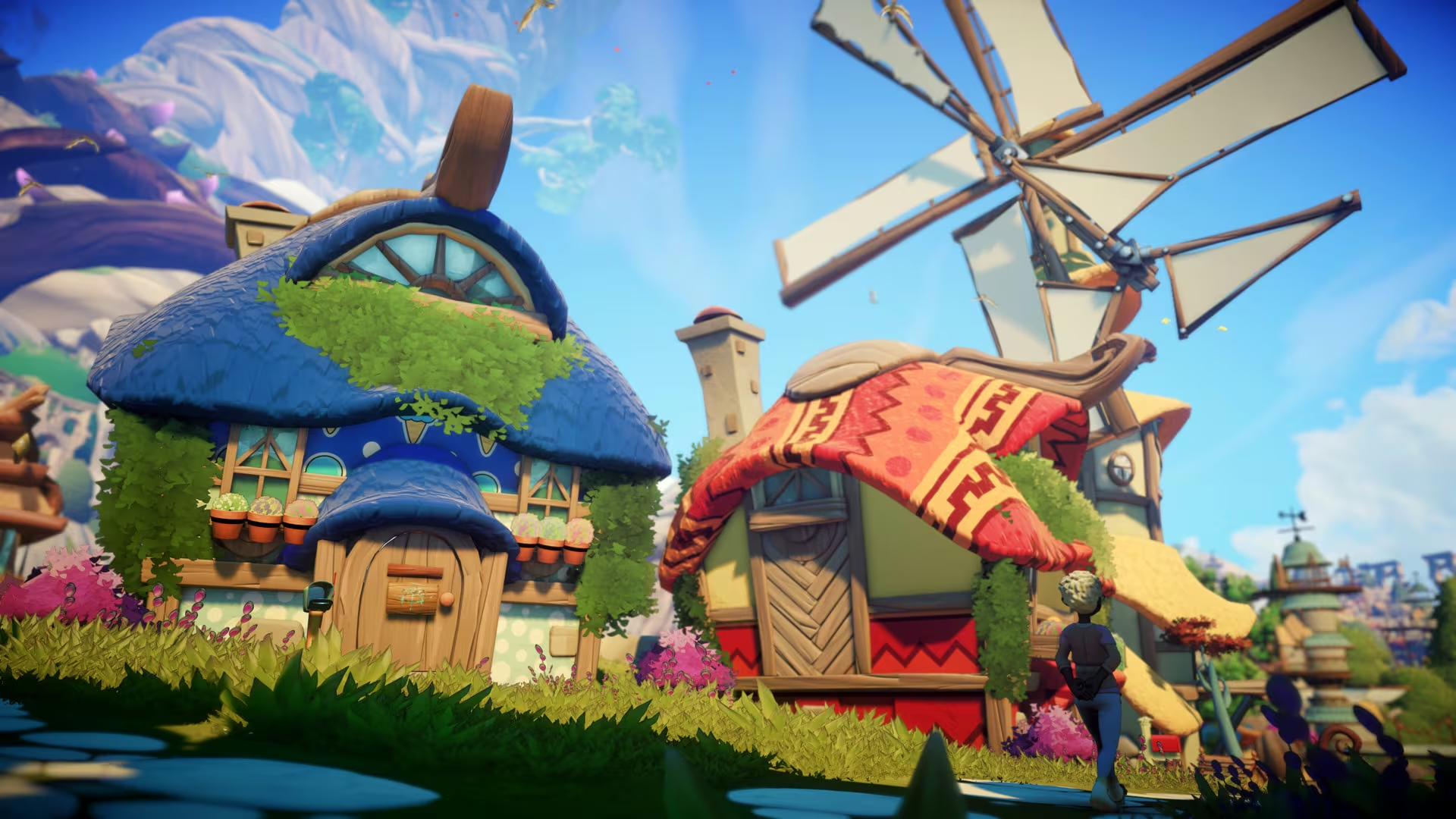
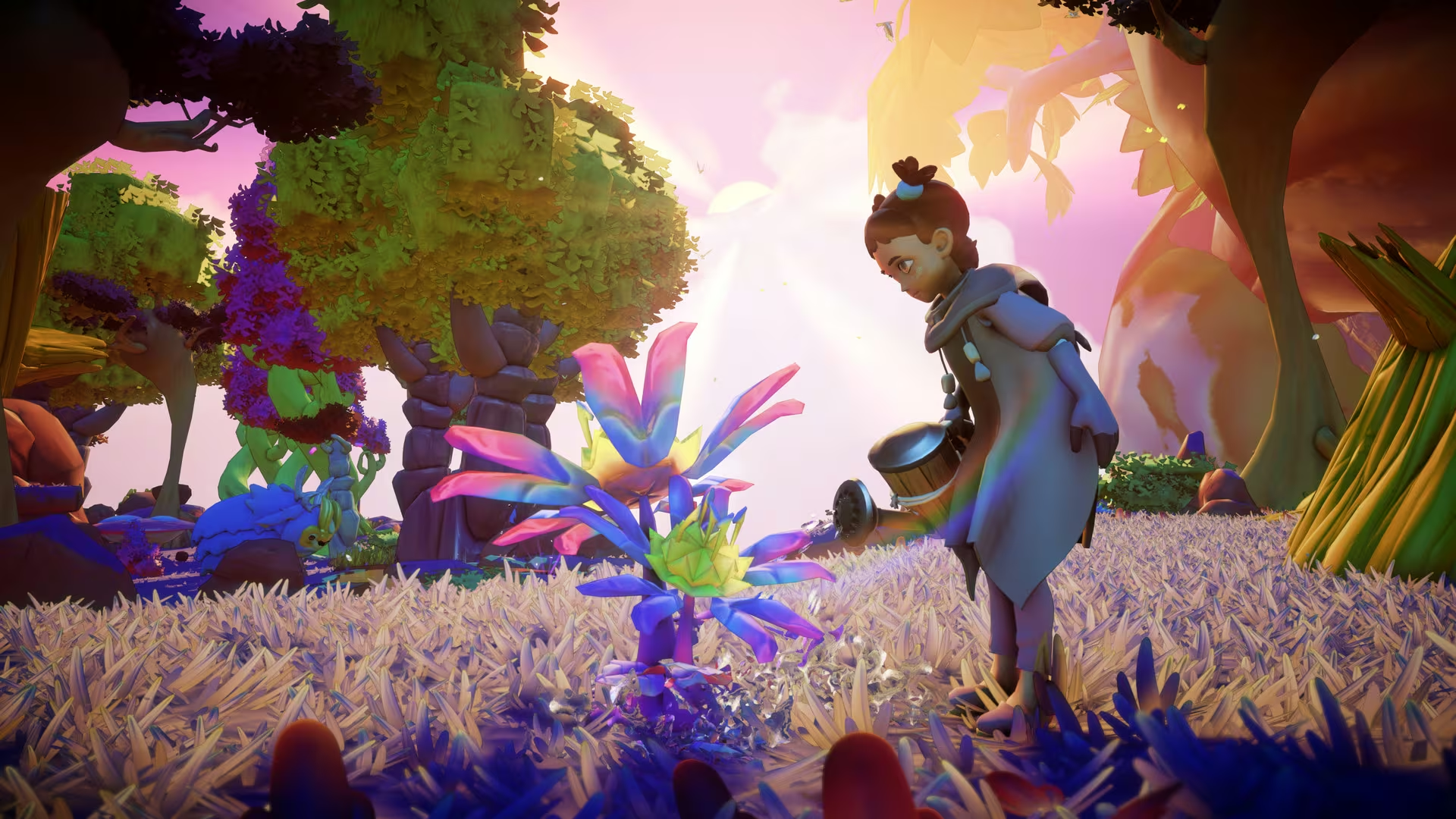
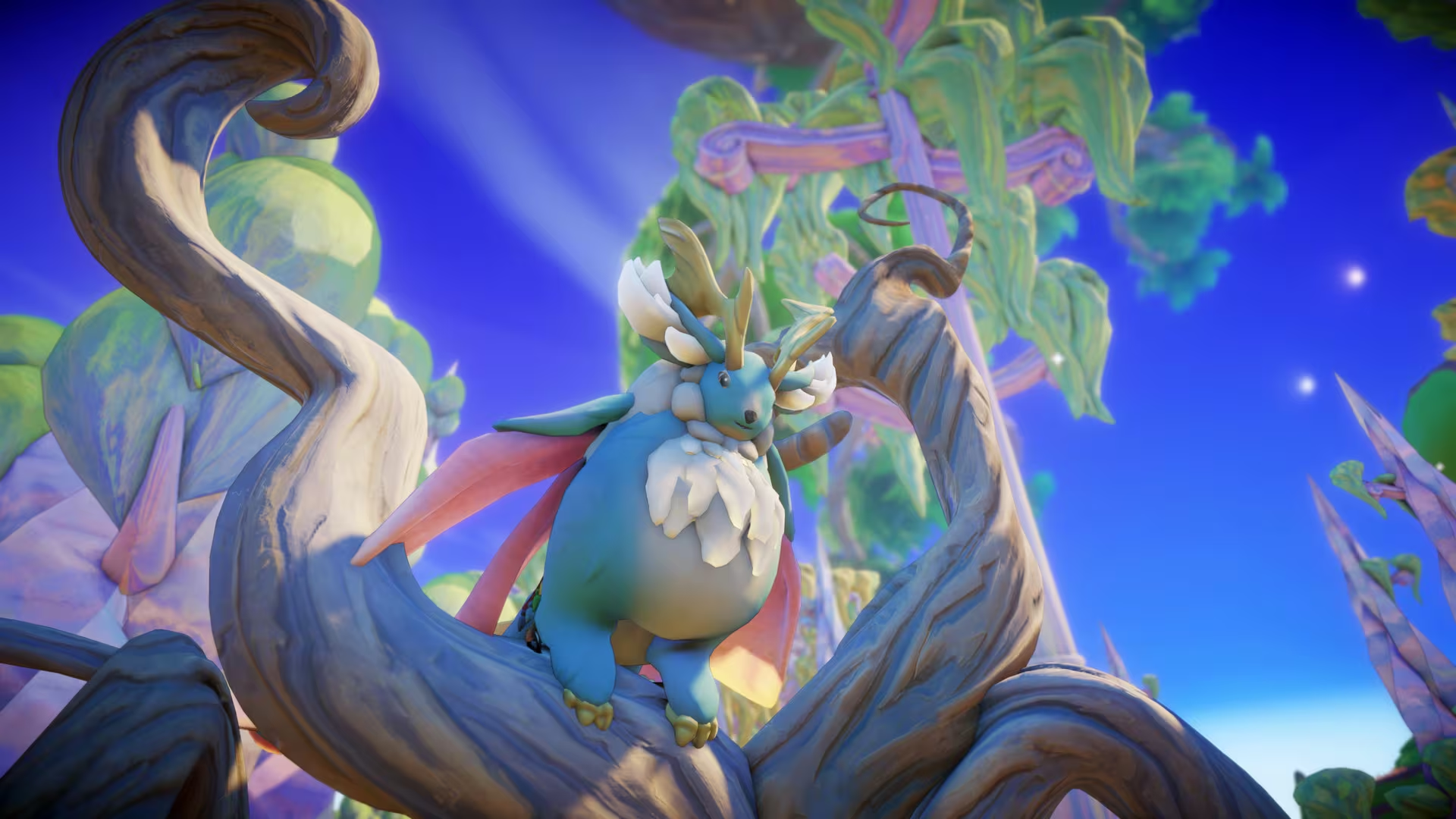
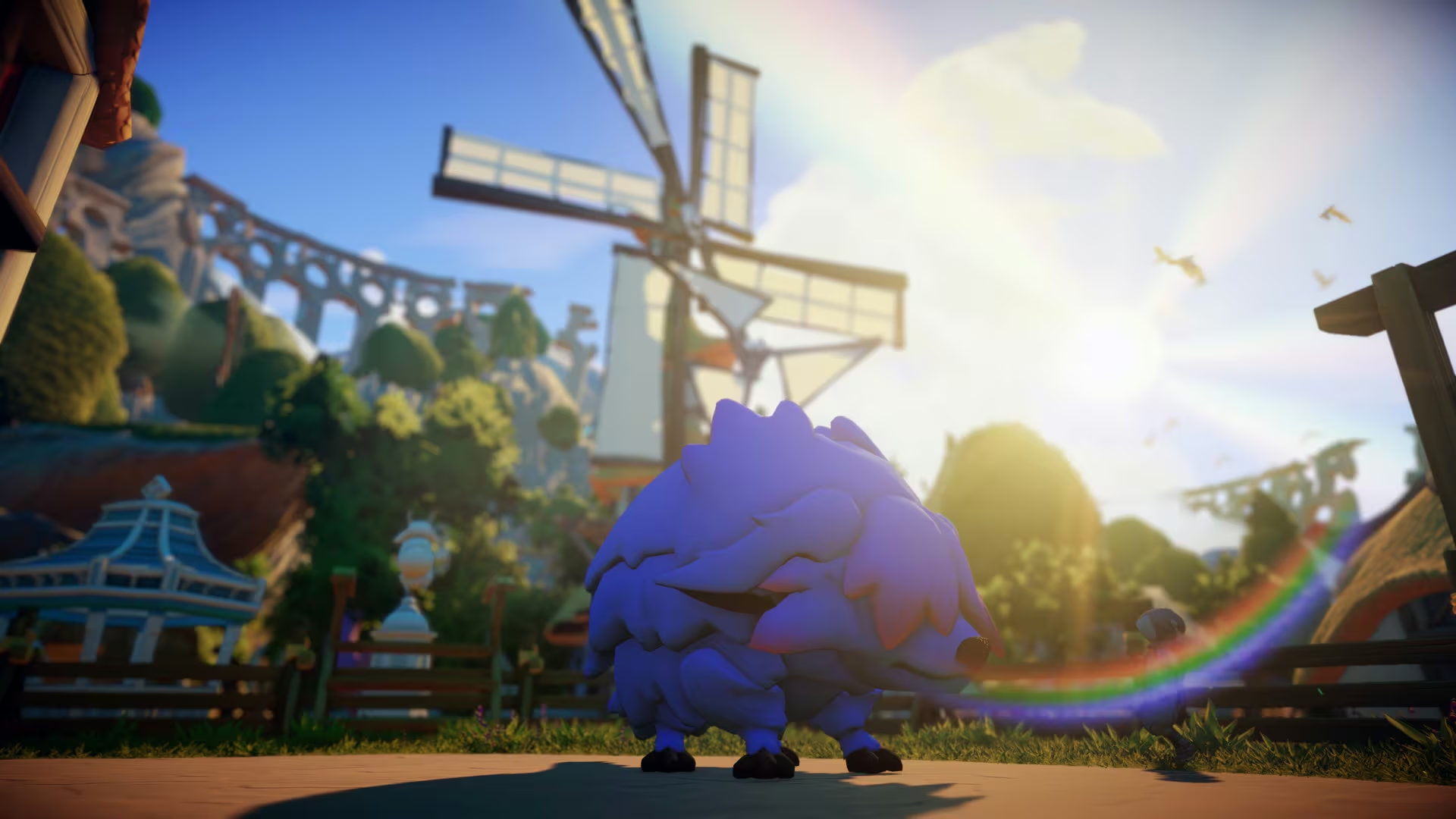
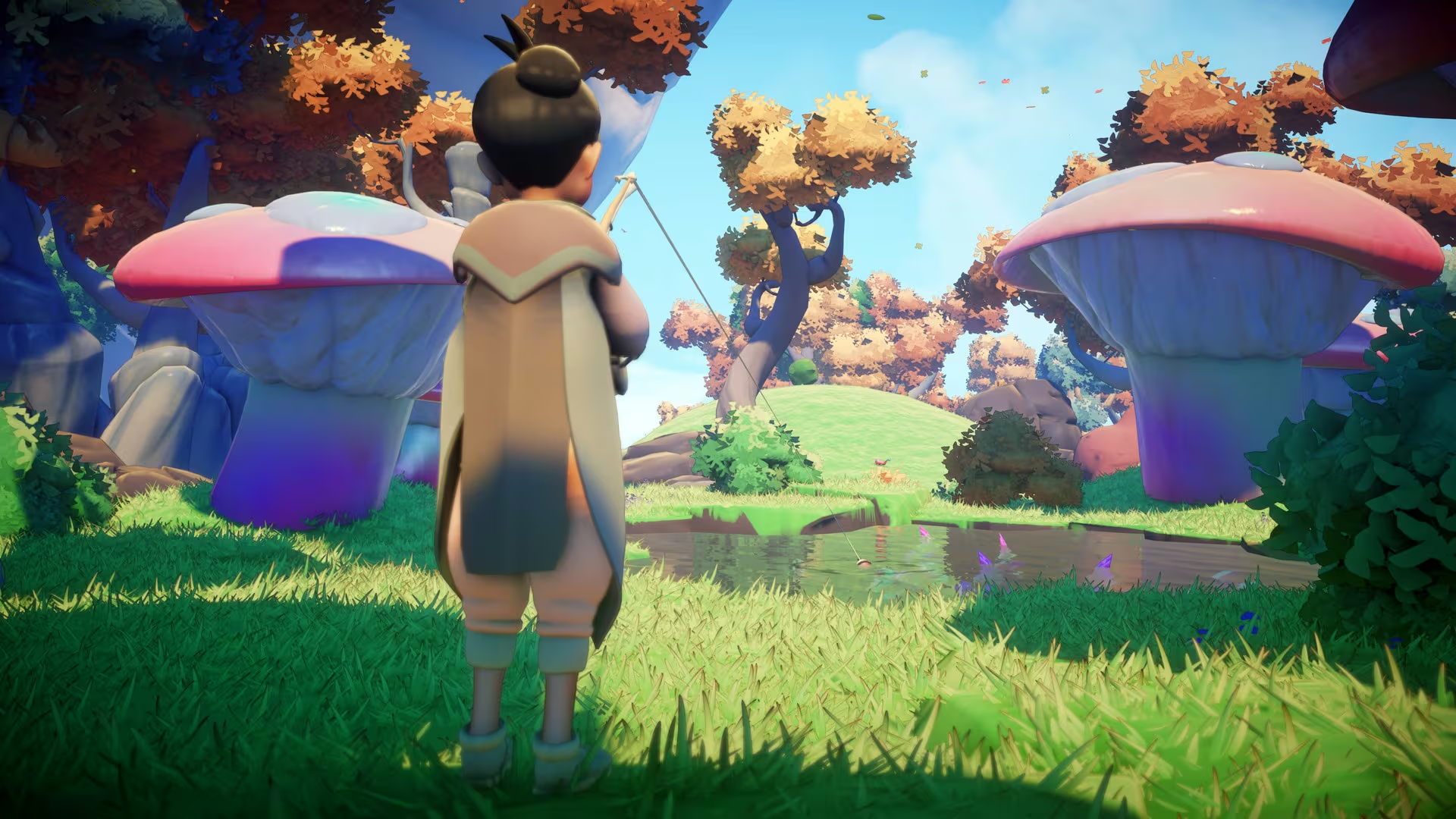
Grow your own worlds and nurture a deep natural connection with everything they hold. See your actions change the world for better! Bring the Evertree back to life in this breathtaking world-crafting sandbox, with life management and adventure elements.

Global score

81/100

Genres

Action, Adventure, Casual, Role-playing (RPG), Simulator, Indie, Puzzle

Similar games

    Pros

    • Relaxing and soothing gameplay
    • Beautiful colorful graphics and music
    • Deep customization and creativity
    • Engaging exploration and worldbuilding
    • Accessible and family friendly

    Cons

    • Some repetitive tasks
    • Lack of deep npc interaction or relationship building
    • No multiplayer or social features
    • Minor bugs and ui annoyances
    • Limited challenge and complexity

    Analysis

    Broadly representative of its motivational profile, with a few distinct shifts. Motivations that often define this kind of title include Intimacy, Survival, Violence, Competition. Here, the score leans higher than usual among comparable games on Leadership. It leans lower than usual among comparable games on Intimacy, Thrill.

    How to use the graph
    Similar games map

    Each dot is a game. They are arranged from the same motivation profile as in the “Motivations” section below. Closer dots usually mean more similar reasons to play (exploration, competition, relaxation, etc.)—not that one game is “better” than another.

    • Larger dot with a light outline: the game you are viewing.
    • Colour: groups of games with comparable motivation patterns (statistical clusters).
    • Hover a dot to see the game name; click to open its page.
    • Scroll or double-click the chart to zoom out and see more games.

    Why don’t the axes read like a score? This view uses t-SNE: it only keeps who is close to whom. The scales are not “good to bad” or hours played—they separate groups on the map. Read distance between dots, not the axis numbers.

    Motivations

    • Autonomy
      4

      "Players have freedom to create and customize towns, assign jobs, build and decorate, and choose how to tend to their worlds and exploration."

    • Competence
      2

      "Tasks involve planning, resource management, and light puzzles; generally accessible with some mild challenge but mostly relaxing and repetitive."

    • Competition
      -4

      "Focus is on personal pace and enjoyment without competitive elements or leaderboards."

    • Continuation
      4

      "Many players report long play sessions, habitual play, and high attachment to the game."

    • Cooperation
      -3

      "Gameplay is mostly single-player focused with limited social or cooperative multiplayer features."

    • Creativity
      4

      "Strong emphasis on creating and customizing towns, buildings, characters, and procedurally generated worlds."

    • Domination
      -5

      "Interactions are friendly and cooperative with NPCs; no evidence of exerting control or superiority over others."

    • Escapism
      5

      "Players use the game as a relaxing, stress-relieving, and immersive escape from real life."

    • Expectation
      -4

      "Players engage voluntarily out of intrinsic interest and personal desire for a cozy, relaxing experience."

    • Experimenting
      4

      "Players experiment with alchemy to create unique world seeds and try different town layouts and customizations."

    • Exploration
      4

      "Exploration of new areas, secrets, caves, and procedurally generated worlds is a key part of gameplay."

    • Expression
      4

      "Customization of characters, NPCs, buildings, and towns allows for self-expression."

    • Fantasy
      3

      "The game features imaginative fiction elements such as magical alchemy, fantasy creatures, and a fictional world."

    • Fellowship
      -3

      "Primarily a single-player experience with minimal social connection or community involvement."

    • Growth
      3

      "Players learn to manage resources, optimize town layouts, and understand alchemy mechanics."

    • Health
      -4

      "Sedentary gameplay with no physical activity or health-related mechanics."

    • Idle
      -3

      "Requires focused attention for gardening, town building, and exploration; not designed for background play."

    • Intimacy
      -4

      "NPC interactions are shallow with limited emotional depth; no evidence of close relationship formation."

    • Leadership
      2

      "Players manage towns and assign jobs, exercising leadership in a light, indirect way."

    • Progression
      4

      "Progression through unlocking buildings, upgrading towns, and creating new world seeds is central."

    • Relaxation
      5

      "Game is widely described as relaxing, soothing, and meditative with a gentle pace."

    • Sensation
      3

      "Enjoyable visual and auditory aesthetics with colorful graphics and calming music."

    • Status
      -4

      "No social status or recognition systems; focus is on individual experience."

    • Story
      2

      "There is a narrative and character interactions, but story is simple and not deeply immersive."

    • Strategy
      3

      "Requires some planning and problem solving in town layout, resource management, and alchemy combinations."

    • Thrill
      -4

      "No suspense or risk; gameplay is calm and controlled."

    • Value
      4

      "Players report high perceived value for time spent due to content richness and replayability."

    • Violence
      -5

      "No combat or destructive gameplay; focus is on building and nurturing."

    • Survival
      -5

      "No threats or failure states; stable and safe gameplay environment."

    Where to buy

    Last update: 29/04/2026