Regions Of Ruin Thumbnail

Regions Of Ruin similar games & best alternatives
Regions Of Ruin

PC (Microsoft Windows), Mac, PlayStation 4, Xbox One, Nintendo Switch, Linux • 2018

Related articles

Quick resume

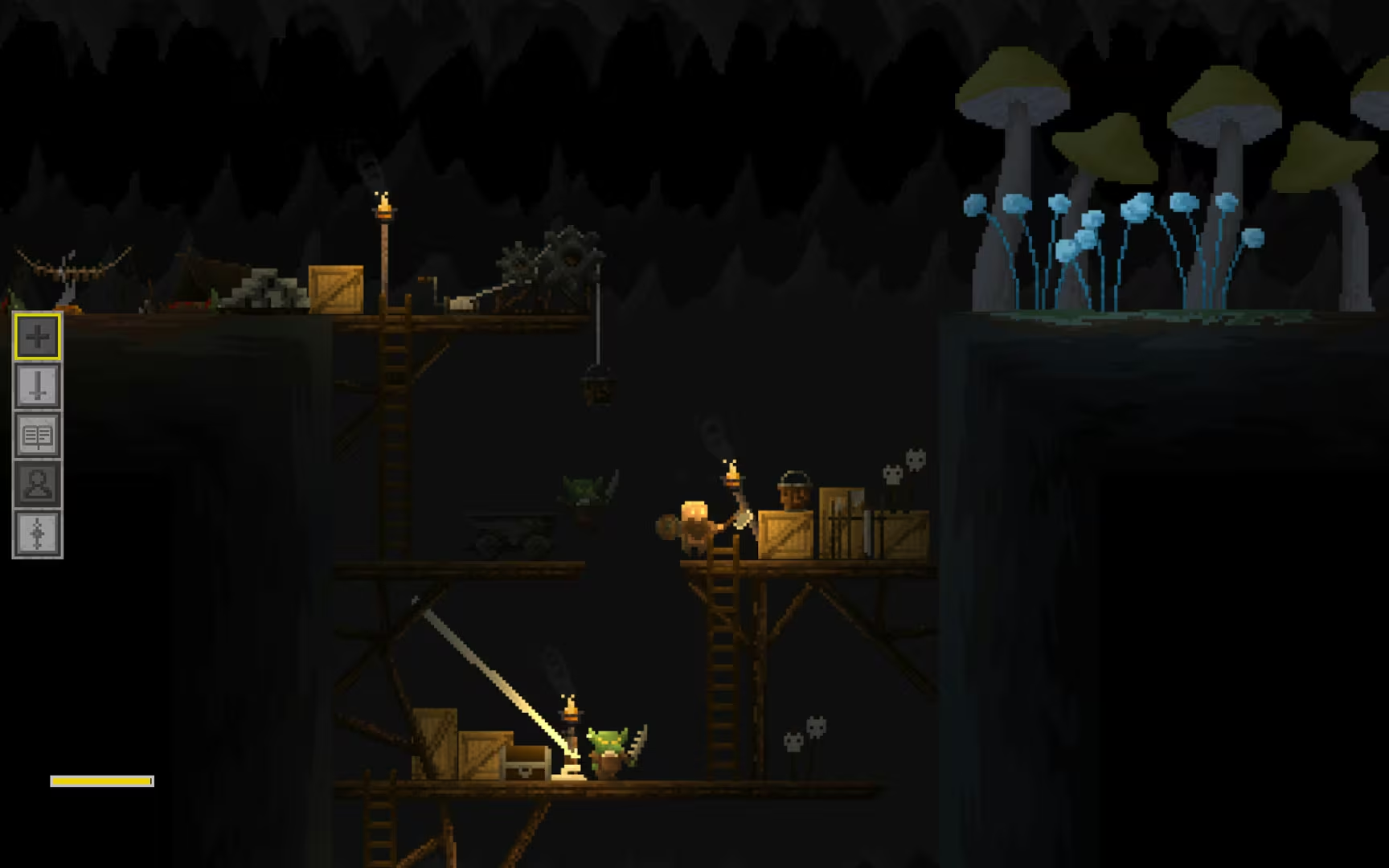
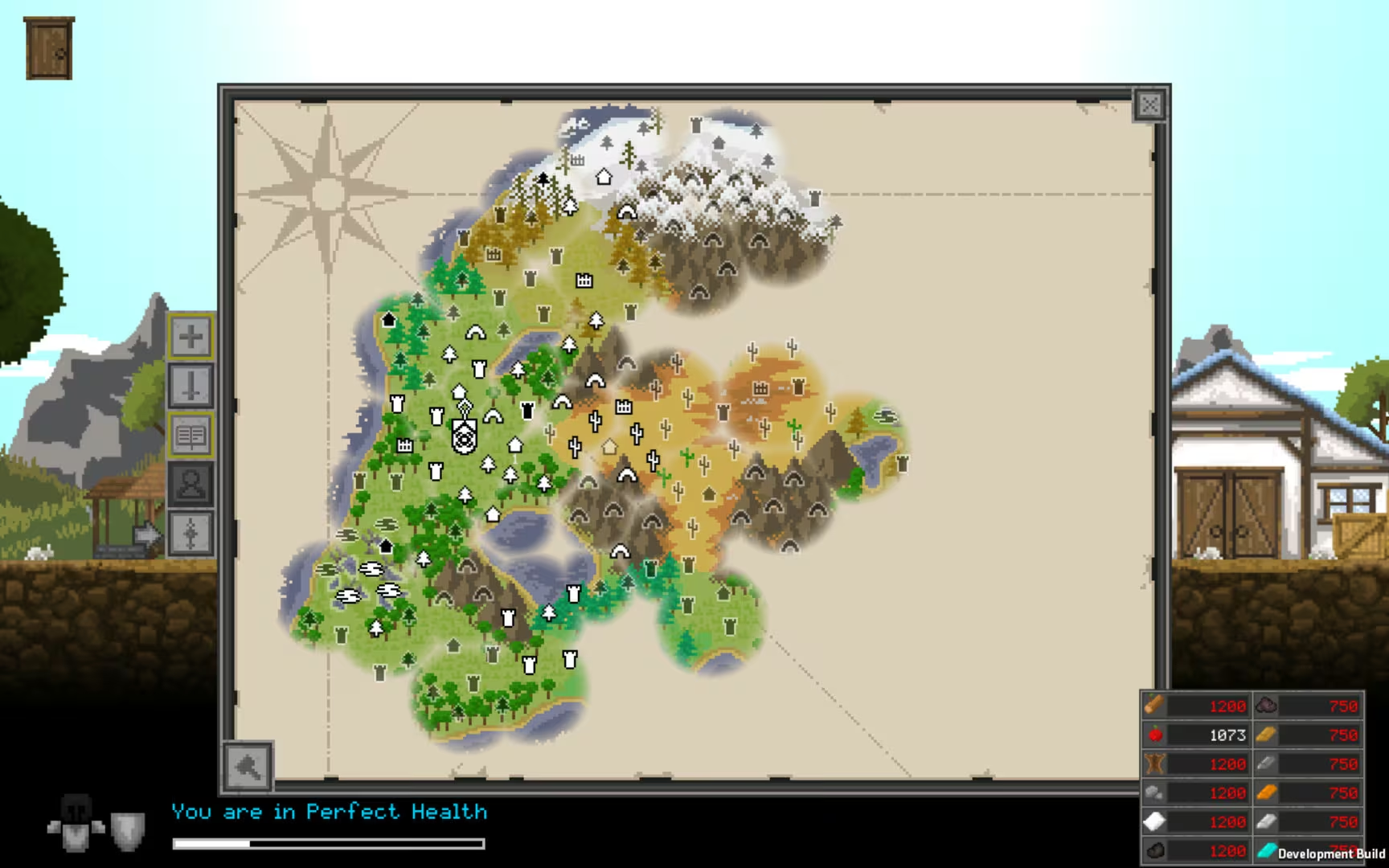
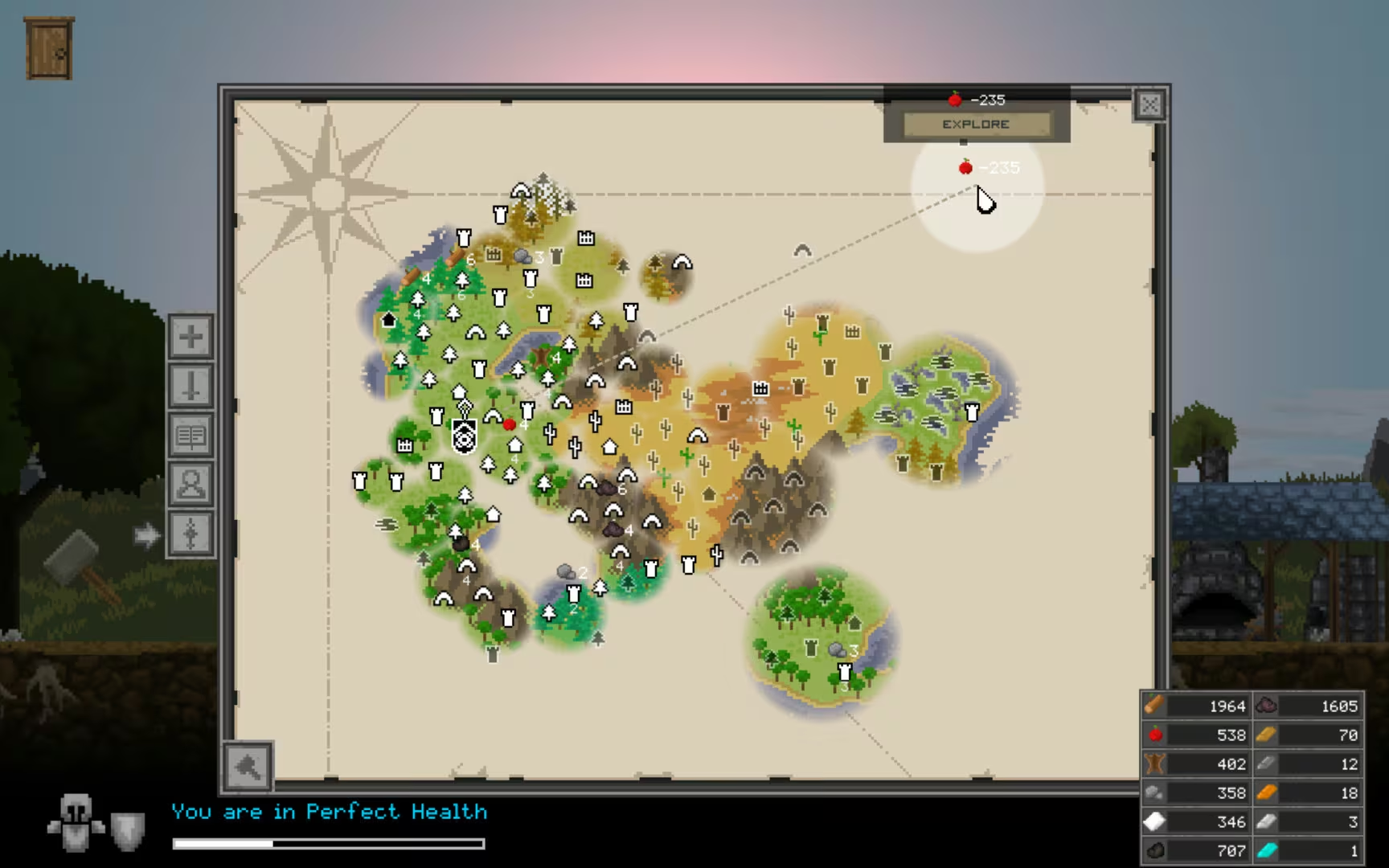
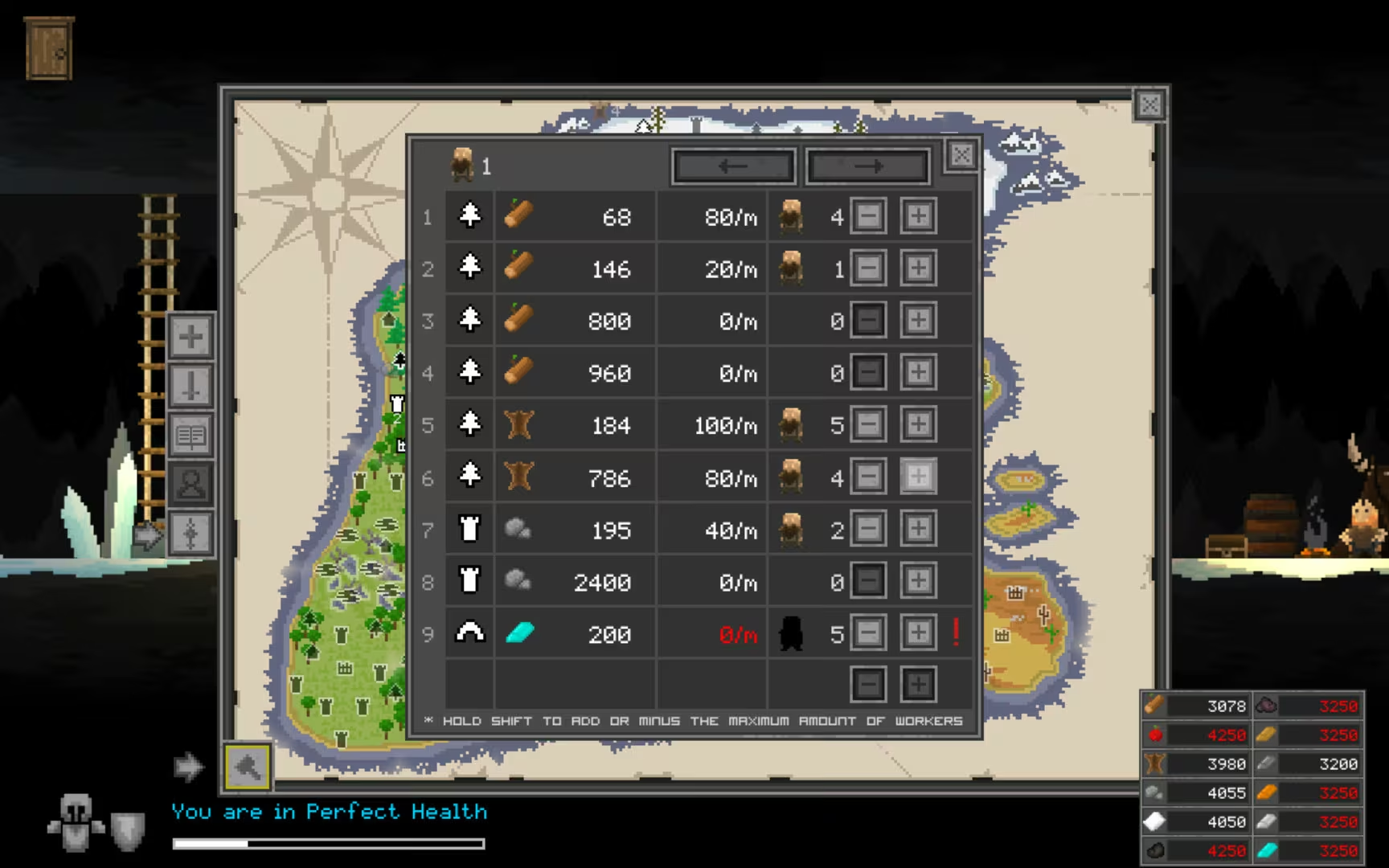
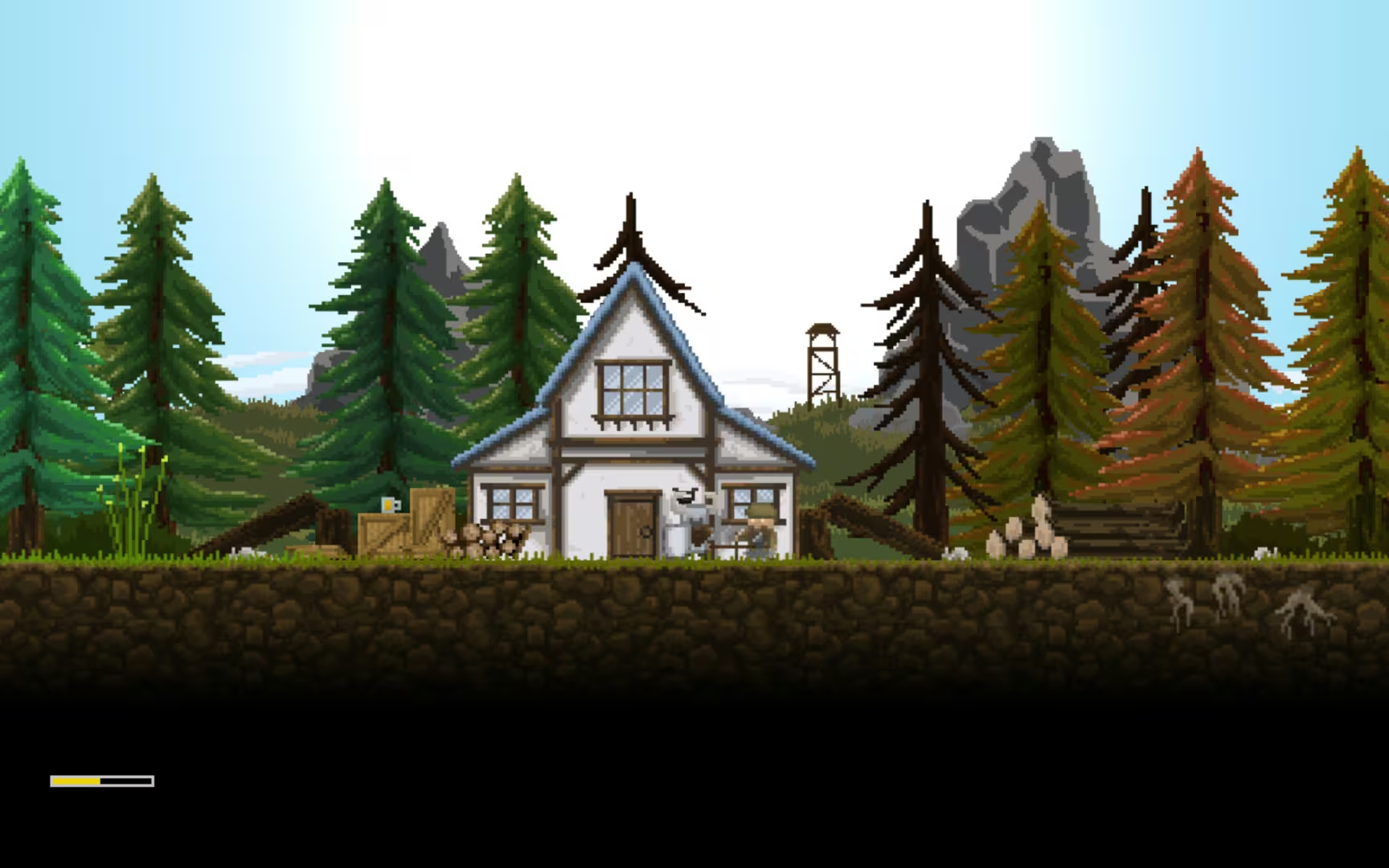
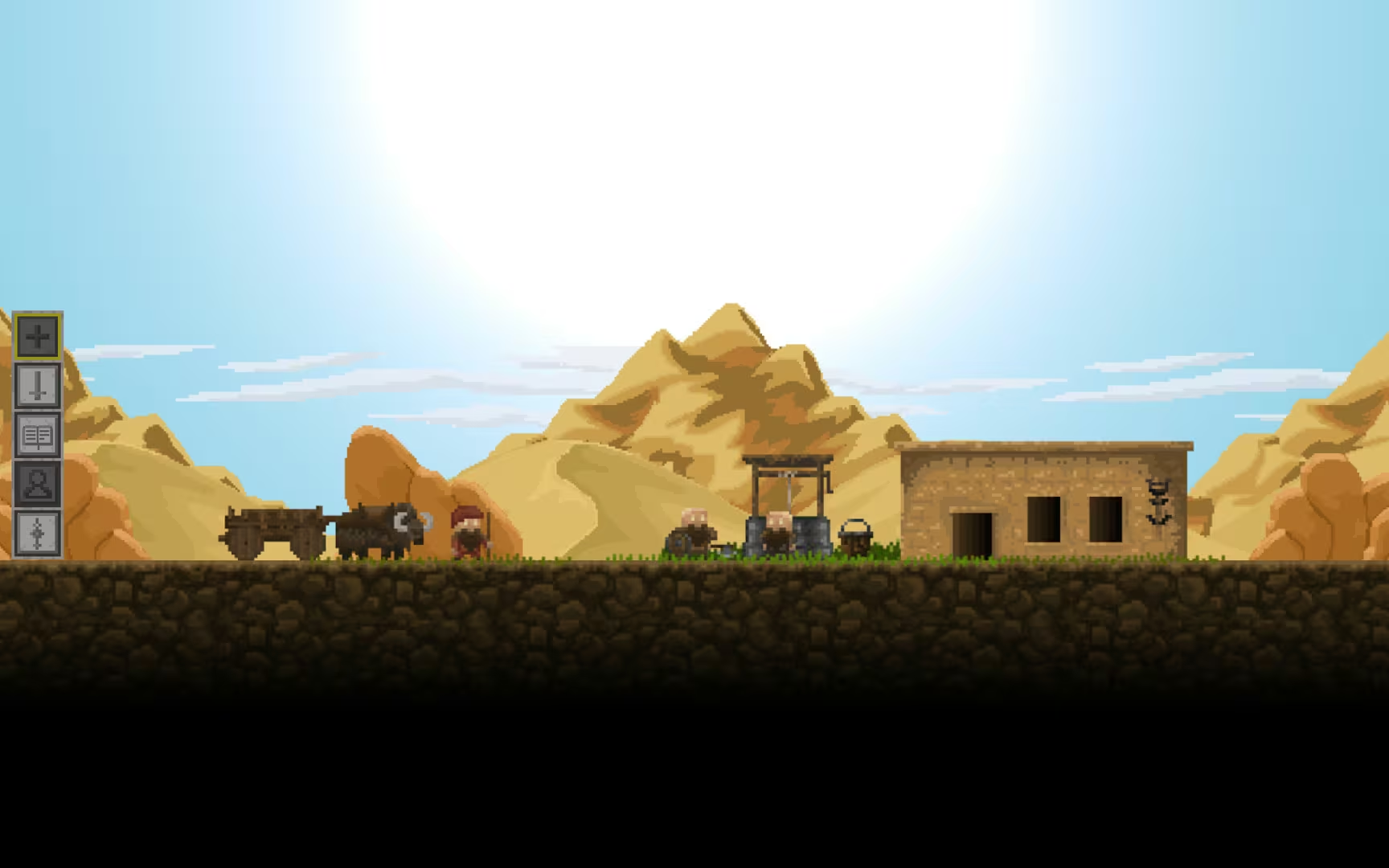
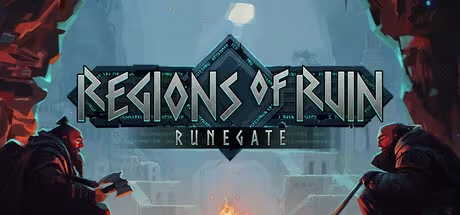
Regions of Ruin is a 2D pixel side-scrolling RPG with town-building, where you explore, fight and build into an open world that progressively challenges you and your settlement, and threatens the extinction of the dwarven race.

Global score

86/100

Genres

Action, Adventure, Indie, Role-playing (RPG), Platform, Hack and slash/Beat 'em up, Strategy

Similar games

    Pros

    • Addictive gameplay loop
    • Engaging exploration and combat
    • Charming pixel art and music
    • Active developer support
    • Meaningful town building and progression

    Cons

    • Balance issues with difficulty and gear
    • Repetitive late-game content
    • Limited companion ai and social features
    • Some ui and quest tracking problems
    • Platforming controls can be clunky

    Analysis

    A very typical example of its motivational profile. Motivations that often define this kind of title include Leadership, Survival, Violence, Strategy. Here, the score leans higher than usual among comparable games on Cooperation, Fellowship, Exploration.

    How to use the graph
    Similar games map

    Each dot is a game. They are arranged from the same motivation profile as in the “Motivations” section below. Closer dots usually mean more similar reasons to play (exploration, competition, relaxation, etc.)—not that one game is “better” than another.

    • Larger dot with a light outline: the game you are viewing.
    • Colour: groups of games with comparable motivation patterns (statistical clusters).
    • Hover a dot to see the game name; click to open its page.
    • Scroll or double-click the chart to zoom out and see more games.

    Why don’t the axes read like a score? This view uses t-SNE: it only keeps who is close to whom. The scales are not “good to bad” or hours played—they separate groups on the map. Read distance between dots, not the axis numbers.

    Motivations

    • Autonomy
      4

      "Players have freedom to explore the map, choose quests, build and upgrade their town, and customize character builds and skills."

    • Competence
      3

      "Combat and resource management provide skill challenges, but balance issues and overpowered late-game gear reduce difficulty."

    • Competition
      -4

      "Focus is on personal progression and exploration without ranked modes or direct player comparison."

    • Continuation
      3

      "Addictive gameplay loop encourages extended play sessions, though some players feel the game ends abruptly after completion."

    • Cooperation
      1

      "Players can hire companions to assist in combat, but mostly play independently."

    • Creativity
      2

      "Town building and crafting allow some customization, but structures and mechanics are limited and linear."

    • Domination
      -3

      "Interactions are cooperative or solo; no evidence of exerting control or superiority over others."

    • Escapism
      4

      "Players use the game as a relaxing, immersive fantasy escape with exploration and progression."

    • Expectation
      -4

      "Players engage voluntarily out of intrinsic interest and enjoyment rather than obligation."

    • Experimenting
      3

      "Players try different builds, tactics, and explore new areas, though some mechanics become repetitive."

    • Exploration
      5

      "Core gameplay involves discovering new map areas, secrets, and puzzles driven by curiosity."

    • Expression
      2

      "Some character and town customization exists, but limited cosmetic or avatar personalization."

    • Fantasy
      5

      "Strong fantasy setting with dwarves, goblins, magic, and mythical lore."

    • Fellowship
      0

      "Limited social interaction; mostly solo play with some NPC companions."

    • Growth
      4

      "Players learn combat skills, resource management, and character progression through leveling."

    • Health
      -5

      "No physical activity or rehab elements; sedentary gameplay."

    • Idle
      -3

      "Requires focused attention during combat and exploration; some passive resource gathering."

    • Intimacy
      -4

      "Minimal social connection; interactions limited to NPCs and companions."

    • Leadership
      1

      "Players manage their town and assign workers, but no multiplayer leadership roles."

    • Progression
      5

      "Strong emphasis on acquiring gear, upgrading skills, and expanding the settlement."

    • Relaxation
      3

      "Gameplay provides flow and catharsis, though some frustration with platforming and balance issues."

    • Sensation
      2

      "Enjoyable pixel art and music provide sensory pleasure, though repetitive for some."

    • Status
      -4

      "Achievements exist but social recognition or popularity is minimal."

    • Story
      3

      "Narrative and lore are present and enhance immersion, though story is simple and not deeply complex."

    • Strategy
      3

      "Combat and resource management require tactical thinking and planning."

    • Thrill
      2

      "Some suspense in combat and exploration, but overall controlled and predictable gameplay."

    • Value
      4

      "Players perceive good value for time and money, especially on sale."

    • Violence
      3

      "Combat and defeating enemies are core gameplay elements."

    • Survival
      2

      "Players manage health and injuries, avoid death, and gather resources to sustain the town."

    Last update: 29/04/2026