HEARTBEAT Thumbnail

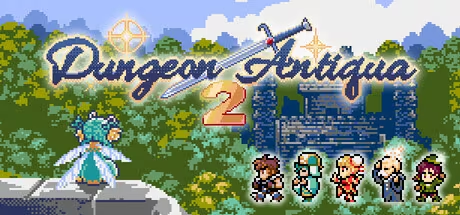
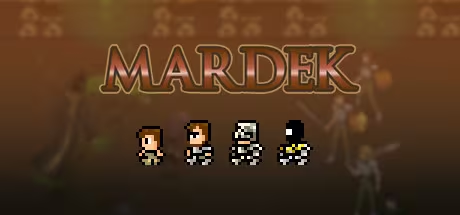
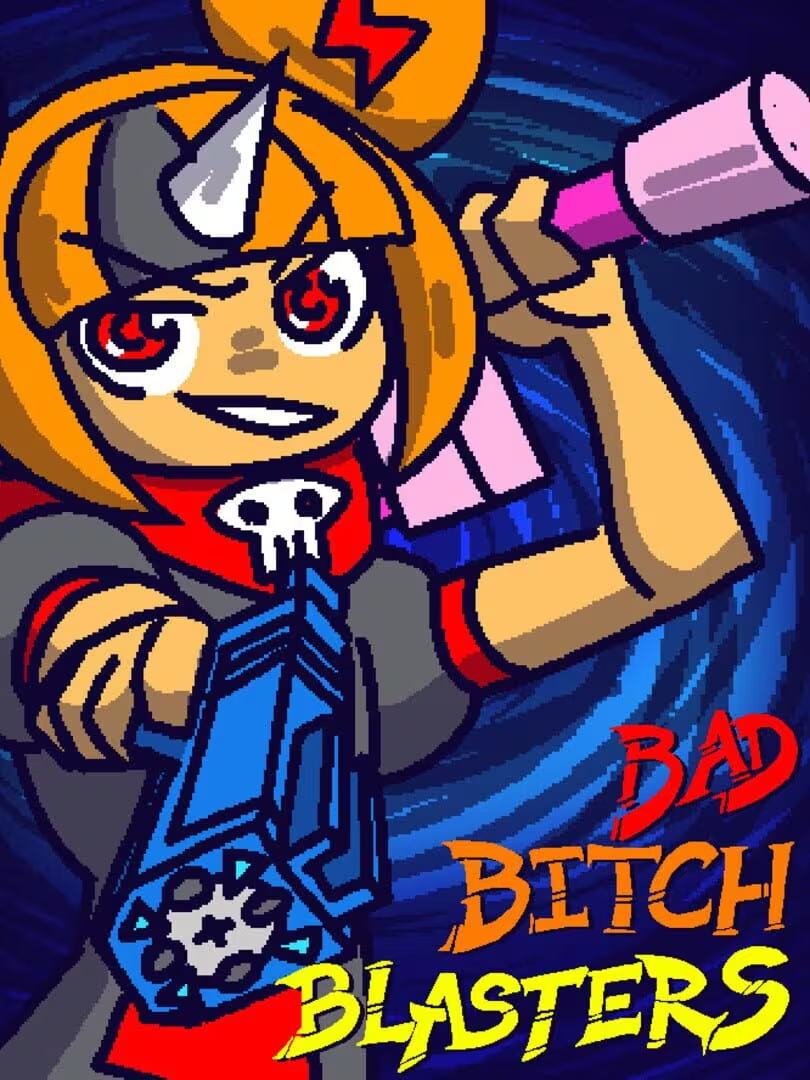
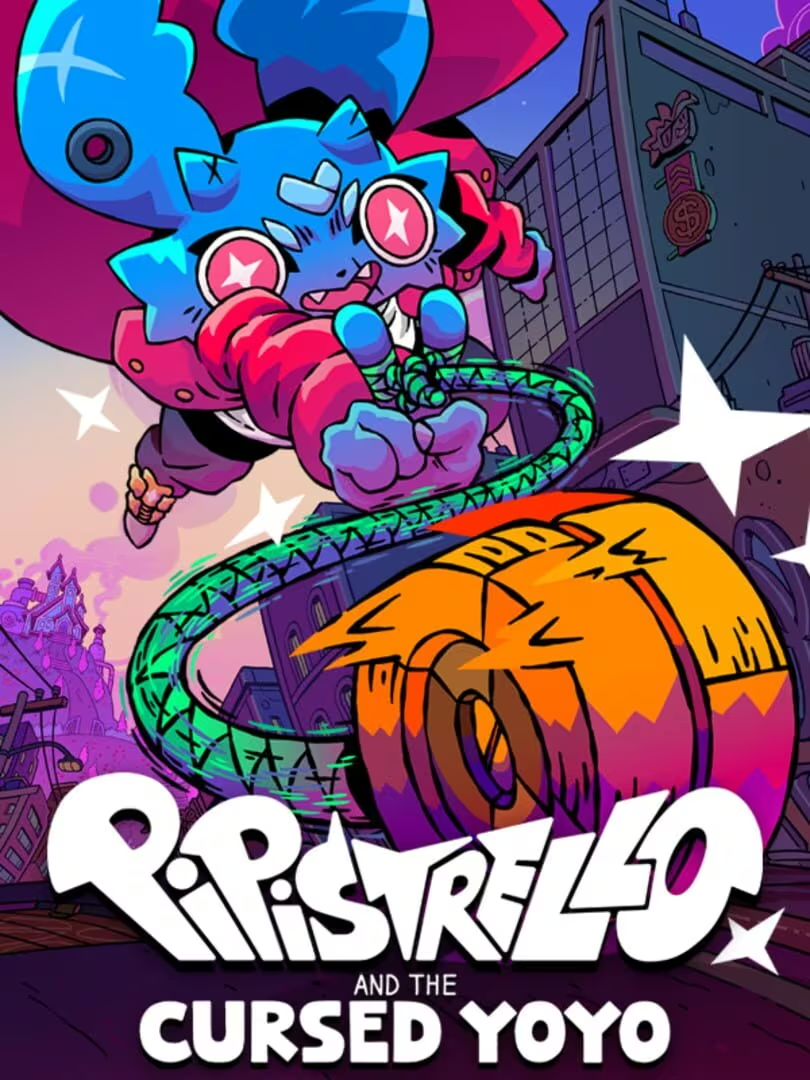
HEARTBEAT similar games & best alternatives
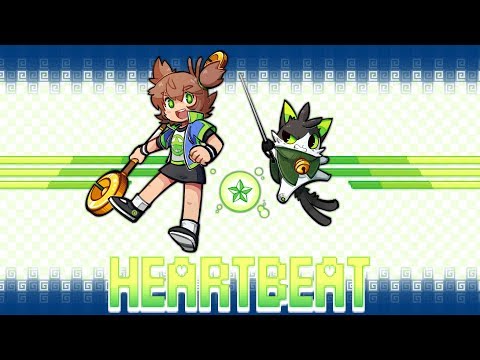
HEARTBEAT

PC (Microsoft Windows), Mac, Linux • 2018

Related articles

Quick resume

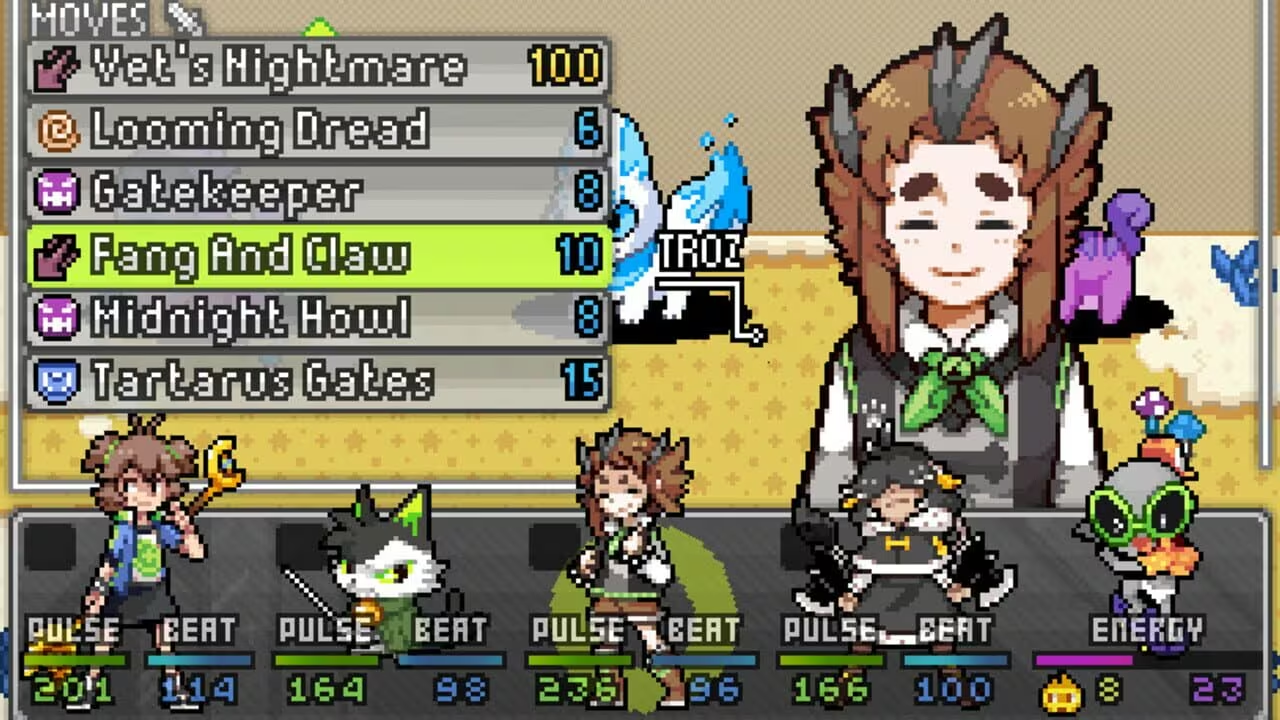
Make friends, make enemies, go fishing, collect cards, beat up sharks, beat up tigers, obtain the denim blade, train a fuzzy infantile insect for battle, and uncover ancient secrets in this monster-filled adventure.

Global score

85/100

Genres

Indie, Role-playing (RPG)

Similar games

    Pros

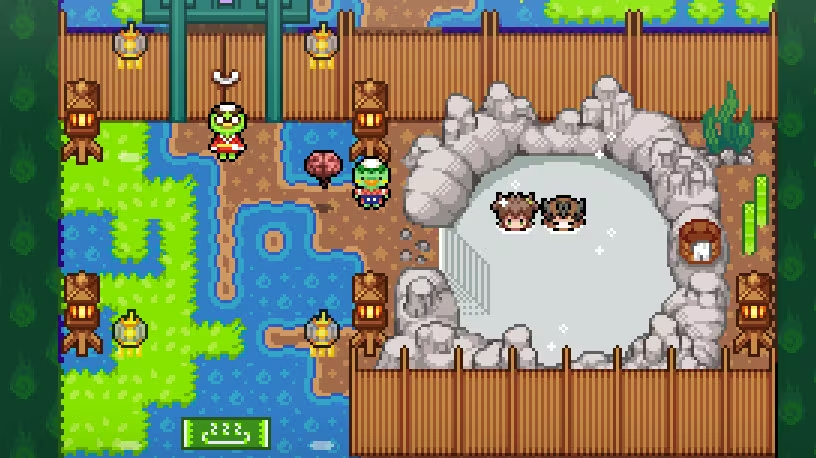
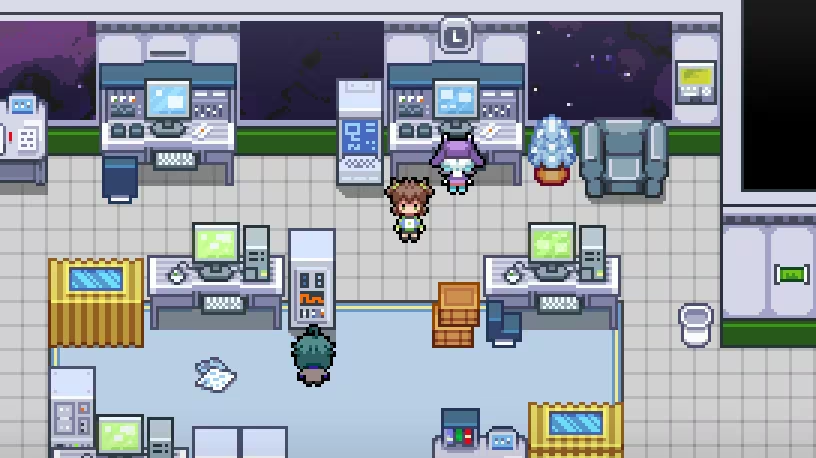
    • Charming pixel art and music
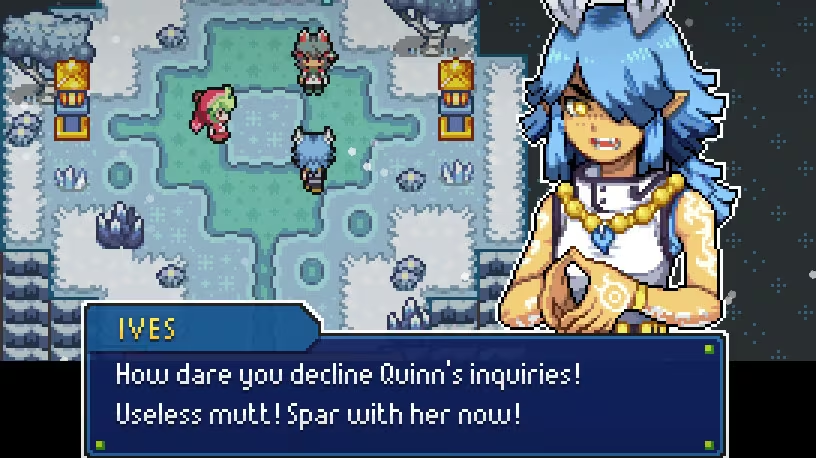
    • Engaging story and characters
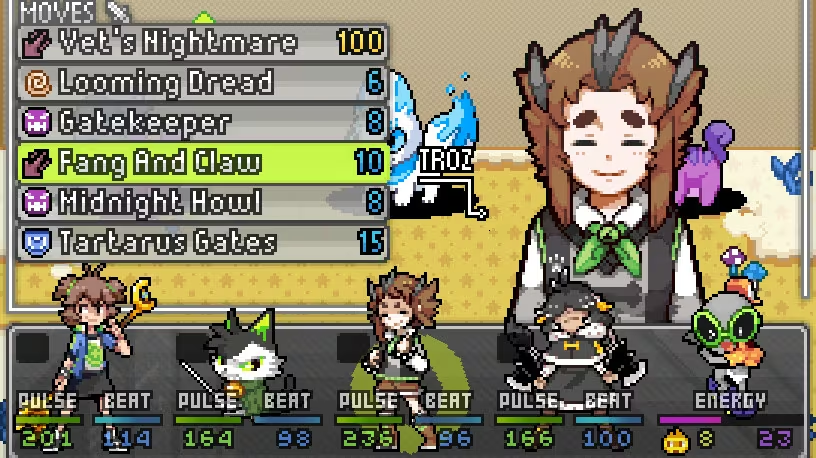
    • Strategic and enjoyable combat
    • Extensive post-game content
    • Player-friendly features

    Cons

    • Linear progression with fixed party members
    • Some difficulty spikes and occasional frustration
    • Minor ui/menu clunkiness
    • Limited character customization
    • No multiplayer or social features

    Analysis

    Less representative of its motivational profile, with noticeable differences. Motivations that often define this kind of title include Expression, Fellowship, Cooperation, Competition. Here, the score leans higher than usual among comparable games on Expression, Continuation. It leans lower than usual among comparable games on Autonomy.

    How to use the graph
    Similar games map

    Each dot is a game. They are arranged from the same motivation profile as in the “Motivations” section below. Closer dots usually mean more similar reasons to play (exploration, competition, relaxation, etc.)—not that one game is “better” than another.

    • Larger dot with a light outline: the game you are viewing.
    • Colour: groups of games with comparable motivation patterns (statistical clusters).
    • Hover a dot to see the game name; click to open its page.
    • Scroll or double-click the chart to zoom out and see more games.

    Why don’t the axes read like a score? This view uses t-SNE: it only keeps who is close to whom. The scales are not “good to bad” or hours played—they separate groups on the map. Read distance between dots, not the axis numbers.

    Motivations

    • Autonomy
      -2

      "The game is mostly linear with fixed party members joining and leaving at story points, limiting player control over team composition until post-game."

    • Competence
      3

      "Combat offers a moderate challenge with strategic elements like elemental affinities and buffs/debuffs, especially on hard mode."

    • Competition
      -4

      "Focus is on single-player experience with no evidence of competitive or ranked modes."

    • Continuation
      4

      "Players report long playtimes, post-game content, and habitual engagement with side quests and collectibles."

    • Cooperation
      -3

      "Gameplay centers on individual play with party members controlled by the player but no multiplayer or cooperative modes."

    • Creativity
      2

      "Players can customize a pet character's form and use partner abilities to solve puzzles, adding creative elements."

    • Domination
      -5

      "No evidence of exerting control or superiority over others; interactions are cooperative or neutral."

    • Escapism
      4

      "Players use the game as a wholesome, heartwarming escape with charming characters and story."

    • Expectation
      -4

      "Players engage voluntarily out of intrinsic interest and enjoyment, not obligation."

    • Experimenting
      2

      "Players experiment with different party members and pet forms, though overall gameplay follows established RPG routines."

    • Exploration
      3

      "The game features a vibrant world with secrets, collectibles, and puzzles encouraging exploration."

    • Expression
      1

      "Some character customization via pet forms and party composition post-game, but limited avatar personalization."

    • Fantasy
      4

      "The game is set in a fictional world with magical creatures and imaginative story elements."

    • Fellowship
      -3

      "Primarily a single-player experience with limited social or community interaction."

    • Growth
      3

      "Players develop skills and strategies, learn elemental systems, and improve through gameplay."

    • Health
      -4

      "Typical sedentary gameplay with no physical activity or health-related features."

    • Idle
      -3

      "Requires focused attention during battles and puzzles, not suited for background or idle play."

    • Intimacy
      -2

      "Players form emotional attachment to characters but limited evidence of deep social relationships."

    • Leadership
      -3

      "Player controls party members but no evidence of leading others in social or multiplayer contexts."

    • Progression
      4

      "Strong emphasis on leveling up, collecting items, unlocking abilities, and post-game content."

    • Relaxation
      3

      "Generally a wholesome and charming experience with some challenging moments but overall relaxing."

    • Sensation
      3

      "Enjoyable pixel art, music, and character design provide sensory stimulation and emotional engagement."

    • Status
      -4

      "No evidence of social recognition or leaderboards; focus is on personal achievement."

    • Story
      5

      "Strong narrative immersion with well-written characters, engaging plot, and multiple endings."

    • Strategy
      3

      "Combat and puzzle solving require planning, elemental management, and tactical decision-making."

    • Thrill
      1

      "Some challenging boss fights and tension, but mostly controlled and predictable gameplay."

    • Value
      4

      "Players report high value for price with extensive content and post-game activities."

    • Violence
      1

      "Combat involves fighting creatures but is not focused on destruction or chaos."

    • Survival
      2

      "Players must manage resources and avoid defeat in battles, though not a survival game per se."

    Last update: 29/04/2026