Last Dream Thumbnail

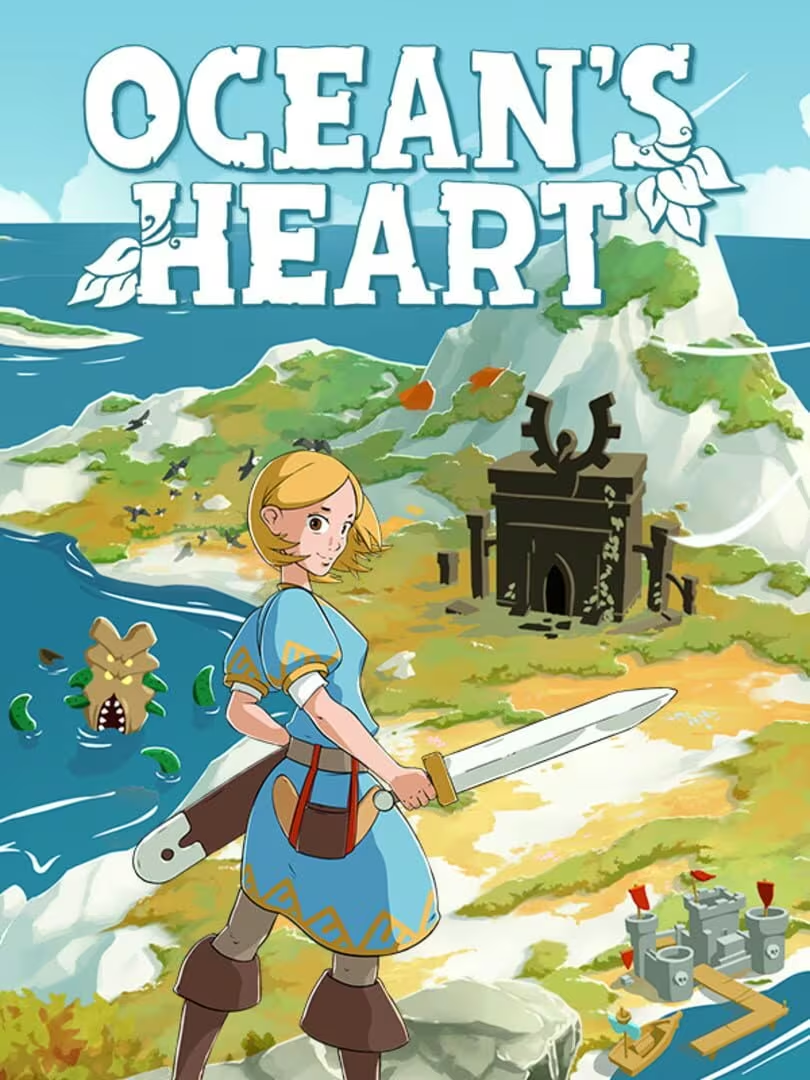
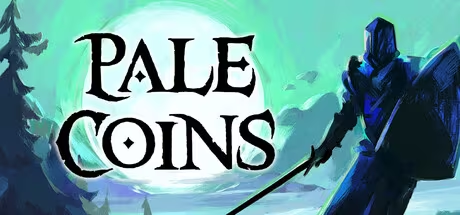
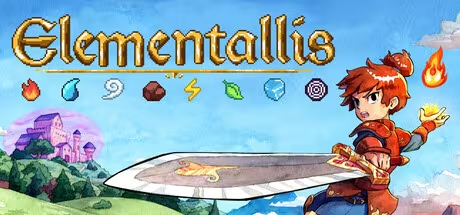
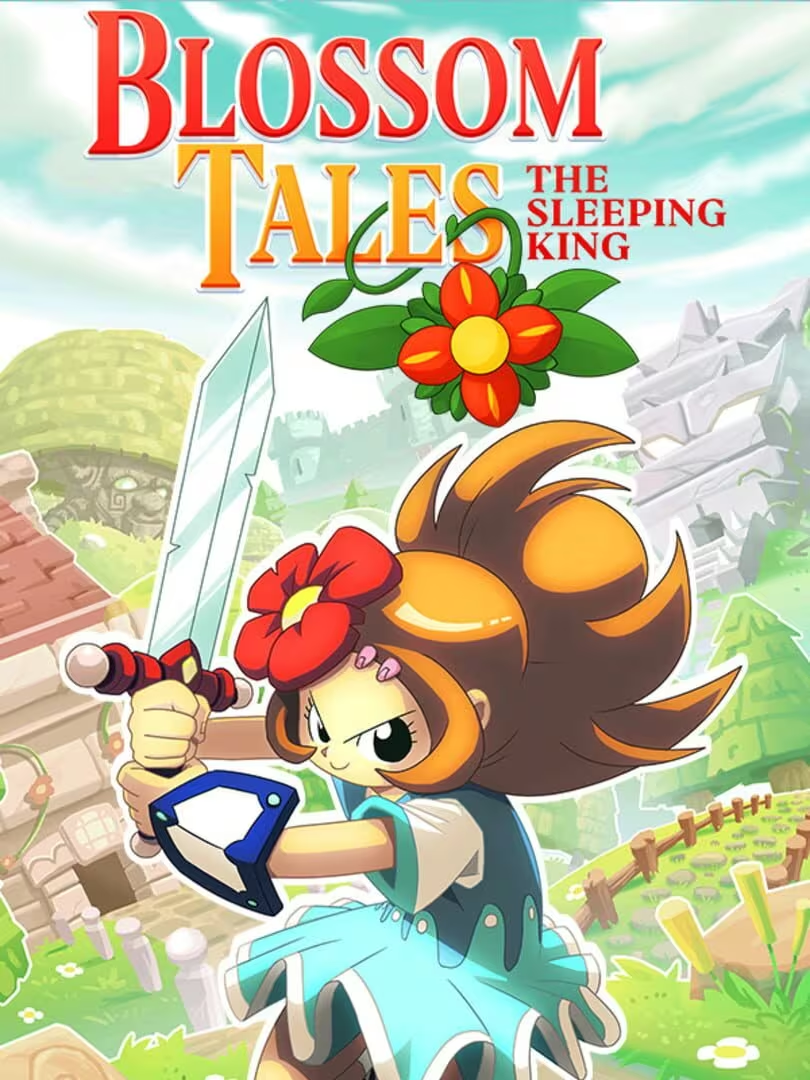
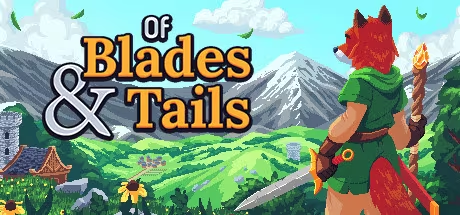
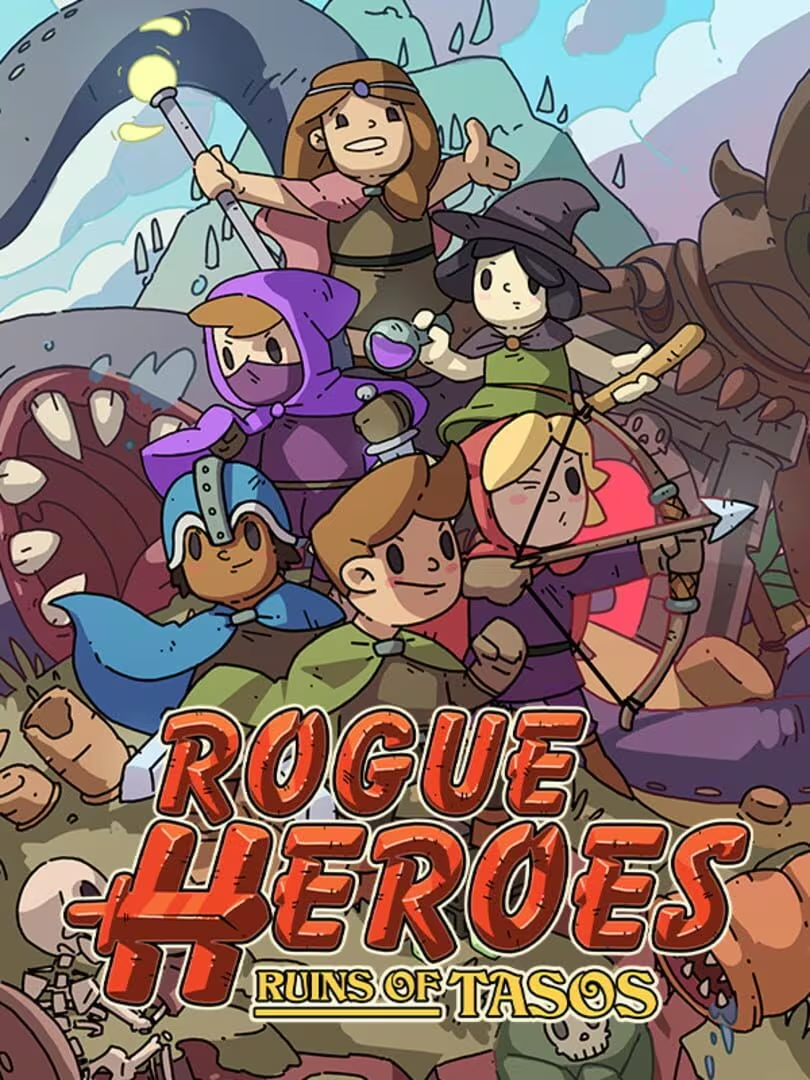
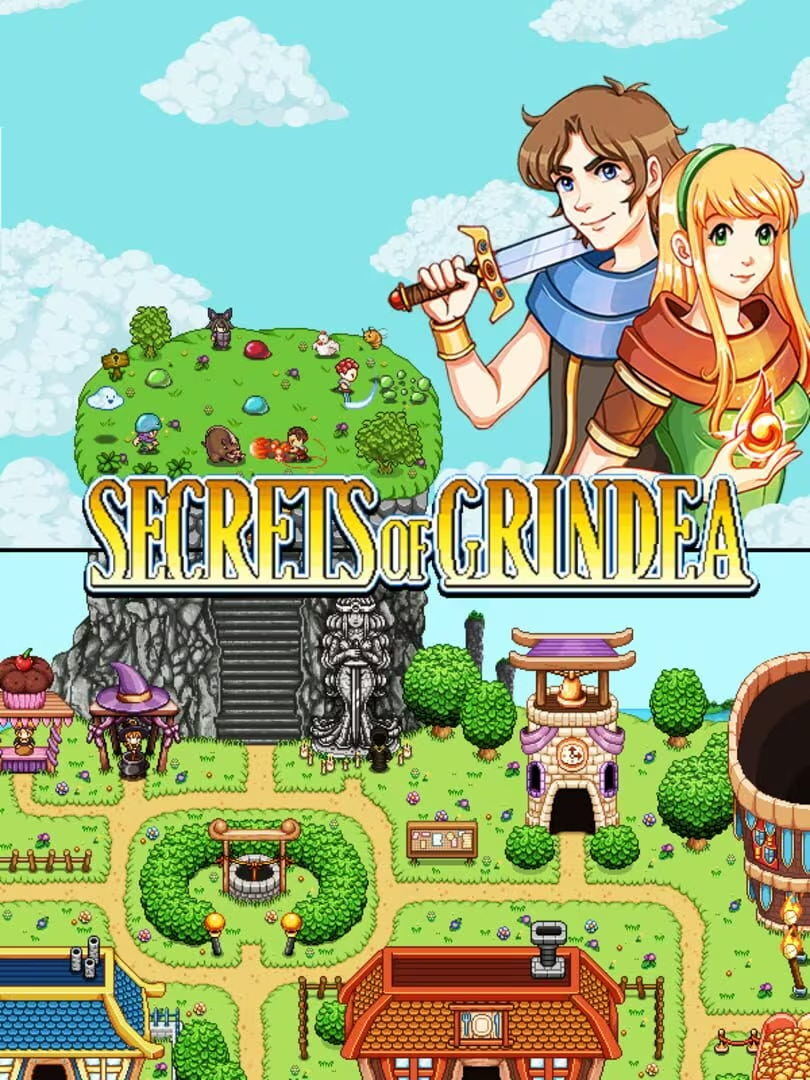
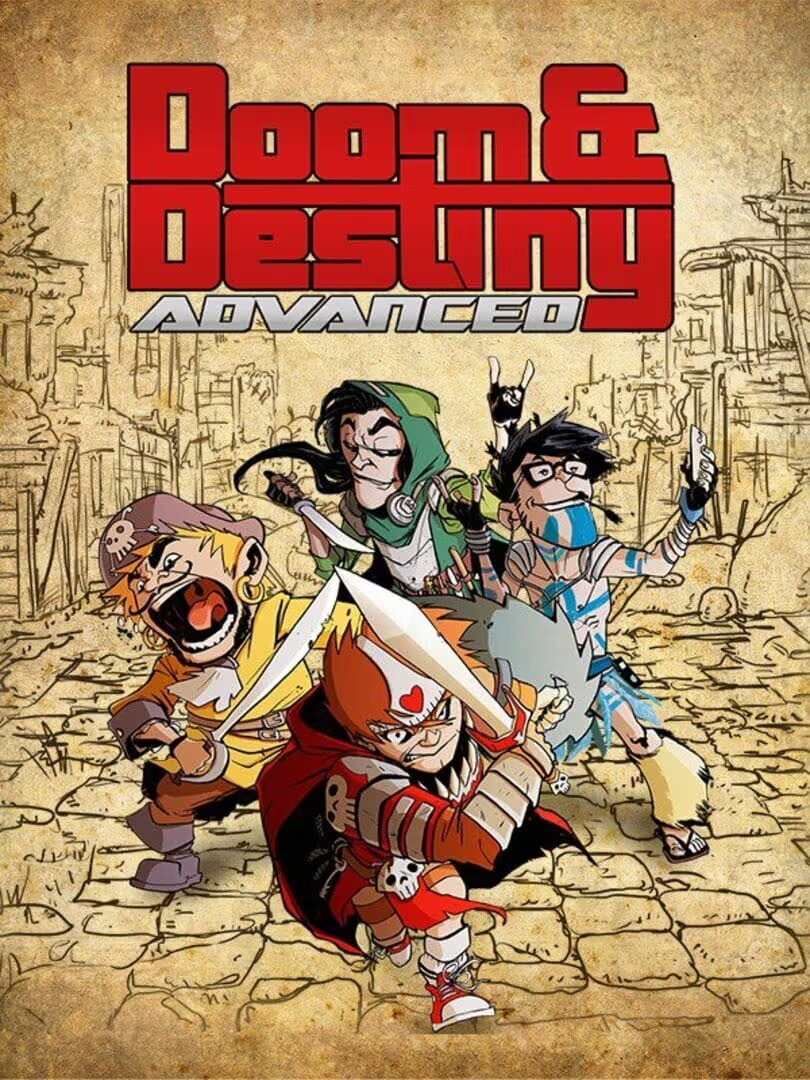
Last Dream similar games & best alternatives

Last Dream

PC (Microsoft Windows), Mac, Linux • 2014

Related articles

Quick resume

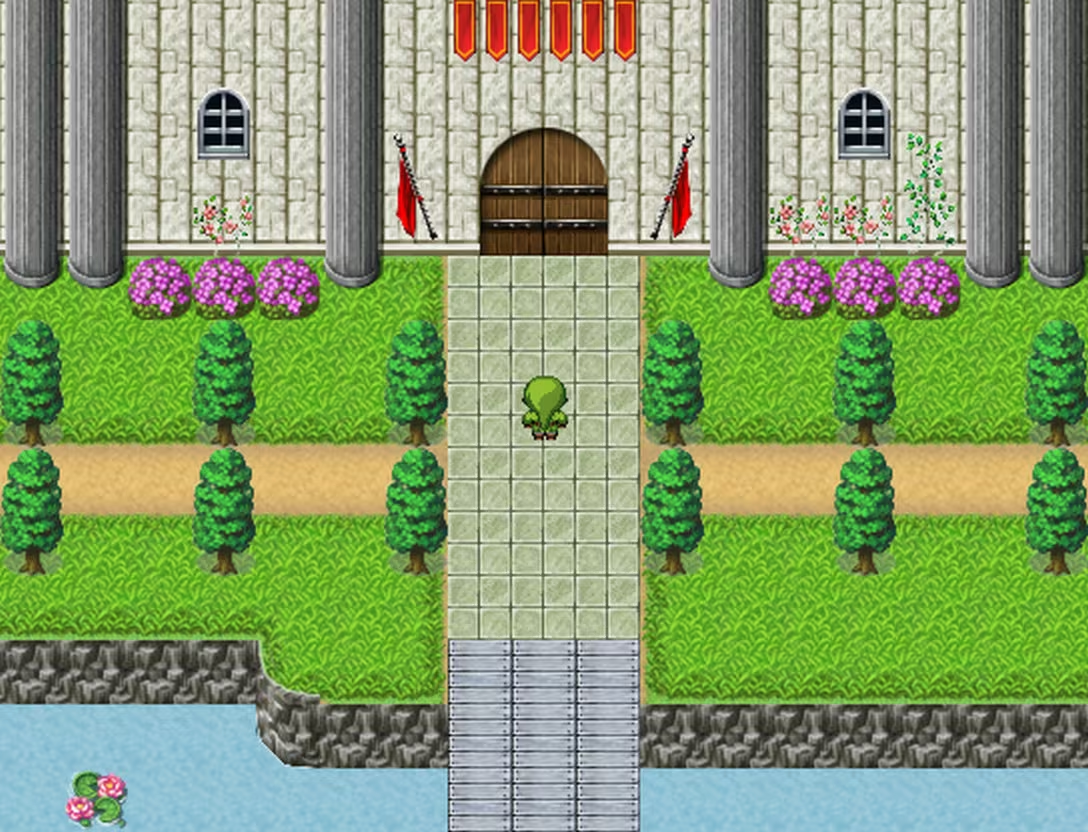
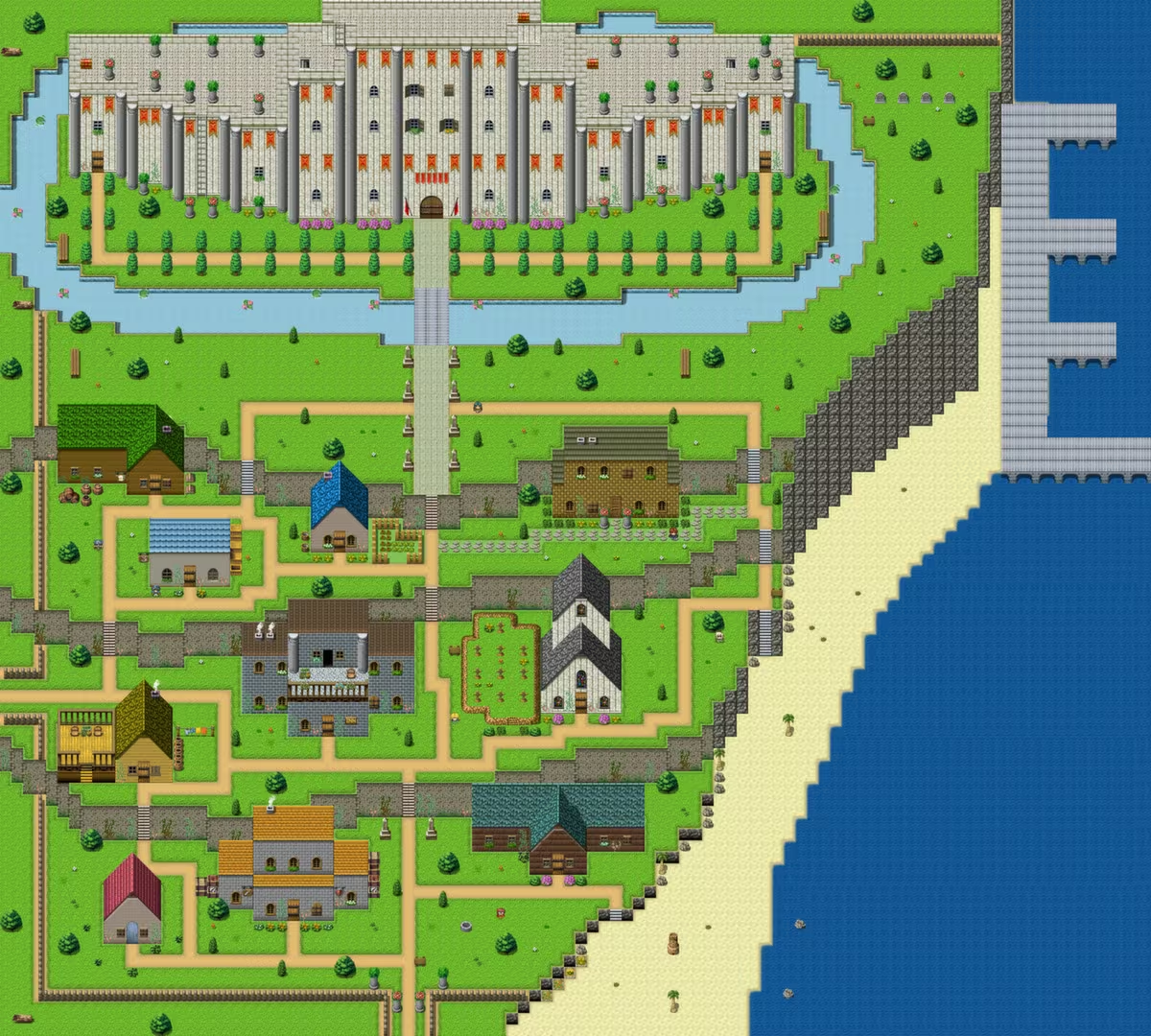
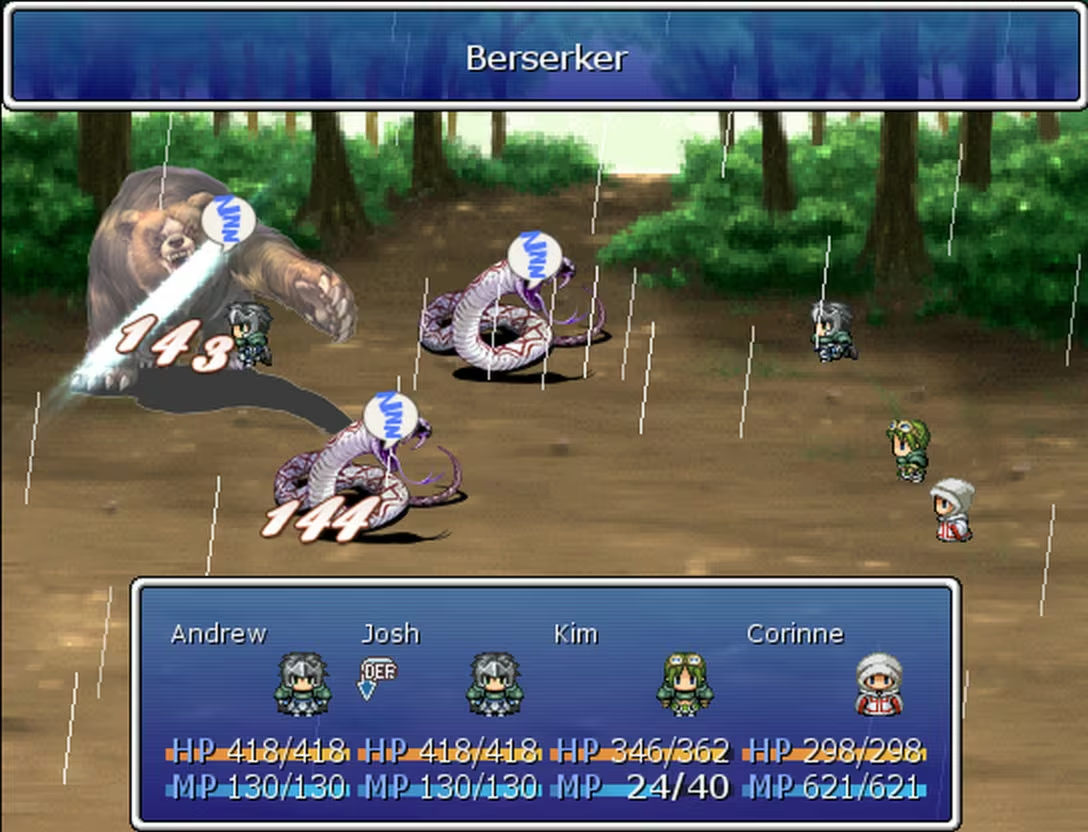
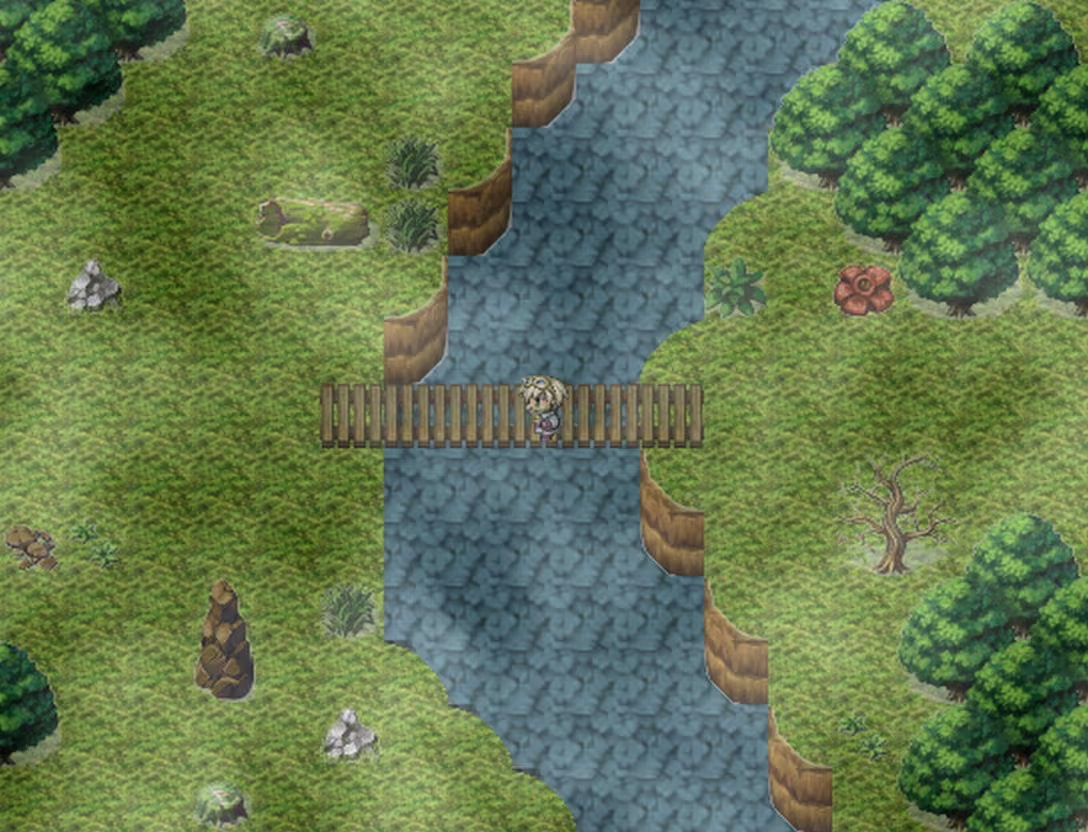
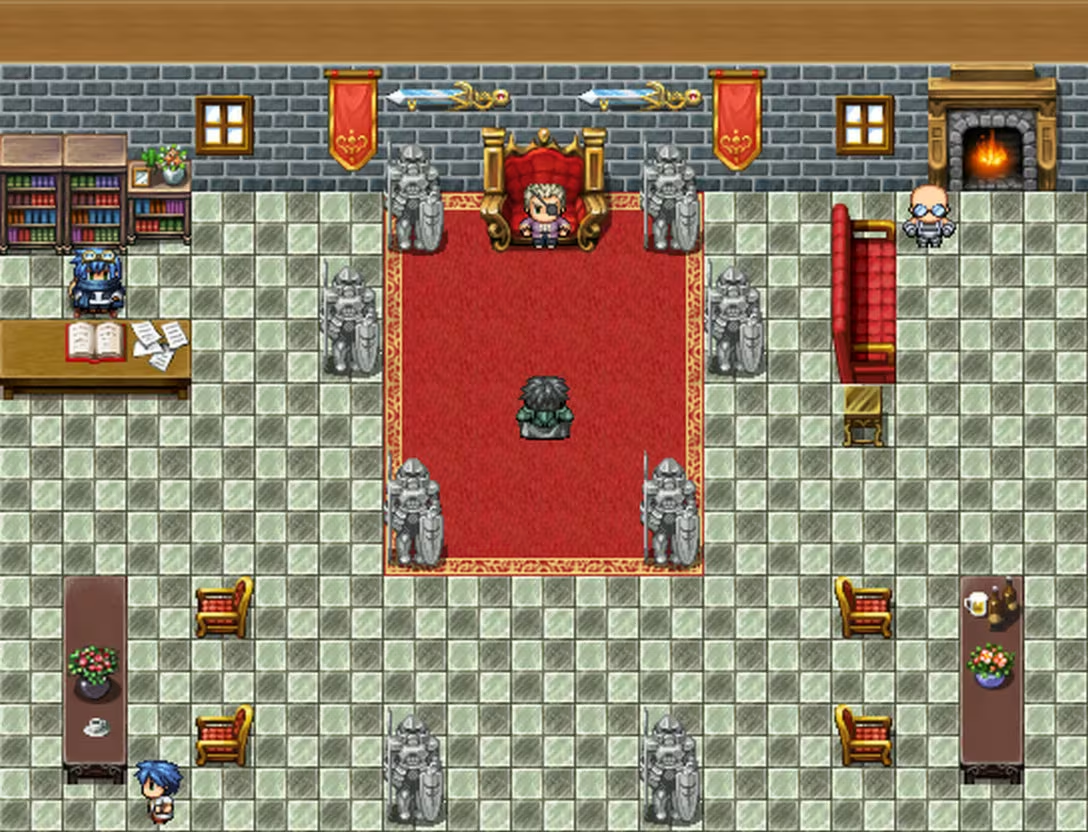
Last Dream incorporates the best features of classic RPGs: replayability and complete immersion into a vast world, rich with detail.

Global score

83/100

Genres

Indie, Role-playing (RPG)

Similar games

    Pros

    • Deep character customization
    • Large open world with exploration
    • Challenging combat and puzzles
    • High replayability with new game+ and achievements
    • Nostalgic classic jrpg feel

    Cons

    • Dated graphics and ui
    • Some difficulty spikes and grind
    • Story can be generic or weak at times
    • Limited visual customization
    • No multiplayer or social features

    Analysis

    A very typical example of its motivational profile. Motivations that often define this kind of title include Leadership, Survival, Violence, Strategy. Here, the score leans higher than usual among comparable games on Exploration, Fantasy. It leans lower than usual among comparable games on Cooperation.

    How to use the graph
    Similar games map

    Each dot is a game. They are arranged from the same motivation profile as in the “Motivations” section below. Closer dots usually mean more similar reasons to play (exploration, competition, relaxation, etc.)—not that one game is “better” than another.

    • Larger dot with a light outline: the game you are viewing.
    • Colour: groups of games with comparable motivation patterns (statistical clusters).
    • Hover a dot to see the game name; click to open its page.
    • Scroll or double-click the chart to zoom out and see more games.

    Why don’t the axes read like a score? This view uses t-SNE: it only keeps who is close to whom. The scales are not “good to bad” or hours played—they separate groups on the map. Read distance between dots, not the axis numbers.

    Motivations

    • Autonomy
      4

      "Players have extensive control over party composition, stat allocation, skill choices, difficulty settings, save options, and exploration order."

    • Competence
      4

      "The game offers challenging combat, puzzles, and skill customization with rewarding feedback and progression."

    • Competition
      -3

      "Focus is on single-player experience with no mention of PvP or leaderboards; achievements encourage personal goals."

    • Continuation
      5

      "High replayability with multiple classes, New Game+ modes, many achievements, and long playtime reported."

    • Cooperation
      -5

      "Single-player game with no multiplayer or cooperative features."

    • Creativity
      4

      "Players customize characters’ stats, skills, and party makeup; crafting and puzzle solving add creative engagement."

    • Domination
      -5

      "No evidence of exerting control over others; gameplay is solo and cooperative social dominance is absent."

    • Escapism
      4

      "Players immerse in a large fantasy world with exploration, story, and puzzles, providing escape from reality."

    • Expectation
      -4

      "Players engage voluntarily out of interest and nostalgia; no indication of obligation or external pressure."

    • Experimenting
      4

      "Encourages trying different party compositions, skill builds, difficulty levels, and exploration paths."

    • Exploration
      5

      "Large open world with many locations, secrets, side quests, and puzzles encourages discovery."

    • Expression
      3

      "Character customization through stats and skills allows personal expression, though visual customization is limited."

    • Fantasy
      5

      "Classic JRPG fantasy setting with magic, monsters, and an imaginative world."

    • Fellowship
      -5

      "No social or community features; strictly single-player experience."

    • Growth
      5

      "Strong emphasis on learning, character development, skill acquisition, and mastering game mechanics."

    • Health
      -5

      "Typical sedentary gameplay with no physical activity or health-related features."

    • Idle
      -4

      "Requires focused attention on battles, puzzles, and exploration; not designed for casual or background play."

    • Intimacy
      -5

      "No evidence of forming close relationships or emotional social interactions."

    • Leadership
      3

      "Players lead and manage a party of characters, making strategic decisions and guiding progression."

    • Progression
      5

      "Strong progression through leveling, skill unlocking, item crafting, and achievement hunting."

    • Relaxation
      2

      "Some players find it relaxing and nostalgic, though difficulty and grinding may induce tension."

    • Sensation
      2

      "Enjoyable music and classic visuals provide moderate sensory stimulation."

    • Status
      -4

      "Achievements provide personal goals but no social status or recognition mechanisms."

    • Story
      3

      "Engaging narrative with cutscenes and evolving NPC dialogue, though story is sometimes generic."

    • Strategy
      4

      "Requires tactical planning in combat, party building, and puzzle solving."

    • Thrill
      2

      "Some suspense in difficult battles and puzzles, but overall controlled and predictable gameplay."

    • Value
      5

      "Players report excellent value for money with many hours of gameplay and replayability."

    • Violence
      3

      "Combat involves fighting monsters and bosses, typical of JRPGs."

    • Survival
      3

      "Players must manage resources and avoid defeat in challenging battles and dungeons."

    Last update: 29/04/2026