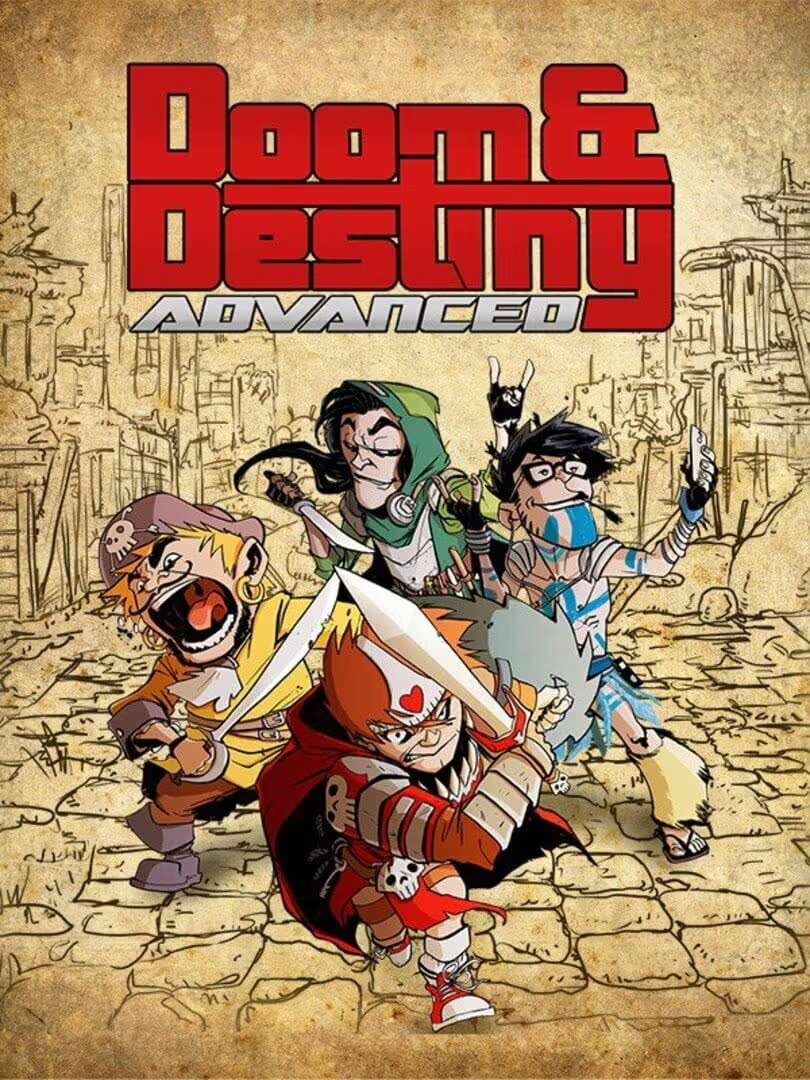
Doom & Destiny Thumbnail

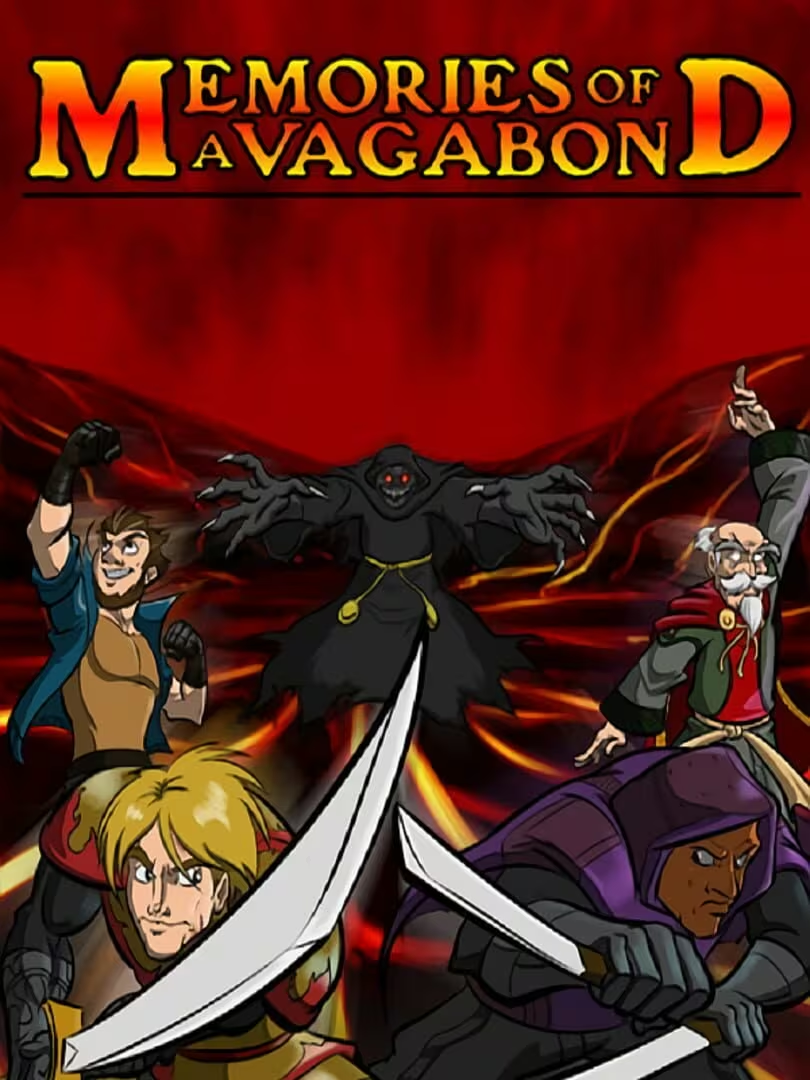
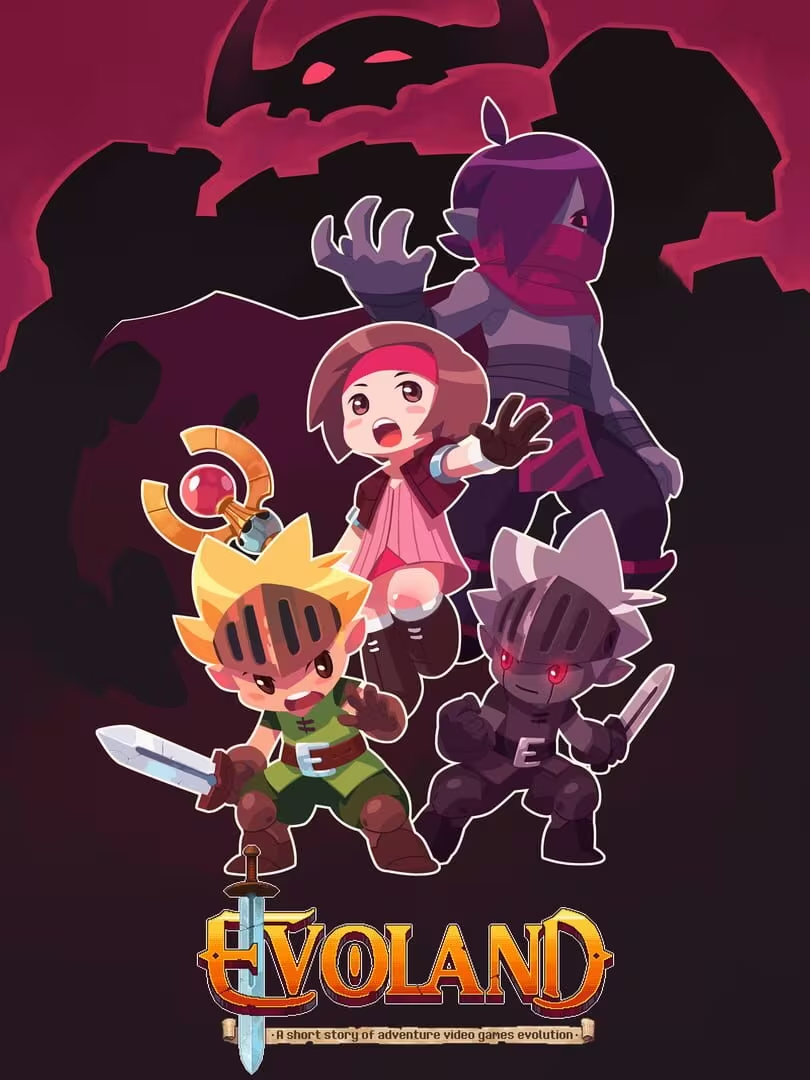
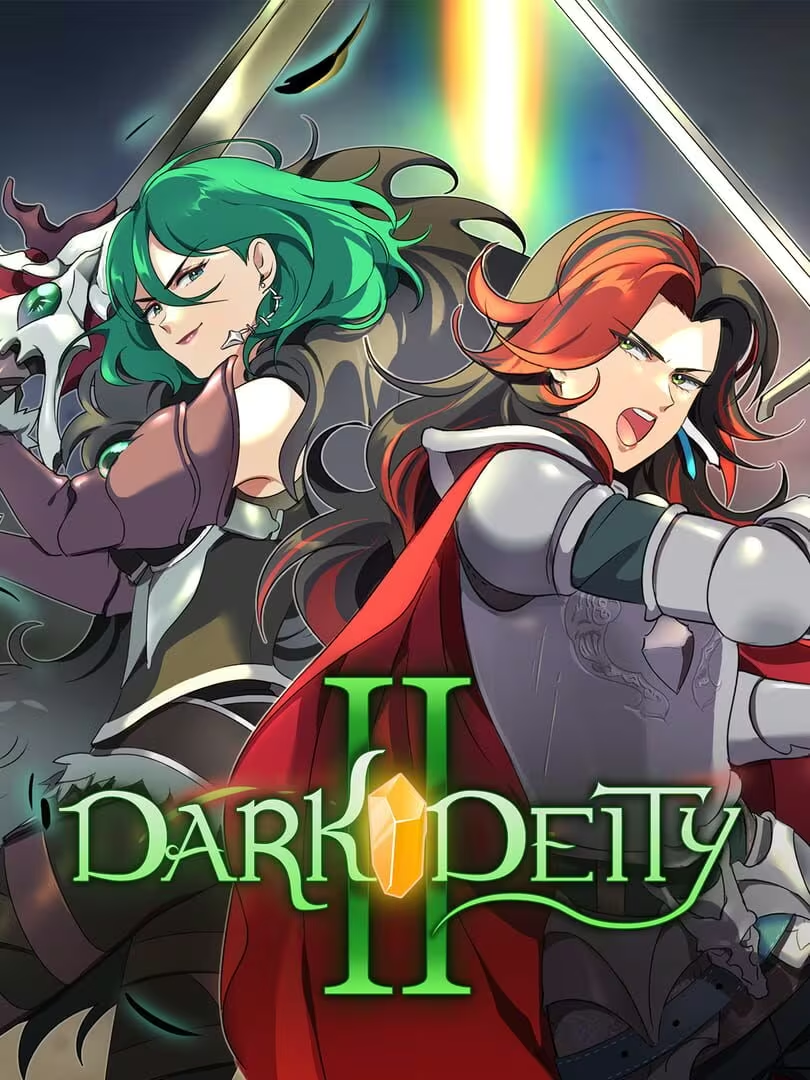
Doom & Destiny similar games & best alternatives
Doom & Destiny

PC (Microsoft Windows), Mac, iOS, Windows Phone, PlayStation 4, Xbox 360, Android, Xbox One, Nintendo Switch, Linux • 2015

Related articles

Quick resume

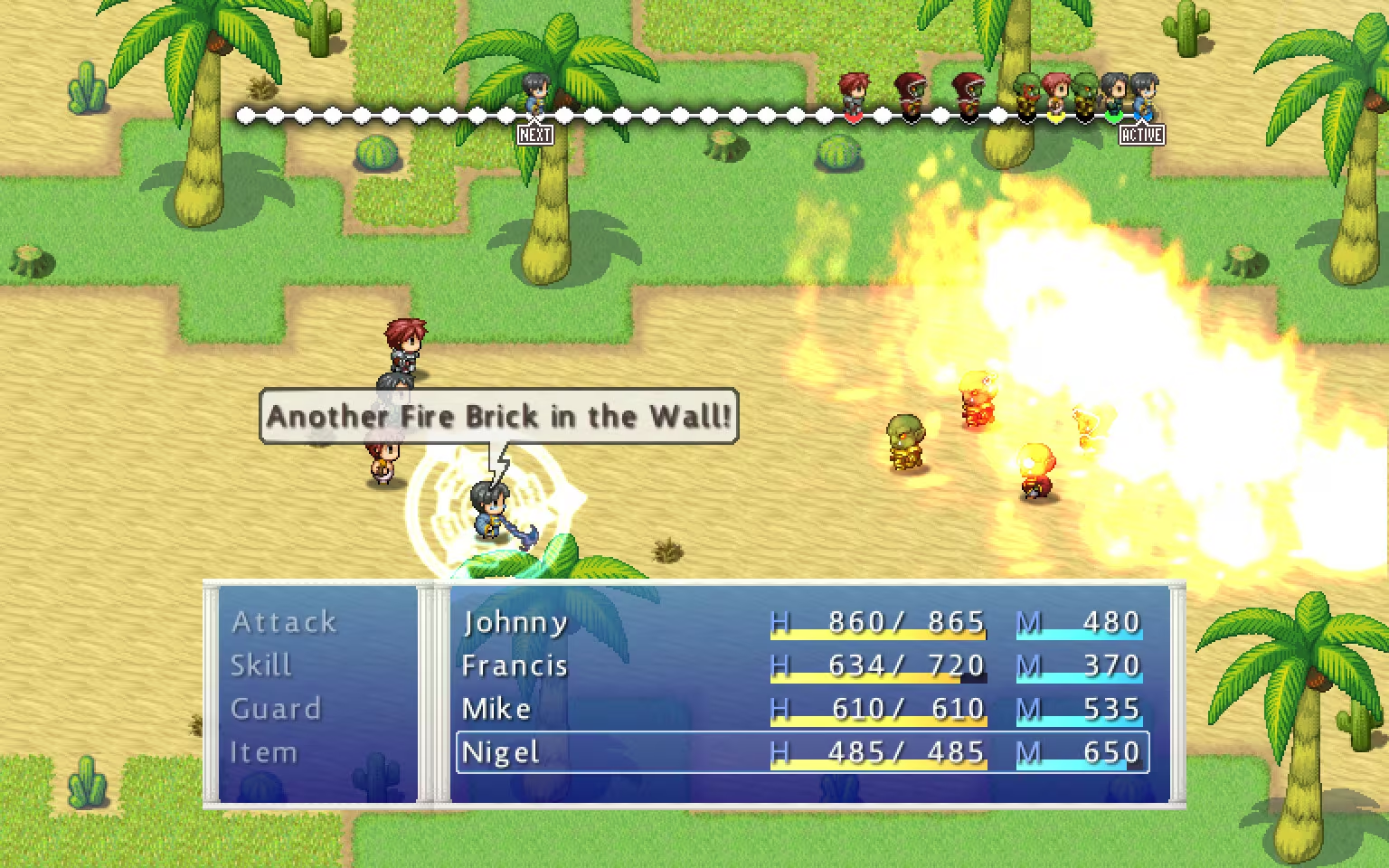
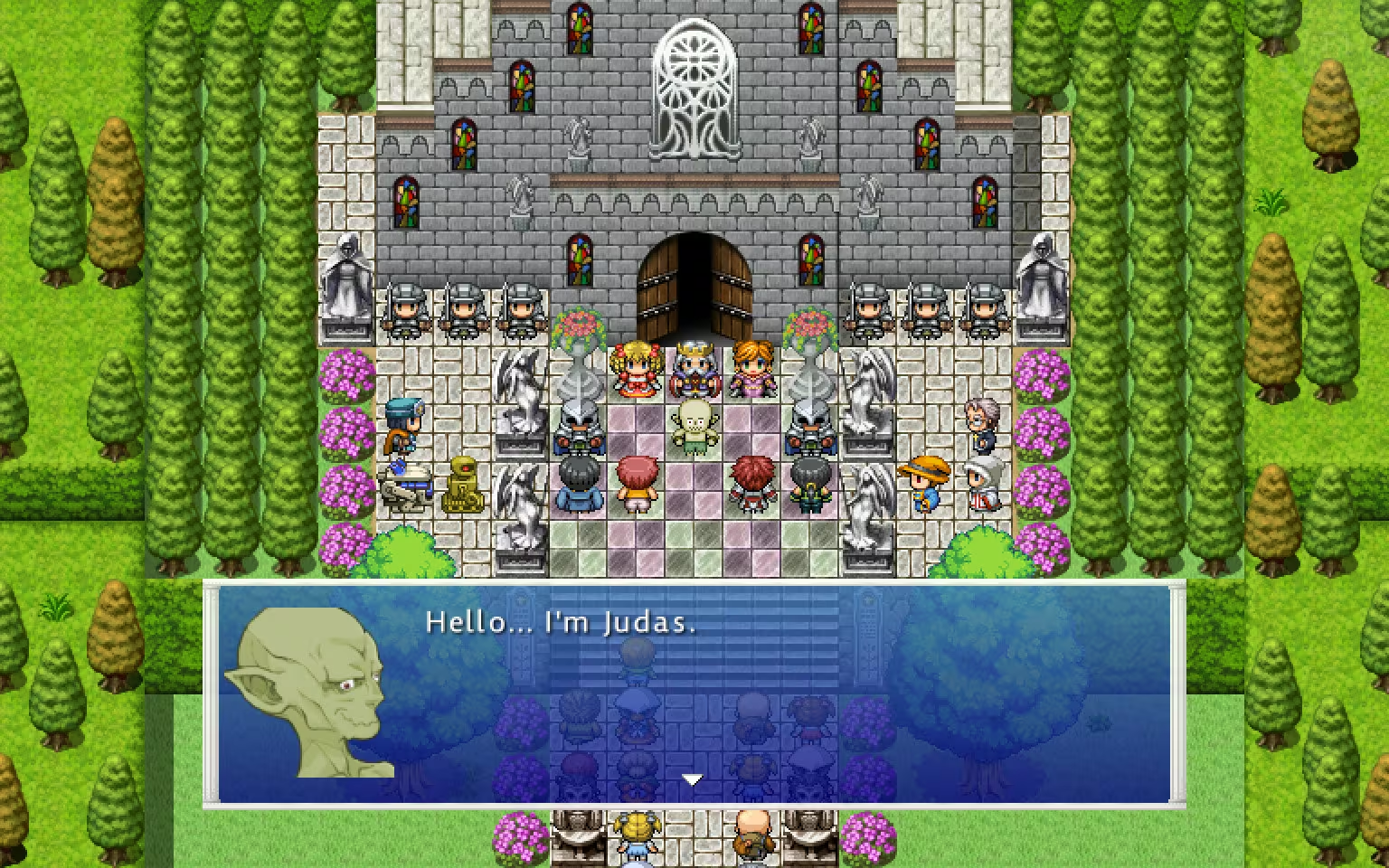
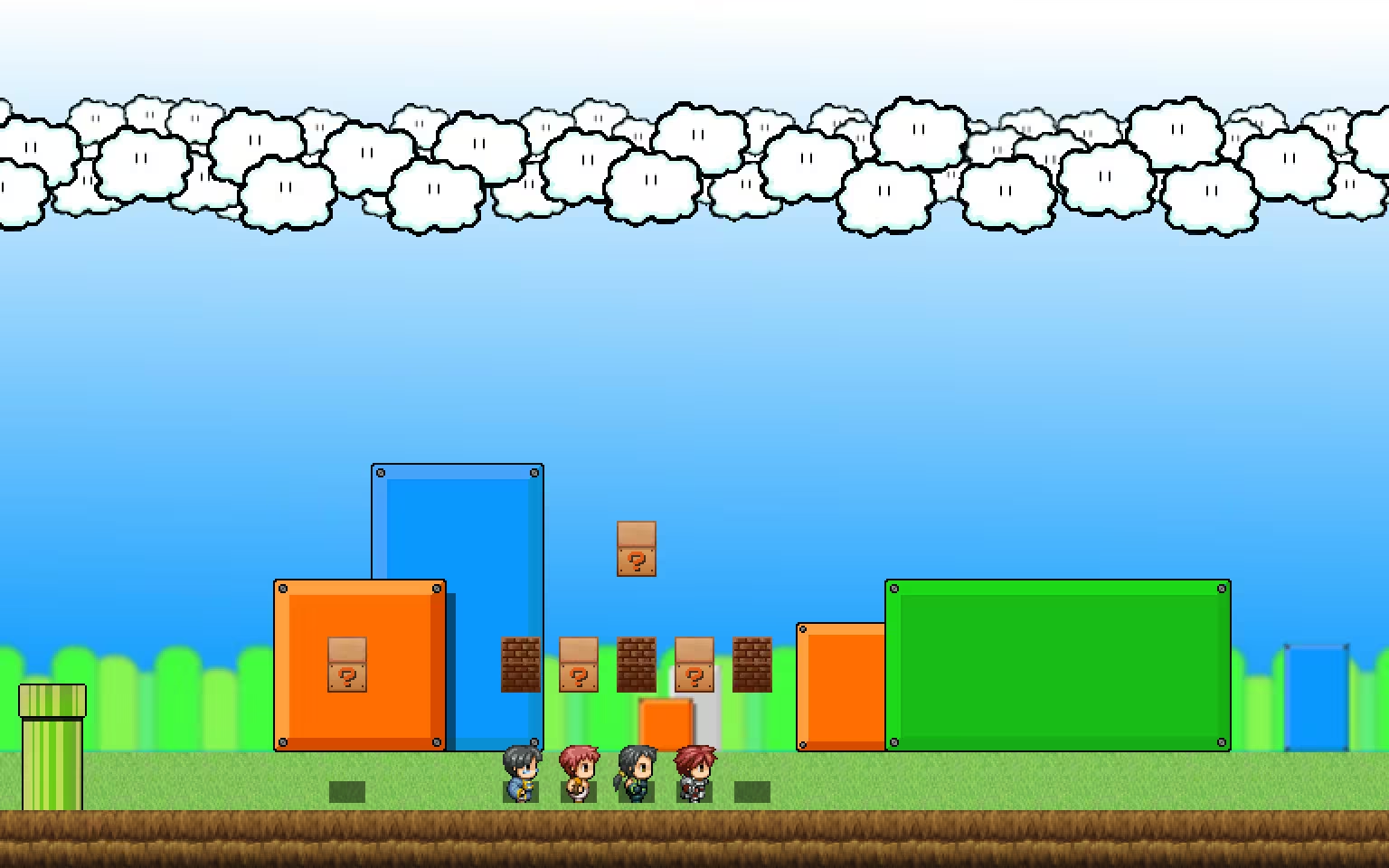
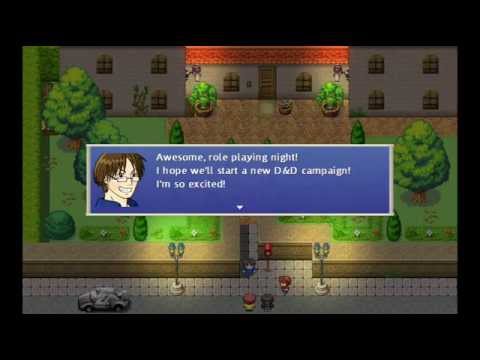
Be ready for the nerdiest adventure of your life! Journey with four everyday friends into this turn based hilarious jrpg filled with parodies and cameos! Explore a huge fantasy world full of secrets, monsters, dungeons and preposterous villains! Nerds are storming fantasy and it's awesome!

Global score

96/100

Genres

Indie, Role-playing (RPG), Adventure, Turn-based strategy (TBS)

Similar games

    Pros

    • Humorous and engaging story
    • Customizable character builds
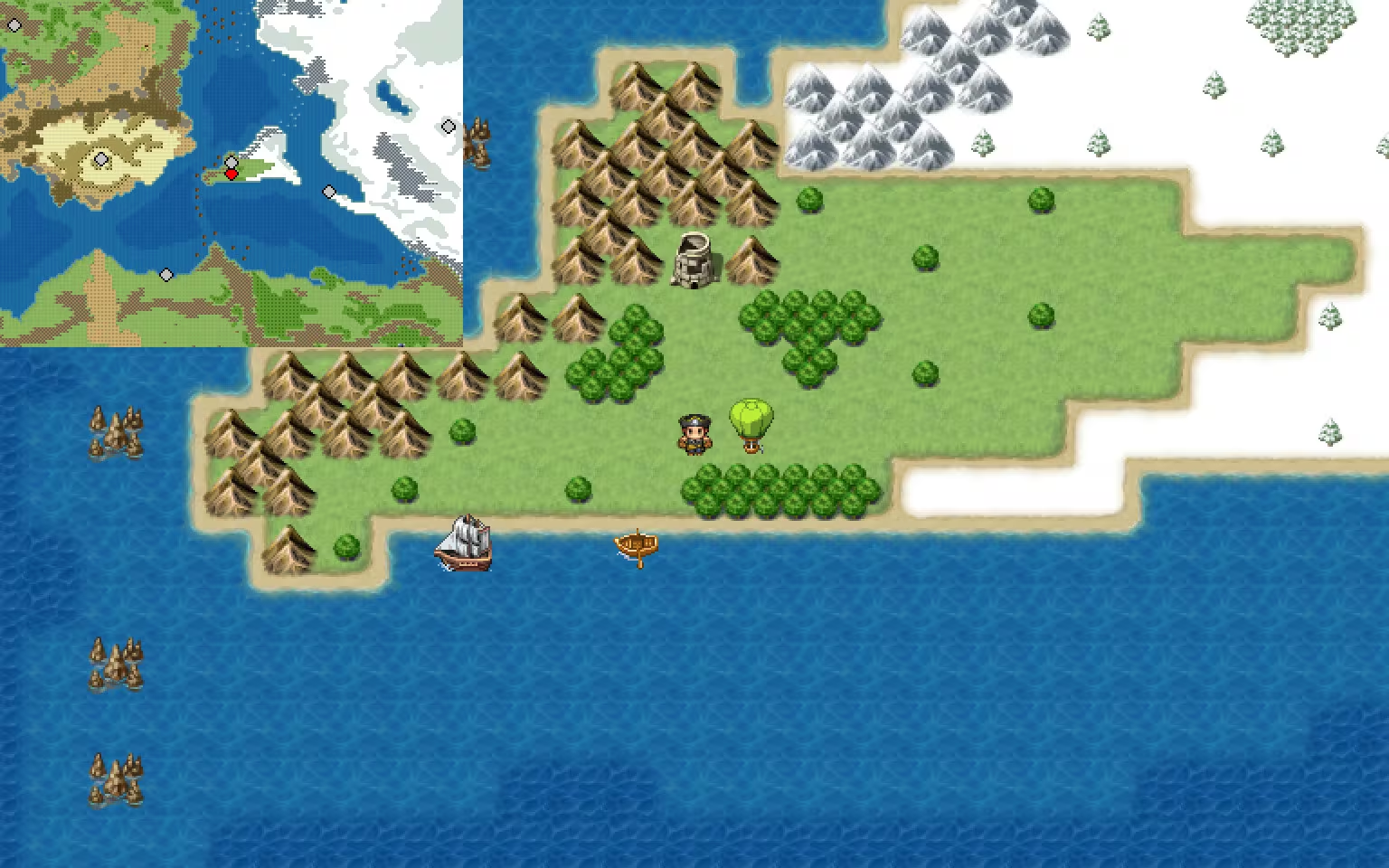
    • Large world with secrets and side quests
    • Solid turn-based combat system
    • Nostalgic old-school jrpg style

    Cons

    • Random encounters can be repetitive
    • Some grinding required
    • Graphics are simple rpg maker style
    • Minor translation and text errors
    • Lack of minimap can cause navigation issues

    Analysis

    A very typical example of its motivational profile. Motivations that often define this kind of title include Leadership, Survival, Violence, Strategy. Here, the score leans higher than usual among comparable games on Fantasy, Relaxation. It leans lower than usual among comparable games on Cooperation.

    How to use the graph
    Similar games map

    Each dot is a game. They are arranged from the same motivation profile as in the “Motivations” section below. Closer dots usually mean more similar reasons to play (exploration, competition, relaxation, etc.)—not that one game is “better” than another.

    • Larger dot with a light outline: the game you are viewing.
    • Colour: groups of games with comparable motivation patterns (statistical clusters).
    • Hover a dot to see the game name; click to open its page.
    • Scroll or double-click the chart to zoom out and see more games.

    Why don’t the axes read like a score? This view uses t-SNE: it only keeps who is close to whom. The scales are not “good to bad” or hours played—they separate groups on the map. Read distance between dots, not the axis numbers.

    Motivations

    • Autonomy
      4

      "Players can customize character builds freely by choosing skills and distributing stat points, shaping their own playstyle."

    • Competence
      3

      "Combat requires strategic use of skills and timing; players overcome challenging bosses and manage resources."

    • Competition
      -4

      "Focus is on single-player experience with no mention of PvP or leaderboards; play at own pace."

    • Continuation
      4

      "Players engage in long play sessions with main story plus extensive side quests and post-game content."

    • Cooperation
      -5

      "Single-player RPG with no multiplayer or cooperative gameplay elements."

    • Creativity
      3

      "Players create custom character builds by selecting skills and stat allocations; some exploration of different strategies."

    • Domination
      -5

      "No evidence of dominating others; gameplay is solo and cooperative social dominance is absent."

    • Escapism
      4

      "Humorous fantasy setting and engaging story provide distraction and stress relief from real life."

    • Expectation
      -4

      "Players engage voluntarily for fun and nostalgia; no pressure or obligation reported."

    • Experimenting
      3

      "Players experiment with different skill combinations and character builds; exploration of secrets encourages novelty."

    • Exploration
      4

      "Large world map with many locations, secrets, and side quests encourages discovery beyond main story."

    • Expression
      2

      "Customization mainly through skills and stats; no mention of cosmetic or avatar personalization."

    • Fantasy
      5

      "Strong fantasy theme with parody of RPG tropes, mythical creatures, and imaginative fiction."

    • Fellowship
      -5

      "No social or community features; experience is individual and solitary."

    • Growth
      4

      "Players develop characters through leveling, skill acquisition, and strategic planning."

    • Health
      -5

      "Typical sedentary gameplay with no physical activity or health-related features."

    • Idle
      -3

      "Requires focused attention during turn-based combat and exploration; not designed for idle play."

    • Intimacy
      -5

      "No evidence of forming close relationships or emotional social interactions."

    • Leadership
      2

      "Players manage a party of four characters, directing their actions and builds, implying some leadership."

    • Progression
      4

      "Strong emphasis on leveling up, acquiring items, skills, and upgrades throughout the game."

    • Relaxation
      3

      "Humorous tone and balanced challenge provide enjoyable flow and tension release."

    • Sensation
      2

      "Colorful pixel art and music provide moderate sensory stimulation; not highly intense."

    • Status
      -5

      "No social recognition or popularity mechanics; achievements are personal."

    • Story
      4

      "Engaging narrative with humor, character dialogue, and plot development."

    • Strategy
      3

      "Combat involves tactical decisions, skill timing, and resource management."

    • Thrill
      2

      "Some suspense from challenging battles and boss fights, but overall controlled gameplay."

    • Value
      4

      "Players report good value for price with many hours of content and replayability."

    • Violence
      3

      "Combat involves defeating monsters and bosses; typical RPG battle violence."

    • Survival
      2

      "Players manage health and resources to survive battles; some challenge in avoiding defeat."

    Last update: 29/04/2026