Hotline Miami 2: Wrong Number Thumbnail

Hotline Miami 2: Wrong Number similar games & best alternatives

Hotline Miami 2: Wrong Number

PC (Microsoft Windows), Mac, PlayStation 4, Xbox One, Xbox Series X|S, PlayStation Vita, Nintendo Switch, PlayStation 3, PlayStation 5, Linux • 2015

Related articles

Quick resume

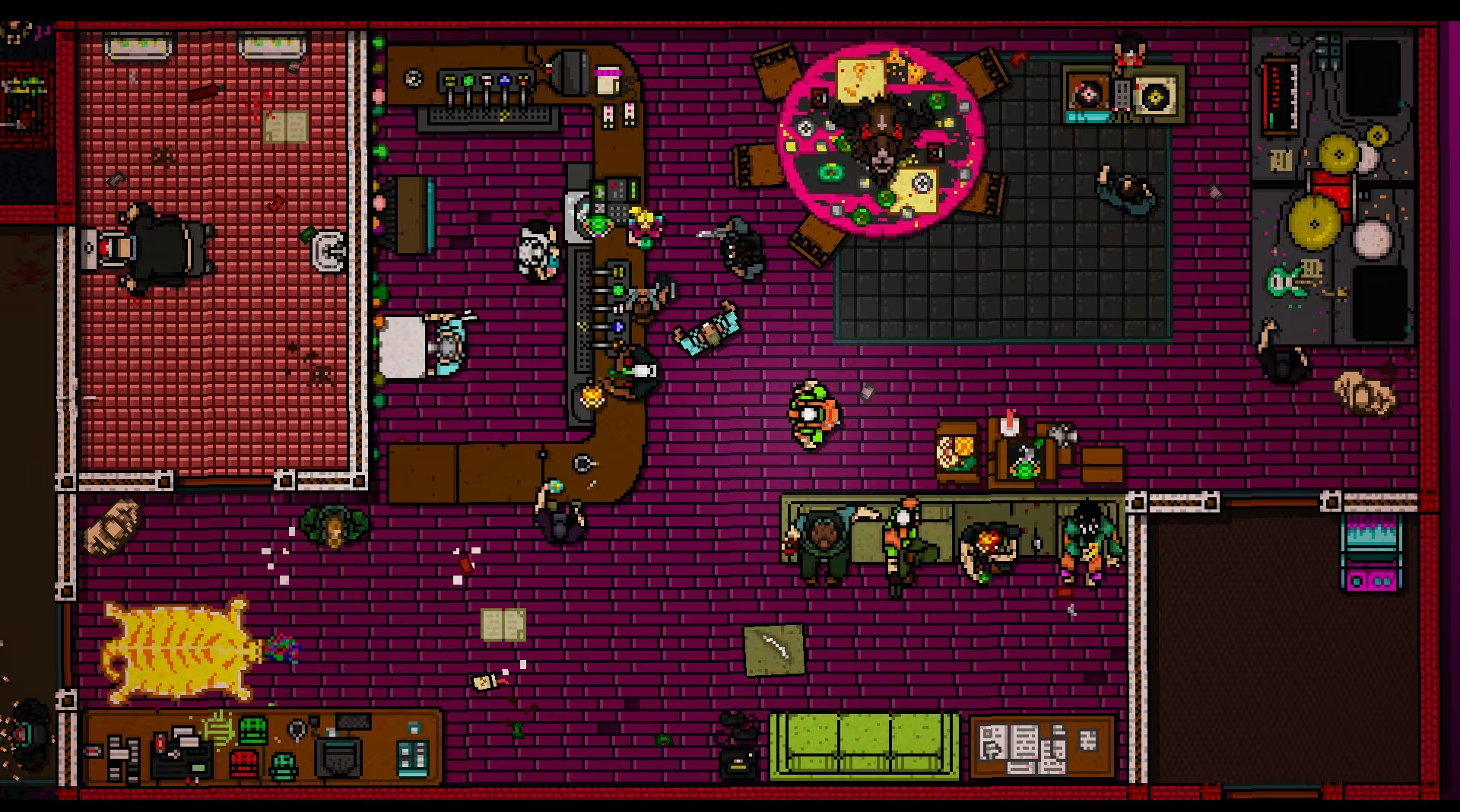
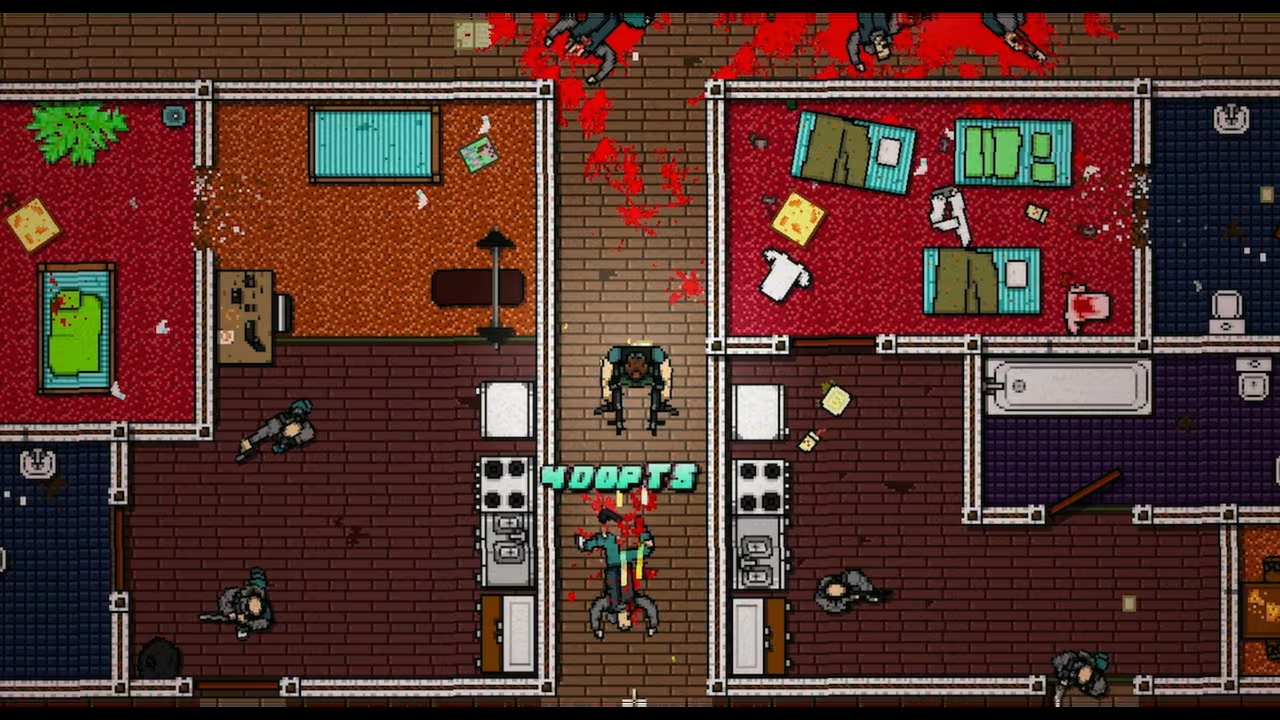
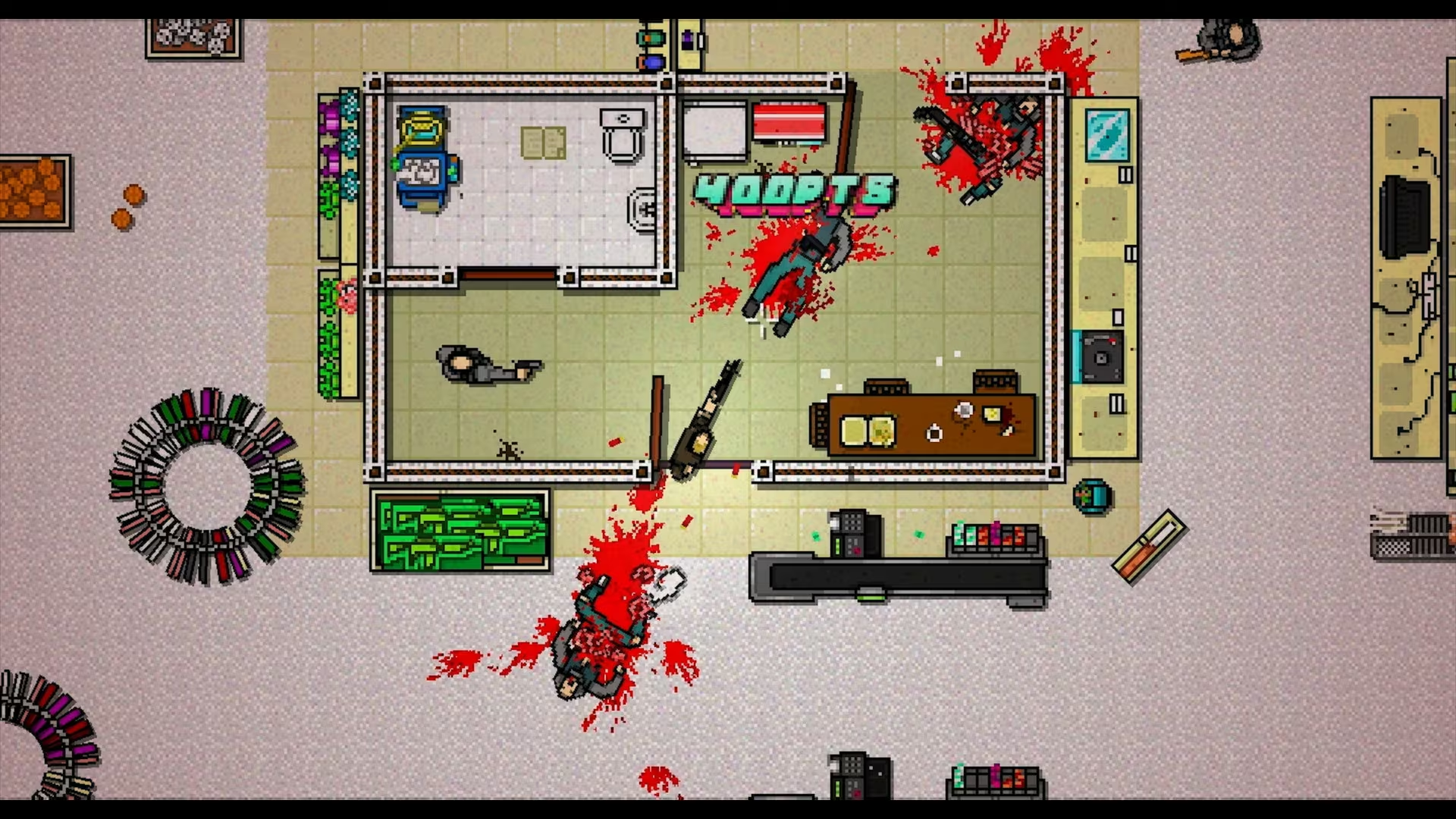
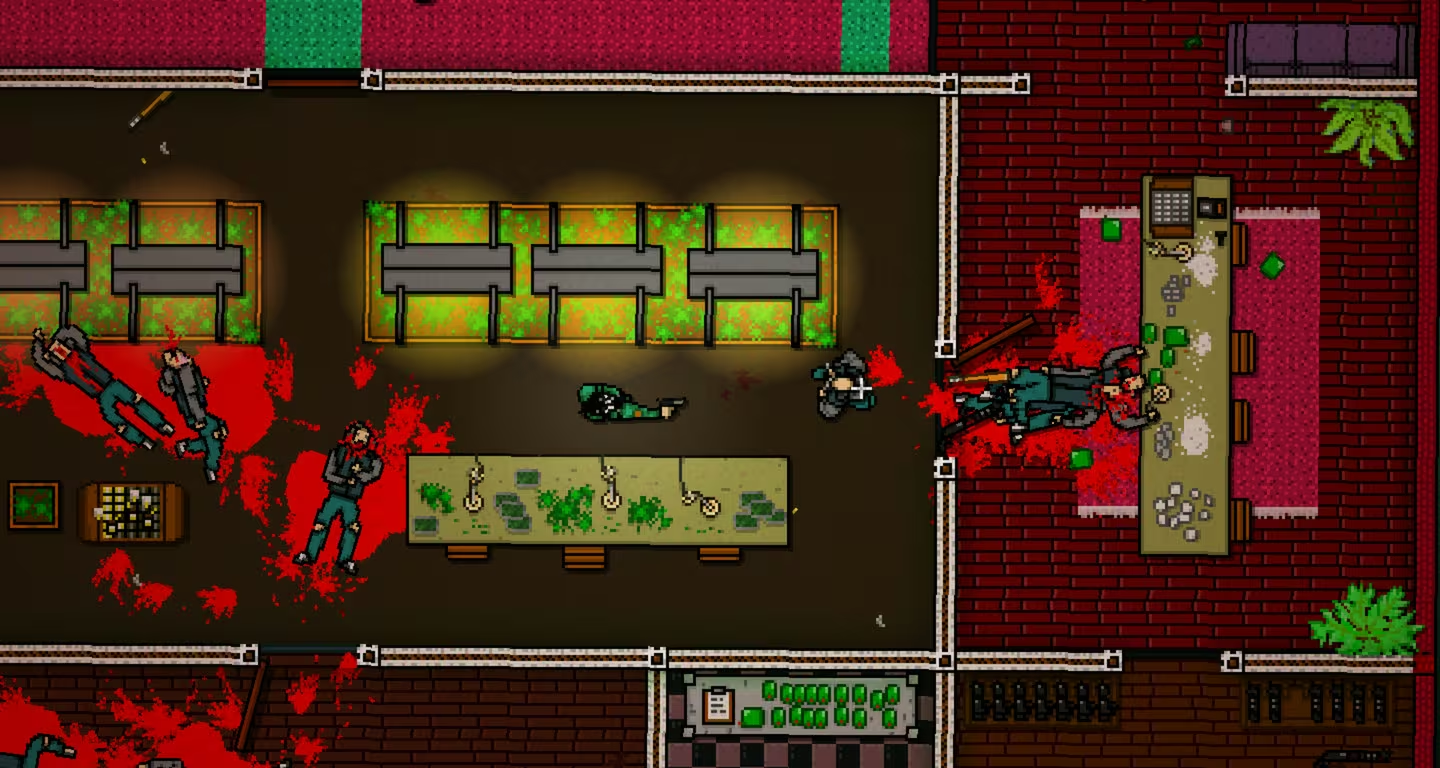
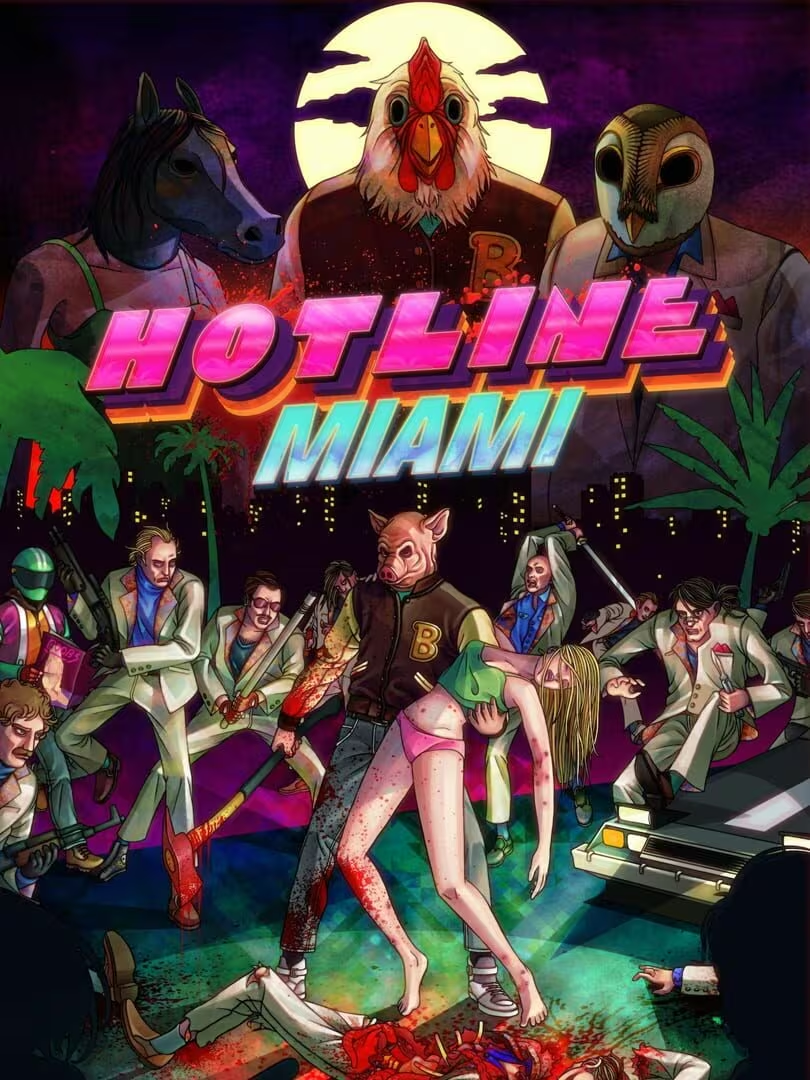
Hotline Miami 2: Wrong Number is the brutal conclusion to the Hotline Miami saga, set against a backdrop of escalating violence and retribution over spilled blood in the original game.

Global score

94/100

Genres

Action, Indie, Arcade, Shooter

Similar games

    Pros

    • Challenging and skill-based gameplay
    • Deep and complex narrative
    • Excellent soundtrack
    • High replayability with level editor
    • Strong atmospheric and stylistic presentation

    Cons

    • Frustrating difficulty spikes and bugs
    • Large levels sometimes cause unfair deaths
    • Limited player freedom in character and weapon choice
    • Confusing story structure for some players
    • Lack of multiplayer or cooperative modes

    Analysis

    Less representative of its motivational profile, with noticeable differences. Motivations that often define this kind of title include Relaxation, Survival, Violence, Fellowship. Here, the score leans higher than usual among comparable games on Status, Competition. It leans lower than usual among comparable games on Autonomy.

    How to use the graph
    Similar games map

    Each dot is a game. They are arranged from the same motivation profile as in the “Motivations” section below. Closer dots usually mean more similar reasons to play (exploration, competition, relaxation, etc.)—not that one game is “better” than another.

    • Larger dot with a light outline: the game you are viewing.
    • Colour: groups of games with comparable motivation patterns (statistical clusters).
    • Hover a dot to see the game name; click to open its page.
    • Scroll or double-click the chart to zoom out and see more games.

    Why don’t the axes read like a score? This view uses t-SNE: it only keeps who is close to whom. The scales are not “good to bad” or hours played—they separate groups on the map. Read distance between dots, not the axis numbers.

    Motivations

    • Autonomy
      -3

      "Gameplay often forces specific characters and limited weapon choices per level, reducing player freedom compared to the first game."

    • Competence
      5

      "High difficulty requiring precise skill, planning, and fast reactions; players repeatedly retry levels to master them."

    • Competition
      1

      "Some leaderboard and achievement chasing aspects exist, but mostly focused on individual performance without direct player comparison."

    • Continuation
      4

      "Players invest many hours, including replaying levels for achievements and hard mode, showing strong attachment."

    • Cooperation
      -5

      "Single-player focused game with no multiplayer or cooperative elements."

    • Creativity
      2

      "Includes a level editor and mod support allowing player-created content, though core gameplay is structured."

    • Domination
      -5

      "No evidence of player dominance over others; interactions are single-player and balanced."

    • Escapism
      5

      "Players use the game as intense stress relief and immersion into a violent, stylized alternate reality."

    • Expectation
      -4

      "Strong intrinsic motivation from players who voluntarily engage deeply with the challenging gameplay and story."

    • Experimenting
      1

      "Some experimentation with different characters and strategies, but many levels have limited approaches."

    • Exploration
      2

      "Larger, more open levels than the first game encourage some exploration, though often constrained by enemy placement."

    • Expression
      1

      "Character and mask choices allow some self-expression, but many characters have fixed abilities limiting customization."

    • Fantasy
      4

      "Highly stylized, surreal, and psychedelic narrative with multiple characters and meta-fictional elements."

    • Fellowship
      -5

      "No social or community gameplay; experience is solitary."

    • Growth
      4

      "Players develop skills through repeated attempts, learning enemy patterns and level layouts."

    • Health
      -5

      "Sedentary gameplay with no physical activity involved."

    • Idle
      -4

      "Requires constant attention and focus due to fast-paced, unforgiving gameplay."

    • Intimacy
      -5

      "No social or emotional relationship building; interactions are limited to single-player narrative."

    • Leadership
      -5

      "No leadership or group management roles; purely individual play."

    • Progression
      3

      "Players unlock new characters, masks, weapons, and achievements, showing item and skill accumulation."

    • Relaxation
      -3

      "Gameplay is tense and challenging, causing frustration and requiring focus rather than relaxation."

    • Sensation
      4

      "Strong sensory stimulation from fast-paced action, vivid pixel art, and intense electronic soundtrack."

    • Status
      1

      "Some recognition through leaderboards and achievements, but mostly individual-focused."

    • Story
      5

      "Complex, multi-character narrative with deep themes and strong player engagement."

    • Strategy
      4

      "Requires careful planning, route optimization, and tactical execution to succeed."

    • Thrill
      5

      "High tension and suspense from one-hit deaths and unpredictable enemy behavior."

    • Value
      4

      "Players report high value for money due to gameplay depth, soundtrack, and replayability."

    • Violence
      5

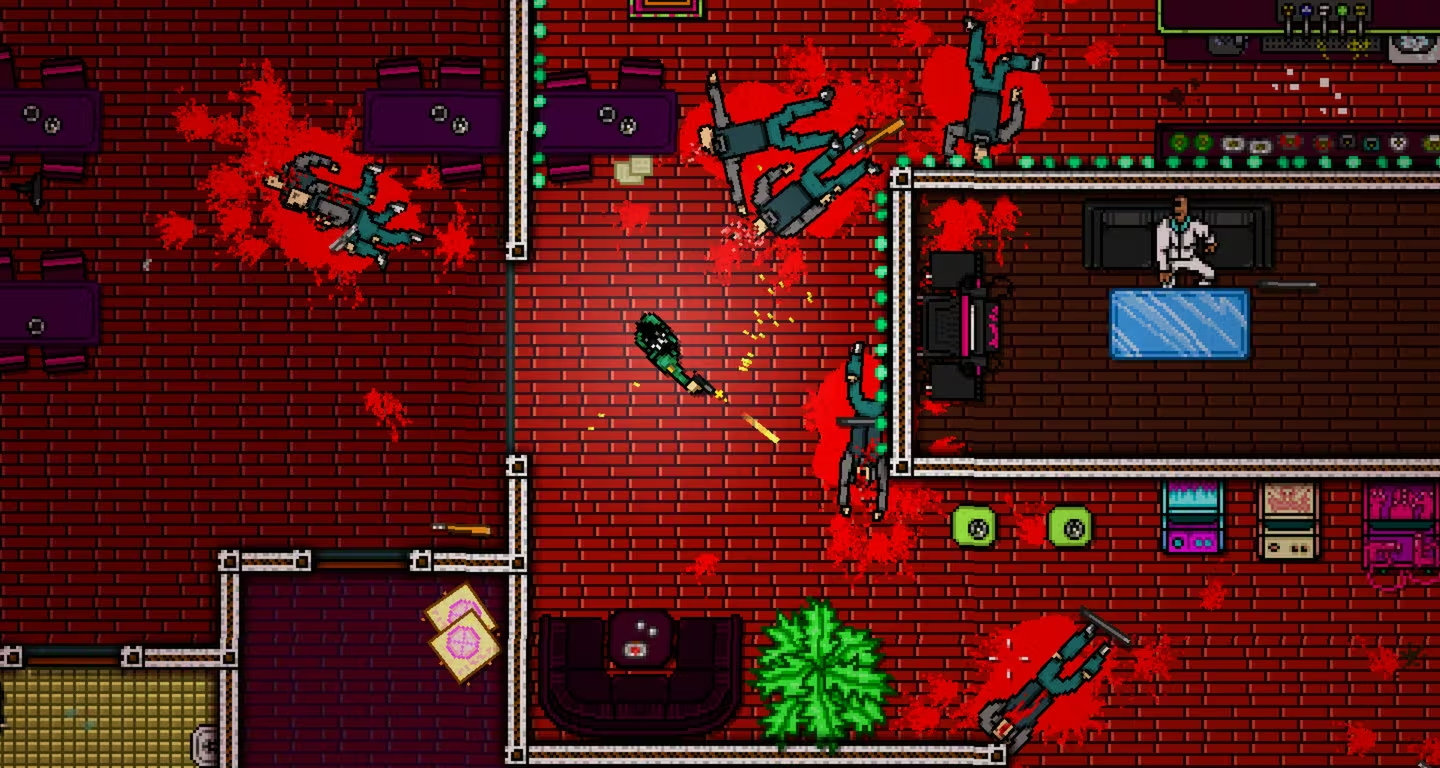
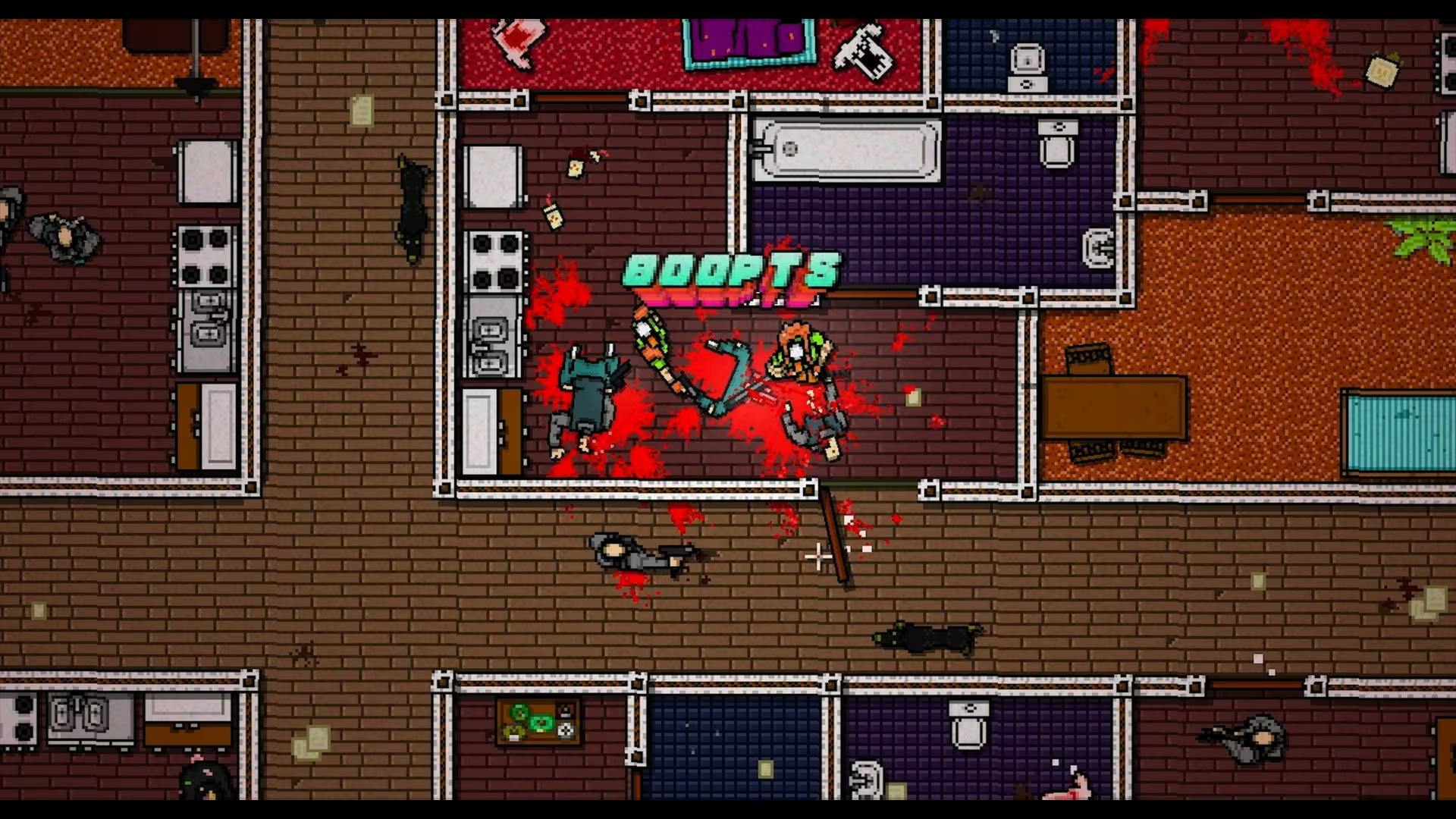
      "Core gameplay revolves around extreme violence, brutal combat, and graphic gore."

    • Survival
      4

      "Players must avoid death and manage threats carefully to progress through levels."

    Last update: 29/04/2026