King's Bounty: Warriors of the North Thumbnail

King's Bounty: Warriors of the North similar games & best alternatives
King's Bounty: Warriors of the North

PC (Microsoft Windows), Mac • 2012

Related articles

Quick resume

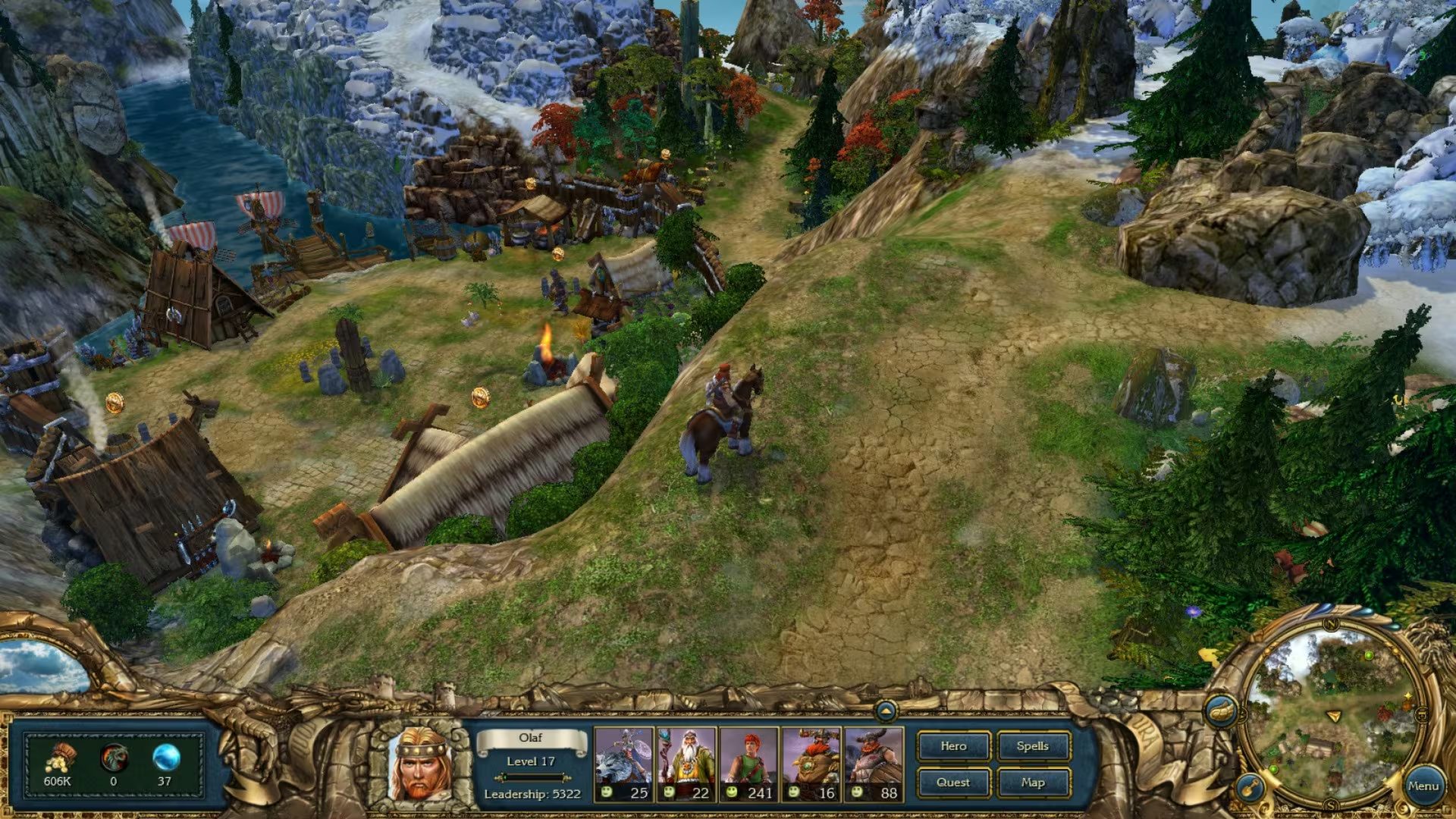
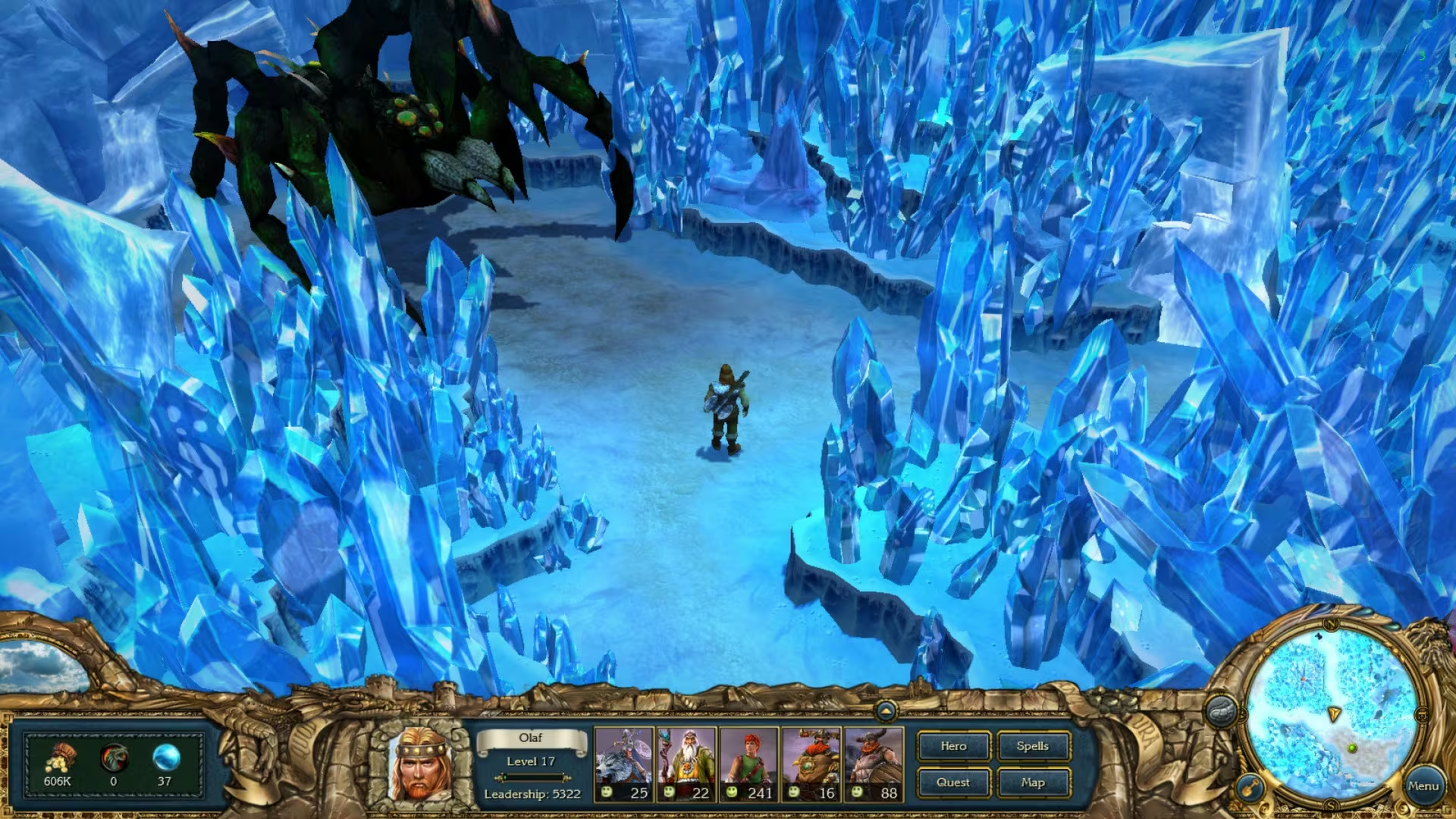
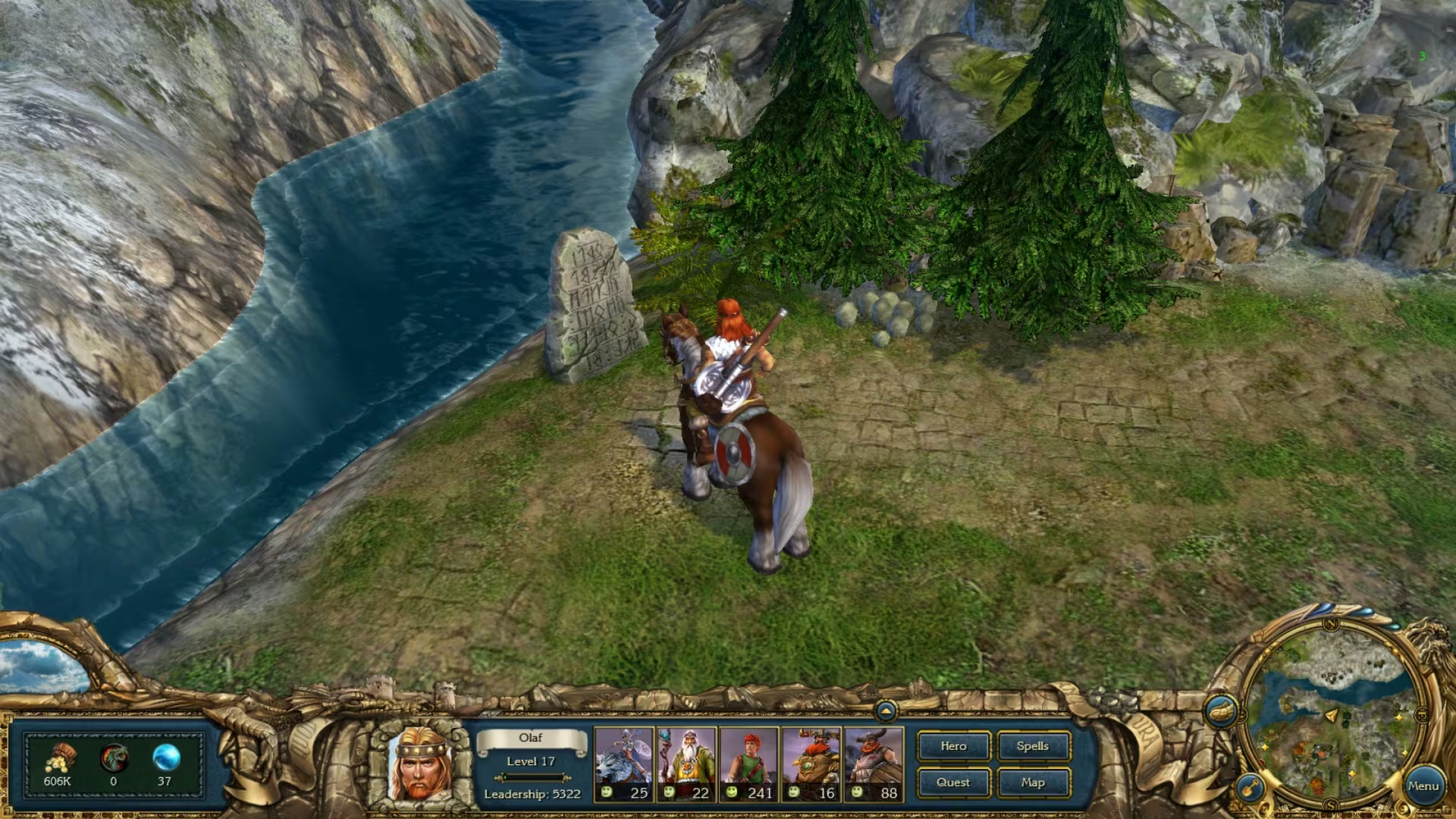
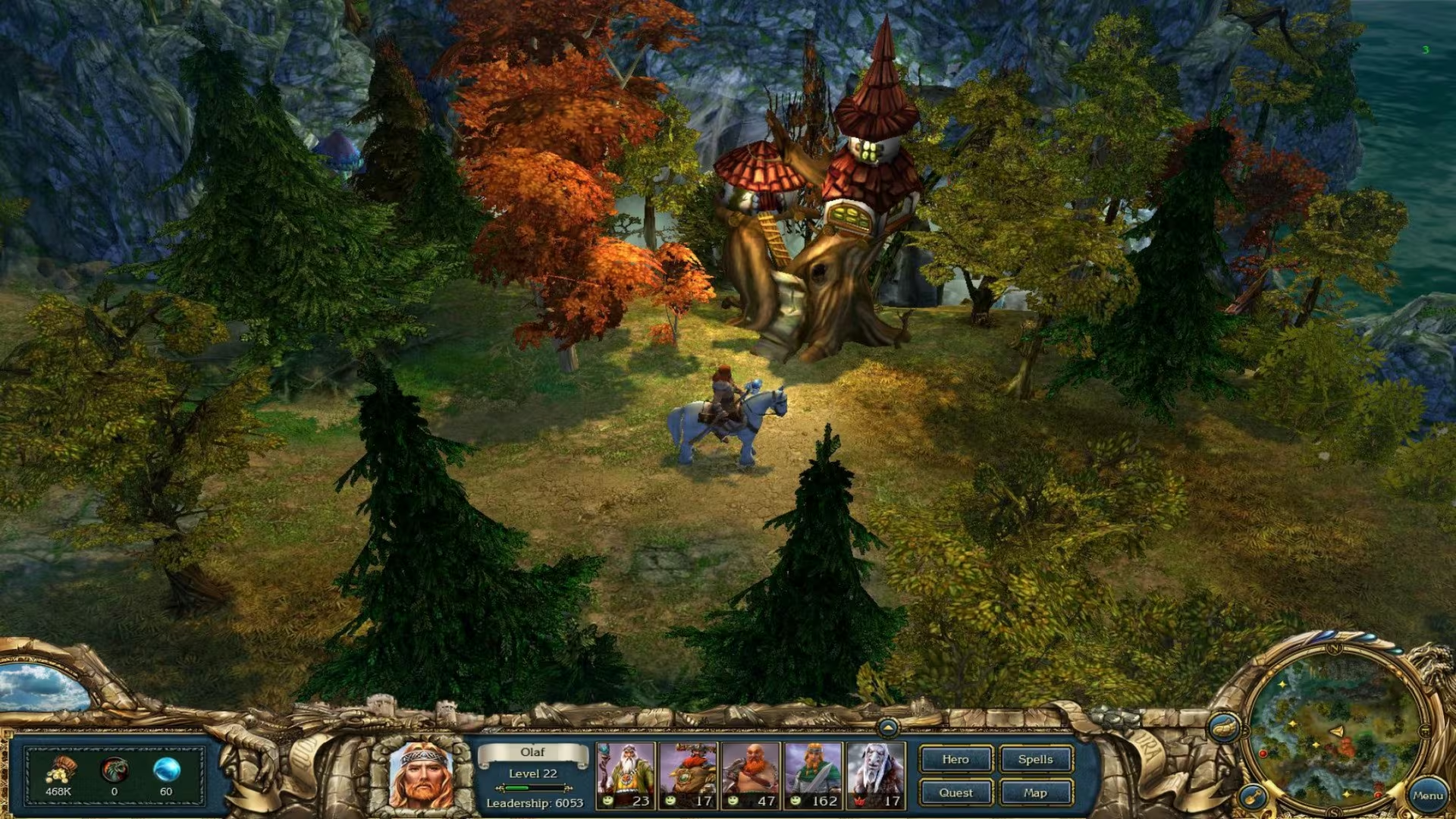
King’s Bounty: Warriors of the North is the next chapter in the cult RPG/adventure saga.

Global score

80/100

Genres

Role-playing (RPG), Strategy, Adventure, Turn-based strategy (TBS)

Similar games

    Pros

    • Long and engaging campaign with many quests
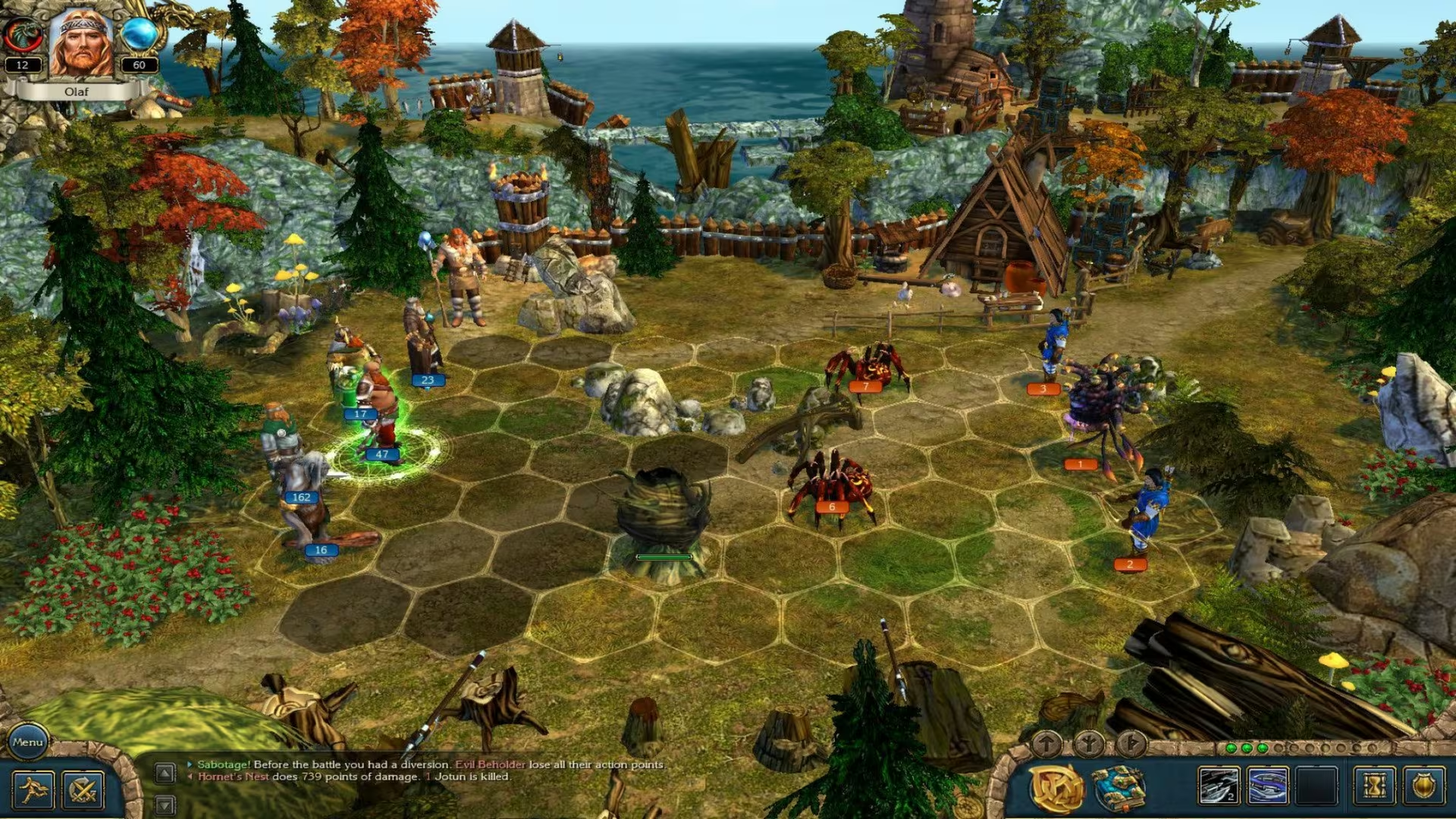
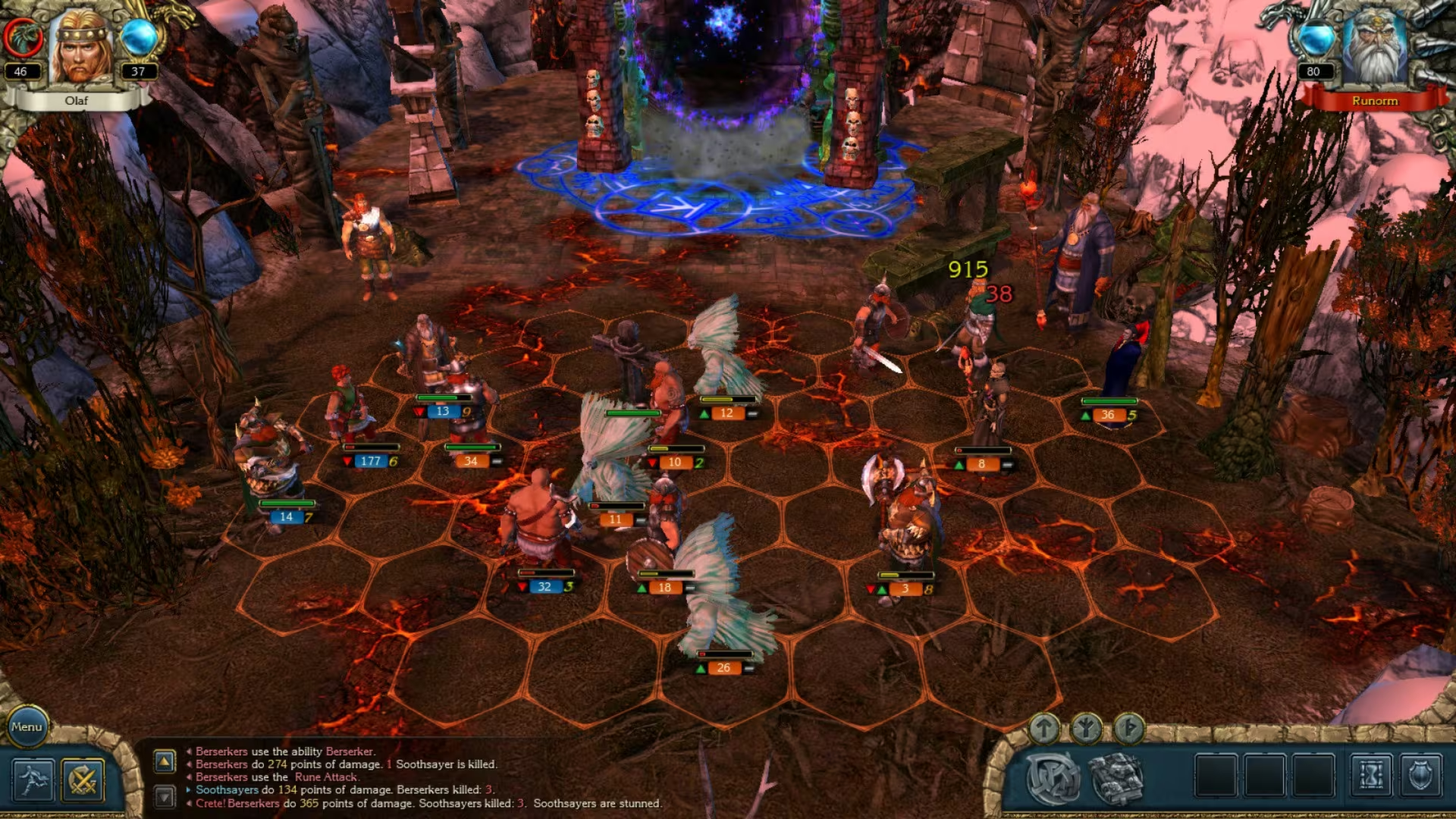
    • Tactical turn-based combat with strategic depth
    • Strong fantasy setting with vikings and magic
    • Character and army progression system
    • Humorous and charming writing

    Cons

    • Frequent bugs and crashes reported
    • Reused maps and content reduce novelty
    • Lengthy backtracking and grind can be tedious
    • Dated graphics and repetitive animations
    • No multiplayer or social features

    Analysis

    A very typical example of its motivational profile. Motivations that often define this kind of title include Leadership, Survival, Violence, Strategy. Here, the score leans higher than usual among comparable games on Fantasy. It leans lower than usual among comparable games on Cooperation, Fellowship.

    How to use the graph
    Similar games map

    Each dot is a game. They are arranged from the same motivation profile as in the “Motivations” section below. Closer dots usually mean more similar reasons to play (exploration, competition, relaxation, etc.)—not that one game is “better” than another.

    • Larger dot with a light outline: the game you are viewing.
    • Colour: groups of games with comparable motivation patterns (statistical clusters).
    • Hover a dot to see the game name; click to open its page.
    • Scroll or double-click the chart to zoom out and see more games.

    Why don’t the axes read like a score? This view uses t-SNE: it only keeps who is close to whom. The scales are not “good to bad” or hours played—they separate groups on the map. Read distance between dots, not the axis numbers.

    Motivations

    • Autonomy
      4

      "Players have freedom to choose hero class, army composition, skill trees, and tactical approaches in battles."

    • Competence
      3

      "Game offers tactical turn-based combat with skill development and strategic planning, though some battles become repetitive."

    • Competition
      -3

      "Focus is on single-player experience with no multiplayer or ranked modes; players compete against game challenges, not others."

    • Continuation
      4

      "Long campaign with many quests and side missions encourages extended play sessions; some players report 70+ to 200+ hours."

    • Cooperation
      -5

      "Entirely single-player game with no cooperative multiplayer or team-based objectives."

    • Creativity
      2

      "Players customize armies, skill trees, and equipment; however, much content is reused from previous games with limited innovation."

    • Domination
      -5

      "No player versus player or social dominance elements; interactions are with AI and story characters."

    • Escapism
      4

      "Players immerse in a fantasy world with extensive exploration and story, providing distraction from real life."

    • Expectation
      -4

      "Players engage voluntarily for enjoyment and nostalgia; no evidence of obligation or external pressure to play."

    • Experimenting
      3

      "Players experiment with different hero classes, army compositions, and skill builds; some routine grinding noted."

    • Exploration
      3

      "Game features large world with many islands and quests encouraging exploration, though some reused maps limit novelty."

    • Expression
      2

      "Customization of hero skills, equipment, and army composition allows some self-expression, though visual customization is limited."

    • Fantasy
      5

      "Strong fantasy setting with vikings, undead, magic, valkyries, and mythical creatures."

    • Fellowship
      -5

      "No social or community features; gameplay is solitary."

    • Growth
      4

      "Character and units level up, skills improve, and players develop strategies over long playtime."

    • Health
      -5

      "Typical sedentary gameplay with no physical activity involved."

    • Idle
      -3

      "Requires focused attention during tactical battles and questing; not designed for casual or background play."

    • Intimacy
      -5

      "No evidence of forming close social relationships or emotional sharing within the game."

    • Leadership
      3

      "Players lead armies and manage units in tactical combat, making strategic decisions."

    • Progression
      4

      "Extensive leveling of hero and units, acquisition of items, artifacts, and achievements."

    • Relaxation
      2

      "Some players find the game relaxing and immersive, though others note frustration from bugs and length."

    • Sensation
      2

      "Enjoyable music and graphics provide sensory pleasure, but visuals are dated and repetitive."

    • Status
      -5

      "No social recognition or multiplayer ranking systems."

    • Story
      3

      "Storyline is simple and predictable but provides context and humor; some players find it engaging."

    • Strategy
      4

      "Strong emphasis on tactical turn-based combat, skill tree planning, and army composition."

    • Thrill
      1

      "Some challenge and tension in battles, but overall predictable and controlled gameplay."

    • Value
      4

      "Long gameplay with many quests and achievements offers good value for time and money."

    • Violence
      4

      "Combat involves fighting and defeating enemies with spells and weapons; violence is a core gameplay element."

    • Survival
      2

      "Players manage resources and units to survive battles and progress; threats increase with difficulty."

    Last update: 29/04/2026