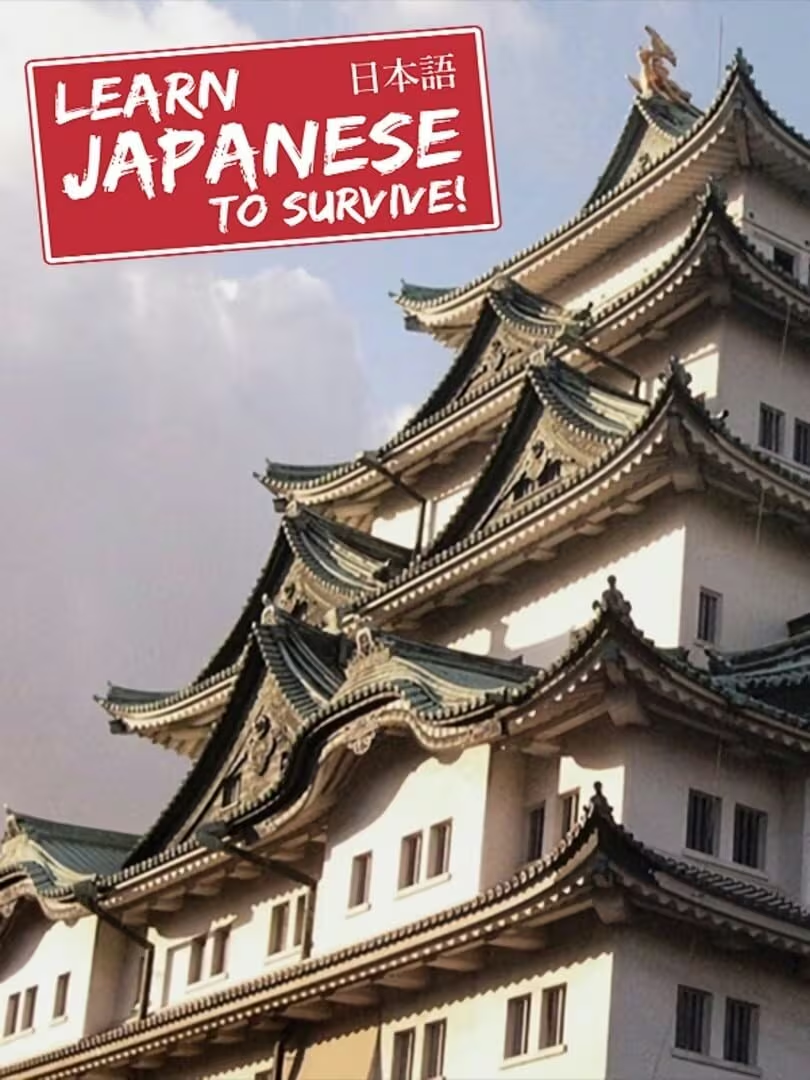
Learn Japanese To Survive! Kanji Combat Thumbnail

Learn Japanese To Survive! Kanji Combat similar games & best alternatives
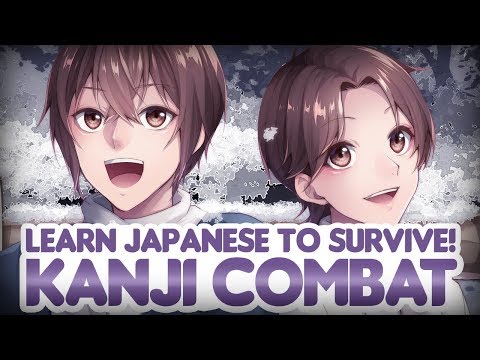
Learn Japanese To Survive! Kanji Combat

PC (Microsoft Windows), Mac • 2018

Related articles

Quick resume

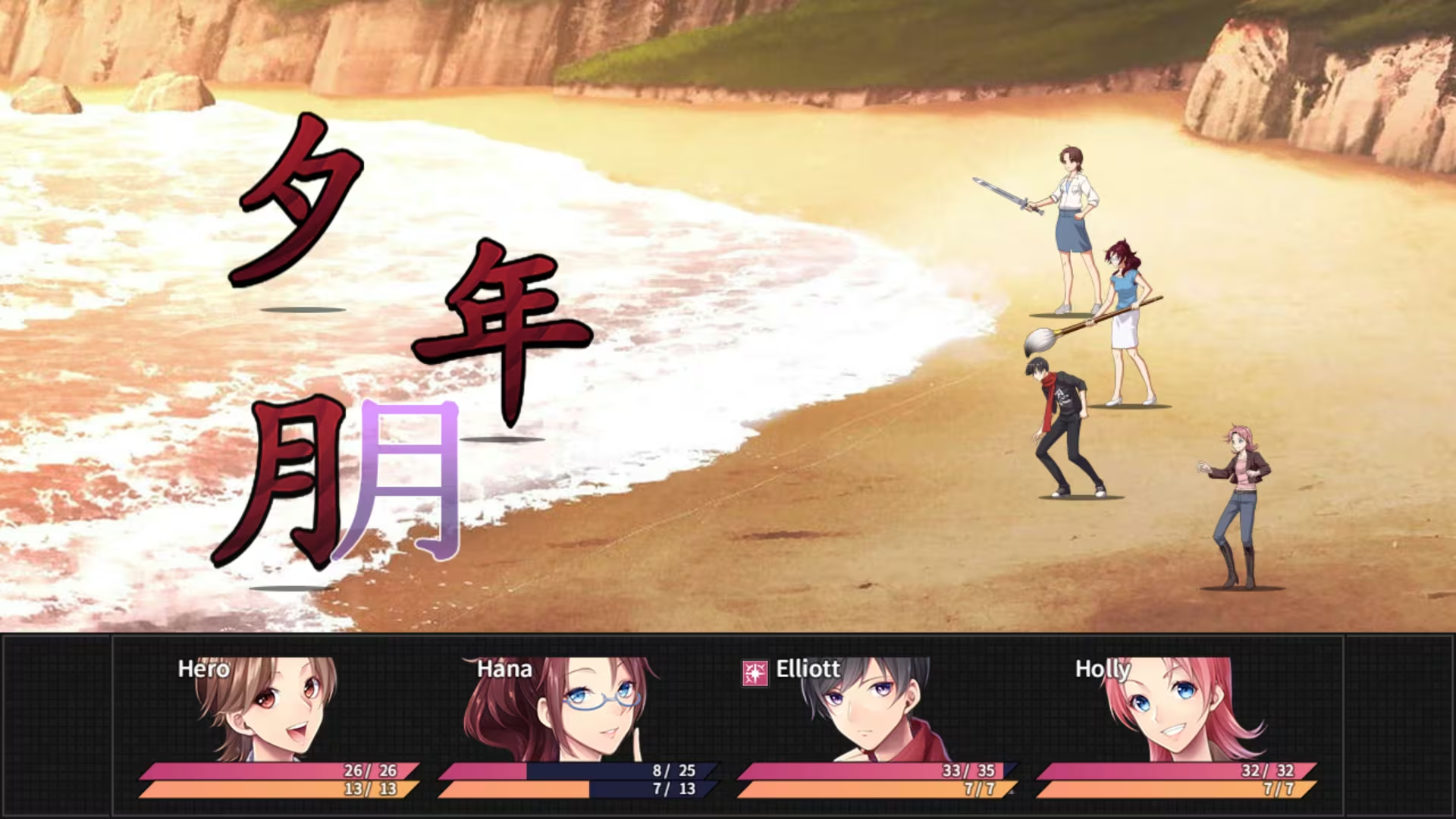
Learn Japanese kanji in this interactive role-playing game! No experience needed – start reading and writing in Japanese!

Global score

83/100

Genres

Adventure, Indie, Role-playing (RPG), Strategy, Visual Novel

Similar games

    Pros

    • Effective and fun kanji learning tool
    • Engaging rpg elements with story and characters
    • Town-building and upgrade systems add depth
    • Good voice acting and soundtrack
    • Suitable for beginners with prior kana knowledge

    Cons

    • Repetitive gameplay and grind
    • Limited emphasis on pronunciation and sentence context
    • Some technical issues and crashes reported
    • Story and characters can be cheesy or boring
    • Combat mechanics simplified and sometimes frustrating

    Analysis

    Less representative of its motivational profile, with noticeable differences. Motivations that often define this kind of title include Leadership, Survival, Violence, Strategy. It leans lower than usual among comparable games on Experimenting, Thrill, Survival.

    How to use the graph
    Similar games map

    Each dot is a game. They are arranged from the same motivation profile as in the “Motivations” section below. Closer dots usually mean more similar reasons to play (exploration, competition, relaxation, etc.)—not that one game is “better” than another.

    • Larger dot with a light outline: the game you are viewing.
    • Colour: groups of games with comparable motivation patterns (statistical clusters).
    • Hover a dot to see the game name; click to open its page.
    • Scroll or double-click the chart to zoom out and see more games.

    Why don’t the axes read like a score? This view uses t-SNE: it only keeps who is close to whom. The scales are not “good to bad” or hours played—they separate groups on the map. Read distance between dots, not the axis numbers.

    Motivations

    • Autonomy
      3

      "Players can choose difficulty modes, customize party members, and decide how to upgrade town and gear, allowing some control over learning and gameplay."

    • Competence
      4

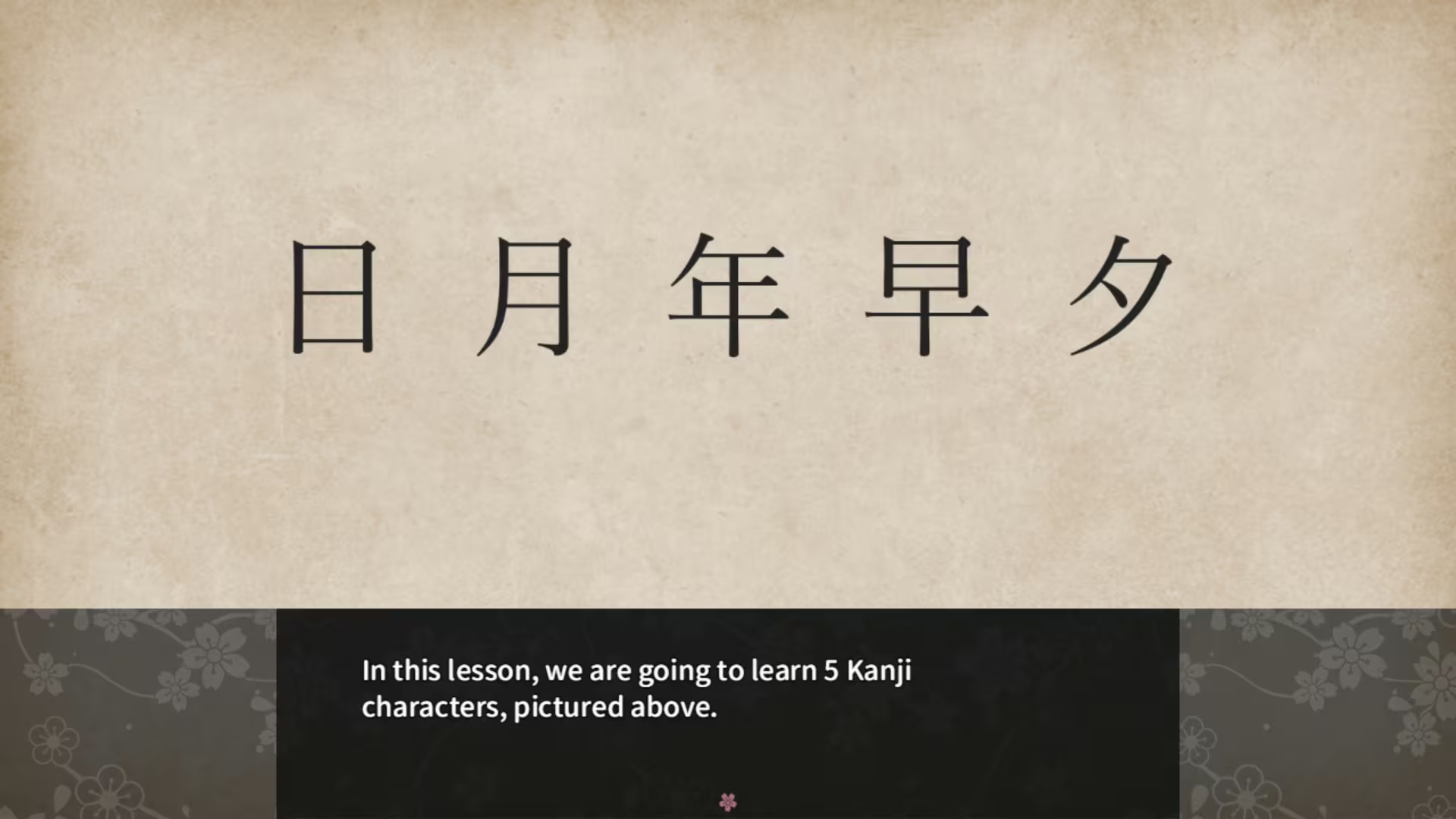
      "The game challenges players to learn and recall kanji meanings and pronunciations, with combat success tied to correct answers, providing skill feedback."

    • Competition
      -3

      "Focus is on personal learning and progression rather than competing against others; no mention of leaderboards or PvP."

    • Continuation
      2

      "Players report long playtimes and habitual engagement to learn many kanji, though some find the gameplay repetitive and grindy."

    • Cooperation
      0

      "Game features party members and some team mechanics but no multiplayer or explicit cooperative play."

    • Creativity
      1

      "Town-building and upgrading systems allow some creative choices, but core gameplay follows established RPG and learning routines."

    • Domination
      -4

      "Interactions emphasize equal party participation and learning rather than exerting control or superiority over others."

    • Escapism
      3

      "Players use the game as a fun distraction and stress relief while learning, with some reporting emotional uplift during tough times."

    • Expectation
      -4

      "Players engage voluntarily out of personal interest in learning Japanese and self-improvement, not due to external pressure."

    • Experimenting
      -1

      "Gameplay is somewhat repetitive with established patterns, though players can choose difficulty and upgrade strategies."

    • Exploration
      1

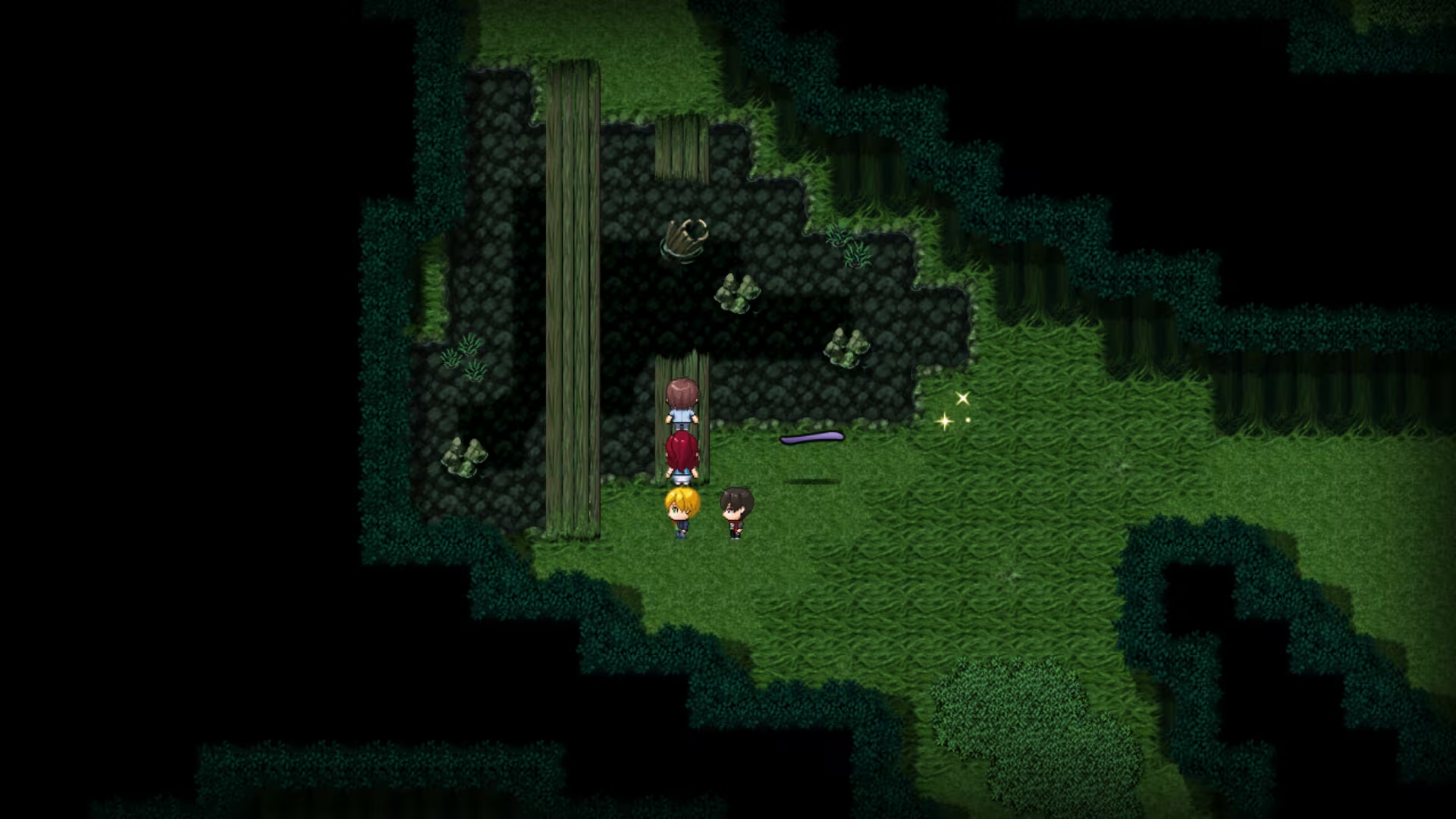
      "Game includes dungeon exploration and side quests, but environments and progression are mostly linear and repetitive."

    • Expression
      1

      "Some character customization and town-building allow limited self-expression, but mostly standardized presentation."

    • Fantasy
      2

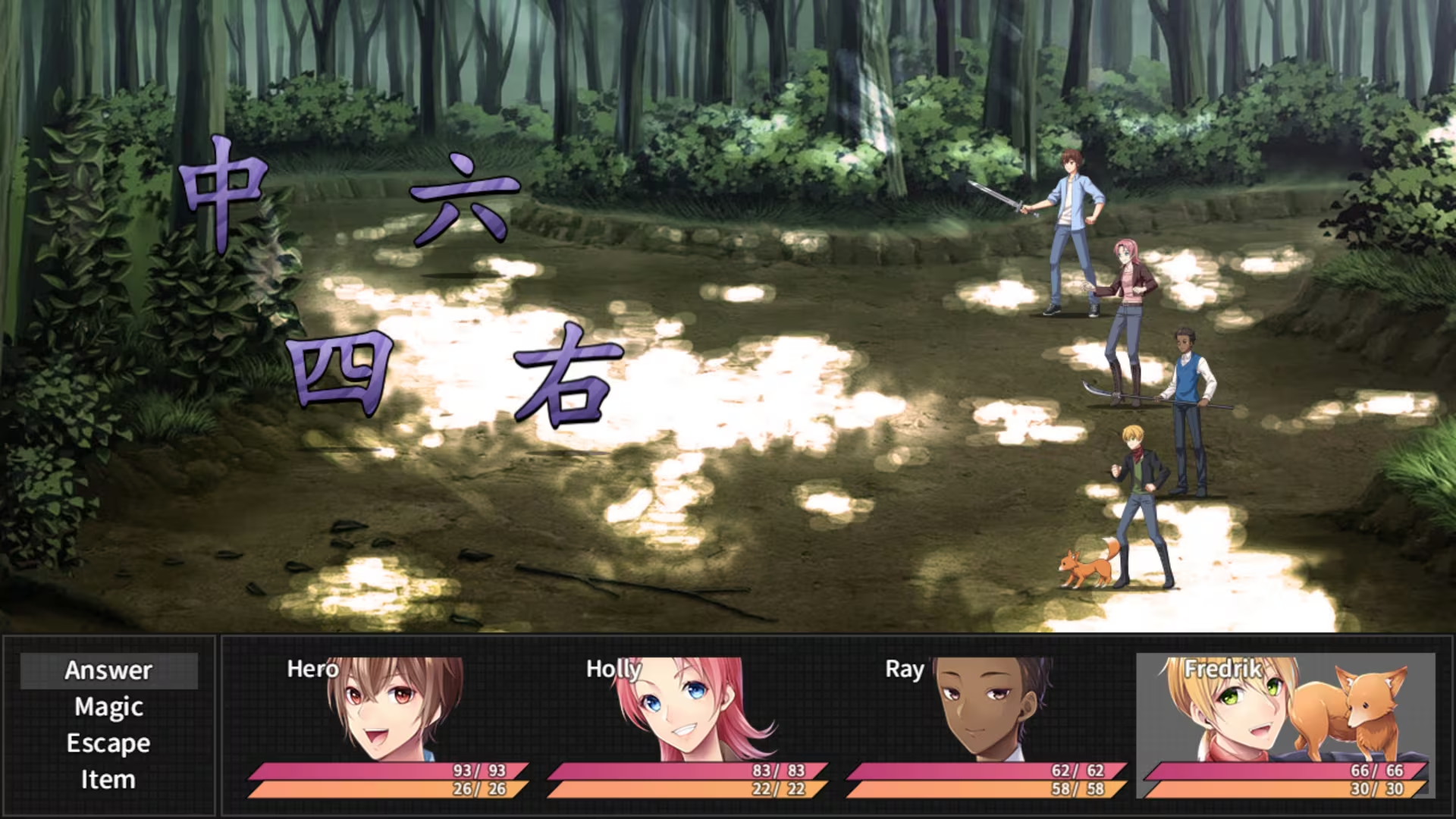
      "The game features a fictional story with monsters shaped like kanji and a fantasy setting, blending learning with imaginative elements."

    • Fellowship
      0

      "Some social elements in party and story, but no strong community or multiplayer aspects."

    • Growth
      5

      "Strong focus on learning and personal development through kanji acquisition, pronunciation, and memory reinforcement."

    • Health
      -5

      "No physical activity involved; sedentary gameplay typical of educational RPGs."

    • Idle
      -3

      "Requires focused attention to answer kanji correctly; some players find pacing slow but not suitable for background play."

    • Intimacy
      -2

      "Some character relationship development and affection events, but limited emotional depth and no close social bonding."

    • Leadership
      1

      "Players manage party composition and town upgrades, guiding progression, but no explicit leadership over others."

    • Progression
      4

      "Players accumulate kanji knowledge, level up characters, upgrade gear and town buildings, showing clear progression."

    • Relaxation
      2

      "Some players find the game relaxing and enjoyable, though others report frustration with repetition and grind."

    • Sensation
      1

      "Visual and auditory elements like music and voice acting add sensory enjoyment, but gameplay is not highly stimulating."

    • Status
      -4

      "Game focuses on individual learning without social recognition or competitive ranking."

    • Story
      3

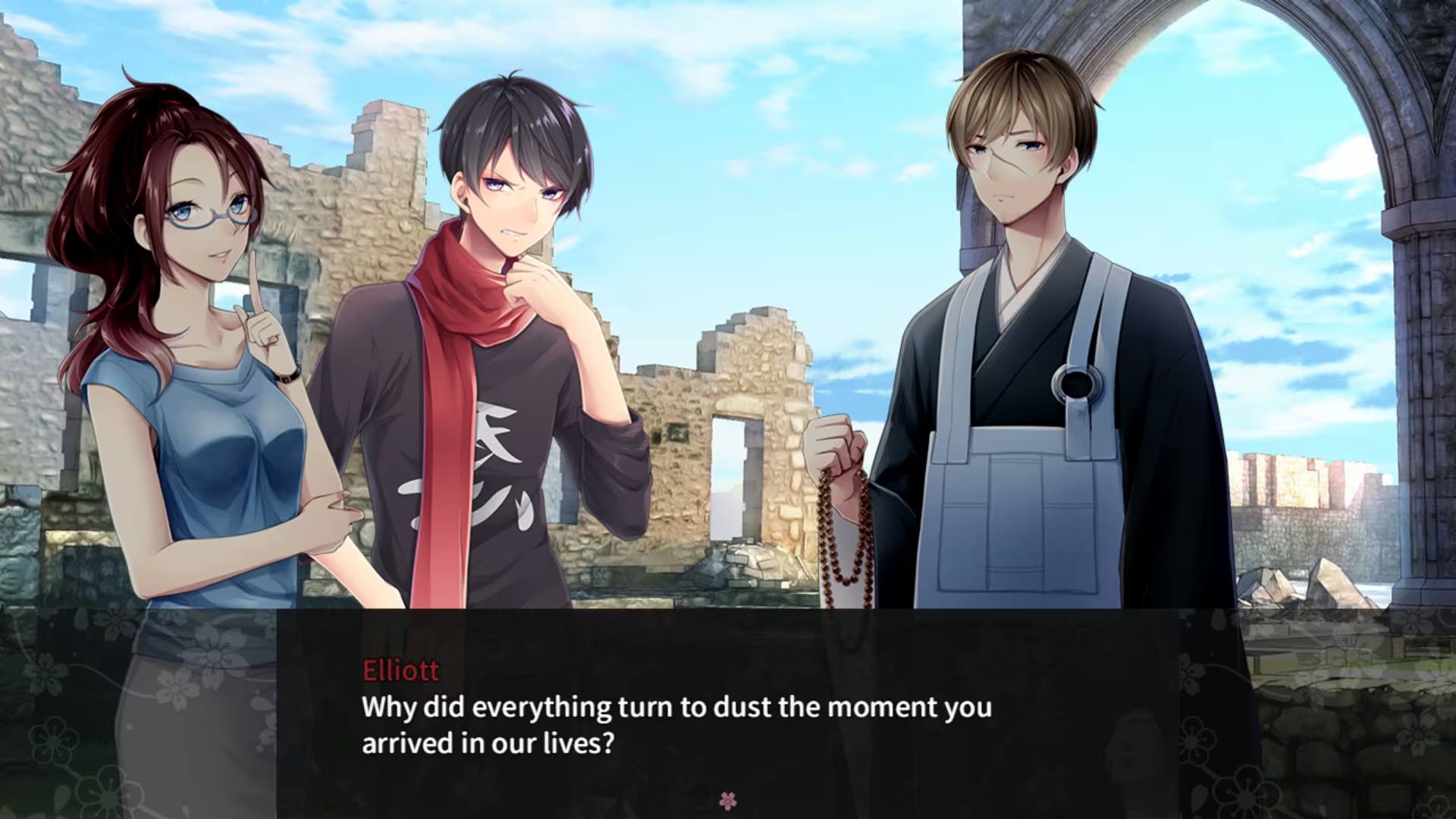
      "The game features a narrative with characters, plot, and voice acting, enhancing immersion beyond isolated tasks."

    • Strategy
      2

      "Some strategic elements in party management and resource allocation, but combat is simplified with one-hit kills."

    • Thrill
      -1

      "Combat is low risk and predictable; challenge comes from learning rather than suspense or tension."

    • Value
      4

      "Players report good educational value for time and money, appreciating the combination of learning and gameplay."

    • Violence
      1

      "Combat involves defeating kanji-shaped monsters, but violence is mild and serves educational purposes."

    • Survival
      0

      "Some resource and health management in combat, but no strong survival mechanics or high threat levels."

    Last update: 29/04/2026