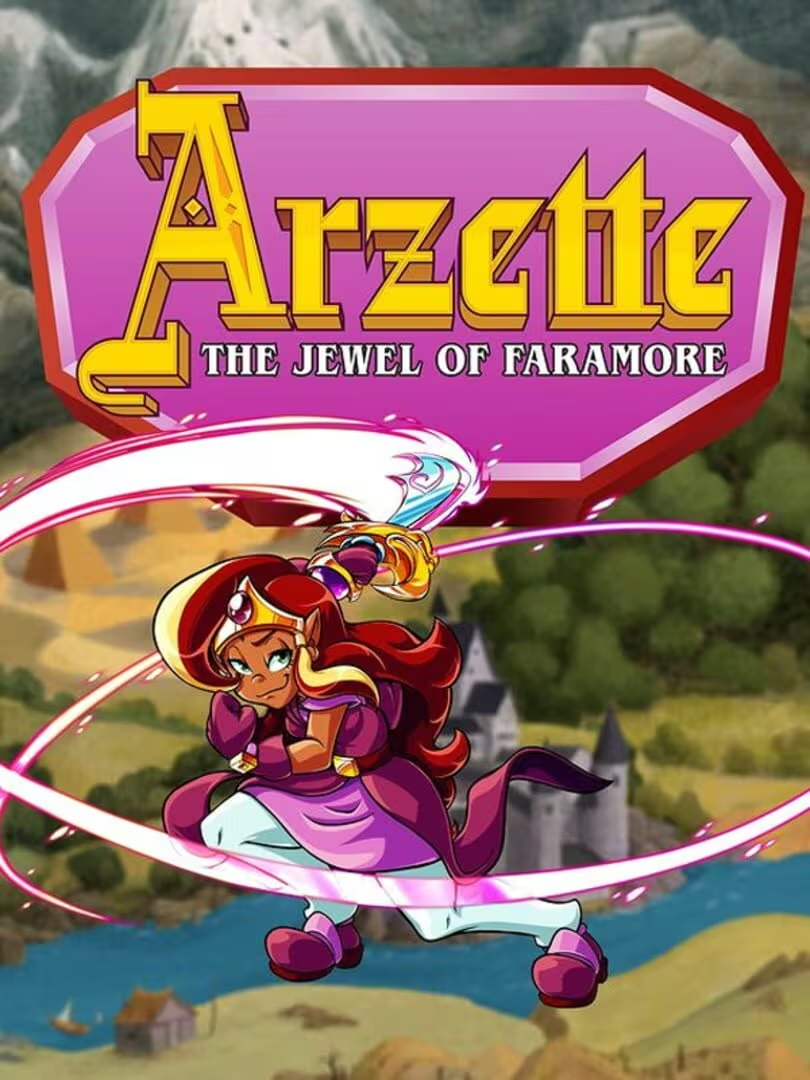
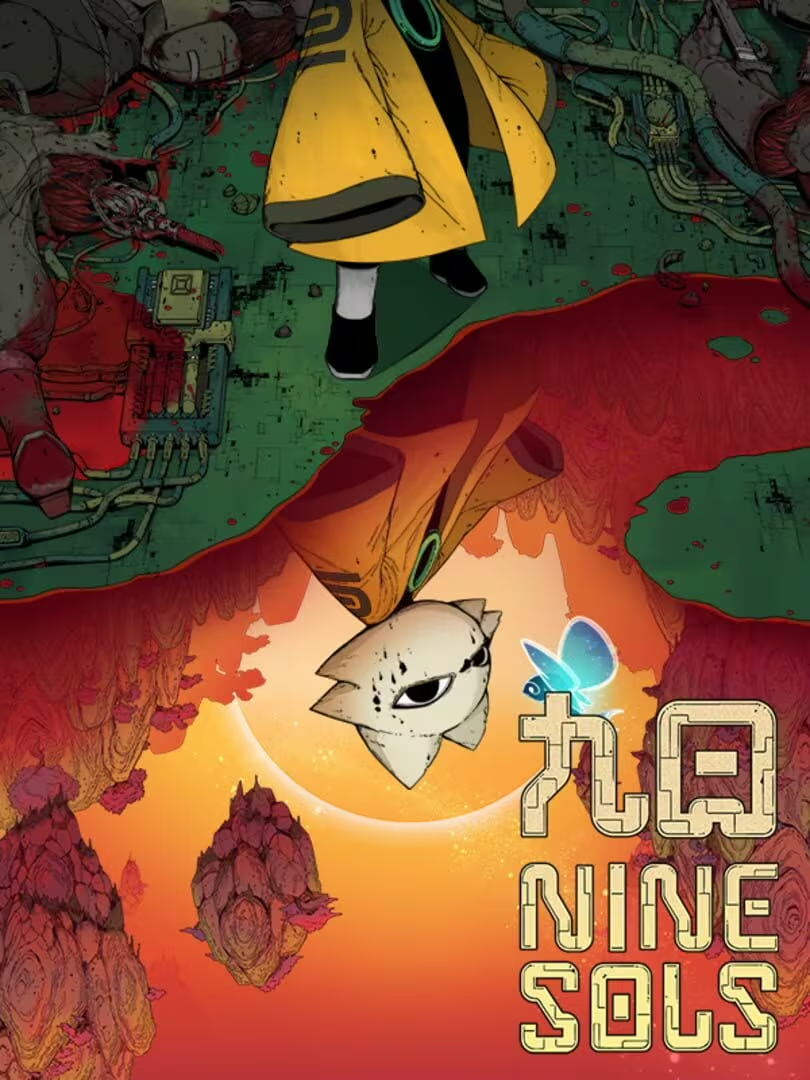
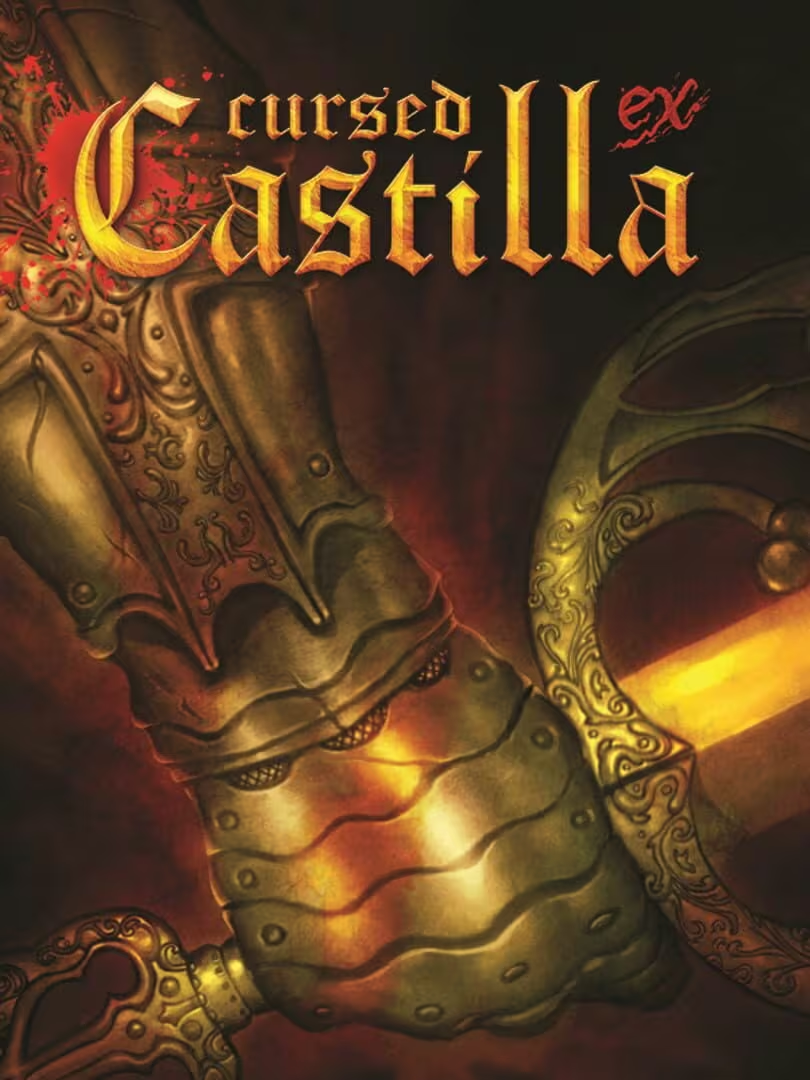
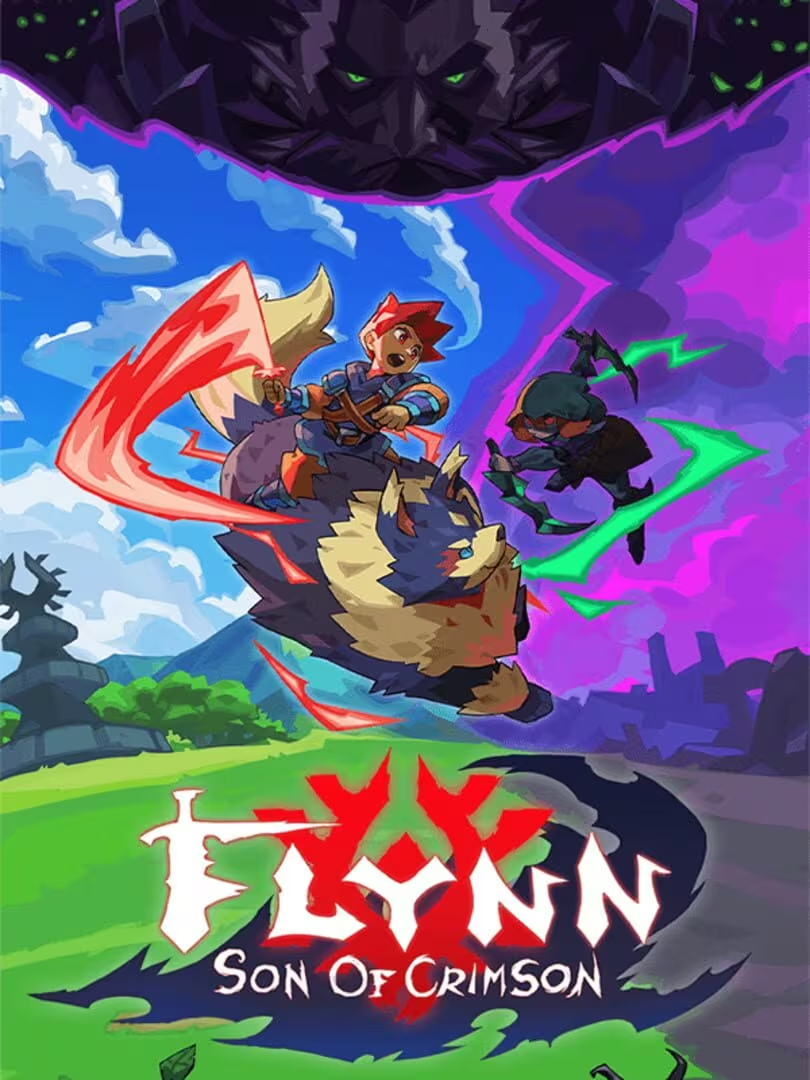
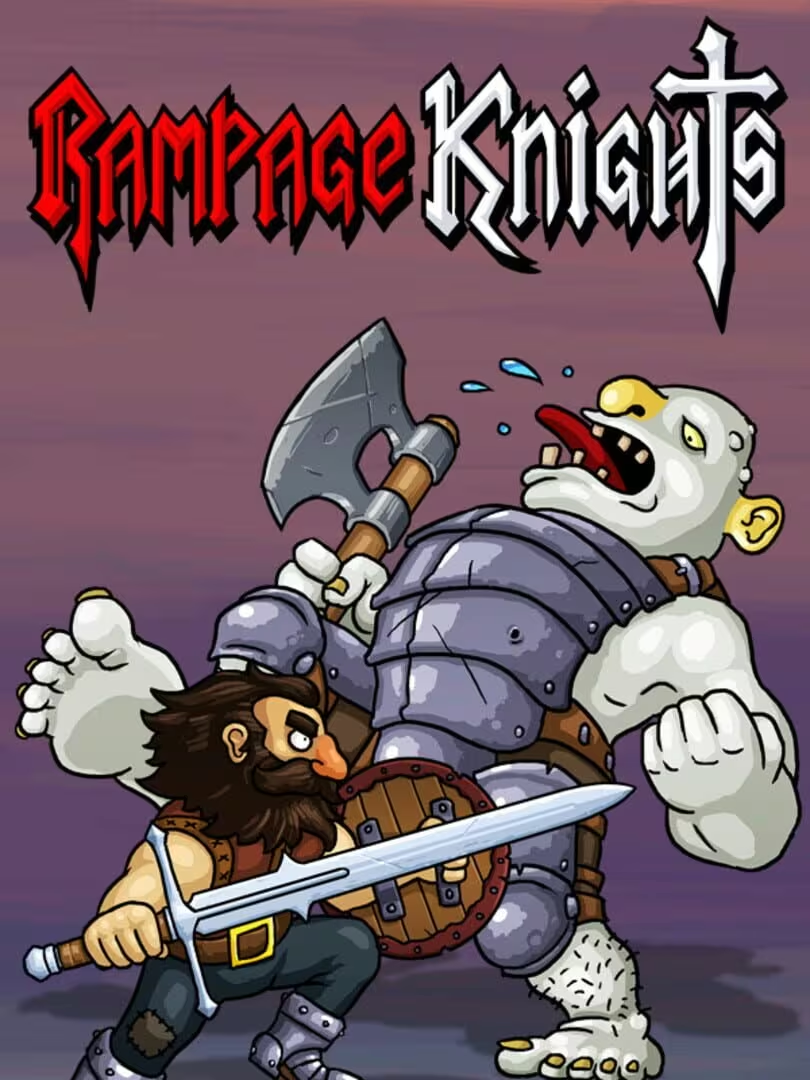
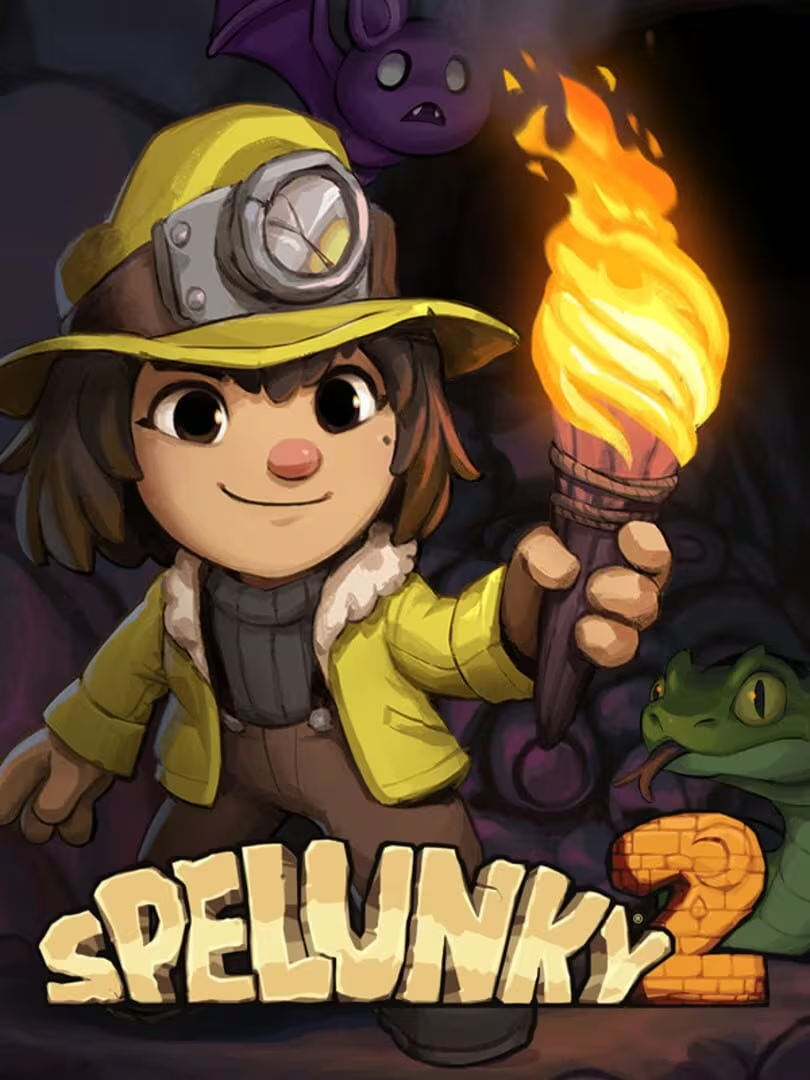
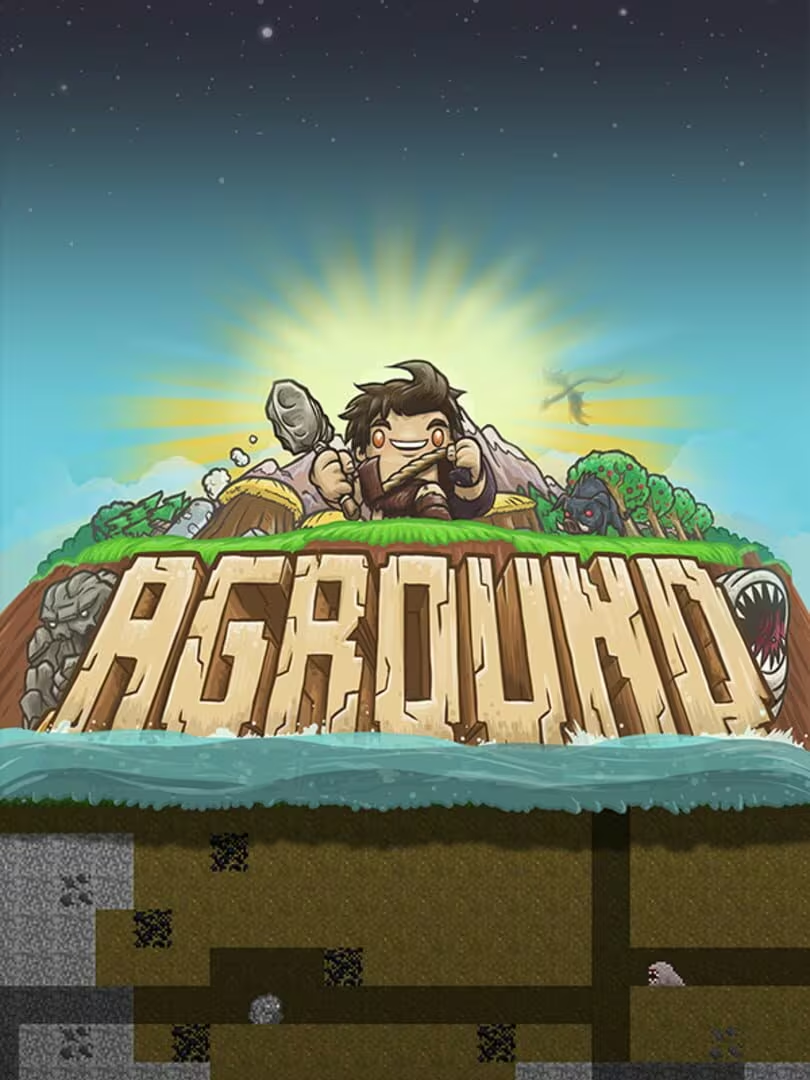
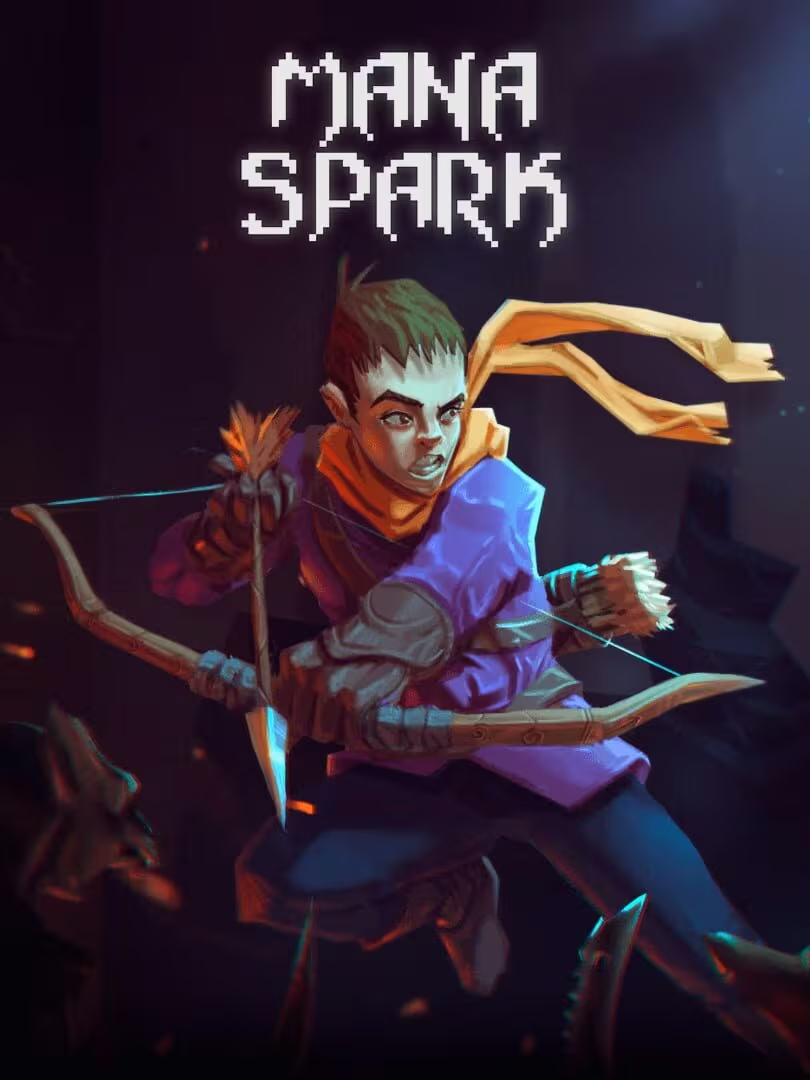
Lucky Tower Ultimate Thumbnail

Lucky Tower Ultimate similar games & best alternatives
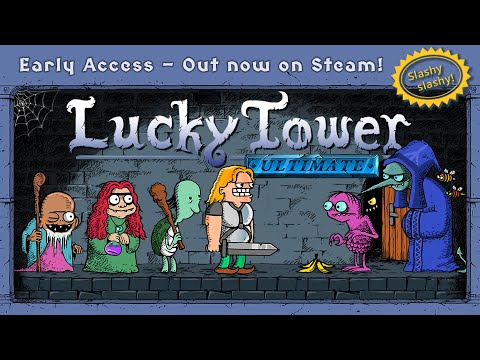
Lucky Tower Ultimate

PC (Microsoft Windows), Nintendo Switch • 2026

Related articles

Quick resume

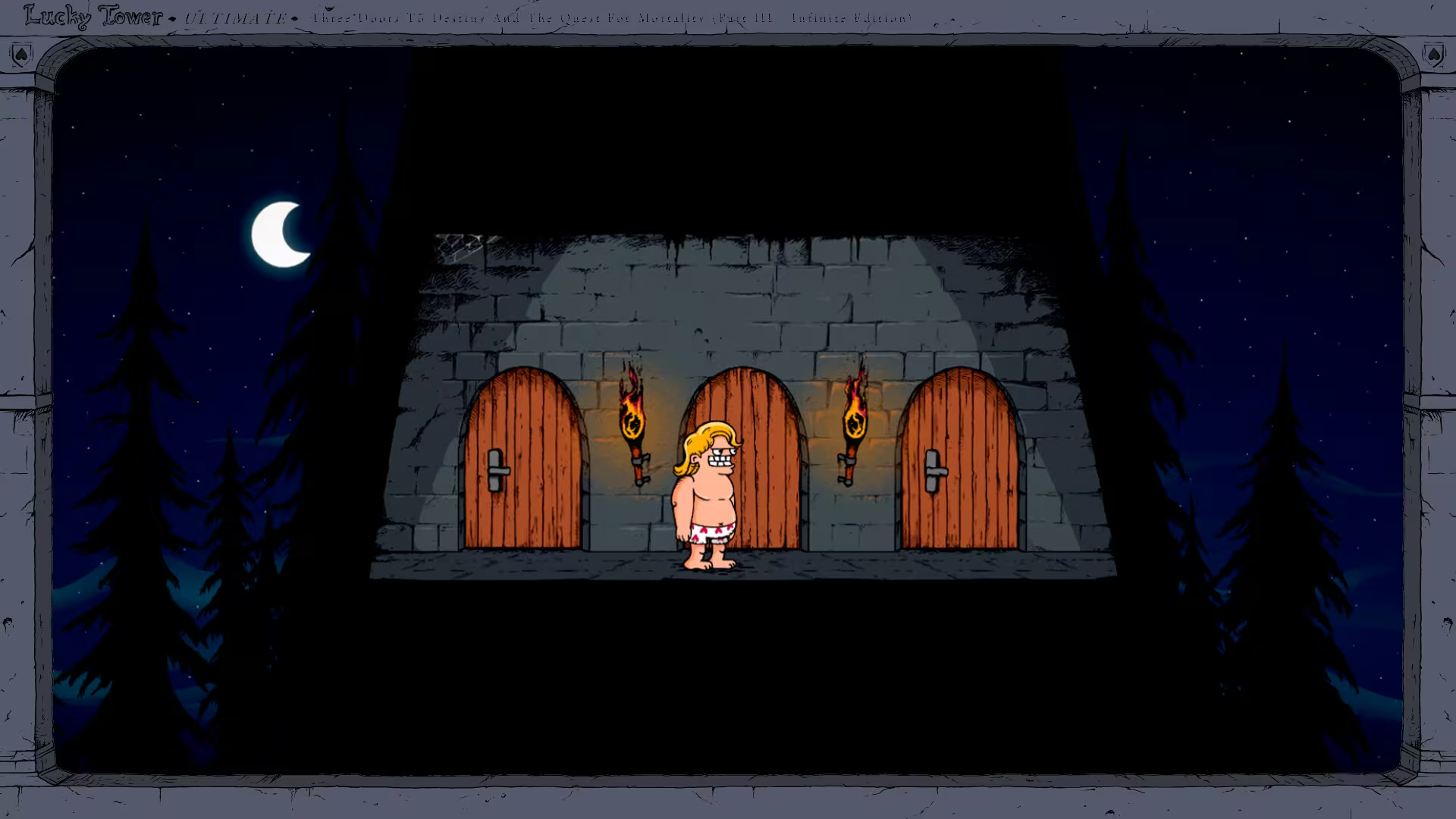
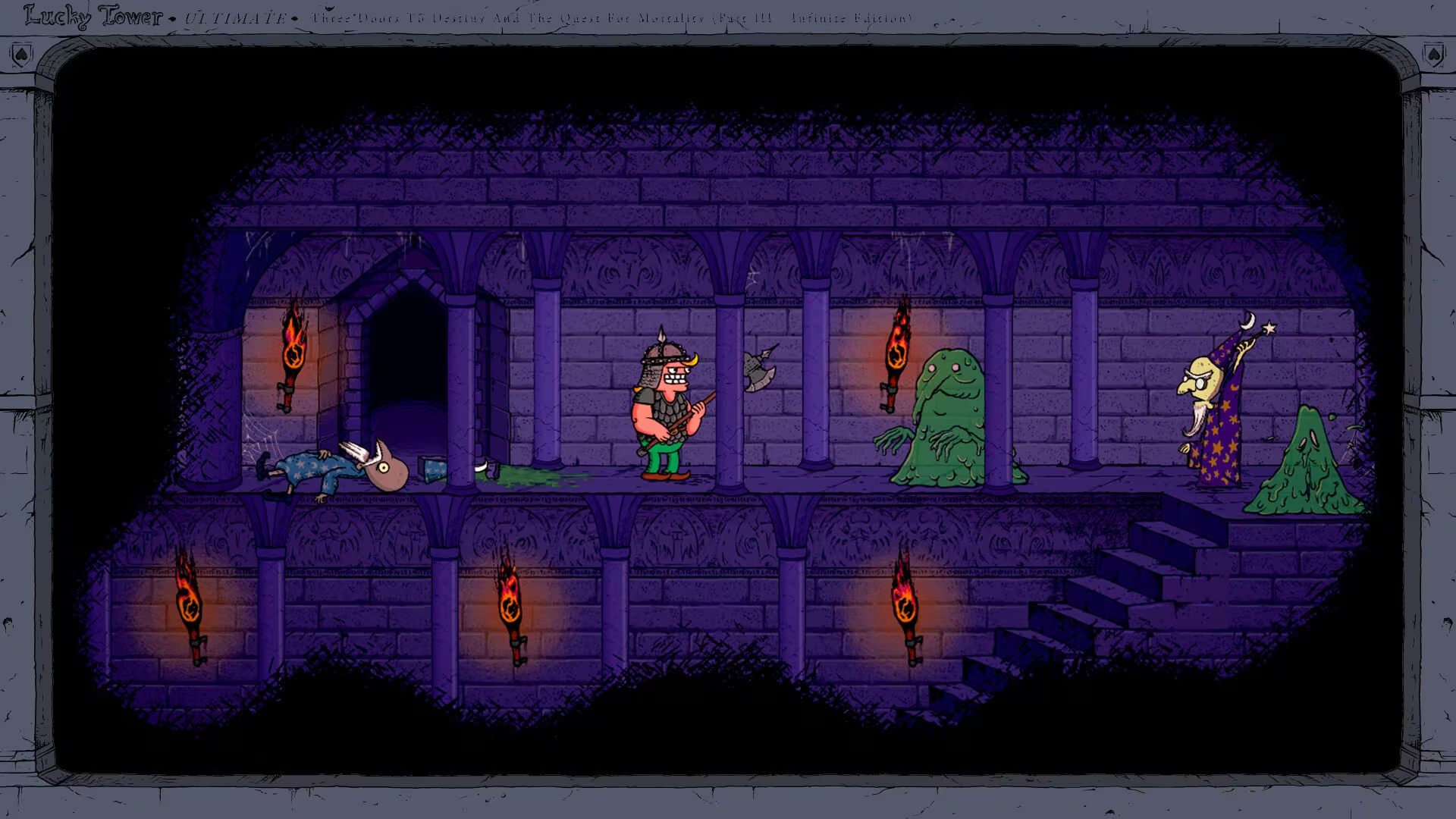
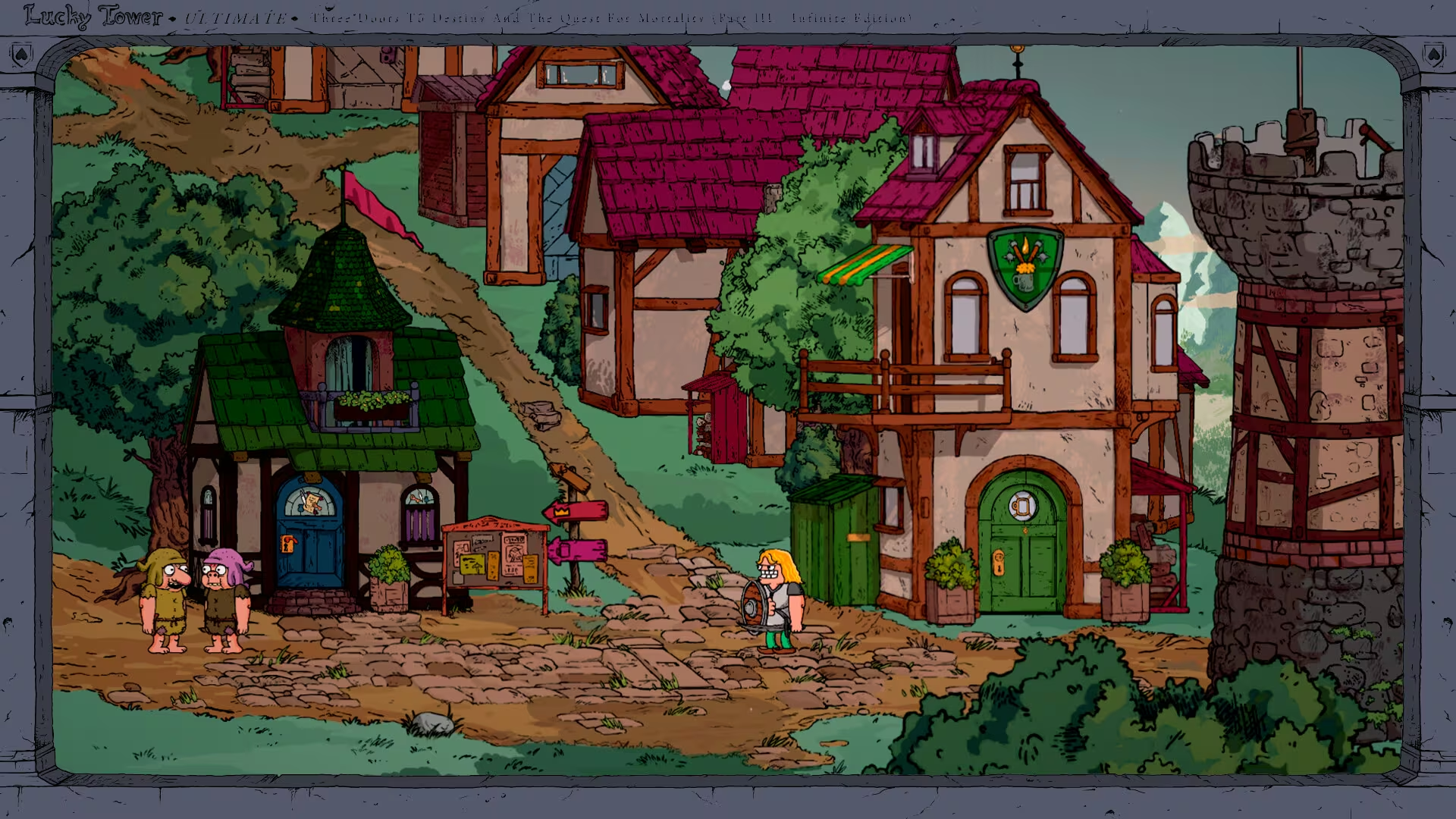
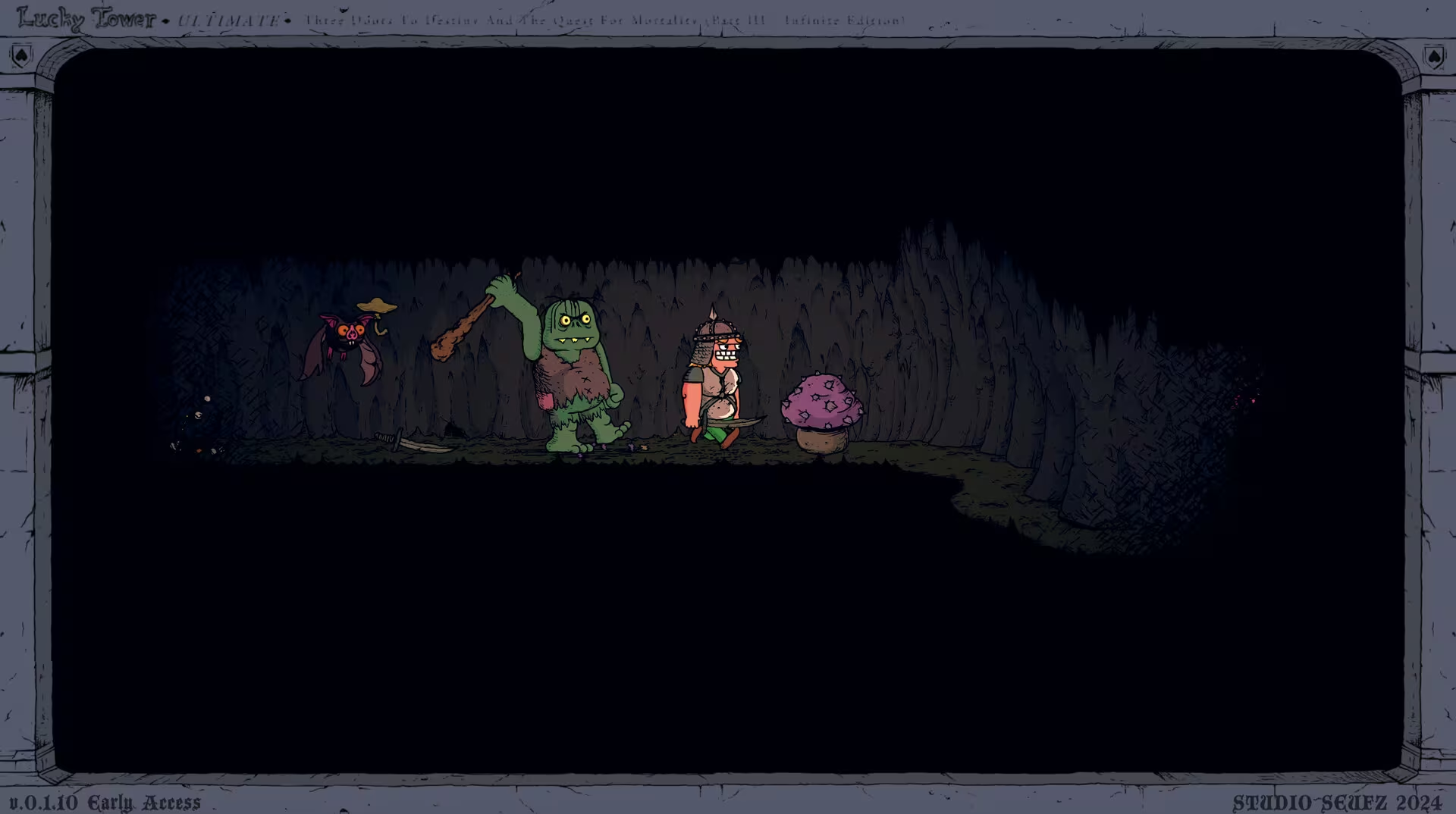
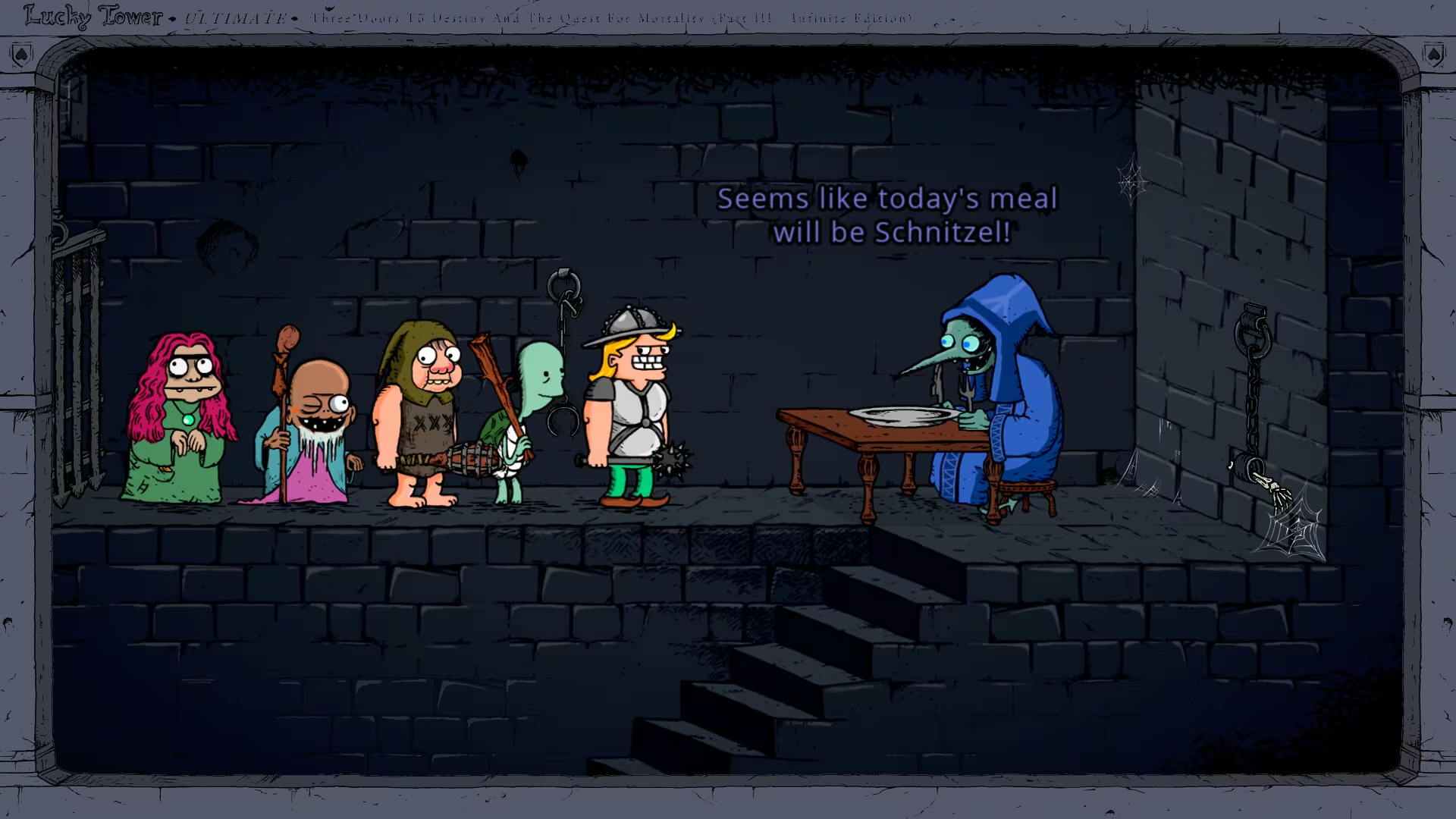
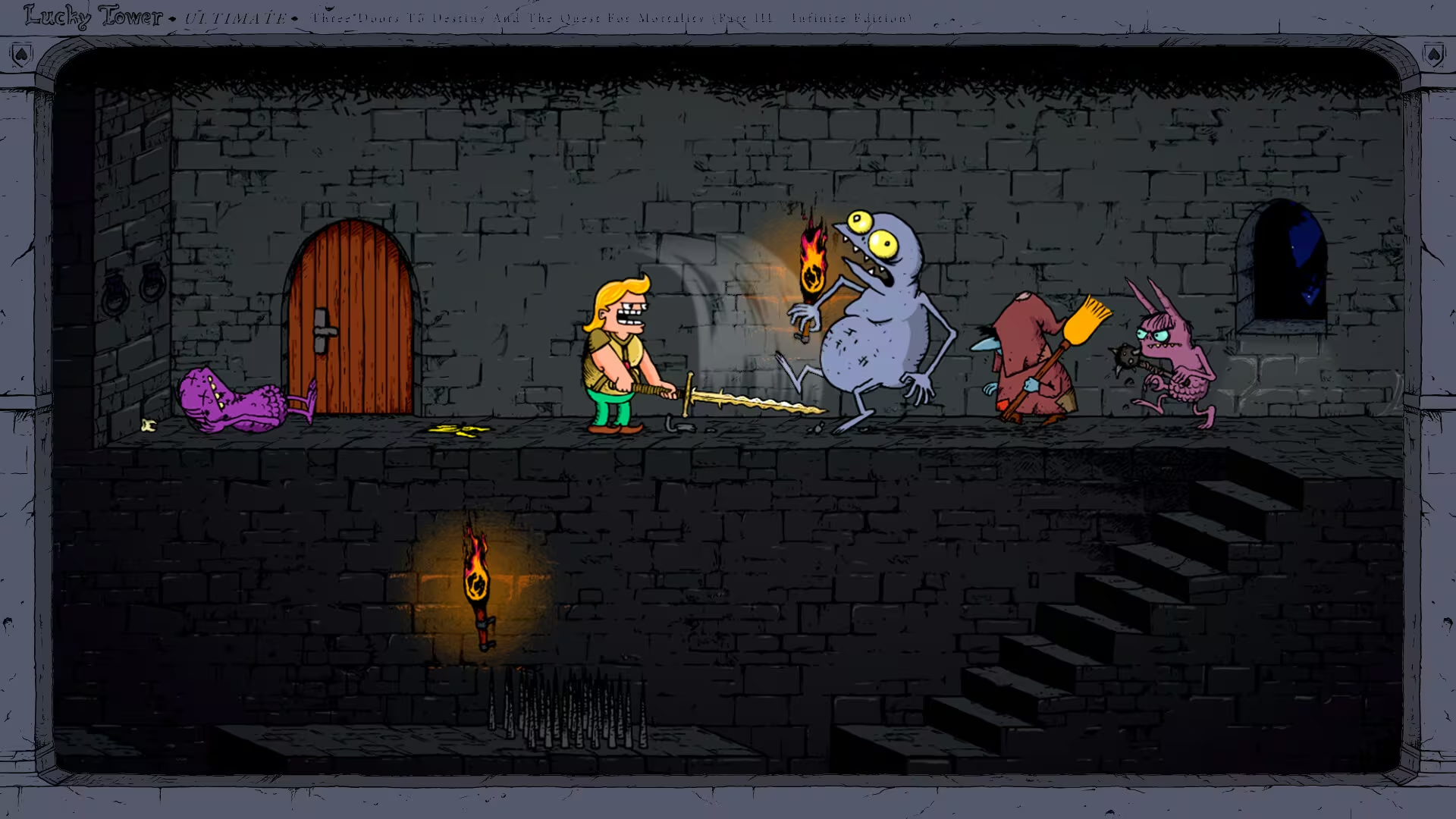
Escape from an incredibly dangerous, randomly generated tower in a slapstick, roguelite adventure that looks like a cartoon and feels like a joke. Slashy slashy!

Global score

94/100

Genres

Action, Adventure, Indie, Role-playing (RPG), Platform, Early Access

Similar games

    Pros

    • Humorous and charming narrative
    • Addictive roguelike gameplay loop
    • Creative item interactions and emergent mechanics
    • Strong art style and voice acting
    • Frequent developer updates and community engagement

    Cons

    • Early access bugs and occasional softlocks
    • Some repetitive combat mechanics
    • Limited armor variety and customization
    • Clunky controls at times
    • Lack of multiplayer or social features

    Analysis

    Less representative of its motivational profile, with noticeable differences. Motivations that often define this kind of title include Fellowship, Cooperation, Leadership, Violence. Here, the score leans higher than usual among comparable games on Cooperation, Survival, Thrill.

    How to use the graph
    Similar games map

    Each dot is a game. They are arranged from the same motivation profile as in the “Motivations” section below. Closer dots usually mean more similar reasons to play (exploration, competition, relaxation, etc.)—not that one game is “better” than another.

    • Larger dot with a light outline: the game you are viewing.
    • Colour: groups of games with comparable motivation patterns (statistical clusters).
    • Hover a dot to see the game name; click to open its page.
    • Scroll or double-click the chart to zoom out and see more games.

    Why don’t the axes read like a score? This view uses t-SNE: it only keeps who is close to whom. The scales are not “good to bad” or hours played—they separate groups on the map. Read distance between dots, not the axis numbers.

    Motivations

    • Autonomy
      4

      "Players have freedom to choose playstyle, approach combat and exploration in various ways, and experiment with items and companions."

    • Competence
      3

      "The game is challenging with skill-based platforming and combat, but also involves randomness and learning from repeated failures."

    • Competition
      -4

      "Focus is on personal progression and enjoyment rather than competing against others; no mention of multiplayer or leaderboards."

    • Continuation
      5

      "Highly addictive roguelike loop with players repeatedly returning despite frequent deaths and challenges."

    • Cooperation
      2

      "Players interact with companions who assist and have personalities, but gameplay is primarily single-player and individual."

    • Creativity
      4

      "Strong emphasis on experimenting with many items, combining objects, and emergent gameplay interactions."

    • Domination
      -5

      "Interactions emphasize humor and mutual respect; no evidence of exerting control or superiority over others."

    • Escapism
      5

      "Players use the game as a fun, humorous escape from real life, enjoying silly deaths and lighthearted adventure."

    • Expectation
      -5

      "Players engage voluntarily out of intrinsic interest and enjoyment, with no obligation or external pressure."

    • Experimenting
      5

      "Encourages trying new things, exploring mechanics, and discovering unexpected item uses and interactions."

    • Exploration
      4

      "Randomly generated levels and secrets encourage discovery and curiosity-driven play."

    • Expression
      3

      "Some character customization through equipment and companions, though limited cosmetic personalization."

    • Fantasy
      4

      "Imaginative, absurd medieval fantasy setting with surreal humor and cartoonish characters."

    • Fellowship
      -3

      "Primarily a solo experience with minimal social connection beyond NPC companions."

    • Growth
      3

      "Players learn skills, strategies, and game mechanics over repeated runs, improving over time."

    • Health
      -5

      "Typical sedentary gaming experience with no physical activity or health-related features."

    • Idle
      -4

      "Requires focused attention and continuous engagement due to challenging gameplay and fast-paced action."

    • Intimacy
      -4

      "Social interactions are limited to humorous NPC dialogue without deep emotional connections."

    • Leadership
      -5

      "No evidence of player leadership roles; gameplay is individual with companions as support."

    • Progression
      4

      "Players accumulate items, equipment, and meta-progression elements through runs."

    • Relaxation
      2

      "While challenging and sometimes frustrating, the humor and art style provide a lighthearted, enjoyable flow."

    • Sensation
      3

      "Engaging visual style, voice acting, and sound design provide stimulating sensory experience."

    • Status
      -4

      "No social recognition or competitive status elements; focus is on personal achievement."

    • Story
      3

      "Humorous narrative and character interactions provide context and immersion beyond isolated gameplay."

    • Strategy
      3

      "Players use problem solving and decision making to navigate traps, enemies, and item use."

    • Thrill
      4

      "High tension from unpredictable traps and sudden deaths creates suspense and excitement."

    • Value
      4

      "Players perceive strong value from humor, replayability, and content despite early access bugs."

    • Violence
      3

      "Combat and destruction are frequent, but presented in a humorous and cartoonish manner."

    • Survival
      4

      "Core gameplay revolves around avoiding death, managing resources, and overcoming threats."

    Last update: 29/04/2026