Rogue Legacy Thumbnail

Rogue Legacy similar games & best alternatives
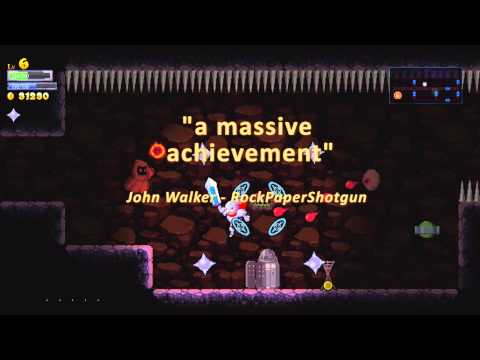
Rogue Legacy

PC (Microsoft Windows), Mac, PlayStation 4, Xbox One, PlayStation Vita, Nintendo Switch, PlayStation 3, Linux • 2013

Related articles

Quick resume

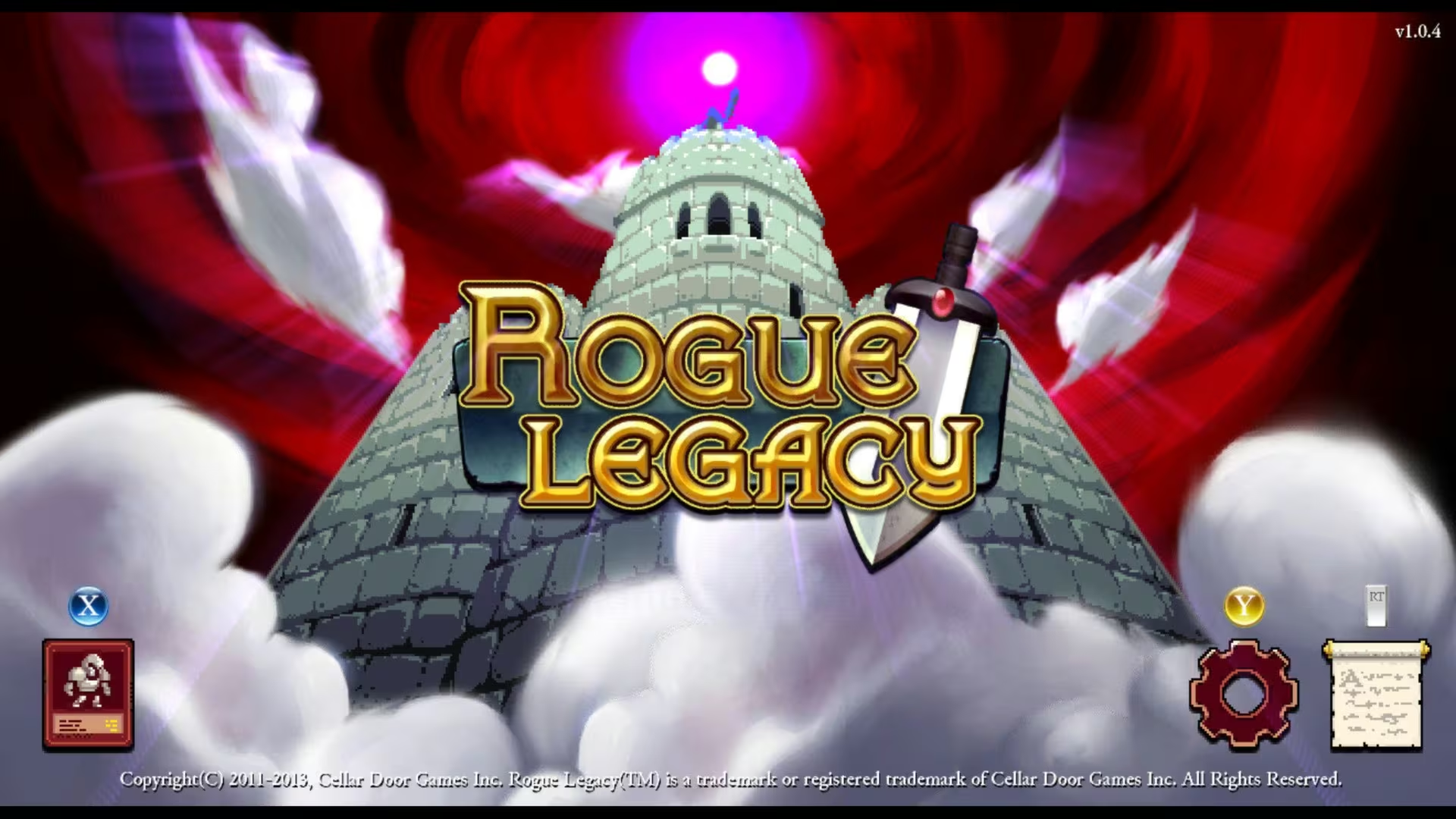
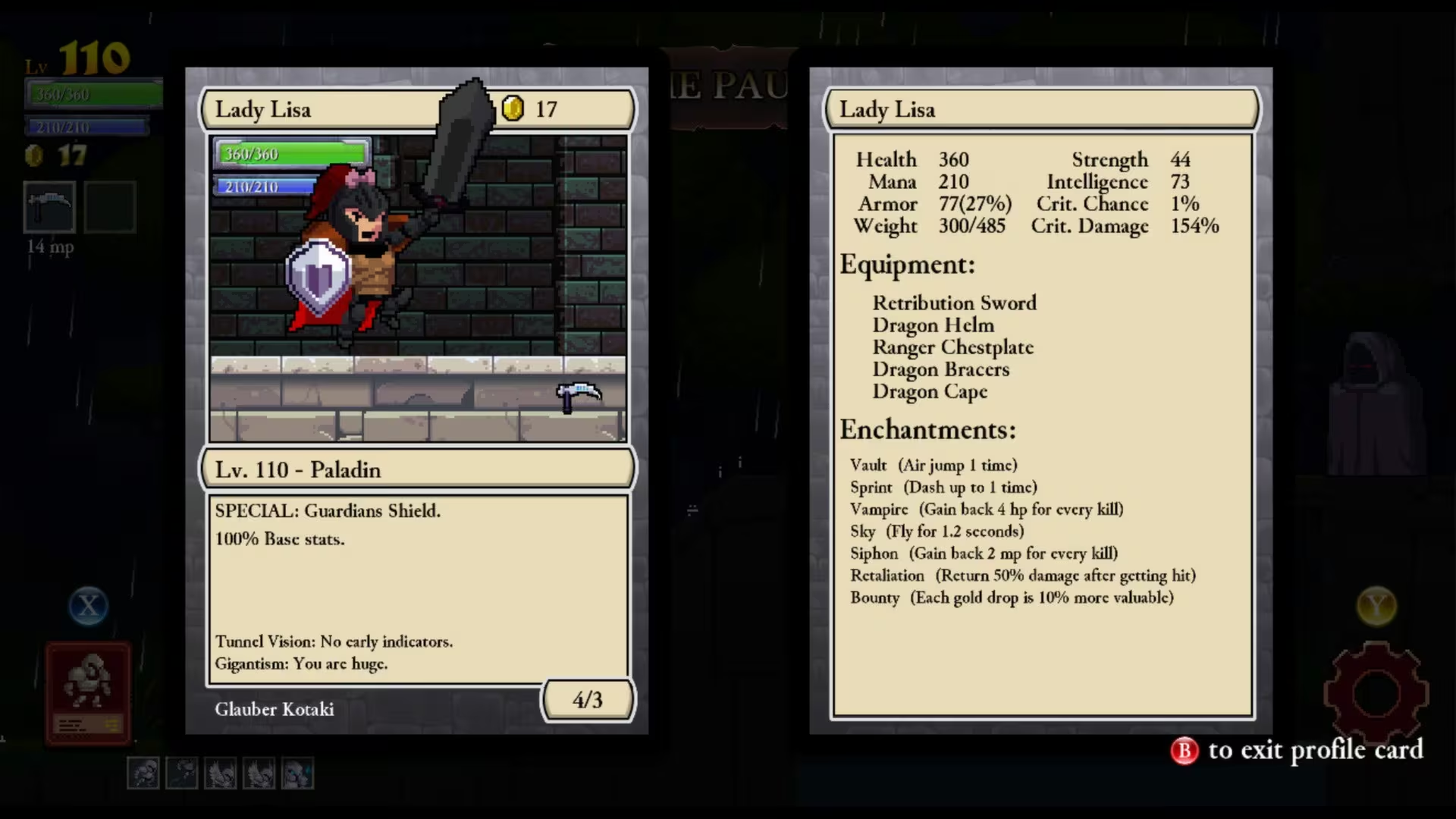
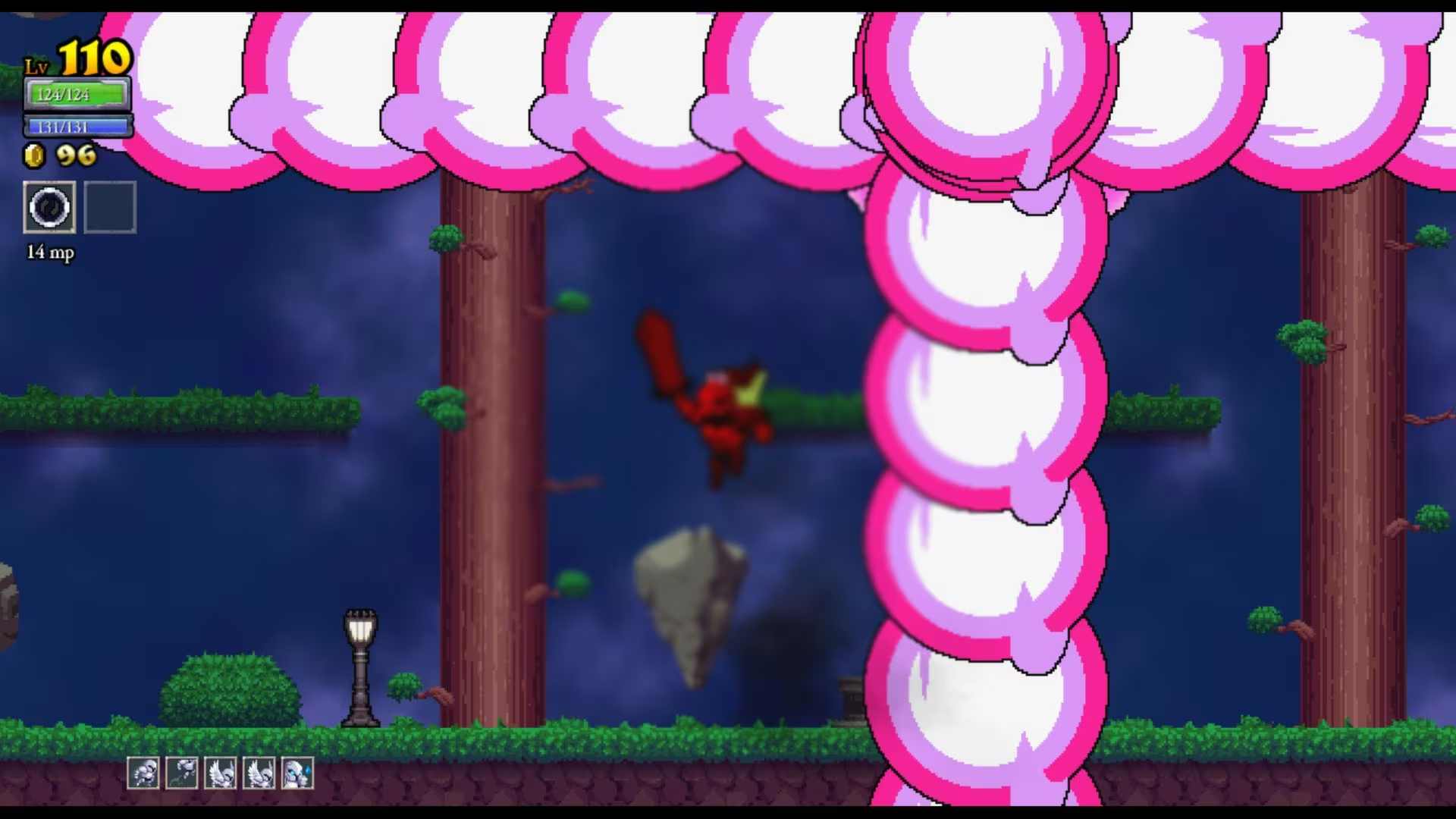
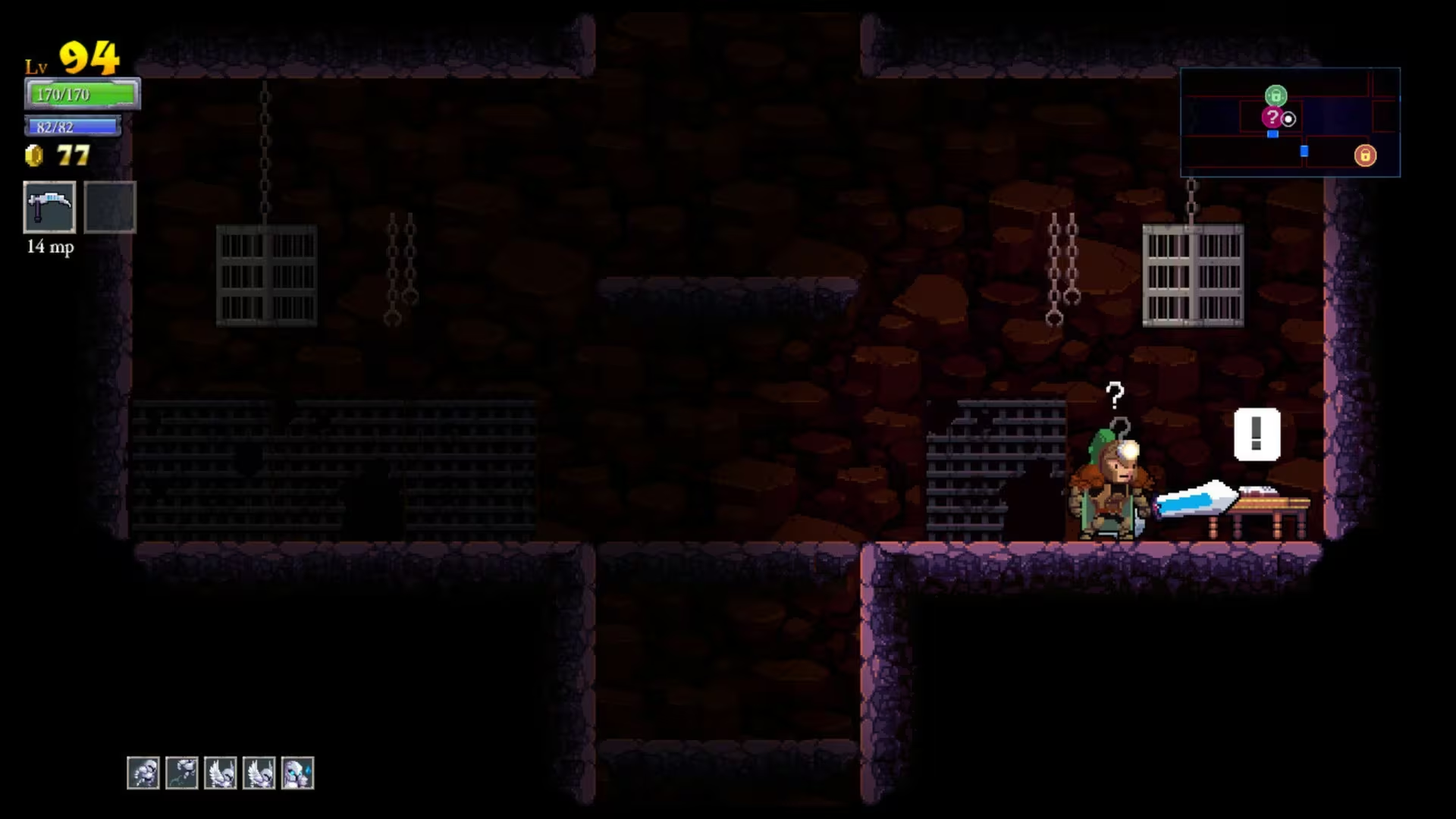
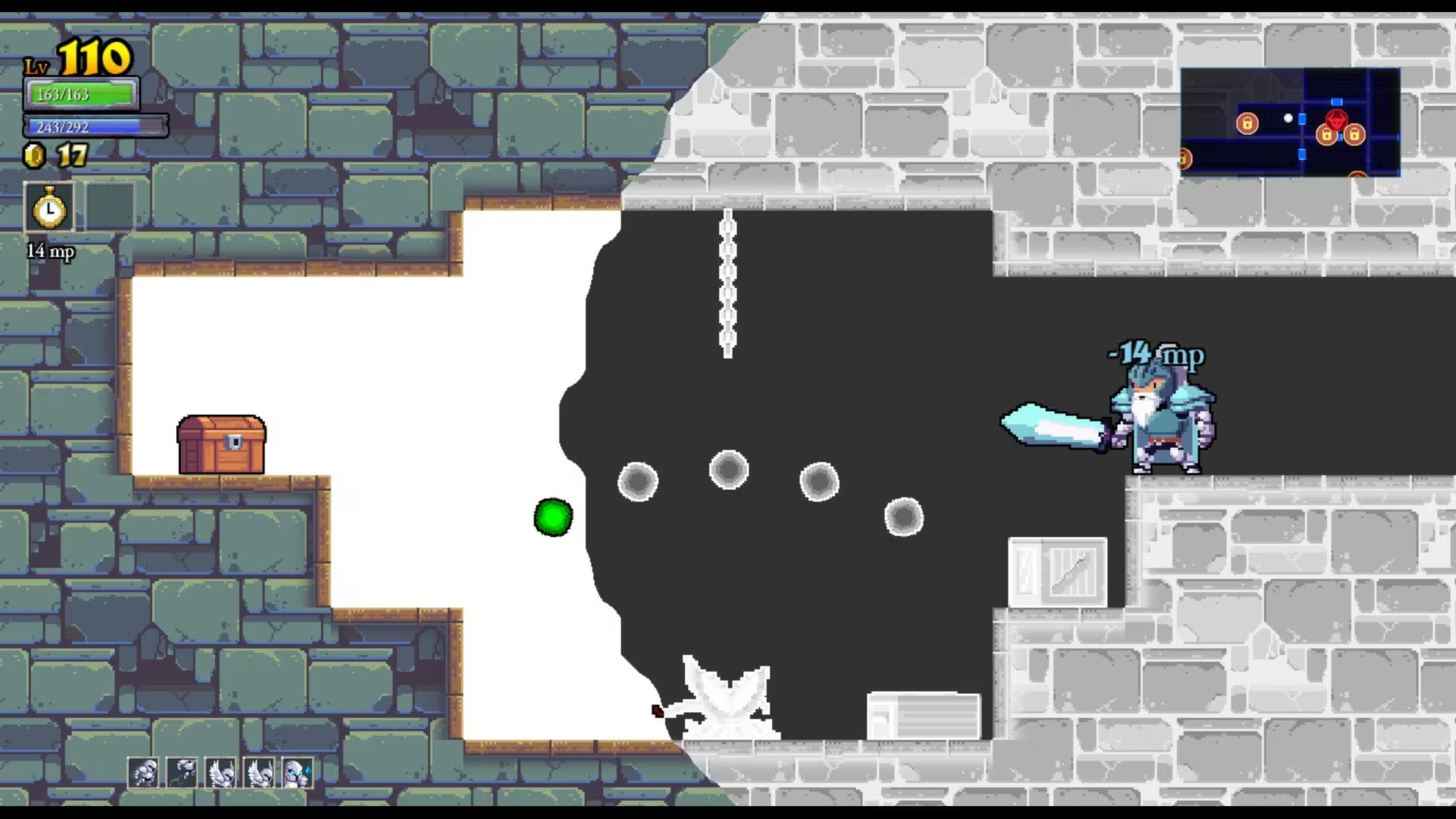
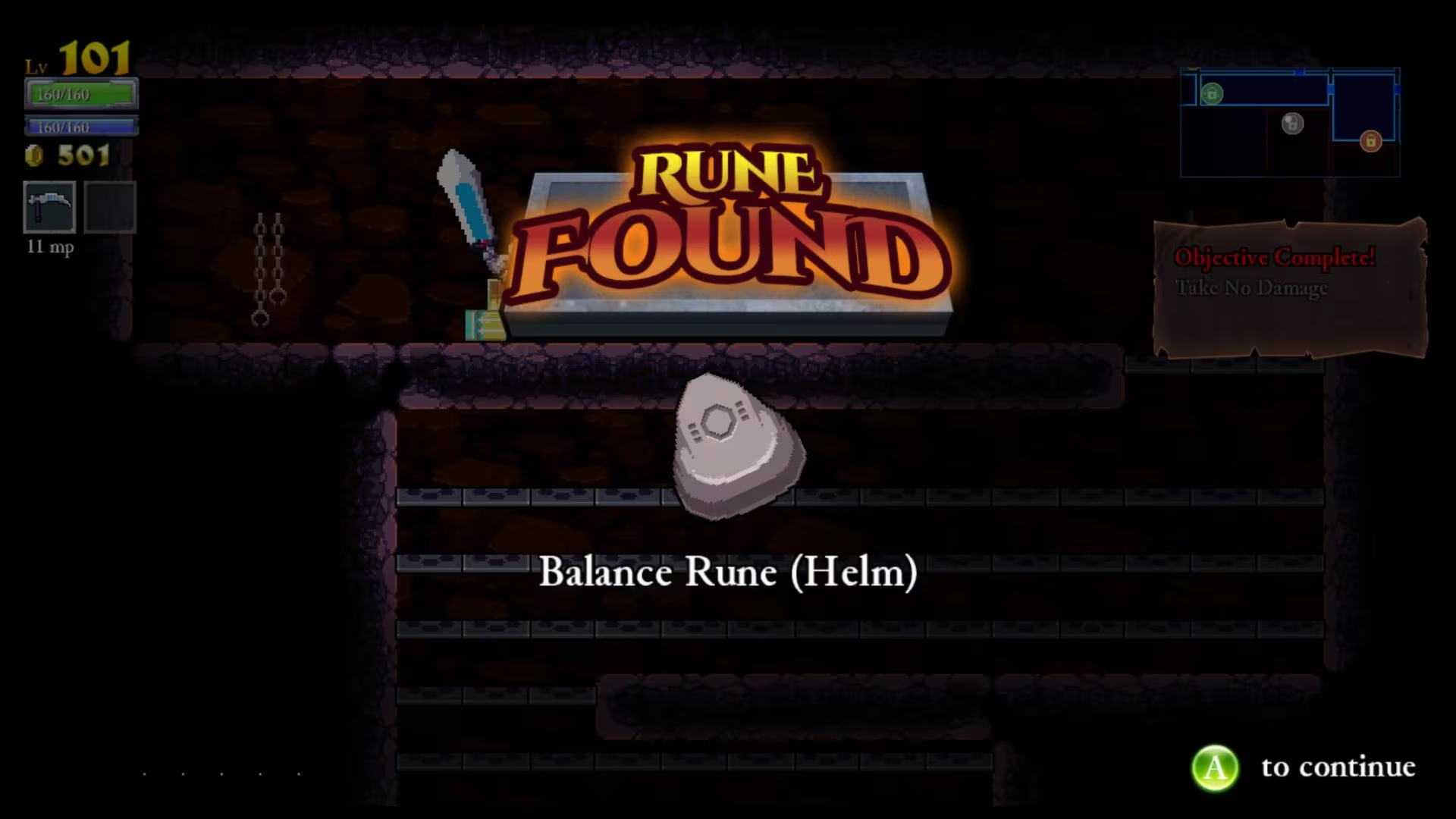
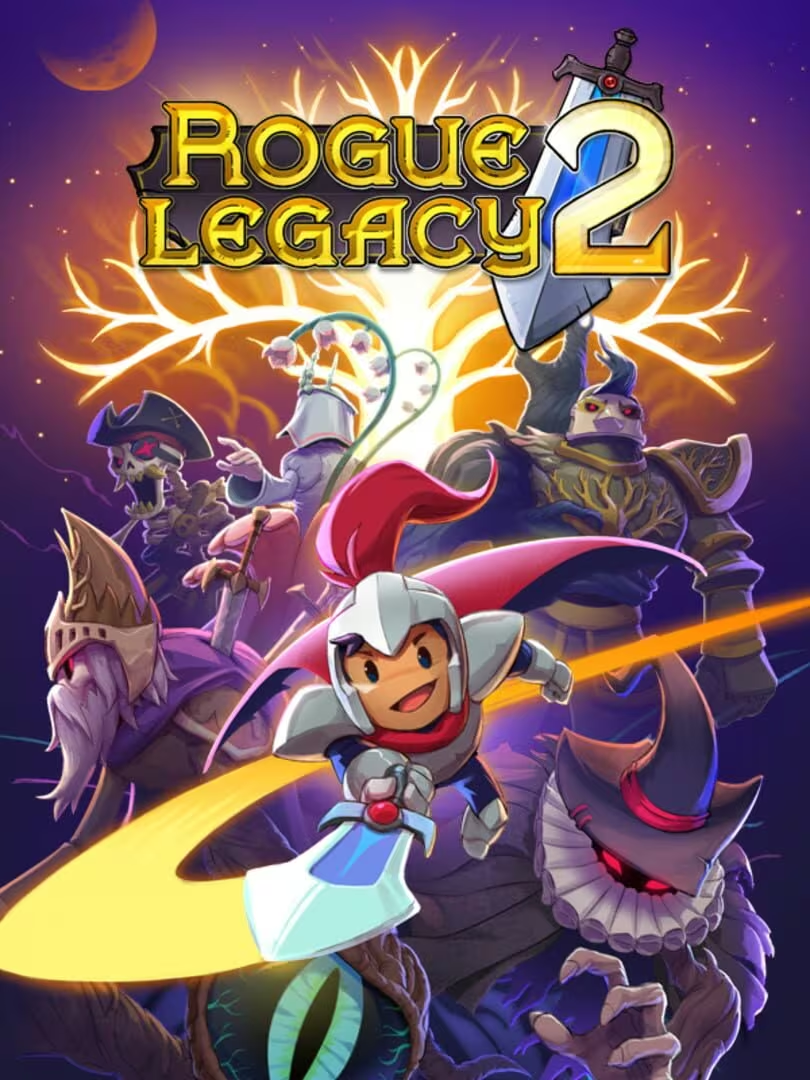
Rogue Legacy is a genealogical rogue-"LITE" where anyone can be a hero. Each time you die, your child will succeed you. Every child is unique. One child might be colorblind, another might be a dwarf with vertigo. But that's OK, because no one is perfect, and you don't have to be to succeed.

Global score

92/100

Genres

Action, Adventure, Indie, Role-playing (RPG), Platform, Puzzle

Similar games

    Pros

    • Addictive progression system
    • Challenging but fair gameplay
    • Varied randomized characters and traits
    • Humorous and charming presentation
    • High replayability

    Cons

    • Can be frustratingly difficult early on
    • Some grind required for upgrades
    • Limited enemy variety and room types
    • Minimal narrative depth
    • No multiplayer or social features

    Analysis

    A very typical example of its motivational profile. Motivations that often define this kind of title include Relaxation, Survival, Violence, Fellowship. Here, the score leans higher than usual among comparable games on Expression, Continuation. It leans lower than usual among comparable games on Story.

    How to use the graph
    Similar games map

    Each dot is a game. They are arranged from the same motivation profile as in the “Motivations” section below. Closer dots usually mean more similar reasons to play (exploration, competition, relaxation, etc.)—not that one game is “better” than another.

    • Larger dot with a light outline: the game you are viewing.
    • Colour: groups of games with comparable motivation patterns (statistical clusters).
    • Hover a dot to see the game name; click to open its page.
    • Scroll or double-click the chart to zoom out and see more games.

    Why don’t the axes read like a score? This view uses t-SNE: it only keeps who is close to whom. The scales are not “good to bad” or hours played—they separate groups on the map. Read distance between dots, not the axis numbers.

    Motivations

    • Autonomy
      4

      "Players choose from randomized heirs with unique traits and classes, and decide how to upgrade their manor and equipment, allowing significant control over playstyle."

    • Competence
      4

      "The game is challenging, requiring skill to learn enemy patterns and boss fights, with clear feedback and progression through upgrades."

    • Competition
      -3

      "Focus is on personal progression and overcoming challenges at own pace; some players compete informally with friends but no formal ranked modes."

    • Continuation
      5

      "Highly addictive with strong motivation to keep playing through repeated runs, upgrading, and overcoming bosses."

    • Cooperation
      -5

      "Entirely single-player experience with no cooperative or multiplayer elements."

    • Creativity
      3

      "Players customize characters with equipment, runes, and upgrades; procedural generation adds variety but within predefined room types."

    • Domination
      -5

      "Interactions are individual and balanced; no elements of exerting control or superiority over others."

    • Escapism
      4

      "Players use the game as a challenging and immersive distraction, with humor and fantasy elements providing escape from real life."

    • Expectation
      -4

      "Players engage voluntarily out of intrinsic interest and enjoyment; no external pressure or obligation noted."

    • Experimenting
      4

      "Randomized traits, classes, and procedural levels encourage trying new strategies and adapting to novel situations."

    • Exploration
      3

      "Players explore procedurally generated castle layouts and discover secrets, though room types repeat."

    • Expression
      3

      "Character appearance changes with equipment and runes, allowing some degree of self-expression."

    • Fantasy
      4

      "Strong fantasy setting with imaginative characters, magical abilities, and mythical bosses."

    • Fellowship
      -5

      "No social or community gameplay; strictly a solo experience."

    • Growth
      5

      "Clear learning curve and personal development through skill mastery and upgrading lineage."

    • Health
      -4

      "Primarily sedentary gameplay with no physical activity elements."

    • Idle
      -4

      "Requires continuous attention and focus during platforming and combat."

    • Intimacy
      -5

      "No close social relationships or emotional sharing; solo play only."

    • Leadership
      -5

      "No leadership or group management roles; individual gameplay."

    • Progression
      5

      "Strong emphasis on accumulating gold, upgrades, equipment, and unlocking new classes and abilities."

    • Relaxation
      -2

      "Game is challenging and sometimes frustrating, with tension and difficulty rather than pure relaxation."

    • Sensation
      3

      "Engaging visuals, music, and fast-paced action provide sensory stimulation and excitement."

    • Status
      -4

      "Achievements and progression are personal; no social recognition or competitive ranking."

    • Story
      1

      "Minimal narrative present through journals and lore, but story is not central to gameplay."

    • Strategy
      4

      "Requires planning upgrades, choosing equipment and runes, and tactical combat decisions."

    • Thrill
      4

      "High tension from challenging enemies, permadeath, and boss fights creates suspense and excitement."

    • Value
      4

      "Players report high replay value and enjoyment relative to cost, especially on sale."

    • Violence
      3

      "Combat against monsters and bosses is central, involving destruction and fighting."

    • Survival
      4

      "Players must avoid death and manage resources to progress further in the castle."

    Last update: 29/04/2026