Master Of Pottery Thumbnail

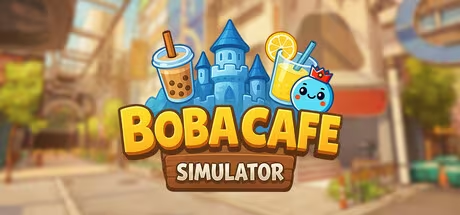
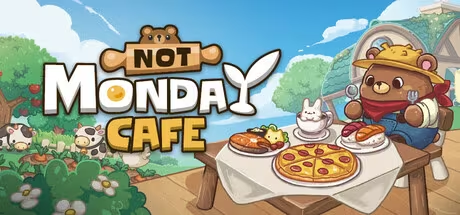
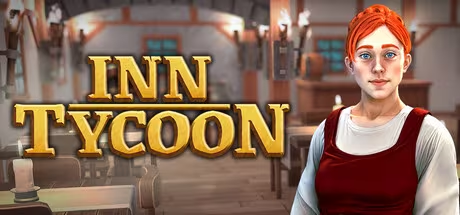
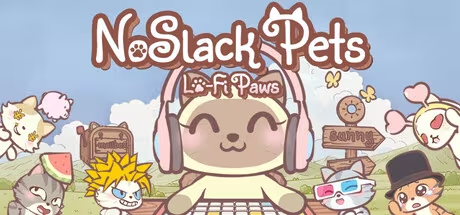
Master Of Pottery similar games & best alternatives
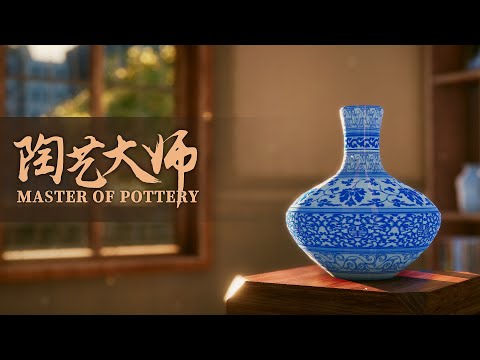
Master Of Pottery

PC (Microsoft Windows) • 2019

Related articles

Quick resume

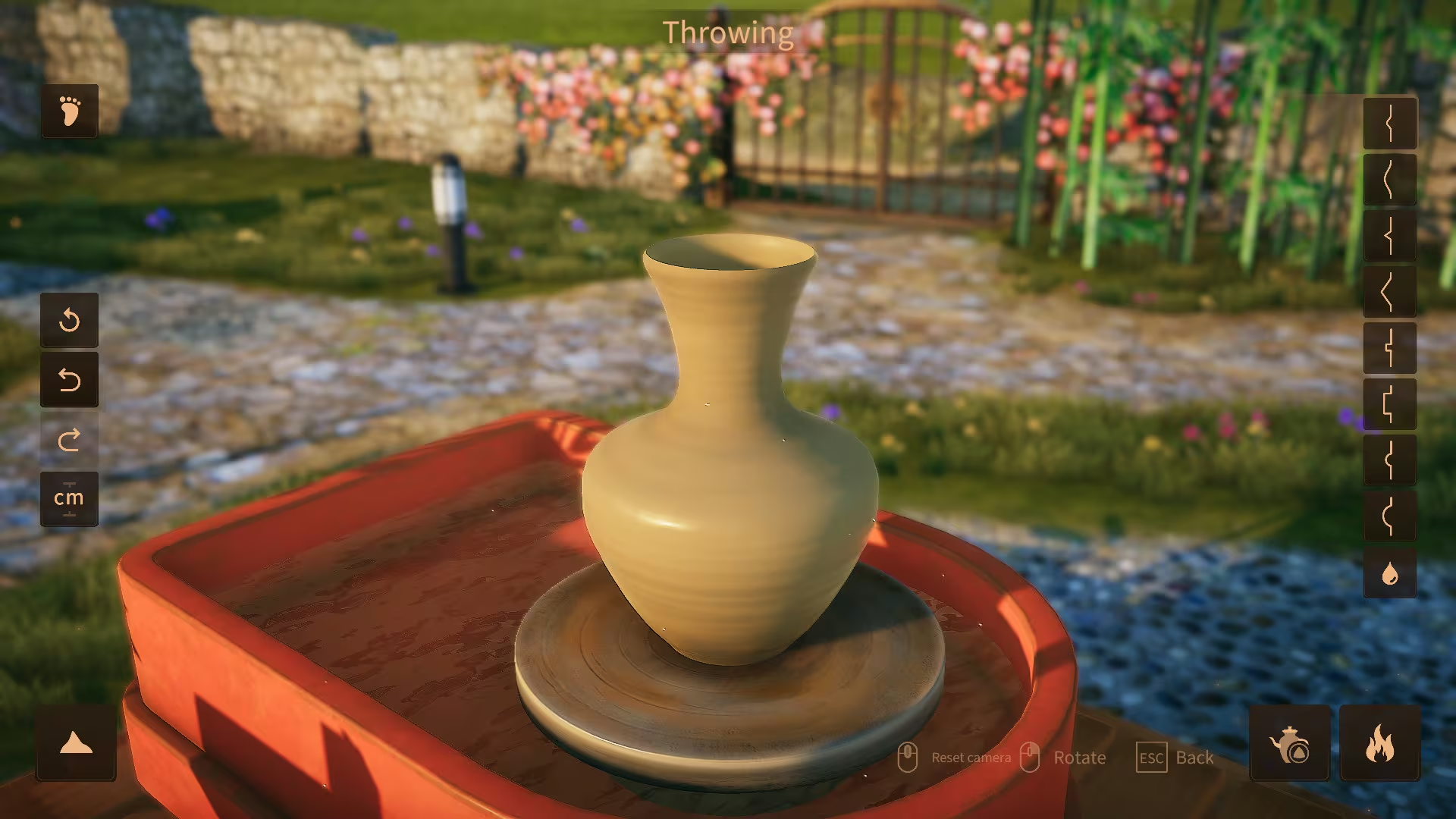
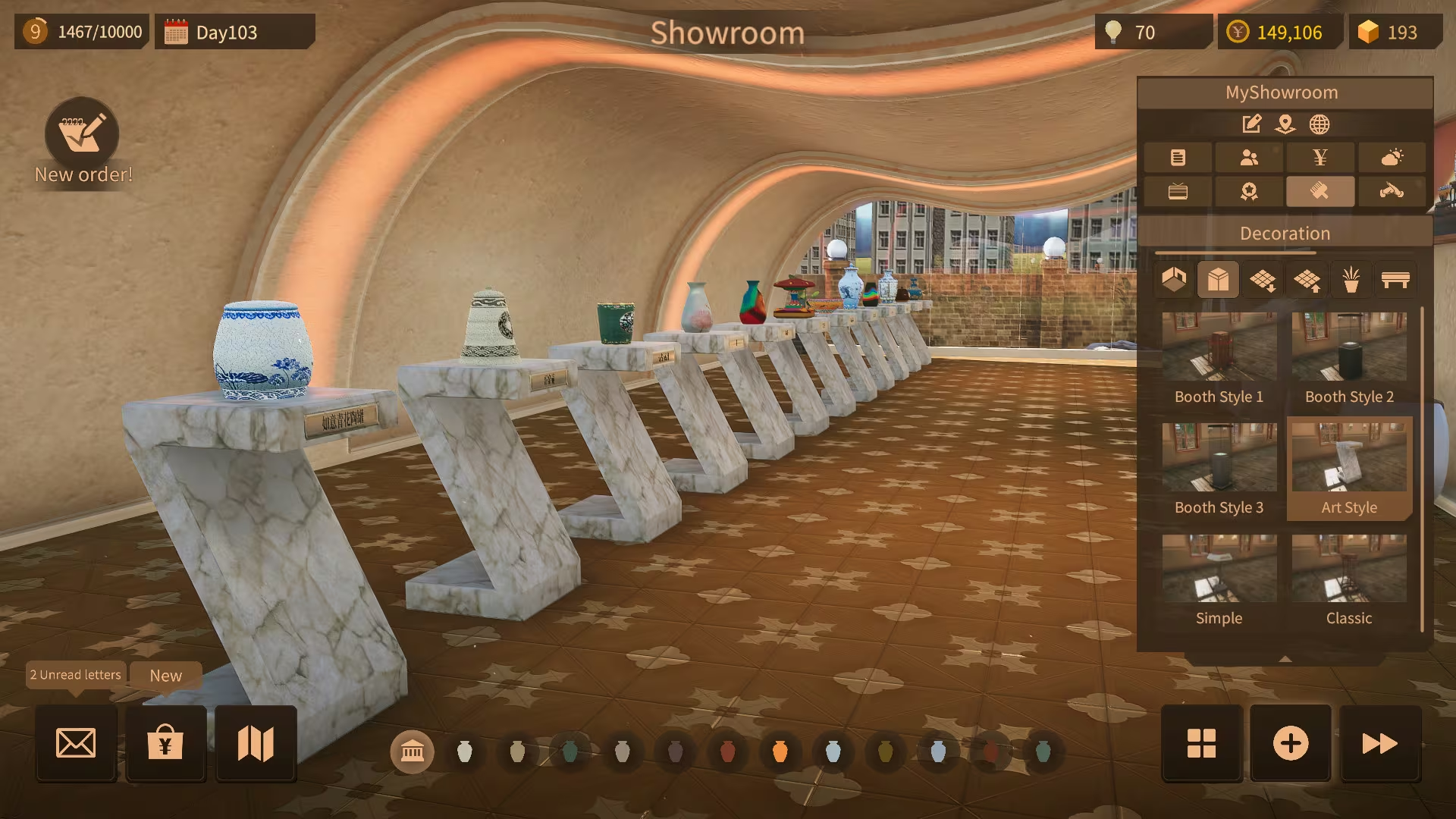
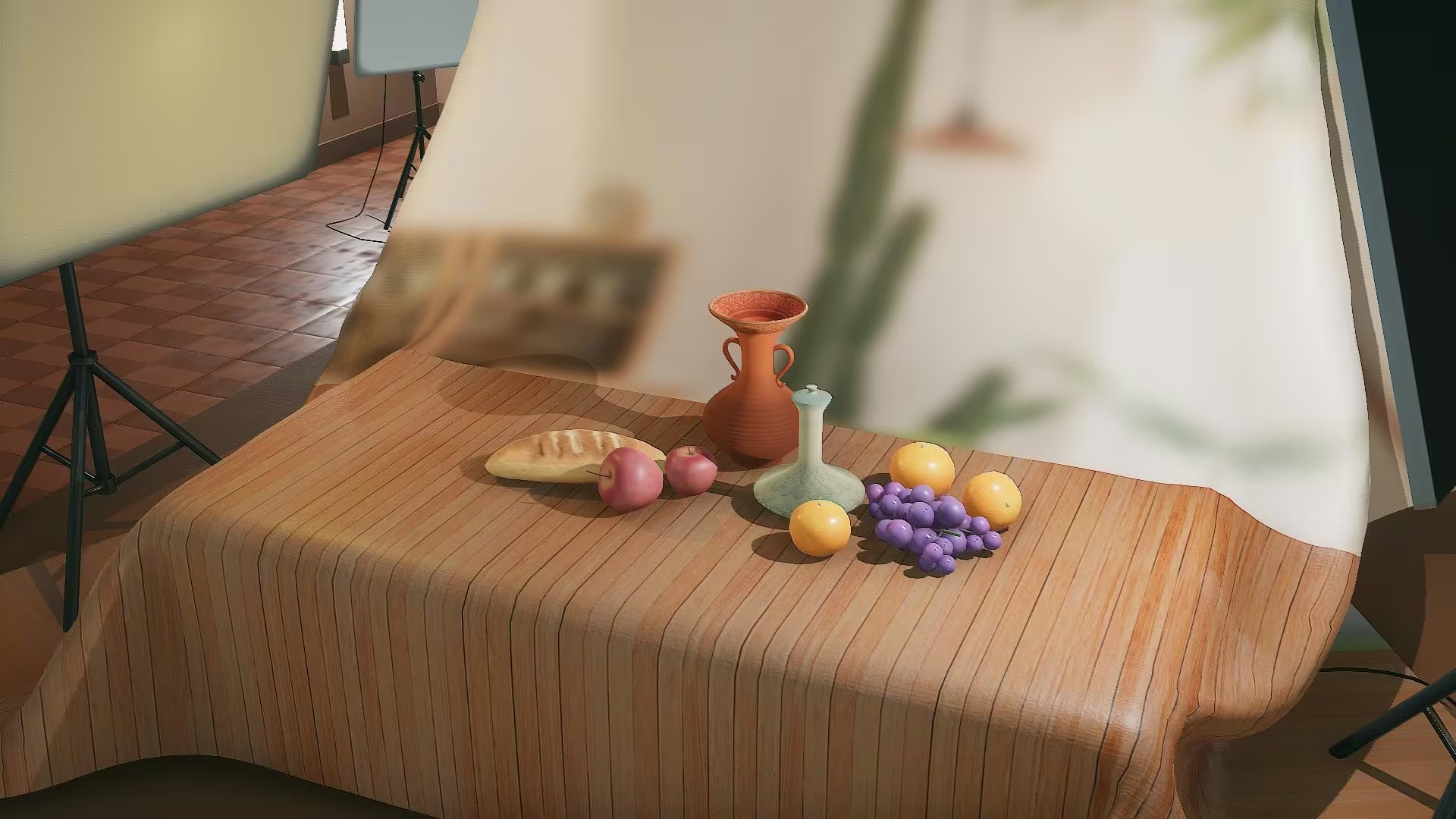
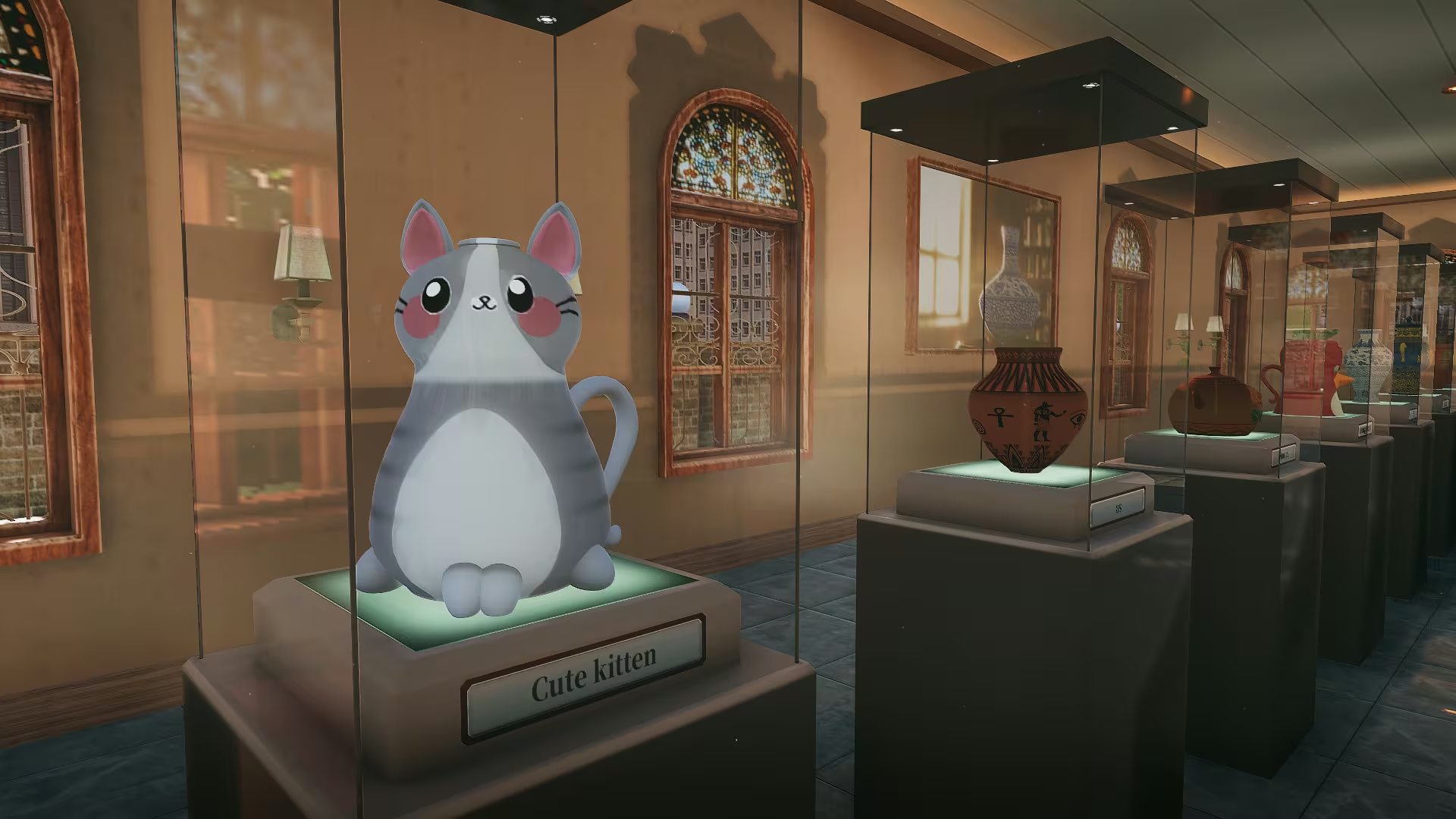
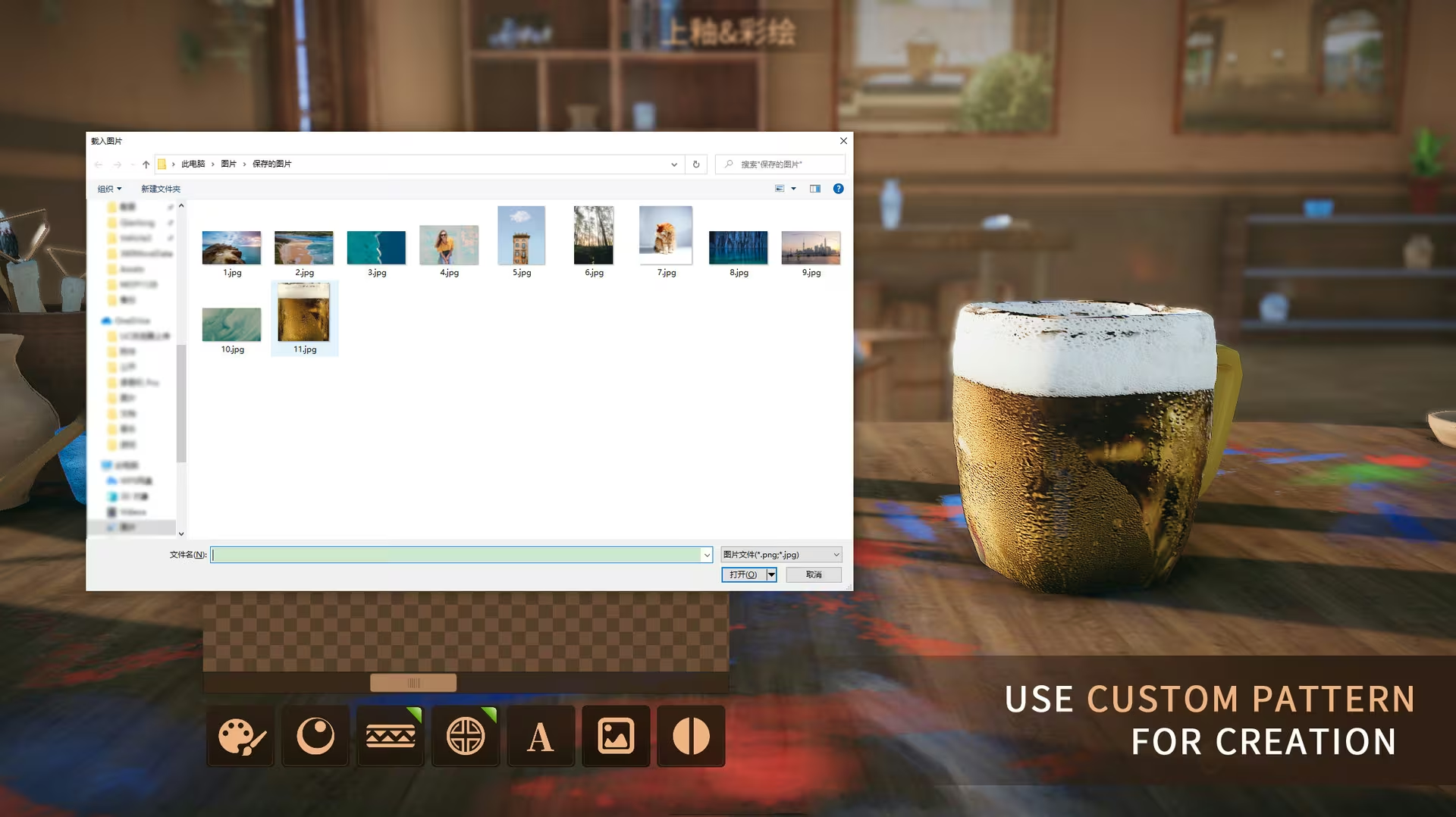
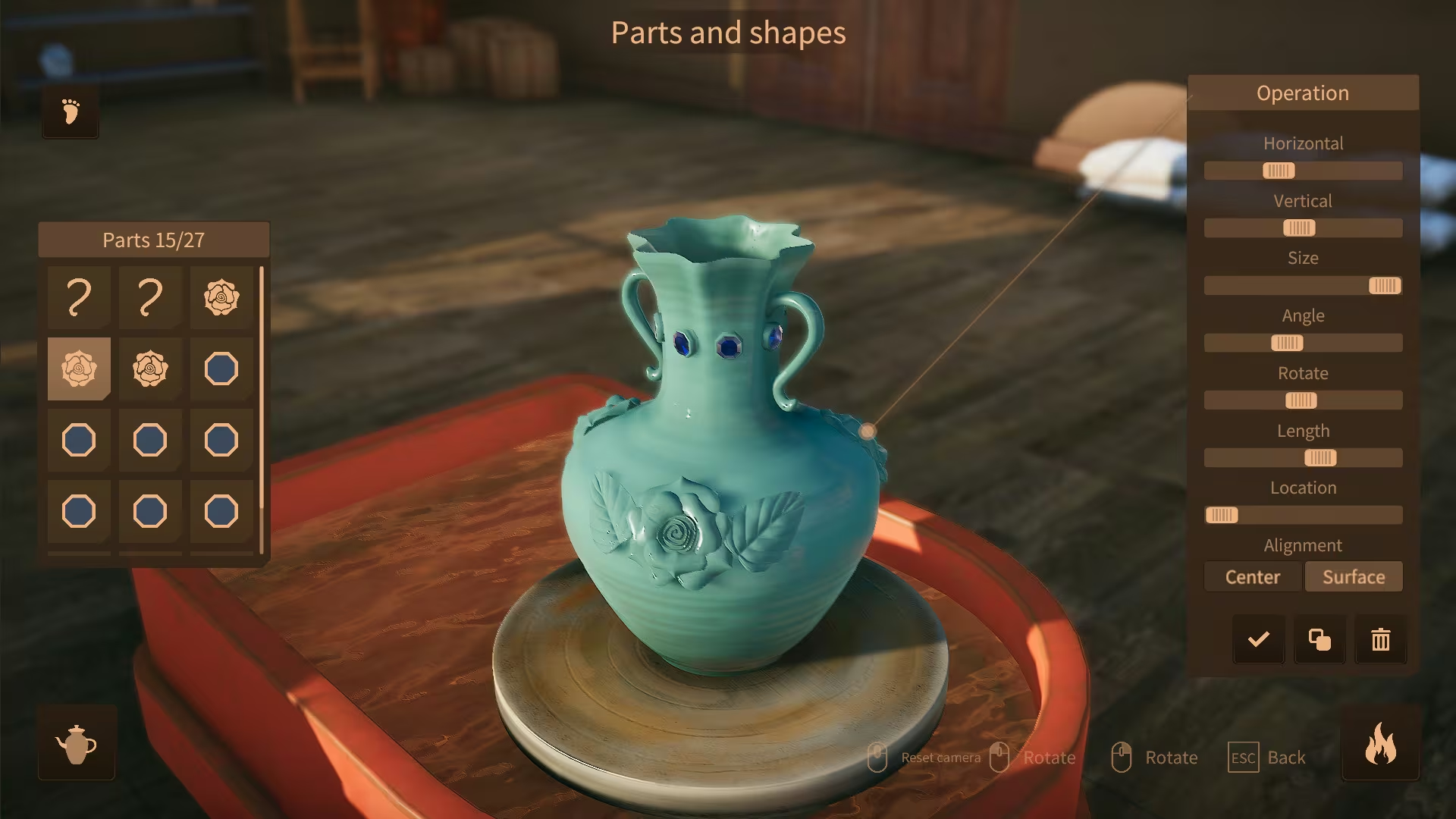
Master of Pottery is a pottery-themed creation + simulation game. Make pottery, open exhibitions, complete orders, train apprentices, run your own showroom and start a relaxing pottery journey.

Global score

97/100

Genres

Casual, Indie, Simulator, Early Access

Similar games

    Pros

    • Highly relaxing and therapeutic gameplay
    • Extensive creative freedom and customization
    • Good progression and unlocking system
    • Affordable price with good content value
    • Calming graphics and music

    Cons

    • Some translation and ui issues
    • Limited social and multiplayer features
    • Early access with occasional bugs
    • Limited camera controls and firing minigame can be tricky
    • Repetitive soundtrack

    Analysis

    Broadly representative of its motivational profile, with a few distinct shifts. Motivations that often define this kind of title include Fantasy, Violence, Story, Thrill. Here, the score leans higher than usual among comparable games on Leadership, Cooperation, Fellowship.

    How to use the graph
    Similar games map

    Each dot is a game. They are arranged from the same motivation profile as in the “Motivations” section below. Closer dots usually mean more similar reasons to play (exploration, competition, relaxation, etc.)—not that one game is “better” than another.

    • Larger dot with a light outline: the game you are viewing.
    • Colour: groups of games with comparable motivation patterns (statistical clusters).
    • Hover a dot to see the game name; click to open its page.
    • Scroll or double-click the chart to zoom out and see more games.

    Why don’t the axes read like a score? This view uses t-SNE: it only keeps who is close to whom. The scales are not “good to bad” or hours played—they separate groups on the map. Read distance between dots, not the axis numbers.

    Motivations

    • Autonomy
      4

      "Players have freedom to create pottery with many customizable options, experiment with shapes, colors, patterns, and manage their own studio and gallery."

    • Competence
      3

      "The game involves skillful pottery making, firing, decorating, and gallery management with progression and unlocking new tools, though not highly difficult."

    • Competition
      -4

      "Focus is on personal creative expression and progression without direct competition or ranked modes."

    • Continuation
      4

      "Many players report long play sessions, habitual return to the game, and addictive creative engagement."

    • Cooperation
      1

      "Some cooperative elements exist via apprentices and online galleries, but mostly a single-player creative experience."

    • Creativity
      5

      "Core motivation is creative expression through pottery shaping, painting, decorating, and gallery design with extensive customization."

    • Domination
      -5

      "No evidence of exerting control or superiority over others; interactions are friendly or absent."

    • Escapism
      4

      "Players use the game as a relaxing, stress-relieving creative outlet and distraction from real life."

    • Expectation
      -4

      "Players engage voluntarily out of personal interest and intrinsic motivation for creativity and relaxation."

    • Experimenting
      4

      "Players experiment with new pottery shapes, patterns, and gallery setups, encouraged by unlocking new features."

    • Exploration
      2

      "Some exploration of new styles, gallery decorations, and unlocking new content, though environment is limited."

    • Expression
      5

      "Strong emphasis on self-expression via pottery design, painting, custom images, and gallery customization."

    • Fantasy
      -3

      "Game simulates realistic pottery making and gallery management without fantasy or fictional elements."

    • Fellowship
      1

      "Limited social features like online galleries and apprenticeships, but mostly a solitary experience."

    • Growth
      4

      "Players develop pottery skills, unlock new techniques and content, and improve their studio and apprentices."

    • Health
      -5

      "No physical activity involved; sedentary gameplay."

    • Idle
      -3

      "Requires focused attention during pottery making and management; not a background or idle game."

    • Intimacy
      -4

      "Minimal social or emotional connections; interactions are surface-level or absent."

    • Leadership
      2

      "Players manage apprentices and studio, guiding their progress, but no complex leadership roles."

    • Progression
      4

      "Clear progression through unlocking new pottery styles, gallery expansions, and apprentices."

    • Relaxation
      5

      "Widely described as relaxing, calming, and therapeutic by players."

    • Sensation
      3

      "Enjoyable visual and auditory experience with detailed graphics and soothing music."

    • Status
      0

      "No strong evidence of social recognition or status seeking; gallery visitors provide some feedback."

    • Story
      1

      "Light narrative elements and mentorship letters exist but are minimal and not central."

    • Strategy
      2

      "Some strategic elements in managing gallery, apprentices, and resource allocation."

    • Thrill
      -4

      "Gameplay is low risk and low tension, focused on calm creativity rather than suspense."

    • Value
      4

      "Players feel the game offers excellent value for its low price and content."

    • Violence
      -5

      "No violence; gameplay centers on constructive and creative activities."

    • Survival
      -4

      "No survival or threat elements; stable and safe gameplay environment."

    Last update: 29/04/2026