Never Second in Rome similar games & best alternatives
Never Second in Rome
2025
Related articles
Quick resume
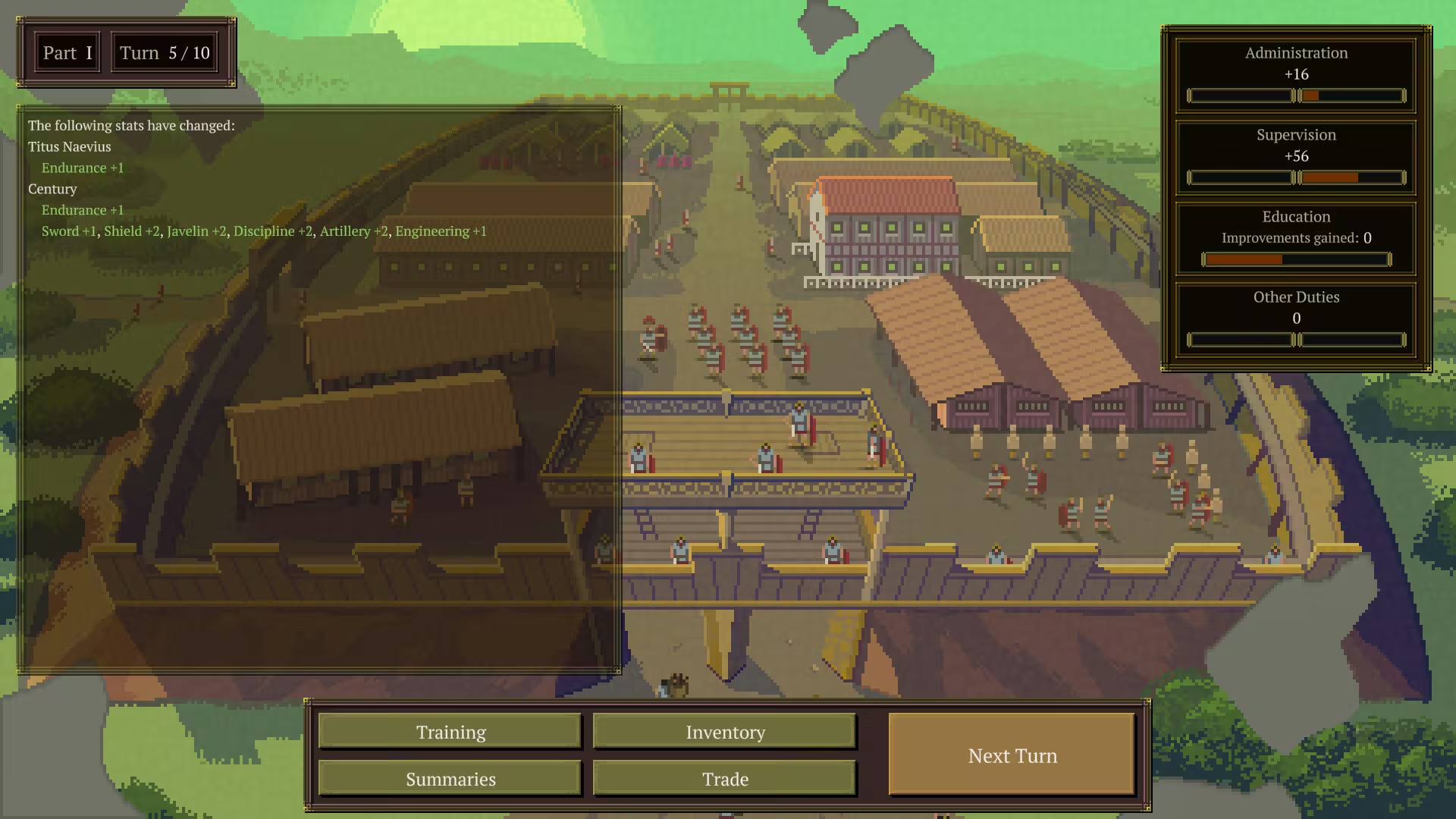
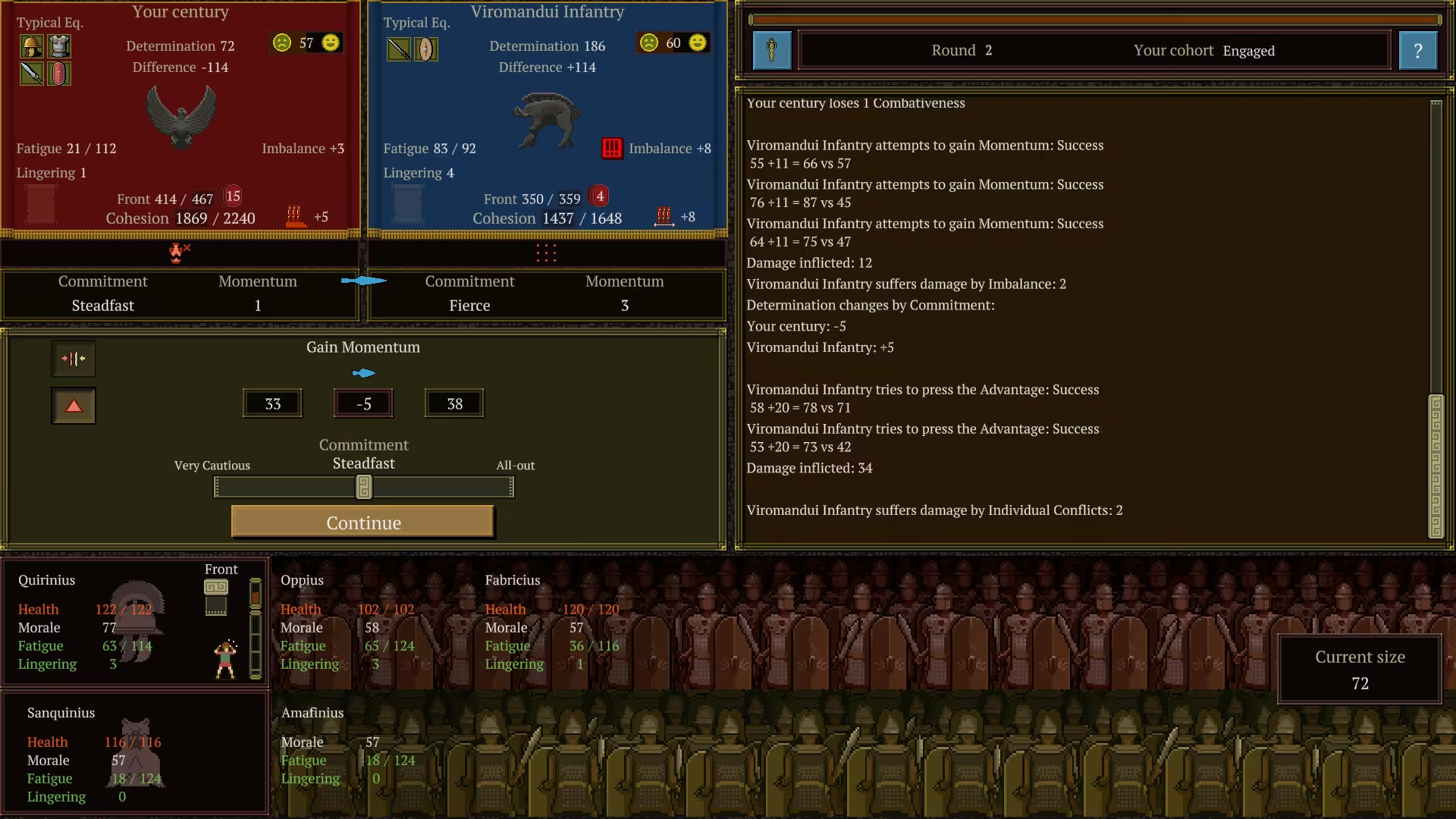
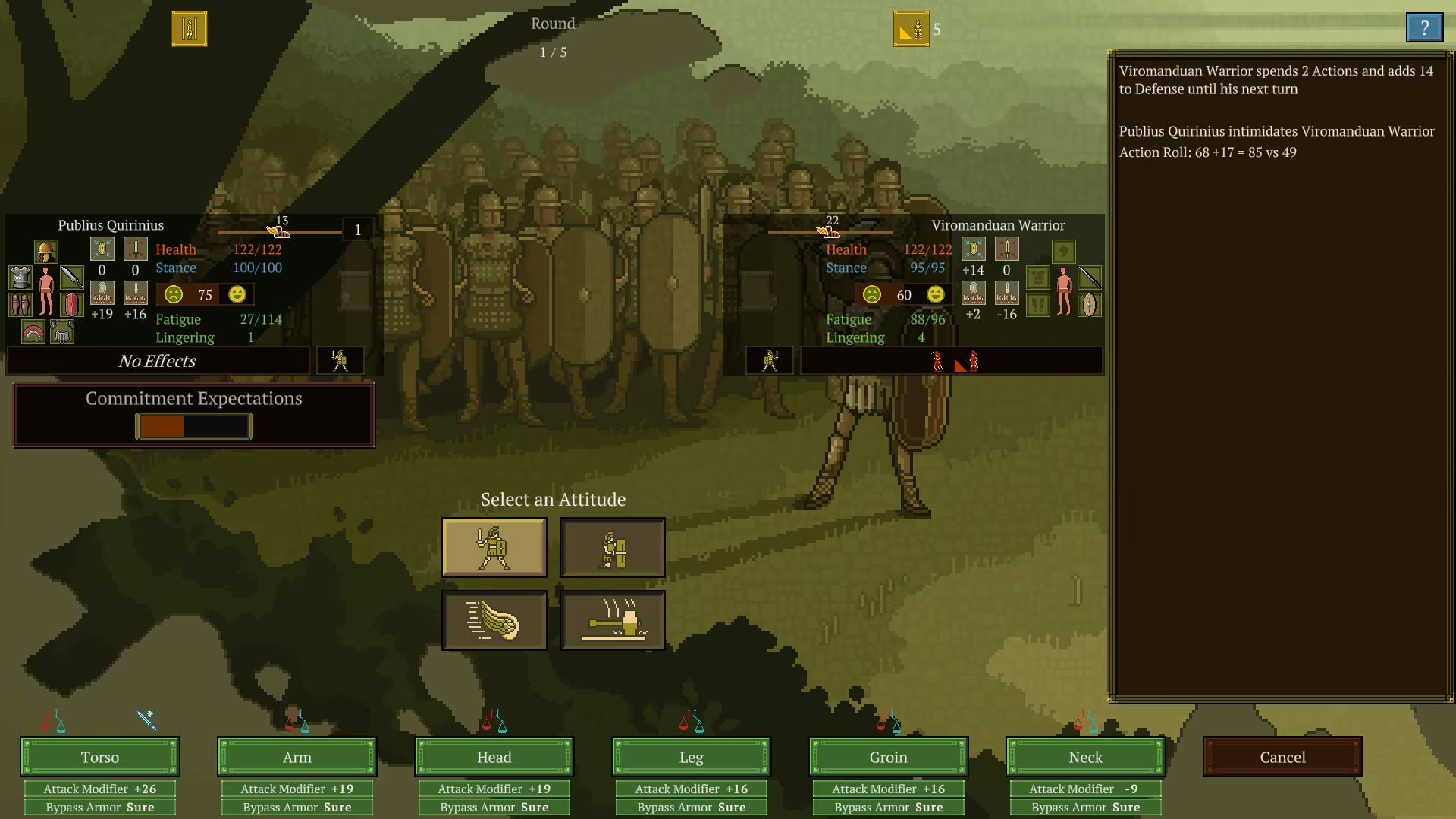
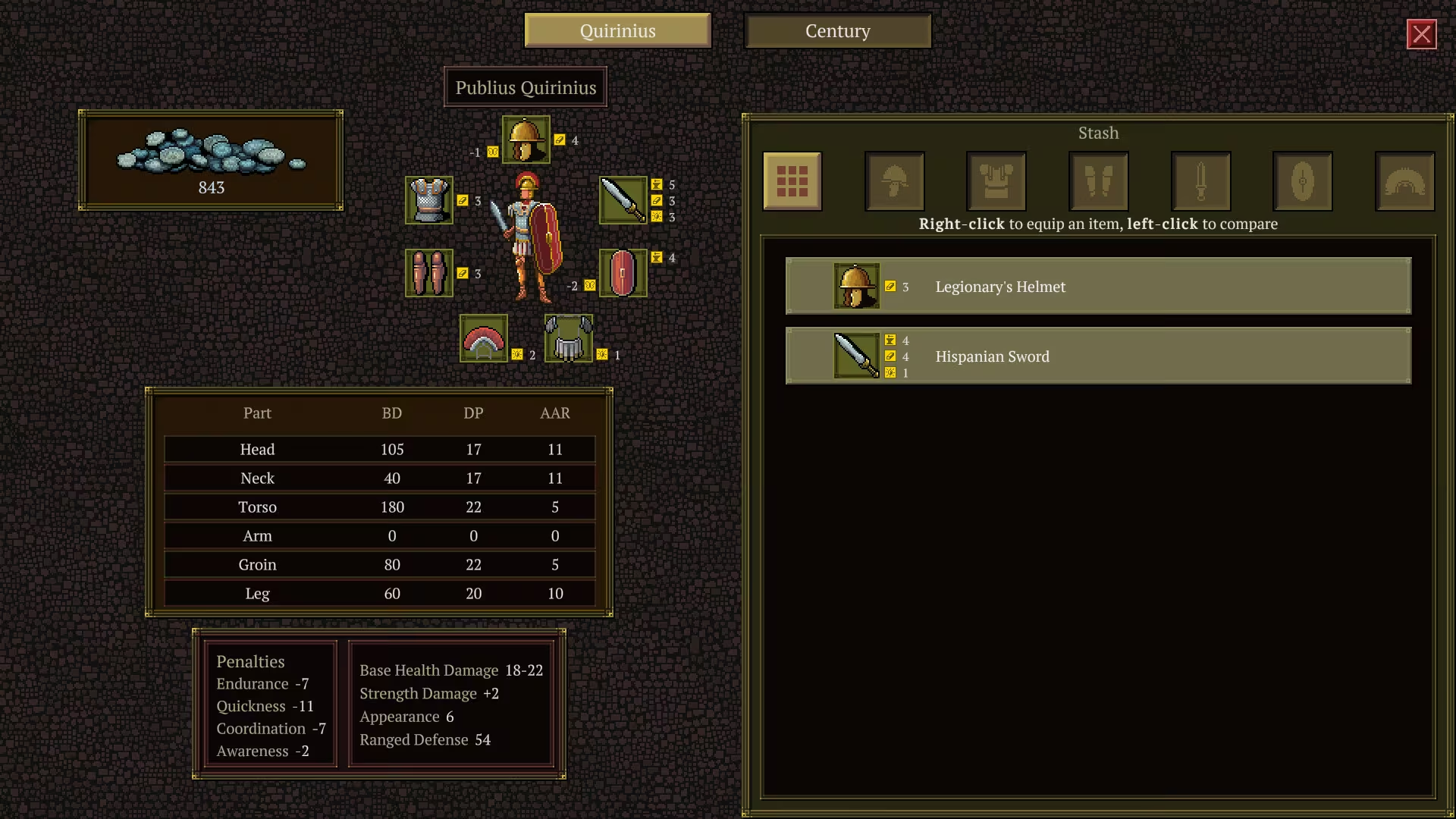
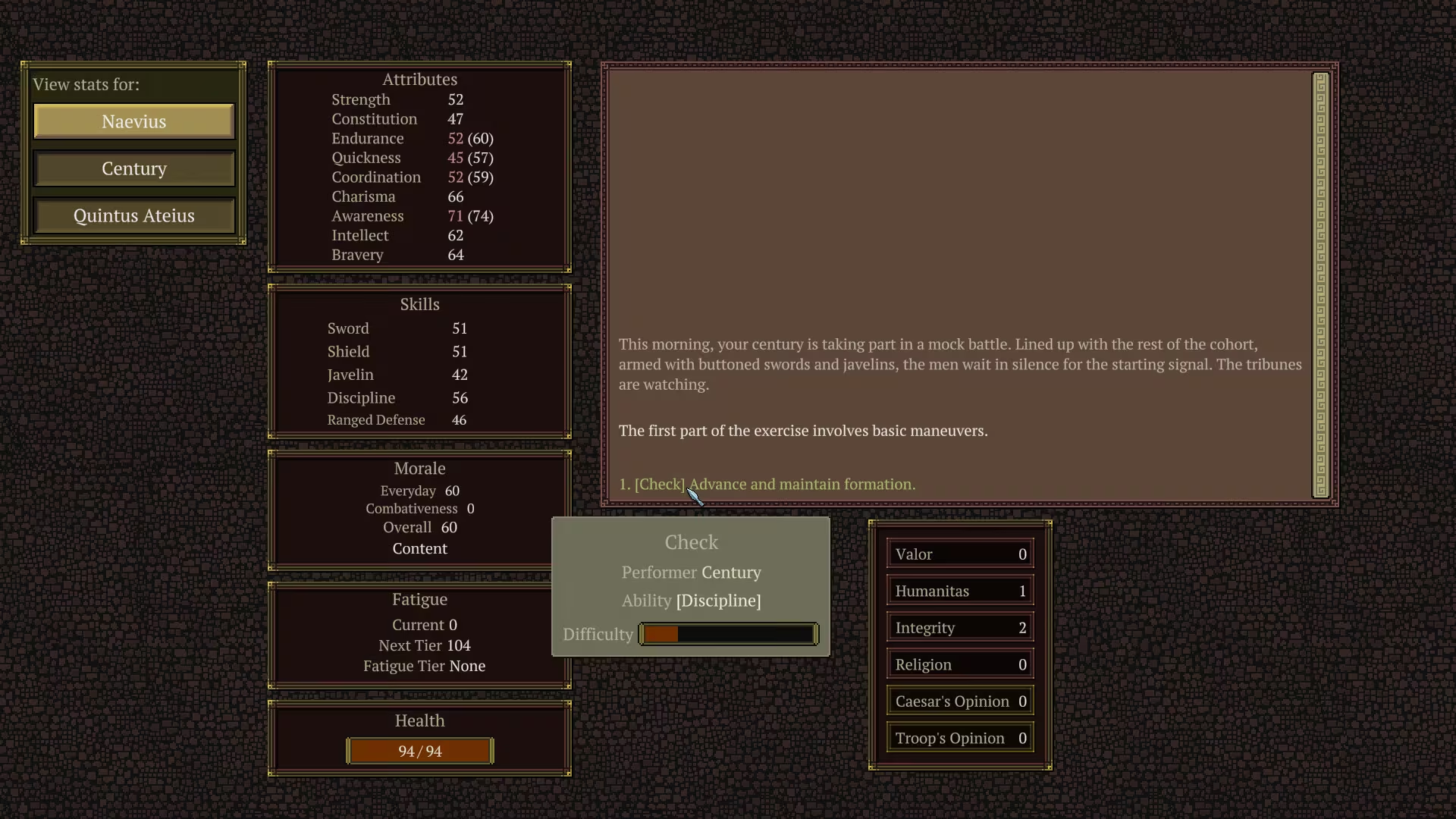
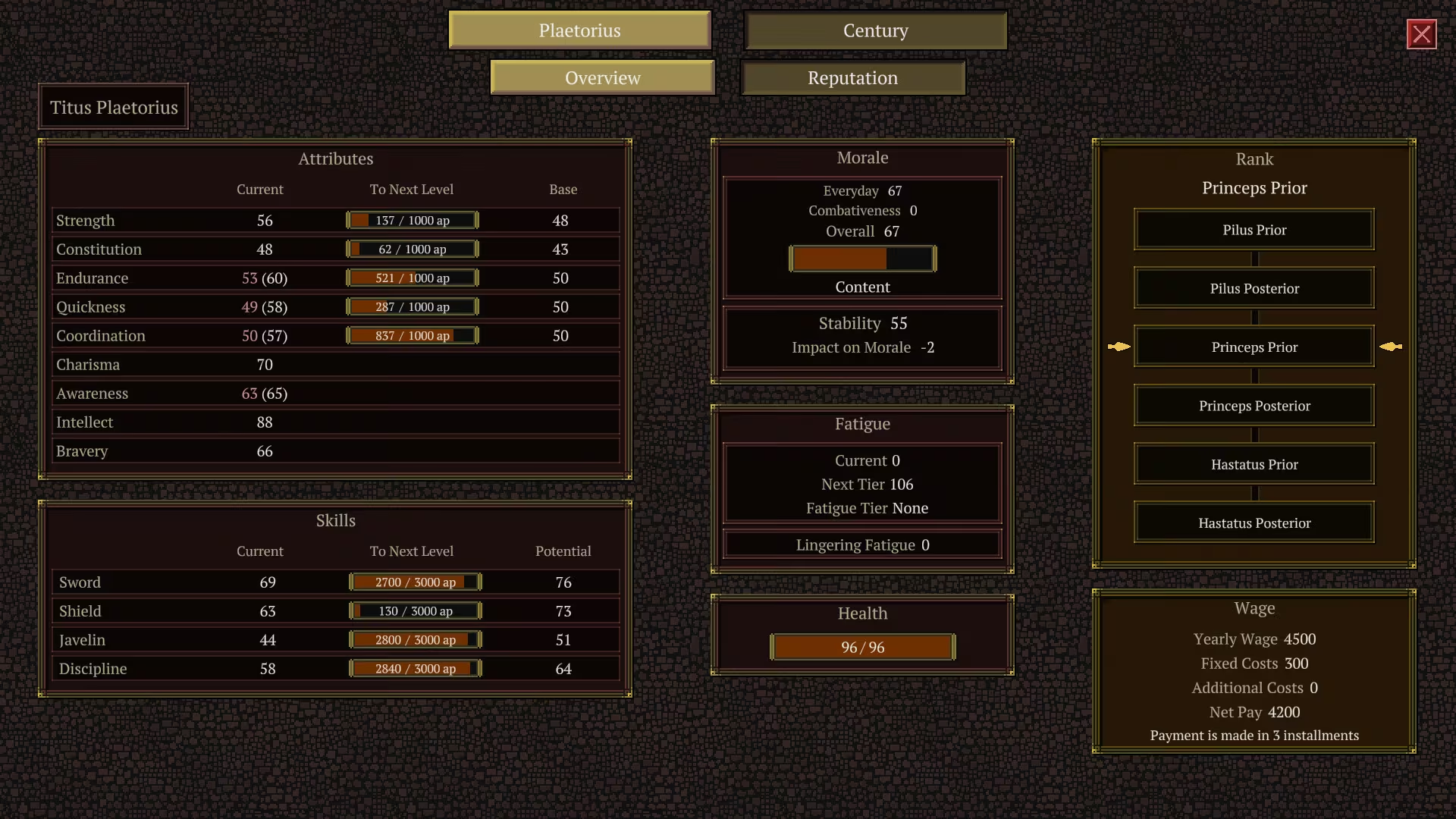
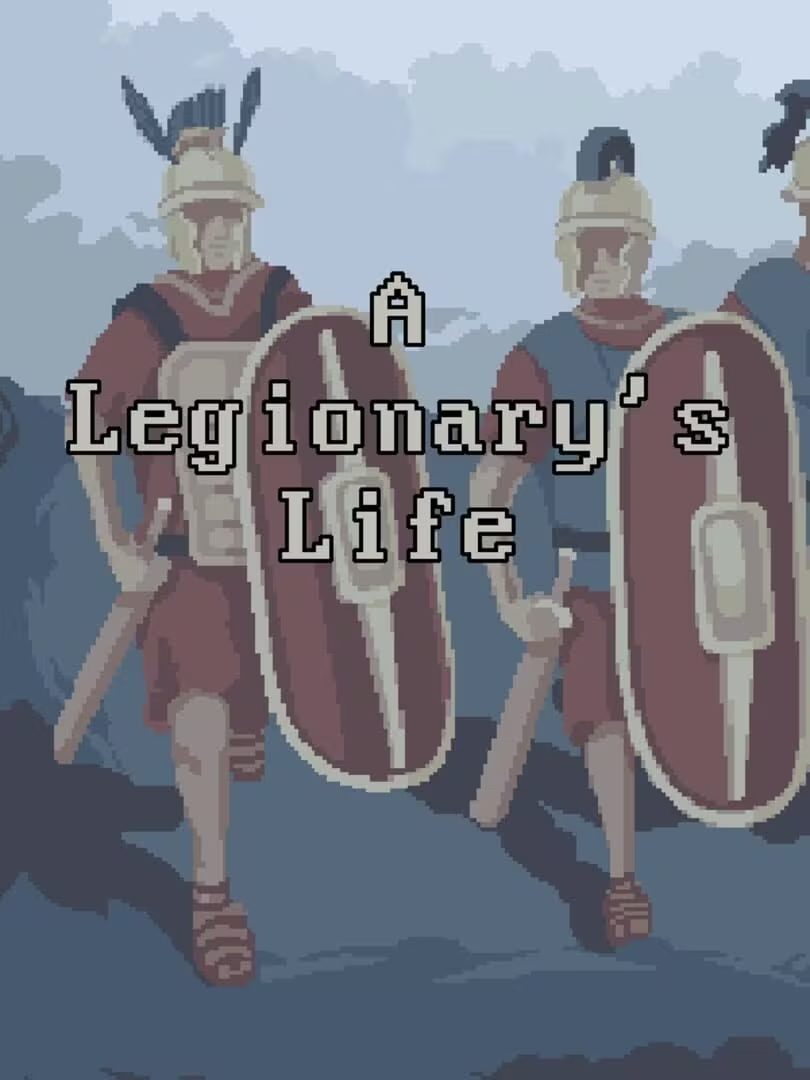
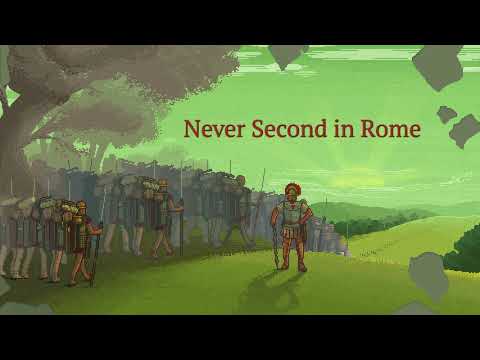
Never Second in Rome is a turn-based historical game with RPG and management elements. You are a Roman centurion in the army of Julius Caesar. You will control both your character and the unit under his command.
Global score
81/100
Genres
Indie, Role-playing (RPG), Simulator, Early Access, Turn-based strategy (TBS)
Similar games
Pros
- Deep historical narrative
- Complex tactical combat
- Immersive roman military simulation
- Detailed character and troop management
- Good value for price
Cons
- Tedious and lengthy battles
- Steep learning curve
- Heavy rng impact
- Lack of meta-progression reduces replayability
- Some ui and tutorial complexity
Analysis
Less representative of its motivational profile, with noticeable differences. Motivations that often define this kind of title include Leadership, Survival, Violence, Strategy. It leans lower than usual among comparable games on Fantasy, Continuation, Relaxation.
How to use the graph
Similar games map
Each dot is a game. They are arranged from the same motivation profile as in the “Motivations” section below. Closer dots usually mean more similar reasons to play (exploration, competition, relaxation, etc.)—not that one game is “better” than another.
- Larger dot with a light outline: the game you are viewing.
- Colour: groups of games with comparable motivation patterns (statistical clusters).
- Hover a dot to see the game name; click to open its page.
- Scroll or double-click the chart to zoom out and see more games.
Why don’t the axes read like a score? This view uses t-SNE: it only keeps who is close to whom. The scales are not “good to bad” or hours played—they separate groups on the map. Read distance between dots, not the axis numbers.
Motivations
-
Autonomy3
"Players can direct training, manage their century, and make strategic decisions in battles, showing control over actions."
-
Competence4
"The game involves complex mechanics, skill checks, and challenging combat requiring strategic thinking and mastery."
-
Competition-3
"Focus is on personal progress and survival rather than competing against other players or leaderboards."
-
Continuation-2
"Some players find the game tedious and time-consuming, with limited replayability due to lack of meta-progression."
-
Cooperation-4
"Gameplay centers on individual control of a century and personal decisions, with limited multiplayer or cooperative elements."
-
Creativity2
"Players can customize character builds and manage training, but gameplay follows historical and structured scenarios."
-
Domination-4
"Interactions emphasize shared decision-making and responsibility for troops rather than exerting power over others."
-
Escapism4
"Players immerse in historical Roman military life, escaping into a detailed ancient world and narrative."
-
Expectation-4
"Players engage voluntarily out of interest and passion for Roman history and tactical RPGs."
-
Experimenting3
"Players try different builds, strategies, and training approaches to optimize performance and outcomes."
-
Exploration2
"Exploration is mostly narrative and strategic within historical campaigns rather than open-world discovery."
-
Expression1
"Some customization of characters and naming is possible, but visual expression is limited."
-
Fantasy-3
"The game emphasizes historical accuracy and realistic Roman military scenarios over imaginative fiction."
-
Fellowship-4
"The game is focused on solo play and personal connection to characters rather than community or social interaction."
-
Growth4
"Players develop skills, train troops, and improve their characters over a long campaign."
-
Health-5
"The game is sedentary and text-based with no physical activity involved."
-
Idle-4
"Requires focused attention due to complex mechanics and long battles."
-
Intimacy-4
"Social interactions are limited to brief exchanges with named characters, lacking deep emotional connections."
-
Leadership4
"Players lead a century, manage troops, and make strategic decisions, embodying leadership roles."
-
Progression3
"Players accumulate skills, train troops, and gain awards, though meta-progression is currently absent."
-
Relaxation-2
"The game can be tense and frustrating due to RNG and long battles, though some find it rewarding."
-
Sensation1
"Visuals and audio are modest but thematic; sensory stimulation is moderate and functional."
-
Status-3
"Achievements and recognition are personal and not socially evaluated or visible."
-
Story5
"Strong narrative immersion with historically accurate storytelling and character-driven events."
-
Strategy5
"Heavy emphasis on tactical decision-making, resource management, and problem solving in combat and training."
-
Thrill3
"Tense moments arise from RNG and combat outcomes, creating suspense and excitement."
-
Value4
"Players find good value for money with many hours of gameplay and deep content even in early access."
-
Violence4
"Combat and killing are central gameplay elements, with detailed individual and formation battles."
-
Survival4
"Players must manage resources, fatigue, and tactical defense to avoid failure and keep troops alive."
Last update: 29/04/2026