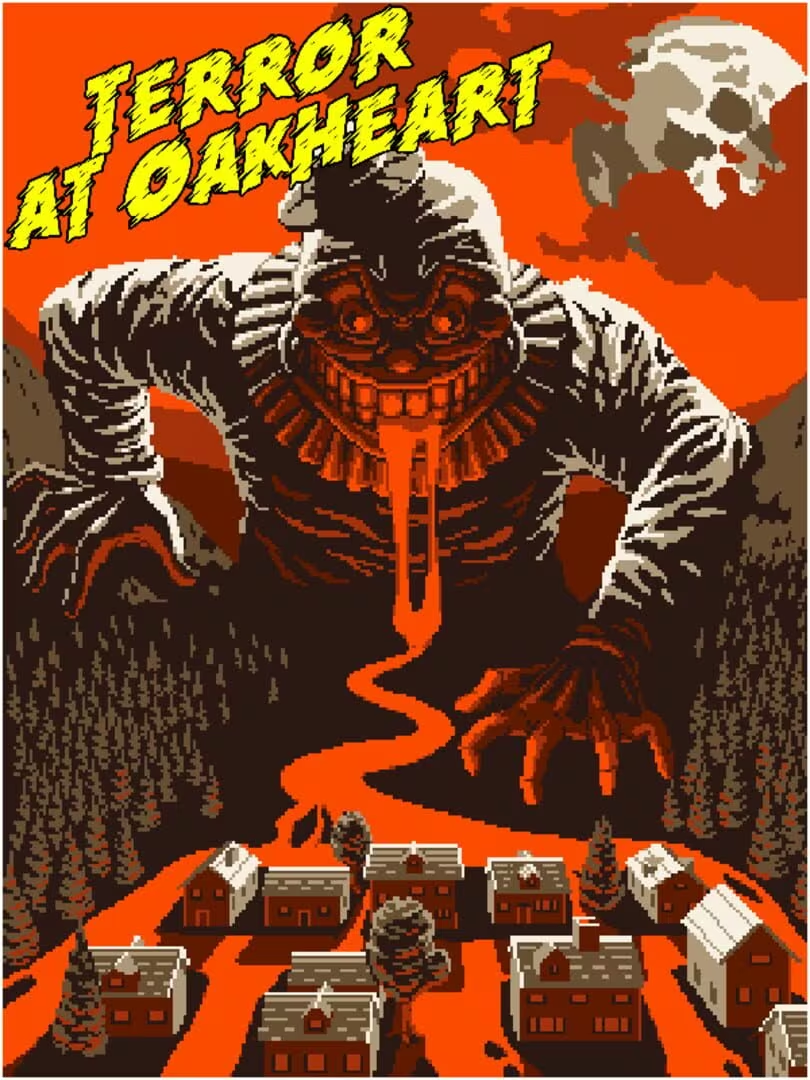
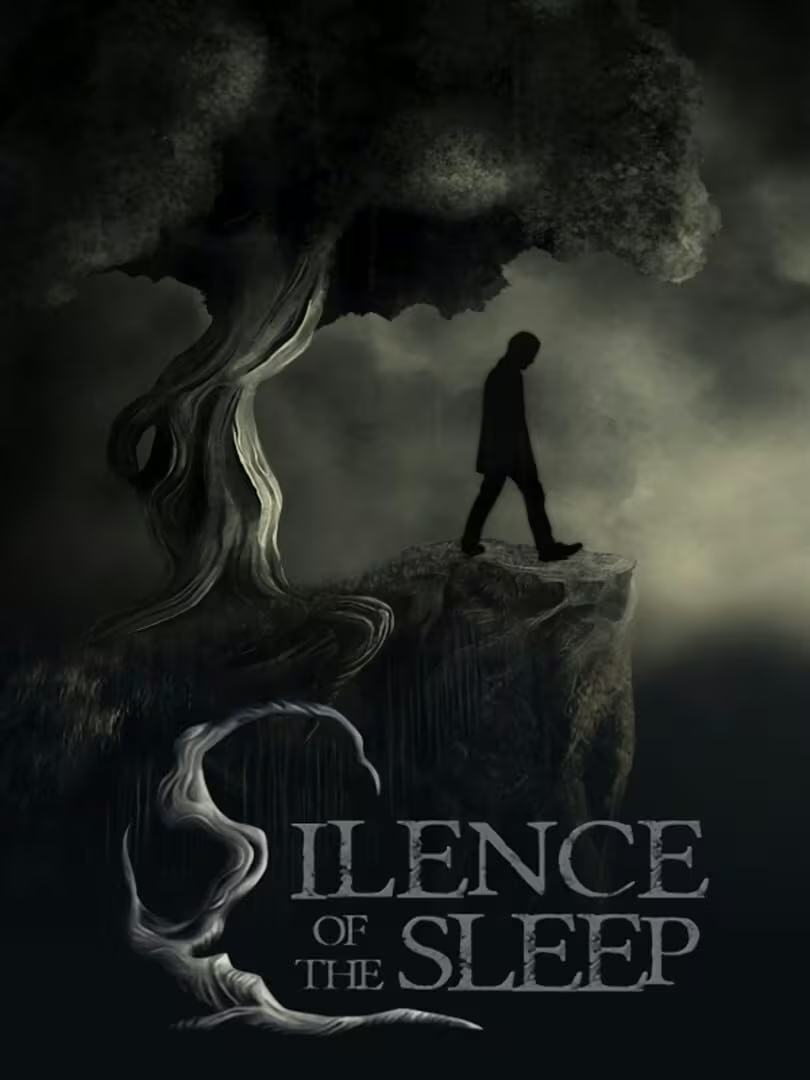
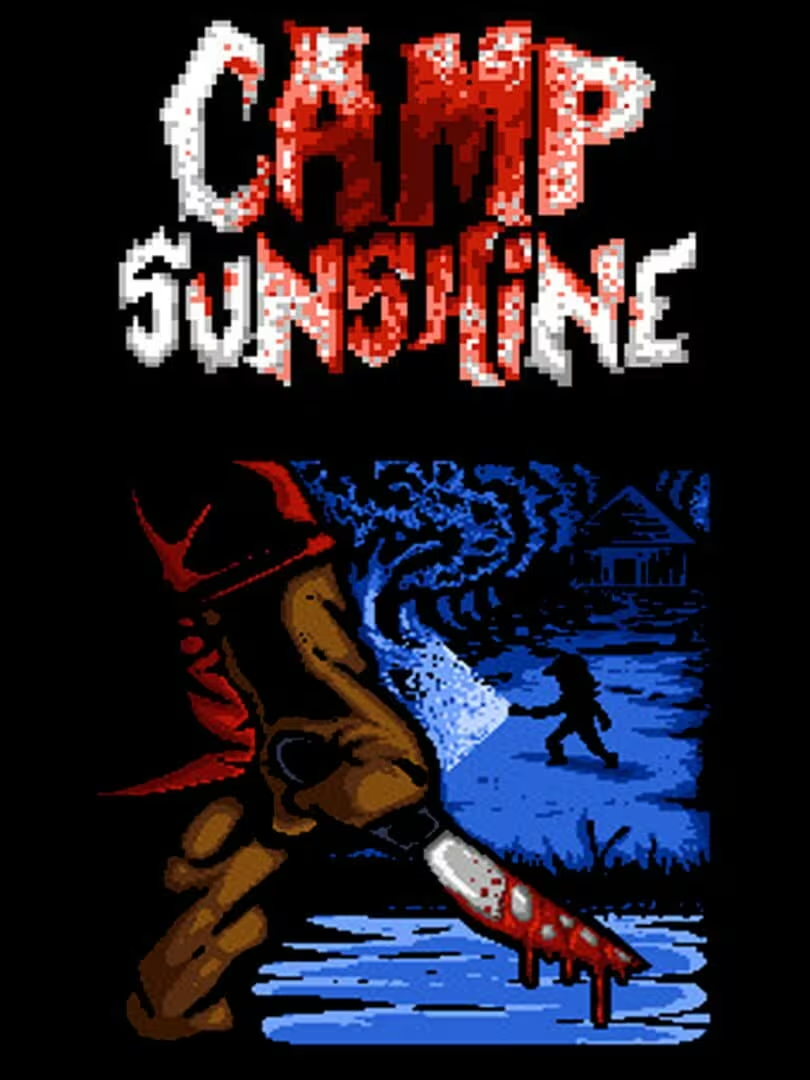
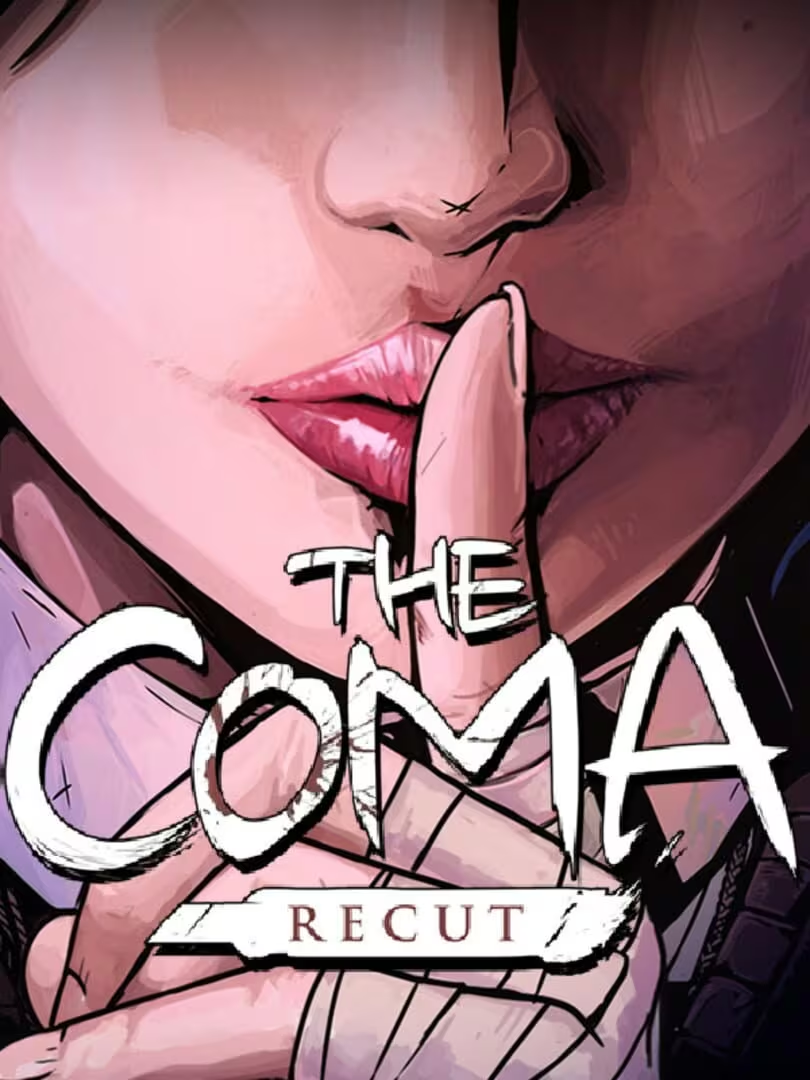
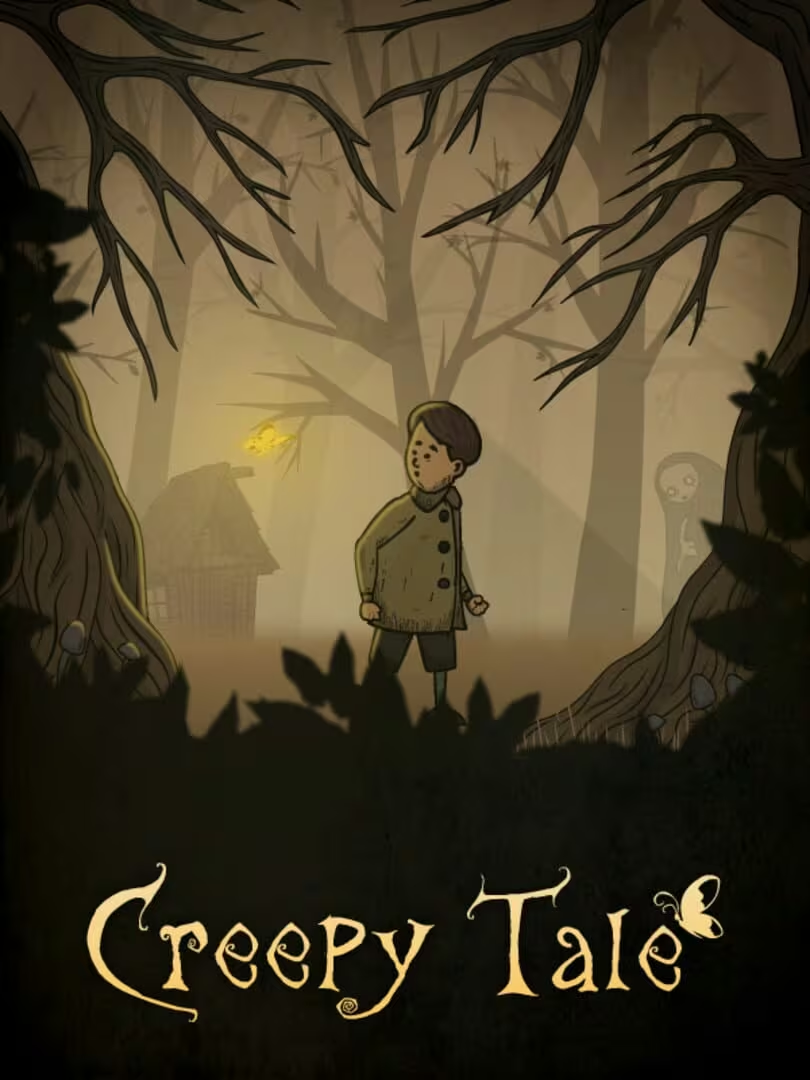
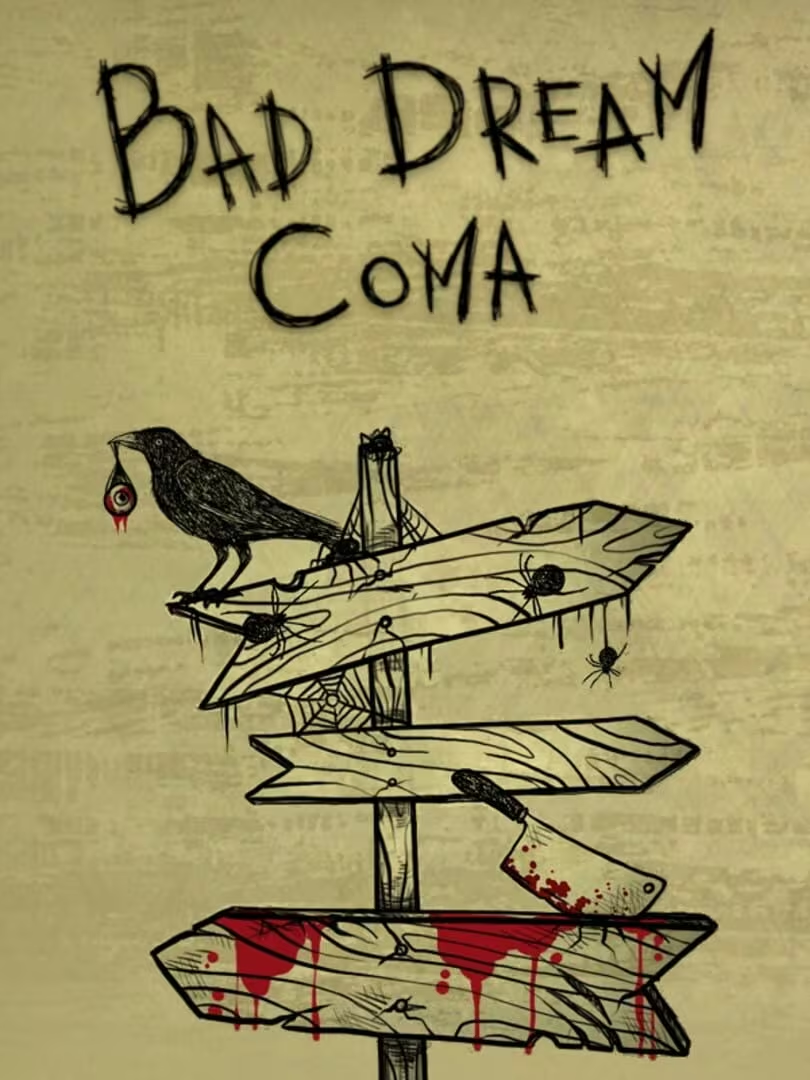
Neverending Nightmares Thumbnail

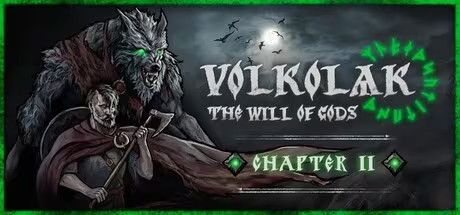
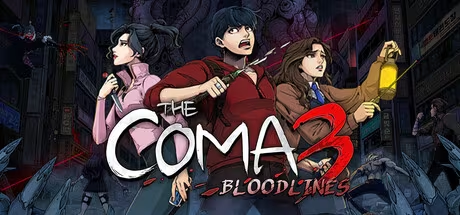
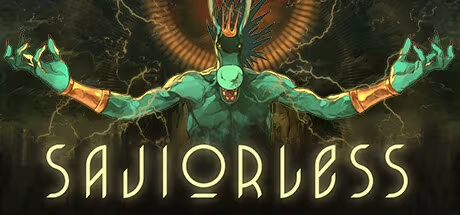
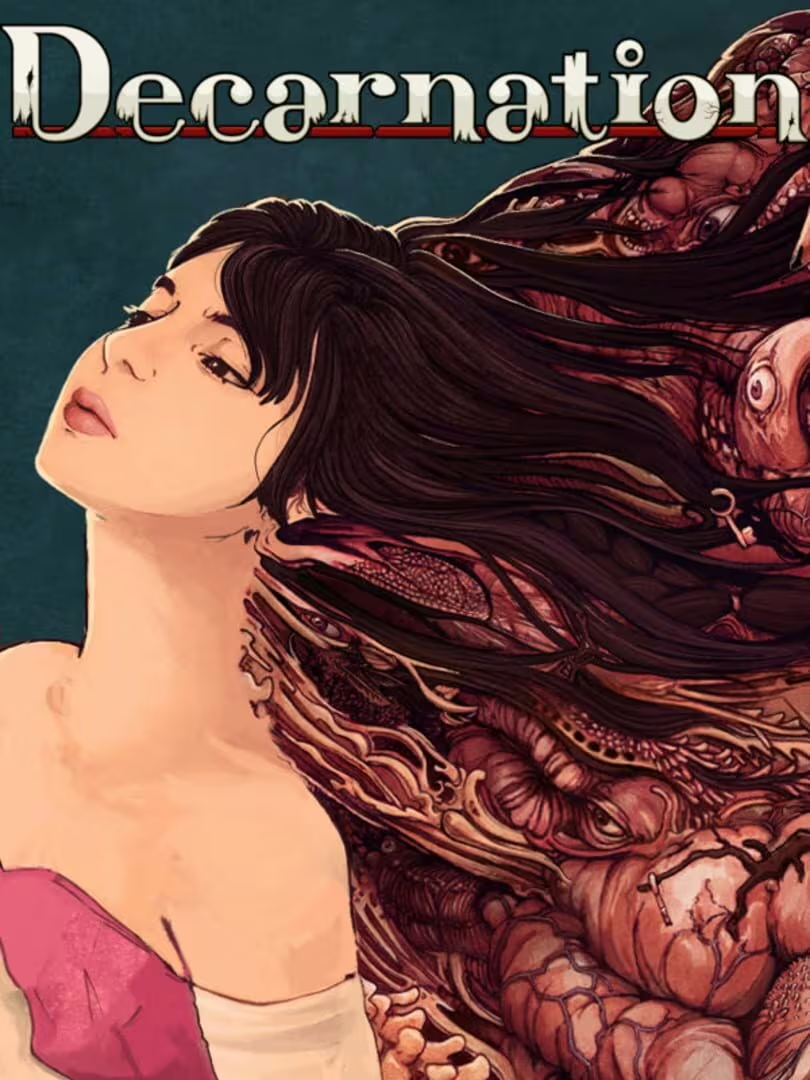
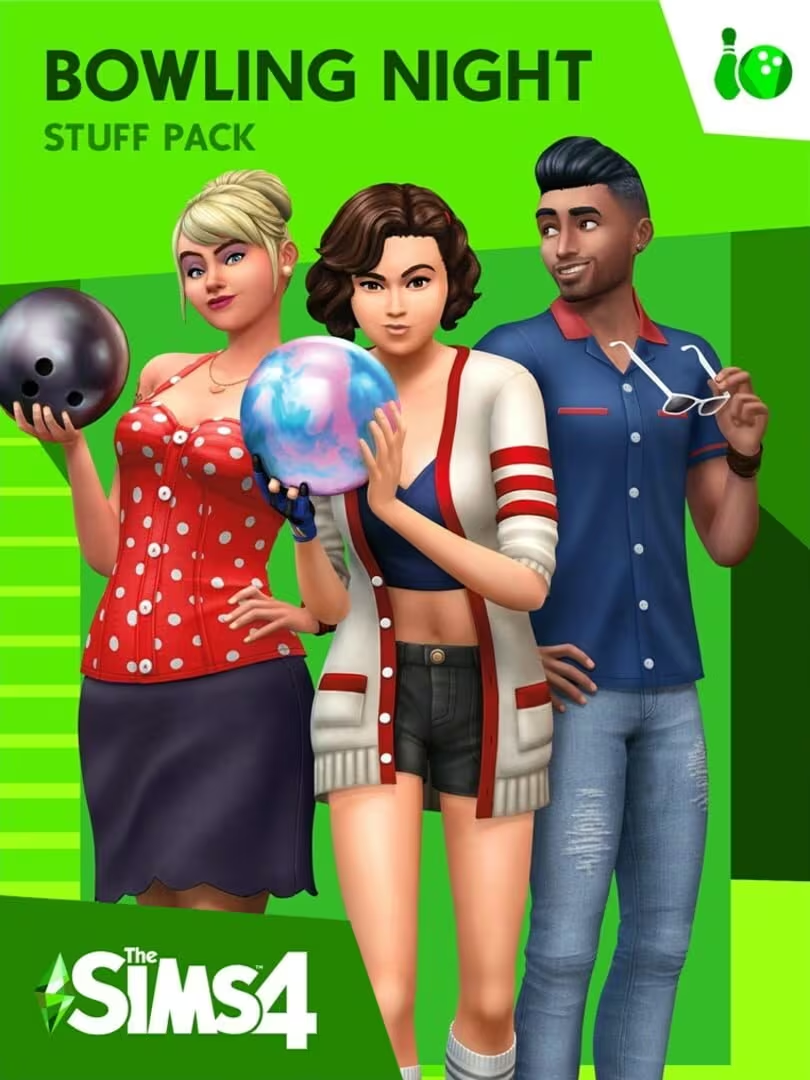
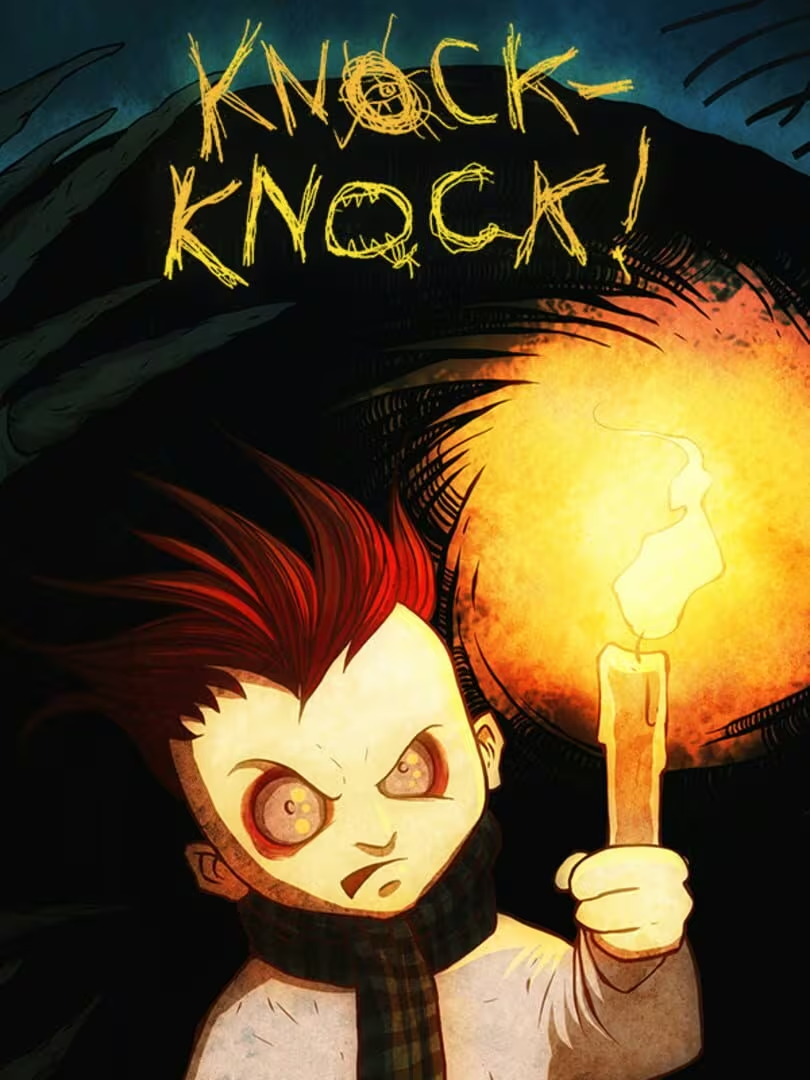
Neverending Nightmares similar games & best alternatives
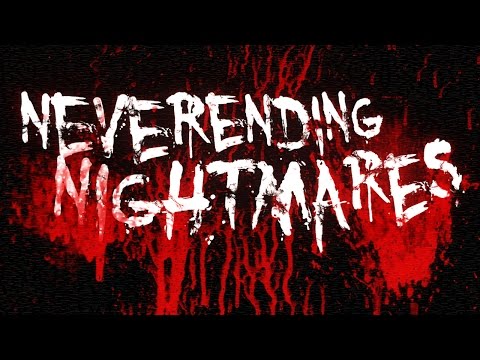
Neverending Nightmares

PC (Microsoft Windows), Mac, PlayStation 4, PlayStation Vita, Ouya, Nintendo Switch, Linux • 2014

Related articles

Quick resume

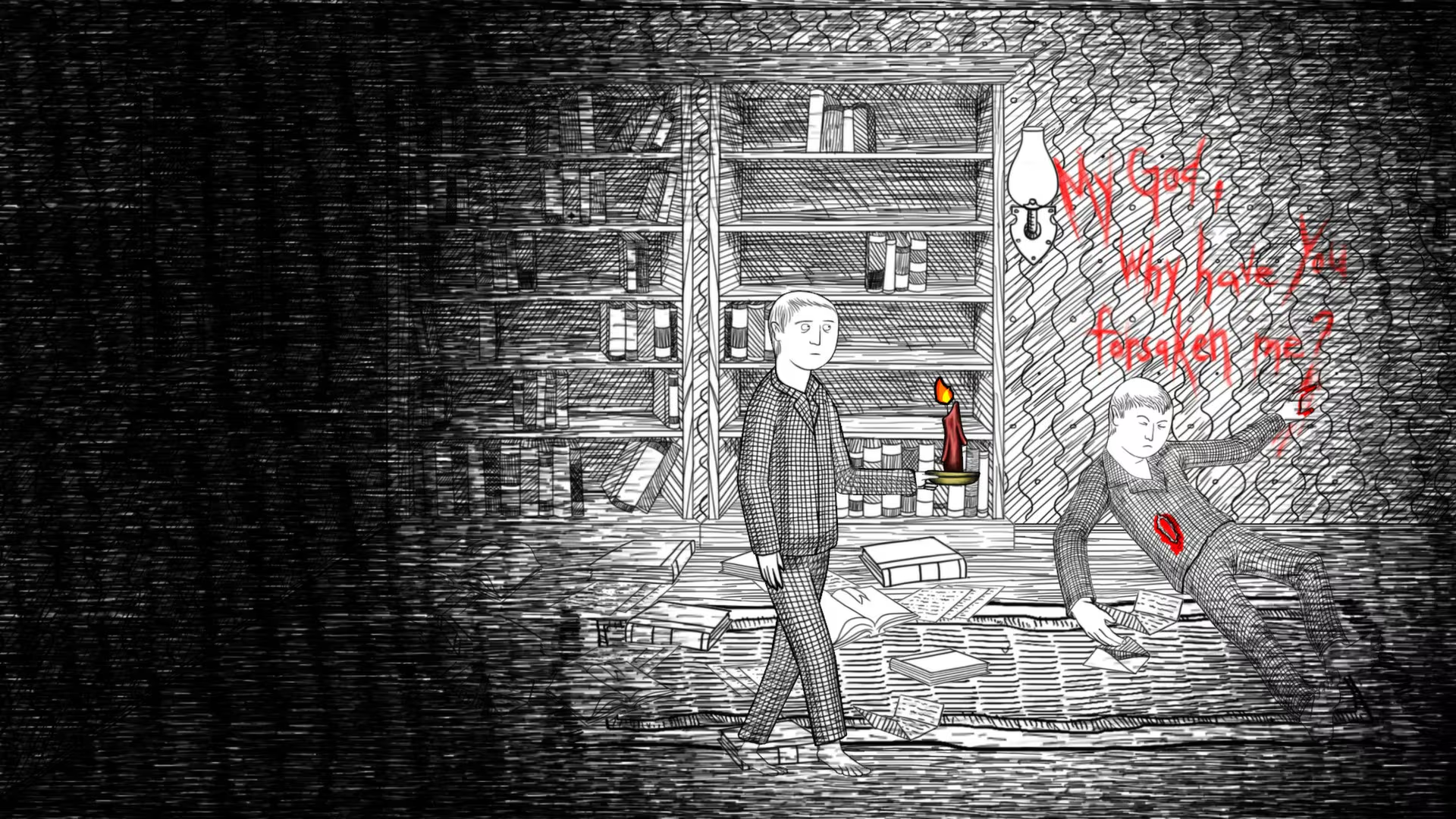
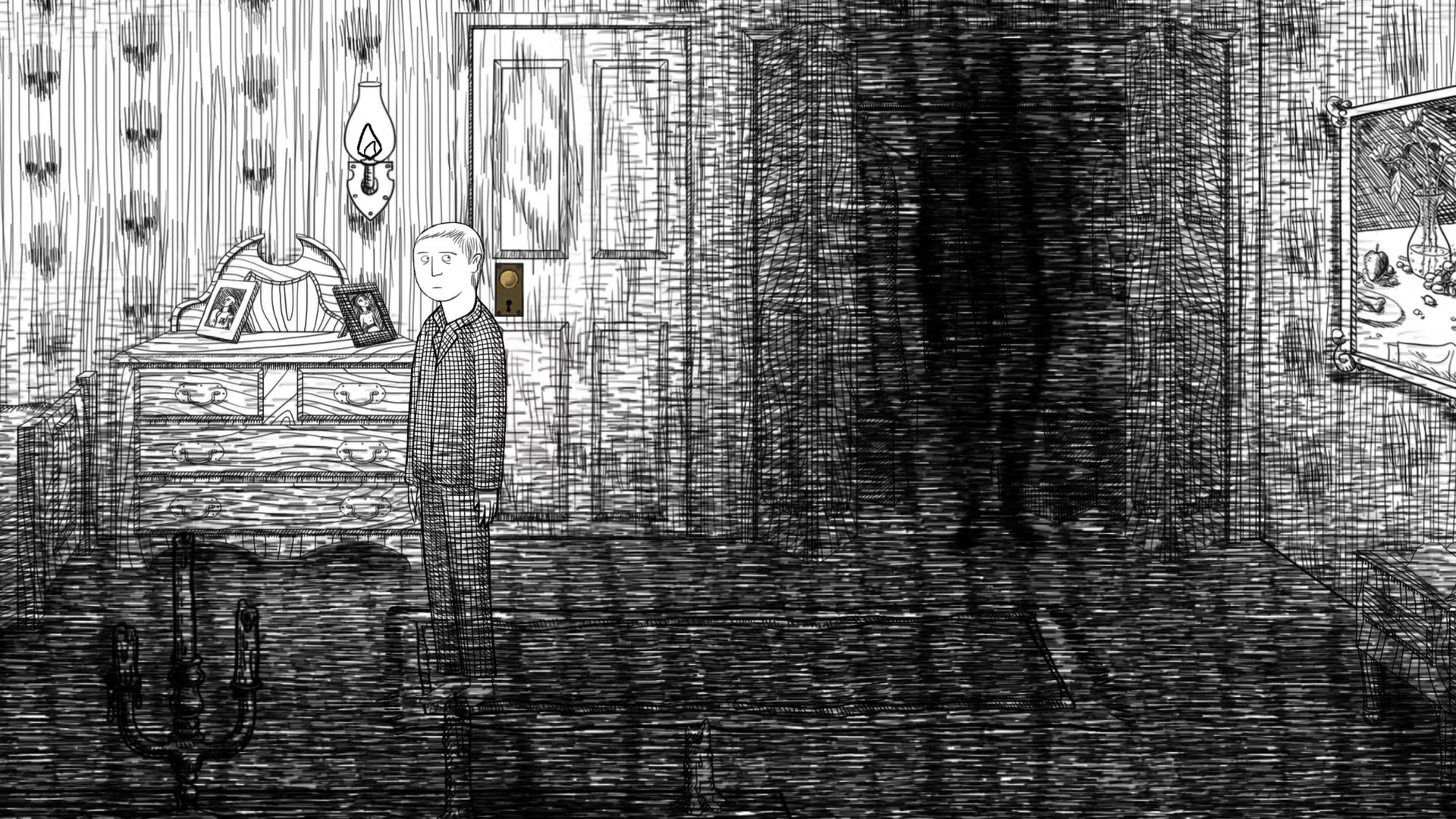
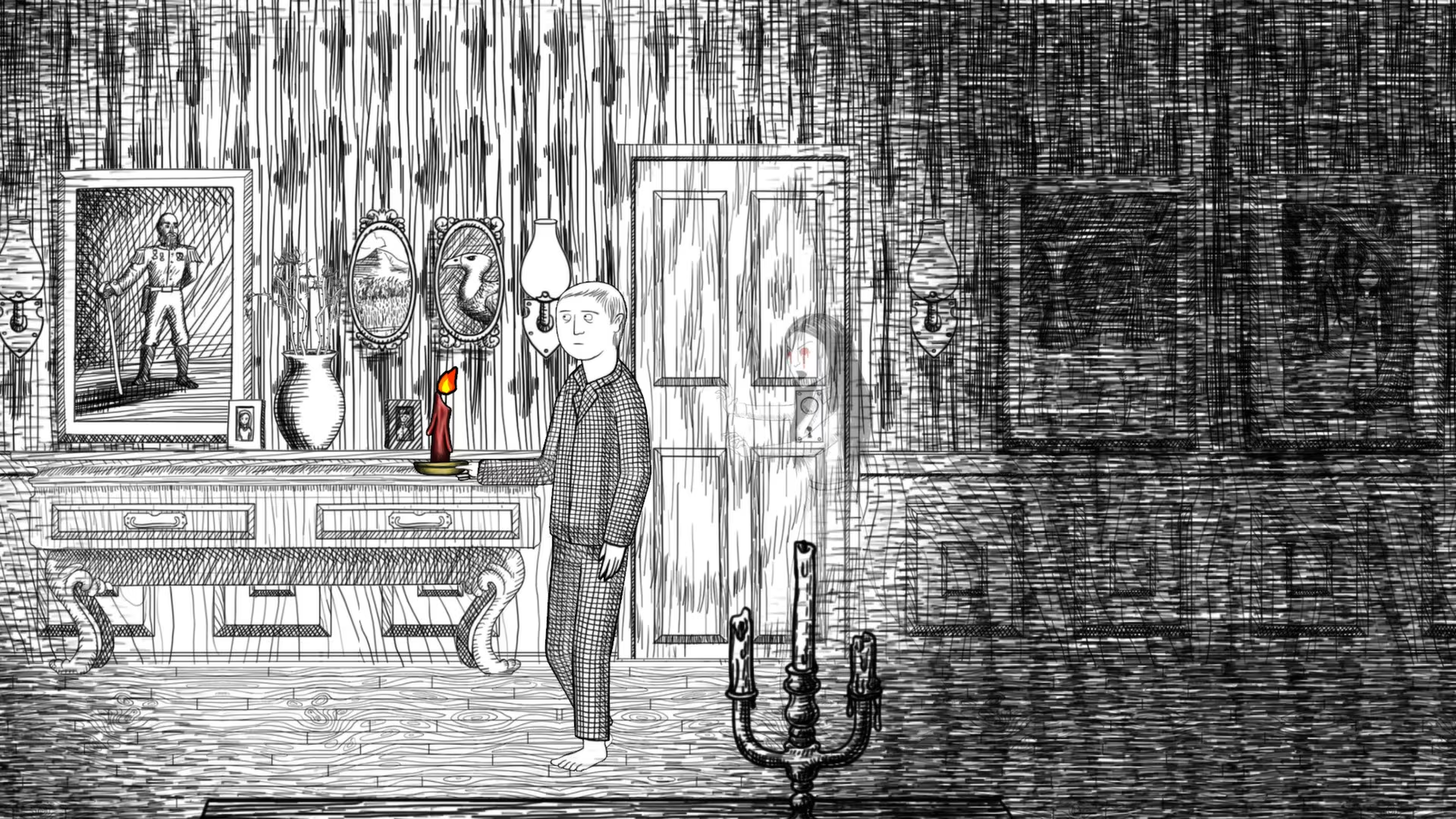
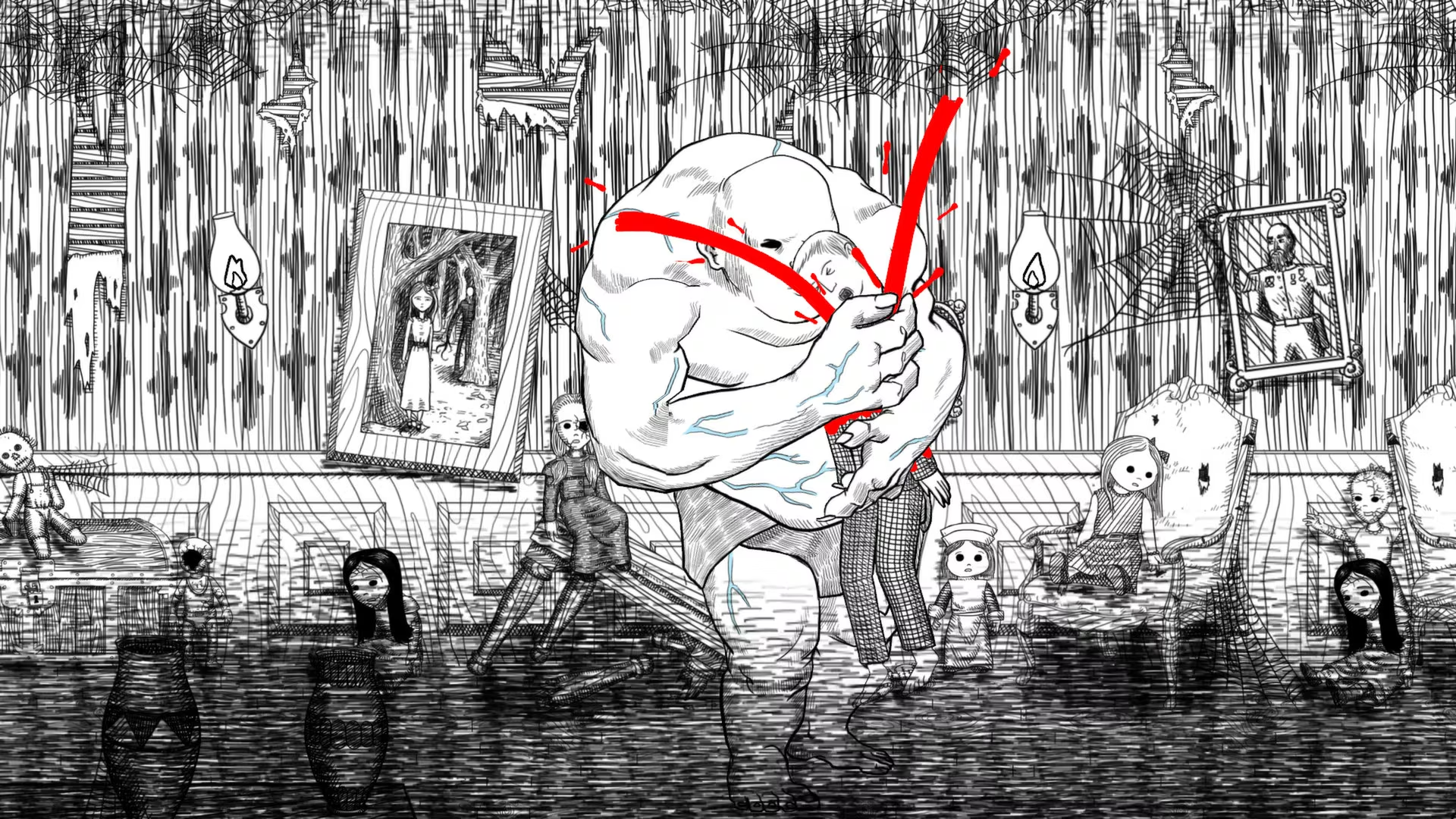
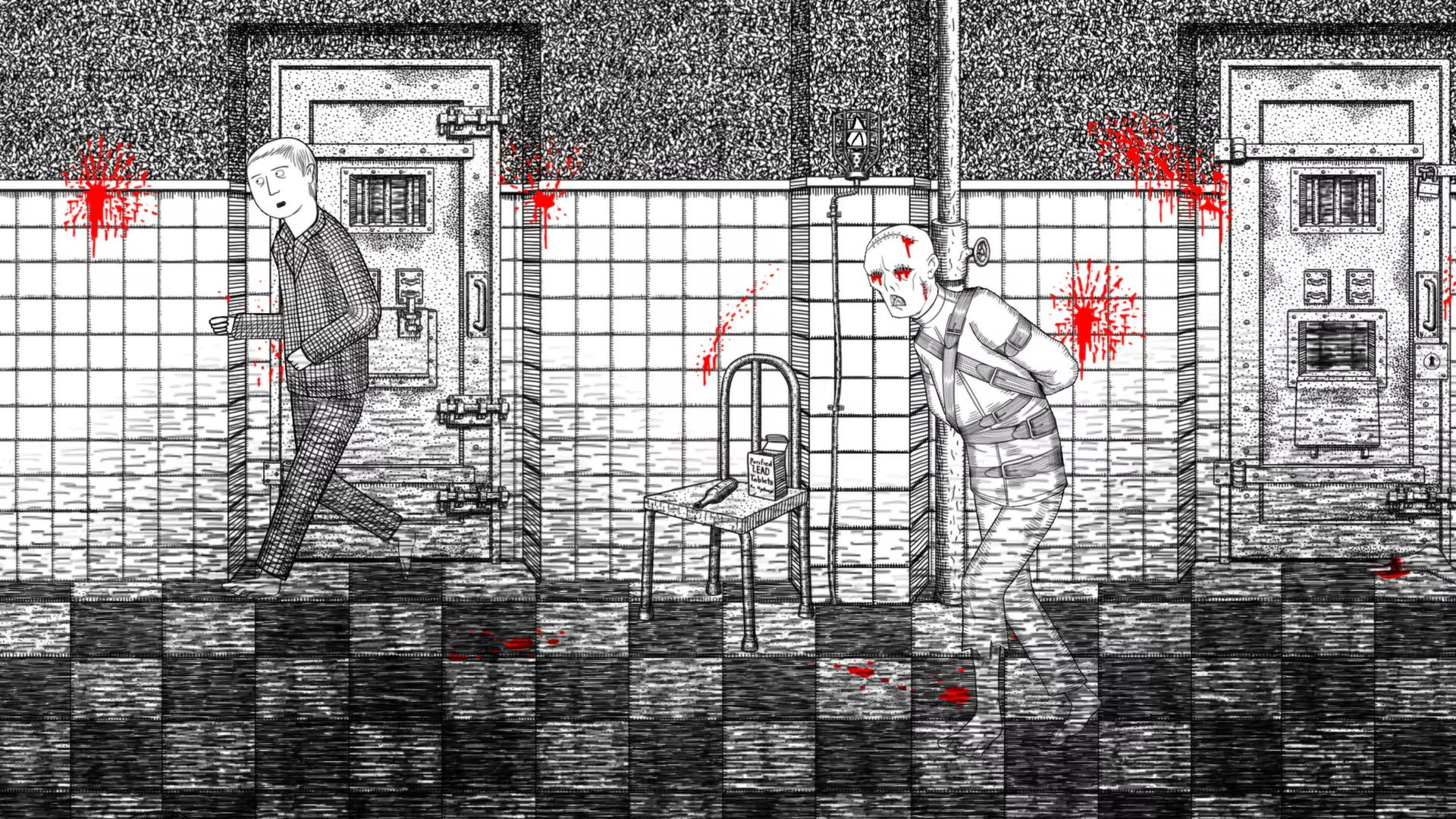
Experience true psychological horror as you explore nightmares inspired by the creator's struggles with depression and OCD. The defenseless protagonist must avoid monstrous manifestations of what haunts his subconscious in his quest to wake up into reality.

Global score

76/100

Genres

Action, Adventure, Indie

Similar games

    Pros

    • Unique hand-drawn art style
    • Immersive and eerie atmosphere
    • Strong psychological horror theme
    • Multiple endings and branching paths
    • Excellent sound design

    Cons

    • Short gameplay duration
    • Repetitive environments and mechanics
    • Limited player interaction and control
    • Some find pacing slow or tedious
    • Price considered high by some players

    Analysis

    Less representative of its motivational profile, with noticeable differences. Motivations that often define this kind of title include Expression, Fellowship, Cooperation, Competition. Here, the score leans higher than usual among comparable games on Expression, Creativity. It leans lower than usual among comparable games on Value.

    How to use the graph
    Similar games map

    Each dot is a game. They are arranged from the same motivation profile as in the “Motivations” section below. Closer dots usually mean more similar reasons to play (exploration, competition, relaxation, etc.)—not that one game is “better” than another.

    • Larger dot with a light outline: the game you are viewing.
    • Colour: groups of games with comparable motivation patterns (statistical clusters).
    • Hover a dot to see the game name; click to open its page.
    • Scroll or double-click the chart to zoom out and see more games.

    Why don’t the axes read like a score? This view uses t-SNE: it only keeps who is close to whom. The scales are not “good to bad” or hours played—they separate groups on the map. Read distance between dots, not the axis numbers.

    Motivations

    • Autonomy
      3

      "Players can explore the nightmare environments and choose paths leading to different endings, though gameplay is limited to walking and simple interactions."

    • Competence
      2

      "Gameplay involves basic walking and hiding mechanics with some stealth elements; skill is limited but avoiding enemies requires some timing."

    • Competition
      -5

      "No competitive elements; focus is on solo exploration and personal experience."

    • Continuation
      1

      "Short game with multiple endings encourages replay to explore all paths, but some find repetition tiring."

    • Cooperation
      -5

      "Entirely single-player experience with no cooperative elements."

    • Creativity
      4

      "Unique hand-drawn art style and atmospheric design; players interpret the ambiguous story creatively."

    • Domination
      -5

      "No social dominance or power over others; solitary experience."

    • Escapism
      5

      "Strong psychological horror and nightmare themes provide deep escape from reality."

    • Expectation
      -4

      "Players engage voluntarily for atmospheric horror and story exploration, not out of obligation."

    • Experimenting
      2

      "Multiple endings and branching paths encourage trying different choices, though gameplay is simple."

    • Exploration
      3

      "Players explore a series of eerie environments with subtle changes and hidden story elements."

    • Expression
      3

      "Artistic expression is strong in the game's visuals, though player customization is minimal."

    • Fantasy
      4

      "The game immerses players in surreal, psychological nightmare fiction with abstract horror elements."

    • Fellowship
      -5

      "No community or social interaction; solitary play."

    • Growth
      1

      "Some learning involved in avoiding enemies and uncovering story paths, but limited skill development."

    • Health
      -5

      "Sedentary gameplay with no physical activity involved."

    • Idle
      -3

      "Requires player attention and focus; slow pacing but not background or idle play."

    • Intimacy
      -5

      "No social or emotional relationships formed through gameplay."

    • Leadership
      -5

      "No leadership or group management elements."

    • Progression
      2

      "Progression through story and unlocking endings, but no item collection or upgrades."

    • Relaxation
      -1

      "Atmosphere is tense and unsettling rather than relaxing."

    • Sensation
      4

      "Strong sensory impact through unique visuals and immersive sound design."

    • Status
      -5

      "No social status or recognition mechanics."

    • Story
      4

      "Narrative-driven with psychological horror story and multiple endings, though ambiguous."

    • Strategy
      1

      "Some stealth and avoidance strategy required, but overall gameplay is simple."

    • Thrill
      3

      "Tension and suspense build through atmosphere and encounters with monsters."

    • Value
      -2

      "Short game with limited gameplay; some players feel price is high for content."

    • Violence
      3

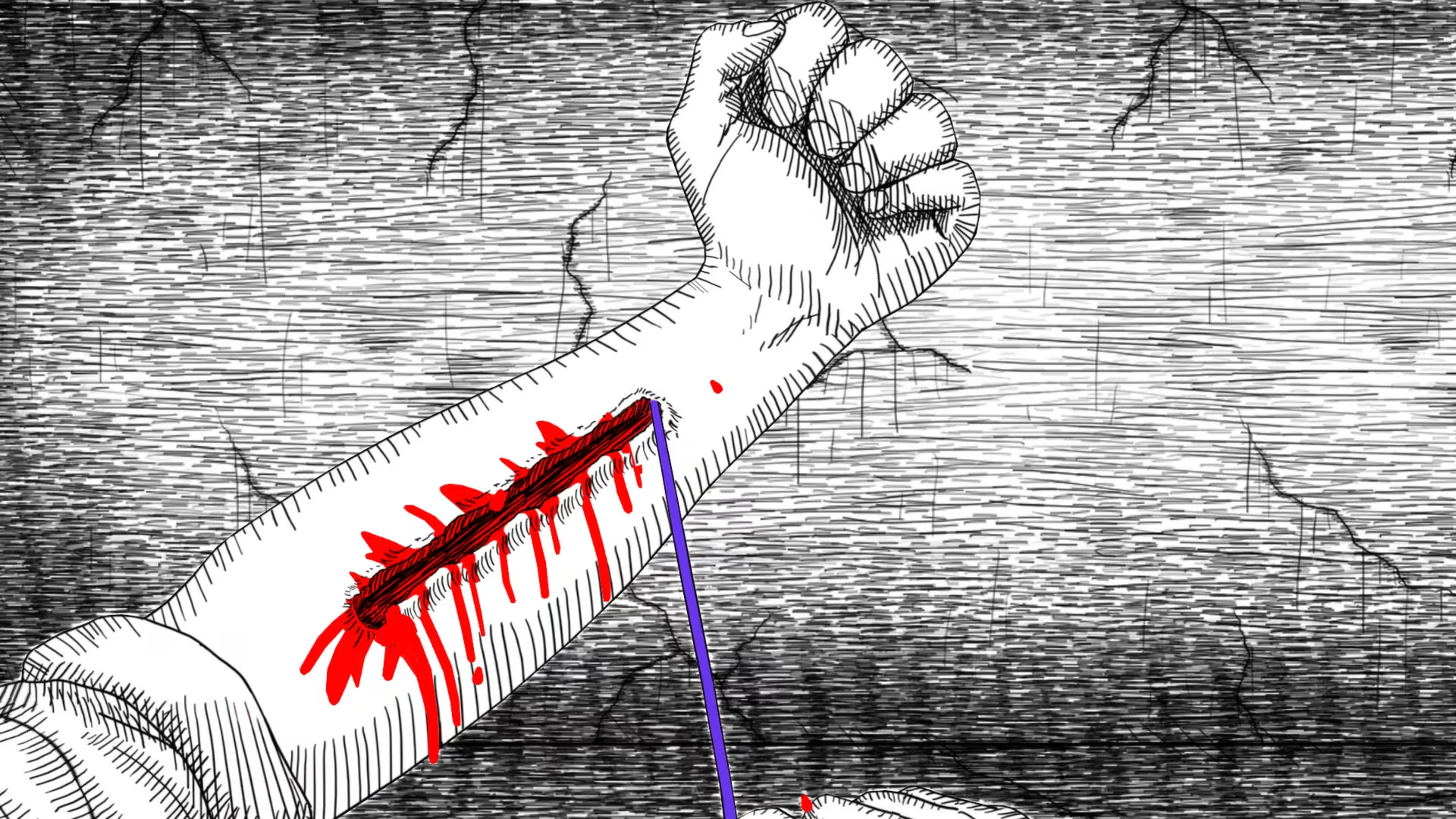
      "Contains graphic scenes of self-harm and disturbing imagery, emphasizing psychological horror."

    • Survival
      2

      "Avoiding enemies and surviving nightmares is a core gameplay element."

    Last update: 29/04/2026