Lone Survivor: The Director's Cut Thumbnail

Lone Survivor: The Director's Cut similar games & best alternatives
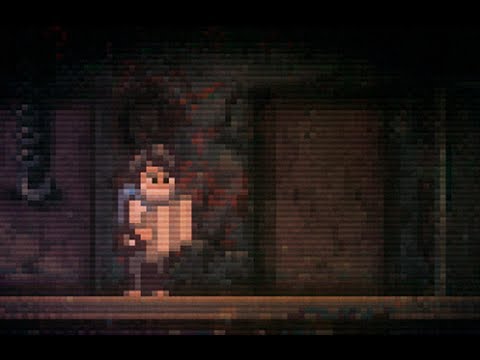
Lone Survivor: The Director's Cut

PC (Microsoft Windows), Mac, Wii U, PlayStation 4, PlayStation Vita, PlayStation 3, Linux • 2012

Related articles

Quick resume

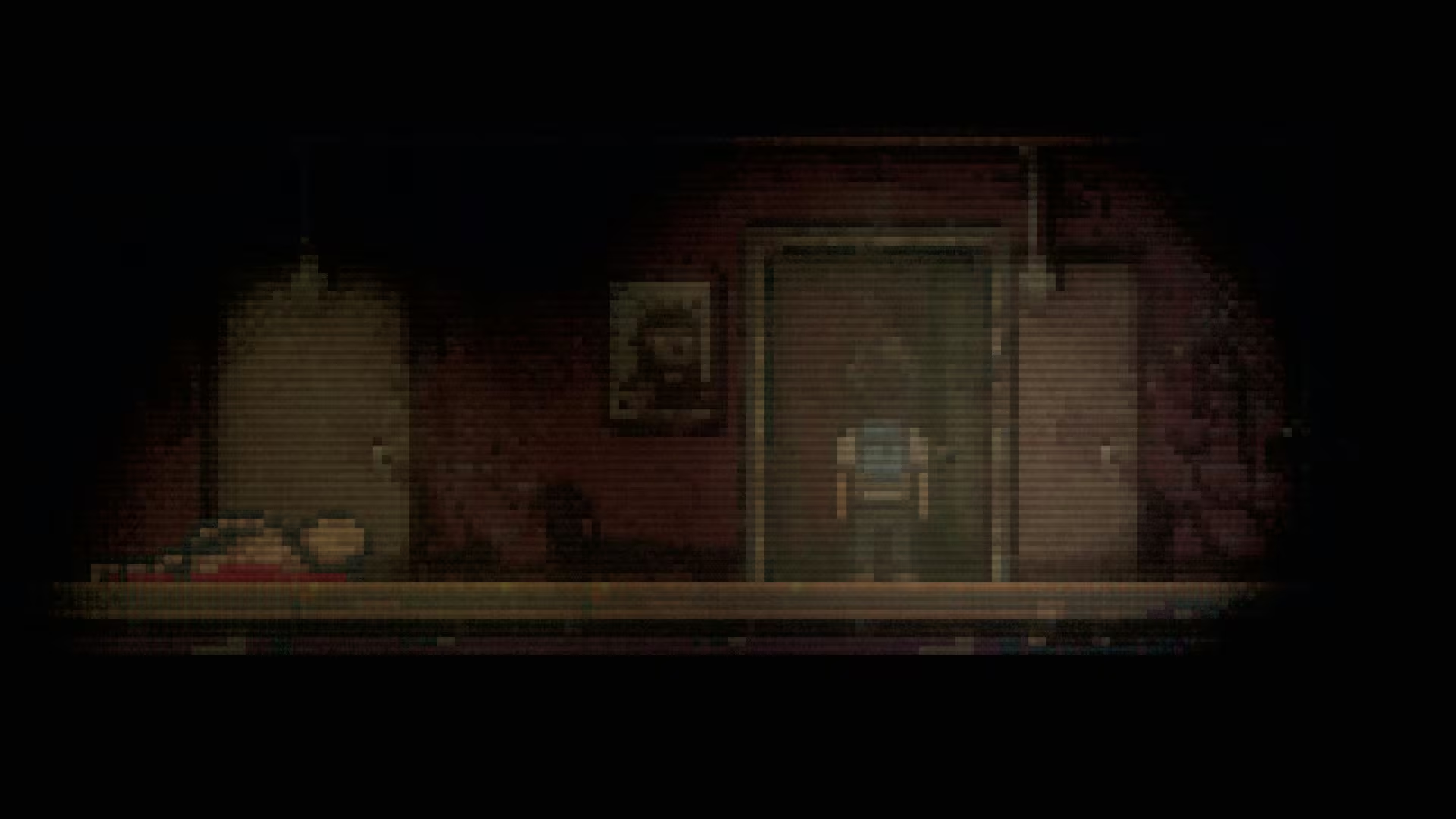
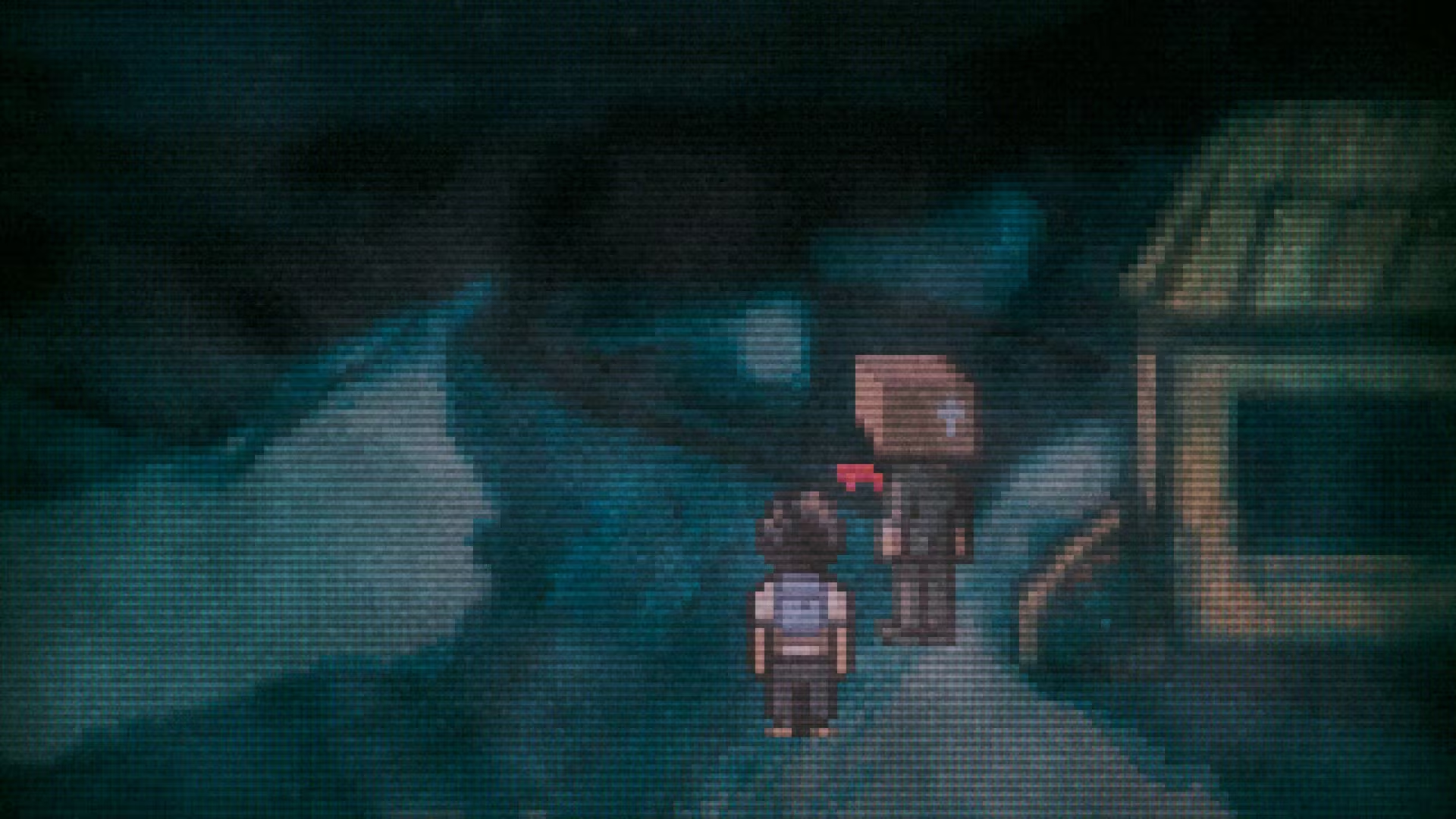
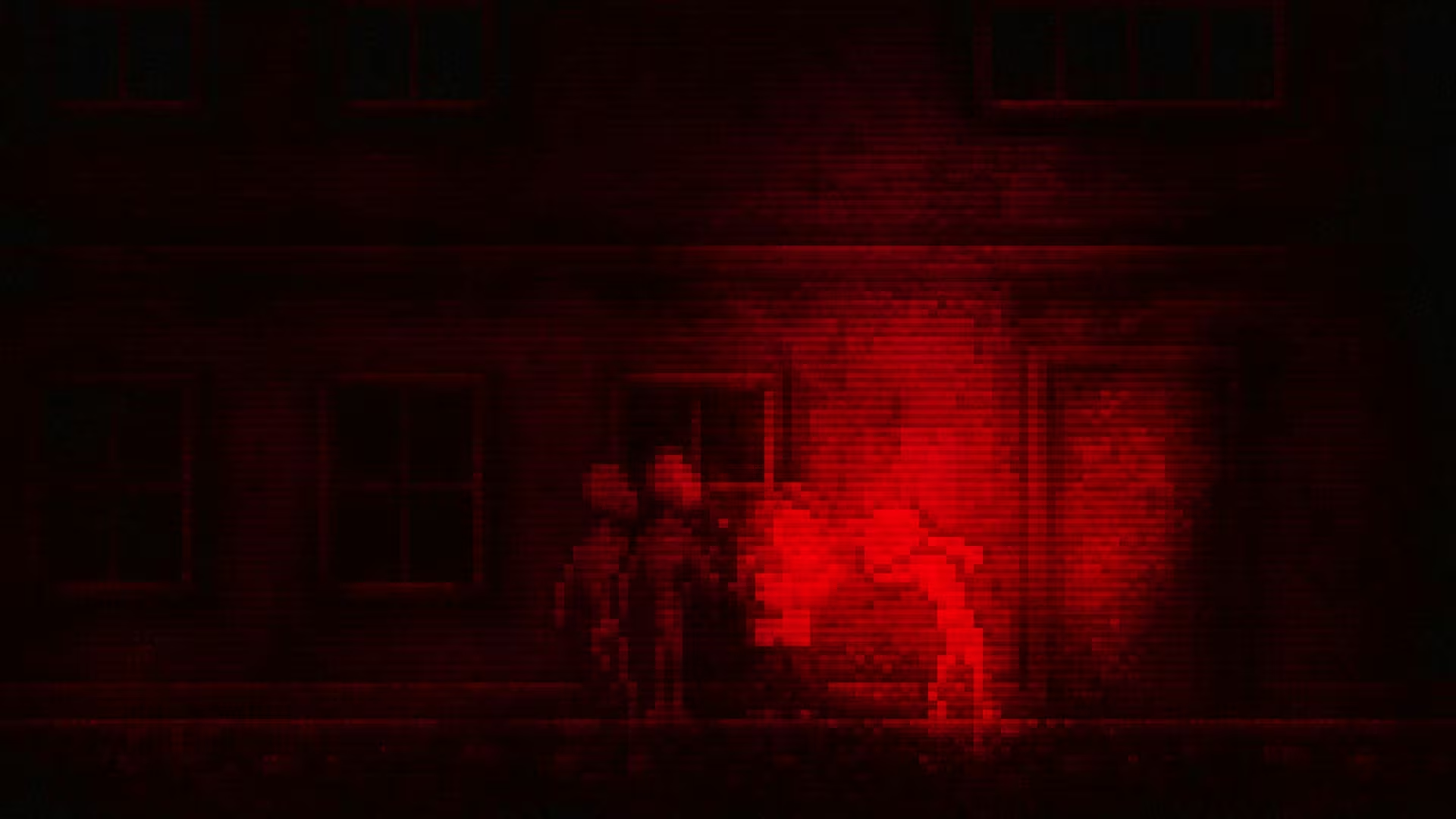
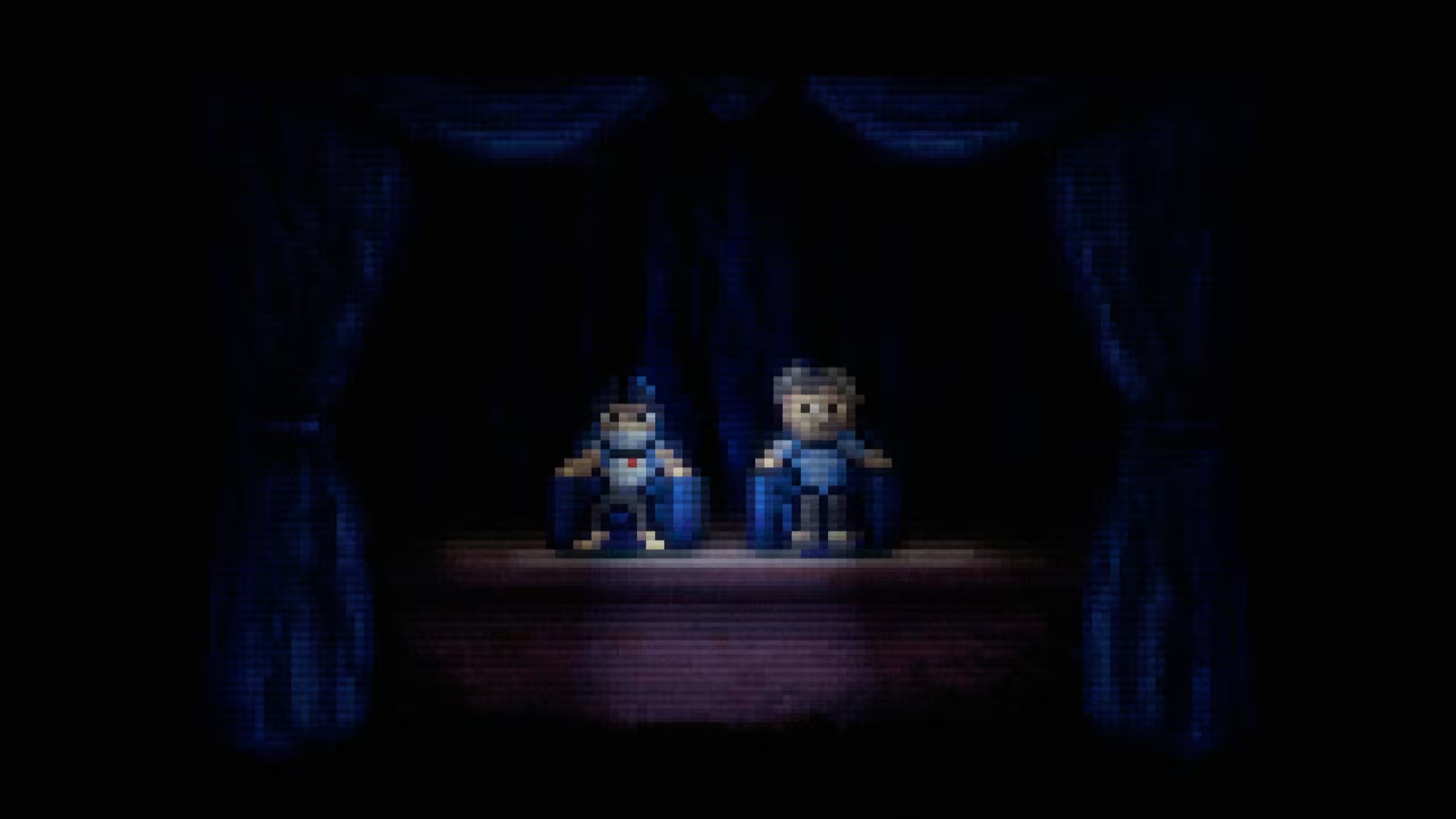
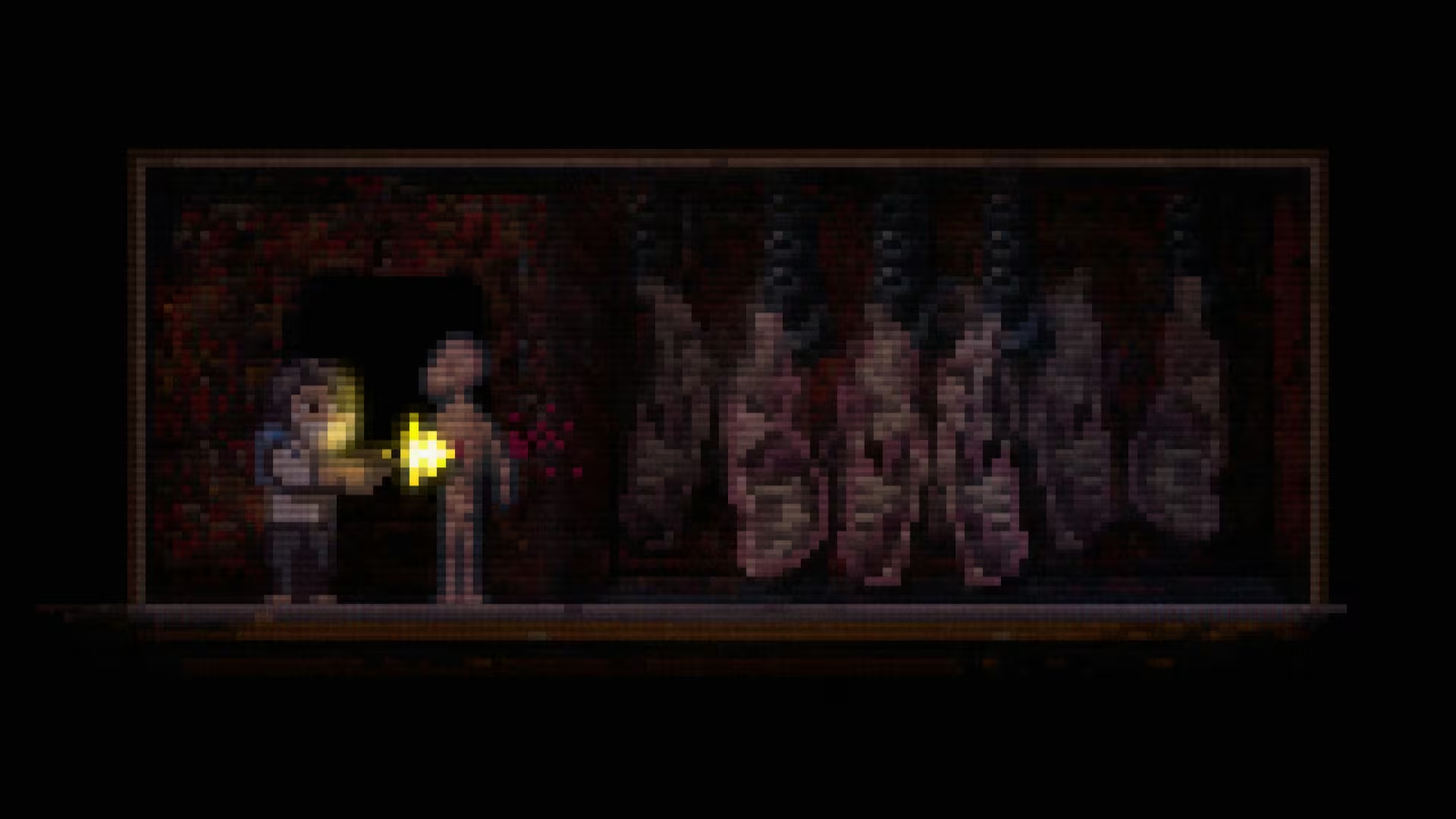
In this original and adult psychological survival horror, the masked protagonist must escape from a city ravaged by disease, by any means necessary.

Global score

85/100

Genres

Action, Adventure, Indie, Role-playing (RPG), Simulator

Similar games

    Pros

    • Strong psychological horror atmosphere
    • Immersive story with multiple endings
    • Excellent soundtrack and audio design
    • Meaningful survival mechanics
    • High replay value

    Cons

    • Short game length
    • Clunky controls and inventory management
    • Limited monster variety
    • Lack of controller support
    • Some players find pacing slow or repetitive

    Analysis

    Broadly representative of its motivational profile, with a few distinct shifts. Motivations that often define this kind of title include Relaxation, Survival, Violence, Fellowship. Here, the score leans higher than usual among comparable games on Story. It leans lower than usual among comparable games on Competition, Violence.

    How to use the graph
    Similar games map

    Each dot is a game. They are arranged from the same motivation profile as in the “Motivations” section below. Closer dots usually mean more similar reasons to play (exploration, competition, relaxation, etc.)—not that one game is “better” than another.

    • Larger dot with a light outline: the game you are viewing.
    • Colour: groups of games with comparable motivation patterns (statistical clusters).
    • Hover a dot to see the game name; click to open its page.
    • Scroll or double-click the chart to zoom out and see more games.

    Why don’t the axes read like a score? This view uses t-SNE: it only keeps who is close to whom. The scales are not “good to bad” or hours played—they separate groups on the map. Read distance between dots, not the axis numbers.

    Motivations

    • Autonomy
      4

      "Players make meaningful choices affecting endings and gameplay style, including combat or stealth approaches, resource management, and mental health decisions."

    • Competence
      3

      "Requires tactical combat, resource management, and puzzle solving with feedback on mental health and survival success."

    • Competition
      -5

      "Focuses on individual experience and personal progression without competitive or ranked elements."

    • Continuation
      3

      "Multiple endings and replay value encourage habitual play and exploration of different outcomes."

    • Cooperation
      -4

      "Primarily a single-player experience with limited NPC interactions; no multiplayer or teamwork."

    • Creativity
      2

      "Players can combine food items, cook, and experiment with survival strategies, though within predefined systems."

    • Domination
      -5

      "No evidence of exerting control or superiority over others; interactions are balanced and respectful."

    • Escapism
      4

      "Strong psychological horror atmosphere and immersive story provide escape from real life."

    • Expectation
      -4

      "Players engage voluntarily out of interest in psychological horror and survival themes."

    • Experimenting
      3

      "Encourages trying different approaches to combat, resource use, and story paths to discover multiple endings."

    • Exploration
      3

      "Players explore a detailed apartment complex and city environment with secrets and side quests."

    • Expression
      1

      "Limited character customization but some self-expression through choices and survival style."

    • Fantasy
      4

      "Strong psychological and surreal horror elements with hallucinations and ambiguous reality."

    • Fellowship
      -4

      "Focus on solitary experience with minimal social connection or community involvement."

    • Growth
      3

      "Players learn survival mechanics, puzzle solutions, and story nuances through repeated play."

    • Health
      -3

      "Sedentary gameplay with some mental health themes; no physical activity or rehab elements."

    • Idle
      -3

      "Requires continuous attention to resource management, combat, and exploration."

    • Intimacy
      -4

      "Limited emotional connections mainly through NPC dialogue and character's mental state; no close relationships."

    • Leadership
      -5

      "No leadership or authority roles; player acts independently without managing others."

    • Progression
      3

      "Collecting food, ammo, and items to survive and unlock different endings represents progression."

    • Relaxation
      -3

      "Sustained tension and anxiety dominate the experience rather than relaxation or flow."

    • Sensation
      3

      "Atmospheric audio and visual design provide sensory stimulation and emotional engagement."

    • Status
      -5

      "No social recognition or status systems; focus is on personal experience."

    • Story
      5

      "Strong narrative immersion with multiple endings, character interactions, and psychological themes."

    • Strategy
      4

      "Requires planning resource use, combat tactics, and mental health management."

    • Thrill
      4

      "Creates suspense and tension through survival challenges and psychological horror elements."

    • Value
      4

      "Highly praised for quality, atmosphere, and replay value relative to price."

    • Violence
      1

      "Combat is present but limited; players can choose non-violent approaches."

    • Survival
      5

      "Core gameplay revolves around managing hunger, sleep, sanity, and scarce resources to stay alive."

    Last update: 29/04/2026