Project Kat - Paper Lily Prologue Thumbnail

Project Kat - Paper Lily Prologue similar games & best alternatives
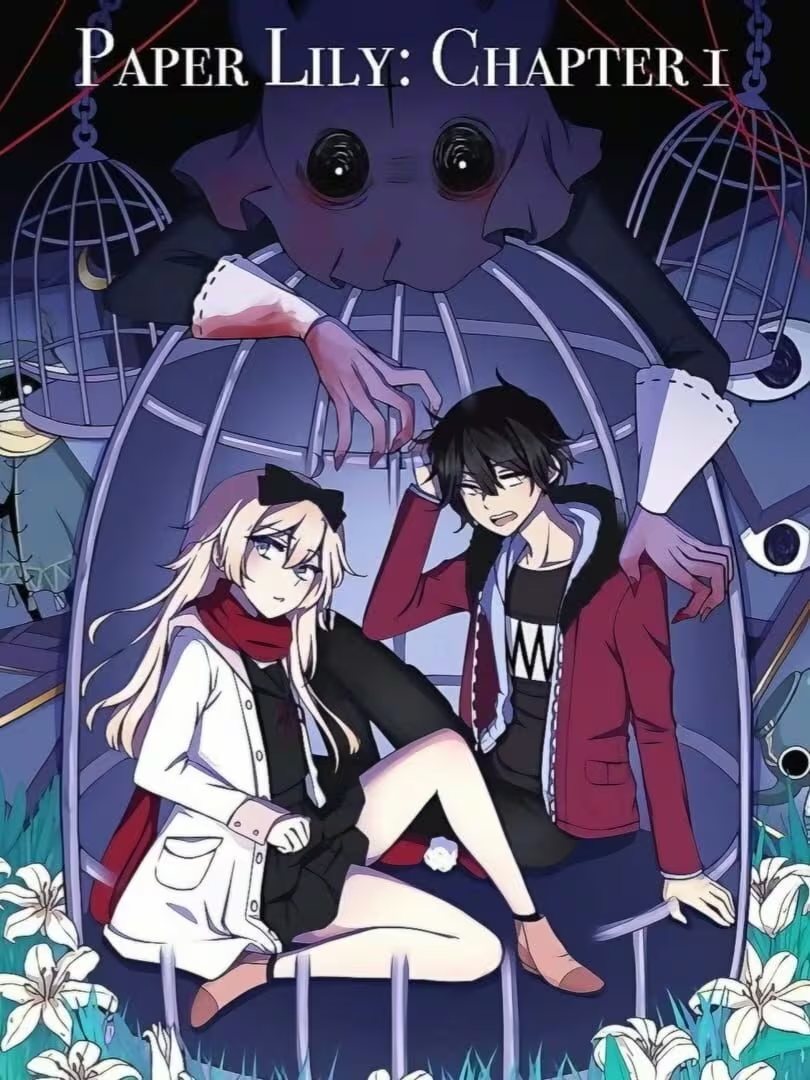
Project Kat - Paper Lily Prologue

PC (Microsoft Windows), Mac, Linux • 2021

Related articles

Quick resume

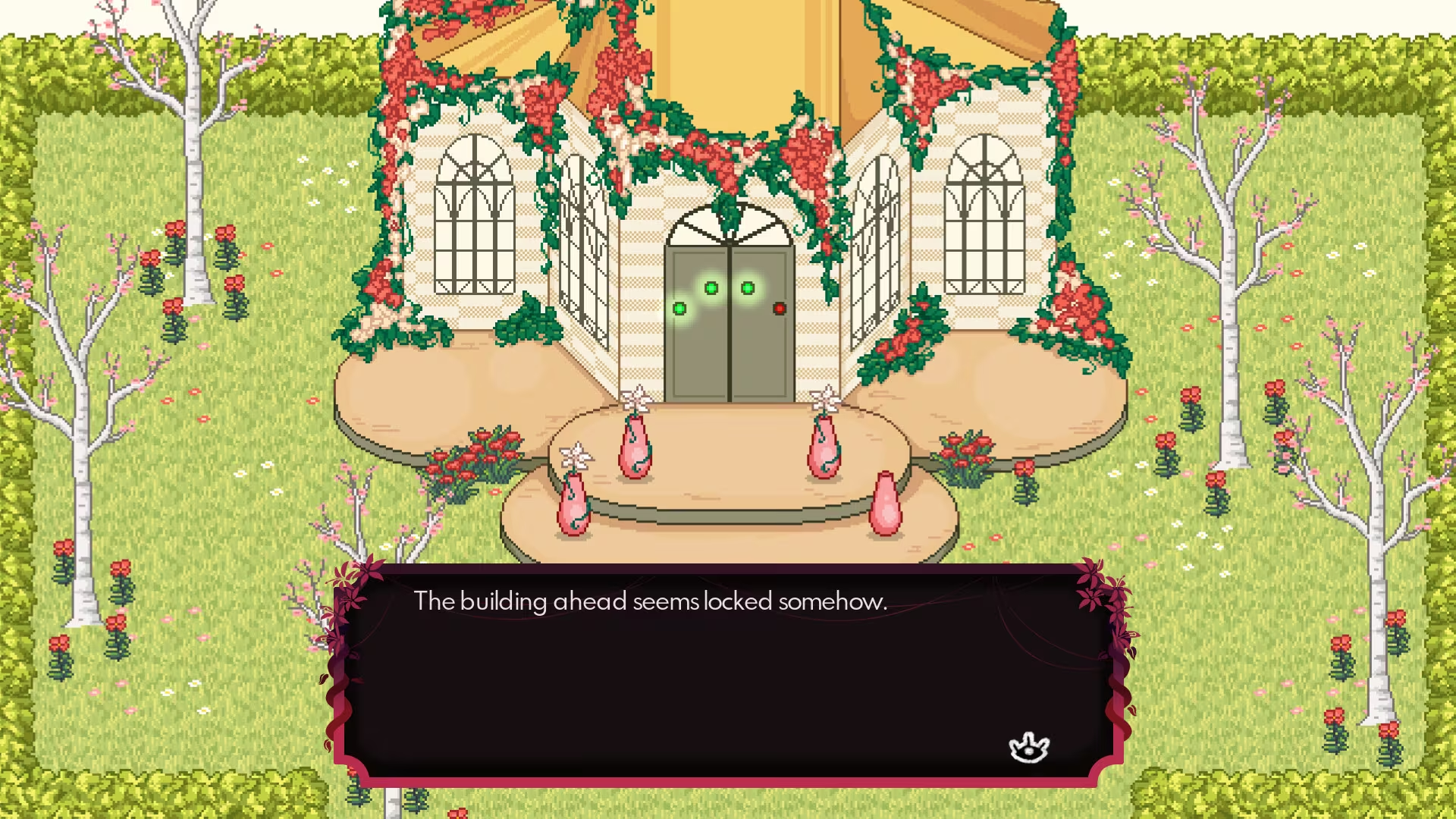
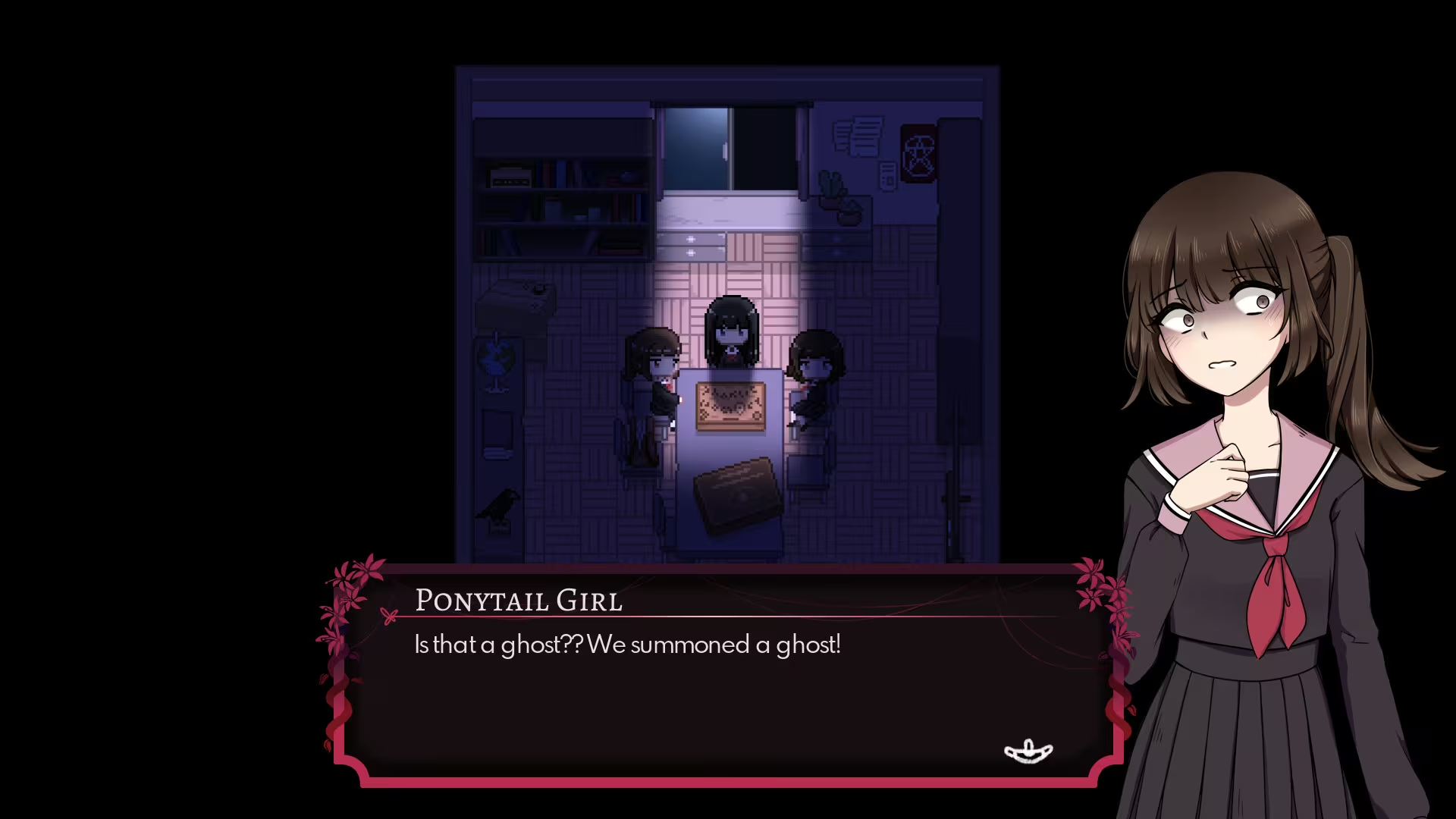
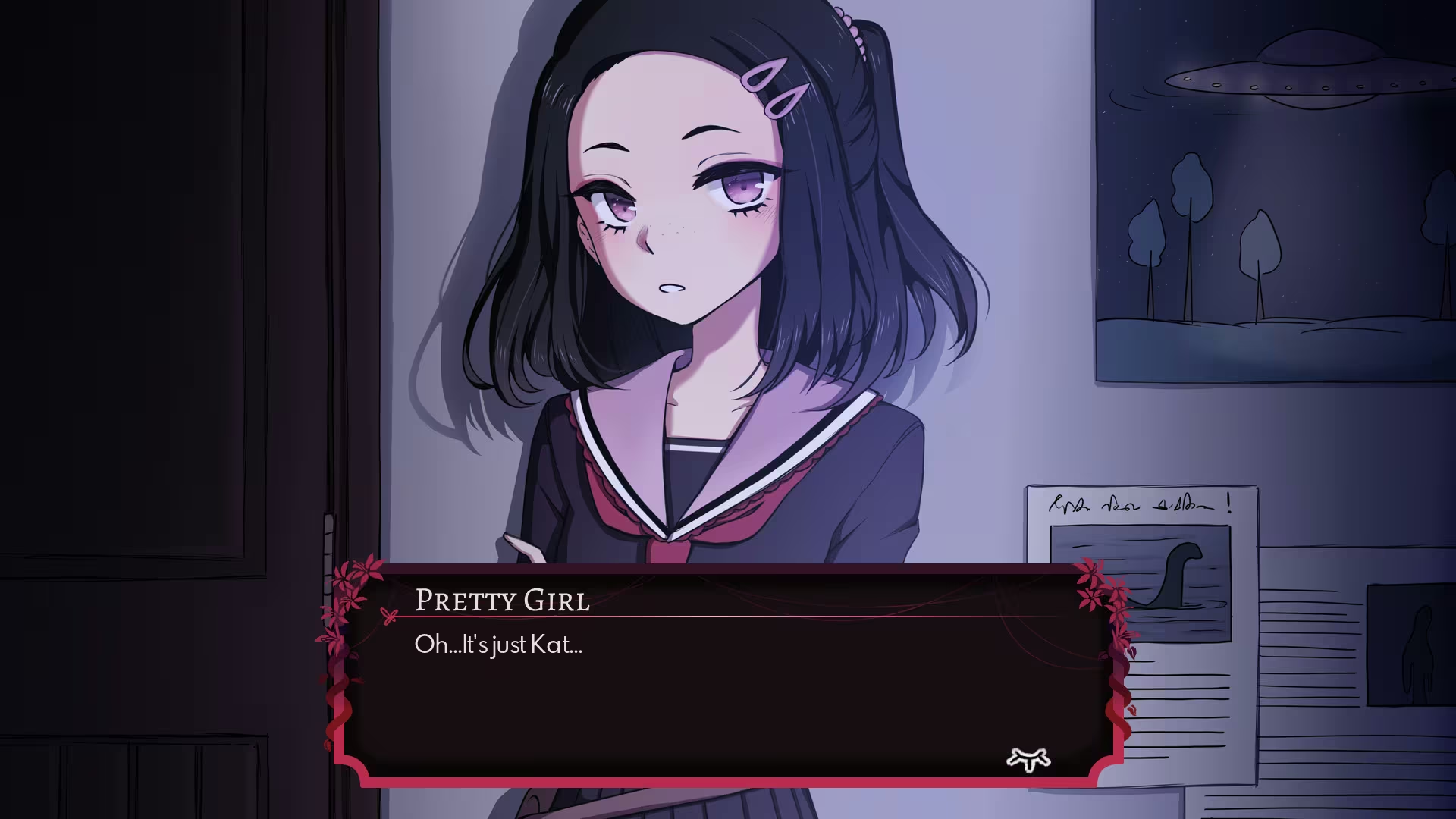
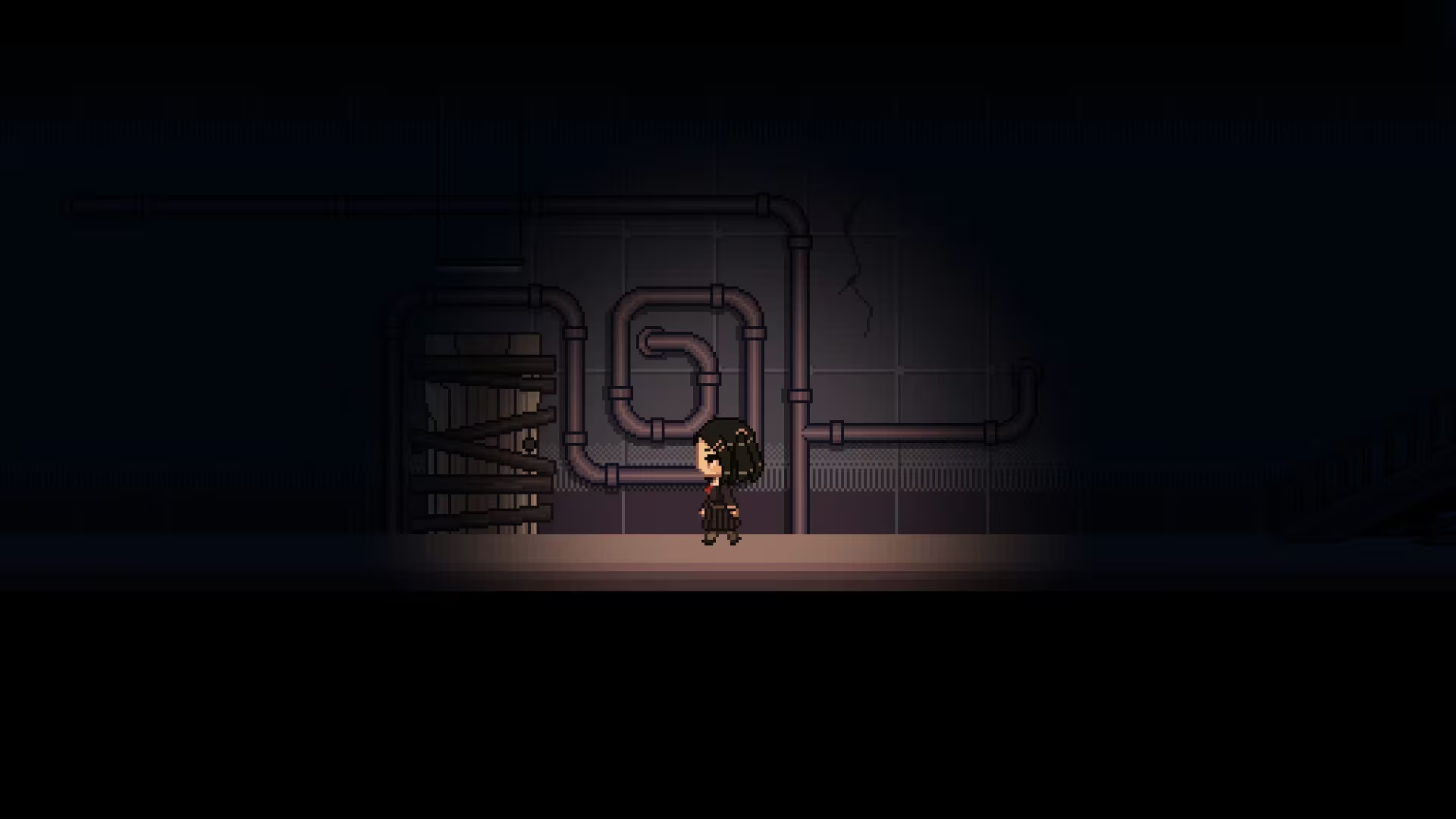
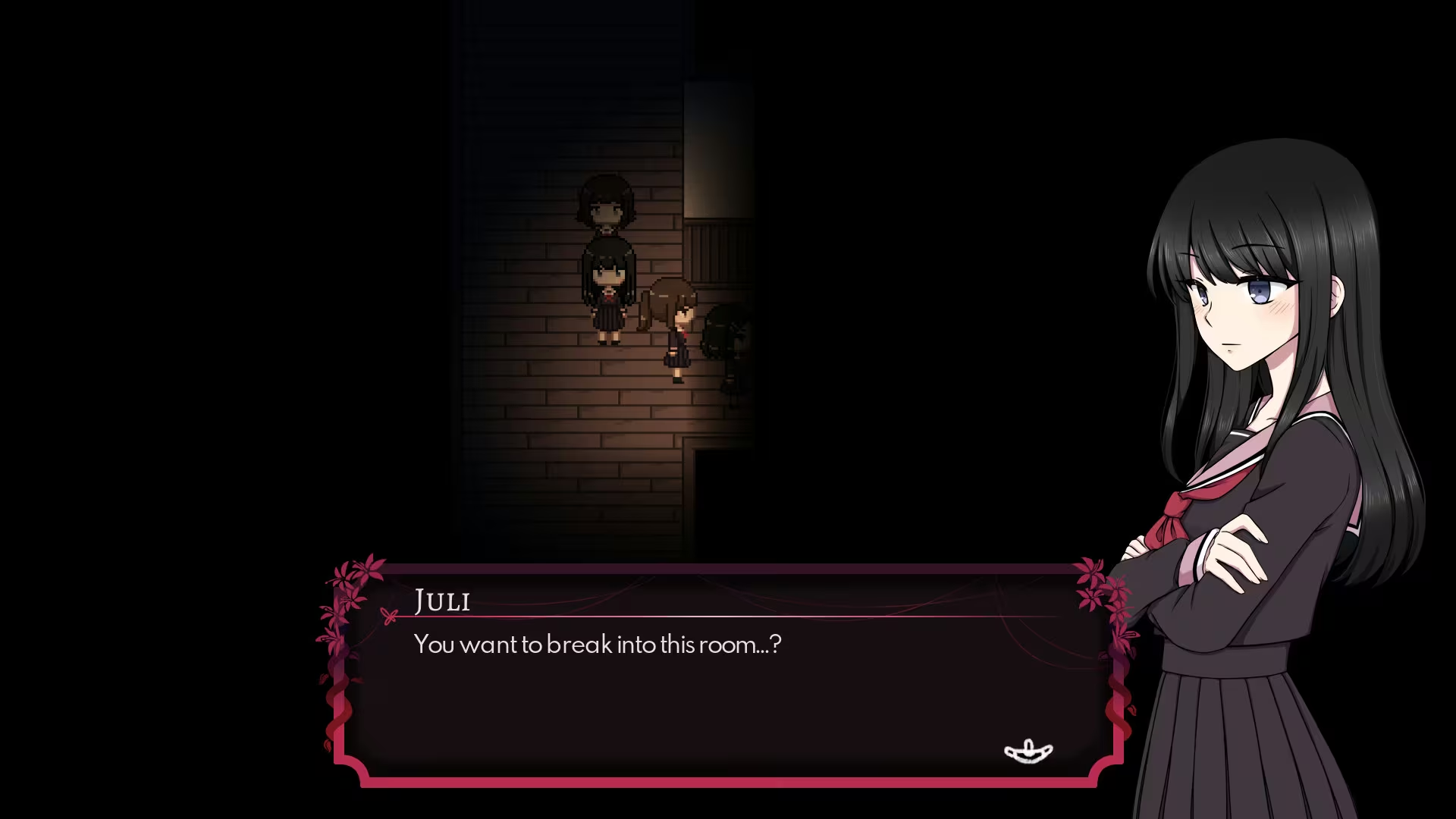
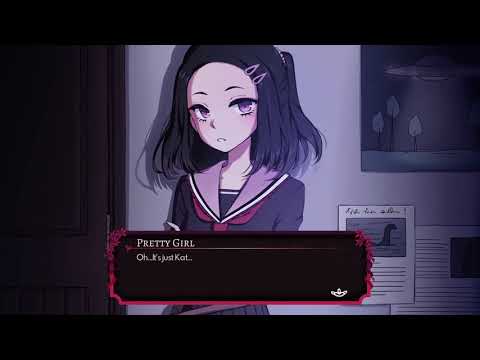
Project Kat is a short, unconventional RPG horror game in which there is always another way. Solve puzzles, make friends (or not), and guide Kat as she attempts to uncover the mystery behind a strange golden letter.

Global score

99/100

Genres

Adventure, Indie, Role-playing (RPG), Free To Play, Puzzle

Similar games

    Pros

    • Engaging story with multiple endings
    • Beautiful art and soundtrack
    • Free to play prologue
    • Immersive horror atmosphere
    • High replay value

    Cons

    • Short playtime as a prologue
    • Some minor control/interface issues
    • Puzzles generally easy
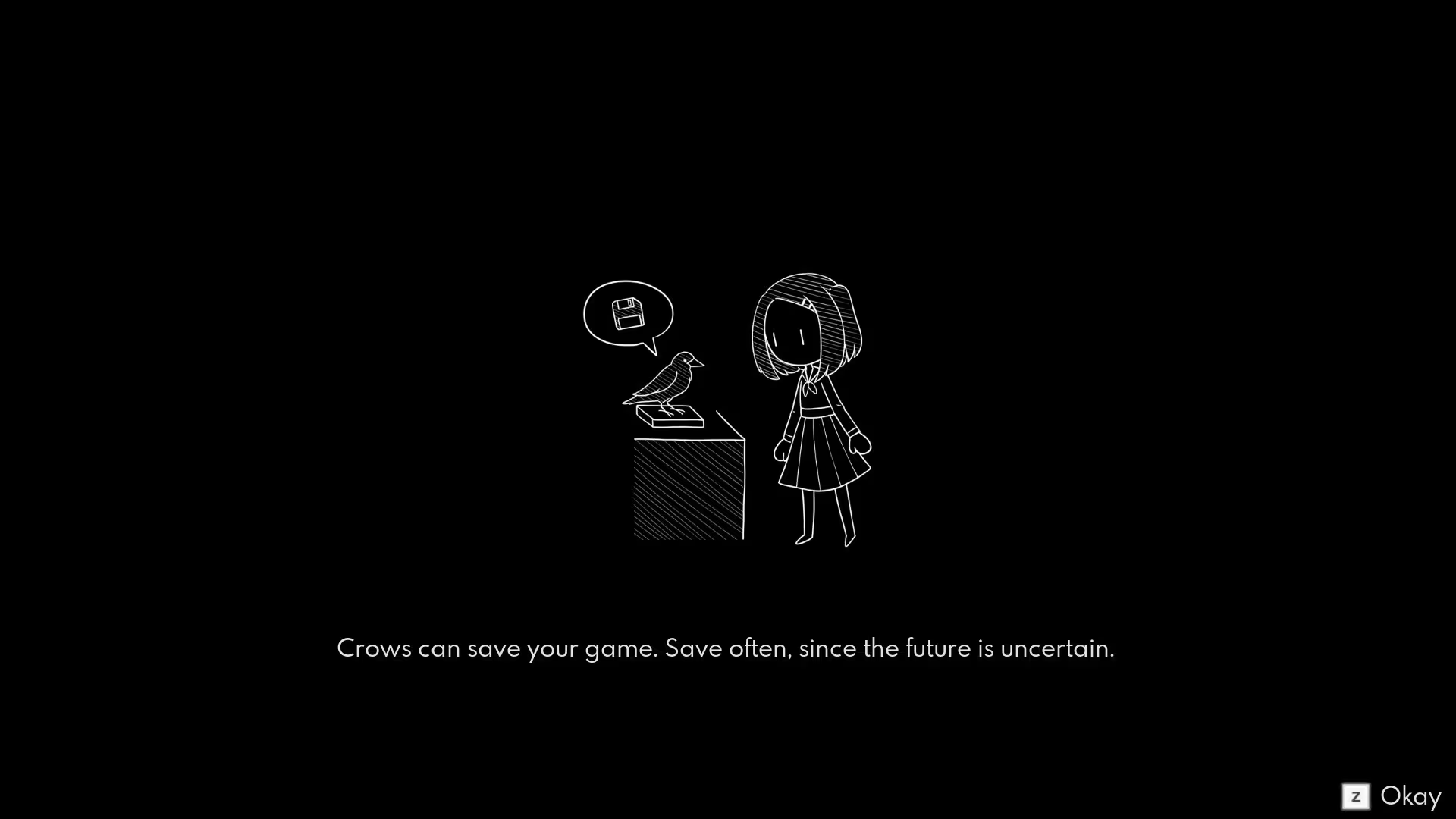
    • Limited save slots
    • Lack of challenge for experienced players

    Analysis

    Broadly representative of its motivational profile, with a few distinct shifts. Motivations that often define this kind of title include Fellowship, Cooperation, Leadership, Violence. Here, the score leans higher than usual among comparable games on Story. It leans lower than usual among comparable games on Competition, Growth.

    How to use the graph
    Similar games map

    Each dot is a game. They are arranged from the same motivation profile as in the “Motivations” section below. Closer dots usually mean more similar reasons to play (exploration, competition, relaxation, etc.)—not that one game is “better” than another.

    • Larger dot with a light outline: the game you are viewing.
    • Colour: groups of games with comparable motivation patterns (statistical clusters).
    • Hover a dot to see the game name; click to open its page.
    • Scroll or double-click the chart to zoom out and see more games.

    Why don’t the axes read like a score? This view uses t-SNE: it only keeps who is close to whom. The scales are not “good to bad” or hours played—they separate groups on the map. Read distance between dots, not the axis numbers.

    Motivations

    • Autonomy
      4

      "Players have freedom to explore, make choices affecting story and endings, and interact with many objects in different ways."

    • Competence
      2

      "Puzzles are generally easy but require some thought; multiple solutions encourage problem solving without excessive difficulty."

    • Competition
      -5

      "No evidence of player comparison or competitive modes; focus is on personal exploration and story experience."

    • Continuation
      3

      "Multiple endings and secrets encourage replaying; players express desire to continue with full game and next chapters."

    • Cooperation
      -5

      "Single-player experience with no cooperative gameplay elements mentioned."

    • Creativity
      4

      "Players can experiment with different choices and interactions leading to multiple endings and unique story paths."

    • Domination
      -5

      "No indication of exerting control or superiority over others; interactions are narrative and exploratory."

    • Escapism
      4

      "Players enjoy immersive horror atmosphere and story as a form of distraction and emotional engagement."

    • Expectation
      -4

      "Players engage voluntarily out of interest and enjoyment; no mention of obligation or external pressure."

    • Experimenting
      5

      "Strong emphasis on trying different choices, exploring secrets, and discovering multiple endings."

    • Exploration
      4

      "Encouraged to explore environment, interact with many objects, and uncover hidden content."

    • Expression
      3

      "Customization is limited but players can express themselves through choices and interactions affecting story."

    • Fantasy
      4

      "Game features supernatural horror, rituals, and imaginative fiction elements typical of RPG horror genre."

    • Fellowship
      -4

      "Primarily a solo experience with minimal social interaction; some players mention streaming or playing with friends but game itself is single-player."

    • Growth
      2

      "Players learn puzzle solutions and story details; some skill development in exploration and decision making."

    • Health
      -5

      "No physical activity or health-related gameplay elements; sedentary play."

    • Idle
      -3

      "Requires focused attention to puzzles and story; not designed for background or idle play."

    • Intimacy
      -3

      "Limited emotional connection through story and characters but no close social relationships formed."

    • Leadership
      -5

      "No leadership or group management roles; single-player narrative focus."

    • Progression
      3

      "Progression through unlocking endings and achievements; story advances with player choices."

    • Relaxation
      2

      "Atmosphere is spooky but not highly tense; some players find it relaxing with balanced challenge."

    • Sensation
      3

      "Soundtrack, art, and atmosphere provide sensory stimulation and emotional engagement."

    • Status
      -5

      "No social recognition or ranking systems; focus is on personal experience."

    • Story
      5

      "Strong narrative focus with multiple endings, character development, and immersive storytelling."

    • Strategy
      2

      "Requires some problem solving and planning to solve puzzles and explore different endings."

    • Thrill
      3

      "Creates suspense and unease through atmosphere and story rather than jump scares."

    • Value
      5

      "Free prologue with high quality content and replay value; players feel good return on time invested."

    • Violence
      1

      "Contains horror and some gore elements but violence is not a primary gameplay focus."

    • Survival
      1

      "Some threat elements and tension but no complex survival mechanics; mostly narrative suspense."

    Last update: 29/04/2026