Concrete Jungle Thumbnail

Concrete Jungle similar games & best alternatives

Concrete Jungle

PC (Microsoft Windows), iOS, Mac, Android • 2015

Related articles

Quick resume

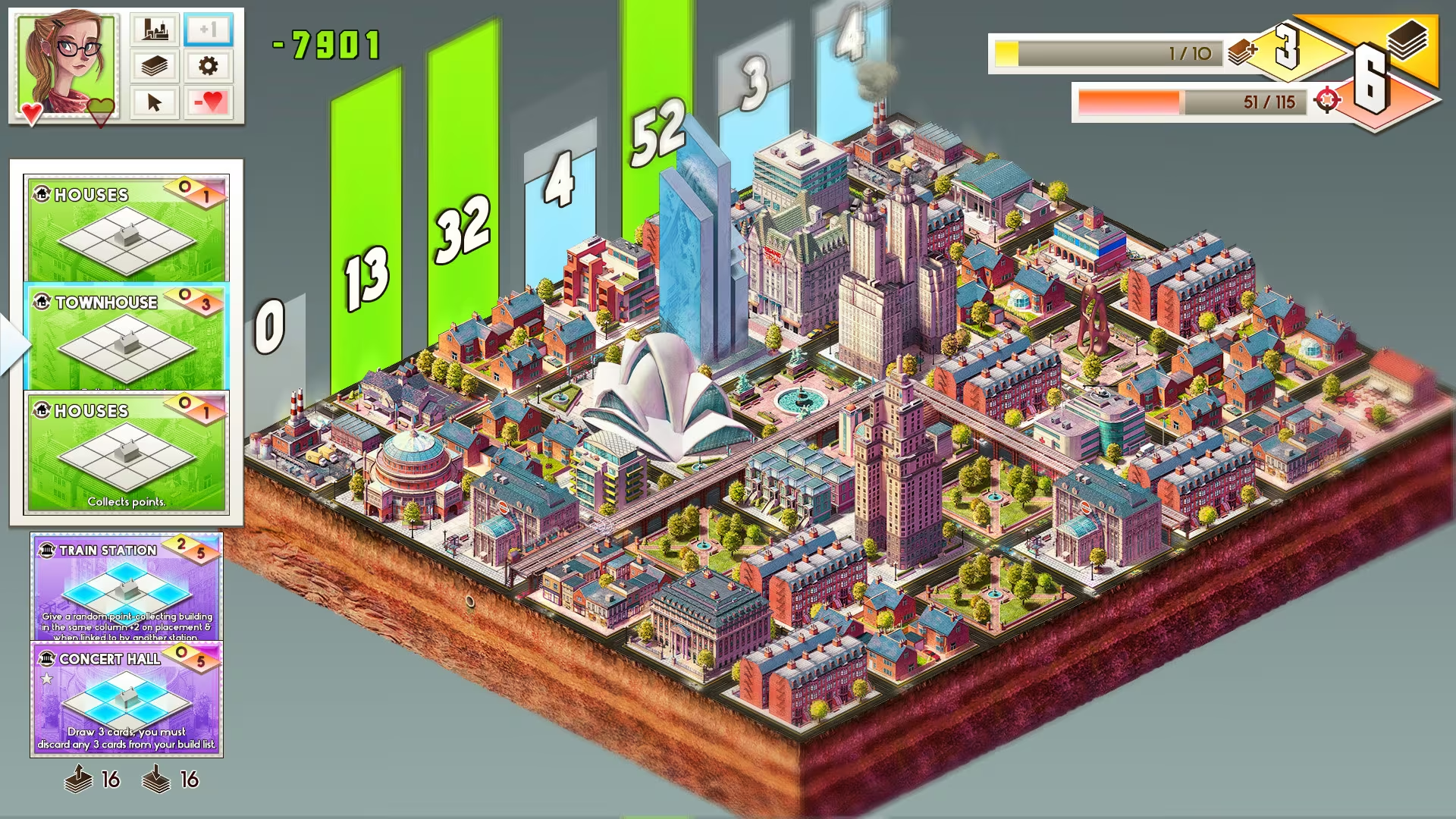
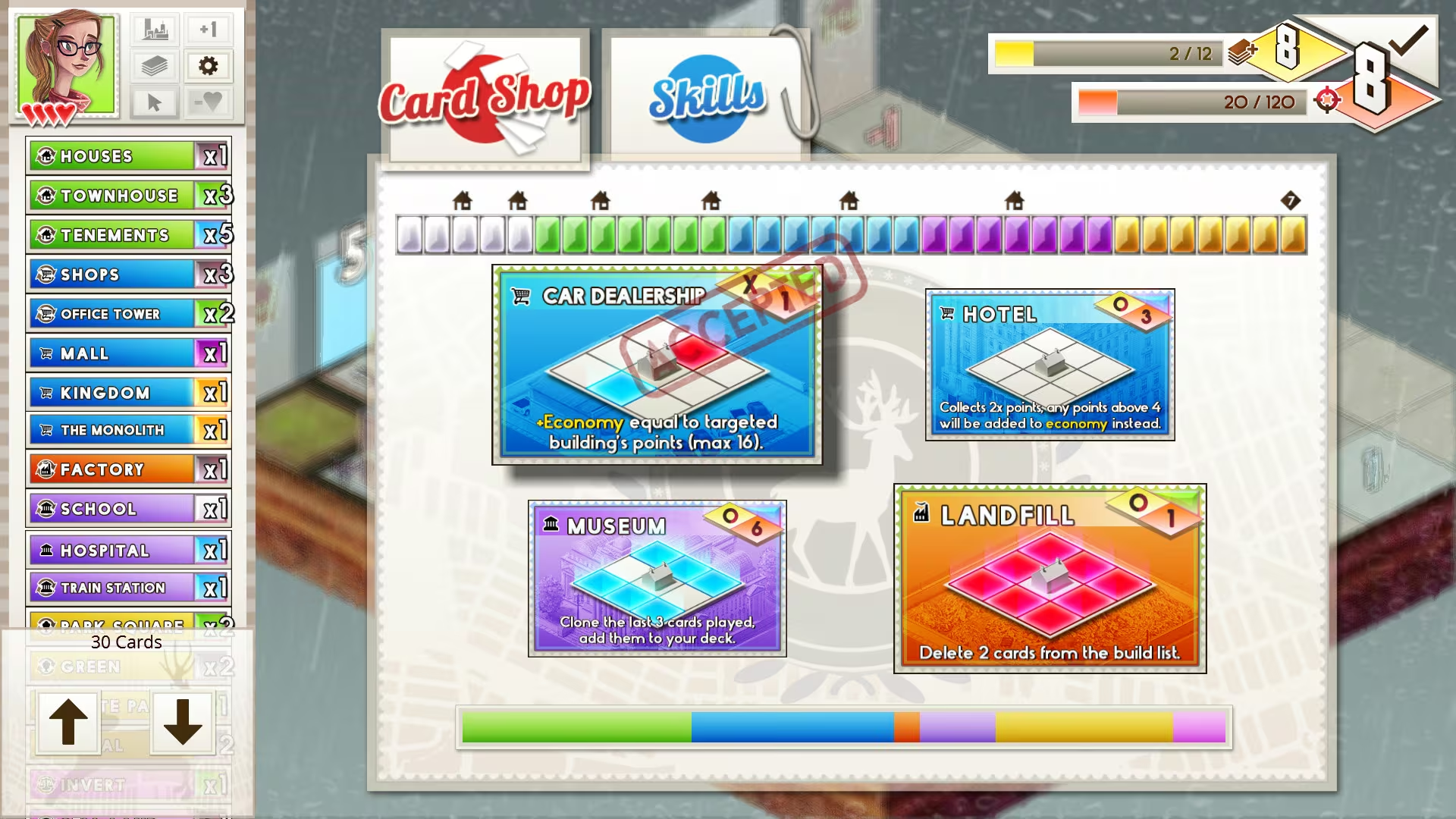
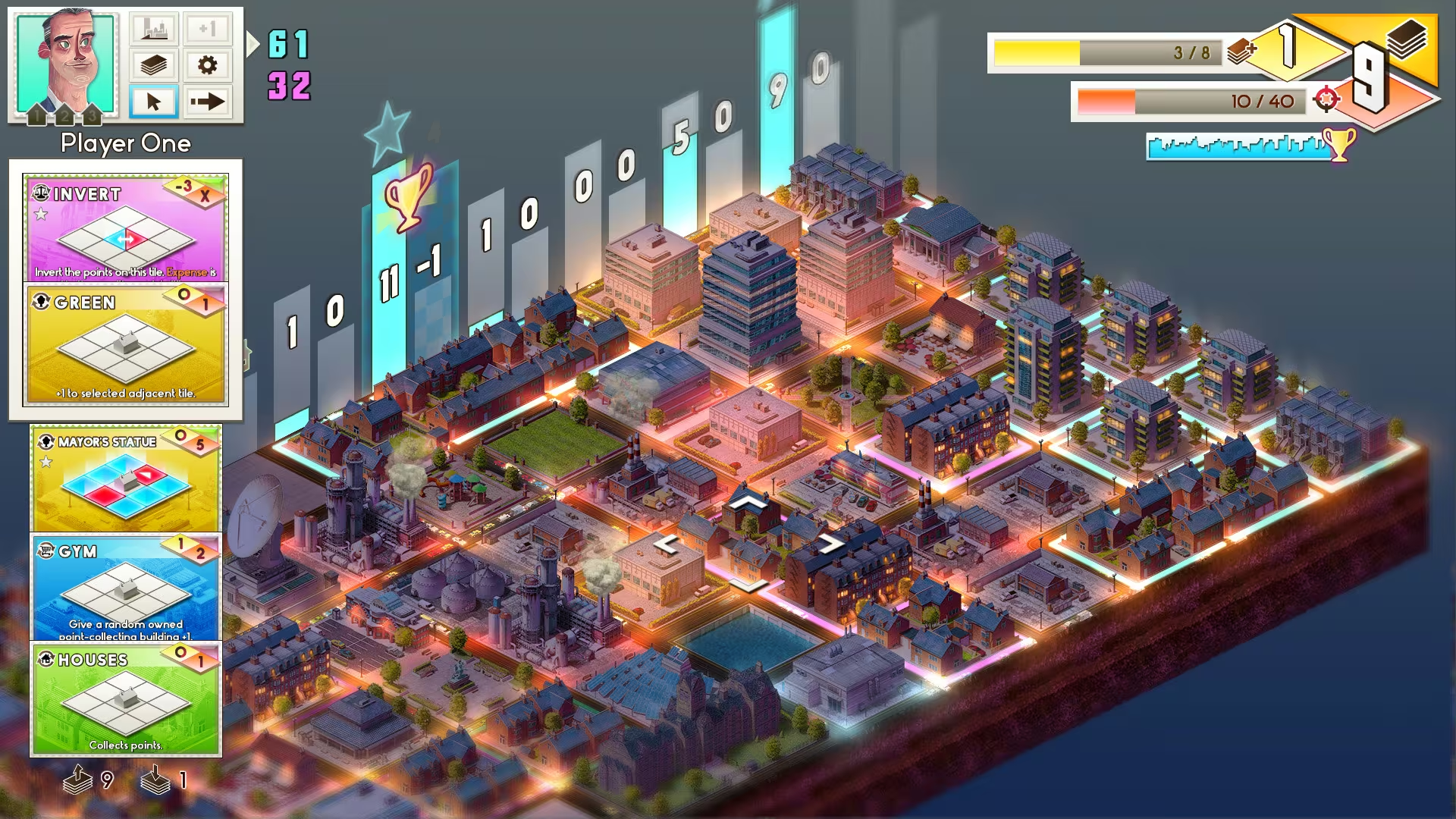
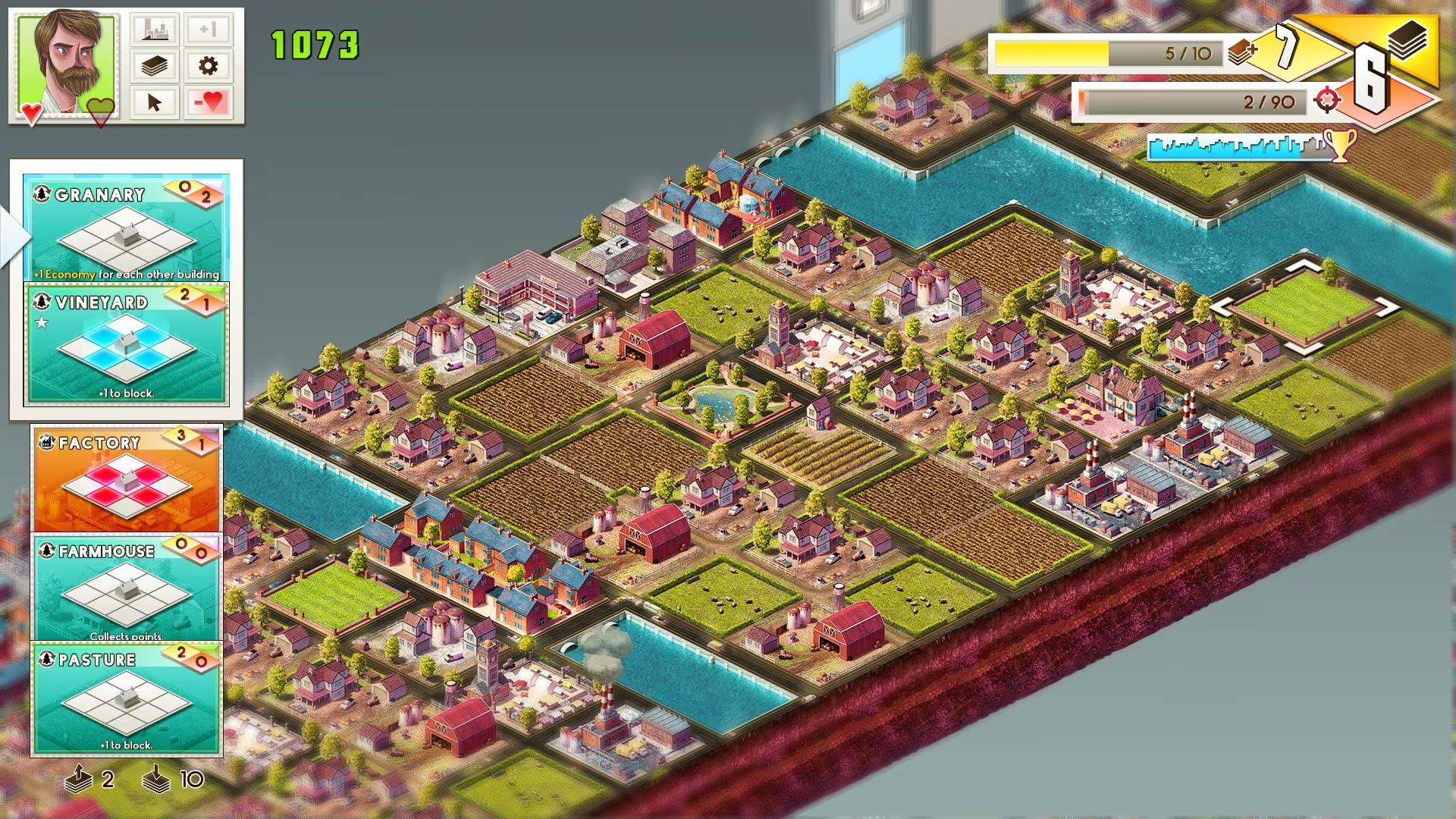
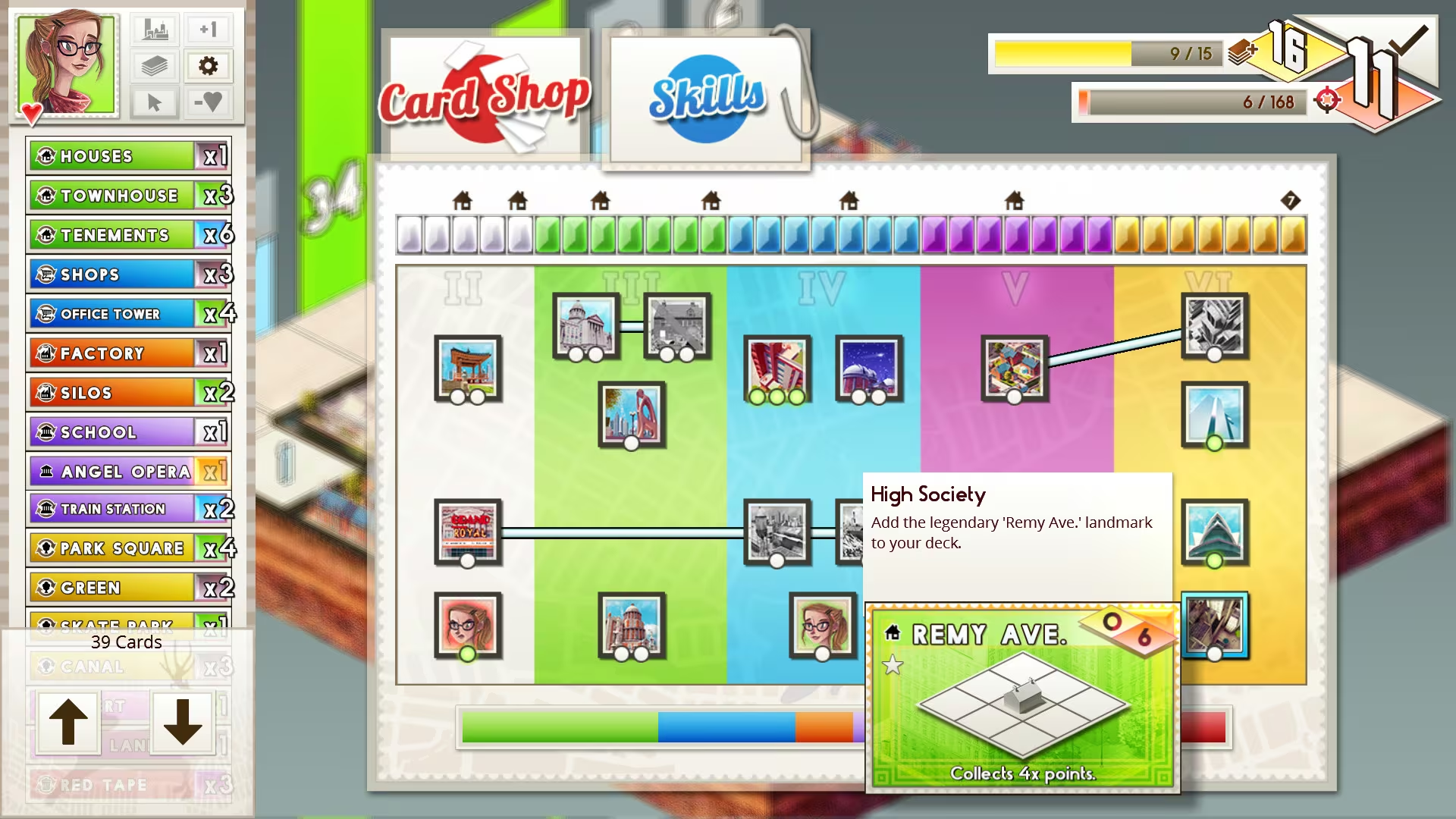
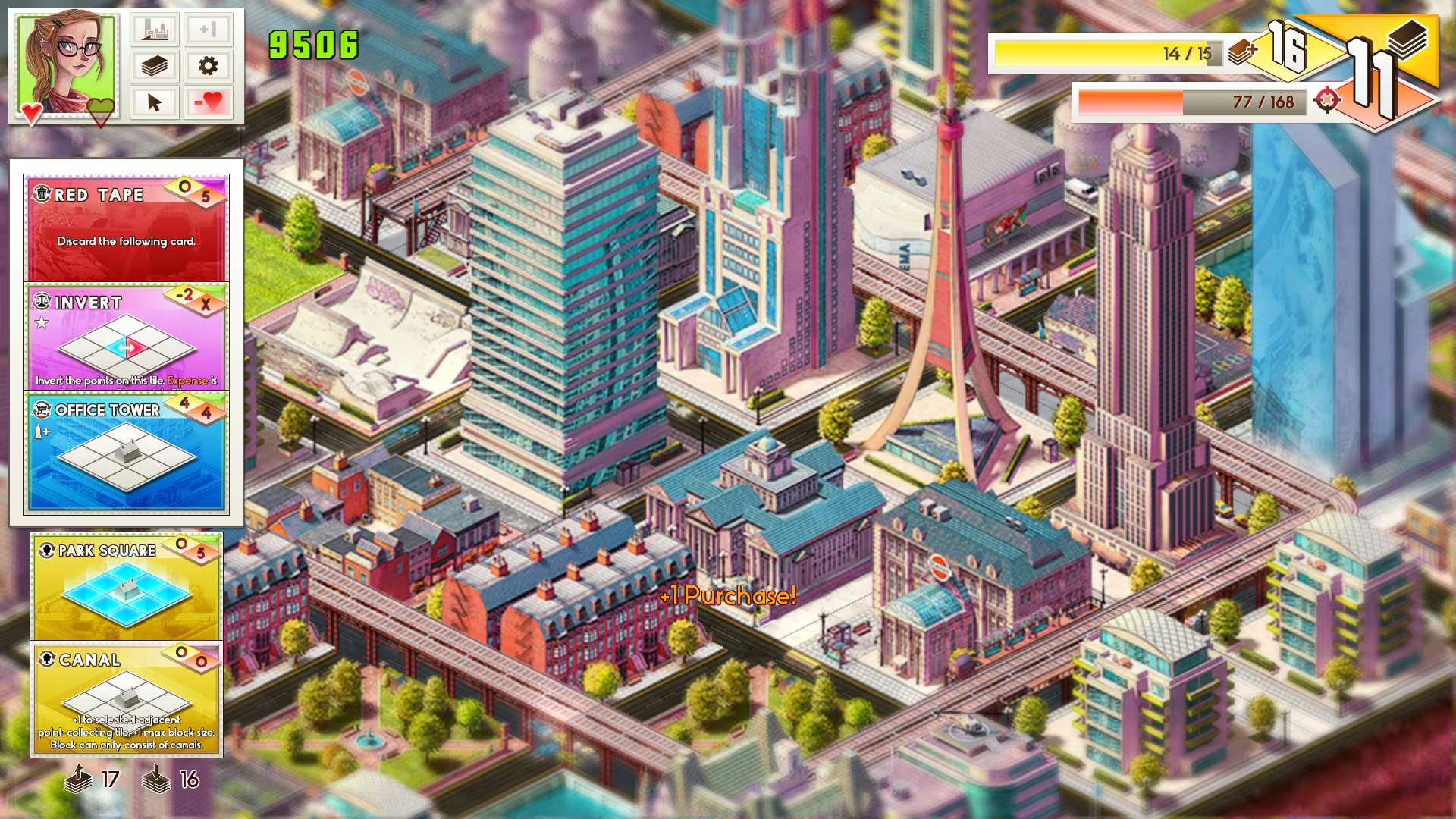
Concrete Jungle is a city planning deck-building game. Place buildings using cards in your deck and earn new ones as you progress! A genre-blending game packed with cool ideas that swaps micro-management for a more puzzle-like approach to city planning.

Global score

87/100

Genres

Indie, Strategy, Turn-based strategy (TBS), Puzzle, Card & Board Game

Similar games

    Pros

    • Innovative blend of deck building and puzzle mechanics
    • Challenging ai and competitive modes
    • Varied characters with unique skill trees
    • Engaging campaign with humor and voice acting
    • Pleasant art style and music

    Cons

    • No online multiplayer, only local co-op
    • Steep learning curve and some randomness
    • Campaign length limited
    • Some ui clarity issues
    • Ai can feel unfair or cheat in versus mode

    Analysis

    Less representative of its motivational profile, with noticeable differences. Motivations that often define this kind of title include Competition, Status, Story, Expression. Here, the score leans higher than usual among comparable games on Domination, Story. It leans lower than usual among comparable games on Fantasy.

    How to use the graph
    Similar games map

    Each dot is a game. They are arranged from the same motivation profile as in the “Motivations” section below. Closer dots usually mean more similar reasons to play (exploration, competition, relaxation, etc.)—not that one game is “better” than another.

    • Larger dot with a light outline: the game you are viewing.
    • Colour: groups of games with comparable motivation patterns (statistical clusters).
    • Hover a dot to see the game name; click to open its page.
    • Scroll or double-click the chart to zoom out and see more games.

    Why don’t the axes read like a score? This view uses t-SNE: it only keeps who is close to whom. The scales are not “good to bad” or hours played—they separate groups on the map. Read distance between dots, not the axis numbers.

    Motivations

    • Autonomy
      4

      "Players build and customize their own decks and choose strategies freely, with multiple characters and skill trees."

    • Competence
      5

      "The game requires skillful planning, strategic deck building, and tactical placement to succeed, with challenging AI opponents."

    • Competition
      4

      "Includes versus modes with AI and local multiplayer, leaderboards, and score chasing, emphasizing player comparison."

    • Continuation
      3

      "Campaign and custom modes encourage long play sessions; some players report high replayability and addiction."

    • Cooperation
      -3

      "Primarily single-player or competitive local multiplayer; no online co-op or teamwork-focused modes."

    • Creativity
      4

      "Players customize decks, choose characters with unique skill trees, and devise varied strategies."

    • Domination
      2

      "Competitive versus mode involves outscoring and disrupting opponents, but interactions remain balanced and respectful."

    • Escapism
      3

      "Players enjoy immersive puzzle and strategy gameplay with charming art and story, providing a relaxing escape."

    • Expectation
      -4

      "Players engage voluntarily for fun and challenge; no indication of obligation or pressure to play."

    • Experimenting
      4

      "Varied cards, characters, and skill trees encourage trying new strategies and deck combinations."

    • Exploration
      -2

      "Gameplay focuses on known grids and card mechanics rather than discovering new areas or secrets."

    • Expression
      3

      "Players express style through deck building and character choice, though visual customization is limited."

    • Fantasy
      -3

      "Theme is realistic city planning, with no fantasy or mythical elements."

    • Fellowship
      -2

      "Limited social interaction mainly through local multiplayer; no online community features."

    • Growth
      4

      "Players learn complex mechanics, improve strategies, and unlock new cards and characters."

    • Health
      -4

      "Sedentary gameplay with no physical activity elements."

    • Idle
      -3

      "Requires focused attention and planning; not suitable for casual or background play."

    • Intimacy
      -4

      "Social interactions are limited and surface-level, mostly competitive rather than close relationships."

    • Leadership
      -2

      "Players manage their own decks and strategies but do not lead or manage groups."

    • Progression
      5

      "Strong progression through unlocking cards, skills, and characters; deck building evolves over play."

    • Relaxation
      3

      "Challenging yet rewarding gameplay with relaxing music and art style provides flow and tension release."

    • Sensation
      2

      "Pleasant visuals and audio enhance experience, though sensory stimulation is moderate and not intense."

    • Status
      3

      "Leaderboards and competitive modes offer recognition and social status among players."

    • Story
      2

      "Campaign includes humorous narrative and voice acting, adding light story immersion."

    • Strategy
      5

      "Deep strategic planning, deck building, and tactical placement are core to gameplay."

    • Thrill
      3

      "Competitive matches and challenging puzzles create suspense and excitement."

    • Value
      4

      "Players report high value for money due to depth, replayability, and content."

    • Violence
      -4

      "Gameplay focuses on constructive city building and puzzle solving, no combat or destruction."

    • Survival
      3

      "Players must avoid failure by managing resources and clearing rows to continue play."

    Last update: 29/04/2026