One Night Stand Thumbnail

One Night Stand similar games & best alternatives
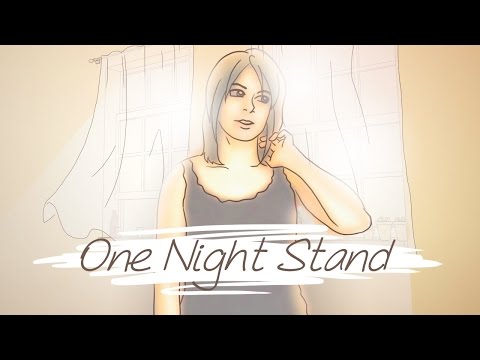
One Night Stand

PC (Microsoft Windows), Mac, PlayStation 4, Xbox One, Nintendo Switch, PlayStation 5, Linux • 2016

Related articles

Quick resume

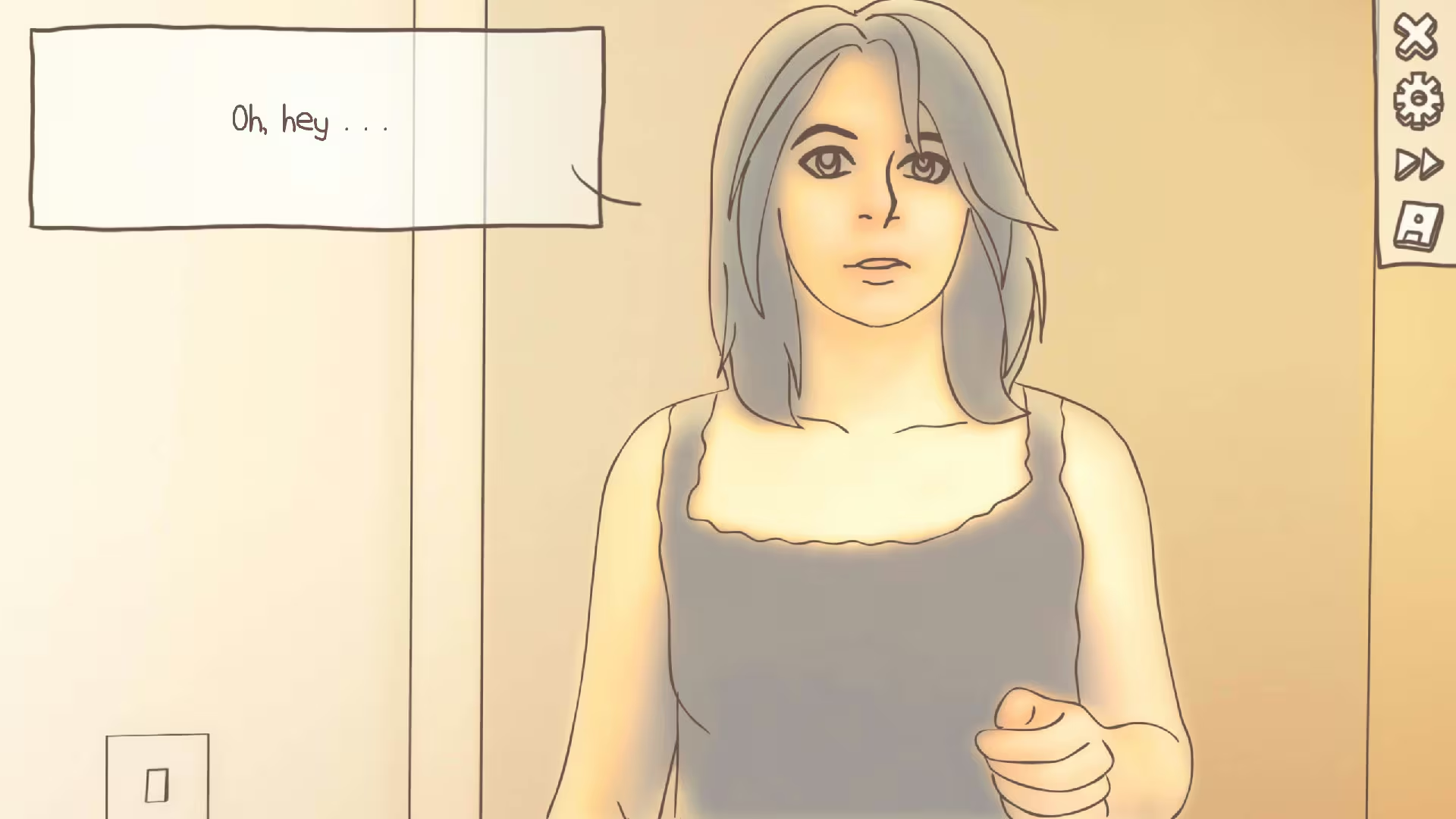
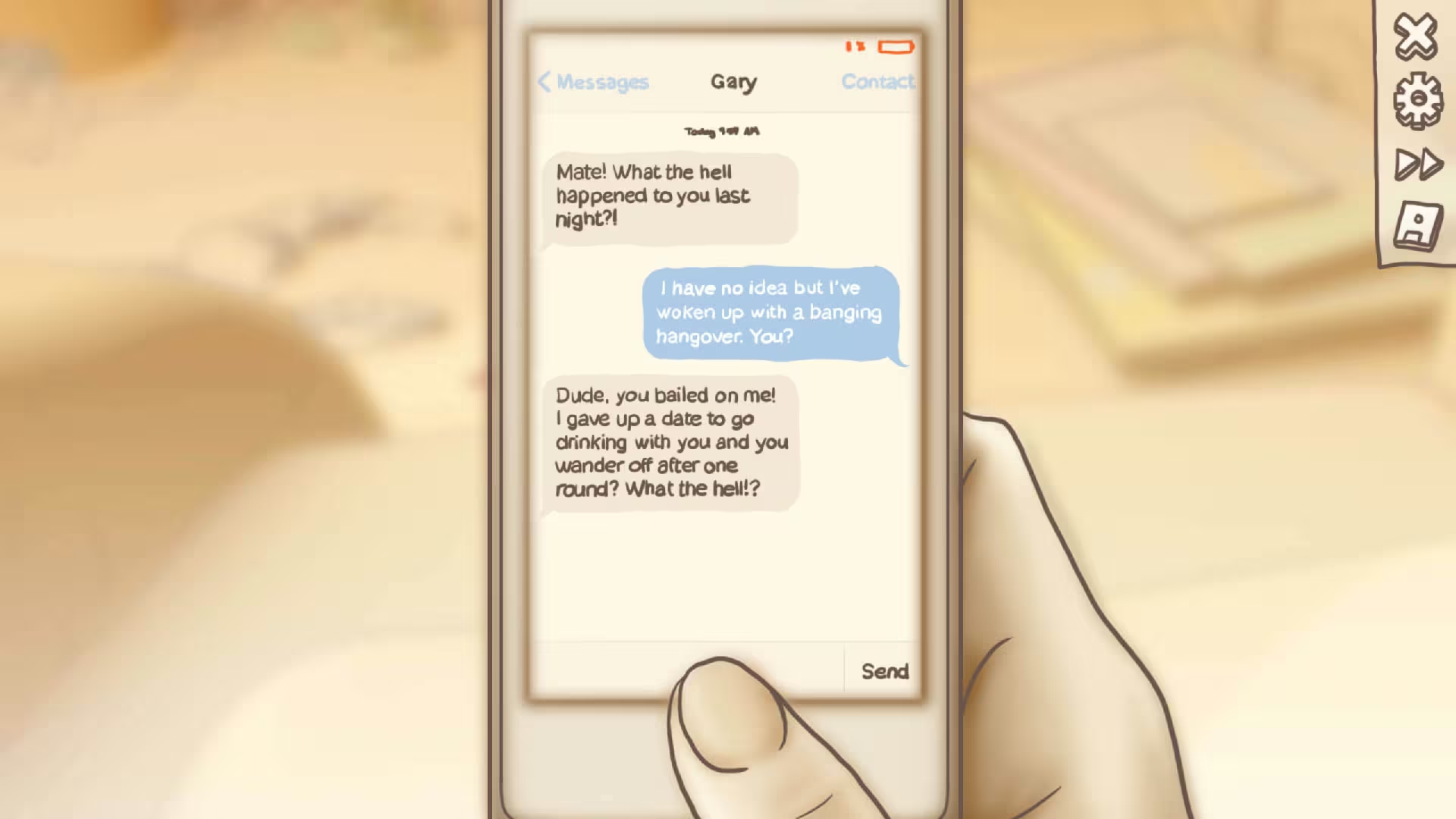
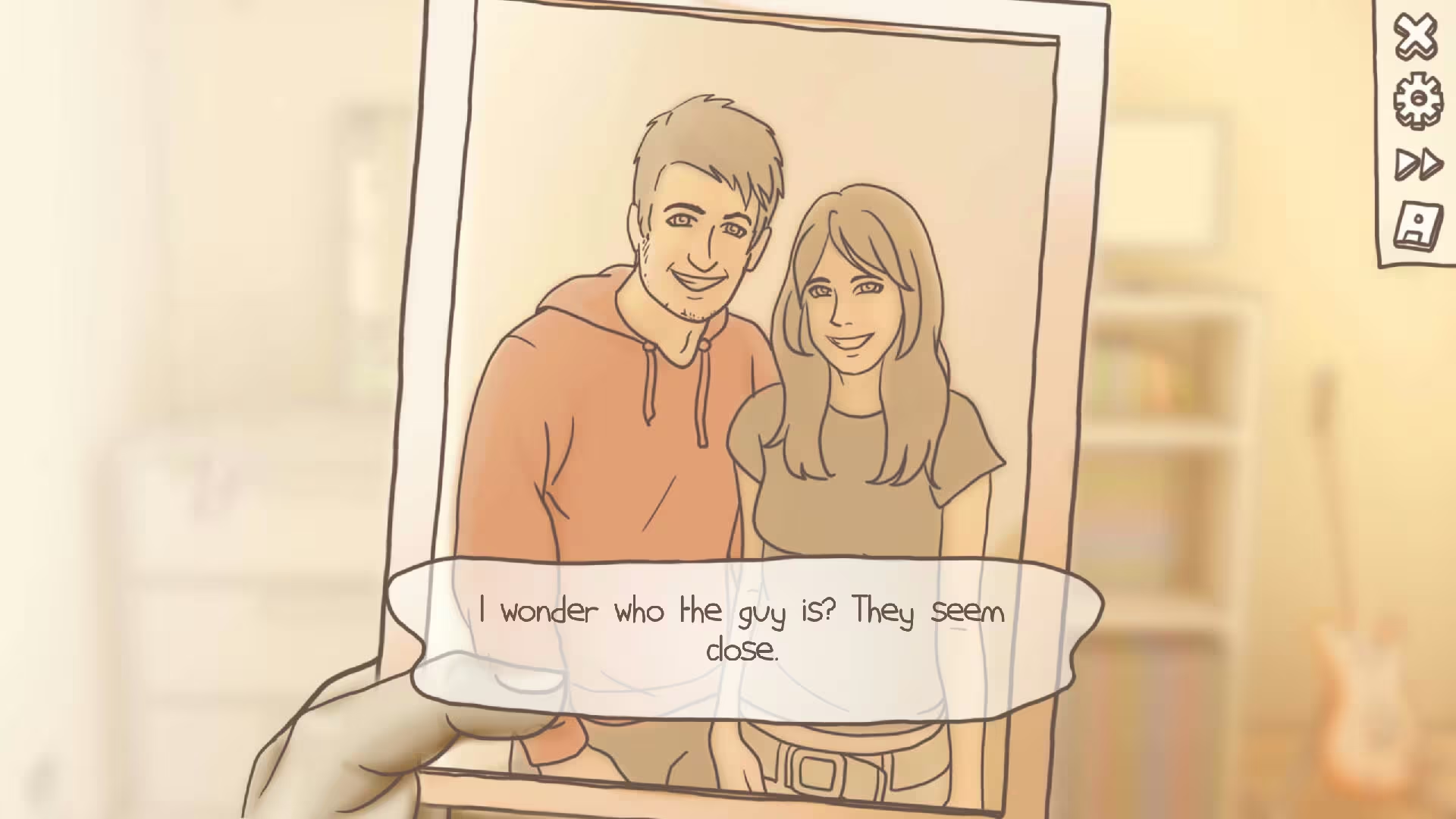
After a night of fun, passion, and one too many drinks, you wake up the next morning to find a complete stranger lying naked beside you in bed. What do you do?

Global score

89/100

Genres

Adventure, Casual, Indie, Simulator, Point-and-click, Visual Novel

Similar games

    Pros

    • Unique and realistic narrative
    • Multiple endings and replayability
    • Engaging and believable characters
    • Beautiful rotoscoped art style
    • Calming soundtrack and atmosphere

    Cons

    • Short individual playthroughs
    • Repetitive dialogue on multiple playthroughs
    • Limited gameplay mechanics
    • Lack of deeper story resolution
    • No character customization

    Analysis

    Broadly representative of its motivational profile, with a few distinct shifts. Motivations that often define this kind of title include Intimacy, Survival, Violence, Competition. It leans lower than usual among comparable games on Fantasy, Expression, Fellowship.

    How to use the graph
    Similar games map

    Each dot is a game. They are arranged from the same motivation profile as in the “Motivations” section below. Closer dots usually mean more similar reasons to play (exploration, competition, relaxation, etc.)—not that one game is “better” than another.

    • Larger dot with a light outline: the game you are viewing.
    • Colour: groups of games with comparable motivation patterns (statistical clusters).
    • Hover a dot to see the game name; click to open its page.
    • Scroll or double-click the chart to zoom out and see more games.

    Why don’t the axes read like a score? This view uses t-SNE: it only keeps who is close to whom. The scales are not “good to bad” or hours played—they separate groups on the map. Read distance between dots, not the axis numbers.

    Motivations

    • Autonomy
      4

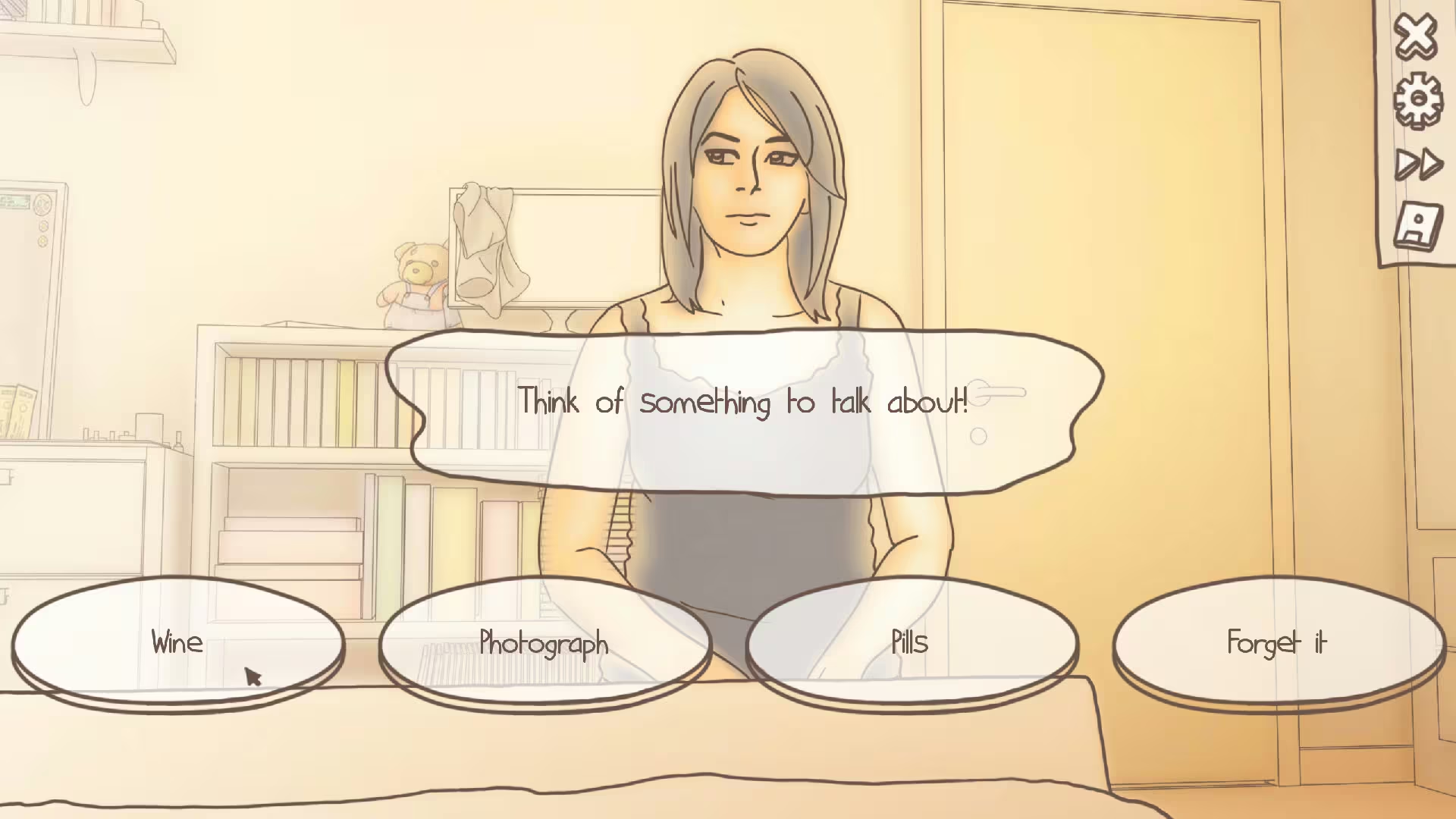
      "Players make meaningful choices that influence dialogue and endings, directing their own actions and decisions."

    • Competence
      2

      "Players engage in exploration and decision-making with some challenge in uncovering different endings and achievements."

    • Competition
      -4

      "Focus is on personal experience and narrative exploration without comparison or competitive elements."

    • Continuation
      3

      "High replay value with multiple endings encourages repeated playthroughs despite short individual sessions."

    • Cooperation
      -5

      "Single-player experience focused on individual choices and personal narrative without multiplayer or teamwork."

    • Creativity
      3

      "Players experiment with different dialogue choices and exploration sequences to discover new story outcomes."

    • Domination
      -5

      "Interactions emphasize mutual respect and realistic social dynamics rather than control or superiority."

    • Escapism
      4

      "Players use the game as an emotional and immersive escape into a relatable, awkward social scenario."

    • Expectation
      -4

      "Players engage voluntarily out of personal interest and curiosity rather than obligation or external pressure."

    • Experimenting
      4

      "The game encourages trying different dialogue options and exploration to unlock all endings and achievements."

    • Exploration
      3

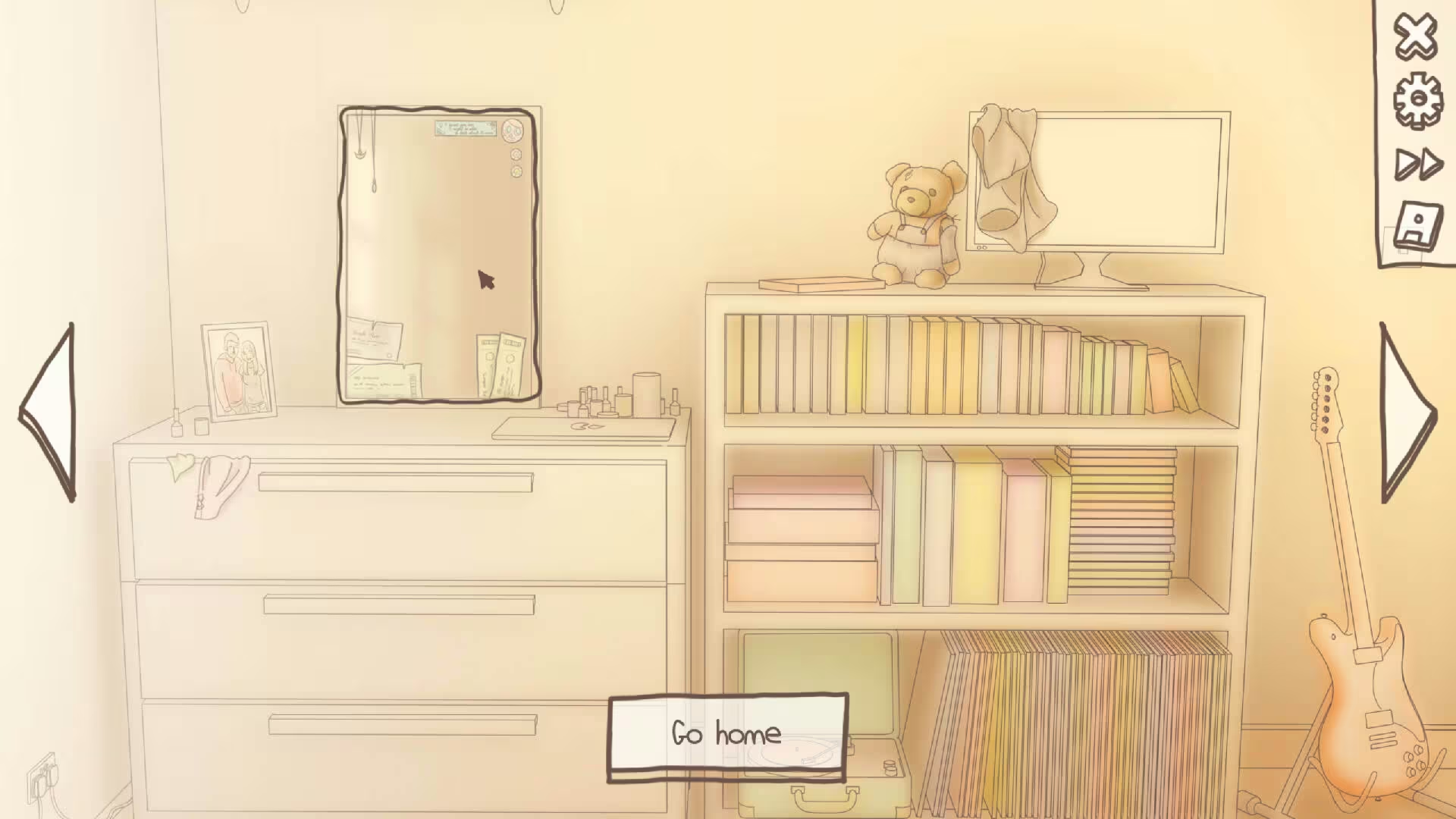
      "Players investigate objects in the environment to uncover clues and influence story progression."

    • Expression
      -3

      "Limited customization; players express themselves through choices but not through avatar or environment modification."

    • Fantasy
      -4

      "The game portrays a realistic, relatable social situation without fantasy or improbable elements."

    • Fellowship
      -5

      "Experience is solitary with minimal social connection beyond the in-game interaction with one character."

    • Growth
      3

      "Players learn through repeated playthroughs about story nuances and character details, fostering understanding."

    • Health
      -5

      "Sedentary gameplay with no physical activity or health-related mechanics."

    • Idle
      -3

      "Requires focused reading and decision-making; not designed for passive or background play."

    • Intimacy
      4

      "Focus on forming a close, emotionally nuanced connection with the in-game character through dialogue."

    • Leadership
      -5

      "No leadership or group management elements; player acts individually."

    • Progression
      2

      "Progression through unlocking multiple endings and achievements, though no item or power accumulation."

    • Relaxation
      4

      "Calm, soothing atmosphere with mellow music and gentle pacing promotes relaxation and flow."

    • Sensation
      2

      "Visual and auditory style is pleasant and unique but not highly stimulating or intense."

    • Status
      -5

      "No social recognition or status systems; gameplay is private and personal."

    • Story
      5

      "Strong narrative focus with multiple endings and emotional engagement central to the experience."

    • Strategy
      1

      "Some planning and decision-making required to unlock different endings, but overall straightforward."

    • Thrill
      1

      "Mild tension from social awkwardness and uncertainty, but no high-risk or suspenseful gameplay."

    • Value
      4

      "Players report good value for money given the quality, replayability, and emotional impact."

    • Violence
      -5

      "No violence or destructive elements; focus is on social interaction and narrative."

    • Survival
      -4

      "No survival or threat mechanics; stable, low-risk environment."

    Last update: 29/04/2026