The Average Everyday Adventures of Samantha Browne Thumbnail

The Average Everyday Adventures of Samantha Browne similar games & best alternatives

The Average Everyday Adventures of Samantha Browne

PC (Microsoft Windows), Mac, Linux • 2016

Related articles

Quick resume

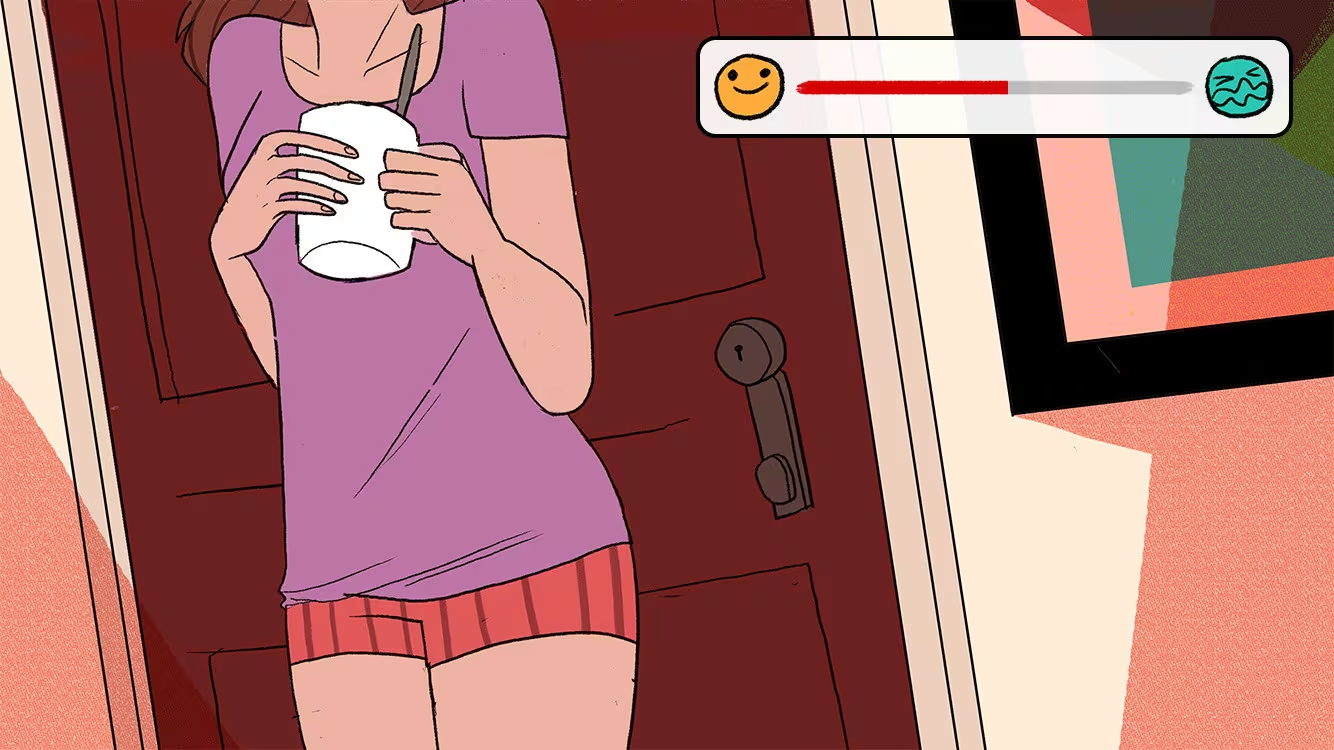
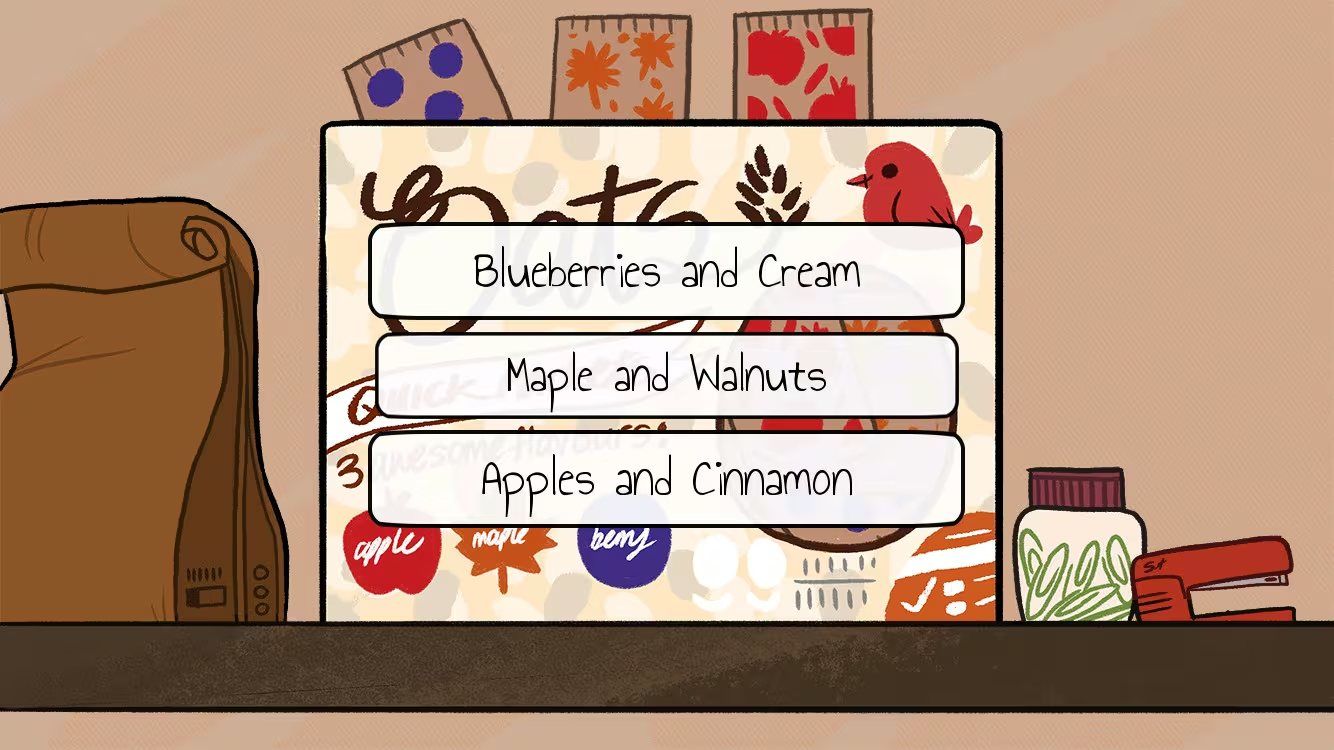
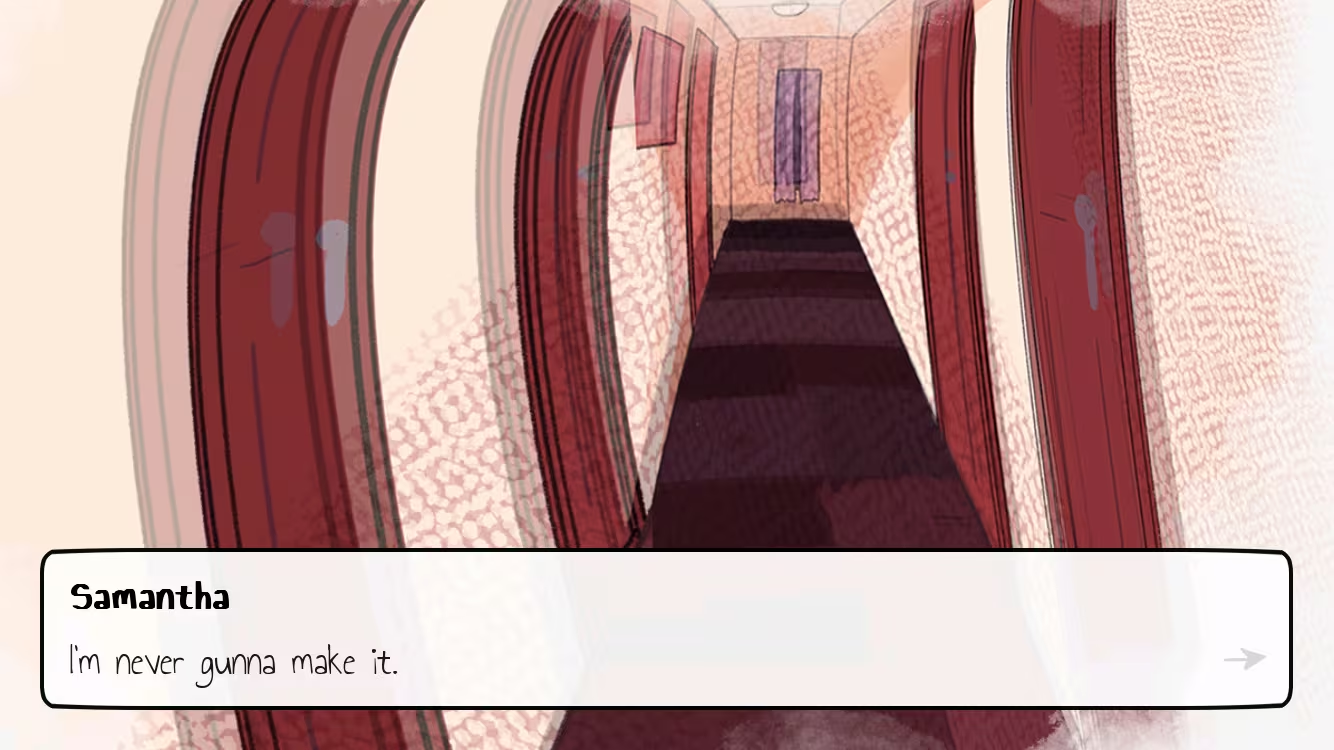
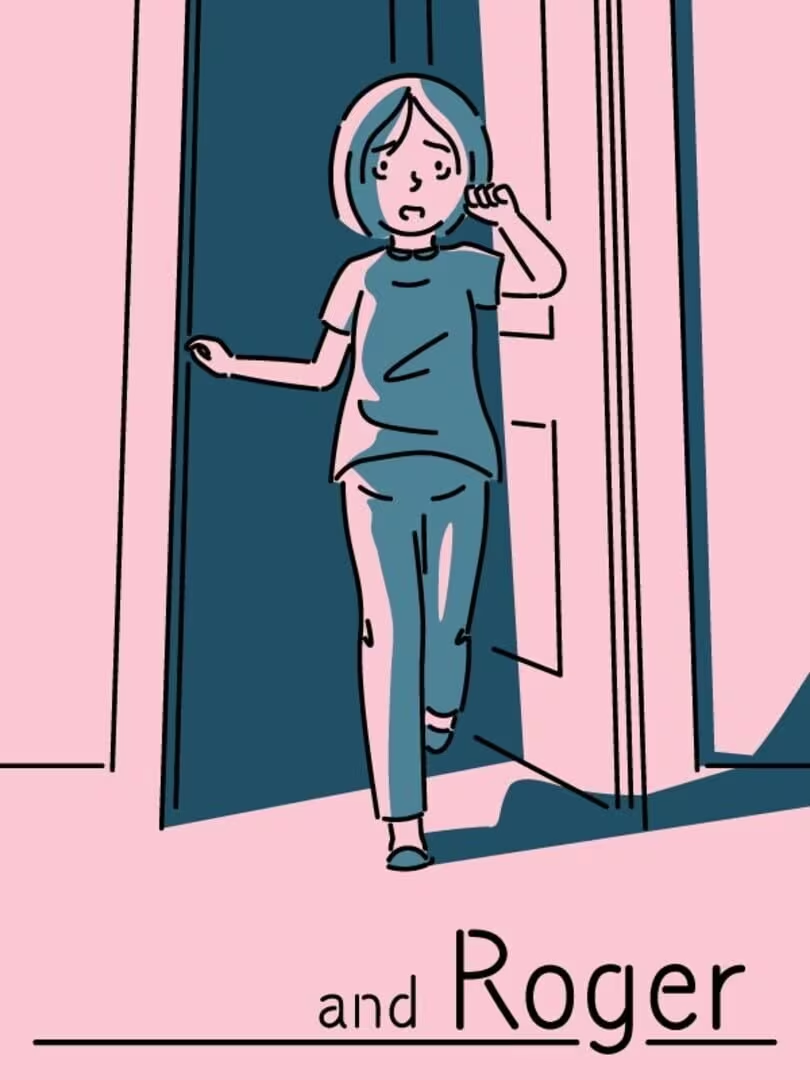
An interactive story about a painfully introverted college student who must find a way to make some oatmeal in the communal kitchen of her dorm. One simple task, can you help her complete it?

Global score

82/100

Genres

Casual, Free To Play, Indie, Adventure, Visual Novel, Role-playing (RPG)

Similar games

    Pros

    • Free to play
    • Relatable portrayal of social anxiety
    • Multiple endings and achievements
    • Cute art style
    • Short and accessible

    Cons

    • Very short gameplay
    • Repetitive decision paths
    • Lack of deep gameplay mechanics
    • Some choices feel luck-based
    • No character customization

    Analysis

    Less representative of its motivational profile, with noticeable differences. Motivations that often define this kind of title include Fantasy, Violence, Story, Thrill. Here, the score leans higher than usual among comparable games on Story, Intimacy. It leans lower than usual among comparable games on Expression.

    How to use the graph
    Similar games map

    Each dot is a game. They are arranged from the same motivation profile as in the “Motivations” section below. Closer dots usually mean more similar reasons to play (exploration, competition, relaxation, etc.)—not that one game is “better” than another.

    • Larger dot with a light outline: the game you are viewing.
    • Colour: groups of games with comparable motivation patterns (statistical clusters).
    • Hover a dot to see the game name; click to open its page.
    • Scroll or double-click the chart to zoom out and see more games.

    Why don’t the axes read like a score? This view uses t-SNE: it only keeps who is close to whom. The scales are not “good to bad” or hours played—they separate groups on the map. Read distance between dots, not the axis numbers.

    Motivations

    • Autonomy
      3

      "Players make choices that influence the story and endings, reflecting some control over Samantha's actions."

    • Competence
      2

      "The game involves decision making and managing anxiety levels, but gameplay is simple and repetitive."

    • Competition
      -4

      "Focus is on personal experience and internal struggle, no competitive elements or comparison to others."

    • Continuation
      1

      "Short game with multiple endings encourages replay to explore all outcomes, but limited long-term engagement."

    • Cooperation
      -5

      "Single-player experience focused on individual narrative, no cooperative gameplay."

    • Creativity
      2

      "Players explore different narrative paths and endings, but within a fixed visual novel structure."

    • Domination
      -5

      "No elements of exerting control or superiority over others; interactions are internal or with NPCs."

    • Escapism
      3

      "Players immerse in a fictional experience of social anxiety, providing distraction and emotional engagement."

    • Expectation
      -4

      "Engagement is voluntary and driven by personal interest or empathy, not obligation."

    • Experimenting
      2

      "Multiple choices and endings encourage trying different approaches to progress."

    • Exploration
      -3

      "Limited environment and narrative scope; exploration is mostly of internal states and decision outcomes."

    • Expression
      -4

      "No character customization or personalization; presentation is standardized."

    • Fantasy
      -4

      "Realistic depiction of social anxiety and everyday life, no fantasy or improbable events."

    • Fellowship
      -4

      "Solo play with minimal social interaction; focus on individual experience."

    • Growth
      3

      "Players learn about social anxiety and empathy; narrative encourages understanding and personal reflection."

    • Health
      -5

      "No physical activity or health-related gameplay elements."

    • Idle
      -3

      "Requires player attention to make choices; no background or idle gameplay."

    • Intimacy
      2

      "Emotional connection with protagonist's inner thoughts and struggles; limited social intimacy."

    • Leadership
      -5

      "No leadership or group management elements; player supports protagonist individually."

    • Progression
      1

      "Progression through narrative and unlocking multiple endings; no item or upgrade accumulation."

    • Relaxation
      3

      "Game is described as relaxing and calming by players despite anxiety theme."

    • Sensation
      2

      "Pleasant art style and sound design provide sensory enjoyment, though not intense stimulation."

    • Status
      -5

      "No social status or recognition mechanics; focus is on personal experience."

    • Story
      5

      "Strong narrative focus on social anxiety and personal struggle with multiple endings."

    • Strategy
      1

      "Some decision making and managing anxiety meter, but overall simple and straightforward gameplay."

    • Thrill
      -3

      "Low risk and suspense; tension arises from anxiety theme but gameplay is calm and predictable."

    • Value
      5

      "Free to play with multiple endings and achievements; good value for short playtime."

    • Violence
      -5

      "No violence or destructive gameplay; focus on narrative and emotional experience."

    • Survival
      2

      "Managing anxiety meter and avoiding failure states simulates survival of emotional stability."

    Last update: 29/04/2026