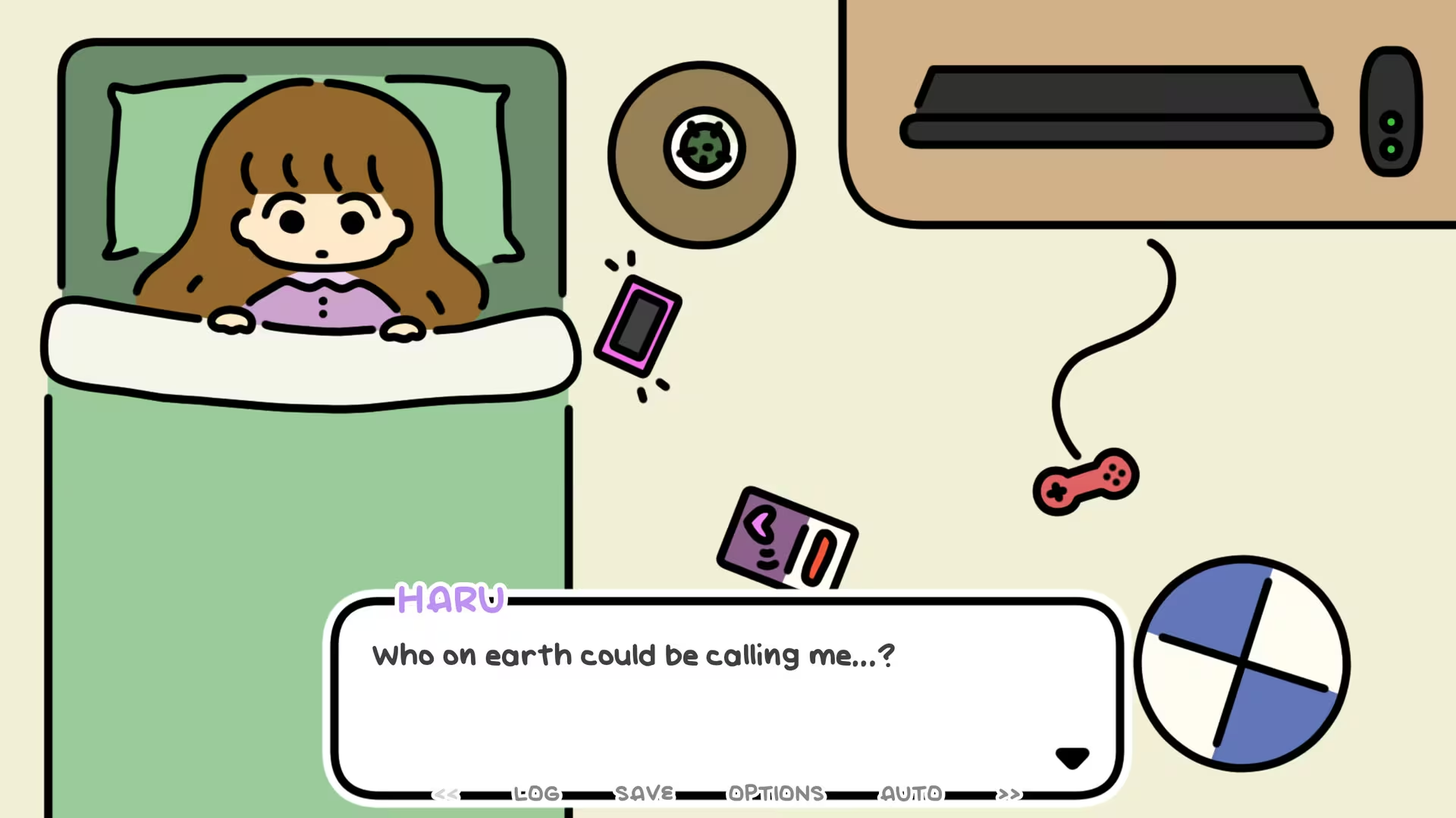
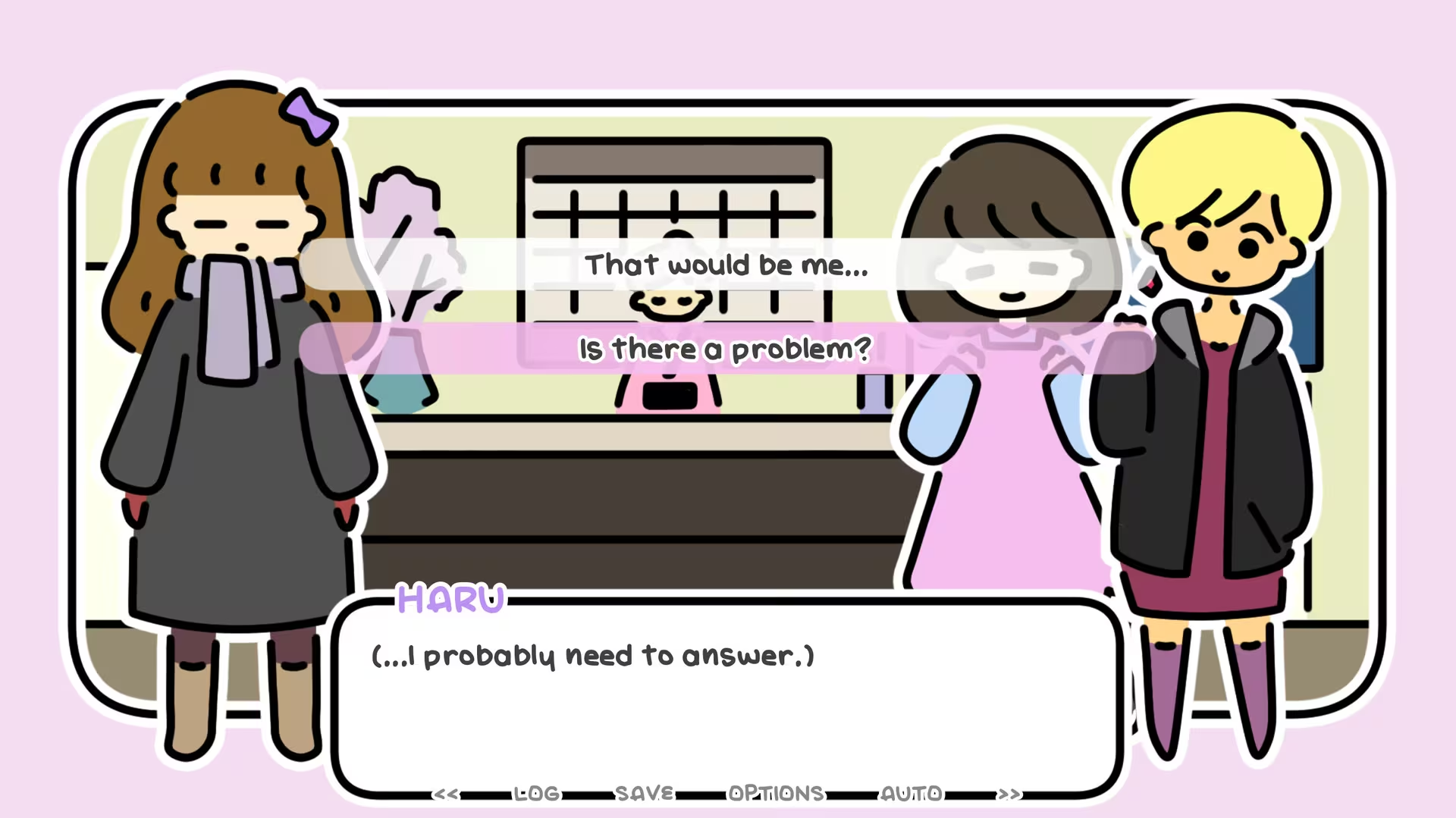
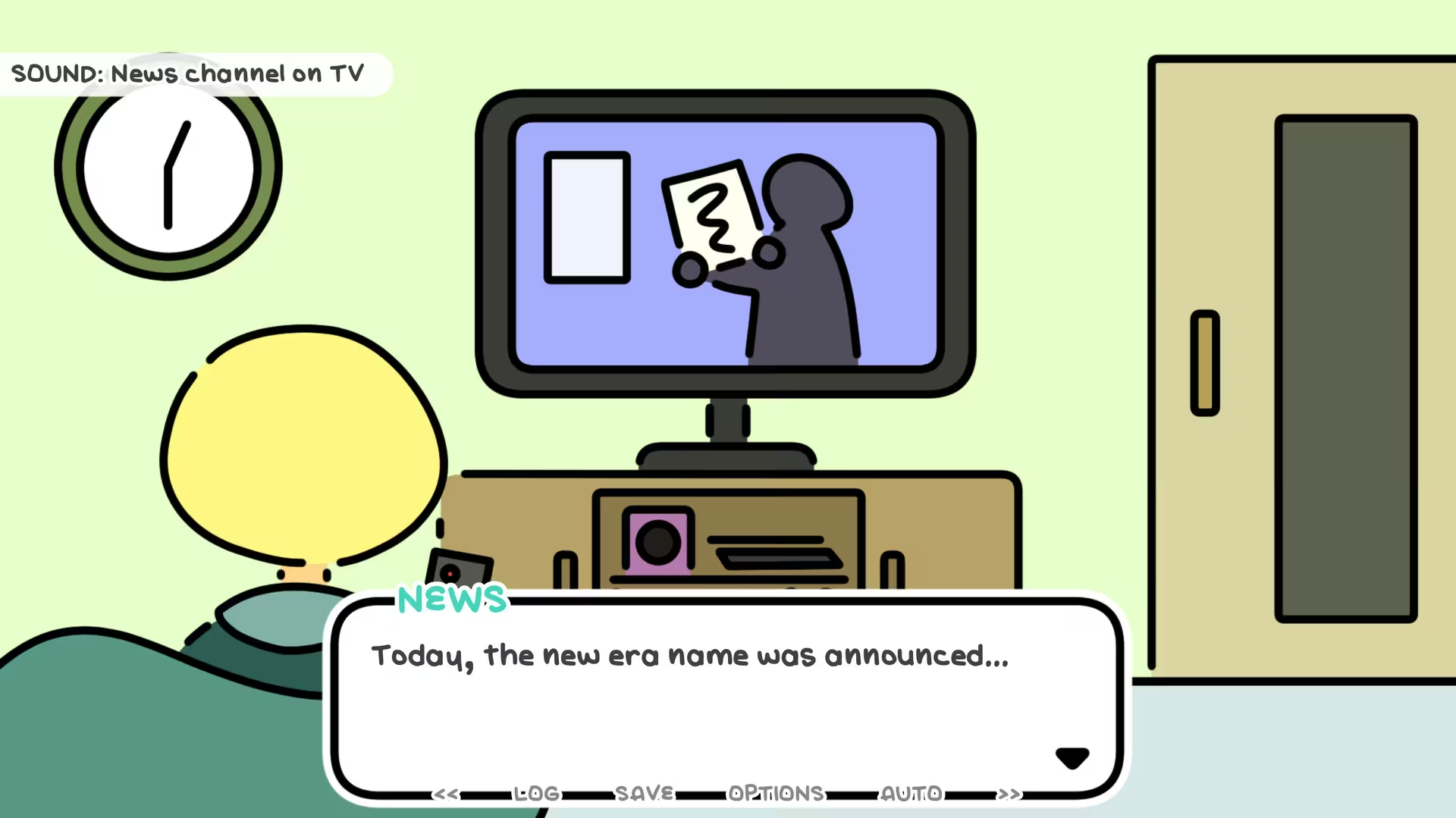
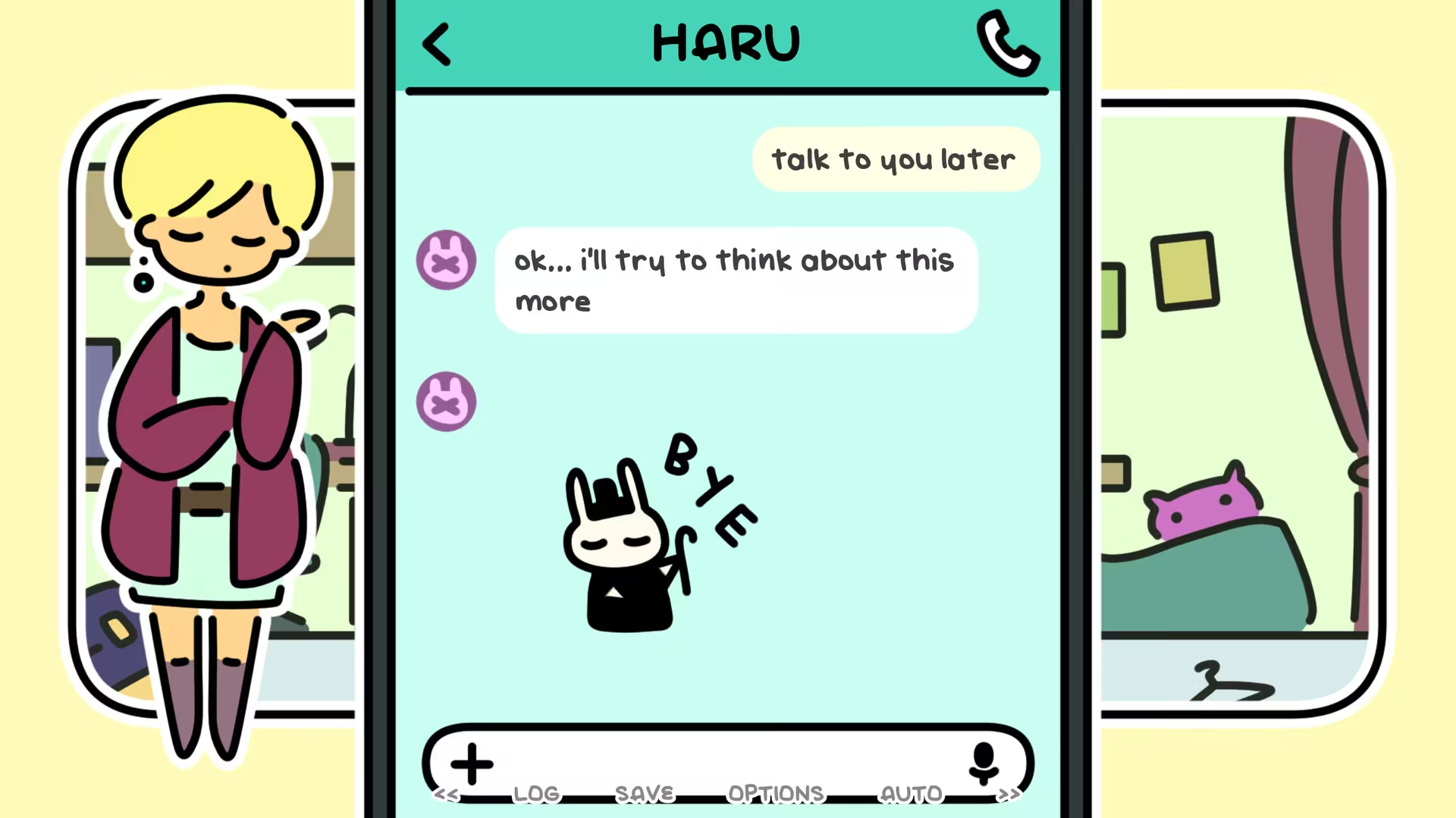
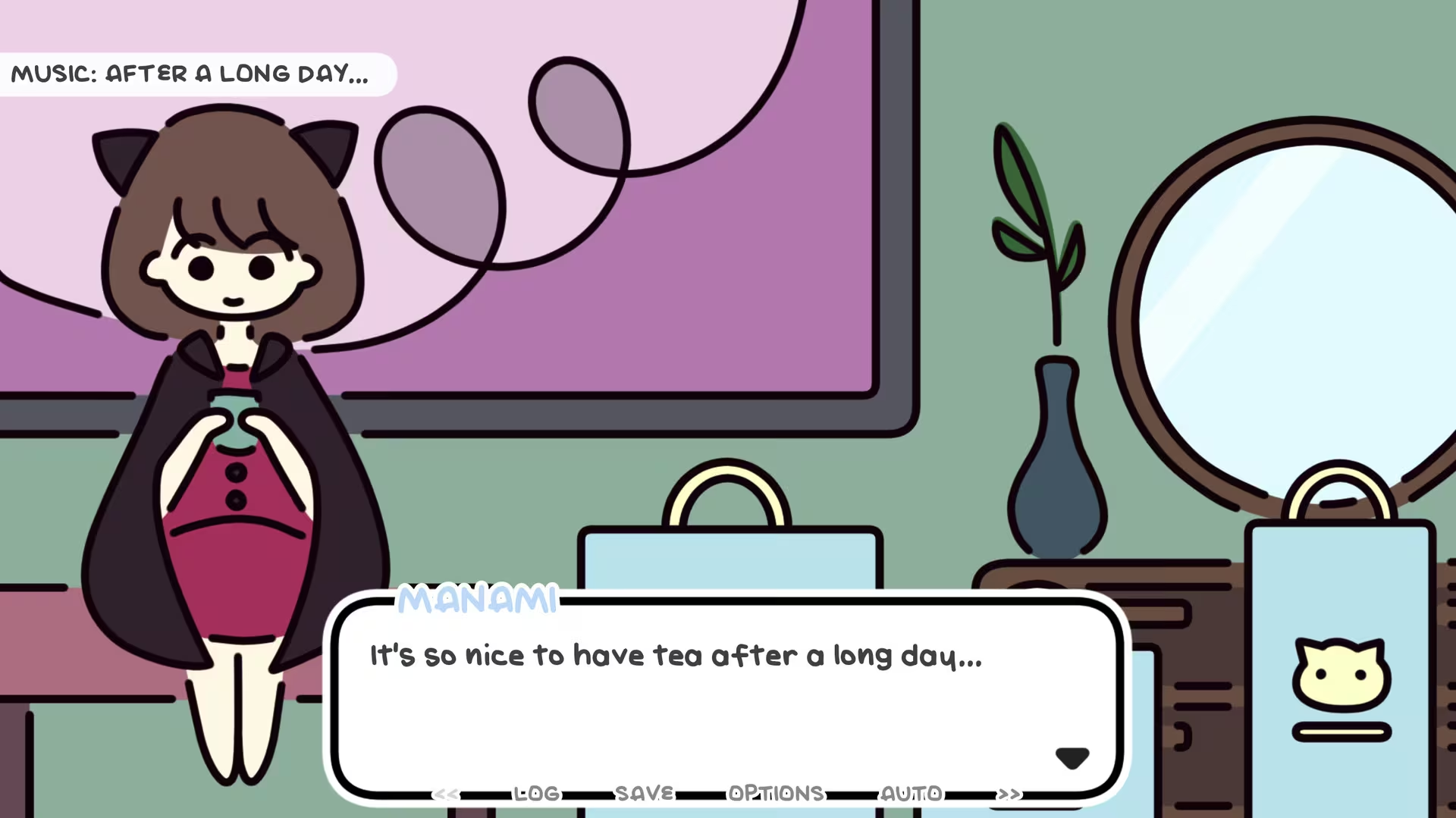
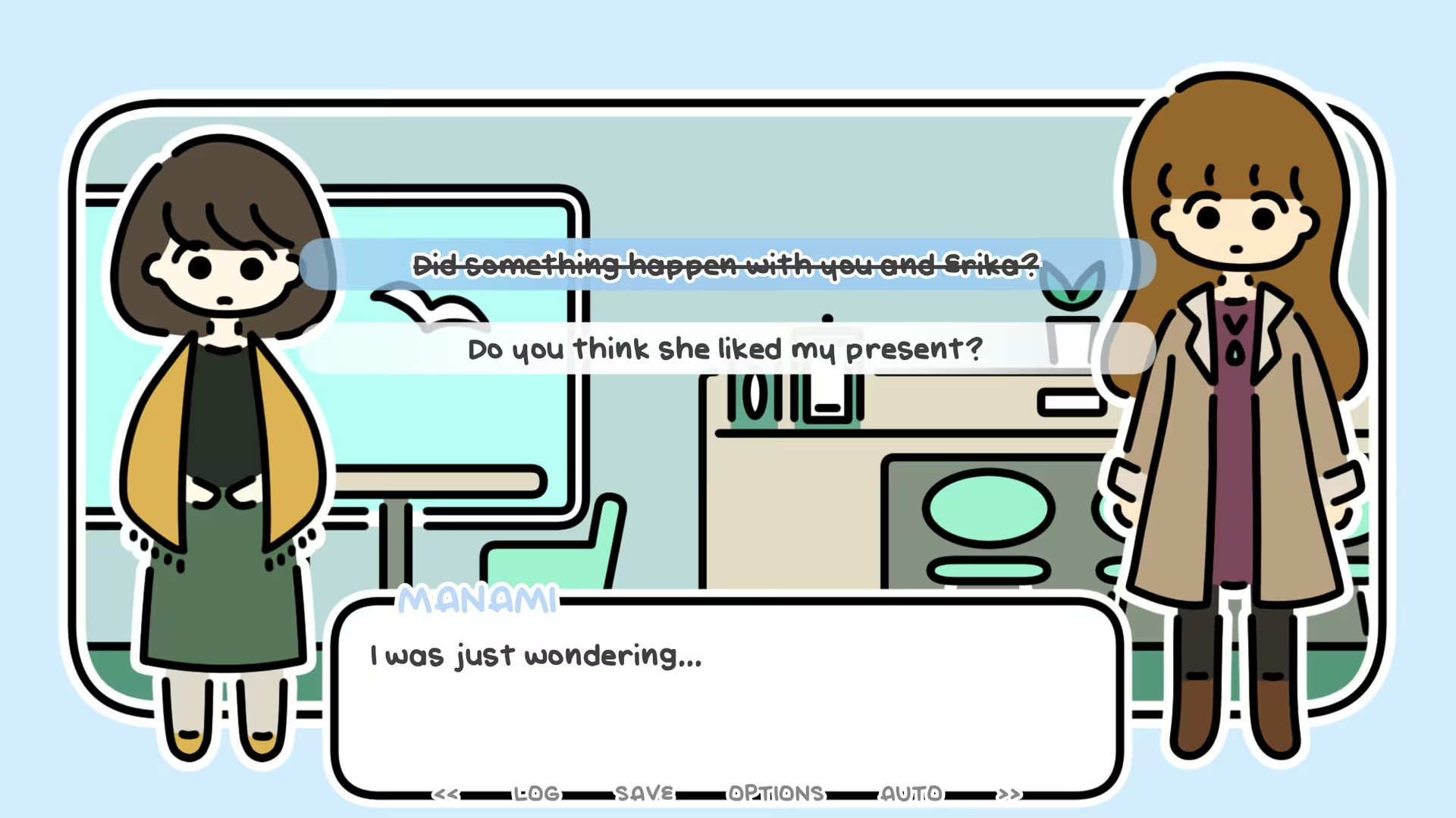
A YEAR OF SPRINGS Thumbnail

A YEAR OF SPRINGS similar games & best alternatives
A YEAR OF SPRINGS

PC (Microsoft Windows), Mac, PlayStation 4, Xbox One, Android, Xbox Series X|S, Nintendo Switch, PlayStation 5, Linux • 2021

Related articles

Quick resume

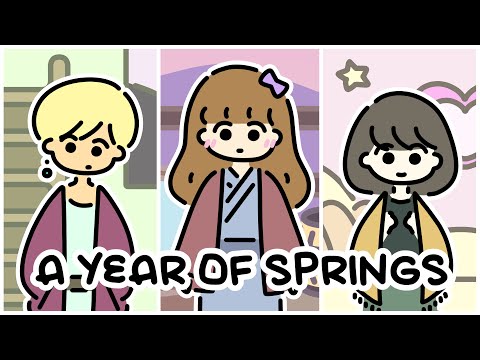
Experience the stories of Haru, Erika, and Manami, a trio of friends navigating their feelings of love, connection, and just wanting to belong.

Global score

99/100

Genres

Casual, Indie, Simulator, Adventure, Visual Novel

Similar games

    Pros

    • Authentic and sensitive lgbtq+ representation
    • Heartwarming and relatable characters
    • Multiple endings encouraging replay
    • Calming art style and soundtrack
    • Short and accessible narrative experience

    Cons

    • Short overall playtime
    • Minimal gameplay challenge
    • Some endings feel abrupt or less developed
    • Limited interactivity beyond choices
    • Linear narrative structure in parts

    Analysis

    Less representative of its motivational profile, with noticeable differences. Motivations that often define this kind of title include Intimacy, Survival, Violence, Competition. It leans lower than usual among comparable games on Fantasy, Strategy, Competence.

    How to use the graph
    Similar games map

    Each dot is a game. They are arranged from the same motivation profile as in the “Motivations” section below. Closer dots usually mean more similar reasons to play (exploration, competition, relaxation, etc.)—not that one game is “better” than another.

    • Larger dot with a light outline: the game you are viewing.
    • Colour: groups of games with comparable motivation patterns (statistical clusters).
    • Hover a dot to see the game name; click to open its page.
    • Scroll or double-click the chart to zoom out and see more games.

    Why don’t the axes read like a score? This view uses t-SNE: it only keeps who is close to whom. The scales are not “good to bad” or hours played—they separate groups on the map. Read distance between dots, not the axis numbers.

    Motivations

    • Autonomy
      3

      "Players make choices that influence character interactions and multiple endings, showing player agency within a narrative framework."

    • Competence
      -3

      "Gameplay consists mainly of reading and making narrative choices with minimal skill challenge or technical difficulty."

    • Competition
      -5

      "No competitive elements; focus is on personal story experience without comparison to others."

    • Continuation
      2

      "Players engage with multiple endings and replay to explore different story paths, indicating some habitual engagement."

    • Cooperation
      -5

      "Single-player visual novel focused on individual narrative experience without multiplayer or teamwork."

    • Creativity
      1

      "Players create narrative outcomes through choices, but within predefined storylines and structure."

    • Domination
      -5

      "No elements of exerting control or superiority over others; interactions are narrative and empathetic."

    • Escapism
      4

      "Players immerse in a fictional, emotionally rich world to explore identity and social issues, providing emotional refuge."

    • Expectation
      -4

      "Engagement driven by personal interest and emotional connection rather than obligation or external pressure."

    • Experimenting
      3

      "Multiple endings and branching choices encourage exploration of different narrative possibilities."

    • Exploration
      2

      "Players explore different perspectives and storylines within the same setting, discovering character insights."

    • Expression
      2

      "Players express themselves through choice-driven narrative paths, though no character customization."

    • Fantasy
      -4

      "Strong focus on realistic, grounded experiences of transgender and LGBTQ+ individuals in everyday life."

    • Fellowship
      4

      "Themes emphasize friendship, community, and emotional support among characters, fostering a sense of belonging."

    • Growth
      4

      "Narrative centers on personal development, self-discovery, and understanding of identity and relationships."

    • Health
      -5

      "No physical activity or health-related gameplay elements; sedentary visual novel experience."

    • Idle
      -4

      "Requires focused reading and decision-making; not designed for casual or background play."

    • Intimacy
      4

      "Strong emotional connections and exploration of close relationships and identity form core of experience."

    • Leadership
      -5

      "No leadership or group management elements; focus is on individual narrative experience."

    • Progression
      3

      "Progression through story chapters and unlocking multiple endings and gallery content."

    • Relaxation
      4

      "Calming art style, soothing music, and gentle pacing create a relaxing and emotionally cathartic experience."

    • Sensation
      2

      "Pleasant pastel visuals and music provide moderate sensory stimulation aligned with emotional tone."

    • Status
      -5

      "No social status or recognition mechanics; experience is private and personal."

    • Story
      5

      "Strong narrative focus with deep character development and multiple interwoven storylines."

    • Strategy
      -4

      "Choice-based gameplay involves minimal strategic or analytical thinking; mostly narrative decisions."

    • Thrill
      -4

      "Emotional tension arises from story but lacks suspense or risk-based thrill elements."

    • Value
      3

      "Players perceive good value for time and money due to emotional impact and replayability."

    • Violence
      -5

      "No violence or combat; focus on constructive emotional and social themes."

    • Survival
      -5

      "No survival or threat avoidance mechanics; stable, low-risk narrative environment."

    Last update: 29/04/2026