Overlord II Thumbnail

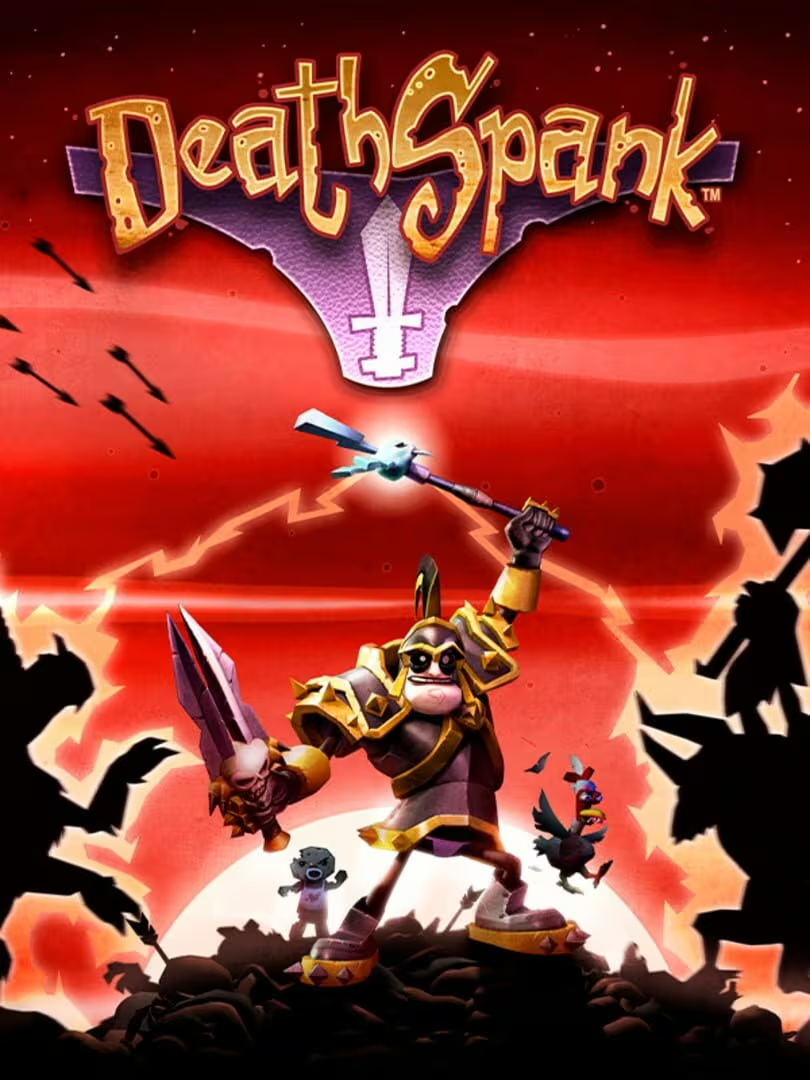
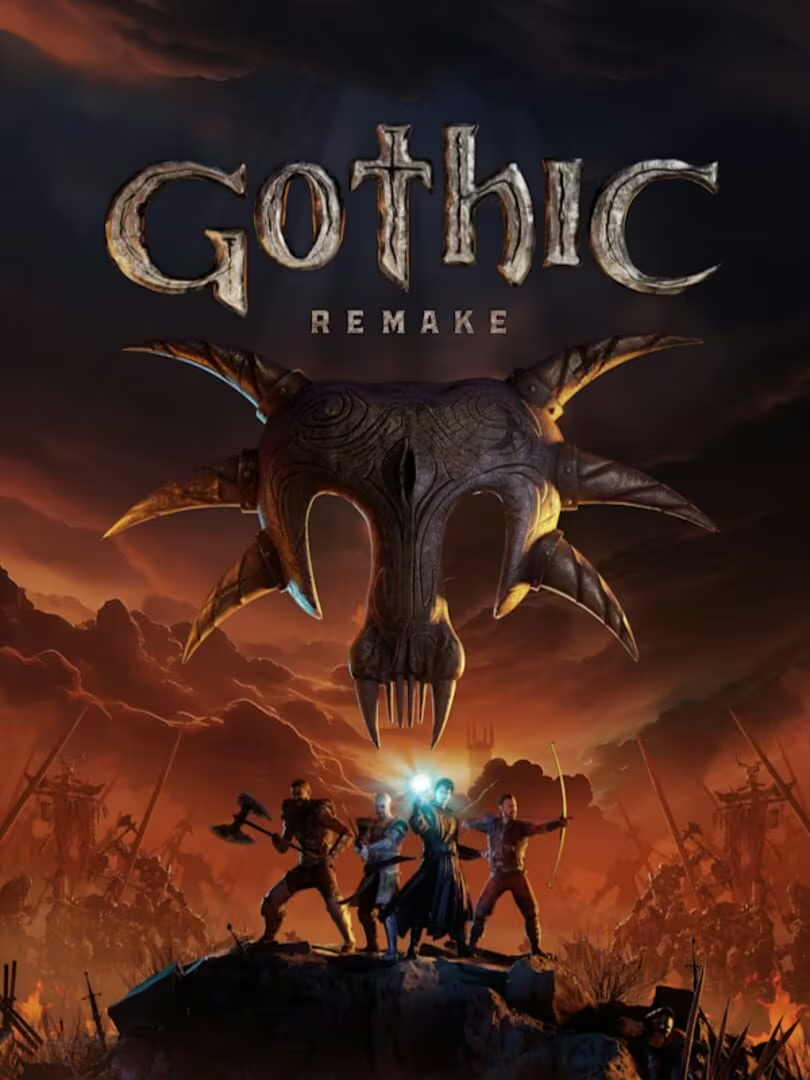
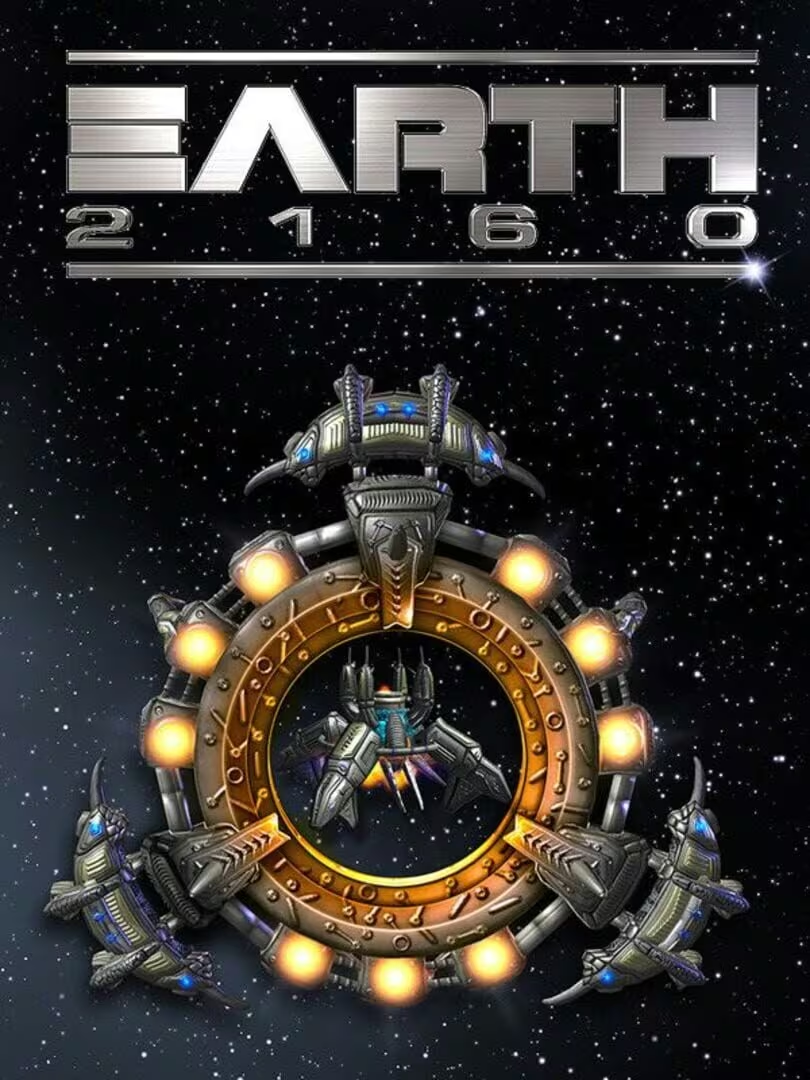
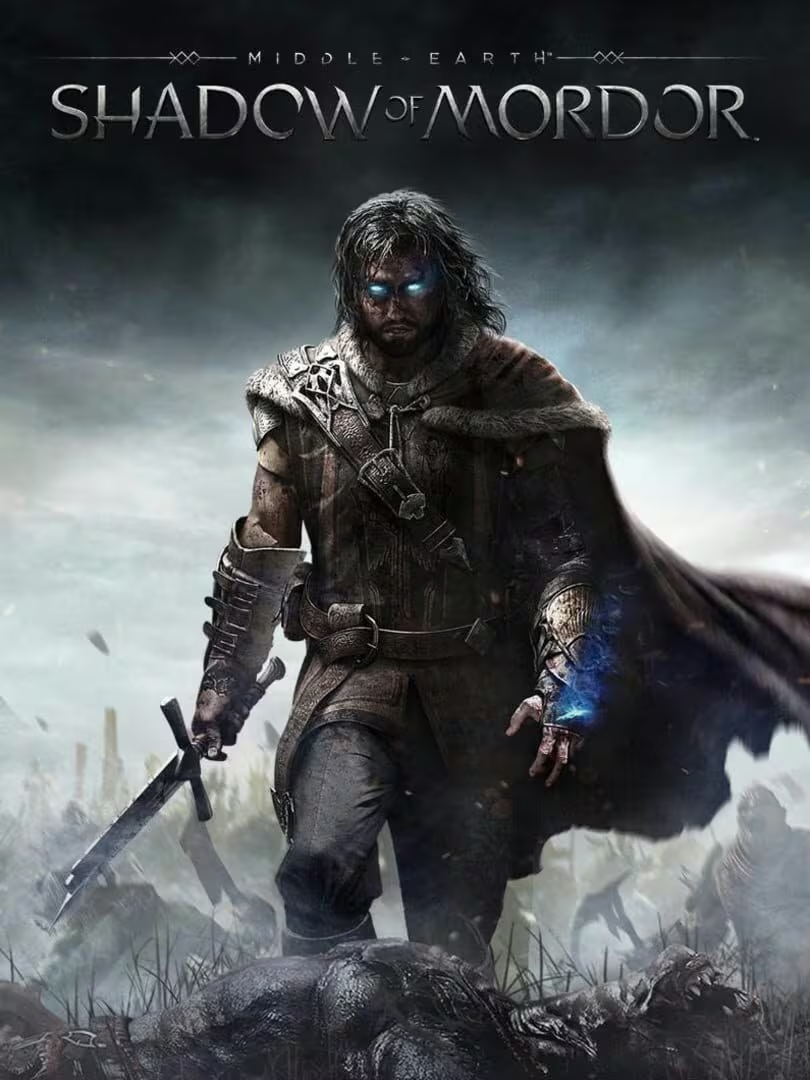
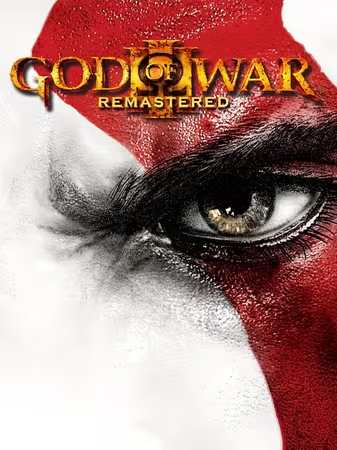
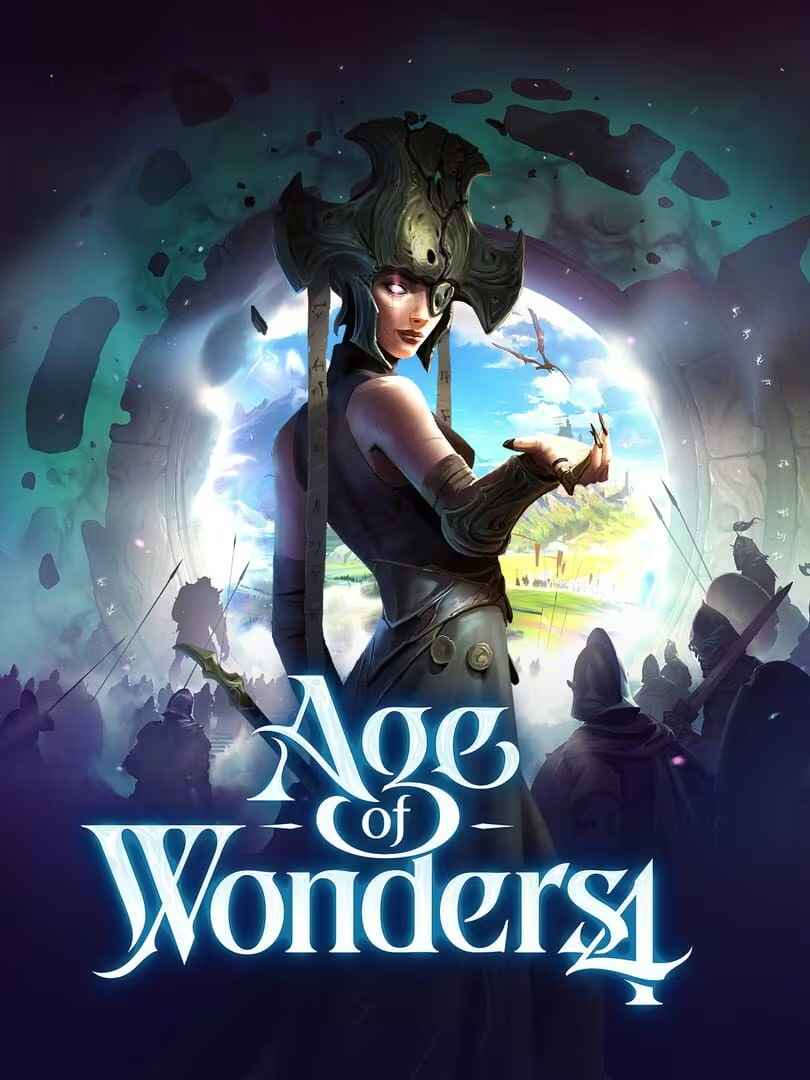
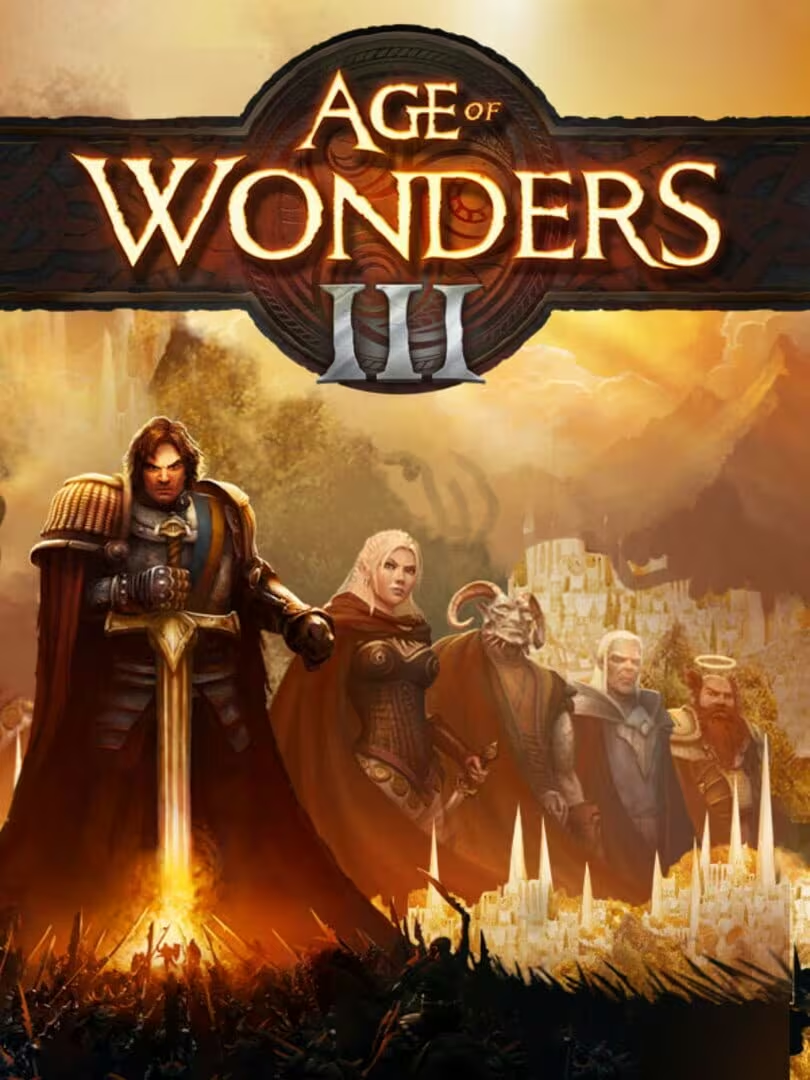
Overlord II similar games & best alternatives
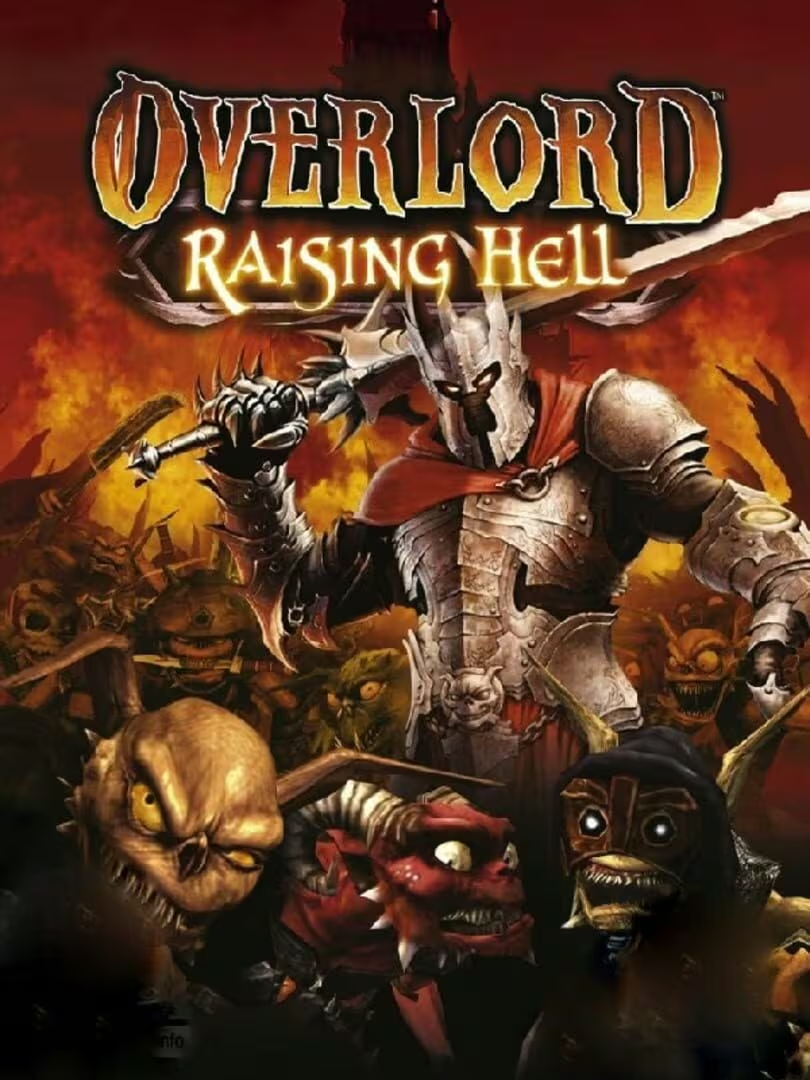
Overlord II

PC (Microsoft Windows), Xbox 360, PlayStation 3 • 2009

Related articles

Quick resume

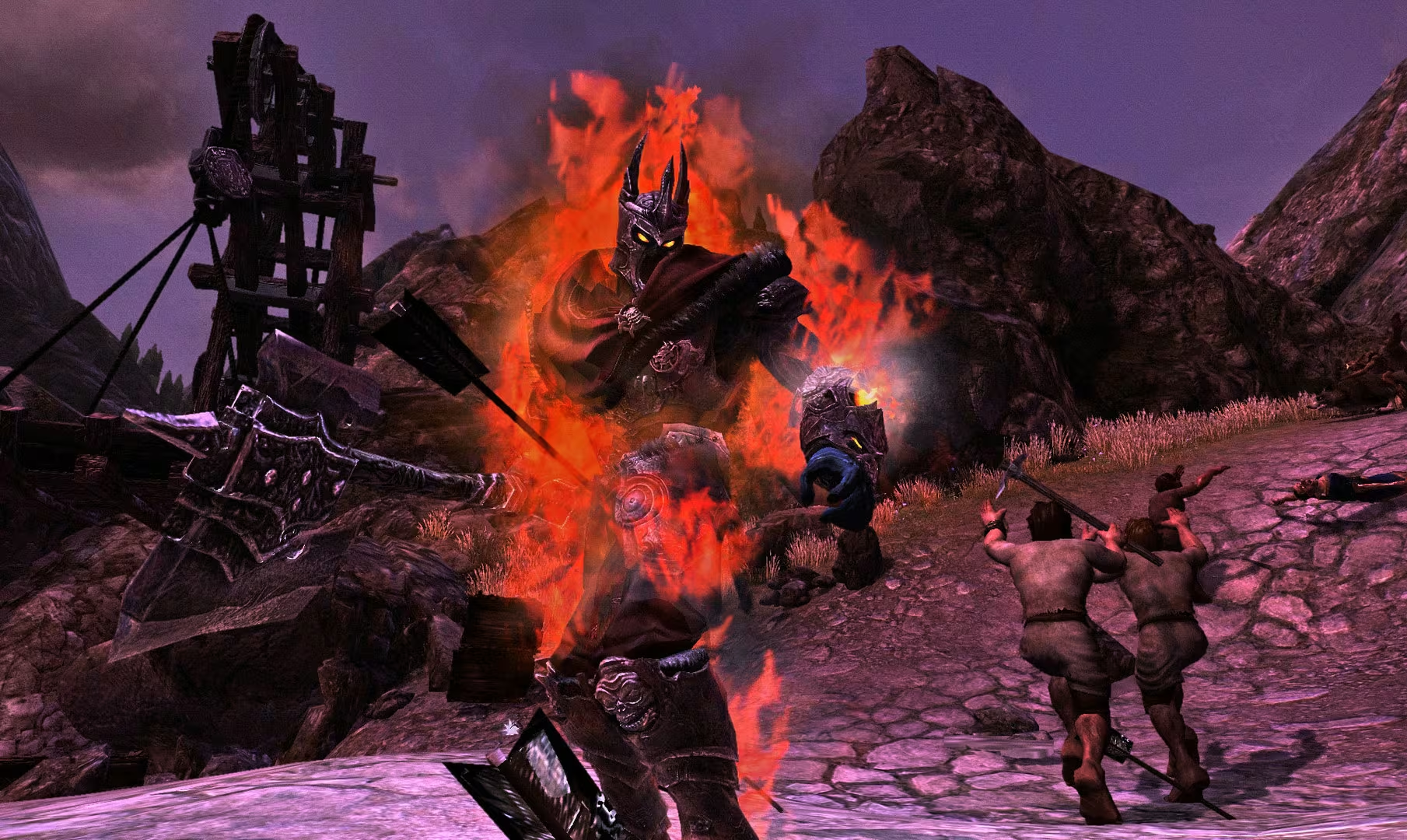
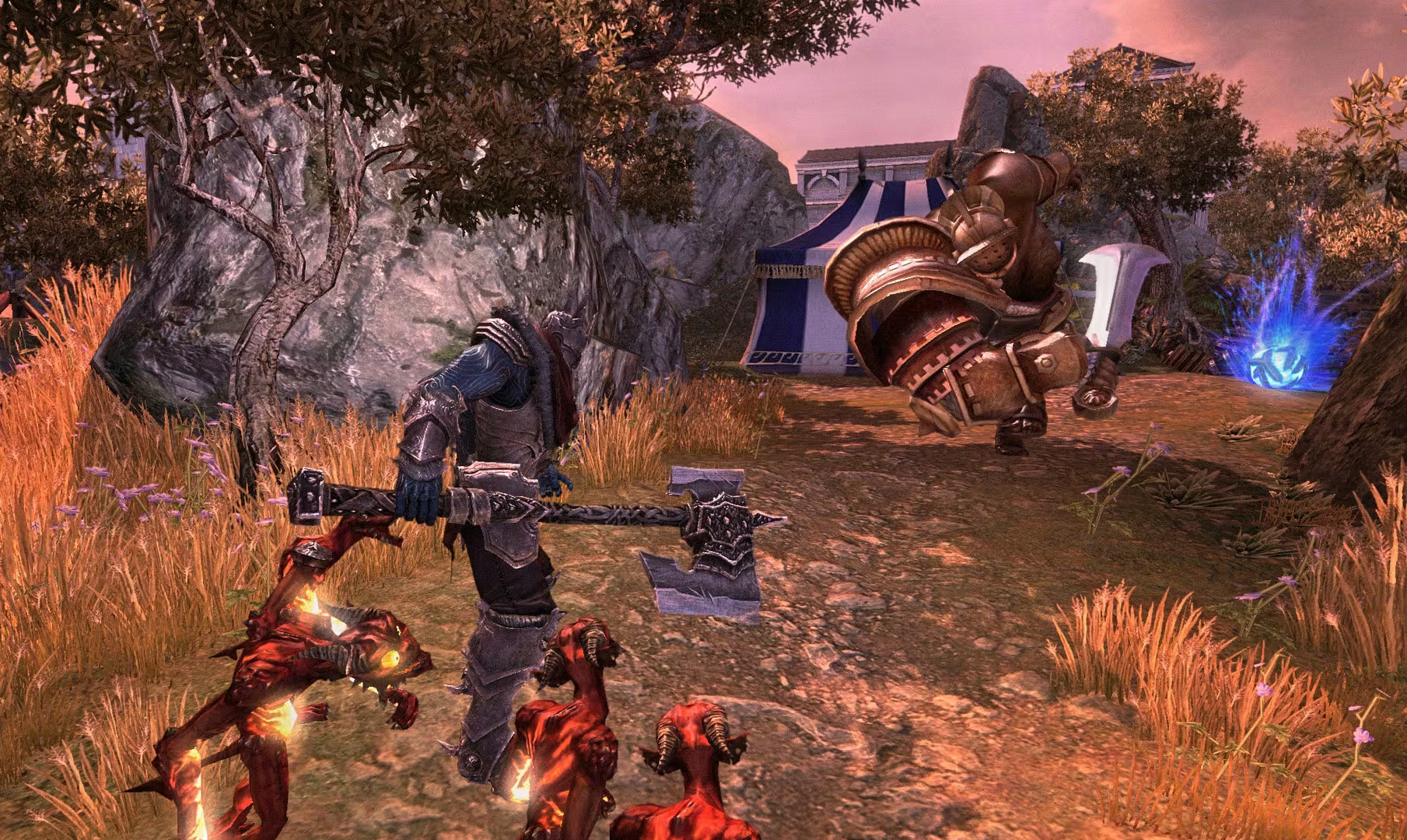
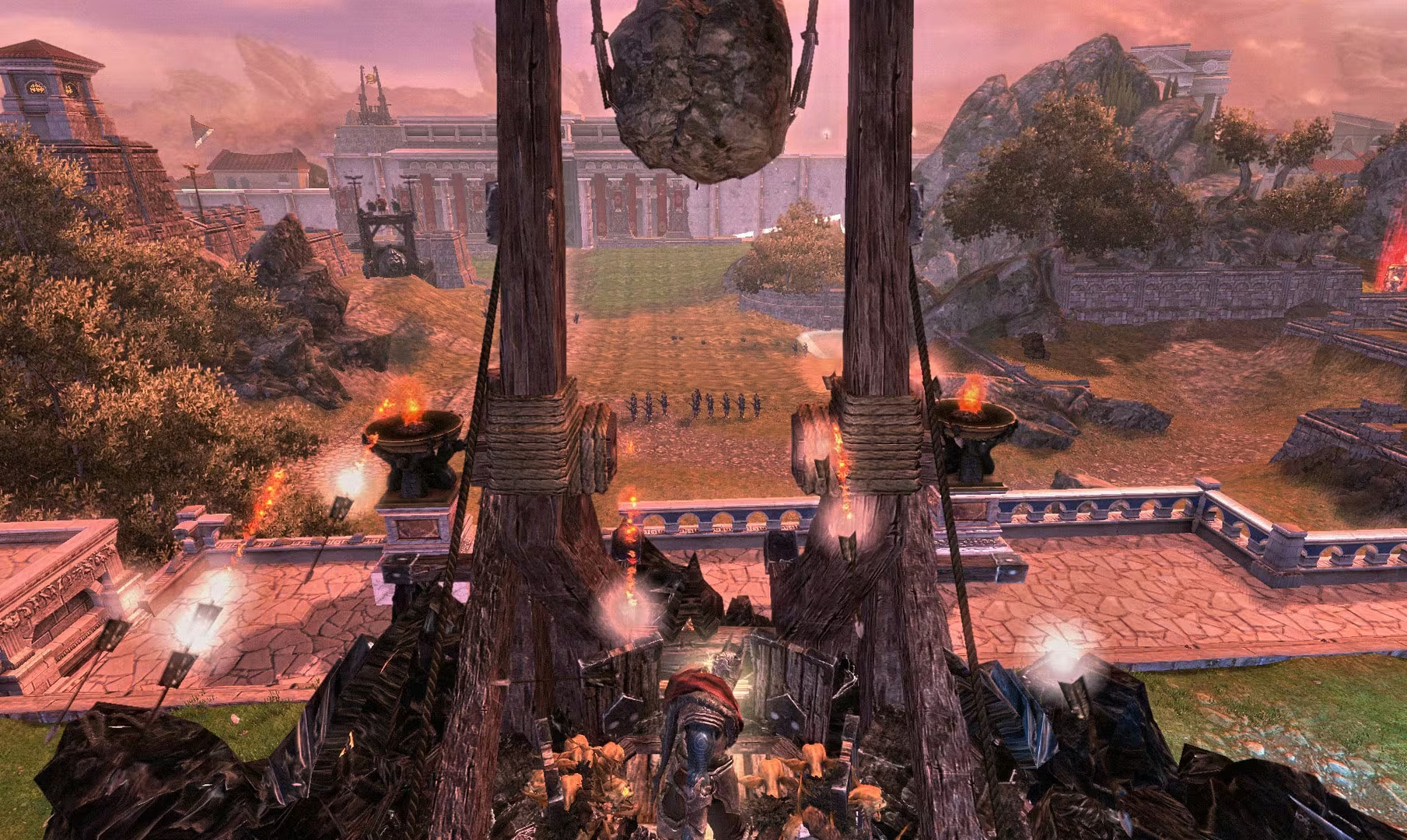
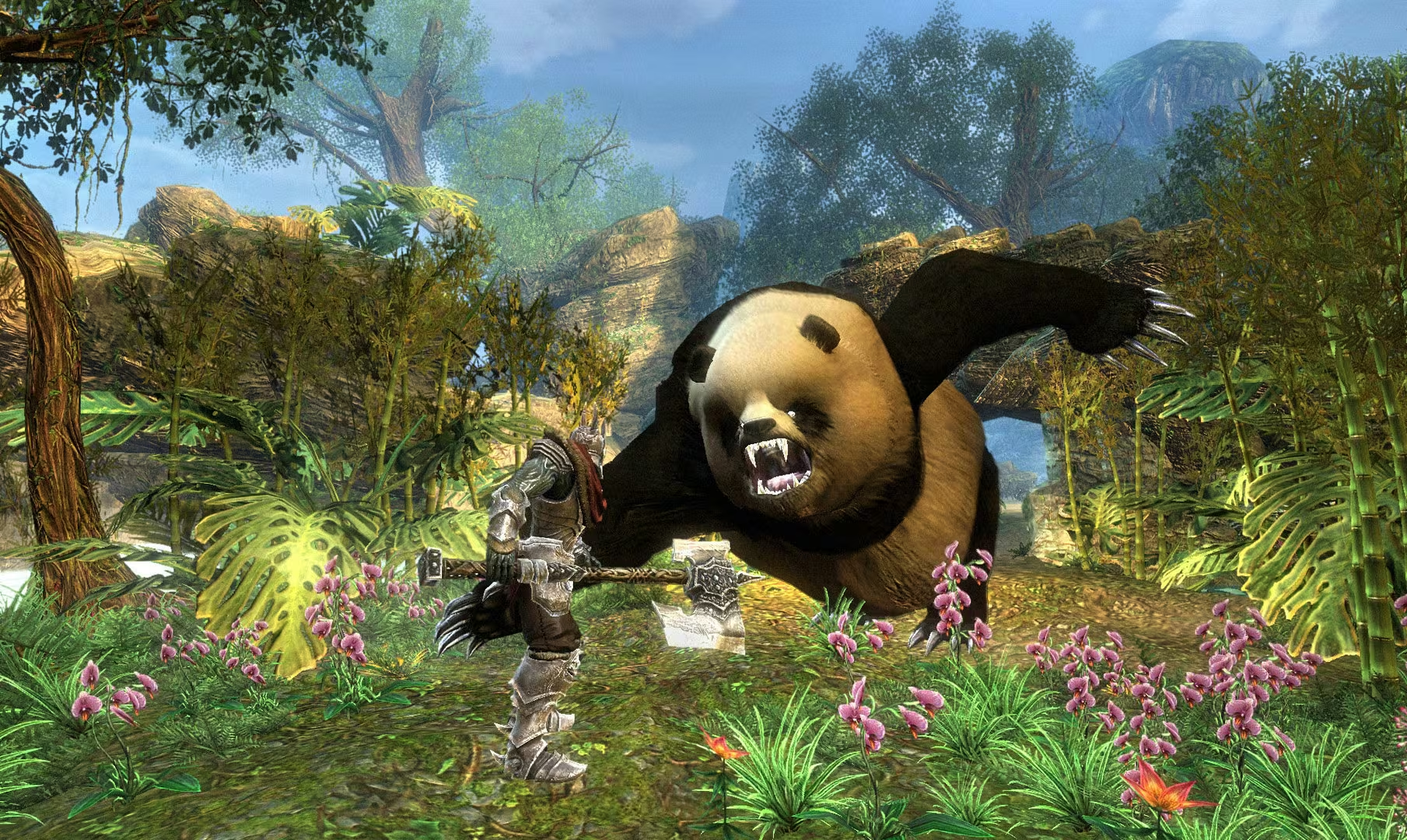
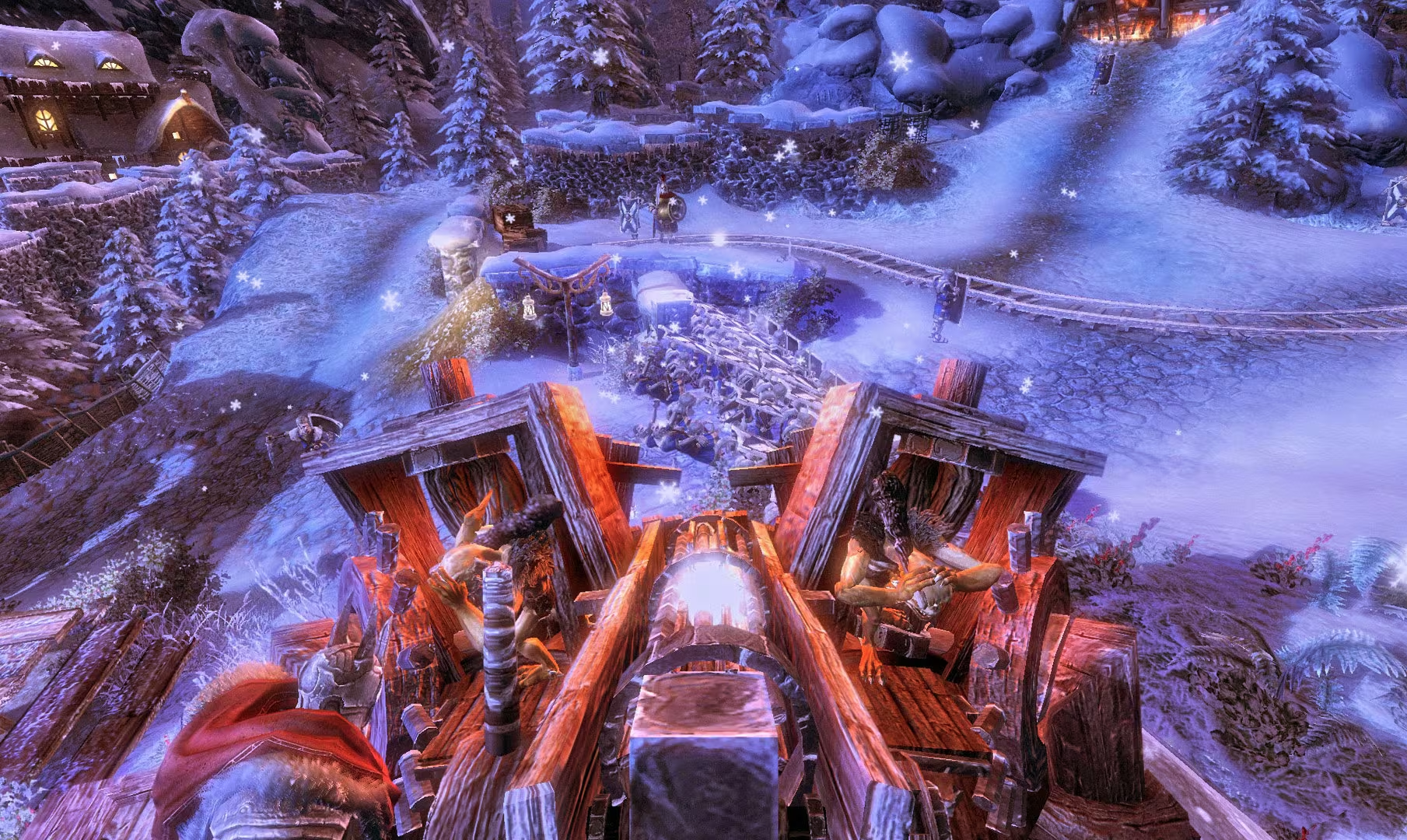
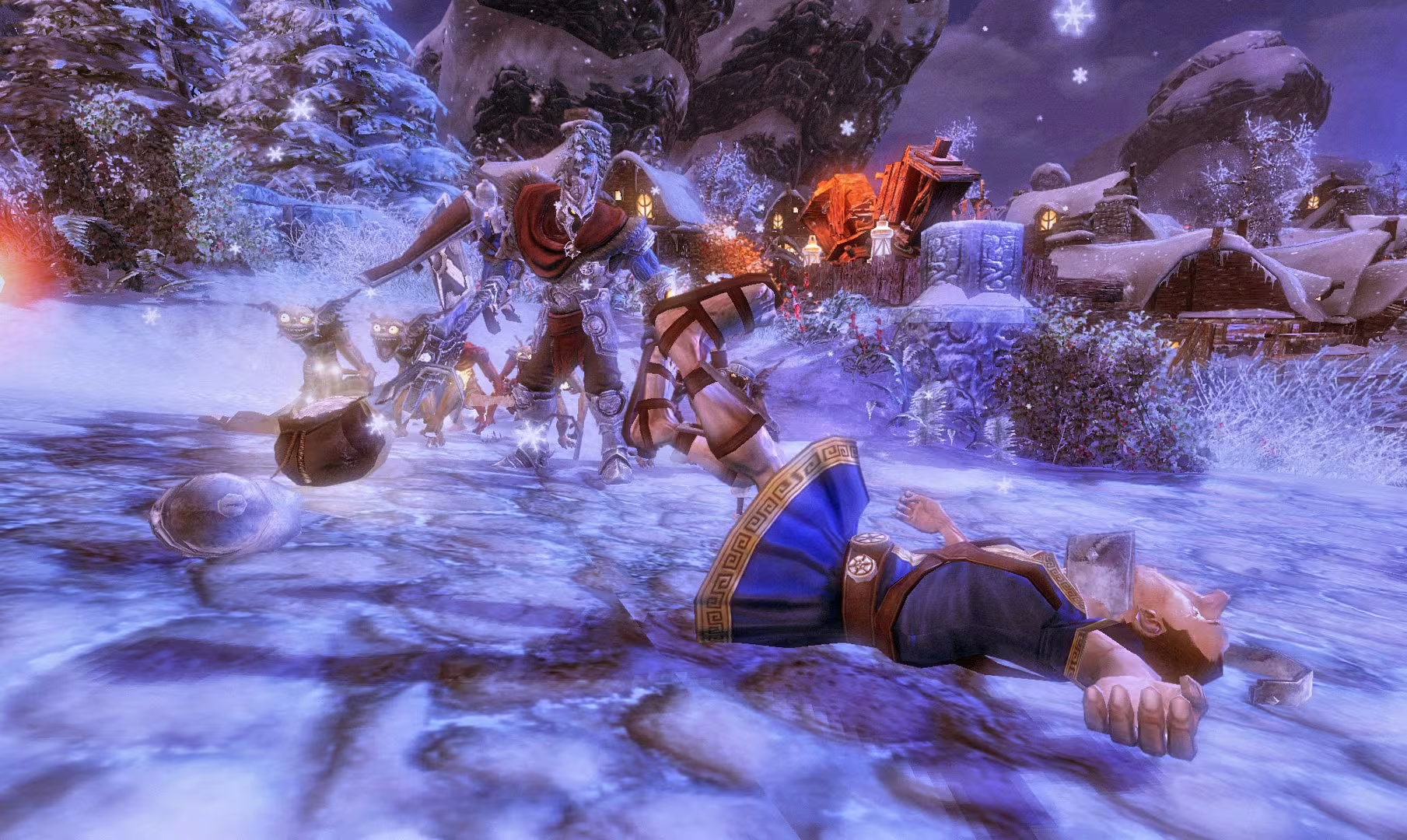
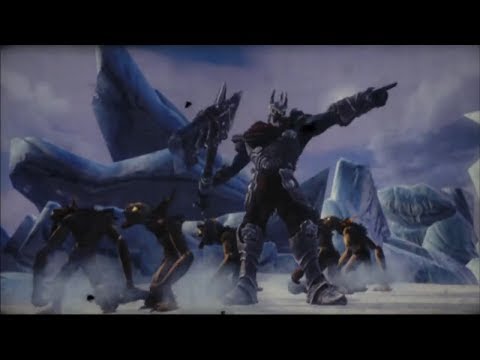
Overlord II, sequel to the critically acclaimed cult hit, sees the return of the chaotic Minions and their new Dark Master. Bigger, badder and more beautifully destructive, Overlord 2 has a Glorious Empire to smash, a massive Netherworld to revive, Minion mounts to mobilize, a trio of mistresses to woo, War Machines to crush opposition...

Global score

89/100

Genres

Role-playing (RPG), Adventure, Hack and slash/Beat 'em up, Strategy

Similar games

    Pros

    • Engaging dark humor and story
    • Diverse minion types and mounts
    • Strategic gameplay with progression
    • Customizable tower and equipment
    • High replay value and nostalgia

    Cons

    • Minion ai and controls can be frustrating
    • Some missions feel repetitive or grindy
    • Linear mission structure limits exploration
    • Technical bugs and camera issues
    • Story and endings less compelling than original

    Analysis

    Less representative of its motivational profile, with noticeable differences. Motivations that often define this kind of title include Leadership, Survival, Violence, Strategy. Here, the score leans higher than usual among comparable games on Domination, Fantasy. It leans lower than usual among comparable games on Cooperation.

    How to use the graph
    Similar games map

    Each dot is a game. They are arranged from the same motivation profile as in the “Motivations” section below. Closer dots usually mean more similar reasons to play (exploration, competition, relaxation, etc.)—not that one game is “better” than another.

    • Larger dot with a light outline: the game you are viewing.
    • Colour: groups of games with comparable motivation patterns (statistical clusters).
    • Hover a dot to see the game name; click to open its page.
    • Scroll or double-click the chart to zoom out and see more games.

    Why don’t the axes read like a score? This view uses t-SNE: it only keeps who is close to whom. The scales are not “good to bad” or hours played—they separate groups on the map. Read distance between dots, not the axis numbers.

    Motivations

    • Autonomy
      3

      "Players have freedom to choose playstyle (domination or destruction), manage minions, customize tower and equipment, but missions are mostly linear with some scripted events."

    • Competence
      3

      "Requires tactical use of minions and spells; some challenging bosses and puzzles; skillful management rewarded."

    • Competition
      -4

      "Focus is on single-player experience with no significant competitive or leaderboard elements."

    • Continuation
      4

      "Players report high replay value, long play sessions, and nostalgic attachment to the series."

    • Cooperation
      -5

      "Single-player game focused on individual control of minions; no multiplayer cooperation."

    • Creativity
      3

      "Players customize tower, equipment, and minions; use different minion types and mounts; strategic choices in gameplay."

    • Domination
      4

      "Player acts as an evil overlord exerting control over minions and towns; gameplay involves subjugation and destruction."

    • Escapism
      4

      "Players enjoy immersive fantasy world and dark humor as a villain, escaping real life."

    • Expectation
      -3

      "Players engage voluntarily out of interest and nostalgia; no indication of obligation or pressure."

    • Experimenting
      3

      "Game encourages trying different minion combinations, tactics, and replaying missions with new approaches."

    • Exploration
      2

      "Game features large, varied levels with some exploration, but mostly linear mission paths."

    • Expression
      3

      "Players can customize tower, choose mistresses, and equip minions with different gear."

    • Fantasy
      5

      "Strong fantasy setting with dark humor, mythical creatures, and an evil overlord narrative."

    • Fellowship
      -5

      "Primarily a solo experience with minimal social or community interaction."

    • Growth
      3

      "Players level up minions, upgrade equipment and spells, and develop strategies."

    • Health
      -5

      "Sedentary gameplay with no physical activity elements."

    • Idle
      -4

      "Requires continuous attention and active control of minions and combat."

    • Intimacy
      -4

      "Limited social interactions, mostly superficial with mistresses and advisor; no deep relationships."

    • Leadership
      4

      "Player leads and commands minions and controls towns, making strategic decisions."

    • Progression
      4

      "Strong progression through leveling minions, upgrading gear, unlocking spells, and expanding tower."

    • Relaxation
      2

      "Mix of relaxing exploration and humor with moments of challenge and tension in combat."

    • Sensation
      2

      "Cartoonish visuals and humorous audio provide moderate sensory stimulation and enjoyment."

    • Status
      -4

      "No social status or recognition mechanics; focus is on individual gameplay."

    • Story
      3

      "Engaging narrative with dark humor and multiple endings, though some find it less compelling than original."

    • Strategy
      4

      "Requires tactical planning in minion deployment, combat, and town management."

    • Thrill
      2

      "Some suspense and challenge in boss fights and stealth sections, but mostly controlled gameplay."

    • Value
      4

      "Players find good value in gameplay length, humor, and replayability for the price."

    • Violence
      4

      "Gameplay involves combat, destruction, and killing enemies and villagers."

    • Survival
      2

      "Players must manage minion survival and resources, but game is not focused on high-risk survival mechanics."

    Last update: 29/04/2026