Railbound Thumbnail

Railbound similar games & best alternatives

Railbound

PC (Microsoft Windows), Mac, iOS, Xbox One, Android, Xbox Series X|S, Nintendo Switch • 2022

Related articles

Quick resume

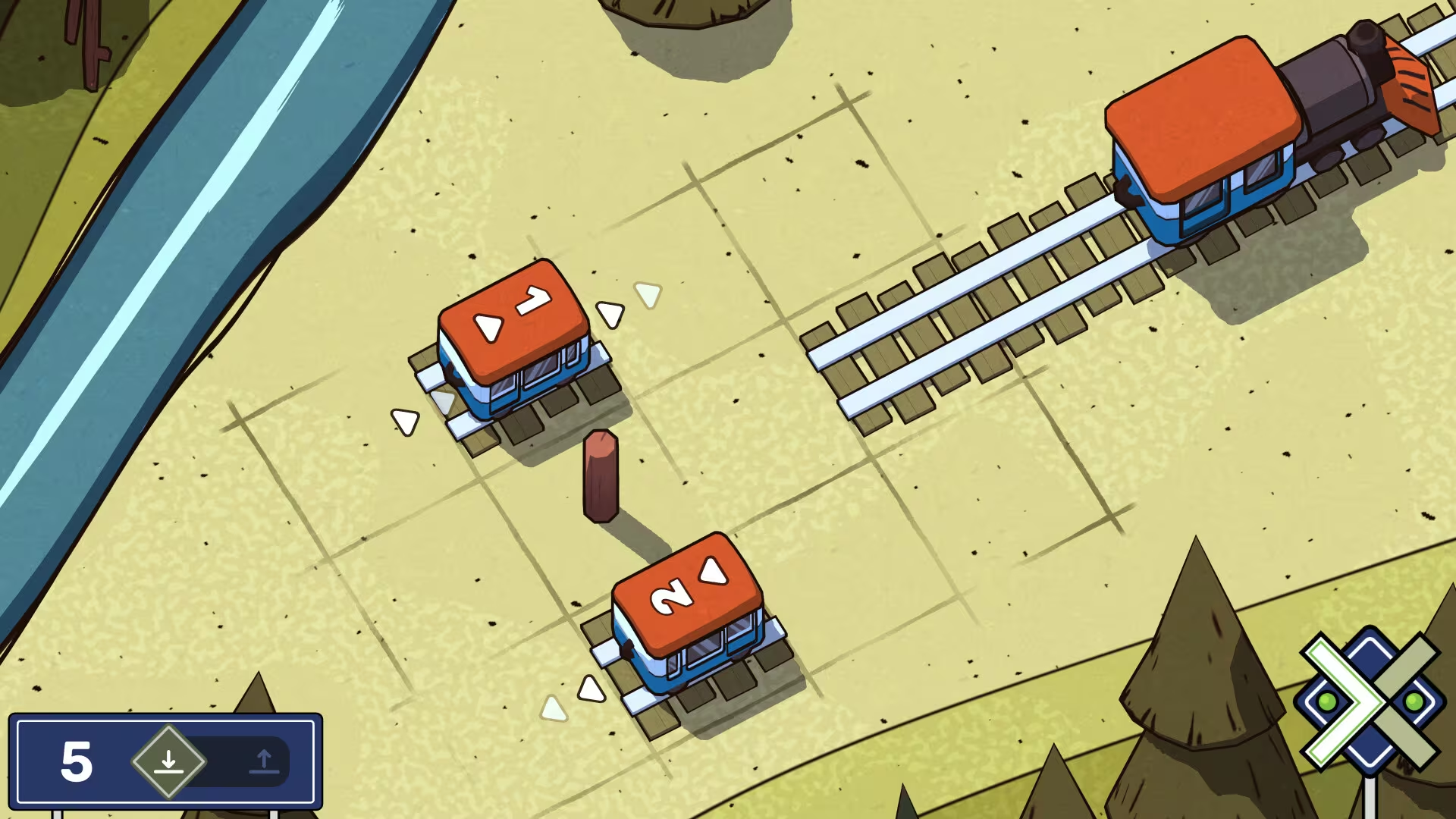
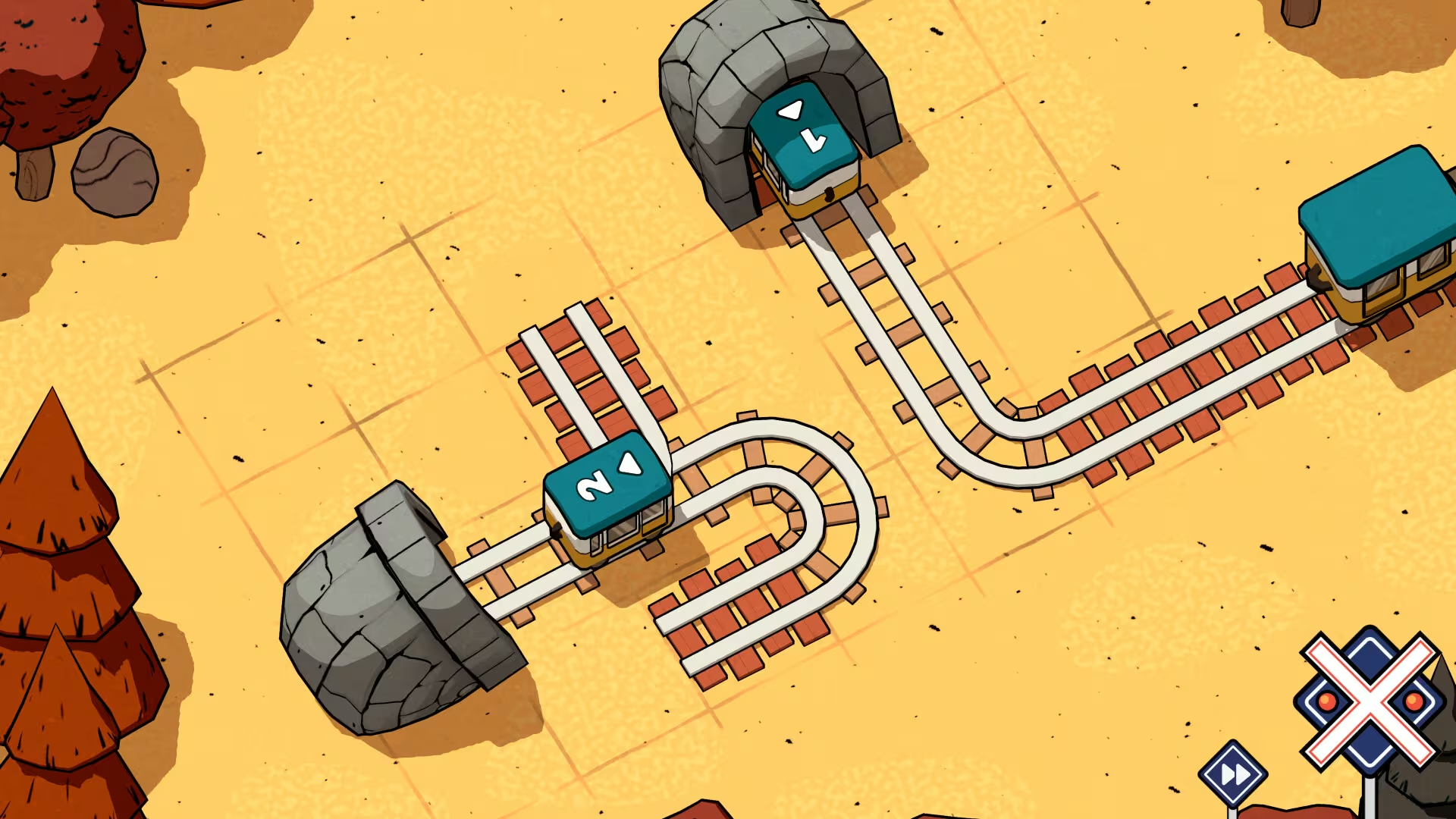
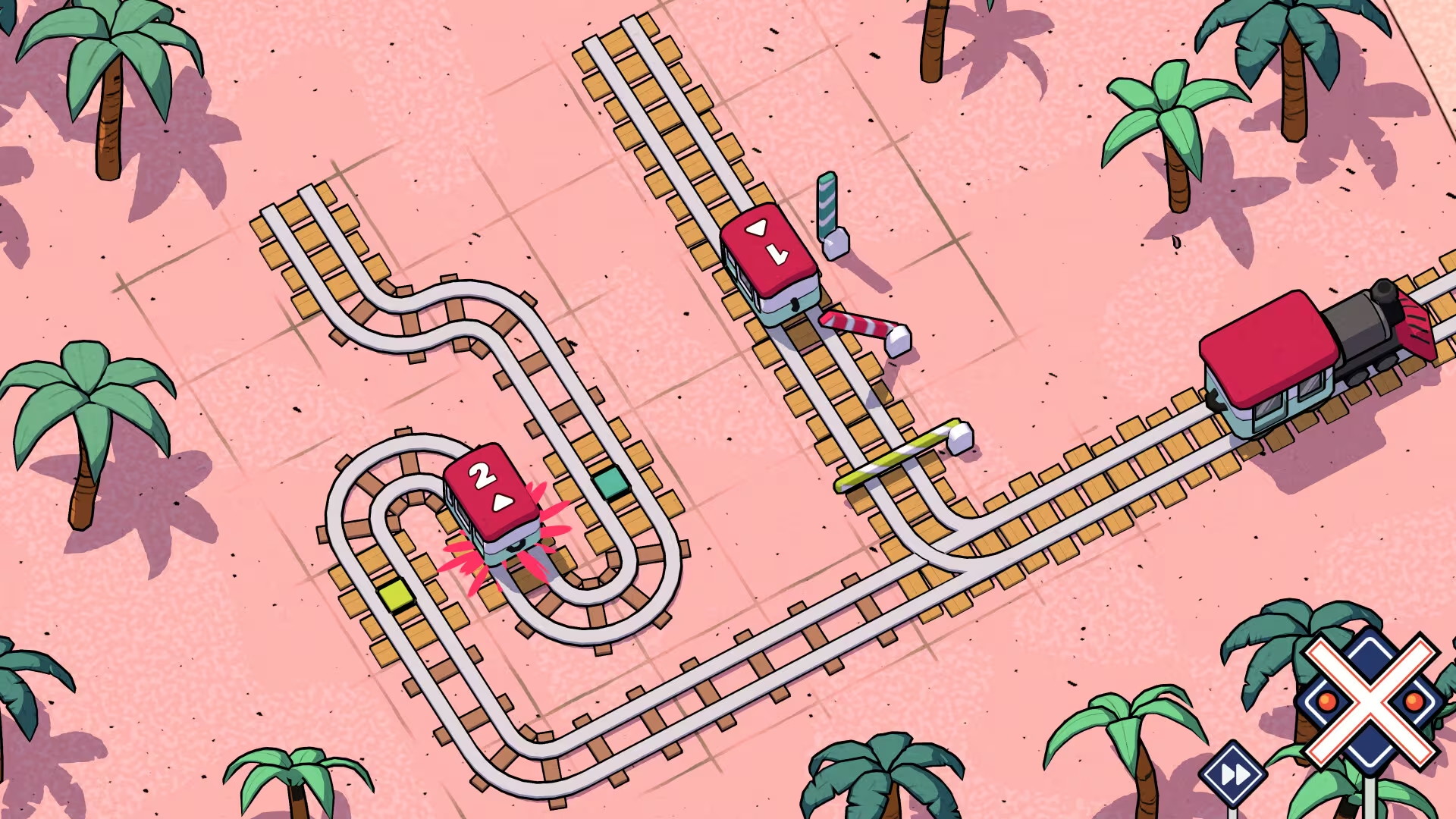
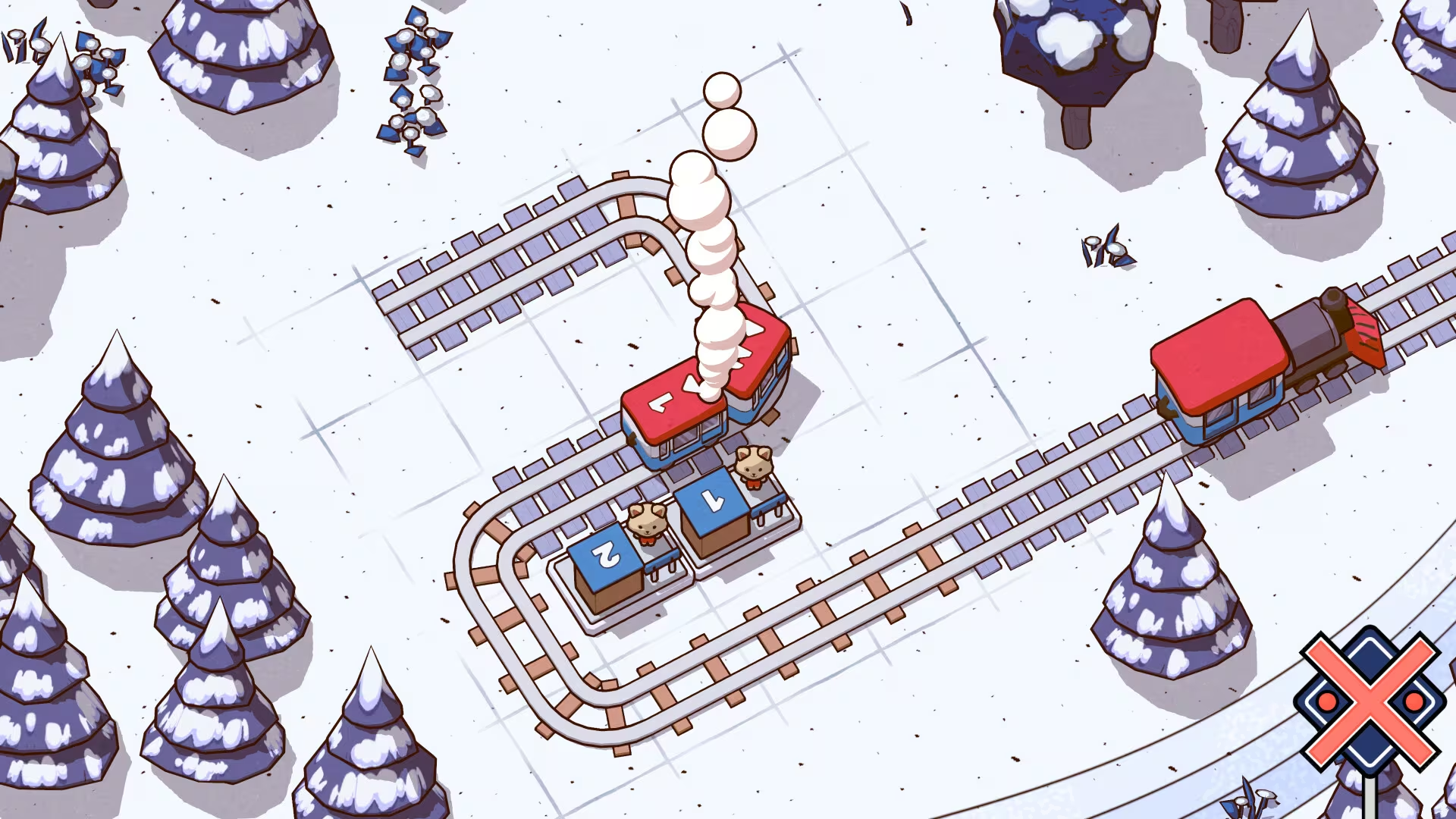
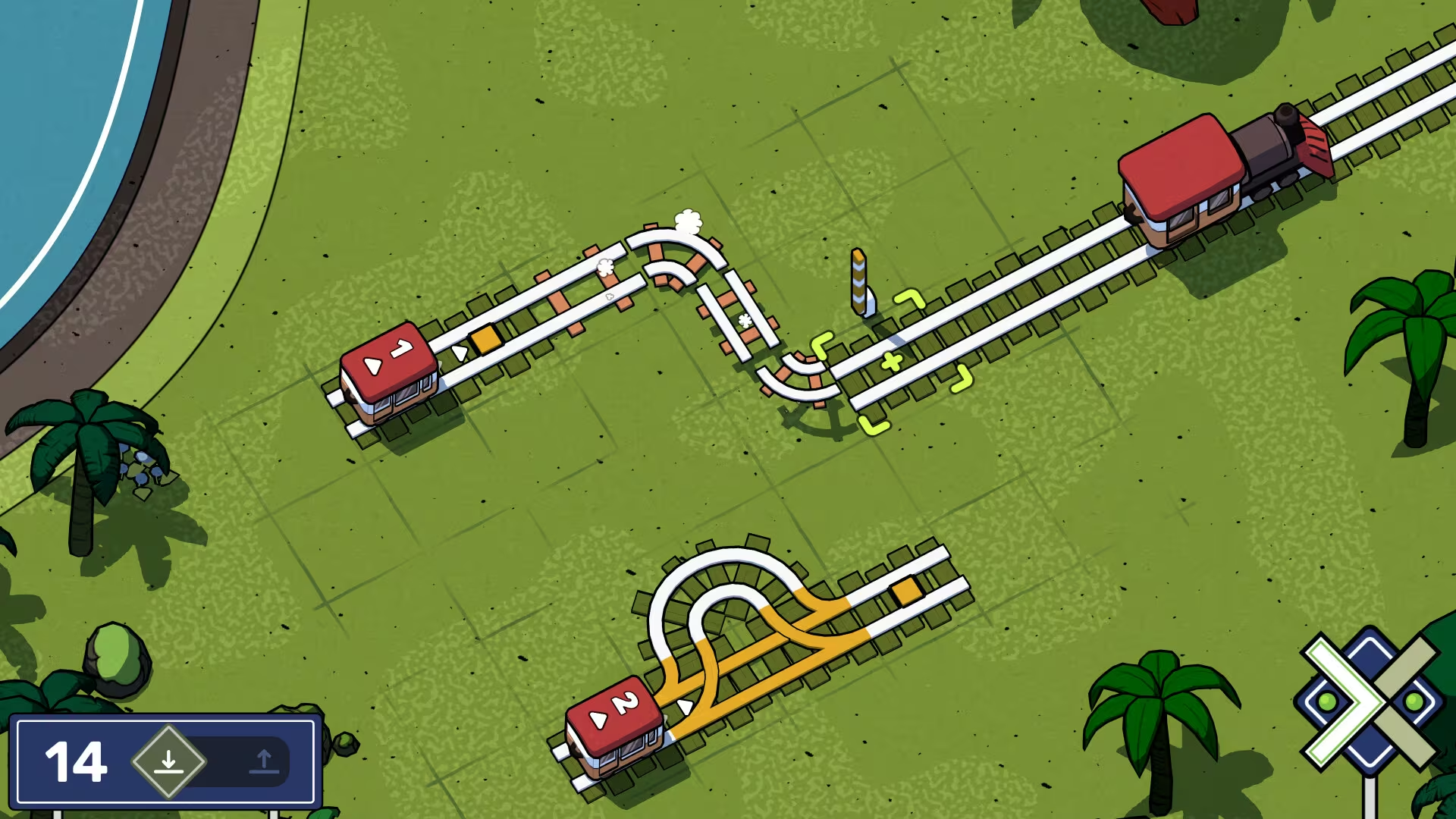
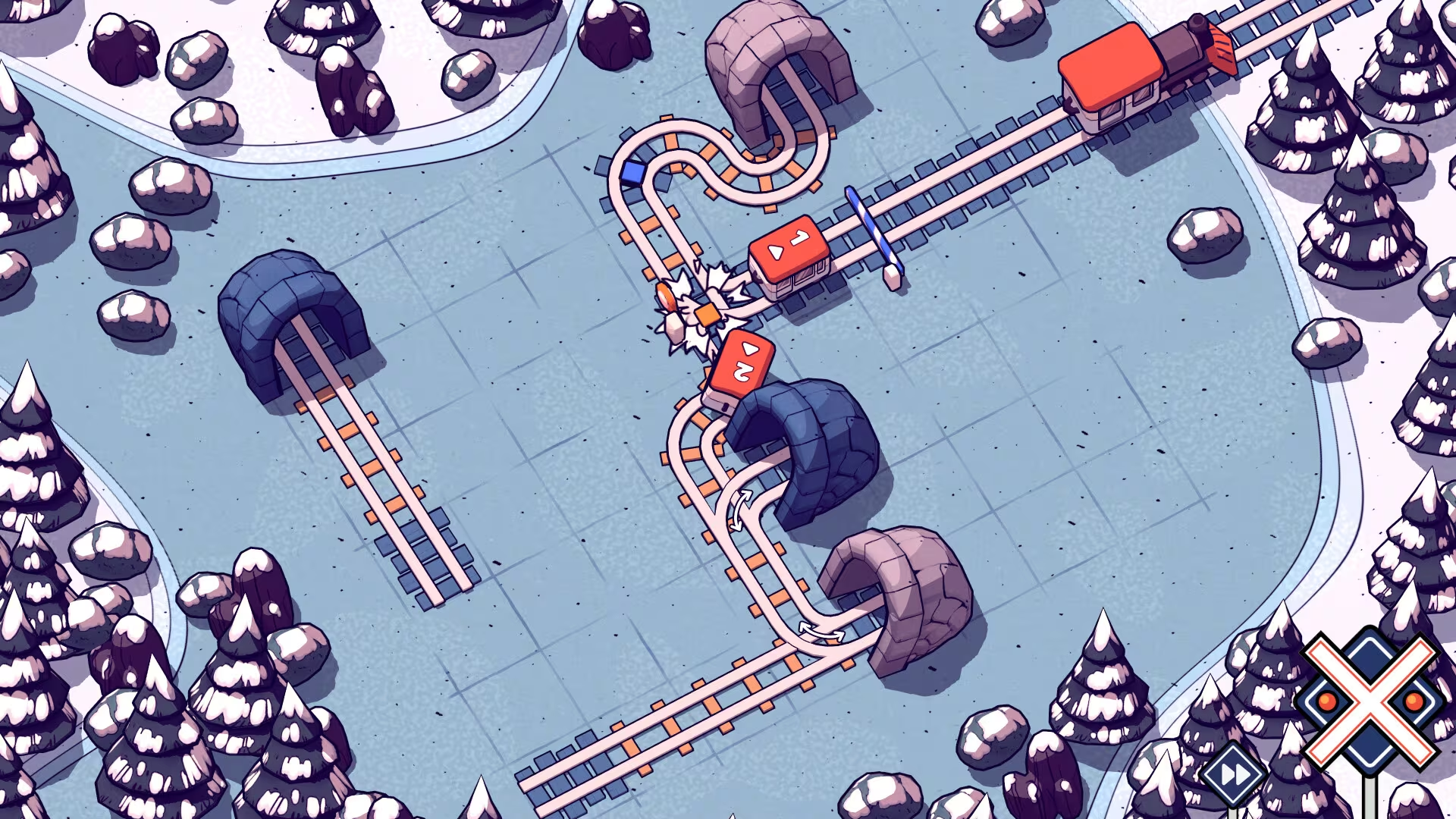
A relaxing puzzle game about fixing train connections and travelling the world - now with a level editor!

Global score

95/100

Genres

Casual, Indie, Strategy, Simulator, Arcade, Puzzle, Card & Board Game

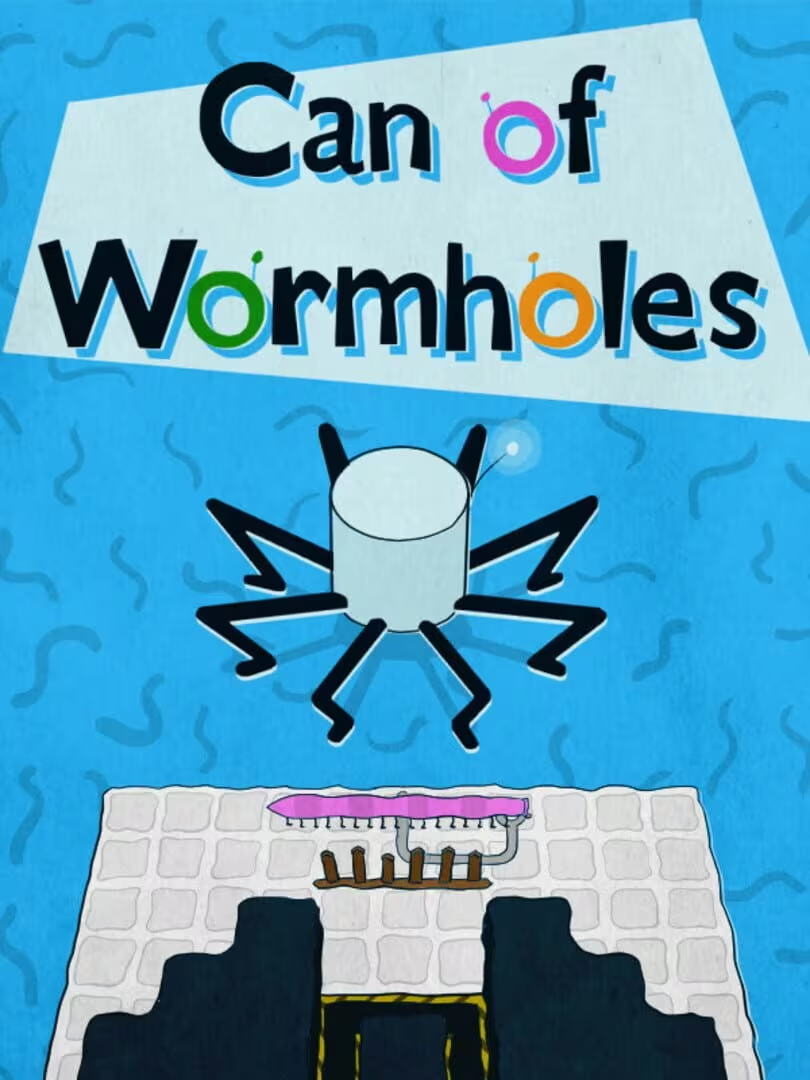
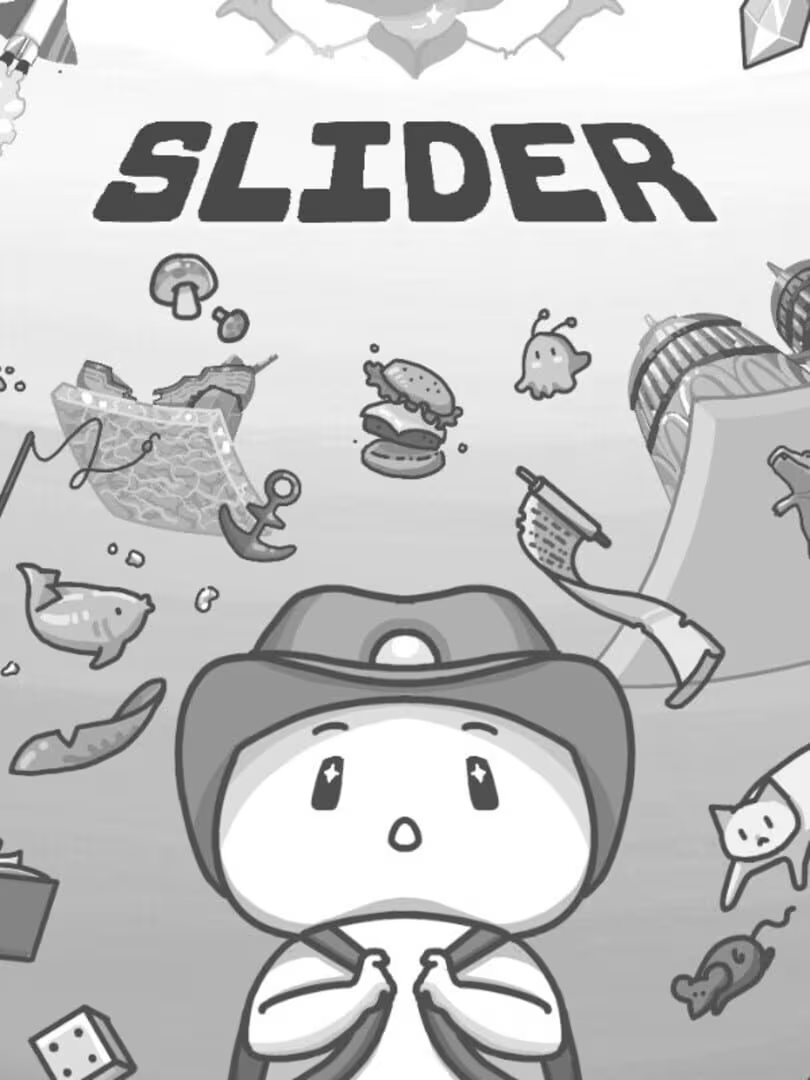
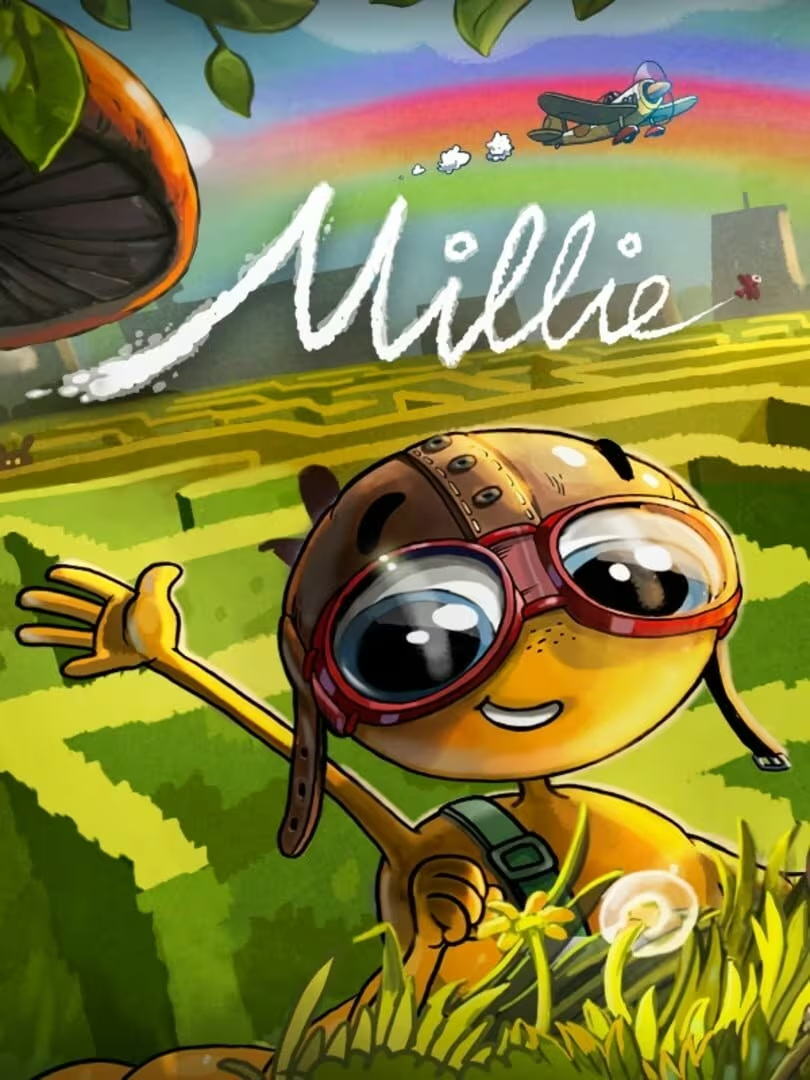
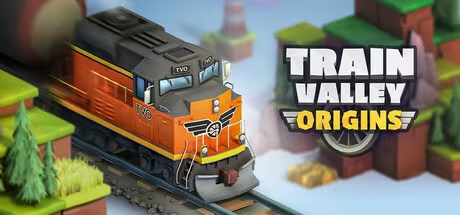
Similar games

    Pros

    • Charming and cute art style
    • Well-designed and challenging puzzles
    • Progressive introduction of new mechanics
    • Relaxing music and atmosphere
    • Helpful hint system and accessibility options

    Cons

    • Some puzzles require trial and error which can frustrate
    • Difficulty spikes and inconsistent challenge curve
    • Limited replayability beyond achievements
    • Lack of multiplayer or social features
    • Minor technical issues reported (crashes, controller bugs)

    Analysis

    A very typical example of its motivational profile. Motivations that often define this kind of title include Fantasy, Violence, Story, Thrill. Here, the score leans higher than usual among comparable games on Story. It leans lower than usual among comparable games on Expression, Survival.

    How to use the graph
    Similar games map

    Each dot is a game. They are arranged from the same motivation profile as in the “Motivations” section below. Closer dots usually mean more similar reasons to play (exploration, competition, relaxation, etc.)—not that one game is “better” than another.

    • Larger dot with a light outline: the game you are viewing.
    • Colour: groups of games with comparable motivation patterns (statistical clusters).
    • Hover a dot to see the game name; click to open its page.
    • Scroll or double-click the chart to zoom out and see more games.

    Why don’t the axes read like a score? This view uses t-SNE: it only keeps who is close to whom. The scales are not “good to bad” or hours played—they separate groups on the map. Read distance between dots, not the axis numbers.

    Motivations

    • Autonomy
      4

      "Players freely place tracks and experiment with layouts to solve puzzles, allowing personal control over decisions."

    • Competence
      4

      "The game provides increasing difficulty and complex puzzles that challenge players' problem-solving skills."

    • Competition
      -3

      "Focus is on individual puzzle solving without leaderboards or direct player comparison."

    • Continuation
      3

      "Many players report long play sessions and returning to solve challenging puzzles and bonus levels."

    • Cooperation
      -5

      "The game is a single-player puzzle experience with no cooperative elements."

    • Creativity
      3

      "Players creatively place tracks and experiment with solutions, though puzzles have mostly unique solutions."

    • Domination
      -5

      "No evidence of exerting control or superiority over others; gameplay is solitary and respectful."

    • Escapism
      4

      "Players use the game as a relaxing, immersive puzzle experience to escape daily stress."

    • Expectation
      -4

      "Players engage voluntarily for enjoyment and mental challenge, not out of obligation."

    • Experimenting
      4

      "Trial, error, and iterative tweaking of track layouts are core to puzzle solving."

    • Exploration
      2

      "Players explore new mechanics and puzzle types as they progress through different worlds."

    • Expression
      -3

      "Limited customization; players work within predefined puzzle constraints and art style."

    • Fantasy
      -4

      "The game features realistic train mechanics and logical puzzles without fantasy elements."

    • Fellowship
      -5

      "No social or community gameplay; experience is solitary."

    • Growth
      4

      "Players develop problem-solving skills and learn new mechanics progressively."

    • Health
      -5

      "Sedentary puzzle gameplay with no physical activity involved."

    • Idle
      -4

      "Requires focused attention and active problem solving rather than passive or background play."

    • Intimacy
      -5

      "No social or emotional relationship-building elements."

    • Leadership
      -5

      "No leadership or group management roles; purely single-player."

    • Progression
      3

      "Players progress through levels and unlock new mechanics and bonus puzzles."

    • Relaxation
      3

      "Many players find the game relaxing and calming despite occasional challenging puzzles."

    • Sensation
      2

      "Pleasant visuals and soothing music provide moderate sensory enjoyment."

    • Status
      -5

      "No social recognition or ranking systems present."

    • Story
      1

      "Minimal story or lore; some narrative elements exist but focus is on puzzles."

    • Strategy
      4

      "Requires logical planning, spatial reasoning, and problem solving to complete puzzles."

    • Thrill
      -2

      "Gameplay is mostly controlled and predictable, with low risk or suspense."

    • Value
      4

      "Players report good value for money with many levels and free content updates."

    • Violence
      -5

      "No combat or destructive elements; gameplay is constructive and puzzle-focused."

    • Survival
      -5

      "No survival or threat avoidance mechanics; stable puzzle environment."

    Last update: 29/04/2026