Starbound Thumbnail

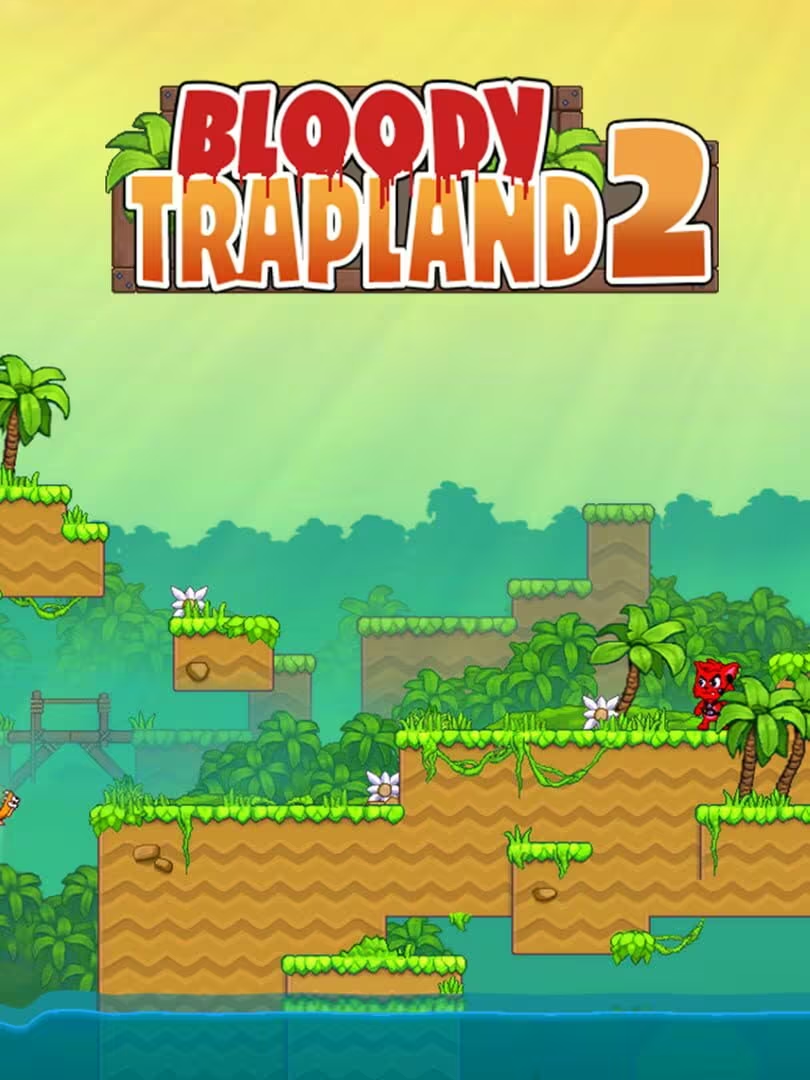
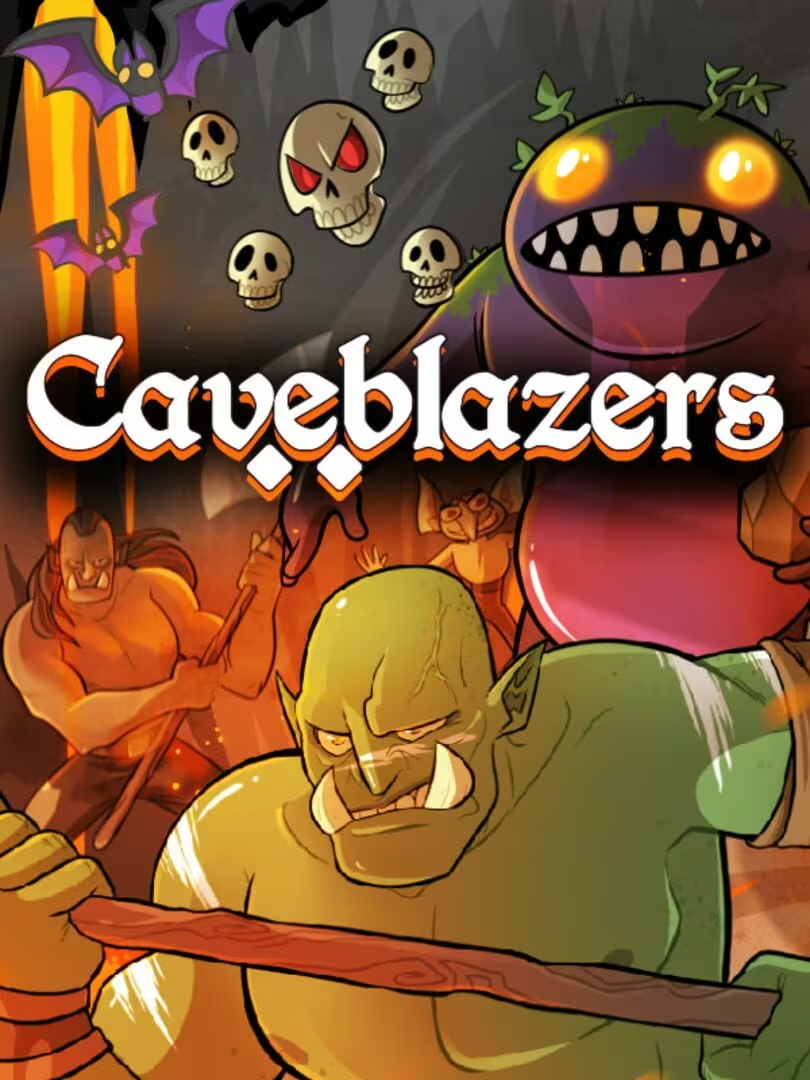
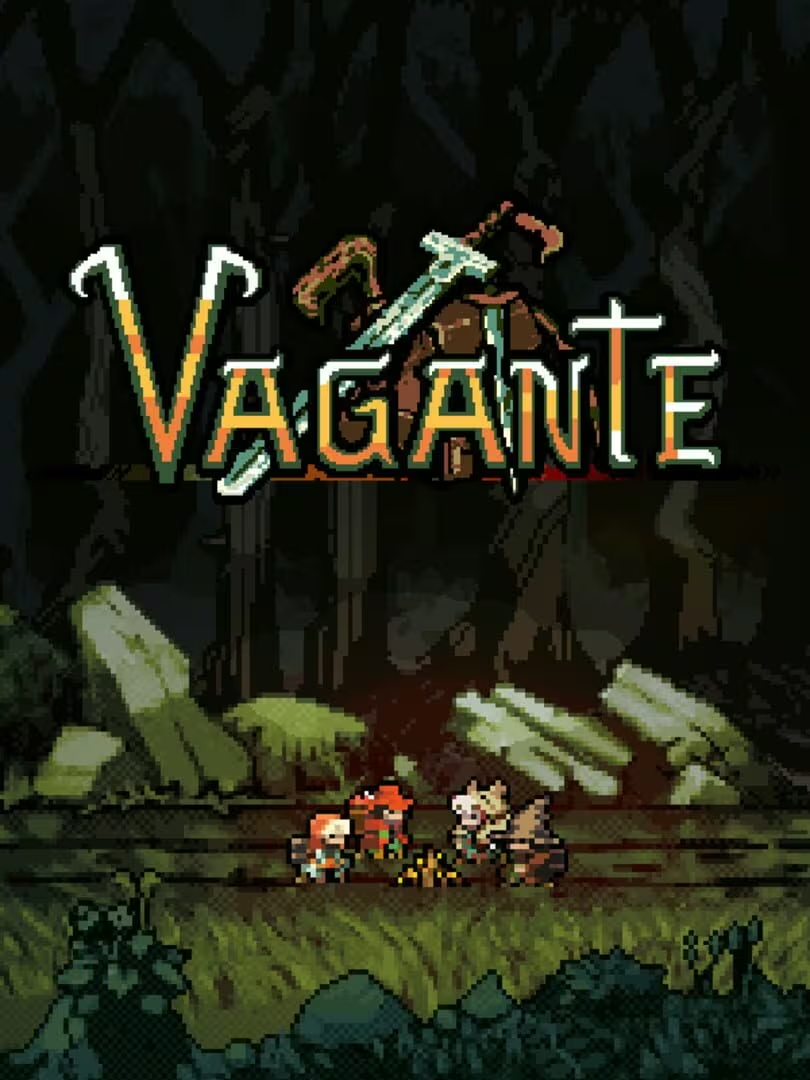
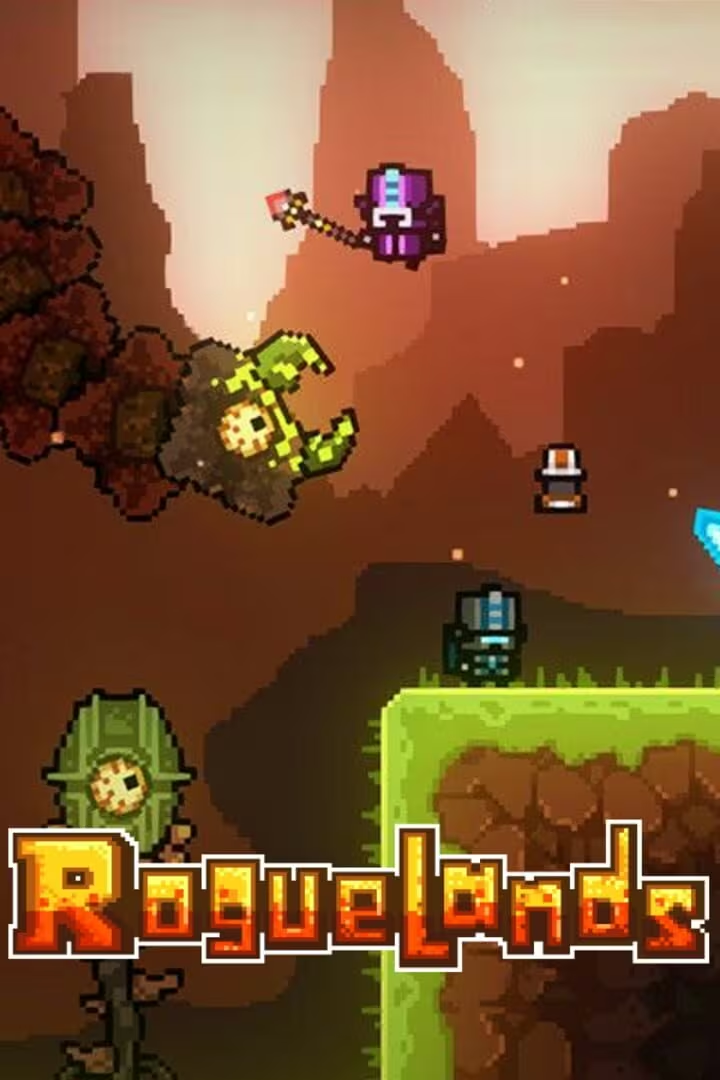
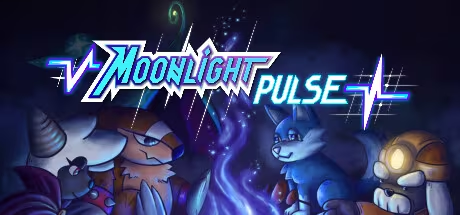
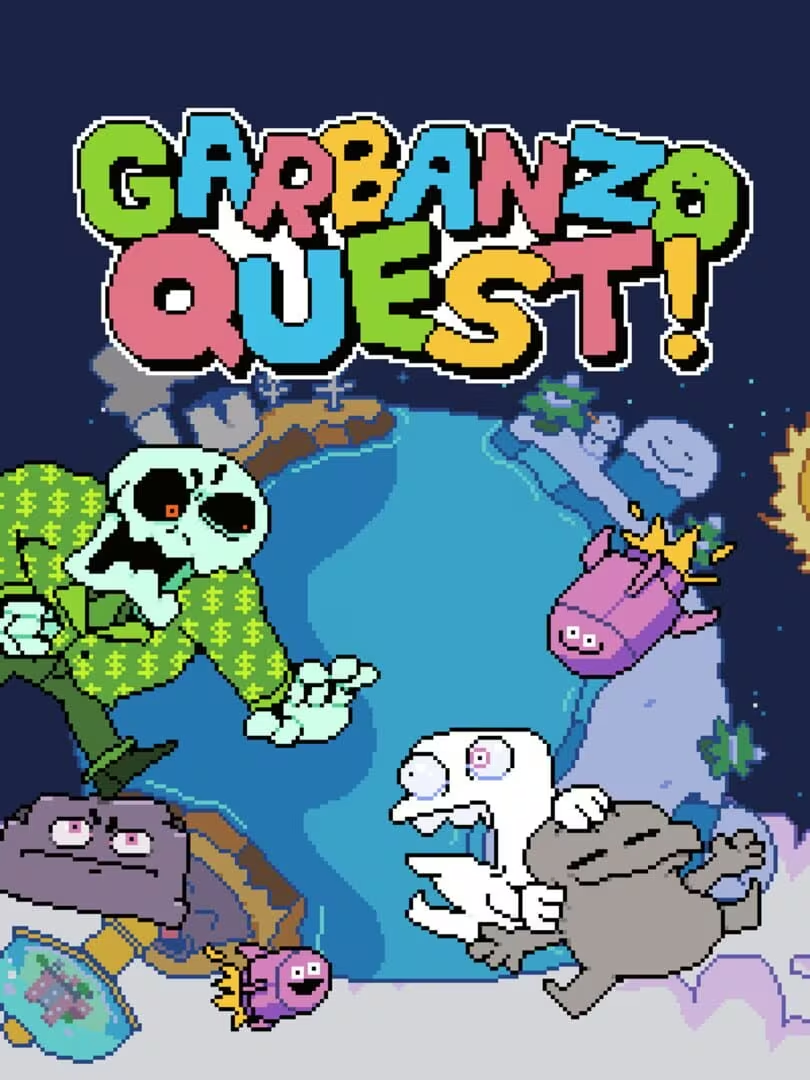
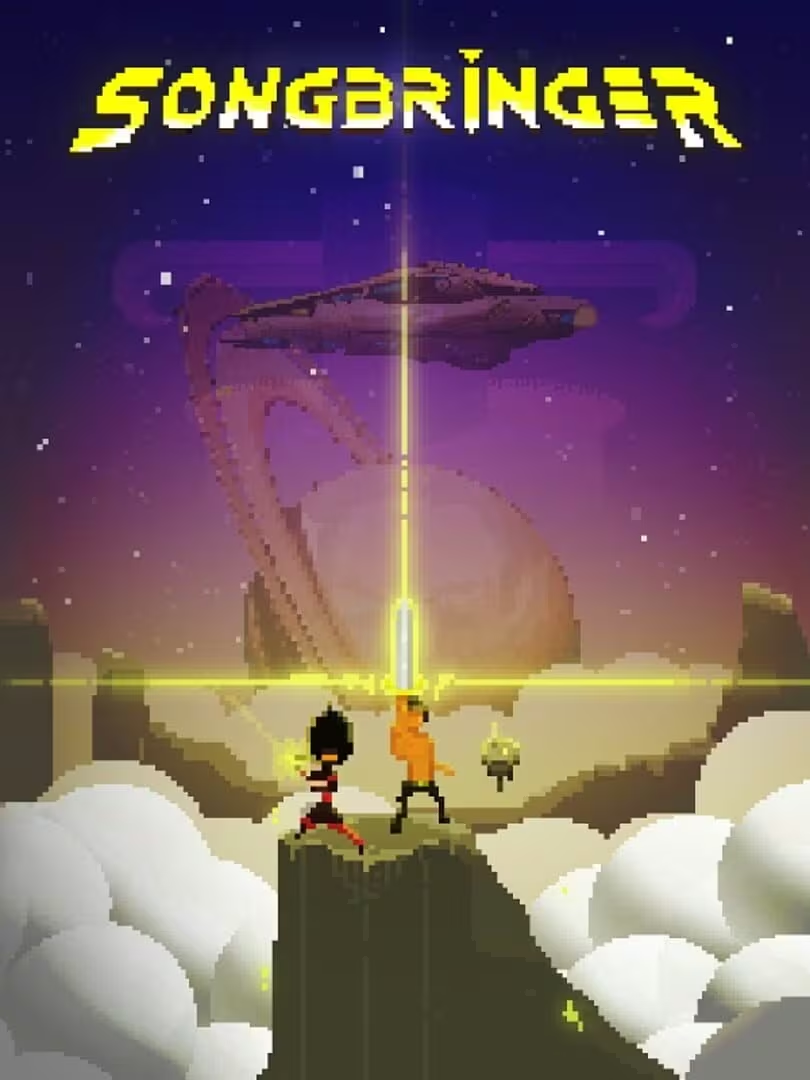
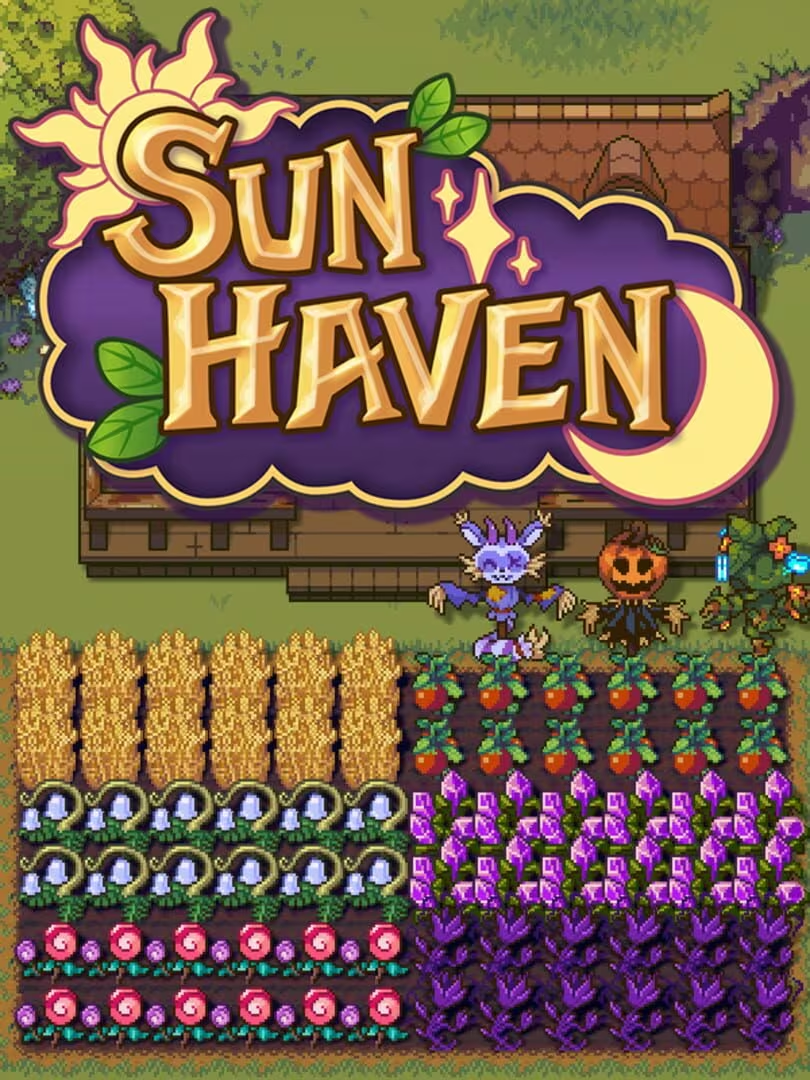
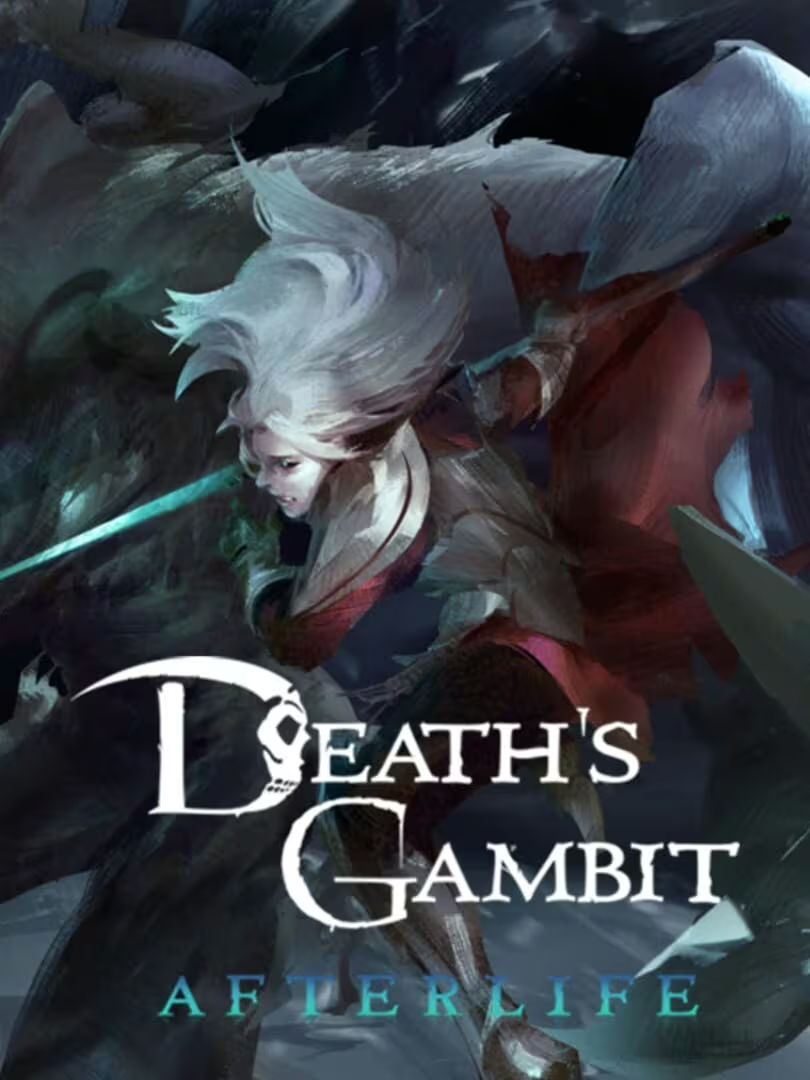
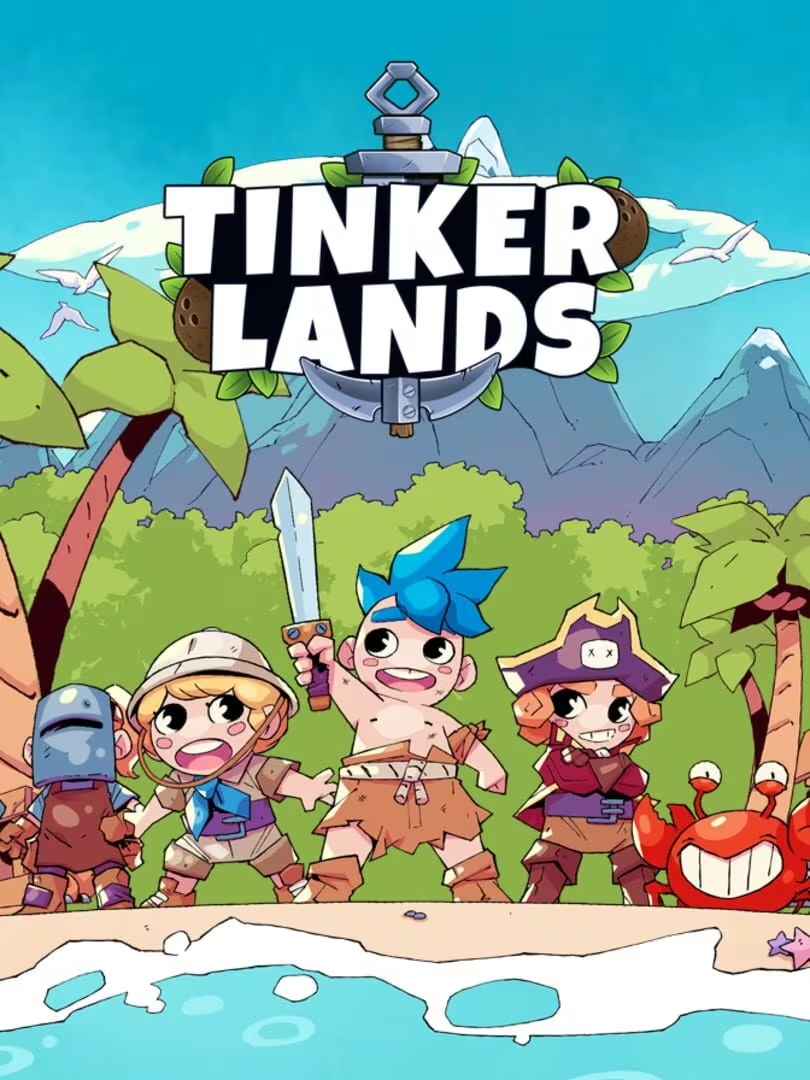
Starbound similar games & best alternatives

Starbound

PC (Microsoft Windows), Mac, Xbox One, Xbox Series X|S, Linux • 2016

Related articles

Quick resume

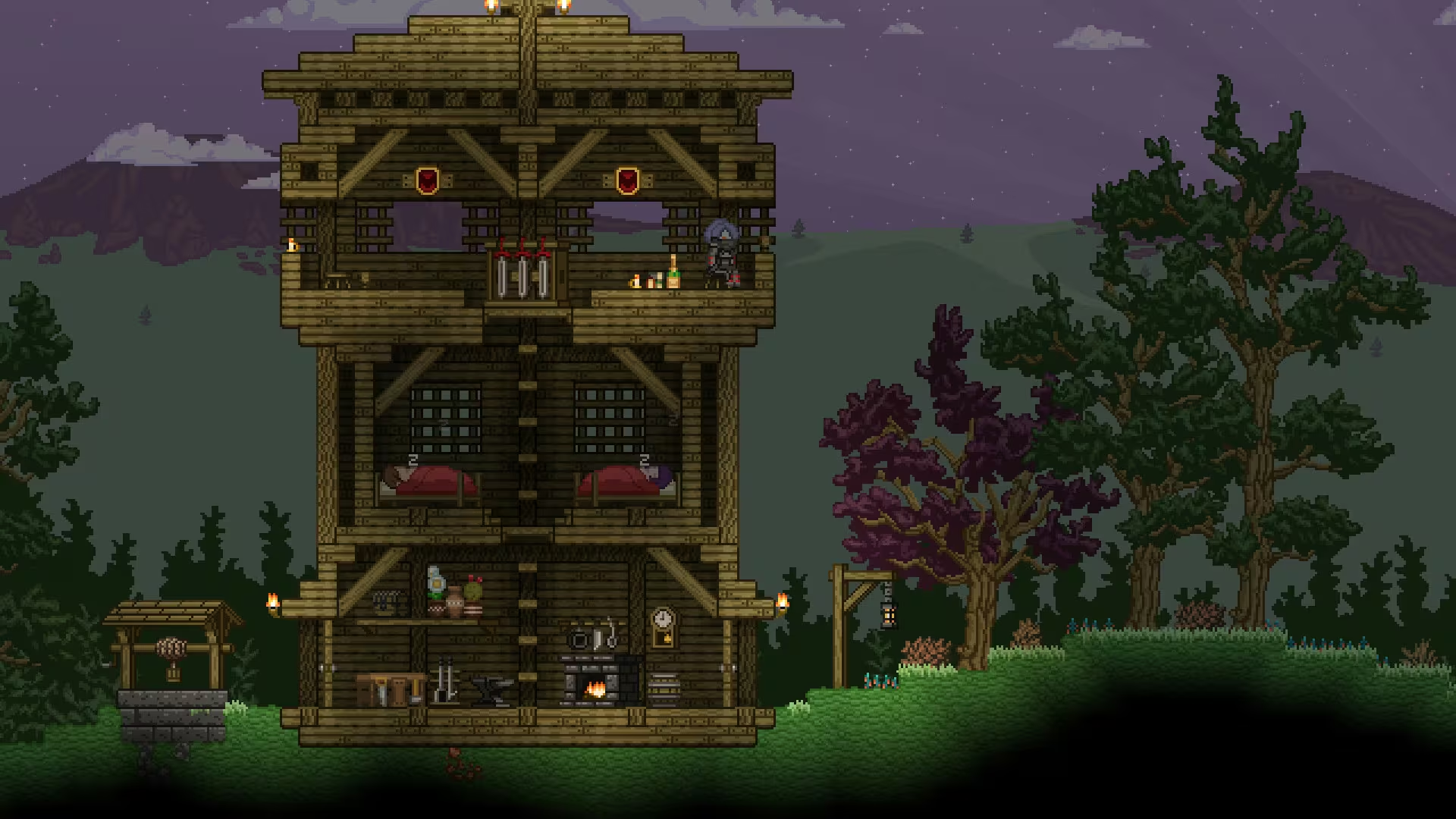
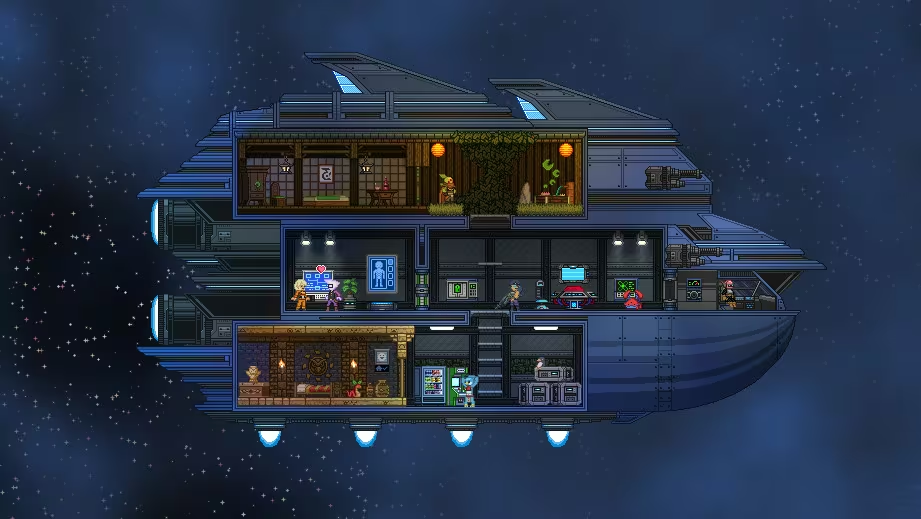
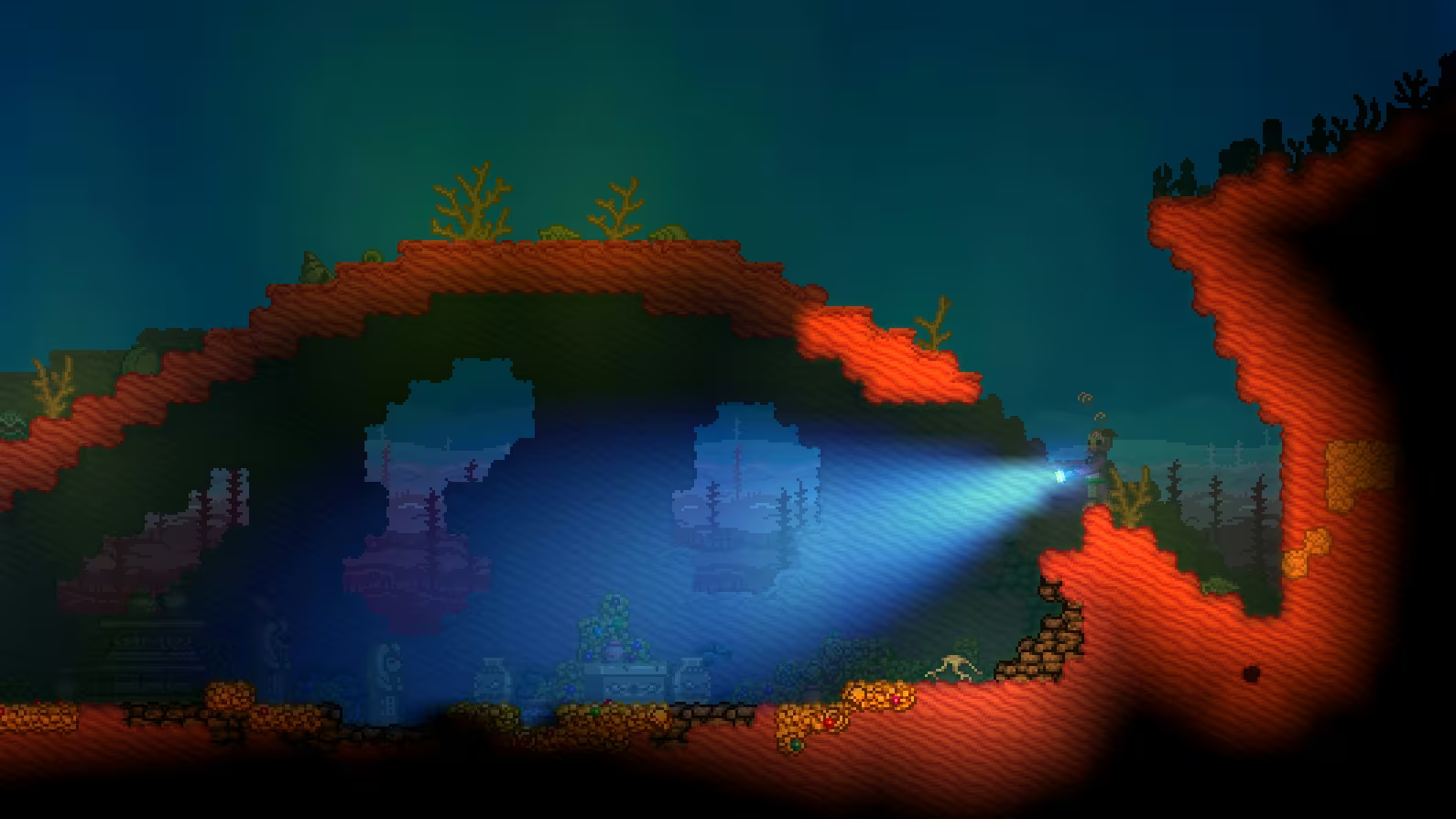
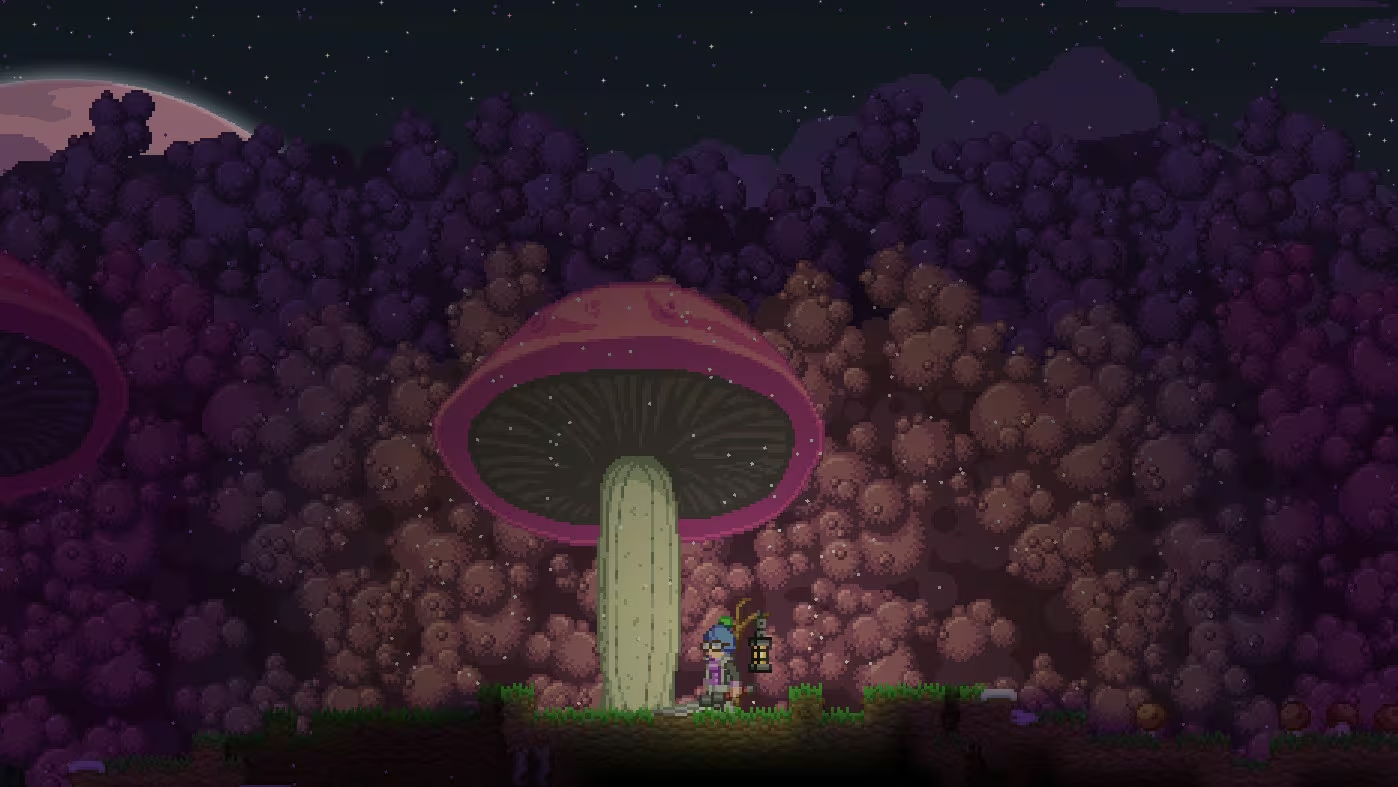
You’ve fled your home, only to find yourself lost in space with a damaged ship. Your only option is to beam down to the planet below, repair your ship and set off to explore the universe...

Global score

90/100

Genres

Action, Adventure, Casual, Indie, Role-playing (RPG), Platform

Similar games

    Pros

    • Infinite procedurally generated universe
    • Extensive building and customization
    • Strong modding community and support
    • Multiplayer and cooperative play
    • Atmospheric music and pixel art

    Cons

    • Storyline considered short and repetitive
    • Some combat described as repetitive
    • Optimization and multiplayer connectivity issues
    • Early game progression can be slow
    • Lack of recent official updates and developer support

    Analysis

    A very typical example of its motivational profile. Motivations that often define this kind of title include Cooperation, Fellowship, Intimacy, Leadership. Here, the score leans higher than usual among comparable games on Expression, Exploration. It leans lower than usual among comparable games on Leadership.

    How to use the graph
    Similar games map

    Each dot is a game. They are arranged from the same motivation profile as in the “Motivations” section below. Closer dots usually mean more similar reasons to play (exploration, competition, relaxation, etc.)—not that one game is “better” than another.

    • Larger dot with a light outline: the game you are viewing.
    • Colour: groups of games with comparable motivation patterns (statistical clusters).
    • Hover a dot to see the game name; click to open its page.
    • Scroll or double-click the chart to zoom out and see more games.

    Why don’t the axes read like a score? This view uses t-SNE: it only keeps who is close to whom. The scales are not “good to bad” or hours played—they separate groups on the map. Read distance between dots, not the axis numbers.

    Motivations

    • Autonomy
      4

      "Players have extensive freedom to explore infinite planets, build bases, customize characters, choose play styles, and decide their own goals."

    • Competence
      3

      "Combat and progression involve skill and strategy, with boss fights and gear upgrades providing challenges, though some combat is described as repetitive."

    • Competition
      -2

      "Focus is primarily on personal exploration and progression; multiplayer exists but competition is not a core element."

    • Continuation
      4

      "Many players report hundreds to thousands of hours played, with high replayability and mod support encouraging long-term engagement."

    • Cooperation
      3

      "Multiplayer and cooperative play are supported and enjoyed, with players teaming up for exploration and combat."

    • Creativity
      5

      "Extensive building, terraforming, character customization, and modding support enable high creativity."

    • Domination
      -3

      "Interactions emphasize cooperation and shared experiences rather than exerting control or superiority over others."

    • Escapism
      5

      "Players use the game to explore vast universes, escape reality, and immerse in a sci-fi sandbox experience."

    • Expectation
      -4

      "Engagement is driven by intrinsic interest and personal desire rather than obligation or external pressure."

    • Experimenting
      4

      "Players explore new planets, try different weapons, play styles, and extensively mod the game, indicating high experimentation."

    • Exploration
      5

      "Core gameplay revolves around discovering new planets, biomes, dungeons, and secrets in an infinite procedurally generated universe."

    • Expression
      5

      "Character customization, ship decoration, colony building, and furniture placement allow strong self-expression."

    • Fantasy
      4

      "Set in a sci-fi universe with multiple alien races, fantastical creatures, and imaginative settings."

    • Fellowship
      3

      "Community and multiplayer interactions foster a sense of belonging and shared adventure."

    • Growth
      4

      "Players develop skills, acquire knowledge of game systems, and improve characters and equipment over time."

    • Health
      -4

      "Gameplay is sedentary with no physical activity elements; some players mention long play sessions."

    • Idle
      -3

      "Requires active engagement and attention; not typically used as background or filler activity."

    • Intimacy
      2

      "Some social interaction and cooperation with friends, but limited evidence of deep emotional connections."

    • Leadership
      -2

      "Players mostly participate collaboratively or individually without strong leadership roles."

    • Progression
      4

      "Clear progression through gear upgrades, ship improvements, unlocking new planets, and completing quests."

    • Relaxation
      3

      "Game offers both calm exploration and action; many players find it relaxing and immersive."

    • Sensation
      3

      "Enjoyable pixel art, atmospheric music, and varied environments provide sensory stimulation."

    • Status
      -2

      "Little emphasis on social recognition or status; focus is on personal experience and community participation."

    • Story
      2

      "Has a main storyline and quests, though story is considered short and sometimes repetitive; story supports exploration."

    • Strategy
      3

      "Combat and progression require planning, gear selection, and tactical play, though some combat is straightforward."

    • Thrill
      2

      "Boss fights and exploration provide moments of suspense and excitement, but overall gameplay is balanced."

    • Value
      4

      "Players report high value for time and money due to vast content, modding, and replayability."

    • Violence
      1

      "Combat against monsters and bosses is present but balanced with building and exploration."

    • Survival
      2

      "Survival elements exist early on, with environmental hazards and resource management, but become less central later."

    Last update: 29/04/2026