Restaurant Empire II Thumbnail

Restaurant Empire II similar games & best alternatives
Restaurant Empire II

PC (Microsoft Windows) • 2009

Related articles

Quick resume

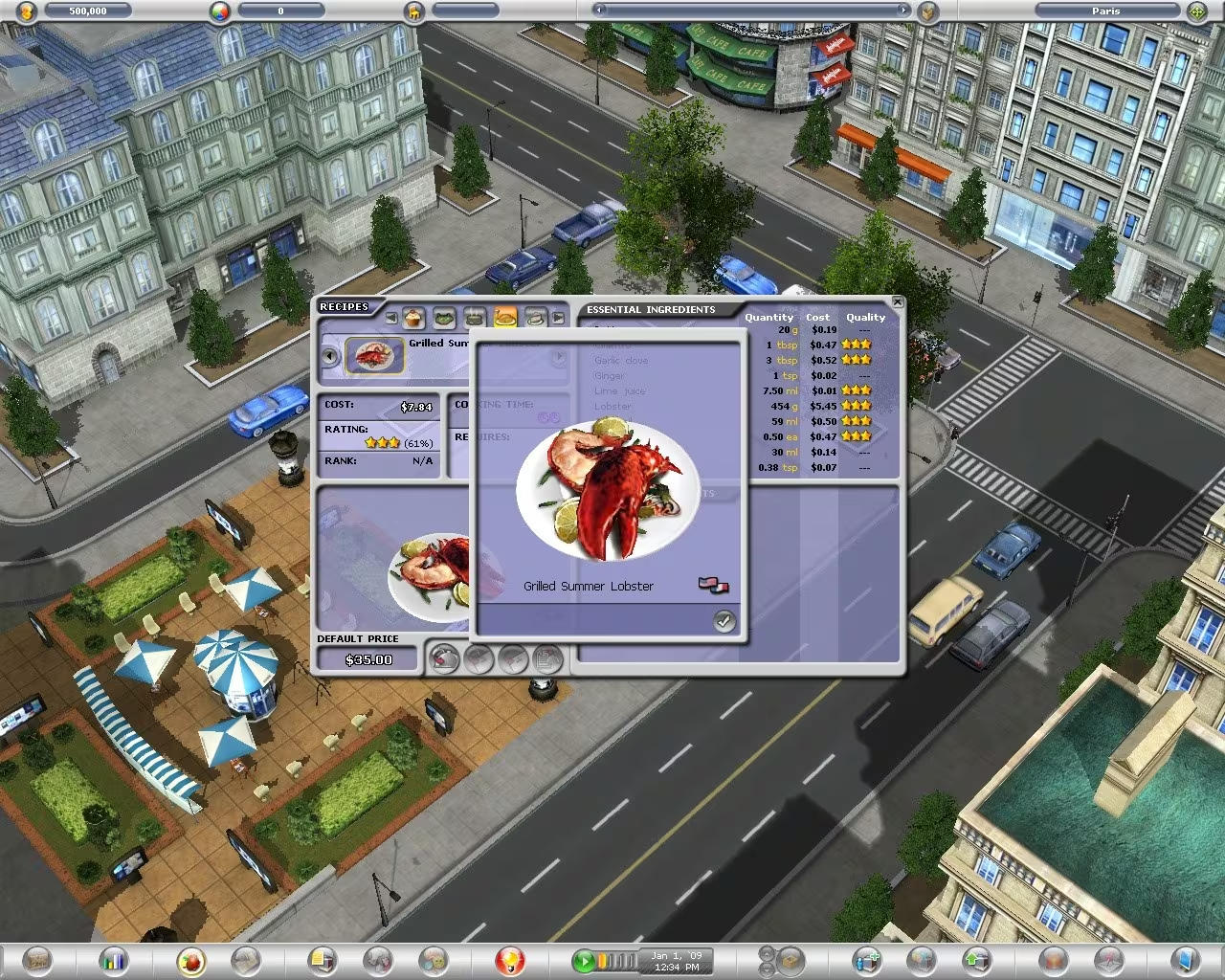
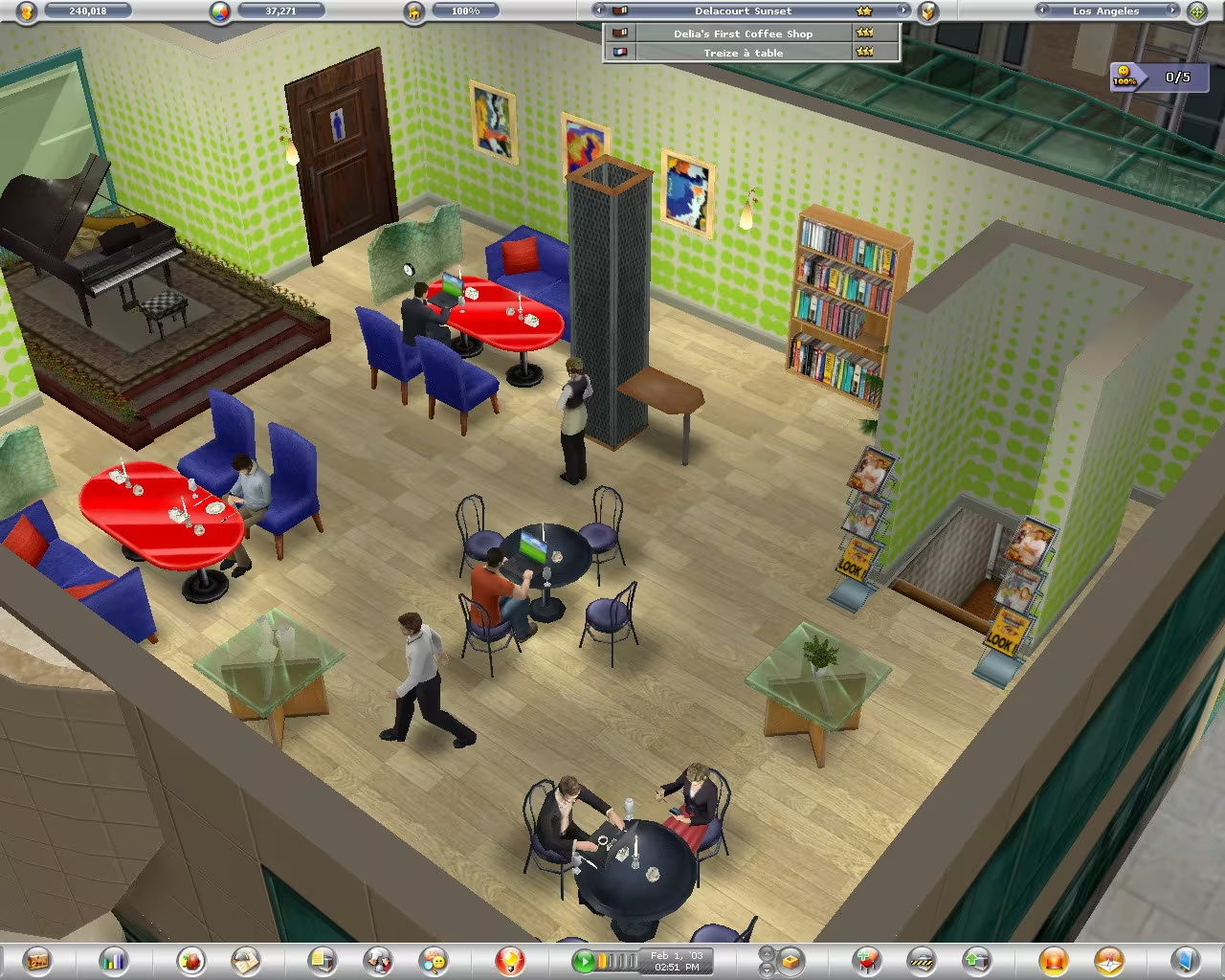
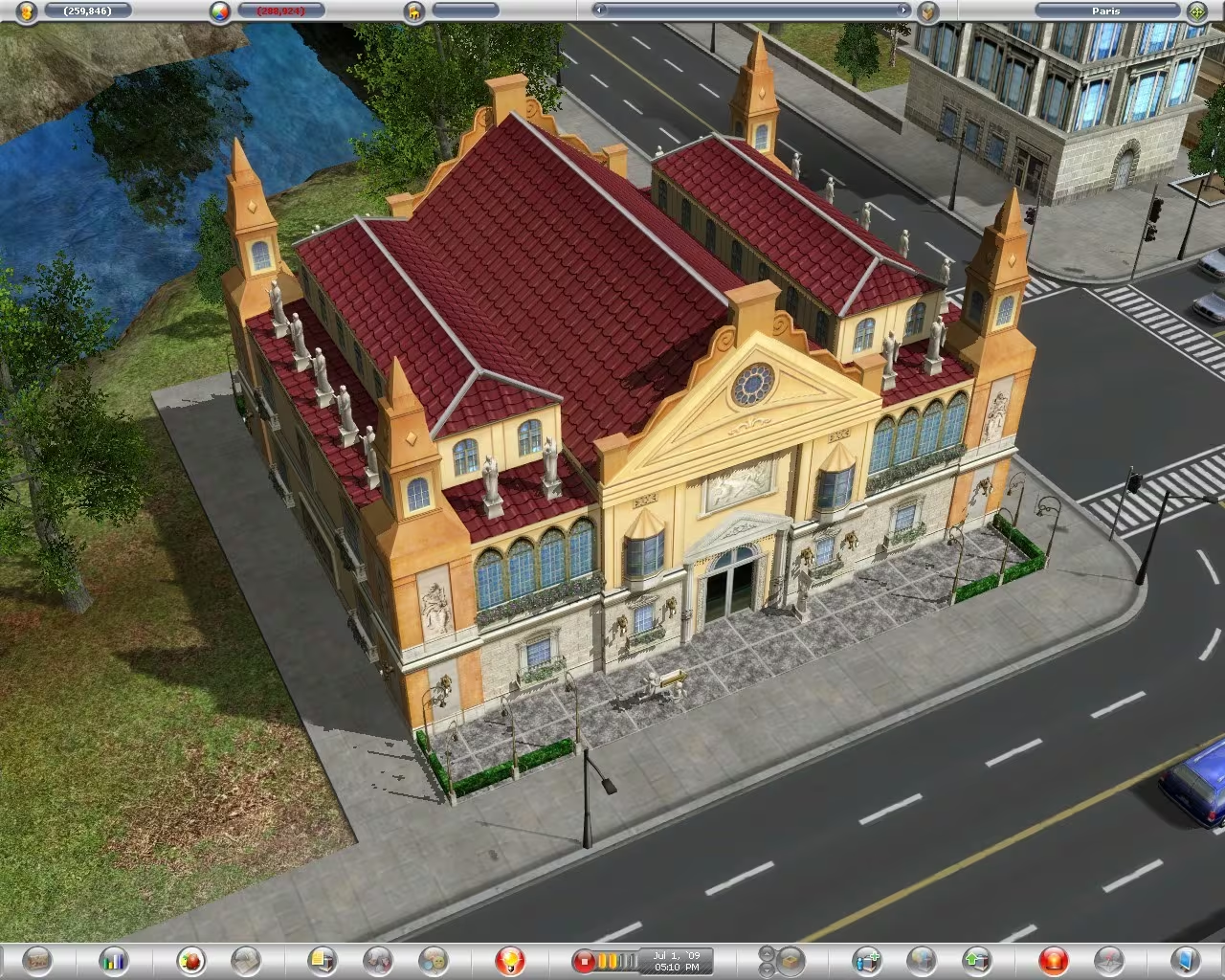
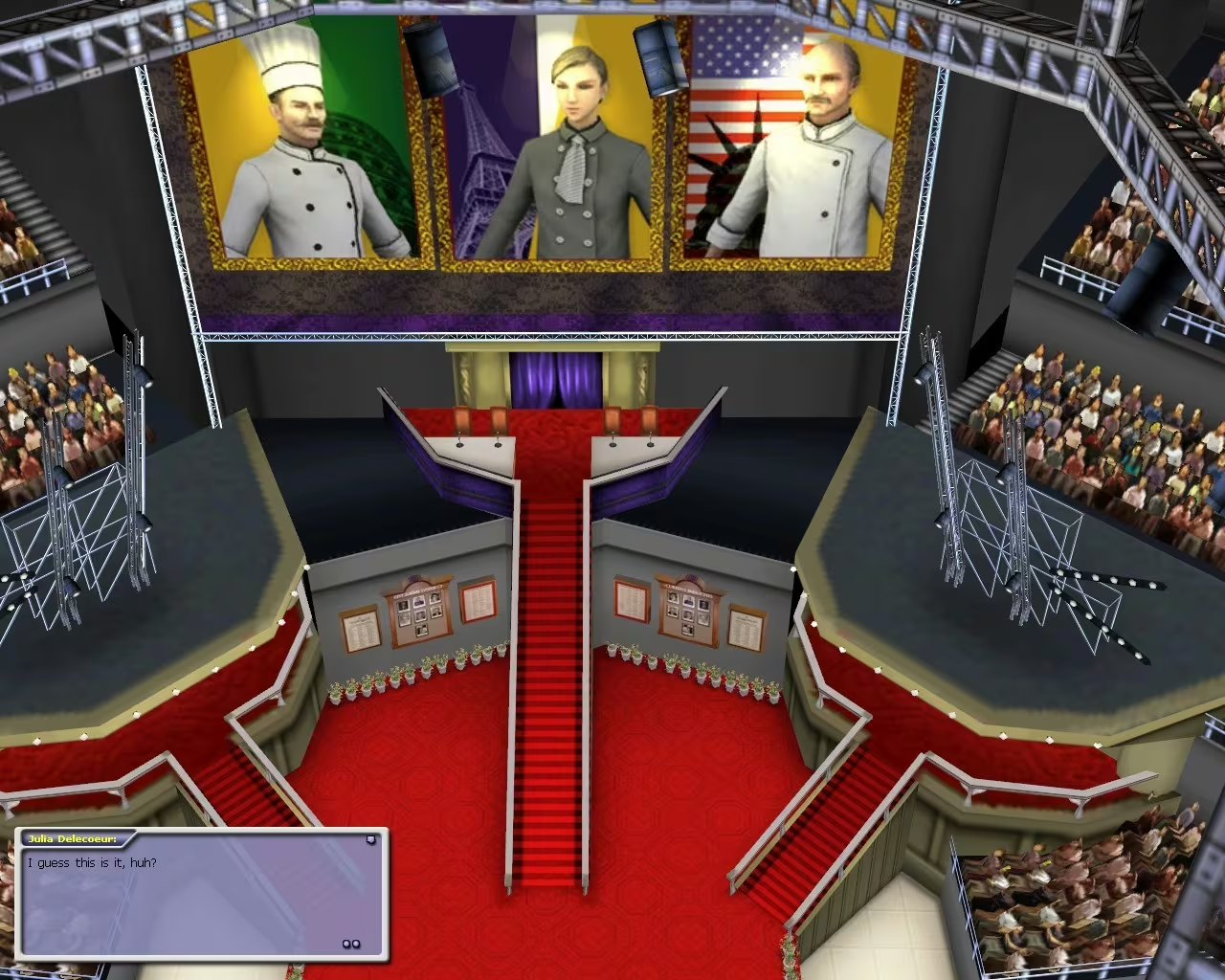
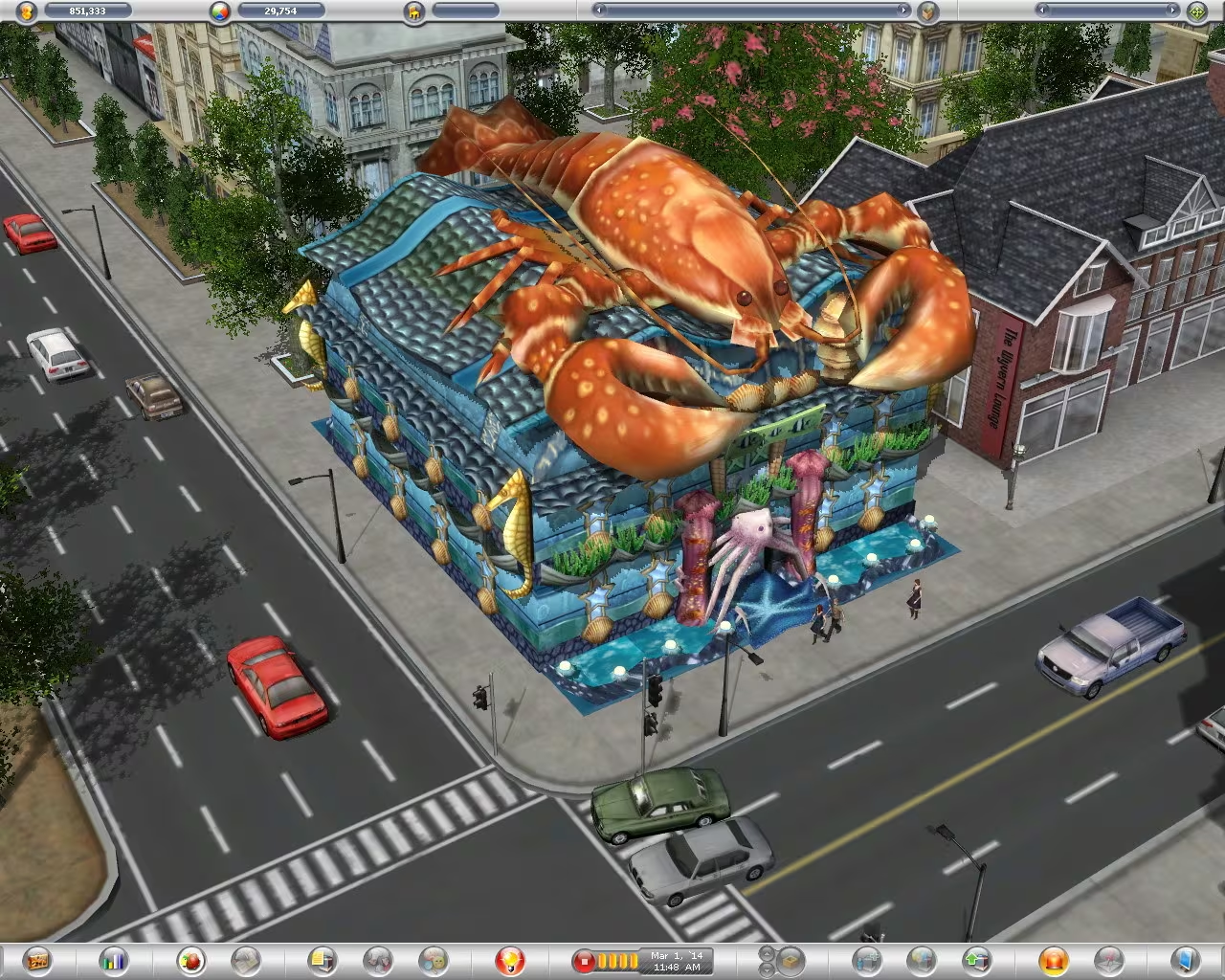
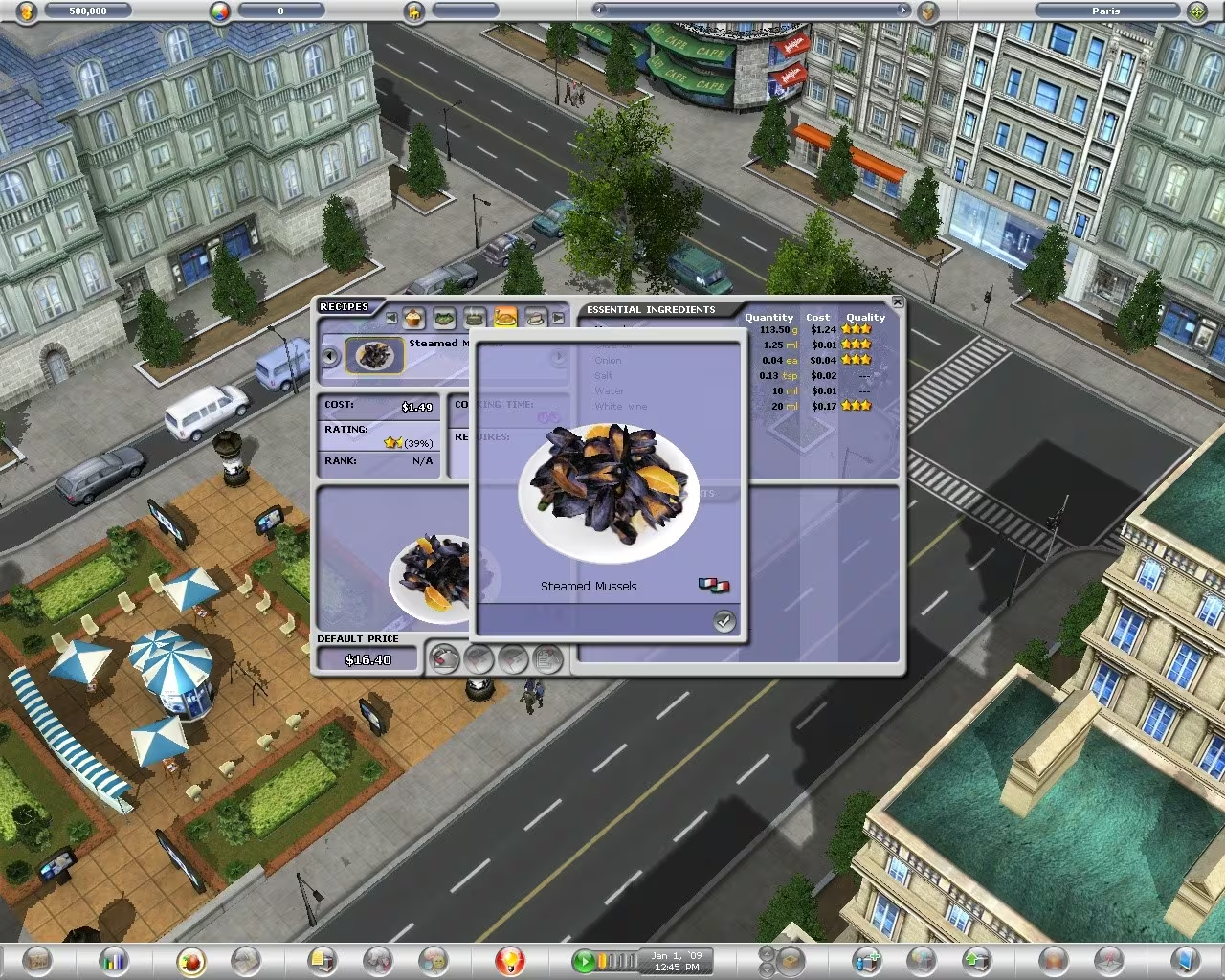
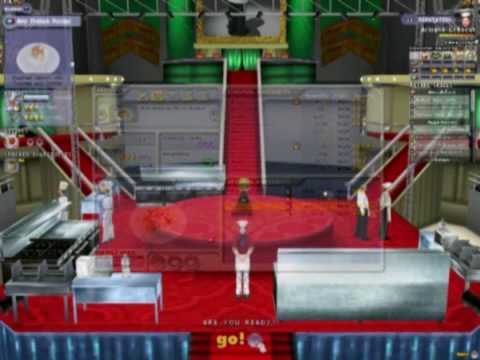
Restaurant Empire 2 is the most realistic and comprehensive restaurant business simulation available, featuring 4 cuisines, 600 recipes, 4 huge cities, 2 campaigns with a total of 34 missions, 1400 interior objects, and a mix of business strategy and role-playing gameplay such as cooking contests.

Global score

76/100

Genres

Casual, Indie, Simulator, Strategy

Similar games

    Pros

    • Deep and detailed restaurant management
    • Engaging campaign and sandbox modes
    • High replayability and nostalgia factor
    • Creative customization options
    • Challenging yet relaxing gameplay

    Cons

    • Dated graphics and ui
    • Tedious micromanagement of menus and ingredients
    • Ai pathfinding and staff behavior issues
    • Lack of multiplayer or social features
    • Some bugs and technical problems reported

    Analysis

    Broadly representative of its motivational profile, with a few distinct shifts. Motivations that often define this kind of title include Fantasy, Violence, Story, Thrill. Here, the score leans higher than usual among comparable games on Leadership, Story, Survival.

    How to use the graph
    Similar games map

    Each dot is a game. They are arranged from the same motivation profile as in the “Motivations” section below. Closer dots usually mean more similar reasons to play (exploration, competition, relaxation, etc.)—not that one game is “better” than another.

    • Larger dot with a light outline: the game you are viewing.
    • Colour: groups of games with comparable motivation patterns (statistical clusters).
    • Hover a dot to see the game name; click to open its page.
    • Scroll or double-click the chart to zoom out and see more games.

    Why don’t the axes read like a score? This view uses t-SNE: it only keeps who is close to whom. The scales are not “good to bad” or hours played—they separate groups on the map. Read distance between dots, not the axis numbers.

    Motivations

    • Autonomy
      4

      "Players have control over many aspects of restaurant management including menu design, staff hiring, decoration, pricing, and strategy decisions."

    • Competence
      3

      "The game involves skillful management, problem solving, and overcoming challenges such as customer satisfaction and financial goals."

    • Competition
      1

      "Includes cooking contests and some competitive elements, but mostly focused on personal progress rather than direct player-vs-player competition."

    • Continuation
      3

      "Many reviews mention long play sessions, replayability, and habitual return to the game despite some frustrations."

    • Cooperation
      -4

      "Gameplay is primarily single-player and focused on individual management without multiplayer or cooperative modes."

    • Creativity
      3

      "Players customize restaurant layout, decoration, menus, and recipes, allowing creative expression within the game."

    • Domination
      -3

      "Interactions with AI staff and customers are limited; no evidence of exerting control over other players or social dominance."

    • Escapism
      3

      "Players use the game as a relaxing and immersive escape into restaurant management and culinary simulation."

    • Expectation
      -4

      "Players engage voluntarily out of interest and nostalgia rather than obligation or external pressure."

    • Experimenting
      3

      "Players experiment with different menus, layouts, ingredient suppliers, and strategies to optimize performance."

    • Exploration
      1

      "Some exploration of new restaurant types and recipes, but mostly within known environments and scenarios."

    • Expression
      3

      "Customization of restaurant interiors, menus, and chef characters supports player expression."

    • Fantasy
      -1

      "Game is grounded in realistic restaurant management scenarios with some light storytelling but no strong fantasy elements."

    • Fellowship
      -4

      "No multiplayer or social community features; gameplay is solitary."

    • Growth
      4

      "Players develop skills, unlock recipes, train staff, and improve their restaurant empire over time."

    • Health
      -5

      "Sedentary gameplay with no physical activity involved."

    • Idle
      -3

      "Requires active management and attention; not designed for passive or background play."

    • Intimacy
      -5

      "No evidence of close social relationships or emotional sharing within the game."

    • Leadership
      2

      "Players lead their restaurant staff and make managerial decisions but no multiplayer leadership roles."

    • Progression
      4

      "Strong emphasis on accumulating money, recipes, upgrades, and expanding restaurant empire."

    • Relaxation
      3

      "Many players find the game relaxing and enjoyable despite some frustrations."

    • Sensation
      1

      "Visuals and sounds are dated but food presentation and atmosphere provide some sensory enjoyment."

    • Status
      0

      "No social recognition or ranking systems; status is internal to the game progress."

    • Story
      2

      "Includes campaign mode with storyline and character progression, adding narrative immersion."

    • Strategy
      4

      "Requires planning, problem solving, and strategic decision making to succeed."

    • Thrill
      0

      "Game is more about steady management than suspense or risk."

    • Value
      3

      "Players feel they get good entertainment value, especially on sale, though some note price is high for age."

    • Violence
      -5

      "No combat or destructive gameplay; focus is on constructive restaurant building and management."

    • Survival
      2

      "Players must avoid failure by managing finances and customer satisfaction, but no extreme survival elements."

    Last update: 29/04/2026