TransOcean: The Shipping Company Thumbnail

TransOcean: The Shipping Company similar games & best alternatives
TransOcean: The Shipping Company

PC (Microsoft Windows), Mac • 2014

Related articles

Quick resume

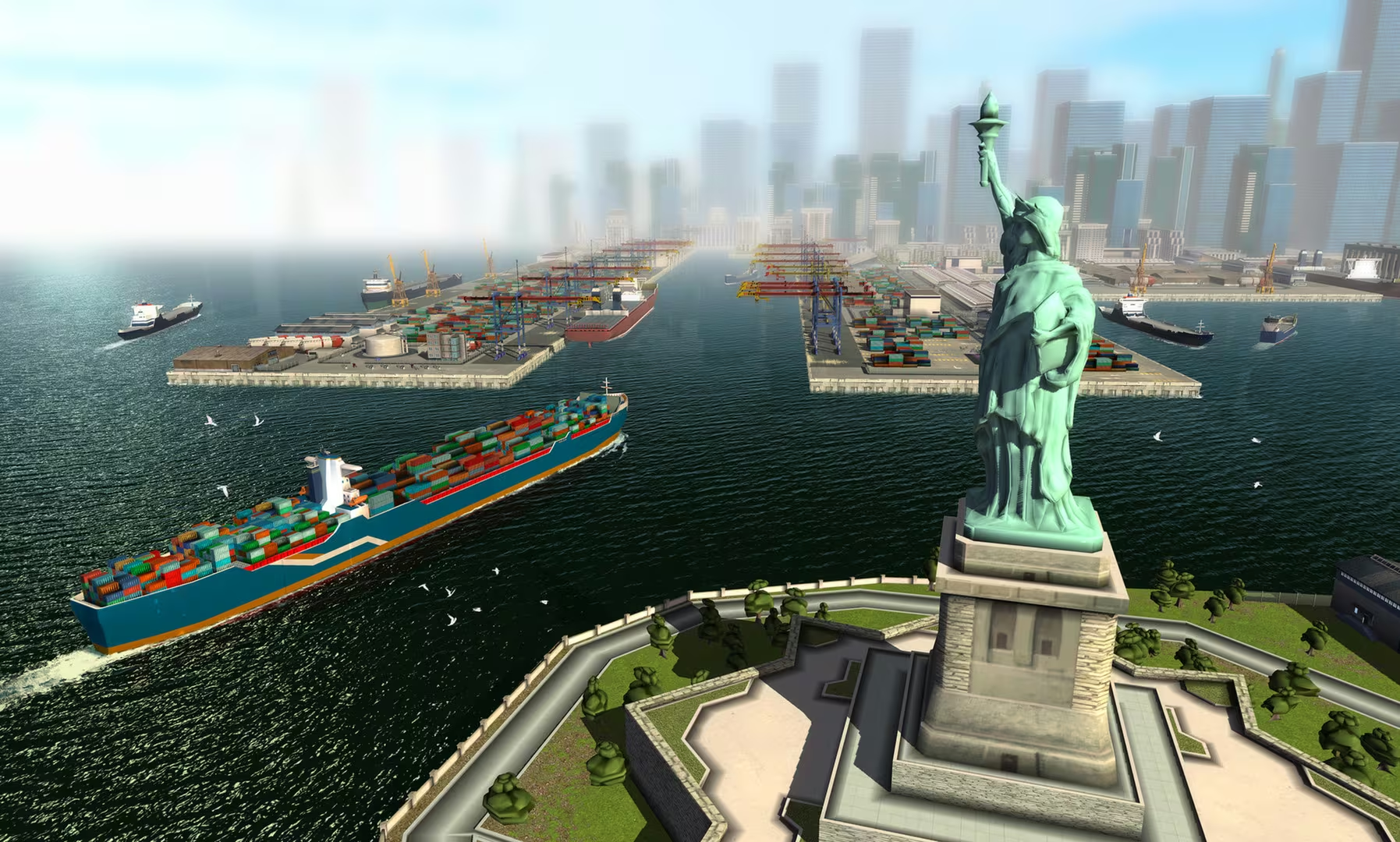
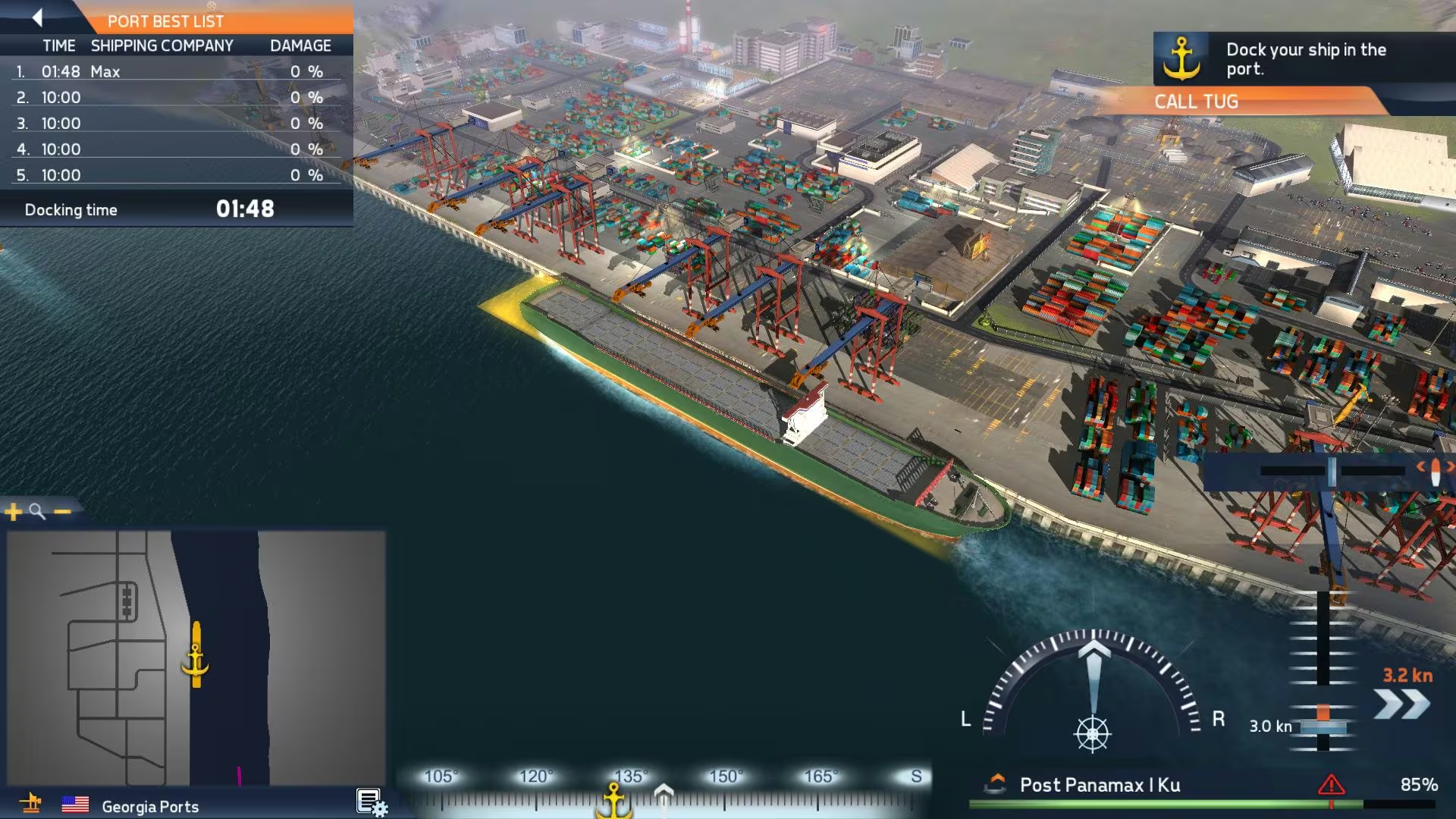
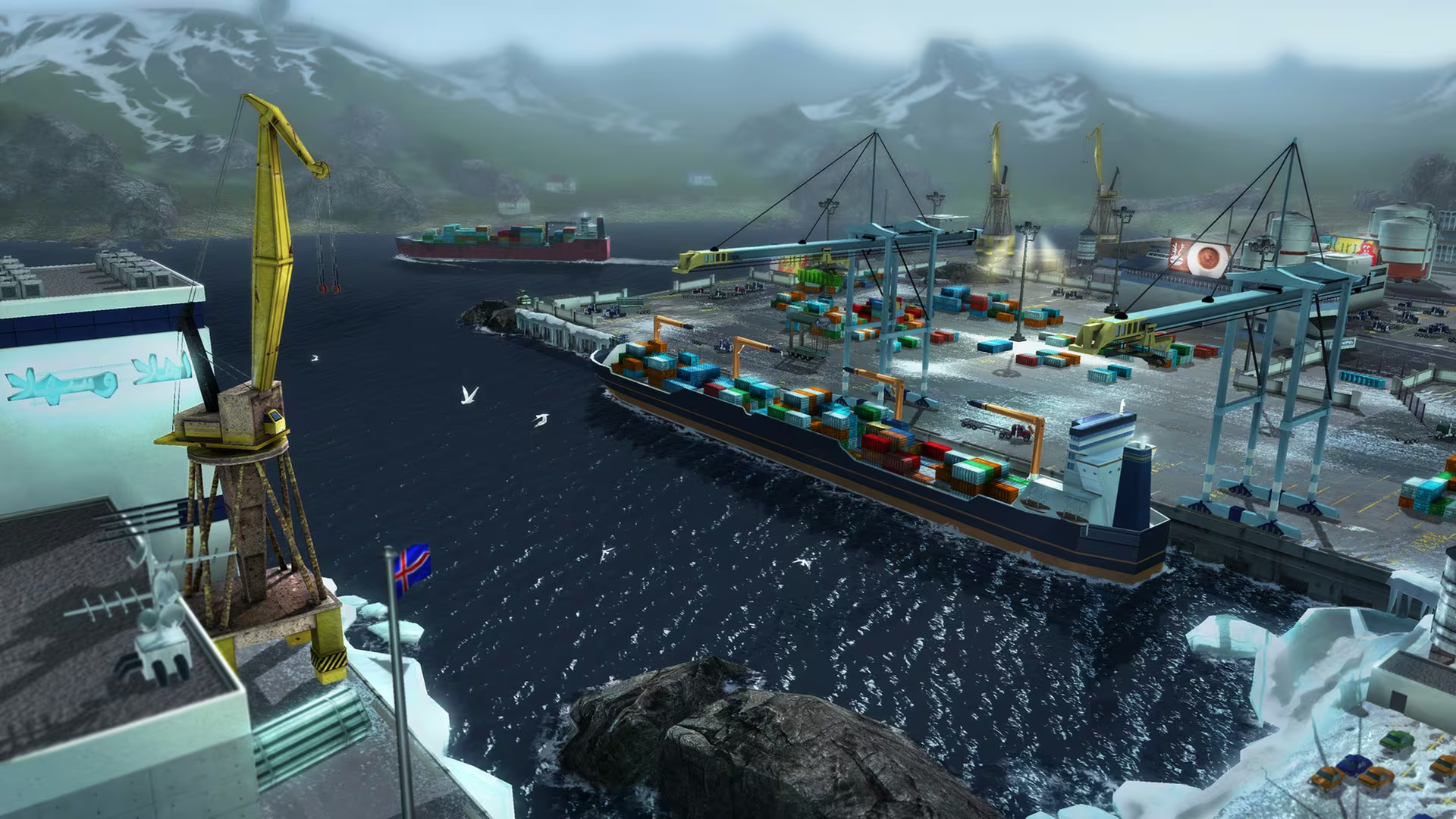
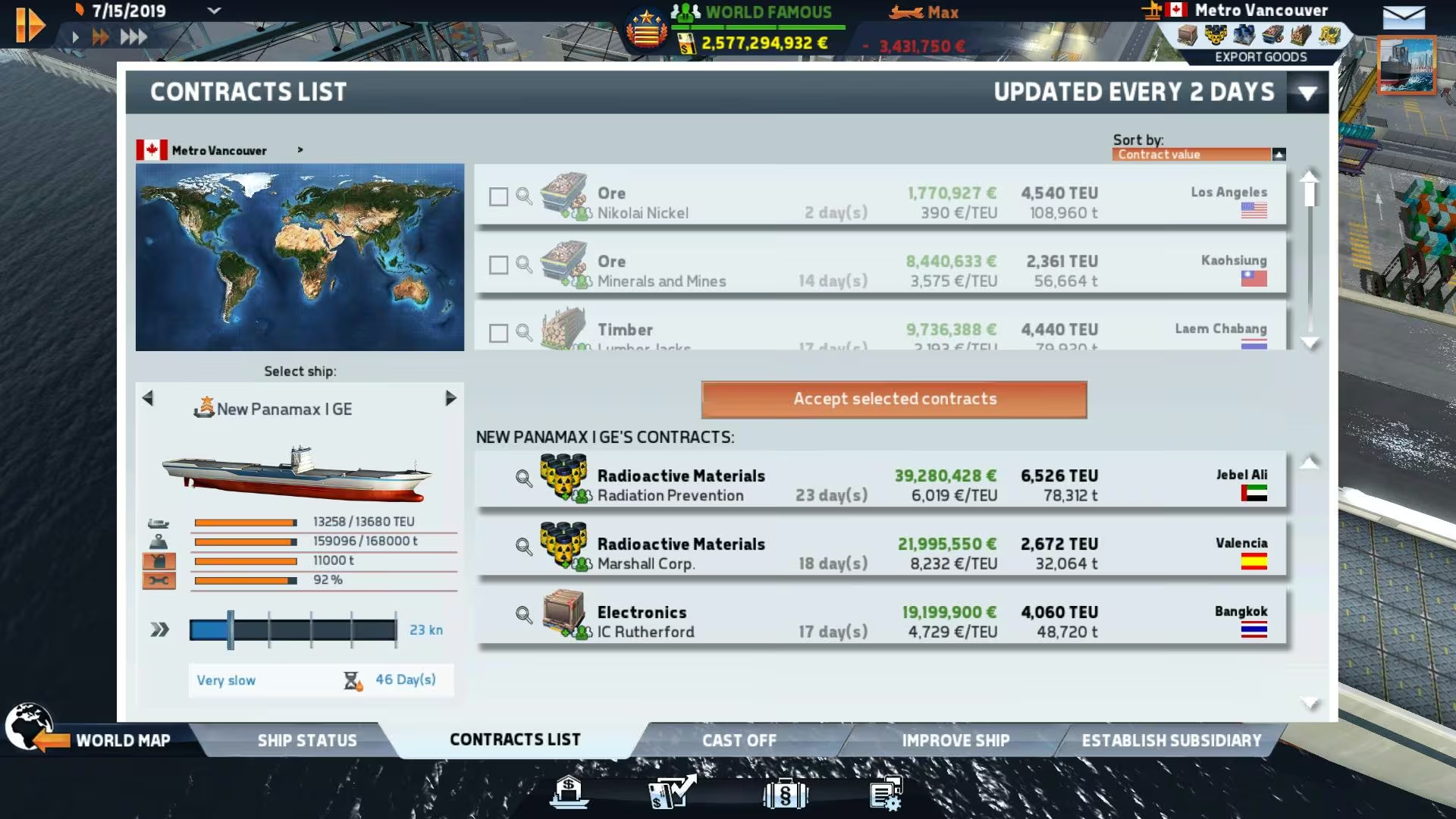
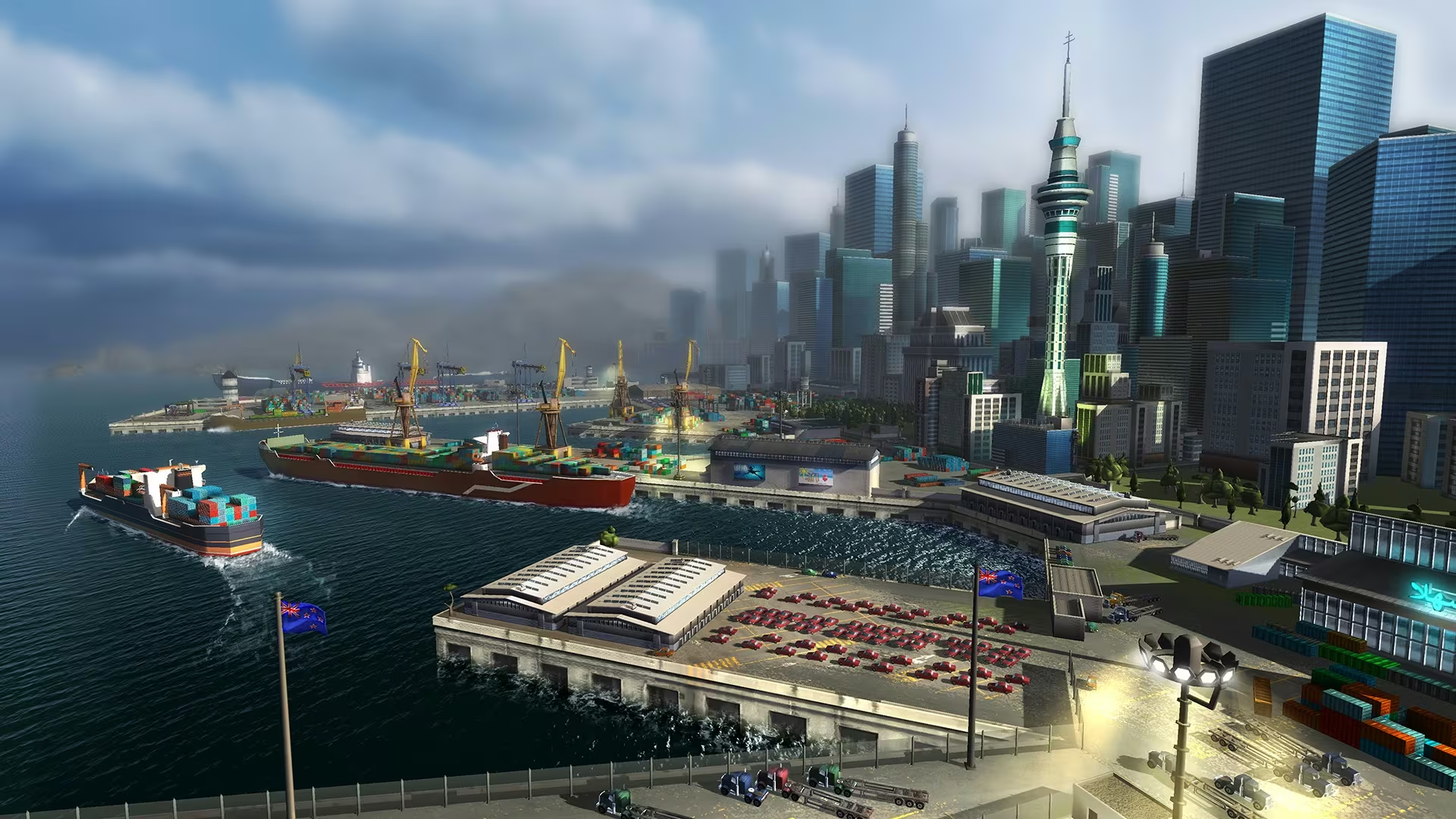
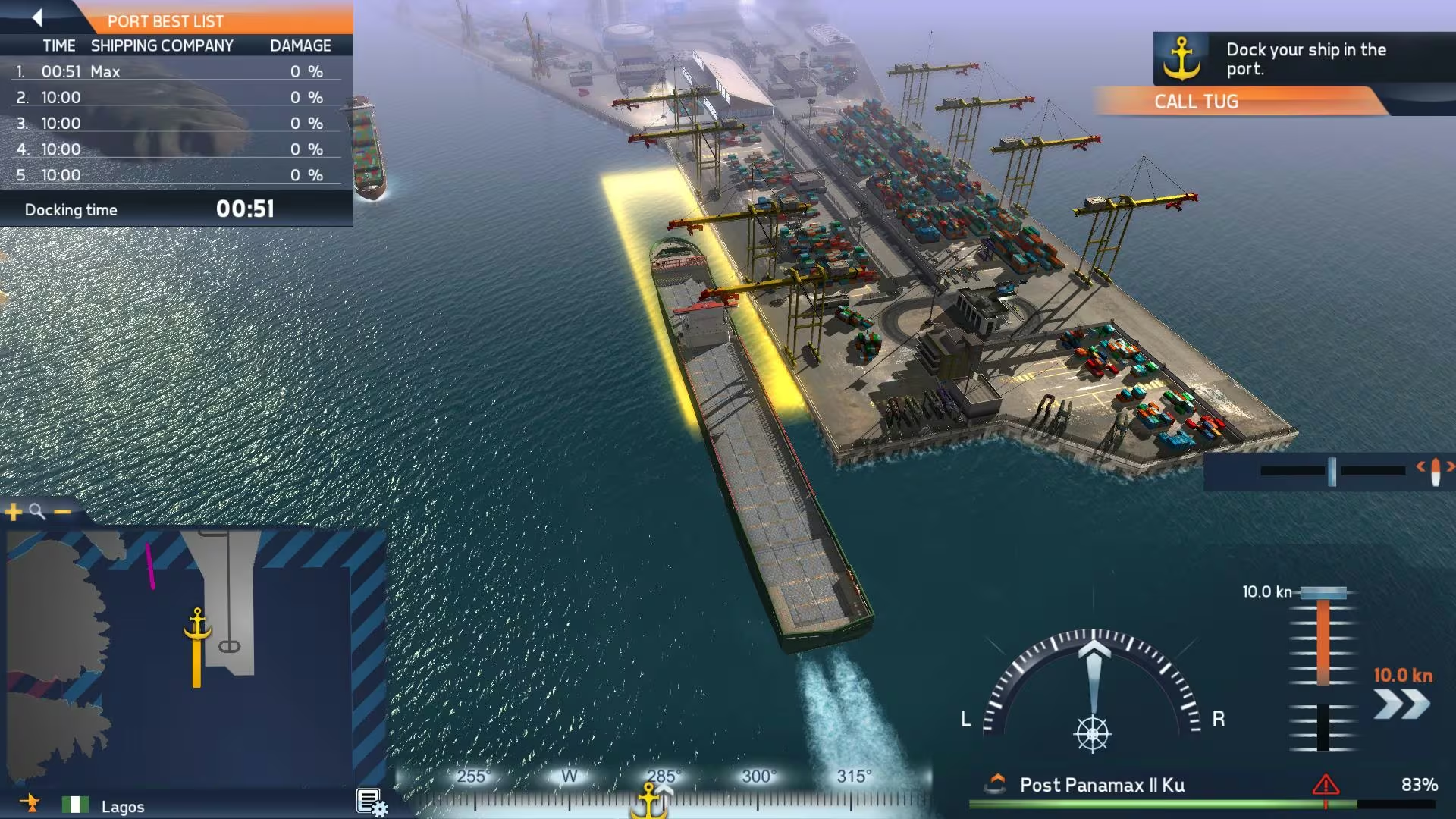
TransOcean – The Shipping Company is your ticket to the world of gigantic ships and transnational transport empires. Build a mighty fleet of modern merchant ships and conquer the seven seas.

Global score

74/100

Genres

Casual, Simulator, Strategy

Similar games

    Pros

    • Addictive gameplay loop
    • Nostalgic ports of call feel
    • Solid management and strategy elements
    • Relaxing and immersive
    • Polished and stable

    Cons

    • Repetitive late game
    • Tedious docking minigame for large fleets
    • Limited multiplayer and social features
    • Some ui and camera limitations
    • Lack of deeper ship customization

    Analysis

    Less representative of its motivational profile, with noticeable differences. Motivations that often define this kind of title include Fantasy, Violence, Story, Thrill. Here, the score leans higher than usual among comparable games on Leadership, Status, Story.

    How to use the graph
    Similar games map

    Each dot is a game. They are arranged from the same motivation profile as in the “Motivations” section below. Closer dots usually mean more similar reasons to play (exploration, competition, relaxation, etc.)—not that one game is “better” than another.

    • Larger dot with a light outline: the game you are viewing.
    • Colour: groups of games with comparable motivation patterns (statistical clusters).
    • Hover a dot to see the game name; click to open its page.
    • Scroll or double-click the chart to zoom out and see more games.

    Why don’t the axes read like a score? This view uses t-SNE: it only keeps who is close to whom. The scales are not “good to bad” or hours played—they separate groups on the map. Read distance between dots, not the axis numbers.

    Motivations

    • Autonomy
      3

      "Players can choose ships, routes, upgrades, and manage their company freely, though some actions like docking can be automated for a fee."

    • Competence
      3

      "Game involves managing logistics, upgrading ships, and handling contracts with some skill in docking minigames and strategic planning."

    • Competition
      -3

      "Focus is on personal progress and company growth; no real multiplayer competition, only indirect price influence in online mode."

    • Continuation
      3

      "Players report addictive gameplay with hours spent building fleets and managing contracts, though some find late game repetitive."

    • Cooperation
      -4

      "Gameplay is primarily single-player management with no cooperative multiplayer or team-based goals."

    • Creativity
      1

      "Some ship customization and upgrades available, but limited visual customization and no modding support yet."

    • Domination
      -4

      "Interactions with investors and contracts are scripted; no player-vs-player domination or power assertion."

    • Escapism
      3

      "Players use the game as a relaxing, immersive escape into shipping logistics and company management."

    • Expectation
      -4

      "Players engage voluntarily for enjoyment and nostalgia; no obligation or external pressure reported."

    • Experimenting
      2

      "Players try different ships, routes, and upgrades; some experimentation with smuggling and risk management."

    • Exploration
      2

      "Players unlock new ports and regions progressively, exploring global shipping routes."

    • Expression
      -2

      "Limited customization mostly to ship names; no extensive avatar or environment personalization."

    • Fantasy
      -3

      "Game simulates realistic shipping logistics and company management; minimal fantasy or fictional elements."

    • Fellowship
      -4

      "Minimal social interaction; mostly solo play without community or group identity features."

    • Growth
      4

      "Players develop skills in managing fleets, contracts, and finances; progress through company ranks."

    • Health
      -5

      "Sedentary gameplay with no physical activity or health-related features."

    • Idle
      -3

      "Requires active management and attention, especially docking and contract handling; some automation possible."

    • Intimacy
      -5

      "No close social relationships or emotional sharing; interactions are minimal and transactional."

    • Leadership
      3

      "Players lead and manage their shipping company and fleet, making strategic decisions."

    • Progression
      5

      "Strong focus on accumulating ships, upgrades, contracts, and company rank progression."

    • Relaxation
      3

      "Many players find the game relaxing and enjoyable, though some find late game repetitive."

    • Sensation
      1

      "Visuals and sounds are pleasant but not highly stimulating; docking minigame adds some excitement."

    • Status
      2

      "Company reputation and rank provide recognition within the game; no social status outside game."

    • Story
      2

      "Campaign mode provides a narrative with investor and company goals; free play is more sandbox."

    • Strategy
      4

      "Requires planning routes, managing finances, contracts, and risk from events like pirates and storms."

    • Thrill
      1

      "Some suspense from random events like piracy and storms, but overall low risk and tension."

    • Value
      4

      "Players report good value for money especially on sale, with many hours of gameplay."

    • Violence
      -4

      "Focus on transport and management; combat or destruction elements are minimal or absent."

    • Survival
      2

      "Players manage risks like storms, piracy, and ship damage to avoid failure and penalties."

    Last update: 29/04/2026