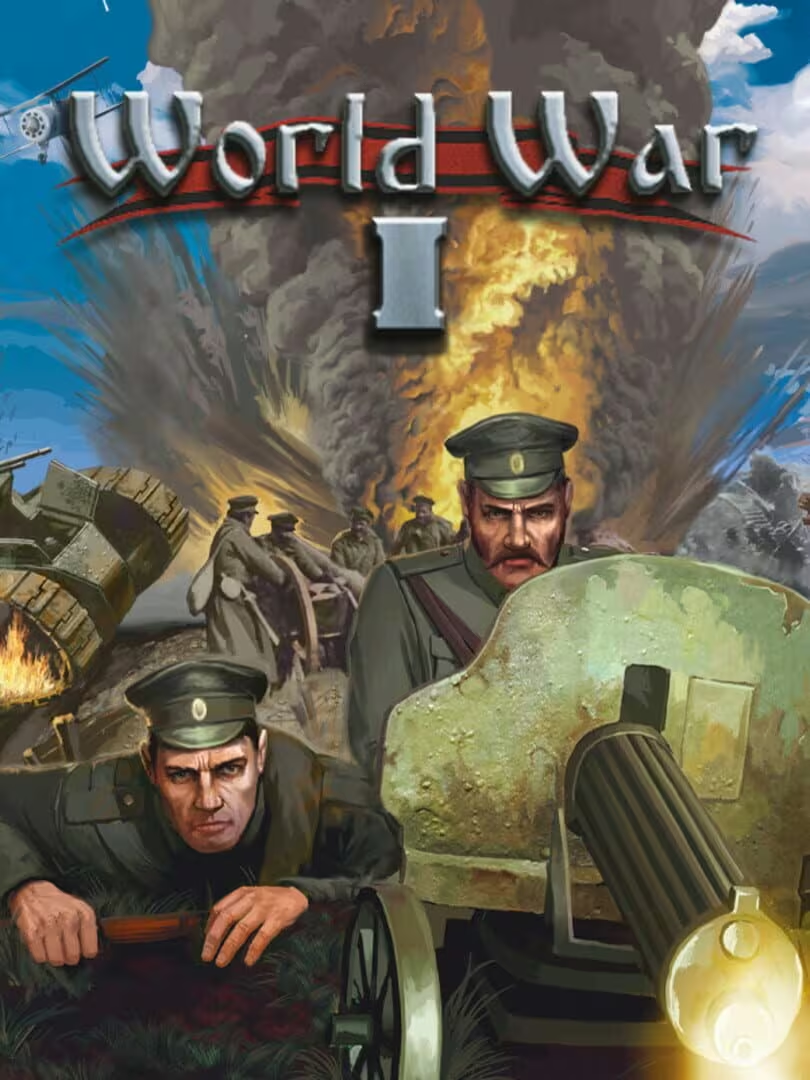
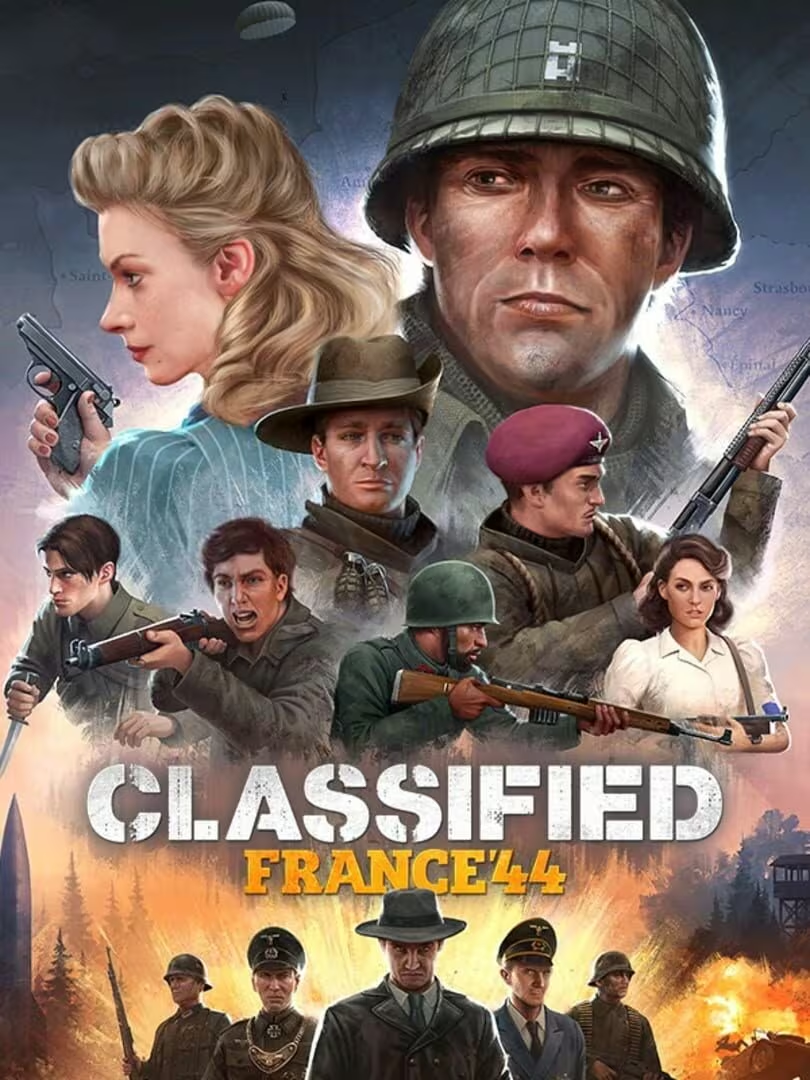
Cuban Missile Crisis Thumbnail

Cuban Missile Crisis similar games & best alternatives
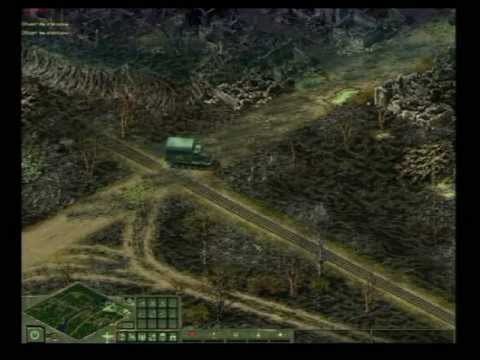
Cuban Missile Crisis

PC (Microsoft Windows) • 2015

Related articles

Quick resume

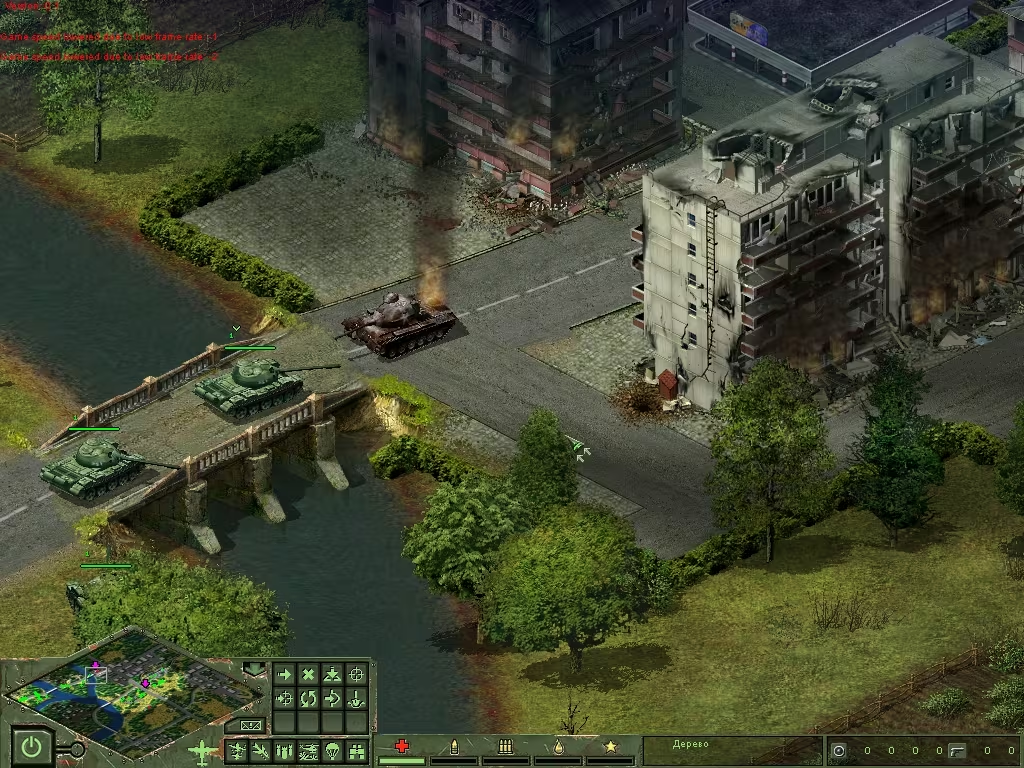
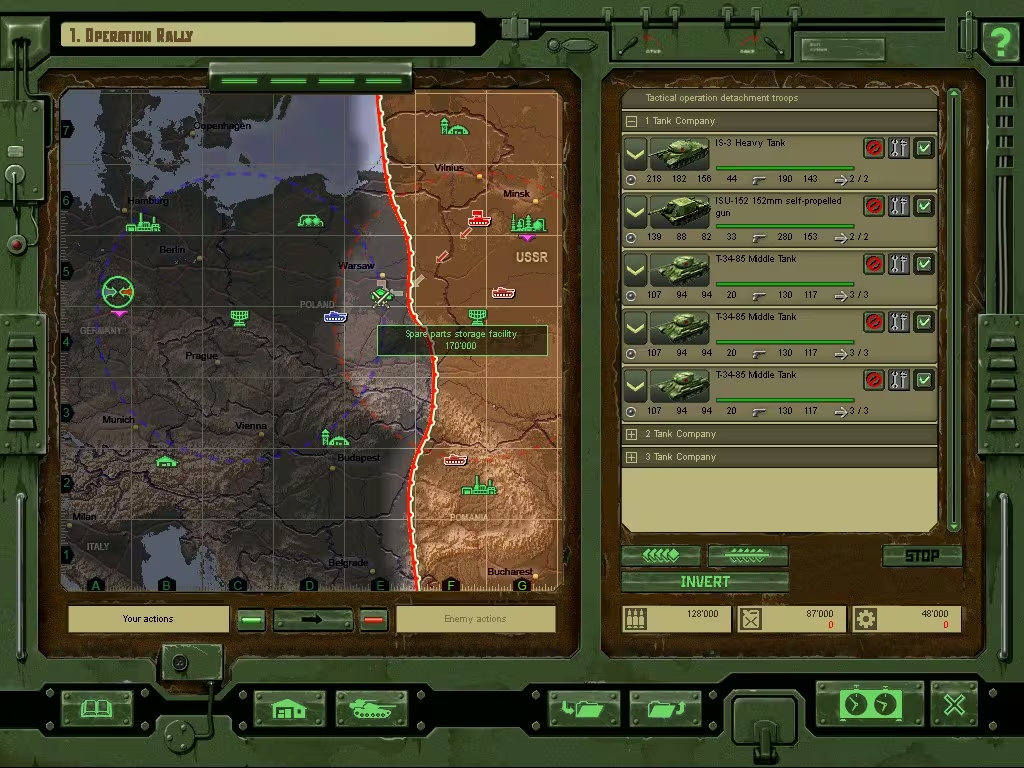
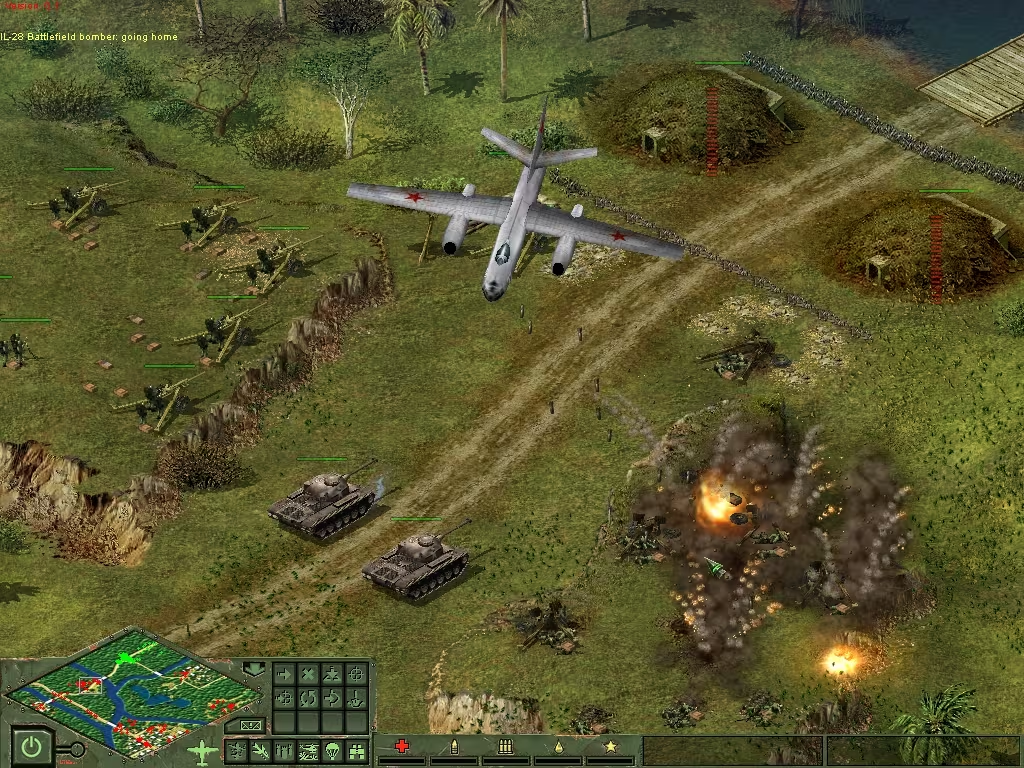
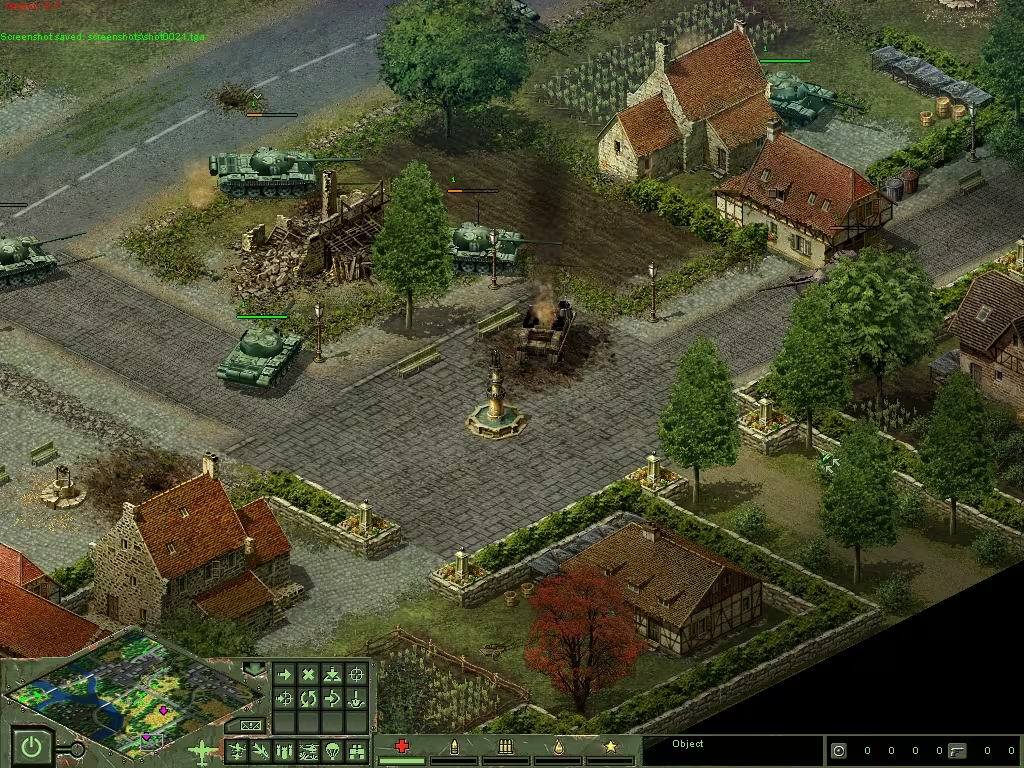
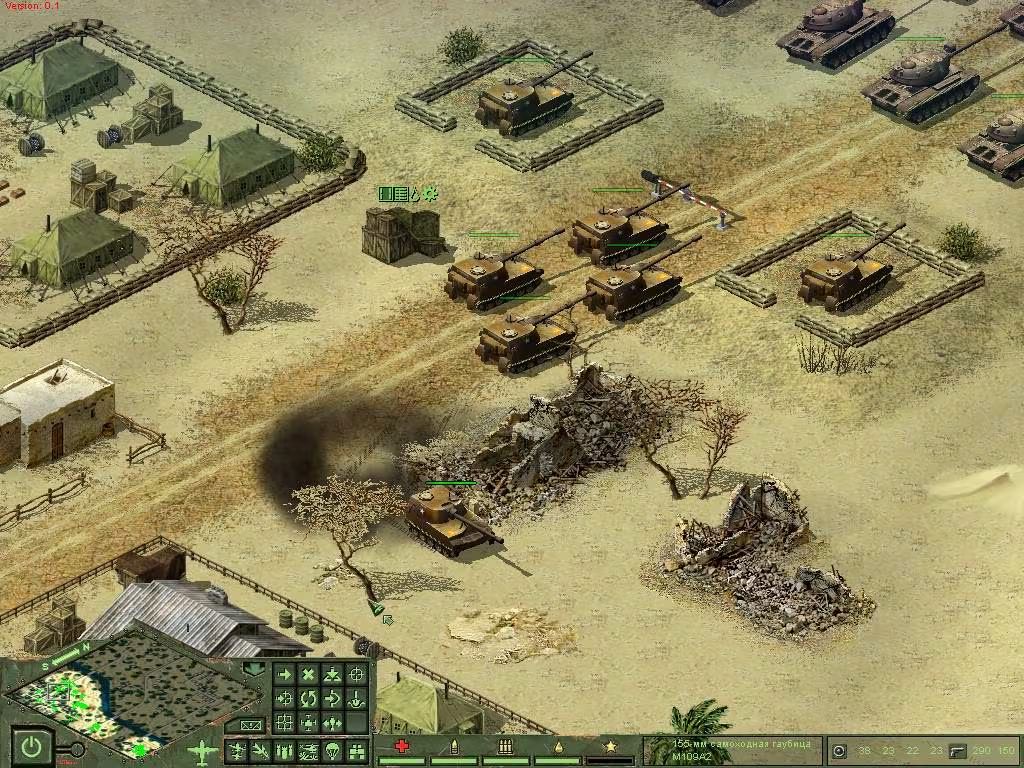
Cuban Missile Crisis is a real-time strategy game combined with a global turn-based tactical mode, thrusting gamers into a world ravaged by the military-political confrontation between the USA and USSR in 1962.

Global score

76/100

Genres

Strategy, Turn-based strategy (TBS), Real Time Strategy (RTS), Simulator, Tactical

Similar games

    Pros

    • Unique cold war alternate history setting
    • Deep tactical and strategic gameplay
    • Large campaigns with multiple factions
    • Resource management adds complexity
    • Nostalgic appeal for blitzkrieg fans

    Cons

    • Repetitive missions and maps
    • Poor ai and pathfinding
    • Clunky controls and interface
    • Technical bugs and crashes
    • Dated graphics and sound

    Analysis

    Less representative of its motivational profile, with noticeable differences. Motivations that often define this kind of title include Leadership, Survival, Violence, Strategy. It leans lower than usual among comparable games on Exploration, Fantasy, Experimenting.

    How to use the graph
    Similar games map

    Each dot is a game. They are arranged from the same motivation profile as in the “Motivations” section below. Closer dots usually mean more similar reasons to play (exploration, competition, relaxation, etc.)—not that one game is “better” than another.

    • Larger dot with a light outline: the game you are viewing.
    • Colour: groups of games with comparable motivation patterns (statistical clusters).
    • Hover a dot to see the game name; click to open its page.
    • Scroll or double-click the chart to zoom out and see more games.

    Why don’t the axes read like a score? This view uses t-SNE: it only keeps who is close to whom. The scales are not “good to bad” or hours played—they separate groups on the map. Read distance between dots, not the axis numbers.

    Motivations

    • Autonomy
      3

      "Players can choose factions, form and customize formations, and make strategic decisions on a turn-based map, showing moderate player control."

    • Competence
      4

      "The game is described as difficult and requiring careful tactics, planning, and micro-management, rewarding skillful play."

    • Competition
      -3

      "Focus is mainly on single-player campaigns and strategic challenges without emphasis on ranked or direct player-vs-player competition."

    • Continuation
      2

      "Players report long campaigns and many missions, with some repetition causing fatigue but also attachment due to nostalgia and depth."

    • Cooperation
      -4

      "Gameplay is primarily single-player with no mention of cooperative multiplayer or teamwork mechanics."

    • Creativity
      2

      "Players can form custom groups and manage resources, but missions and maps are often repetitive with limited modding options."

    • Domination
      -4

      "No evidence of player dominance over others; interactions are mostly against AI with no social power dynamics."

    • Escapism
      3

      "Players enjoy the alternate history setting and immersive Cold War atmosphere as a form of escape."

    • Expectation
      -4

      "Players engage voluntarily out of interest and nostalgia, not due to obligation or external pressure."

    • Experimenting
      1

      "Some experimentation with unit compositions and strategies is possible, but mission repetition limits novelty."

    • Exploration
      -3

      "Maps and missions are often repetitive with limited new areas to discover."

    • Expression
      1

      "Limited customization mainly in unit grouping and resource allocation; no deep avatar or environment personalization."

    • Fantasy
      -2

      "The game is set in an alternate but plausible Cold War scenario with realistic military units and tactics."

    • Fellowship
      -4

      "Minimal social interaction; primarily a solo experience with no strong community features."

    • Growth
      3

      "Players develop tactical skills, learn unit strengths and weaknesses, and improve strategic planning."

    • Health
      -5

      "No physical activity involved; typical sedentary computer gameplay."

    • Idle
      -3

      "Requires focused attention and micro-management; not suited for casual or background play."

    • Intimacy
      -5

      "No evidence of close social relationships or emotional sharing in gameplay."

    • Leadership
      3

      "Players lead armies and manage resources strategically, though no multiplayer leadership roles."

    • Progression
      4

      "Players accumulate units, upgrades, and resources over campaigns, progressing through missions."

    • Relaxation
      -1

      "Game is challenging and sometimes frustrating, requiring careful planning rather than pure relaxation."

    • Sensation
      1

      "Some sensory enjoyment from sound and atmosphere, but graphics and effects are dated and subdued."

    • Status
      -5

      "No social recognition or status systems present."

    • Story
      3

      "The alternate history narrative and campaign structure provide story immersion despite some repetitiveness."

    • Strategy
      5

      "Strong emphasis on strategic planning, resource management, and tactical problem solving."

    • Thrill
      2

      "Some tension from difficult battles and resource scarcity, but AI limitations reduce unpredictability."

    • Value
      3

      "Players find good value especially at low price points and enjoy nostalgic and unique gameplay."

    • Violence
      4

      "Combat and destruction are central gameplay elements with detailed military engagements."

    • Survival
      4

      "Players must manage resources and avoid losses to survive and succeed in missions."

    Last update: 29/04/2026