Rule the Waves 3 Thumbnail

Rule the Waves 3 similar games & best alternatives

Rule the Waves 3

PC (Microsoft Windows) • 2023

Related articles

Quick resume

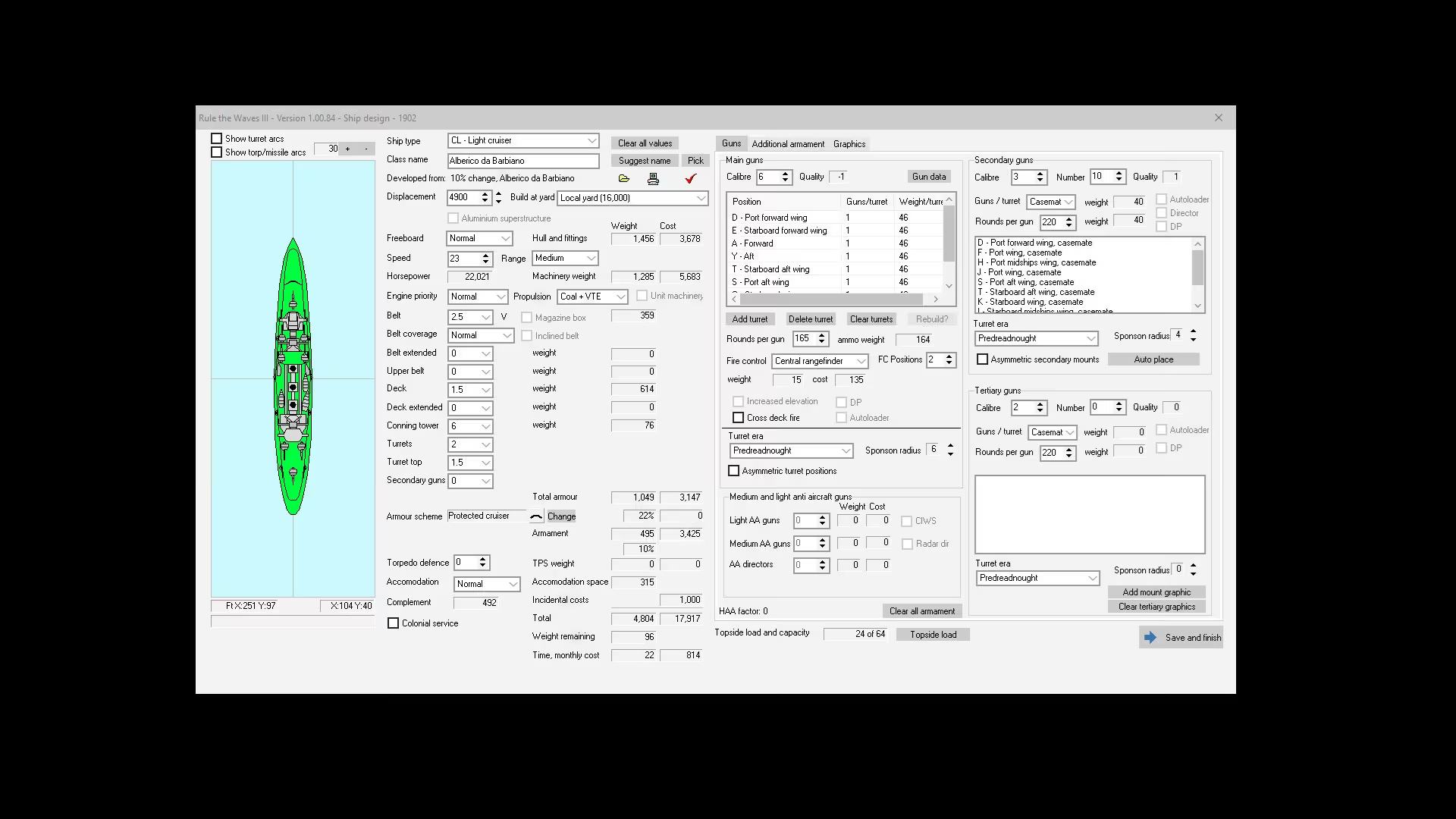
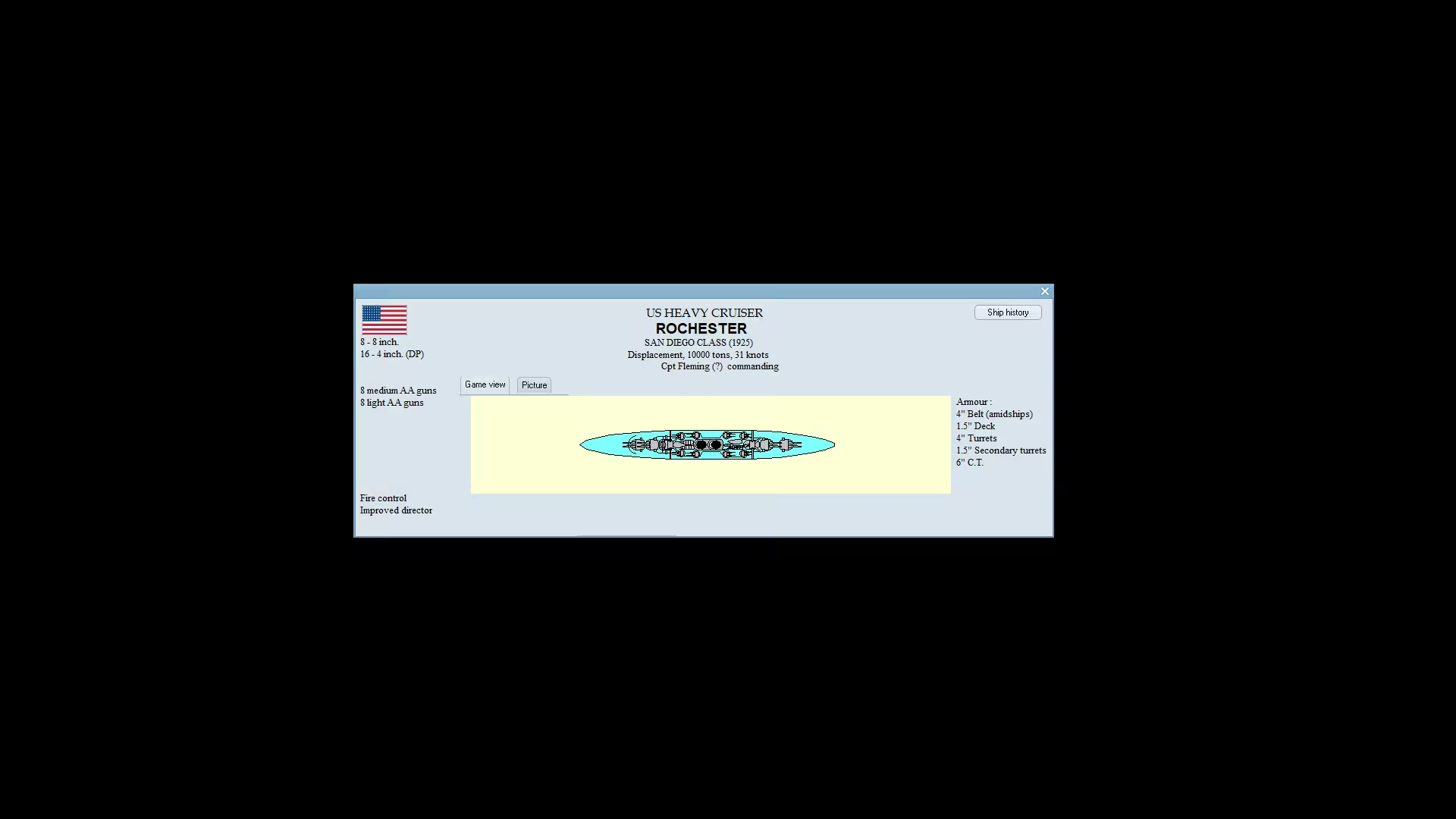
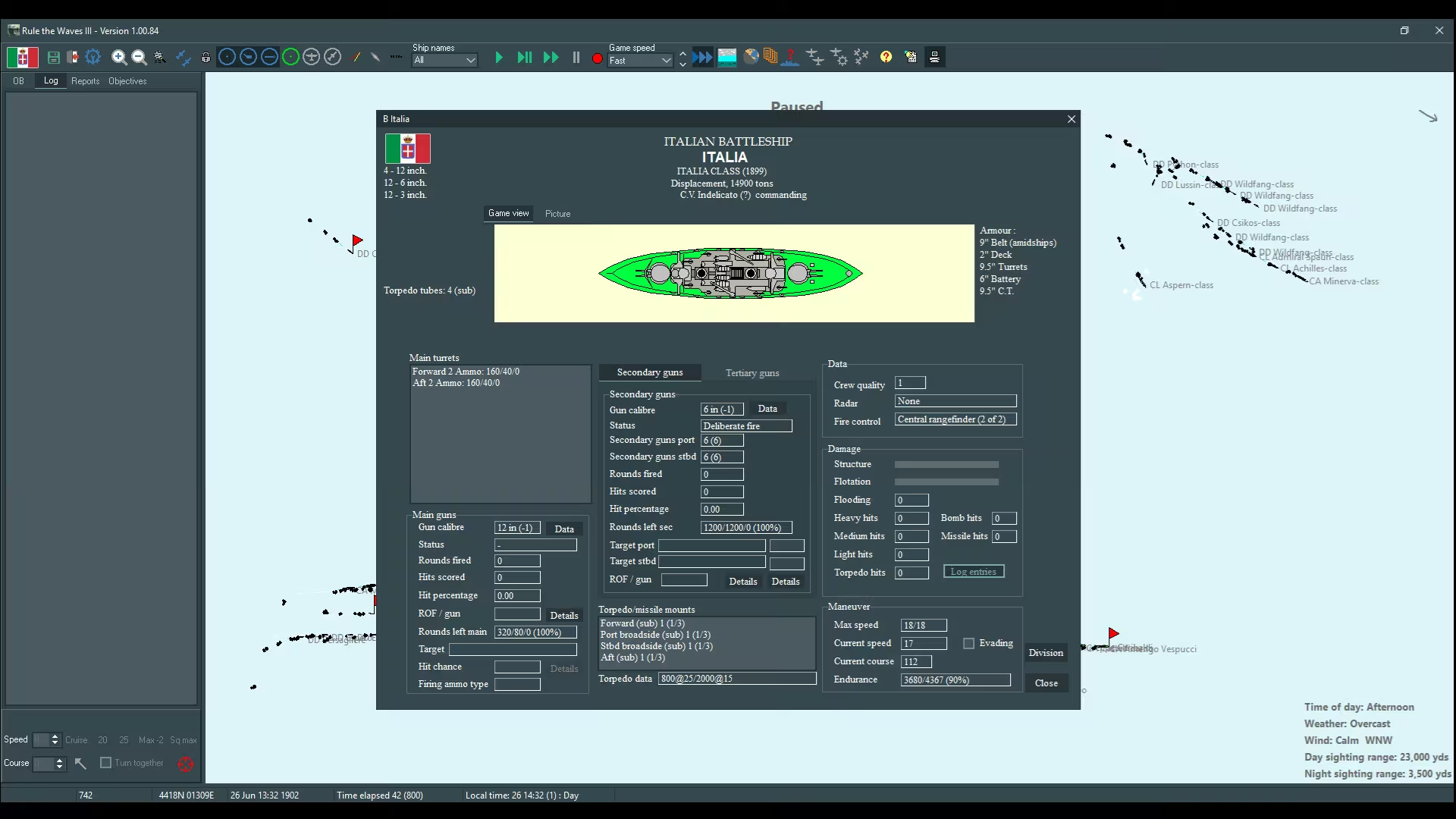
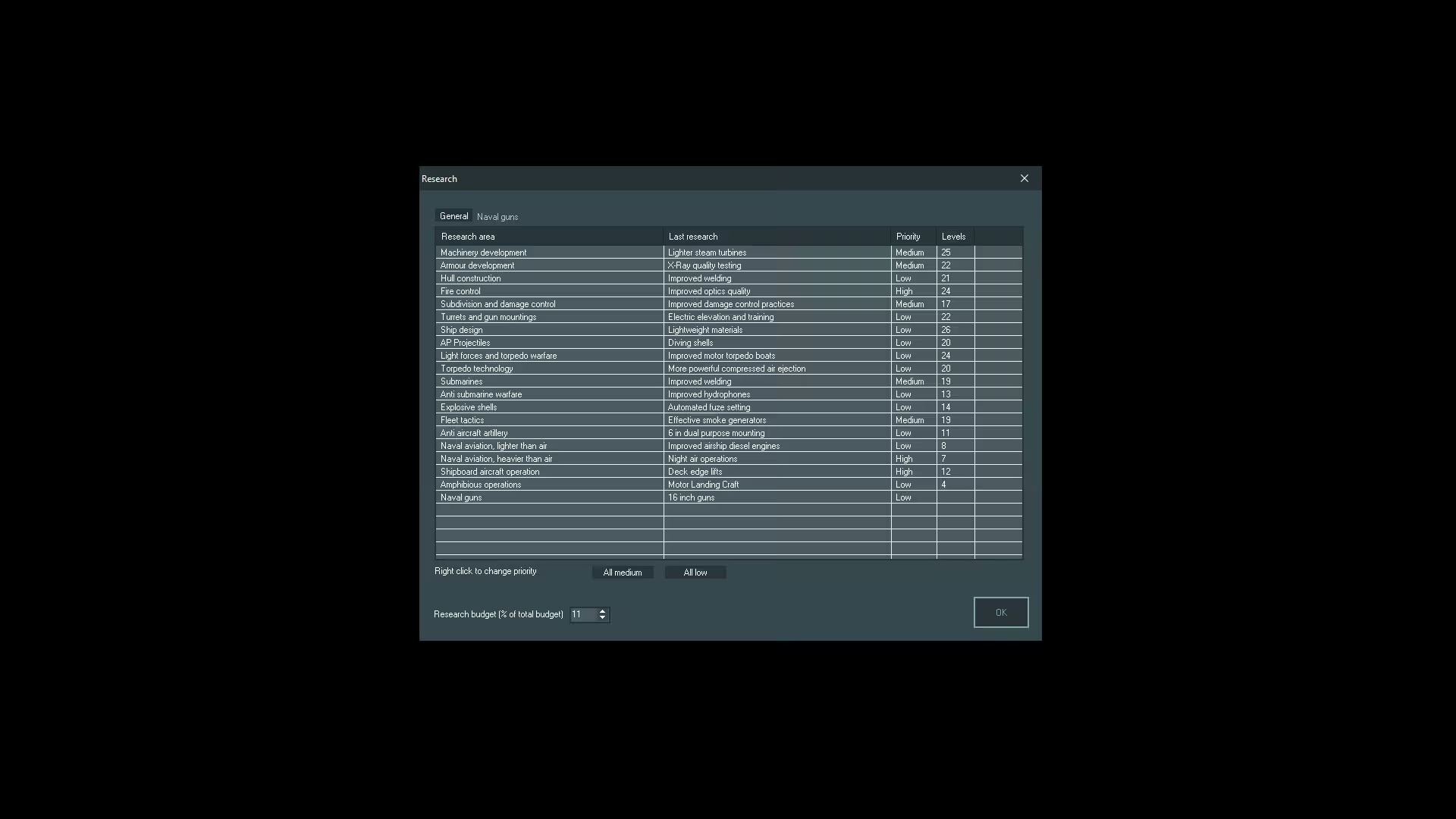
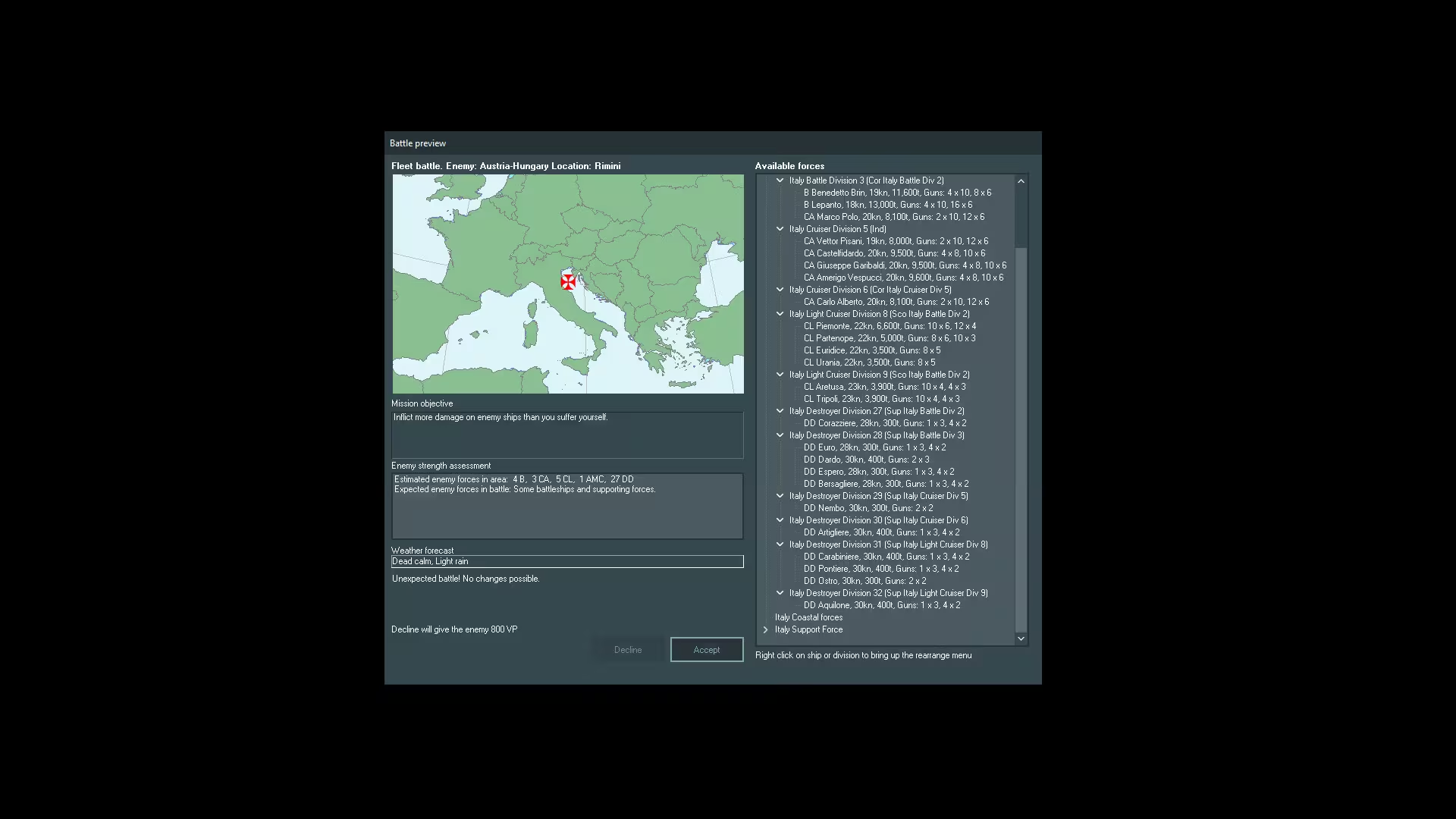
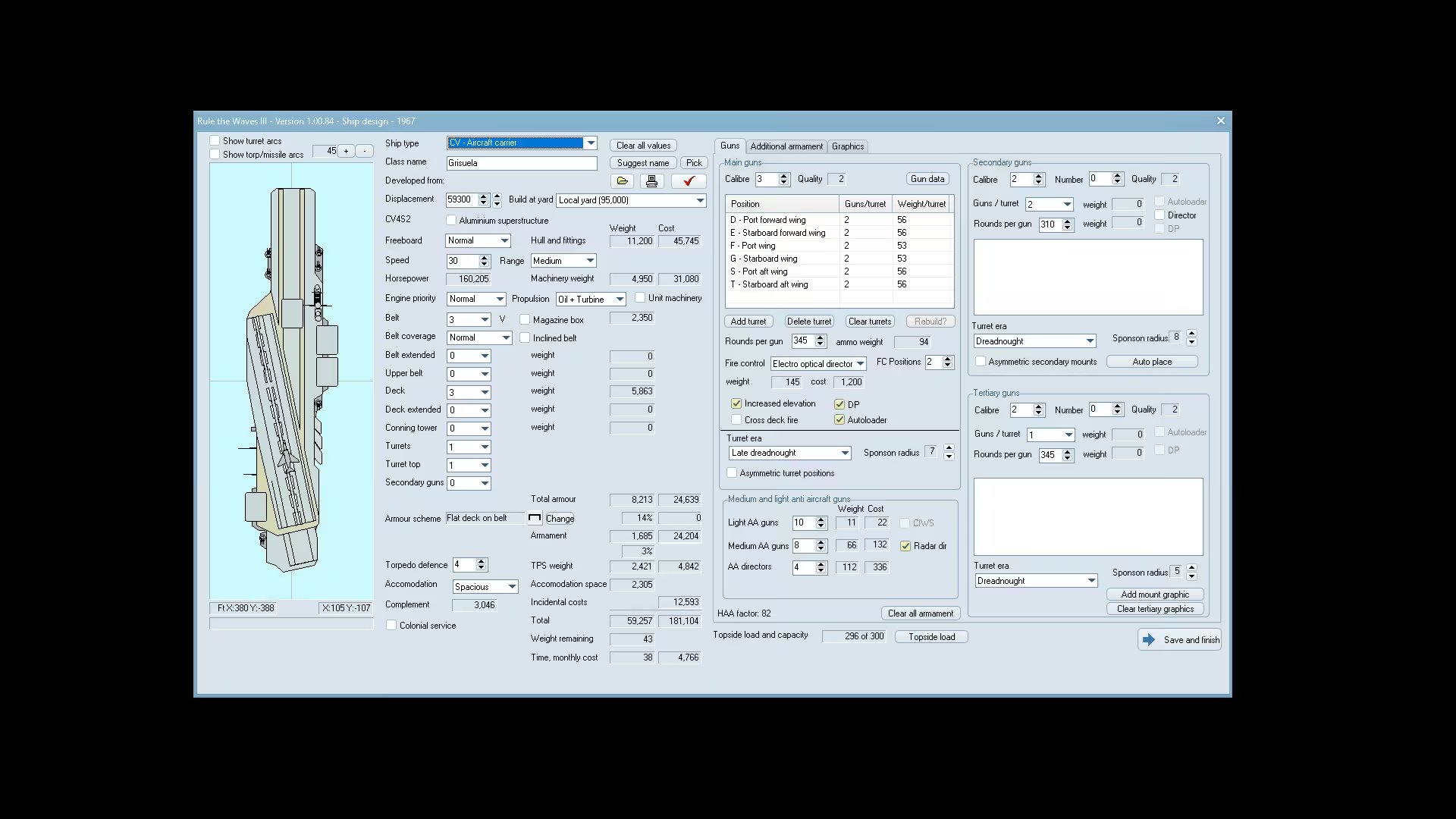
Rule the Waves III is a simulation of naval ship design and construction, fleet management and naval warfare from 1890 to 1970.

Global score

89/100

Genres

Simulator, Strategy

Similar games

    Pros

    • Deep and detailed naval simulation
    • Extensive ship design and customization
    • Immersive alternate history gameplay
    • High replayability and addictiveness
    • Active developer support and community

    Cons

    • Steep learning curve
    • Minimal graphics and ui polish
    • Some ai and battle generator quirks
    • Limited multiplayer or social features
    • Lack of modern ui conveniences like dark mode

    Analysis

    Less representative of its motivational profile, with noticeable differences. Motivations that often define this kind of title include Leadership, Survival, Violence, Strategy. Here, the score leans higher than usual among comparable games on Competition, Domination, Creativity.

    How to use the graph
    Similar games map

    Each dot is a game. They are arranged from the same motivation profile as in the “Motivations” section below. Closer dots usually mean more similar reasons to play (exploration, competition, relaxation, etc.)—not that one game is “better” than another.

    • Larger dot with a light outline: the game you are viewing.
    • Colour: groups of games with comparable motivation patterns (statistical clusters).
    • Hover a dot to see the game name; click to open its page.
    • Scroll or double-click the chart to zoom out and see more games.

    Why don’t the axes read like a score? This view uses t-SNE: it only keeps who is close to whom. The scales are not “good to bad” or hours played—they separate groups on the map. Read distance between dots, not the axis numbers.

    Motivations

    • Autonomy
      4

      "Players have significant control over ship design, fleet management, and tactical decisions, though constrained by political and budgetary limits."

    • Competence
      5

      "The game demands mastery of complex naval design, strategy, and management systems with a steep learning curve and detailed feedback."

    • Competition
      3

      "Players compete against AI nations with dynamic wars and naval arms races, but no explicit ranked or leaderboard competition."

    • Continuation
      5

      "Highly addictive with long play sessions and deep engagement; many players report spending dozens of hours per campaign."

    • Cooperation
      -4

      "Gameplay is focused on individual naval command and management with minimal multiplayer or cooperative elements."

    • Creativity
      5

      "Extensive ship design and customization options allow players to experiment and create unique fleets."

    • Domination
      1

      "Players exert control over their navy and influence politics but interactions with other nations are mostly balanced AI diplomacy."

    • Escapism
      4

      "Players immerse themselves in historical naval warfare simulation, escaping into detailed alternate history scenarios."

    • Expectation
      -4

      "Players engage voluntarily out of interest and passion for naval history and strategy, not obligation."

    • Experimenting
      5

      "Strong emphasis on trying new ship designs, tactics, and strategies across different eras and technologies."

    • Exploration
      2

      "Exploration is limited to strategic and tactical naval scenarios rather than physical world discovery."

    • Expression
      3

      "Players express themselves through ship design and naming, though visual customization is minimal."

    • Fantasy
      2

      "The game simulates historical naval warfare realistically but allows alternate history and 'what if' scenarios."

    • Fellowship
      -3

      "Minimal social or community interaction within gameplay; mostly a solitary experience."

    • Growth
      4

      "Players develop skills in naval strategy, ship design, and management through learning and experience."

    • Health
      -5

      "Sedentary gameplay focused on screen time with no physical activity elements."

    • Idle
      -3

      "Requires sustained attention and active management rather than passive or background play."

    • Intimacy
      -4

      "Limited social interaction and emotional connection beyond individual gameplay."

    • Leadership
      4

      "Players lead their nation's navy, making strategic and tactical decisions with significant authority."

    • Progression
      5

      "Strong progression through technological research, shipbuilding, and fleet upgrades over time."

    • Relaxation
      1

      "Some players find flow in management and design, but the game also involves tension from political and combat challenges."

    • Sensation
      1

      "Minimal sensory stimulation due to simple graphics; engagement comes from intellectual challenge."

    • Status
      -3

      "Achievements and recognition are mostly personal; no social status or visibility systems."

    • Story
      3

      "Narrative emerges from player-driven alternate history and campaign events rather than scripted storylines."

    • Strategy
      5

      "Heavy emphasis on strategic planning, problem solving, and tactical decision-making."

    • Thrill
      2

      "Battles can be tense and unpredictable, but overall pacing is measured and thoughtful."

    • Value
      4

      "Players report high value for time and money due to depth, replayability, and developer support."

    • Violence
      3

      "Naval combat involves destruction of ships and fleets, but within a strategic simulation context."

    • Survival
      3

      "Players manage risks to keep their fleets operational and survive political and military challenges."

    Last update: 29/04/2026