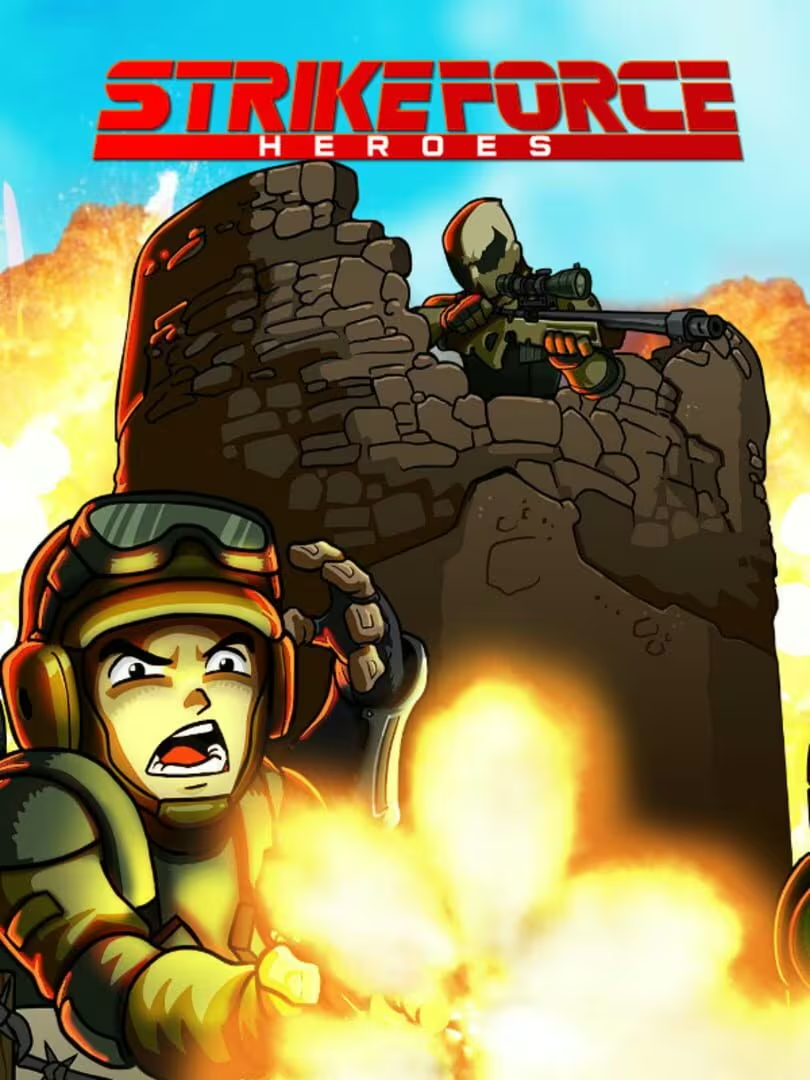
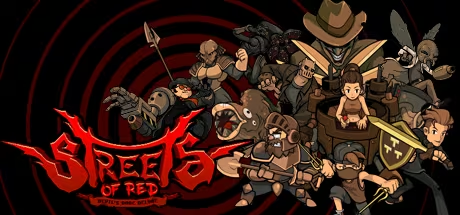
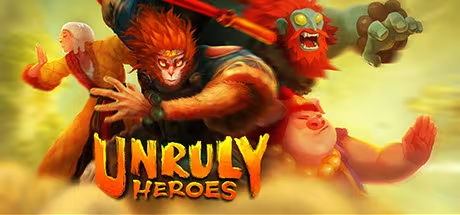
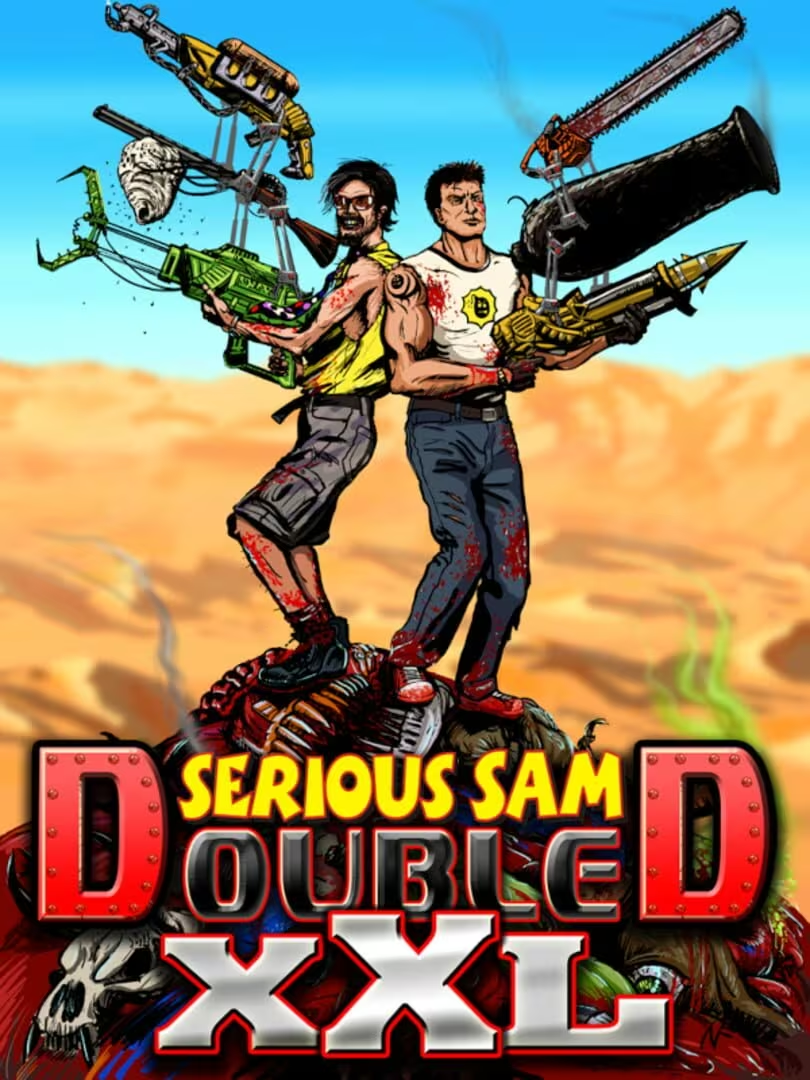
Shank 2 Thumbnail

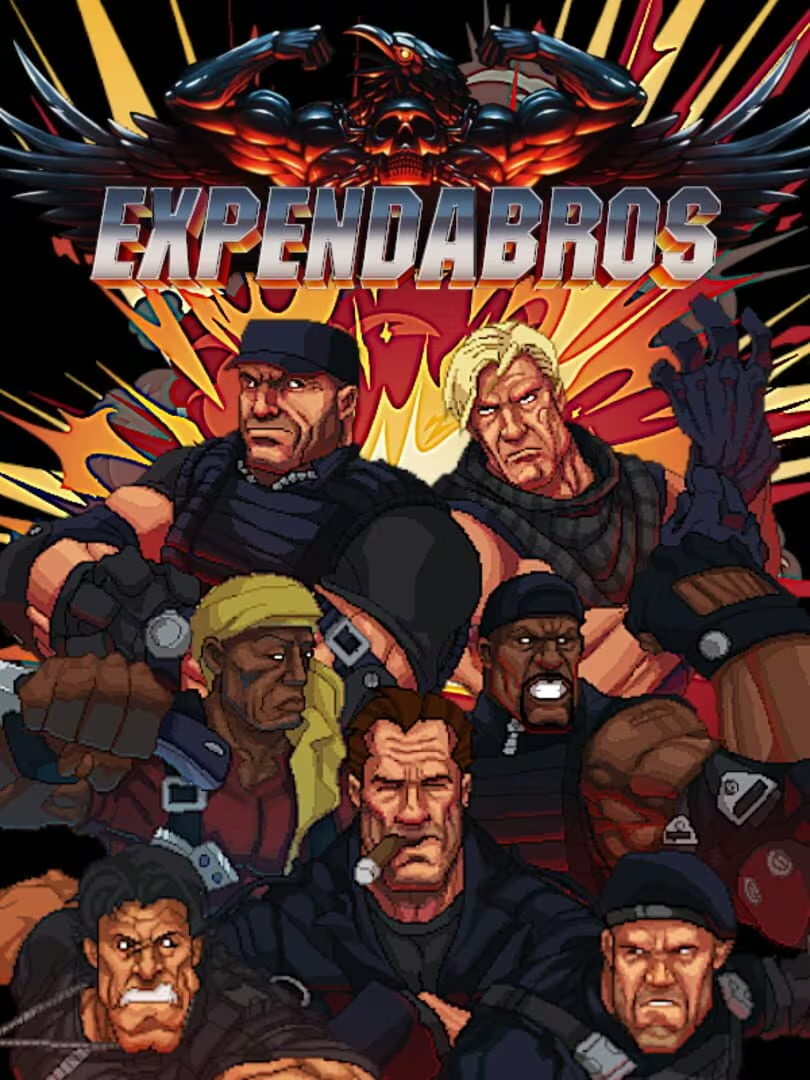
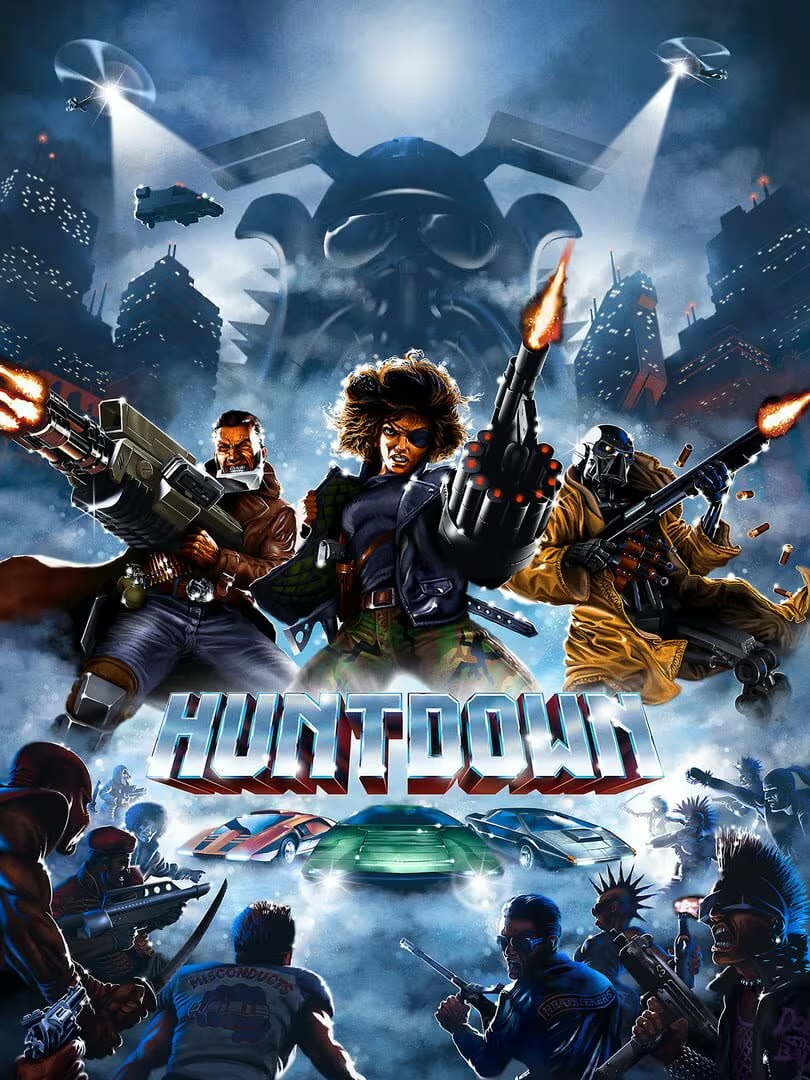
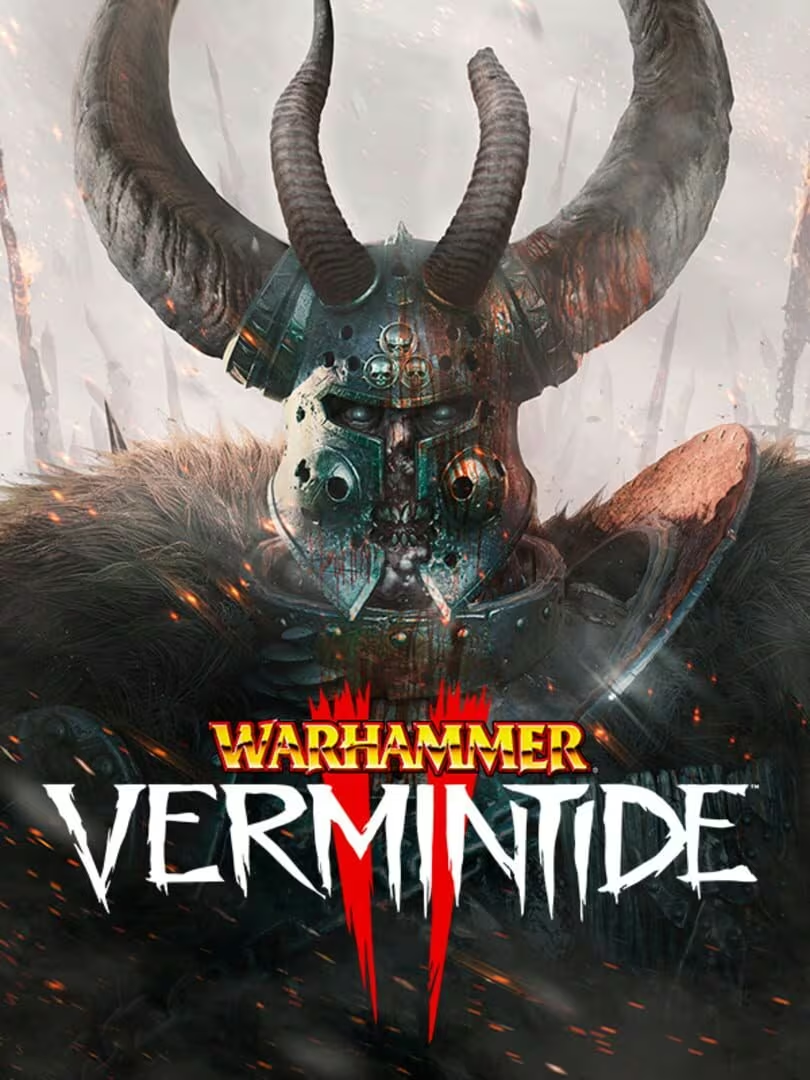
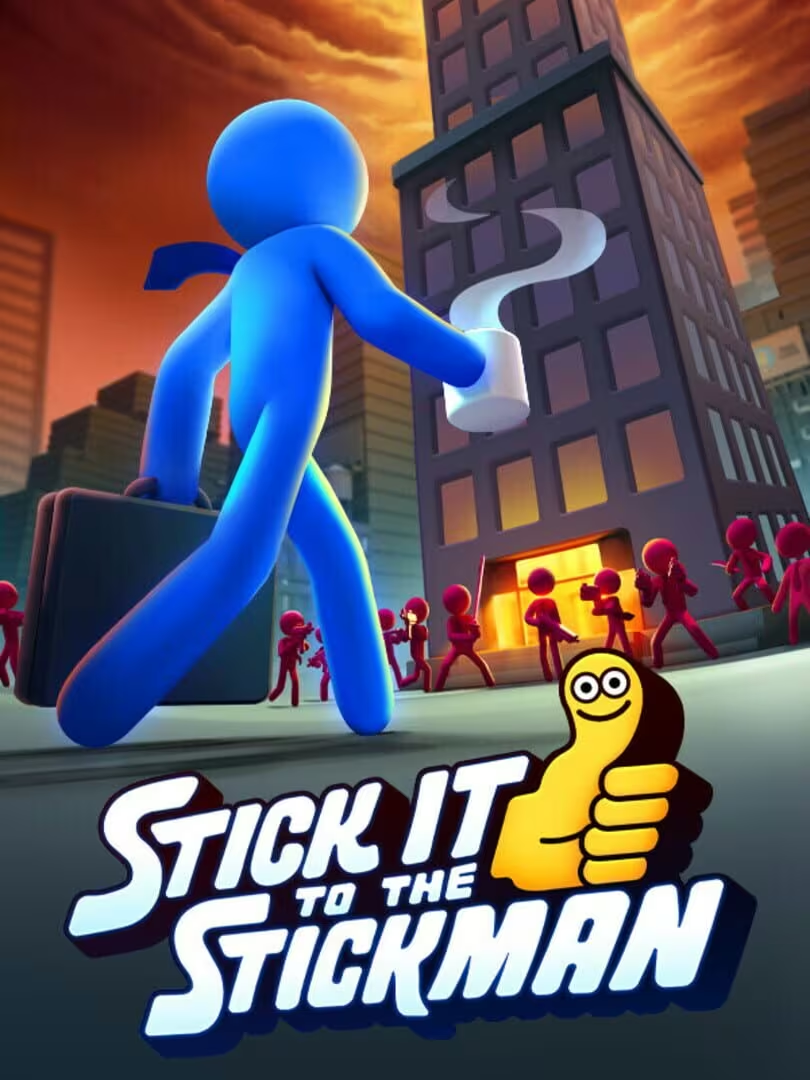
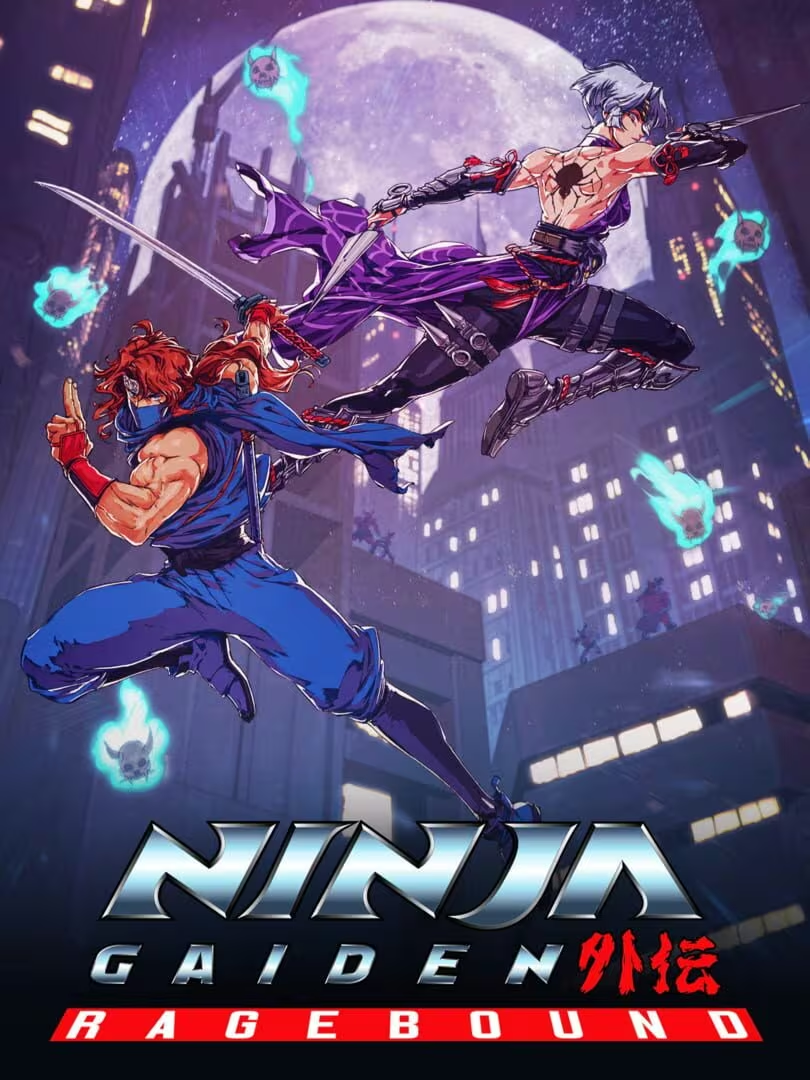
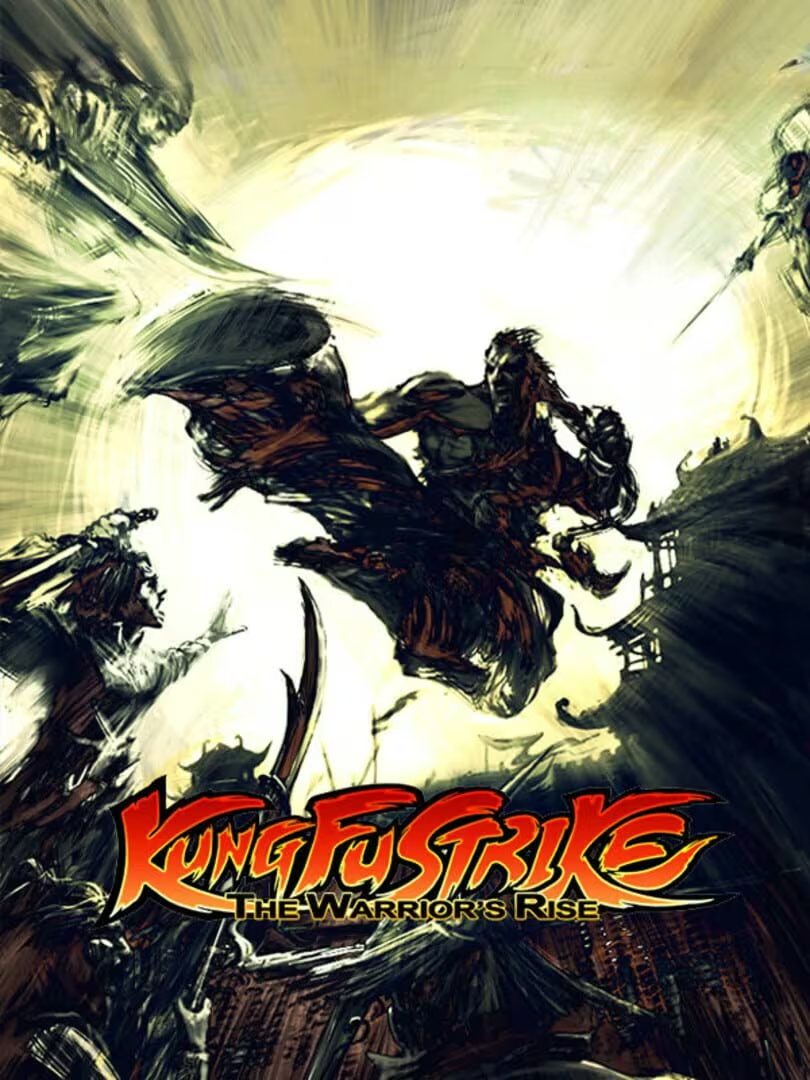
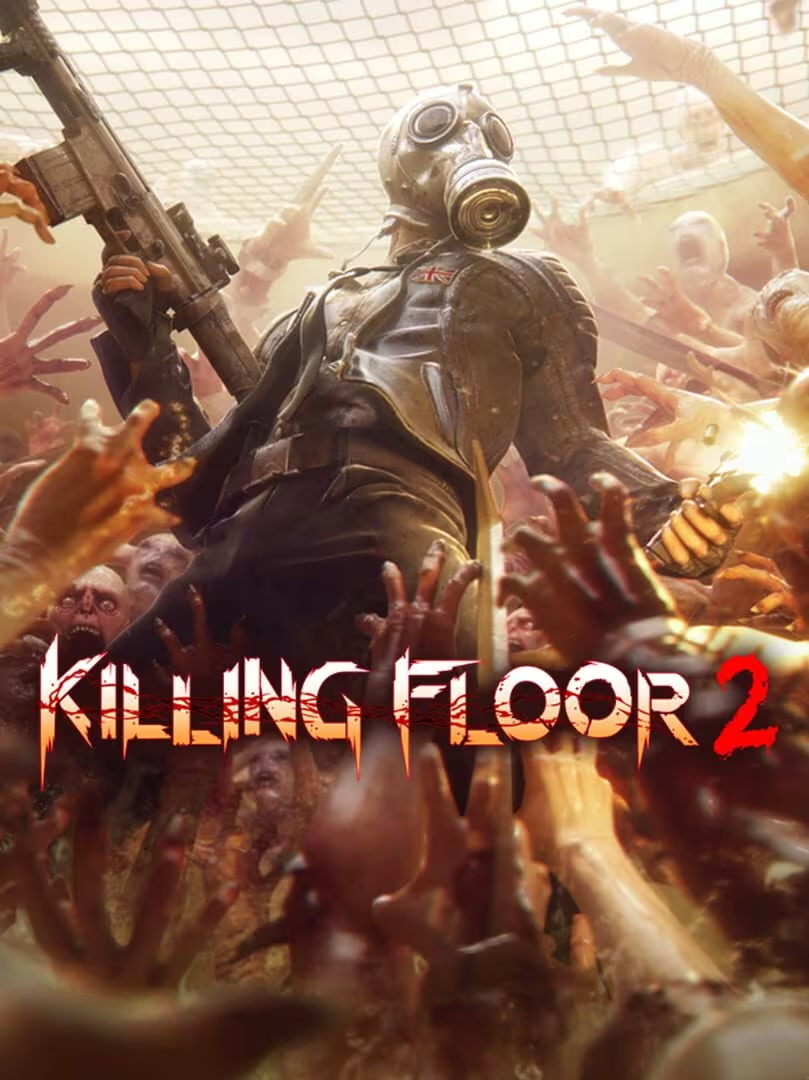
Shank 2 similar games & best alternatives

Shank 2

PC (Microsoft Windows), Mac, Xbox 360, PlayStation 3, Linux • 2012

Related articles

Quick resume

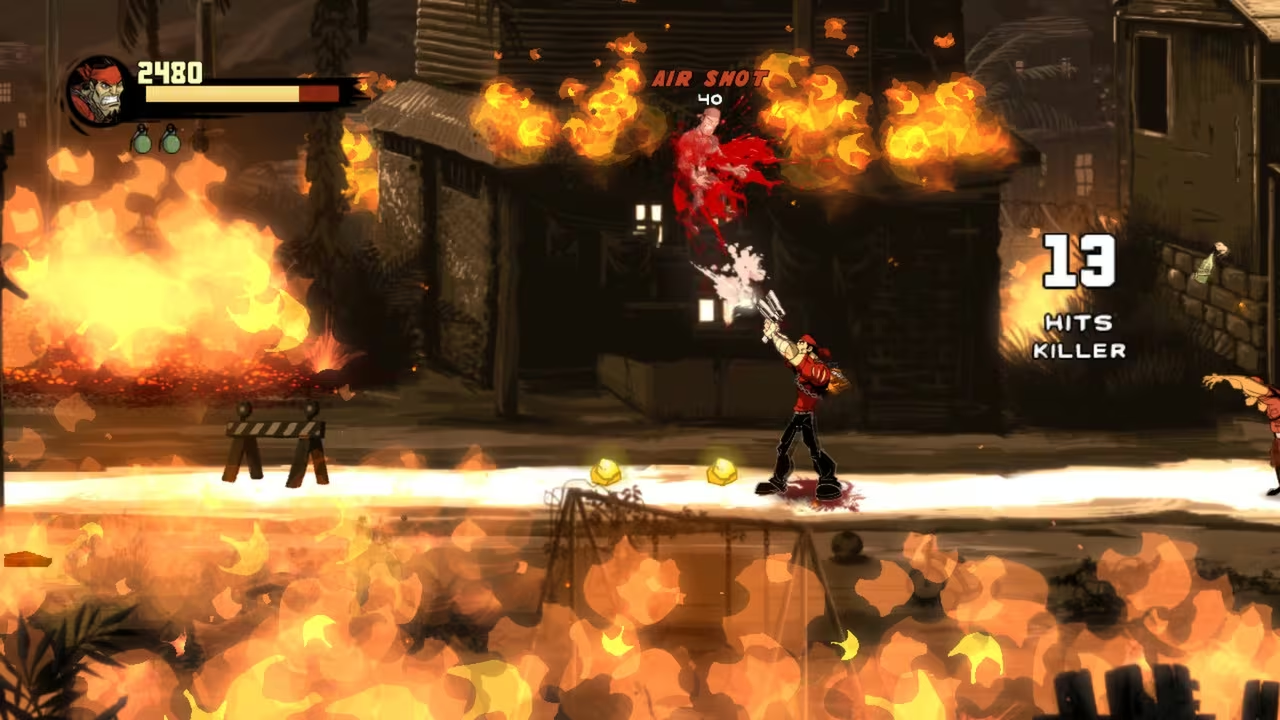
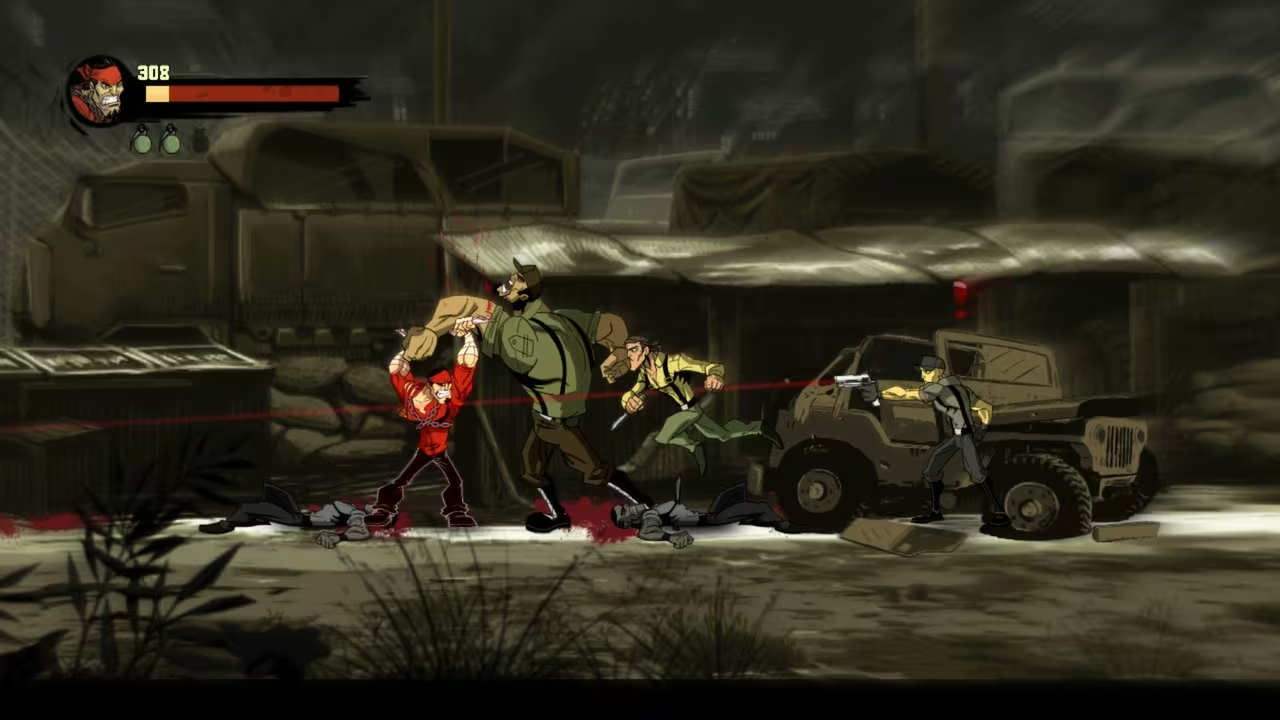
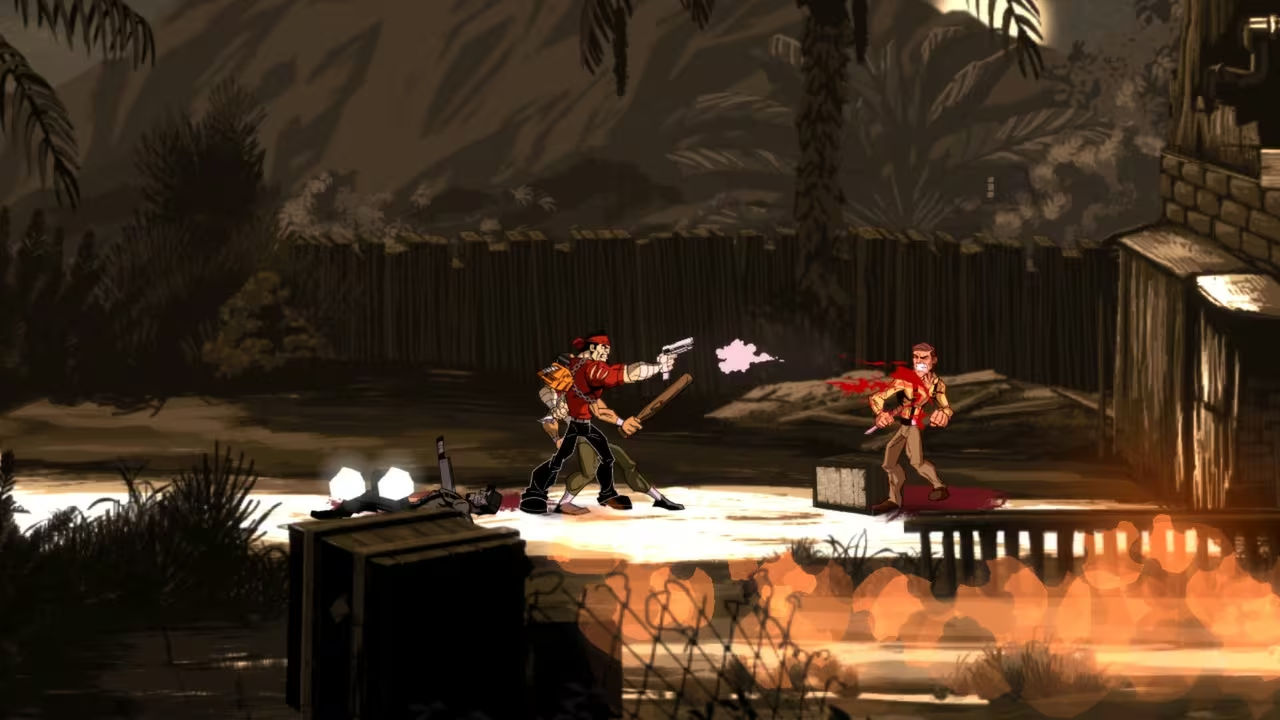
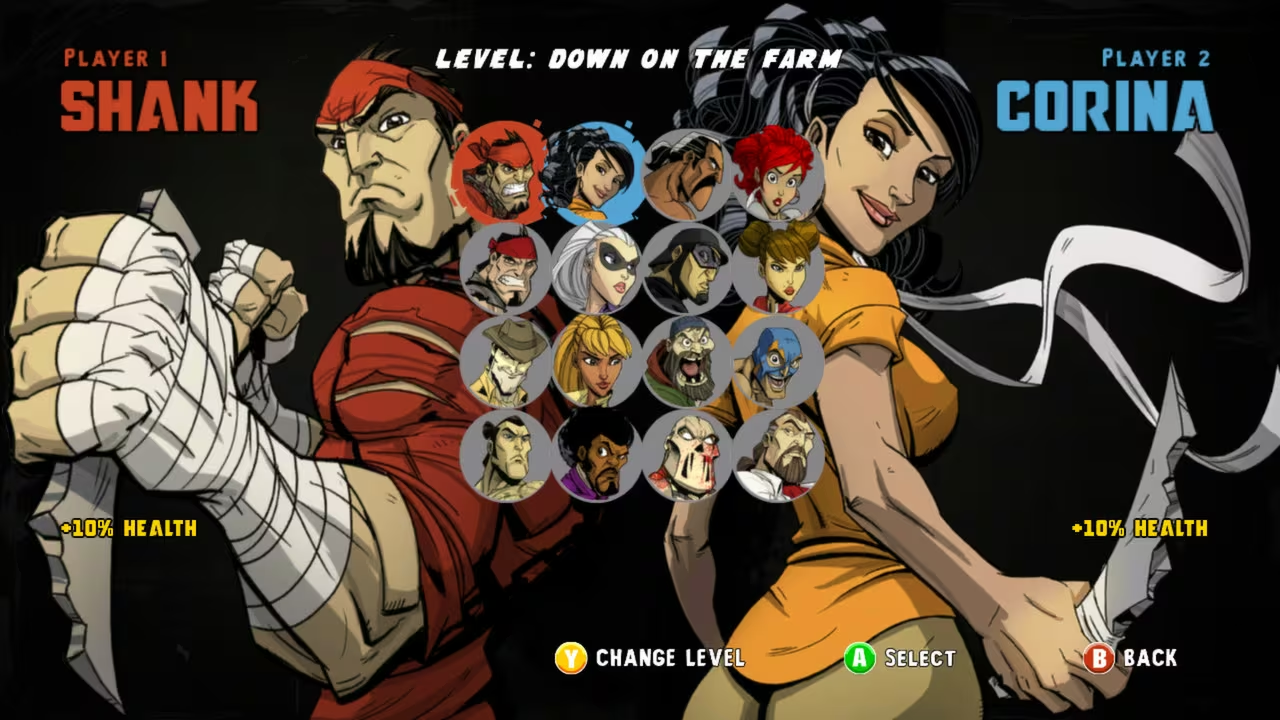
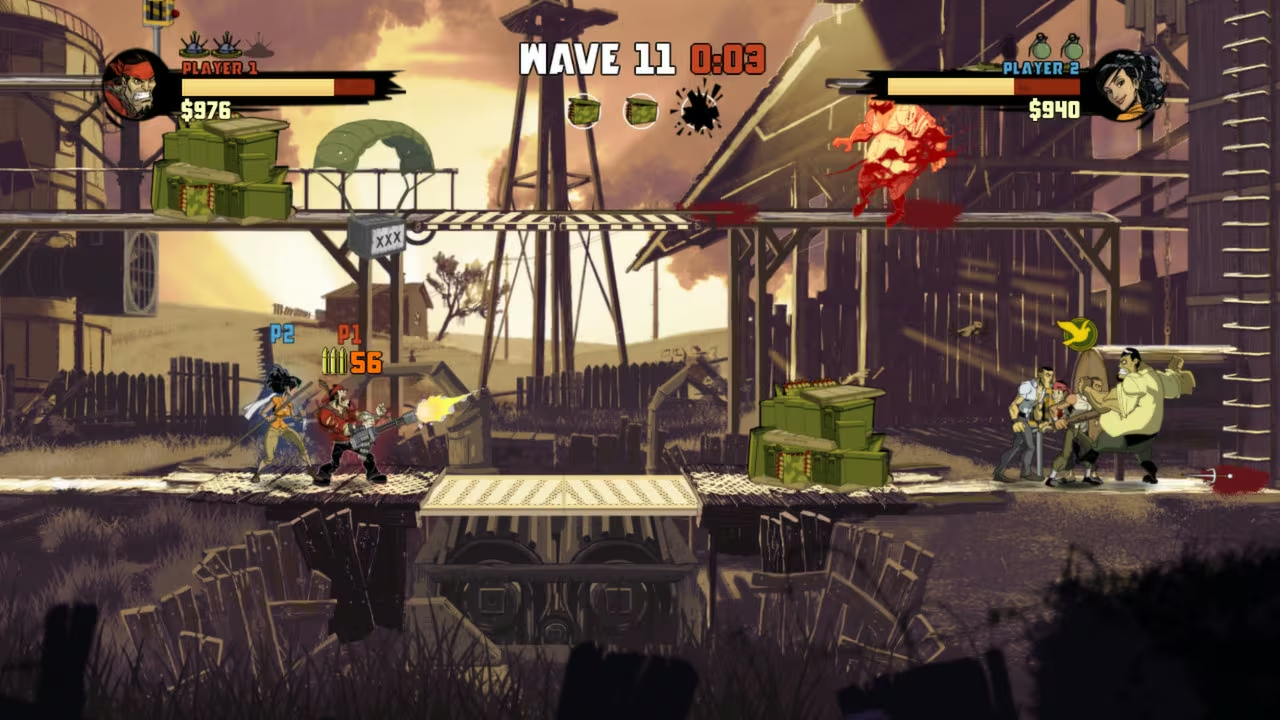
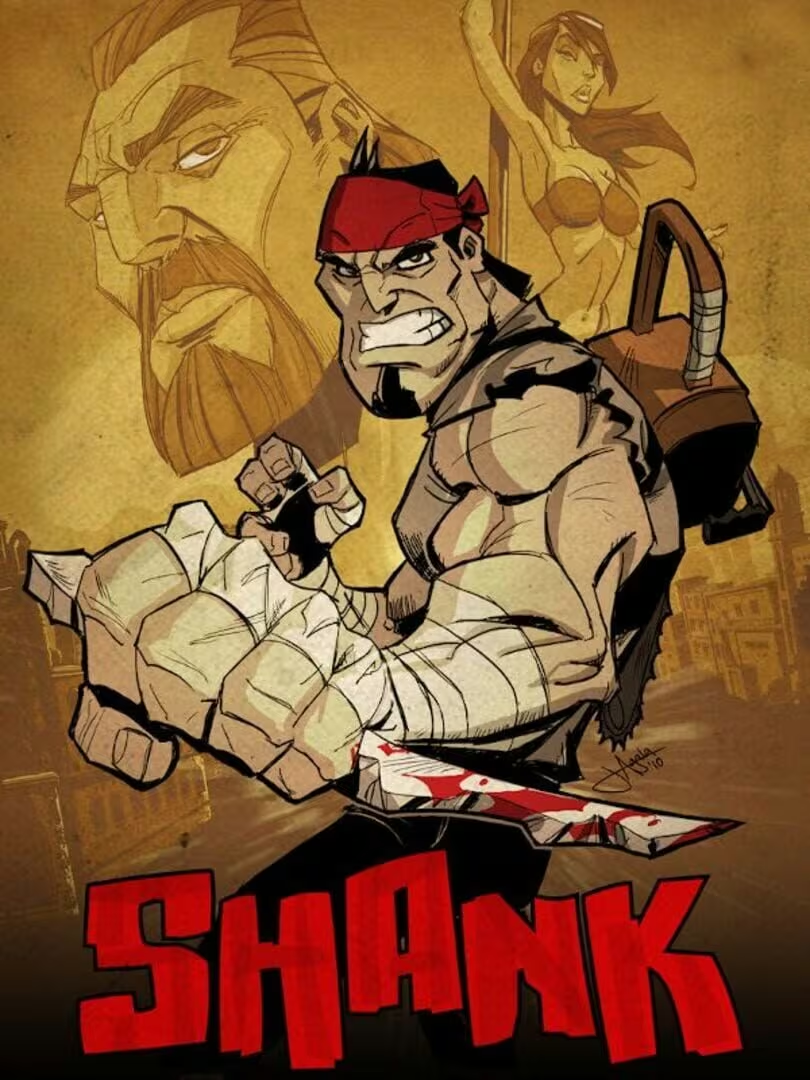
The fan-favorite 2D brawler is back as ex-mob hit man Shank returns to action in Shank 2. With those closest to him under attack, Shank is once again forced on the offensive. Now he must put his trusty arsenal of handguns, shotguns, automatic weapons, chainsaws, machetes, grenades, plus all-new weaponry and moves to use in order to...

Global score

82/100

Genres

Action, Adventure, Indie, Hack and slash/Beat 'em up

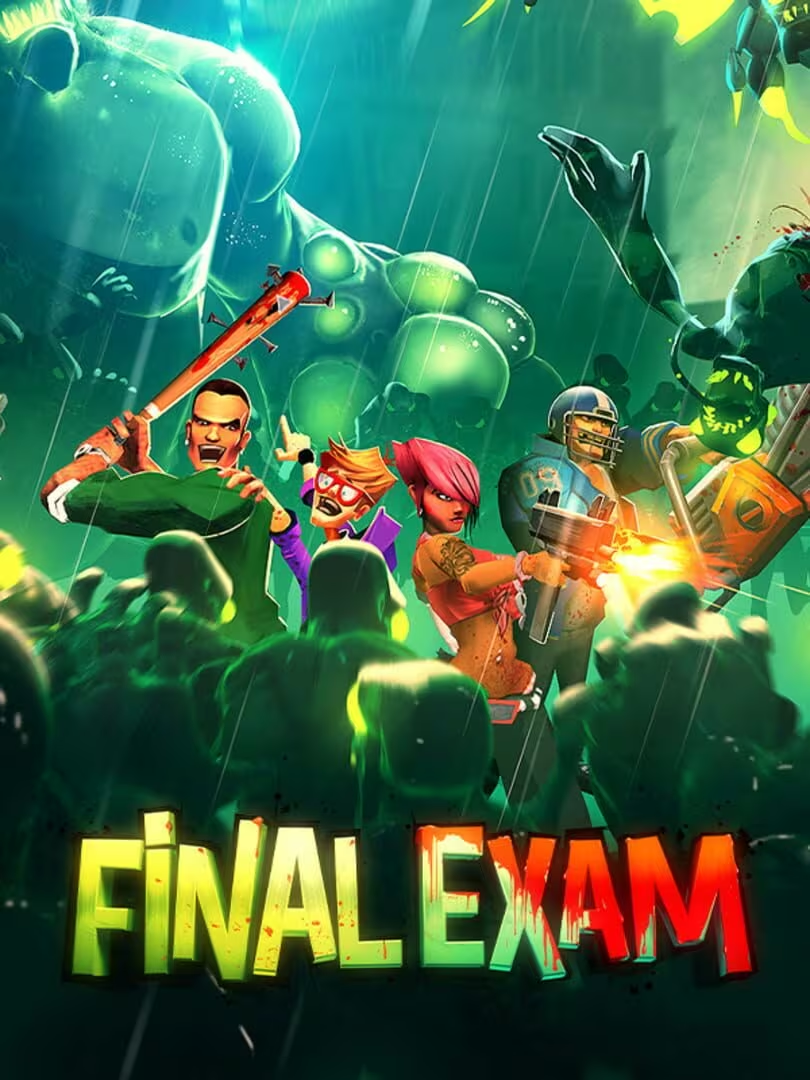
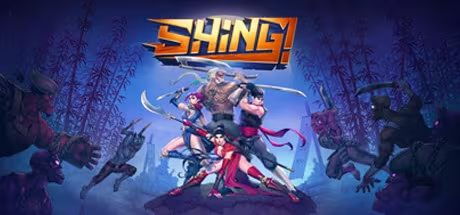
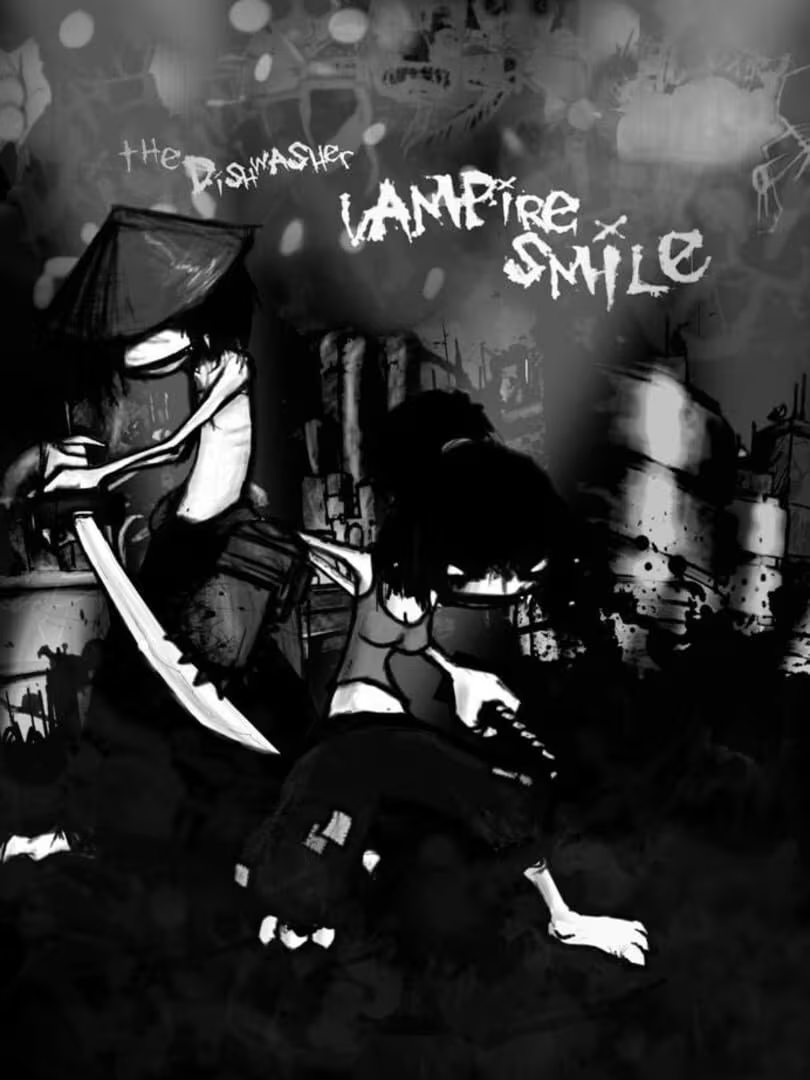
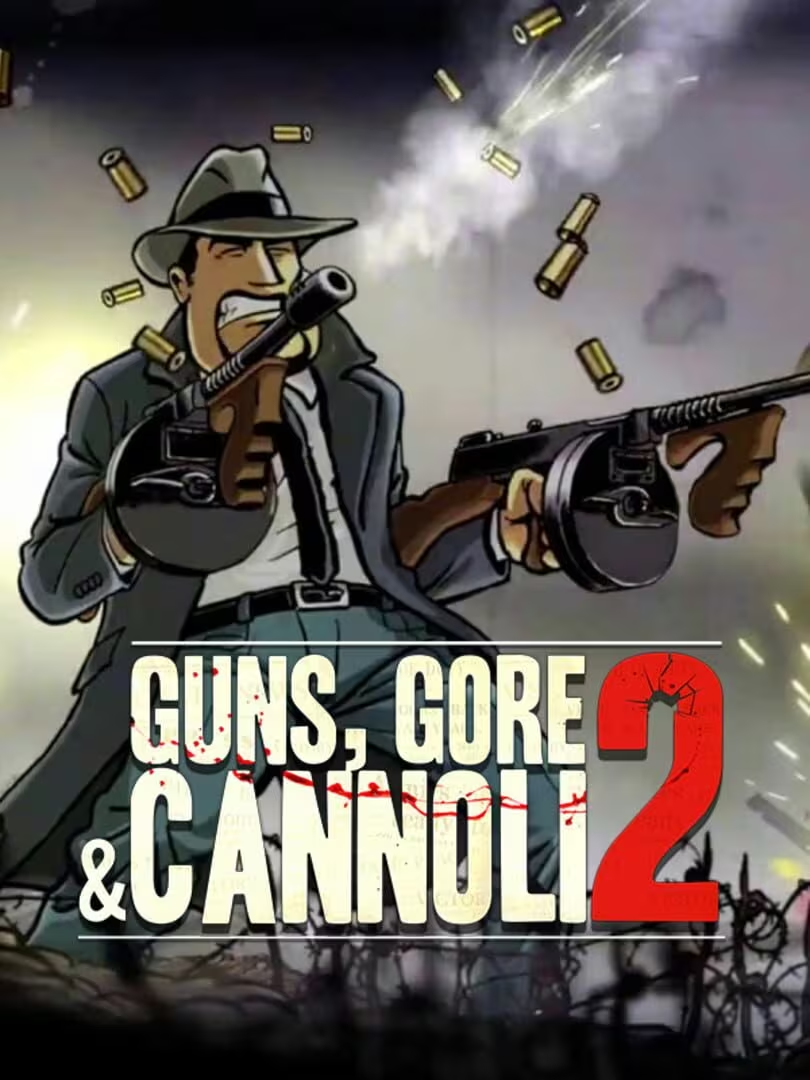
Similar games

    Pros

    • Fast, fluid and brutal combat
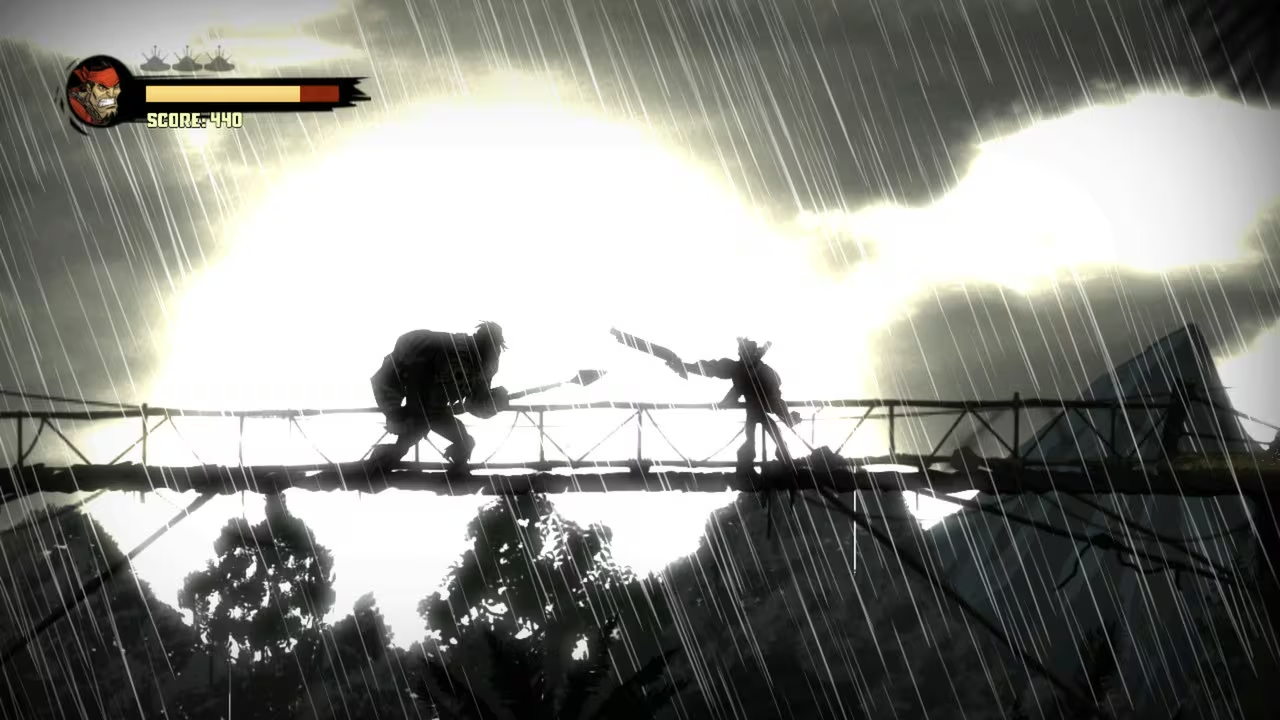
    • Stylized cartoon graphics and animations
    • Challenging boss fights and survival mode
    • Cooperative multiplayer mode
    • Variety of weapons and unlockable characters

    Cons

    • Short campaign length
    • Lack of co-op campaign
    • Sometimes frustrating difficulty spikes
    • Limited story depth
    • Controller recommended over keyboard/mouse

    Analysis

    Broadly representative of its motivational profile, with a few distinct shifts. Motivations that often define this kind of title include Cooperation, Fellowship, Intimacy, Leadership. Here, the score leans higher than usual among comparable games on Competition, Violence. It leans lower than usual among comparable games on Relaxation.

    How to use the graph
    Similar games map

    Each dot is a game. They are arranged from the same motivation profile as in the “Motivations” section below. Closer dots usually mean more similar reasons to play (exploration, competition, relaxation, etc.)—not that one game is “better” than another.

    • Larger dot with a light outline: the game you are viewing.
    • Colour: groups of games with comparable motivation patterns (statistical clusters).
    • Hover a dot to see the game name; click to open its page.
    • Scroll or double-click the chart to zoom out and see more games.

    Why don’t the axes read like a score? This view uses t-SNE: it only keeps who is close to whom. The scales are not “good to bad” or hours played—they separate groups on the map. Read distance between dots, not the axis numbers.

    Motivations

    • Autonomy
      4

      "Players can choose weapons, characters, and tactics freely; combat system allows flexible combos and counters."

    • Competence
      4

      "Challenging combat with skill-based counters and boss fights; difficulty praised but sometimes frustrating."

    • Competition
      2

      "Leaderboards per level and survival mode encourage some competition, but mostly casual and cooperative play."

    • Continuation
      3

      "Players report replaying campaign and survival mode multiple times; some frustration but overall engaging."

    • Cooperation
      3

      "Co-op survival mode available locally and online; no co-op campaign but cooperative play encouraged."

    • Creativity
      3

      "Players use environment and weapon combos creatively; unlockable characters with unique bonuses."

    • Domination
      -3

      "Focus on shared cooperative survival mode and balanced multiplayer rather than dominance or trash talk."

    • Escapism
      4

      "Players use game for stress relief and immersion in violent, fast-paced action away from real life."

    • Expectation
      -4

      "Players engage voluntarily for fun and challenge; no indication of obligation or pressure to play."

    • Experimenting
      3

      "Players try different weapons, combos, and strategies; survival mode encourages tactical experimentation."

    • Exploration
      1

      "Some exploration of varied levels and hidden paths, but mostly linear progression through stages."

    • Expression
      2

      "Unlockable skins and characters allow some self-expression, though limited customization overall."

    • Fantasy
      4

      "Stylized cartoon violence and comic-book style narrative create a strong fictional, over-the-top fantasy."

    • Fellowship
      3

      "Community aspects through co-op survival and shared achievements foster social connection."

    • Growth
      3

      "Players develop skills to master combat mechanics and unlock new characters and weapons."

    • Health
      -4

      "Game encourages sedentary play with intense screen time and violent content; no physical activity."

    • Idle
      -3

      "Requires focused attention and continuous engagement; not a casual or background game."

    • Intimacy
      1

      "Some social interaction in co-op mode but limited emotional or close relationship building."

    • Leadership
      -2

      "Players mostly cooperate equally in survival mode; no strong leadership or authoritative roles."

    • Progression
      4

      "Unlocking weapons, characters, and achievements provides clear progression incentives."

    • Relaxation
      -2

      "Fast-paced, challenging combat creates tension rather than relaxation or flow."

    • Sensation
      4

      "Vivid blood effects, brutal animations, and intense music provide strong sensory stimulation."

    • Status
      1

      "Leaderboards and achievements offer some recognition but social status is not a major focus."

    • Story
      1

      "Minimalistic and straightforward story with comic cutscenes; narrative is secondary to action."

    • Strategy
      3

      "Combat requires timing, counters, and weapon choice; survival mode demands tactical defense."

    • Thrill
      3

      "High difficulty and intense combat provide suspense and adrenaline rush."

    • Value
      3

      "Players find good value in gameplay, replayability, and co-op modes for the price."

    • Violence
      5

      "Extreme enjoyment of combat, gore, and brutal executions is central to the game experience."

    • Survival
      4

      "Survival mode and challenging boss fights emphasize staying alive and overcoming threats."

    Last update: 29/04/2026