Final Exam similar games & best alternatives
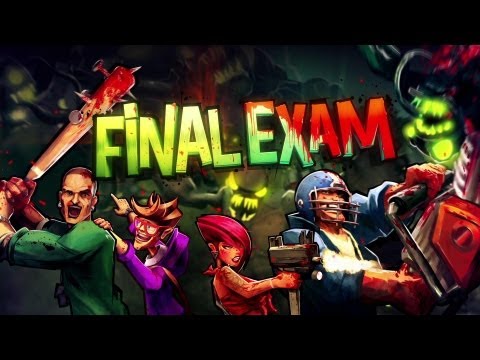
Final Exam
2013
Related articles
Quick resume
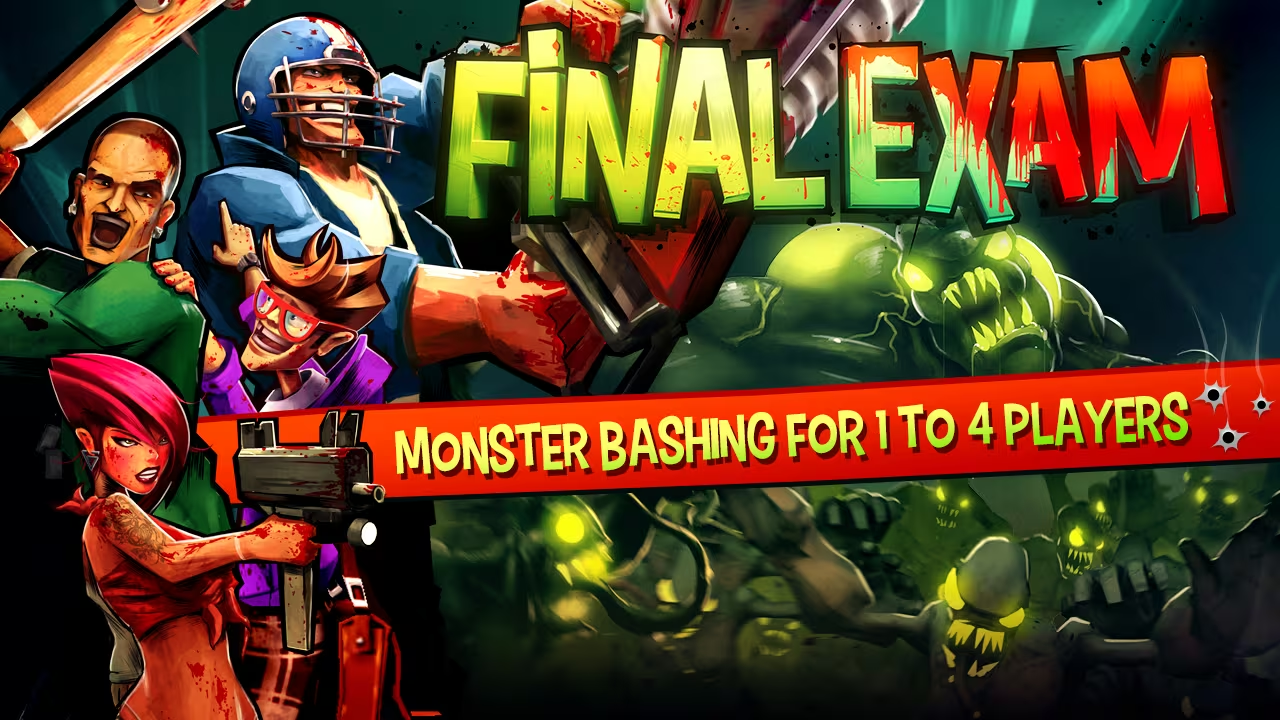
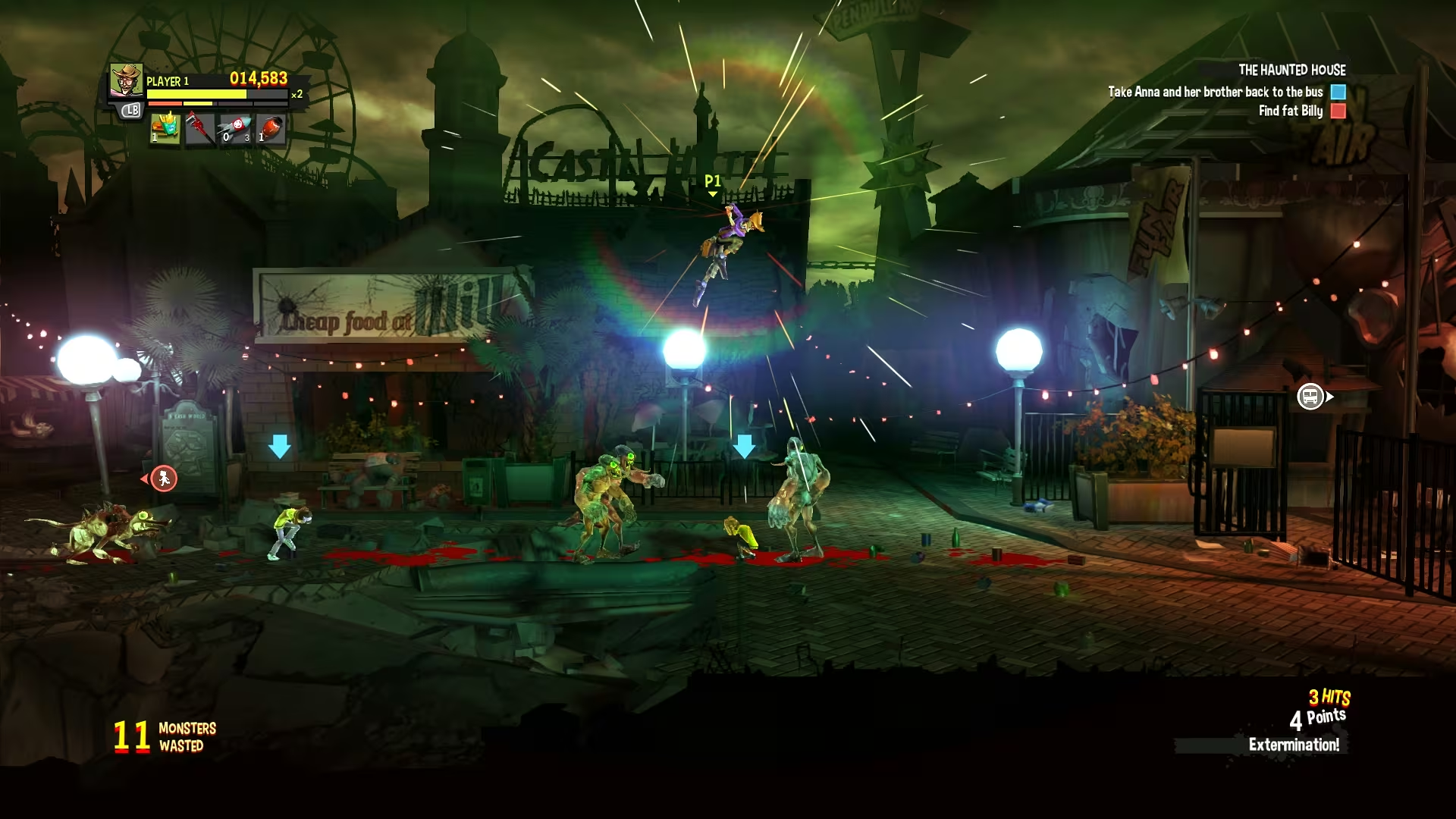
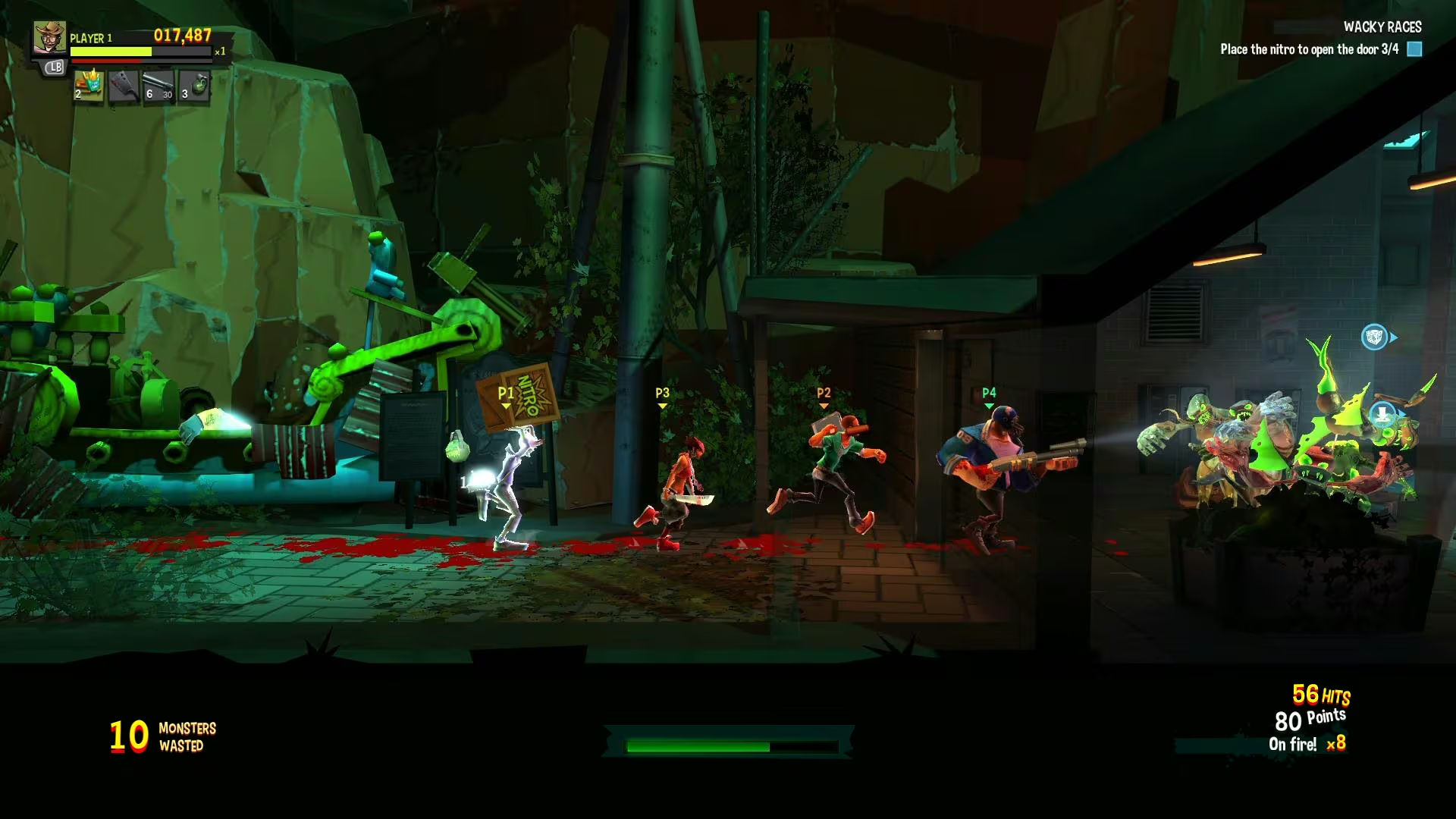
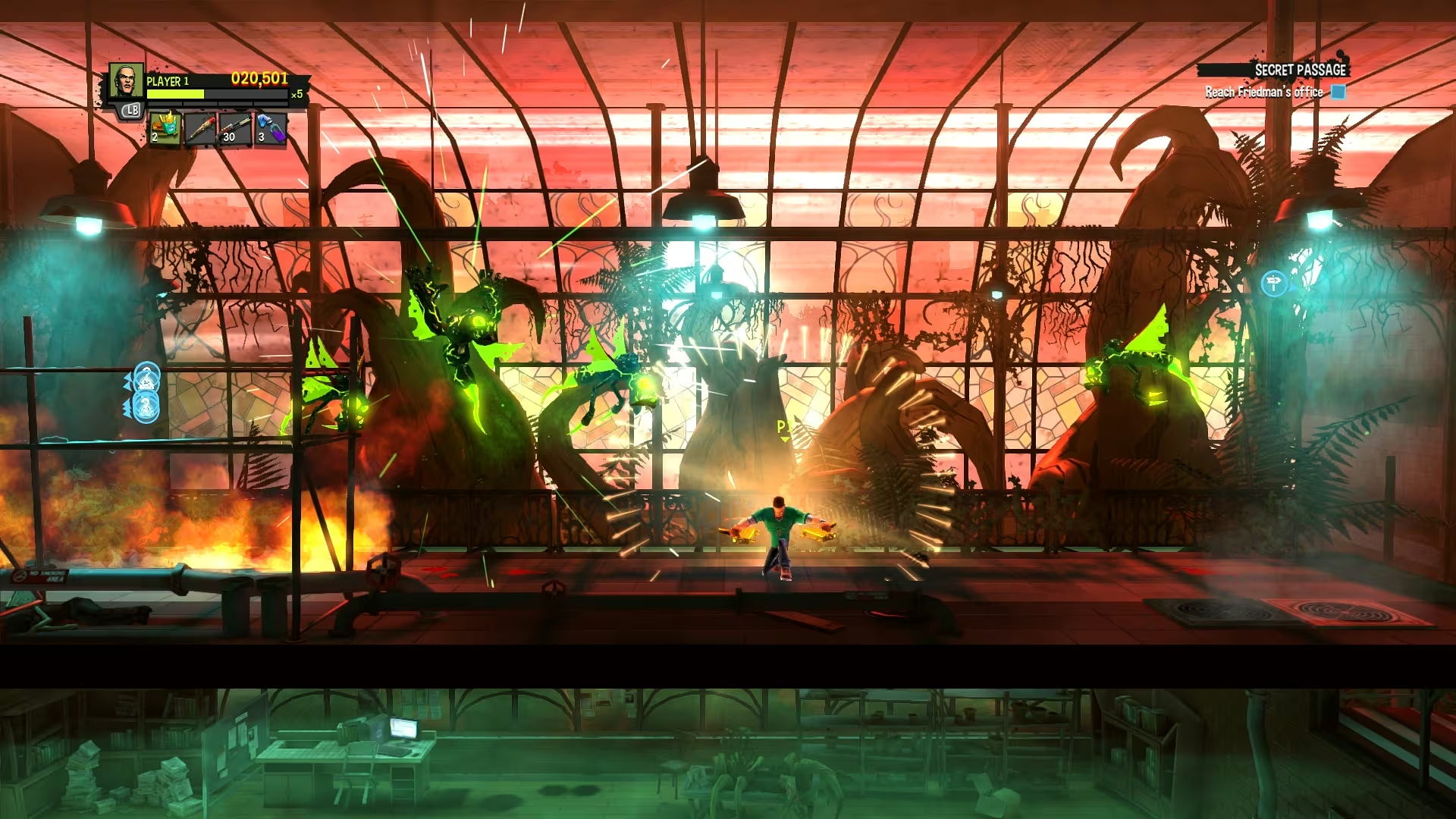
Jump into the frenzied action and the whacky humor of a pure 2.5D side-scroller! While they were going to their old high school for what was supposed to be the party of their life, four long-time friends end up in a ghost town full of monstrous creatures.
Global score
84/100
Genres
Action, Indie, Adventure
Similar games
Pros
- Fun and engaging co-op gameplay
- Varied characters and skill progression
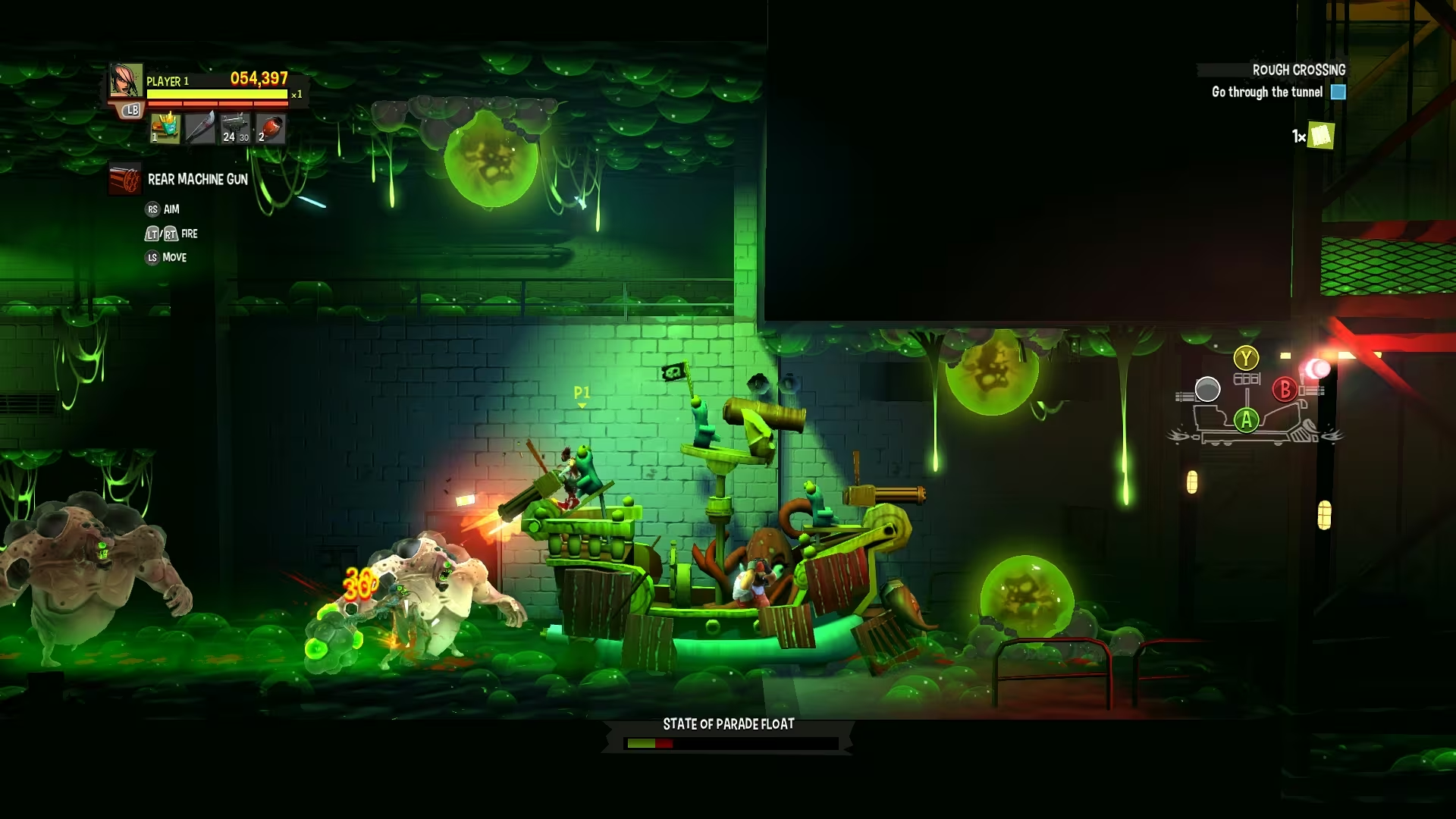
- Large levels with exploration and objectives
- Colorful cartoonish art style
- Good value especially on sale
Cons
- Short and repetitive campaign
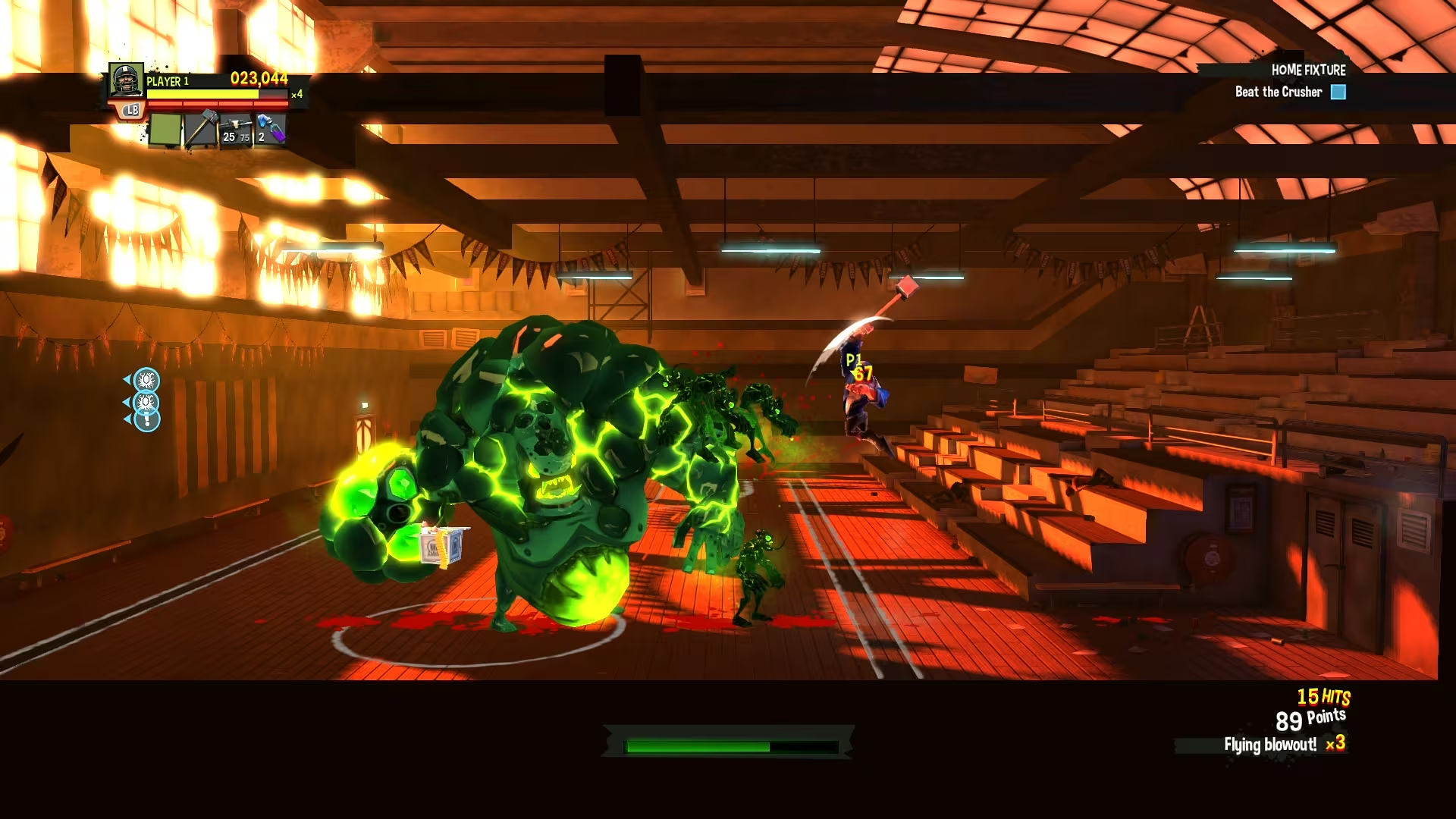
- Limited enemy and boss variety
- Minimal story and character differentiation
- Camera issues in local co-op
- Single player experience less enjoyable
Analysis
Broadly representative of its motivational profile, with a few distinct shifts. Motivations that often define this kind of title include Cooperation, Fellowship, Intimacy, Leadership. Here, the score leans higher than usual among comparable games on Competition. It leans lower than usual among comparable games on Story, Continuation.
How to use the graph
Similar games map
Each dot is a game. They are arranged from the same motivation profile as in the “Motivations” section below. Closer dots usually mean more similar reasons to play (exploration, competition, relaxation, etc.)—not that one game is “better” than another.
- Larger dot with a light outline: the game you are viewing.
- Colour: groups of games with comparable motivation patterns (statistical clusters).
- Hover a dot to see the game name; click to open its page.
- Scroll or double-click the chart to zoom out and see more games.
Why don’t the axes read like a score? This view uses t-SNE: it only keeps who is close to whom. The scales are not “good to bad” or hours played—they separate groups on the map. Read distance between dots, not the axis numbers.
Motivations
-
Autonomy4
"Players can choose from four characters with unique abilities and freely explore large levels with multiple objectives, deciding how to approach tasks and combat."
-
Competence3
"Combat involves combos, skill upgrades, and tactical use of weapons and abilities, providing a moderate skill challenge especially in co-op and higher difficulties."
-
Competition2
"Includes leaderboards and score comparisons encouraging players to improve combos and ranks, but primarily cooperative rather than competitive."
-
Continuation1
"Players enjoy replaying to improve scores and try different characters, but the game is short and repetitive, leading to limited long-term engagement."
-
Cooperation5
"Strong emphasis on 4-player co-op gameplay, with missions designed for teamwork and players encouraged to play together for best experience."
-
Creativity2
"Players can customize characters through skill trees and find weapons, but overall gameplay follows established beat-em-up structures with limited creative freedom."
-
Domination-3
"Interactions focus on cooperative play and shared objectives rather than exerting control or superiority over other players."
-
Escapism4
"Players use the game as a fun distraction with cartoonish monsters and arcade action, providing stress relief and lighthearted escapism."
-
Expectation-4
"Players engage voluntarily for fun and social interaction, with no indication of obligation or external pressure to play."
-
Experimenting2
"Game encourages trying different characters, weapons, and combos, as well as exploring levels for secrets, though core gameplay remains consistent."
-
Exploration3
"Levels are large with multiple paths and hidden items, encouraging players to explore rather than follow linear routes."
-
Expression1
"Limited character customization mainly through skill upgrades; no extensive cosmetic or avatar personalization reported."
-
Fantasy4
"Set in a fictional universe with mutant monsters and exaggerated cartoonish style, providing an imaginative and non-realistic experience."
-
Fellowship4
"Strong community aspect through co-op play, shared objectives, and social interaction with friends or online players."
-
Growth3
"Players develop characters by unlocking skills and upgrading stats, learning combos and strategies over time."
-
Health-5
"Sedentary gameplay with no physical activity or health-related features."
-
Idle-3
"Requires focused attention during combat and objectives; not suited for passive or background play."
-
Intimacy2
"Social interactions occur mainly through cooperative gameplay and friendly competition, but no deep emotional connections described."
-
Leadership-2
"Players cooperate without strong leadership roles; gameplay emphasizes shared participation rather than directing others."
-
Progression4
"Character progression through skill trees, weapon upgrades, and experience points is a core gameplay element."
-
Relaxation2
"Gameplay provides fun and flow but can become repetitive and challenging, limiting pure relaxation."
-
Sensation3
"Colorful visuals, dynamic combat effects, and energetic soundtrack provide engaging sensory stimulation."
-
Status1
"Leaderboards and achievements offer some recognition, but social status is not a major focus."
-
Story-1
"Story is minimal, serving mostly as a backdrop; gameplay and co-op are the main focus rather than narrative immersion."
-
Strategy2
"Combat and objectives require some planning and combo management, but overall gameplay is straightforward and action-oriented."
-
Thrill2
"Combat and boss fights provide moments of tension and excitement, though repetition reduces sustained thrill."
-
Value3
"Good value especially on sale; offers fun co-op gameplay and replayability for a low price."
-
Violence4
"Core gameplay revolves around combat, defeating hordes of monsters with melee and ranged weapons."
-
Survival3
"Players must manage health and avoid damage to maintain combos and survive waves of enemies, adding survival elements."
Last update: 29/04/2026